
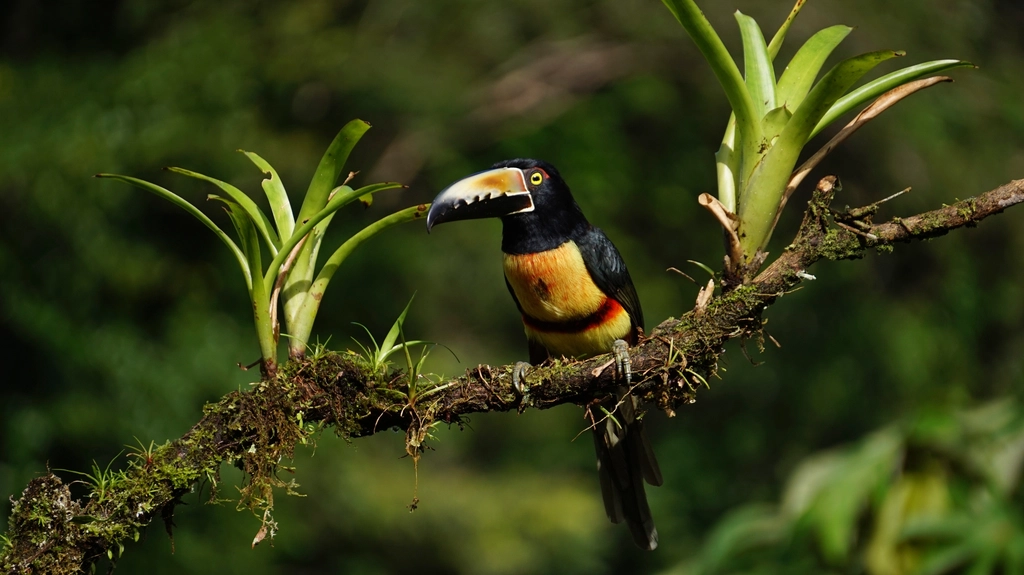

Costa Rica punches far above its weight. While it makes up only 0.3% of the globe’s surface area, the country contains nearly six percent of the world’s biodiversity. That number alone should stop you in your tracks. A tiny sliver of Central America holding an almost incomprehensible share of life on Earth.
The country is known for pioneering the concept of eco-lodges and setting a global standard for sustainable travel, with its commitment to conservation successfully reversing deforestation from decades past, leaving over half of its landmass now covered in rainforest. Travel + Leisure named it its 2024 Destination of the Year, and that recognition speaks to something real. What follows are four experiences that Costa Rica delivers in ways no other country quite manages.
Witnessing Sea Turtle Nesting at Tortuguero
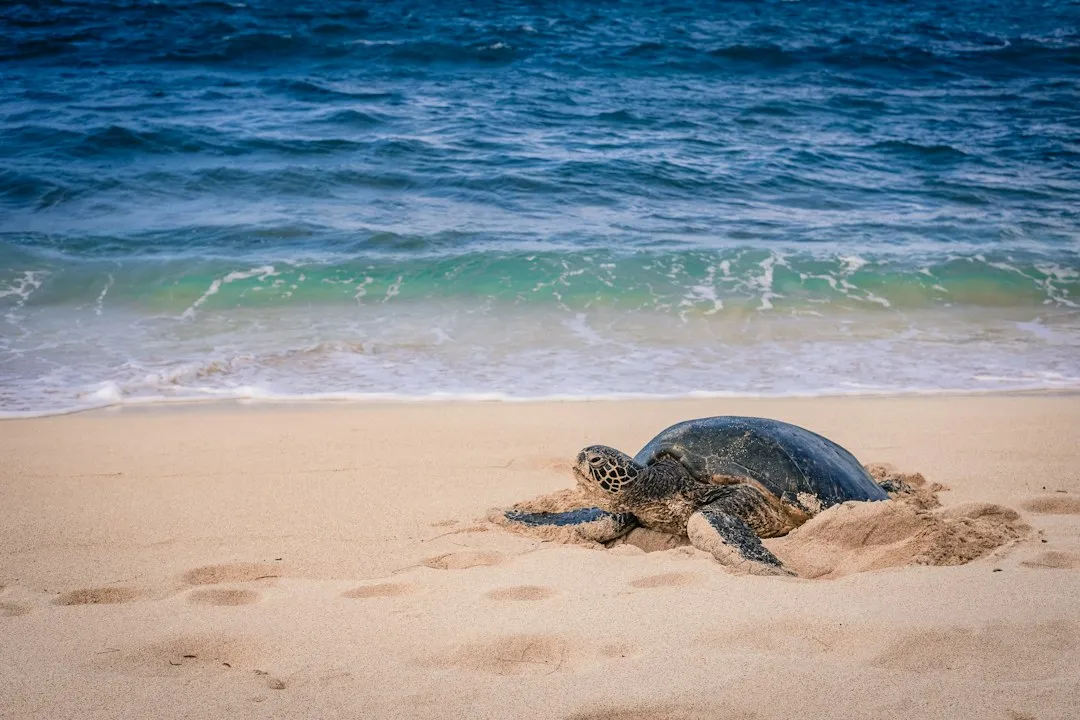
Tortuguero hosts the largest green turtle rookery in the Western Hemisphere and also important nesting populations of leatherback and hawksbill turtles. The word “Tortuguero” literally translates to “region of turtles,” and it earns that name every season. The setting itself is otherworldly.
Because there are no roads to Tortuguero National Park, just getting here is an adventure. You arrive by boat or small aircraft, gliding through a network of jungle canals before stepping onto dark volcanic sand. Up to 50,000 green sea turtle nests are laid every year during nesting season, giving visitors a reasonably good chance of encountering one.
Since the national park was established, sea turtle populations have declined worldwide, but nestings at Tortuguero have increased nearly 500%. Today roughly 20,000 green turtles nest here each year, making it the largest colony of nesting green turtles in the world. That story of recovery is as remarkable as the turtles themselves.
Every year, from March to October, Tortuguero becomes the stage for one of nature’s most awe-inspiring spectacles: the turtle nesting season. The Sea Turtle Conservancy works to ensure turtle nesting tours, which are limited to groups of ten, have minimal impact on the animals. Responsible access is baked into the experience from the start.
Soaring Through the Monteverde Cloud Forest Canopy
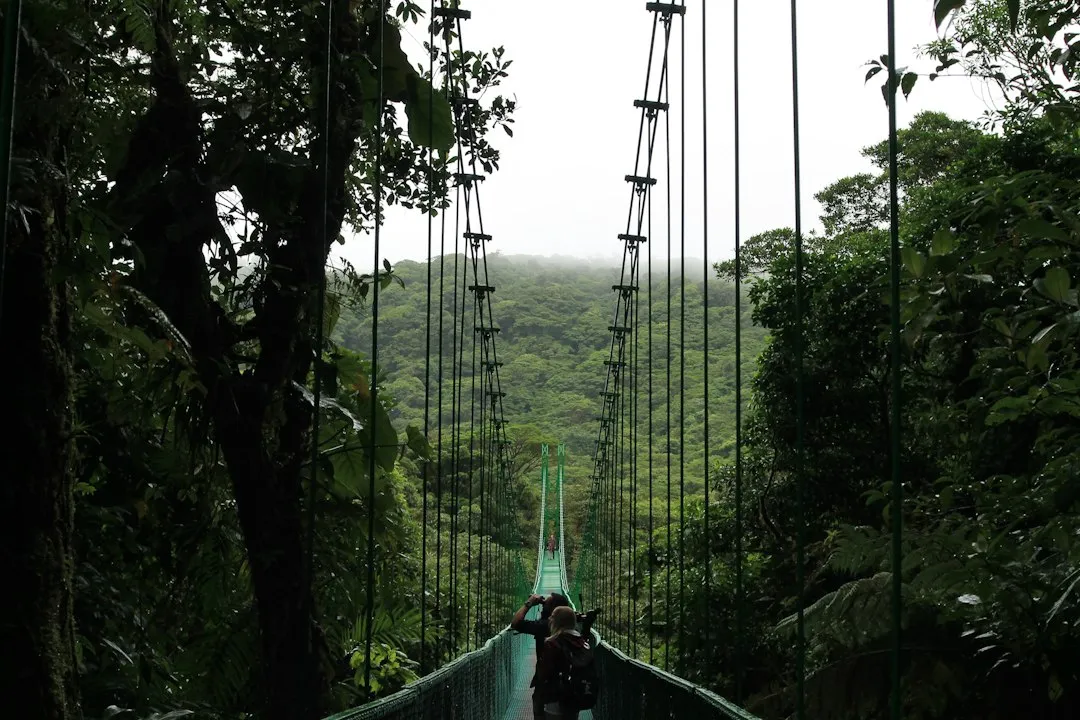
Monteverde, or “Green Mountain” as it directly translates, is named for its extensive reserve of lush, verdant cloud forests, and National Geographic has described it as “the jewel in the crown of cloud forests.” That is not marketing language. Stand at its edge on a misty morning and it becomes obvious why.
Monteverde is home to the world’s first canopy tour: ten zip lines through the cloud forest, a Tarzan Swing, a rappel, and a giant fig tree climb. This pioneering venture set the stage for Monteverde to become a sought-after destination for eco-tourists and laid the groundwork for canopy tours and zip line adventures worldwide. Costa Rica, in other words, essentially invented this category of adventure travel.
Modern tours zip through 13 lines, including a one-kilometer cable, across 15 platforms, and include the exhilarating Tarzan Swing across 3.5 kilometers of pure adrenaline. Beyond the thrills, the setting does all the talking. Birdwatchers venture great distances to catch a glimpse of the elusive Resplendent Quetzal, one of the most visually striking birds in the Americas, spotted along these same trails.
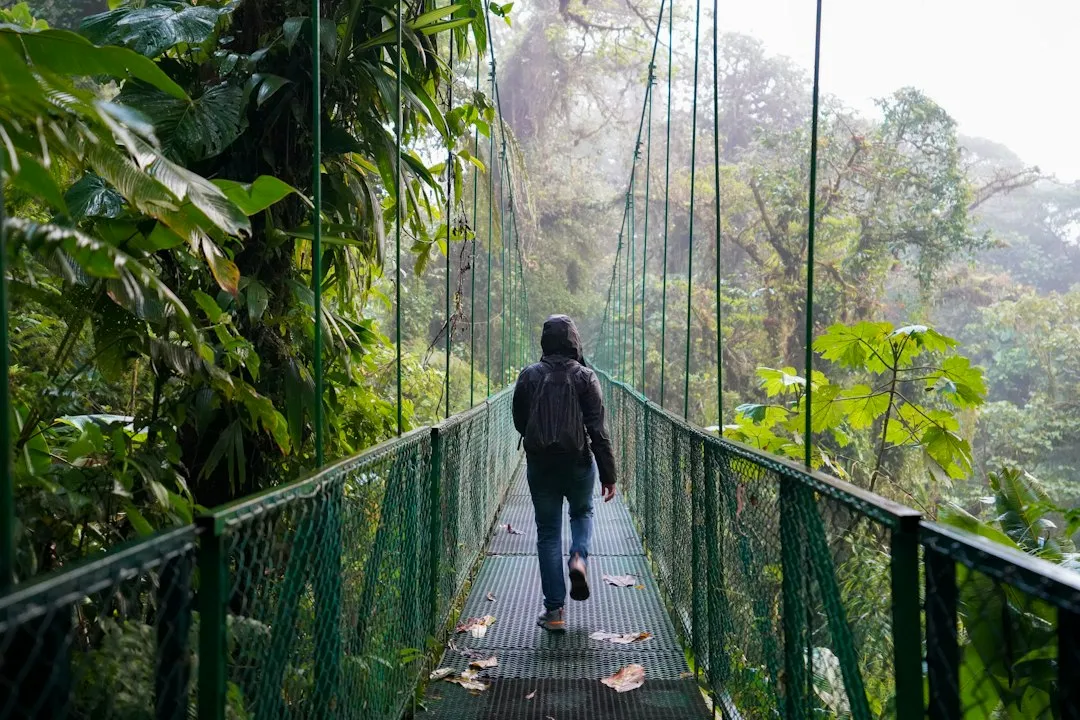
The hanging bridge walkways consist of eight suspension bridges linked by trails, with bridges ranging in length from 150 feet to 500 feet and suspended at heights ranging from 36 feet to 180 feet. It is genuinely difficult to describe what it feels like to stand on one of those bridges, fog rolling through the canopy below you, hearing nothing but birdsong. You simply have to go.
Exploring Corcovado, One of Earth’s Most Biodiverse Corners

The Osa Peninsula and Corcovado hold an Eden-like beauty, earning recognition as one of the most biodiverse places on Earth. Scientists frequently describe Corcovado as a place where you can observe what much of the American tropics looked like before large-scale human intervention. It feels prehistoric in the best possible sense.
As you continue farther south toward the Osa region, Costa Rica starts to feel wilder and less developed. It takes a little more effort to reach than some of the country’s more heavily traveled beach destinations, but that is part of what has protected its magic. The distance is a feature, not a flaw.
Nearly 43% of the bird, mammal, reptile, and amphibian species found in Costa Rica are endemic, and the country is home to more than 900 species of birds. Corcovado is home to tapirs, jaguars, scarlet macaws, and four species of sea turtles, all sharing the same stretch of coast. Encounters with large mammals are genuinely possible here in ways they simply aren’t in more developed parks.
Think wild beaches, big cat conservationists, waterfall hikes, and the raw nature of Corcovado National Park. Access is intentionally limited and requires a licensed guide, which keeps visitor numbers low and the experience intimate. That restriction is also what makes it feel so extraordinary.
Experiencing the Thermal Hot Springs of Arenal Volcano
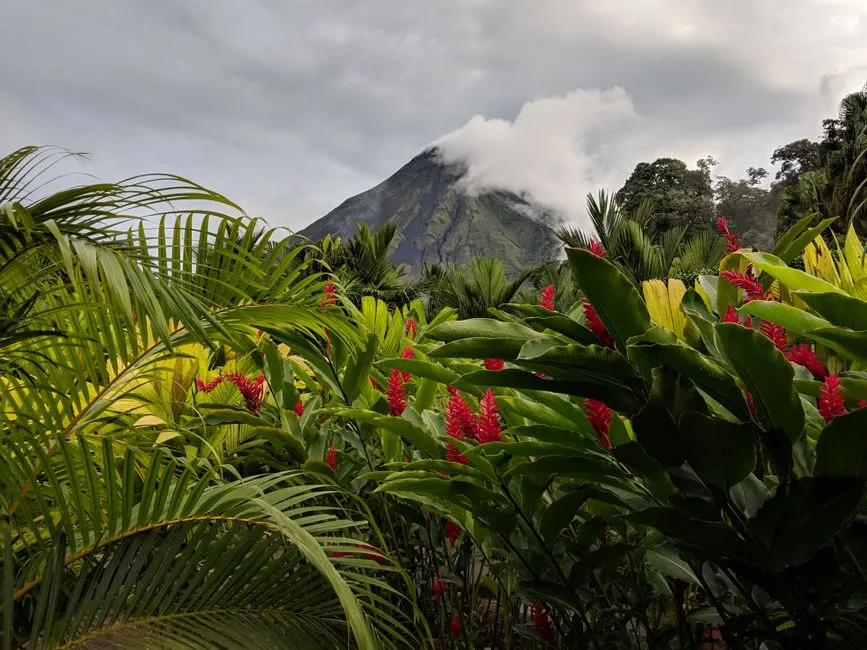
Arenal Volcano in the northern highlands is one of the country’s most recognizable landmarks, and the geothermal activity beneath it has produced something travelers struggle to find elsewhere: a genuinely wild, natural hot spring experience set within a rainforest. Soaking in an Arenal hot spring, surrounded by lush foliage, is among the defining sensory experiences the country offers.
Visitors can go zip lining and river tubing, then unwind in natural hot springs and volcanic mud baths afterwards. The combination of adrenaline and deep relaxation, all within the same afternoon, is genuinely hard to replicate. The springs themselves vary from mild to near-scalding, fed directly by volcanic heat beneath the surface.
The region around La Fortuna, which sits at Arenal’s base, has developed thoughtfully around the thermal experience. Costa Rica pioneered the concept of eco-lodges, and many properties here have integrated the natural springs directly into their design, letting guests soak under open sky with views of the volcano. It is a version of luxury that depends entirely on what the earth provides.
What makes Arenal distinct from other volcanic hot spring destinations around the world is context. You are not visiting a spa with a volcanic backdrop. You are inside a living, breathing ecosystem, where the same forest that shelters sloths and poison dart frogs also frames your soak. The country’s geographical position, surrounded by two coasts with a mountainous system, provides numerous and varied microclimates that give rise to extraordinary natural wealth, both in species and in ecosystems.
Why These Experiences Endure
Costa Rica is the first tropical country to have stopped and reversed deforestation. That fact underpins everything on this list. Without it, neither Tortuguero’s turtle populations, Monteverde’s unbroken canopy, Corcovado’s jaguar corridors, nor Arenal’s intact rainforest setting would exist in their current form. The experiences are inseparable from the conservation choices that protect them.
Twenty-eight percent of Costa Rica’s land is preserved in protected areas, national parks, and biological reserves. For a country this small, that commitment is remarkable. It is the reason these four experiences remain genuine rather than manufactured, and why they genuinely cannot be found anywhere else in quite the same way.
What connects all four is something beyond scenery or adventure. Each one places you inside a living system that has been actively chosen, defended, and maintained. That is the quiet difference you feel the moment you arrive, and the thing you carry home long after the photos have faded.
AI Disclaimer: This article was created with the assistance of AI tools and reviewed by a human editor.