

The Odd-Time Request That Operators Never Forget
Some guests don’t want 6:00 or 7:00 AM. They want 6:17, or 7:43, or some other time that sits nowhere near a round number. Travel expert Peter Greenberg has publicly advocated for exactly this behavior. His advice is to ask for an odd time like 6:17 AM or 7:13 AM, because the front desk has to write that time down separately and can’t miss it.
Operators confirm that these calls do stand out. They require a human note rather than a quick entry in an automated system, which means they actually land on someone’s radar. The strategy works, but it also means operators remember those guests long after checkout.
The Guest Who Wanted a Wake-Up Poem
Hotel workers on Reddit’s r/TalesFromTheFrontDesk have shared accounts of guests requesting personalized greetings over the phone rather than a standard “good morning” message. Some have asked for a short motivational speech. Others have gone further, requesting that the operator recite something poetic or tell a joke as the first words of the morning.
To anyone who has worked in a service role, it comes as no surprise that hotel employees get their share of strange requests, and while most guests are happy calling down for extra towels or breakfast in bed, there’s always someone looking to order off-menu items. A 5 AM joke request is about as off-menu as it gets.
The “Call Me Every 15 Minutes Until I Actually Sound Awake” Request
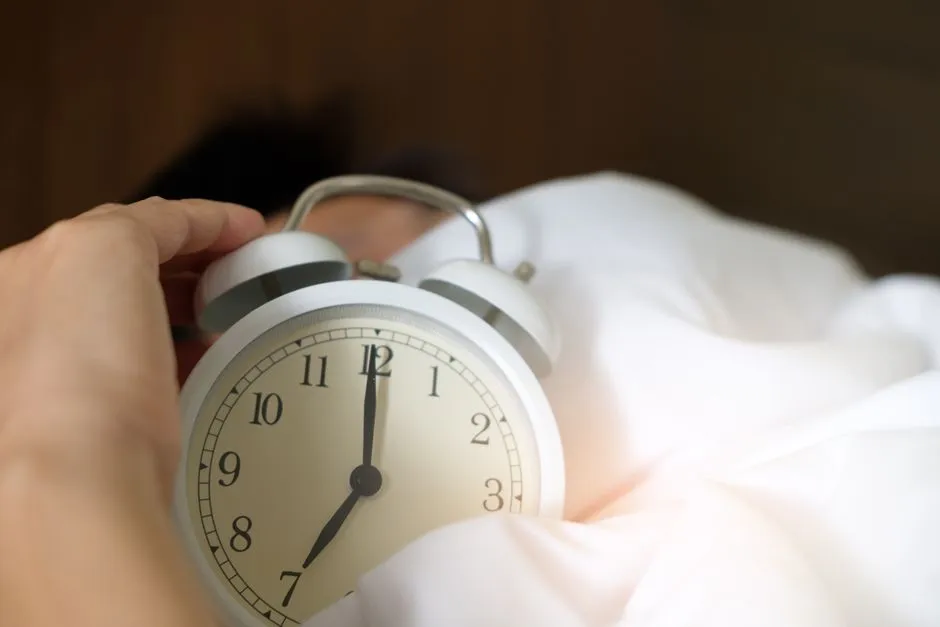
Guests typically dial zero for the operator to request a wake-up call, and this affords the chance to offer a follow-up call ten minutes later, something akin to hitting the snooze button on an alarm clock. Standard protocol accounts for one backup call. What it doesn’t account for is the guest who asks for five.
Operators at full-service hotels describe guests who pre-negotiate an entire morning escalation plan: a gentle call at six, a firmer call at six-fifteen, and instructions to keep going until they hear the guest say full sentences. Hotel procedure requires ensuring the guest really wakes up after the call, and operators can politely ask whether the guest wants a second wake-up call. Some guests take that offer very seriously.
The Airline Crew That Requested a Group Countdown
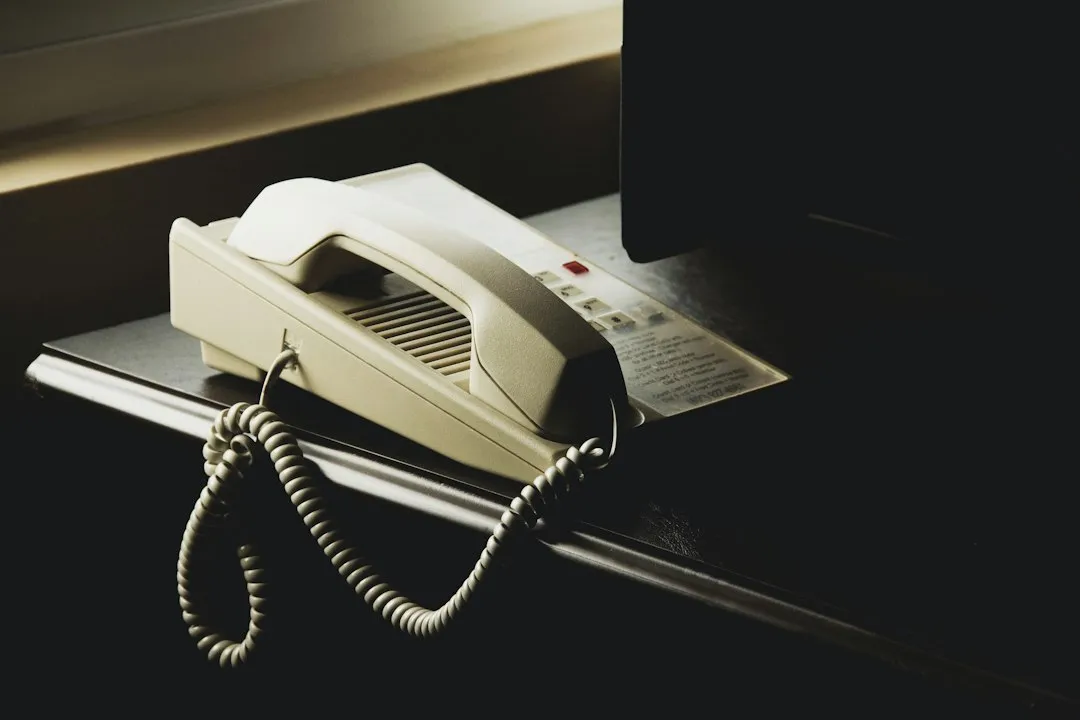
Airline crews are among the most routine wake-up call guests, and hotels near major airports handle them constantly. It’s the duty of the telephone department to handle calls for airline crews, with lobby personnel forwarding pickup timing from local airline operators, and the wake-up call for groups is typically done 45 minutes to one hour before pickup time.
What operators don’t always expect is the crew that requests something theatrical. Hotel night staff have shared stories of flight crews asking for synchronized calls across multiple rooms, timed to the minute, so the whole team wakes together. One account from hospitality forums described a crew that asked operators to say “engines on” as the wakeup phrase instead of good morning.
The Deeply Specific Bedtime Reminder Request
Some guests don’t just want a wake-up call. They want a call the night before reminding them to go to sleep. This isn’t as rare as it sounds. Operators at larger hotels report that high-anxiety travelers, particularly those with early flights or big presentations, occasionally request an 11 PM “lights out” reminder call so they don’t lose track of time.
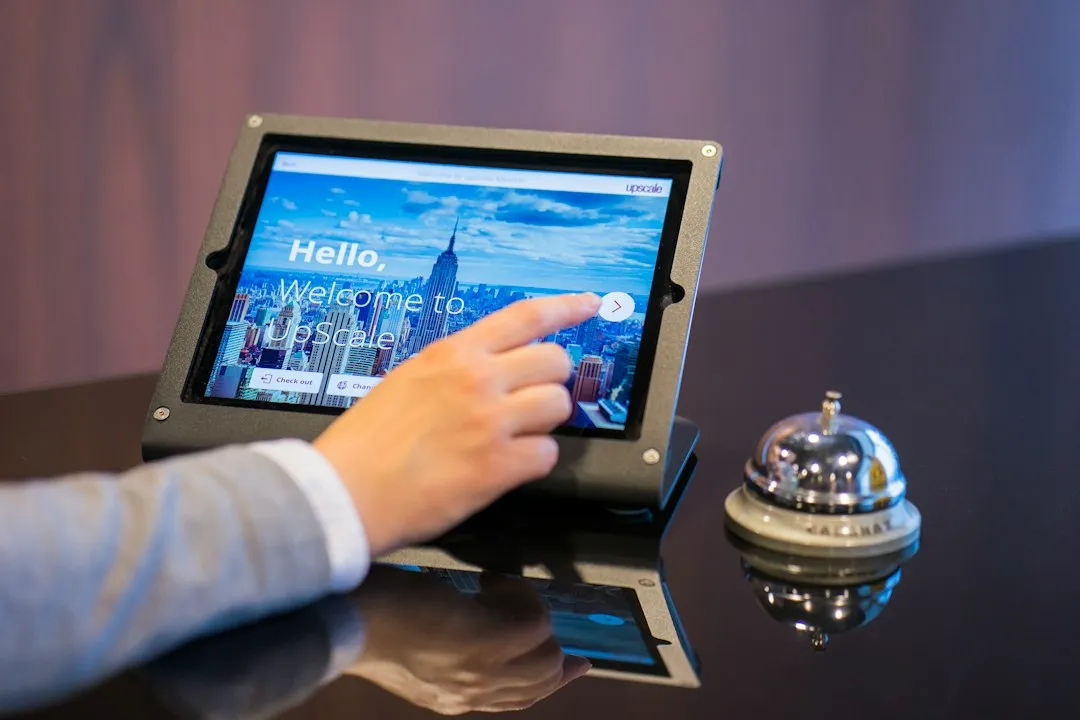
Hotel management must decide whether to offer personalized service or automated service when handling wake-up calls, and most modern hotel PBX systems allow guests to directly request a wake-up call from their guestroom by pushing a button labeled “wake-up call” on the guestroom phone. The bedtime reminder, however, still requires a human operator, which is probably part of why guests ask for it.
The Guest Who Wanted Music Instead of a Voice
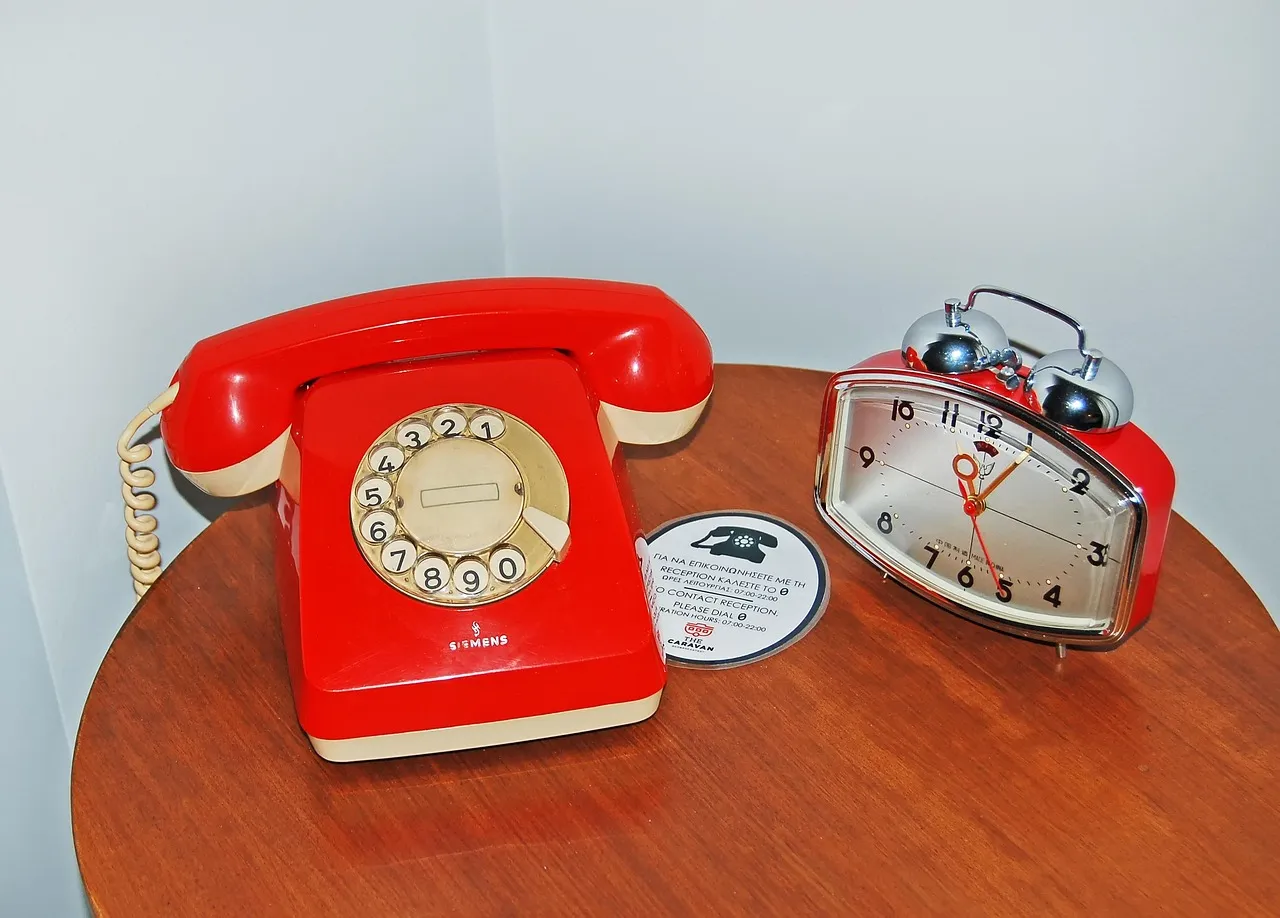
A recurring story in hospitality circles involves guests asking for something more atmospheric than a phone call. Some want the operator to hum a specific song. Others have asked whether the hotel can pipe music through the phone line rather than a greeting. The request reflects a real frustration: automated wake-up calls can feel jarring, and guests are often searching for something gentler.
Research suggests that roughly two thirds of hotel guests now prefer hotels with smart room features. That preference for a tailored, technology-enhanced experience has filtered down even to the wake-up call, where guests increasingly want the interaction to feel curated rather than mechanical. A lullaby-to-alarm-bell transition may sound outlandish, but the impulse behind it makes sense.
The Guest Who Wanted the Operator to Stay on the Line
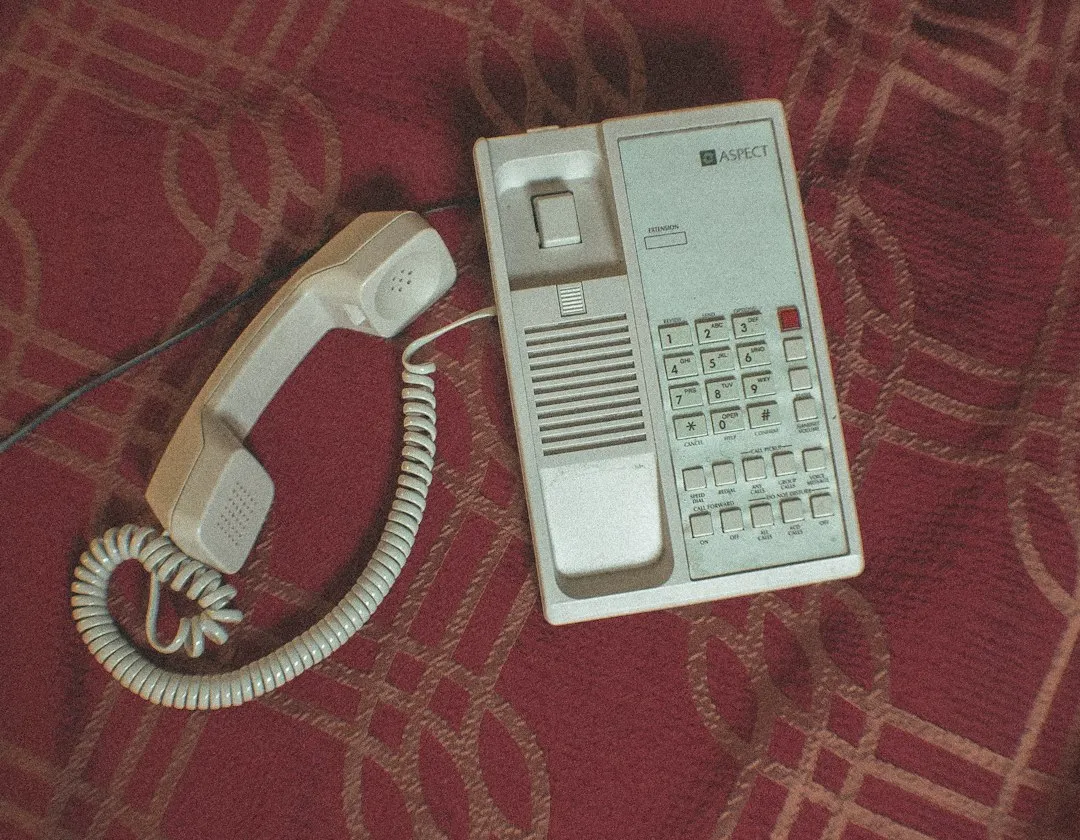
Some operators describe calls where the guest asks them not to hang up right away. The reasoning varies: some guests are disoriented and genuinely need a moment to understand what’s happening. After receiving a wake-up call, a guest may not understand the situation quickly as they’ve just woken up, so operators are trained to give them some time and explain again why they called.
Others, though, have simply asked the operator to stay on the line for company while they sit up, find their glasses, and establish where they are. Solo travelers staying in unfamiliar cities sometimes find that a calm, quiet voice on the other end of the phone is genuinely grounding at five in the morning. Operators who’ve experienced this describe it as one of the more unexpectedly human parts of the job.
The Celebrity Photo Request That Bled Into the Morning Call

Requesting an in-room celebrity photo is a surprisingly popular ask at hotels, and it comes up repeatedly in Reddit threads. What operators sometimes encounter is the intersection of that request with the morning routine. Guests who’ve arranged elaborate room setups occasionally call the operator as part of the joke, asking to be woken up “as if they were famous” or requesting that the operator use an invented celebrity name when calling.
One guest filled a hotel room with photos of Jeff Goldblum as a special request, and upon arrival they discovered framed photos of the actor on the desk, in the bathroom, and on the bedside table. Guests who go to that kind of trouble tend to carry the spirit of it through the entire stay, wake-up call included.
The 3 AM Request That Wasn’t Really About Waking Up
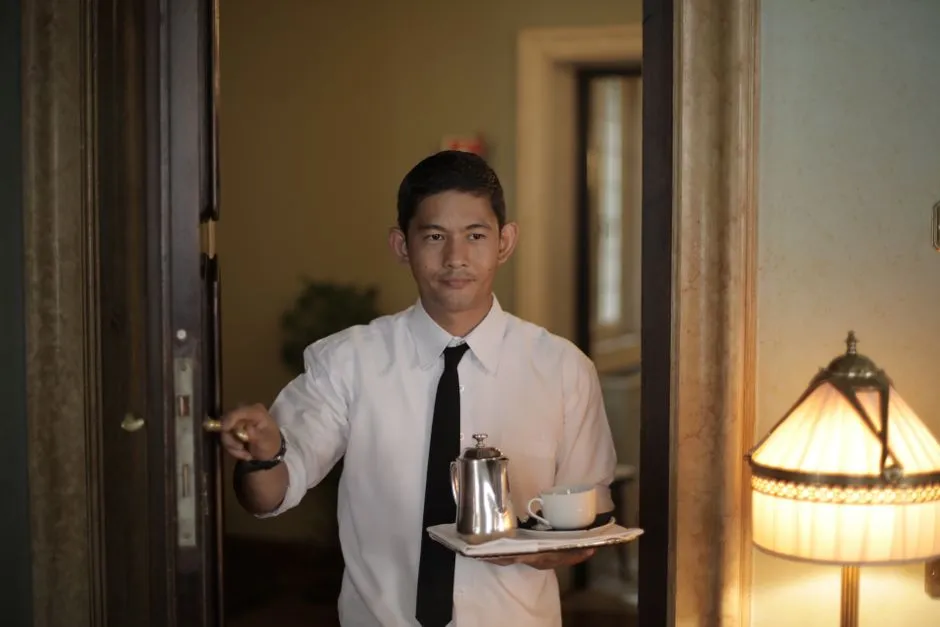
A December 2024 survey found that nearly two thirds of hotels in the United States are still dealing with staffing challenges, according to the 2025 State of the Industry report by the American Hotel and Lodging Association. That pressure falls hardest on night staff, who are often the sole operator covering the building during the small hours.
Experienced operators say the strangest late-night wake-up requests often aren’t really wake-up calls at all. They’re check-ins. A guest alone in an unfamiliar city, or jetlagged beyond reason, sometimes uses the wake-up call as an excuse to hear a human voice. They schedule a 3 AM call knowing they won’t be asleep, just wanting confirmation that someone is there. The AHLA report in 2024 found that guests ranked “staff interactions” among the top three reasons they would leave a positive review for a hotel. That says something about what people are really looking for.
The Guest Who Requested a Second Call for Their Pet

Among the more quietly surreal requests operators describe is the guest who asks for a wake-up call for their pet. The logic, loosely, is that the animal needs time to adjust before a morning departure, so the guest wants a preliminary call to begin the transition process for their companion. Hotels.com’s annual Hotel Room Innsights Report, drawing on more than 400 partner hotels worldwide, found bizarre room service orders and out-of-this-world services accommodating travelers today.
The report noted requests including customized menus for pets free of allergens. A follow-up wake-up call for a sleeping dog fits neatly into that pattern of complete, unembarrassed devotion to an animal’s comfort. Operators say they handle it professionally. Some admit they find it genuinely charming.
The Takeaway
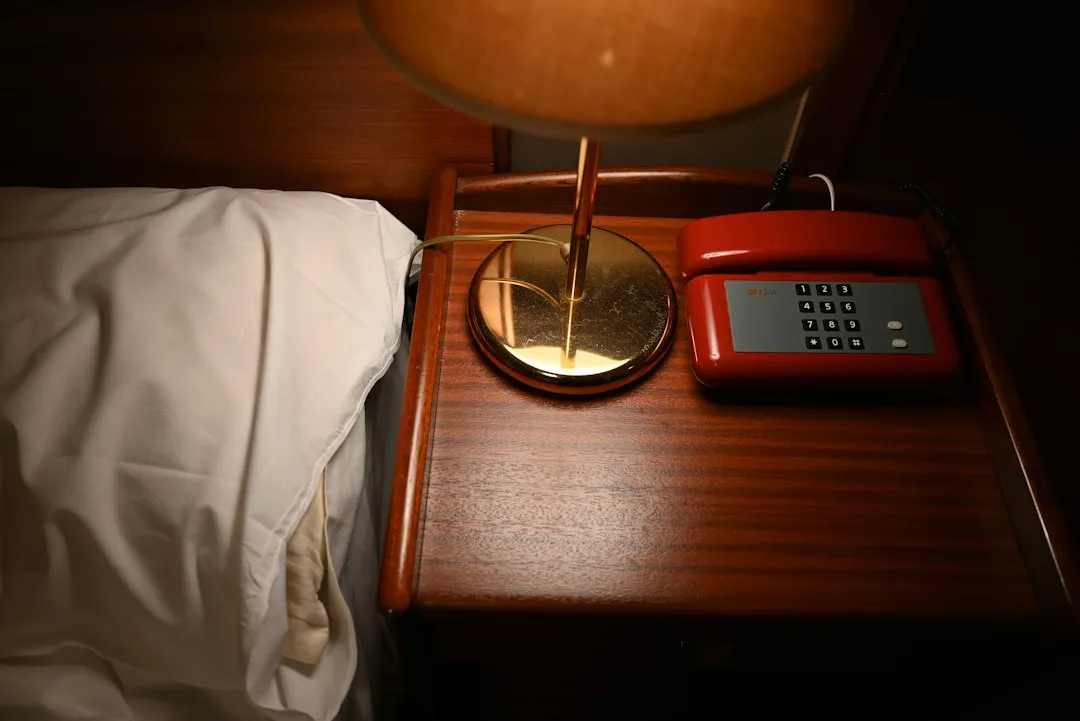
The wake-up call is one of the oldest rituals in hospitality. The familiar language of hotel telephone service traces back 150 years to Alexander Graham Bell’s first telephone call, and it didn’t take long for luxury hotels to adopt the technology, with the phone eventually becoming a standard amenity used to request room service, wake-up calls, and extra towels. That’s a long time for a simple service to accumulate stories.
What the strangest requests really reveal isn’t eccentricity. It’s the desire for human contact inside an anonymous room, for something personal inside a standardized experience. The guest who wants a poem, or a countdown, or just someone to stay on the line for a moment, is asking for the same thing everyone who travels is quietly looking for: a little proof that someone, somewhere in the building, is paying attention.
AI Disclaimer: This article was created with the assistance of AI tools and reviewed by a human editor.