

The Tray Table: The Dirtiest Surface Most People Still Use as a Dinner Table
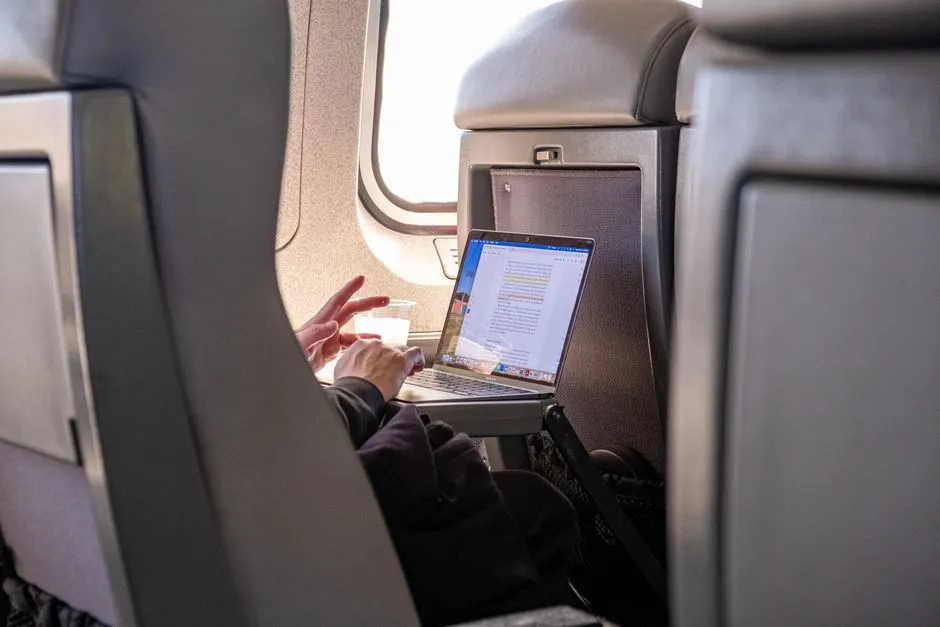
The potentially grimiest place on an airplane unfolds right into your lap. A 2015 study by TravelMath that tested samples from hard surfaces in planes found that tray table surfaces had more than eight times the amount of bacteria per square inch than the lavatory flush buttons. That comparison alone is worth sitting with for a moment.
The trays measured around 2,155 colony-forming units of bacteria per square inch, compared to 127 per square inch, which is what the National Science Foundation says is standard for a toilet seat at home. People eat on these surfaces, rest their laptops on them, and occasionally let their children sleep across them.
The tray tables may be wiped down at the end of the night and not between flights. It’s best to disinfect your tray yourself before you touch them. That advice comes from people who have actually cleaned these cabins, not from airline marketing material.
The Seatback Pocket: A Fabric Pouch That Almost Never Gets Cleaned
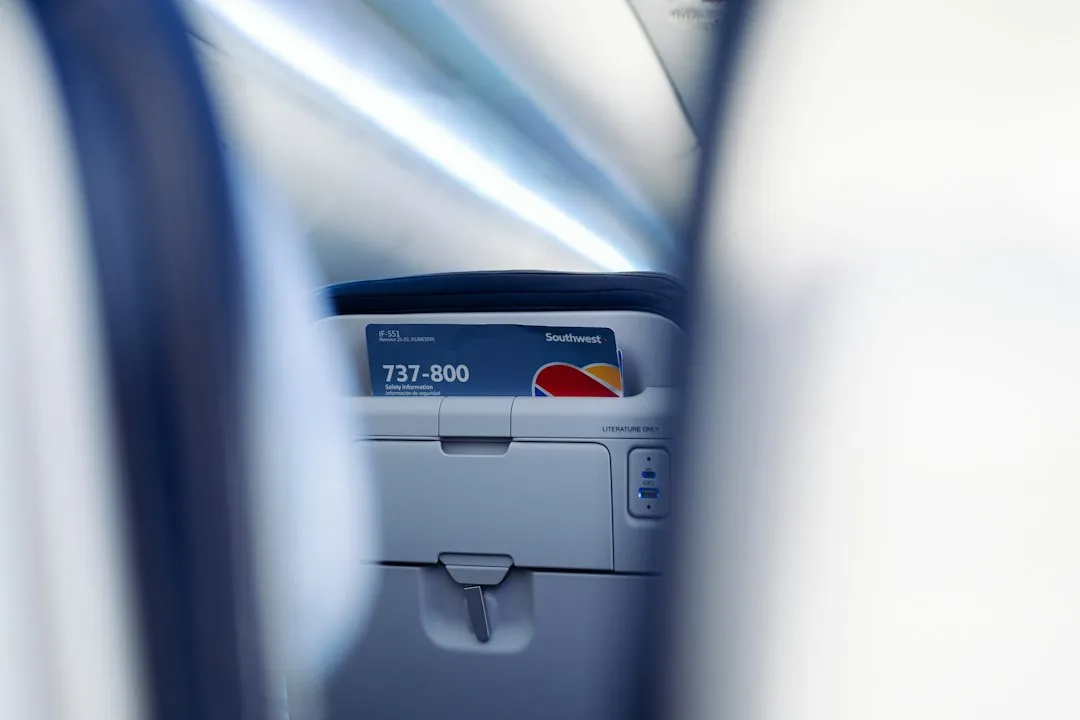
On planes with quick turnarounds on the ground, cleaning crews may not even get a chance to empty out the seat pockets, let alone disinfect the cloth. An Auburn University study found that MRSA germs survive for up to 7 days on seat pocket cloth, the longest it survives on any of the hard and soft surfaces the researchers tested.
In a notable study, researcher Kiril Vaglenov, who studies materials science, told NBC News that bacteria could live for up to a week on airplane surfaces. One of the dirtiest parts on an airplane, his study found, was the seat back pocket. Passengers routinely push boarding passes, phones, snack wrappers, and used tissues into these pockets without thinking twice.
Drexel University Medicine only recommends one way to avoid germs in the seatback pocket: “Just don’t use them. It’s simply not worth the risk.” That’s a fairly blunt recommendation, but it reflects what the microbial data actually shows.
The Headrest: Closest to Your Face, Least Likely to Be Wiped
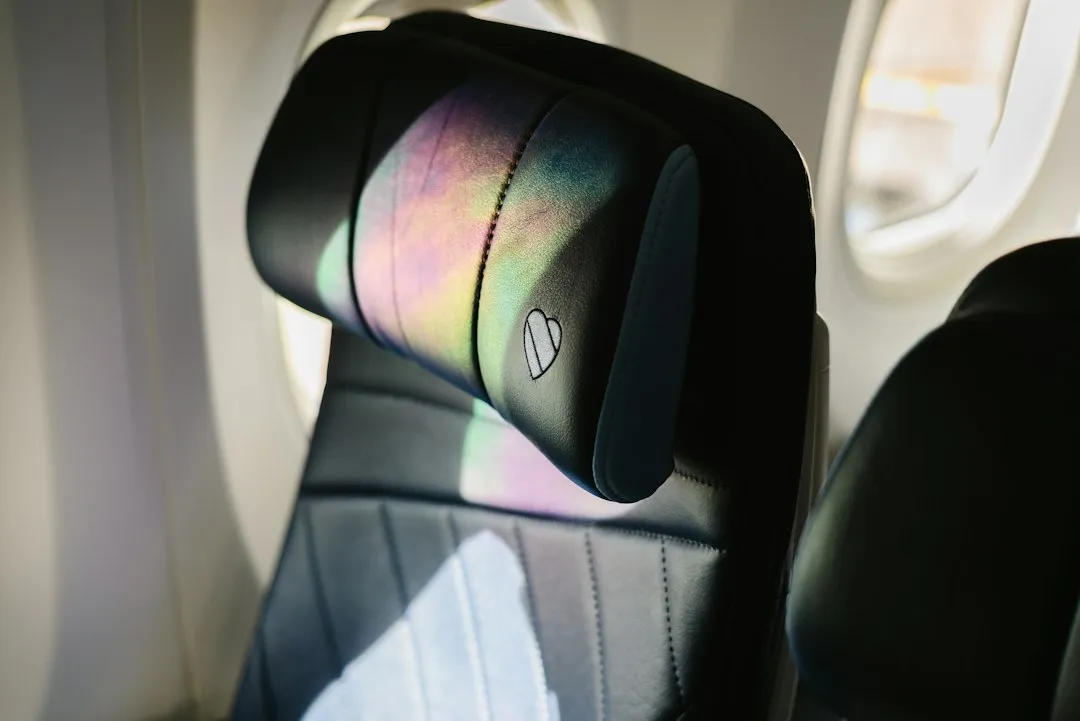
The single dirtiest spot on the plane turned out to be the headrest, the surface closest to where most people rest their face for hours at a time. On overnight flights, the contact between a passenger’s hair, skin, and that fabric cover can last for many hours.
Studies have shown that the headrests on airplane seats harbor higher concentrations of fecal bacteria compared to other commonly touched surfaces like tray tables or seatbelt buckles. The polyester material used in many airplane headrests provides an ideal breeding ground for harmful bacteria like MRSA, which can thrive in those textiles.
Headrests can pick up hair, skin contact, and on overnight flights, a surprising amount of face-to-fabric time. Unlike hard surfaces, fabric headrests cannot simply be wiped with a disinfectant cloth, which makes them structurally difficult to clean quickly during a turnaround. Placing a clean layer, such as a scarf or travel pillow cover, between your face and a headrest if you plan to sleep is a practical workaround worth adopting.
The Seat Belt and Buckle: Touched by Every Passenger, Cleaned Almost Never
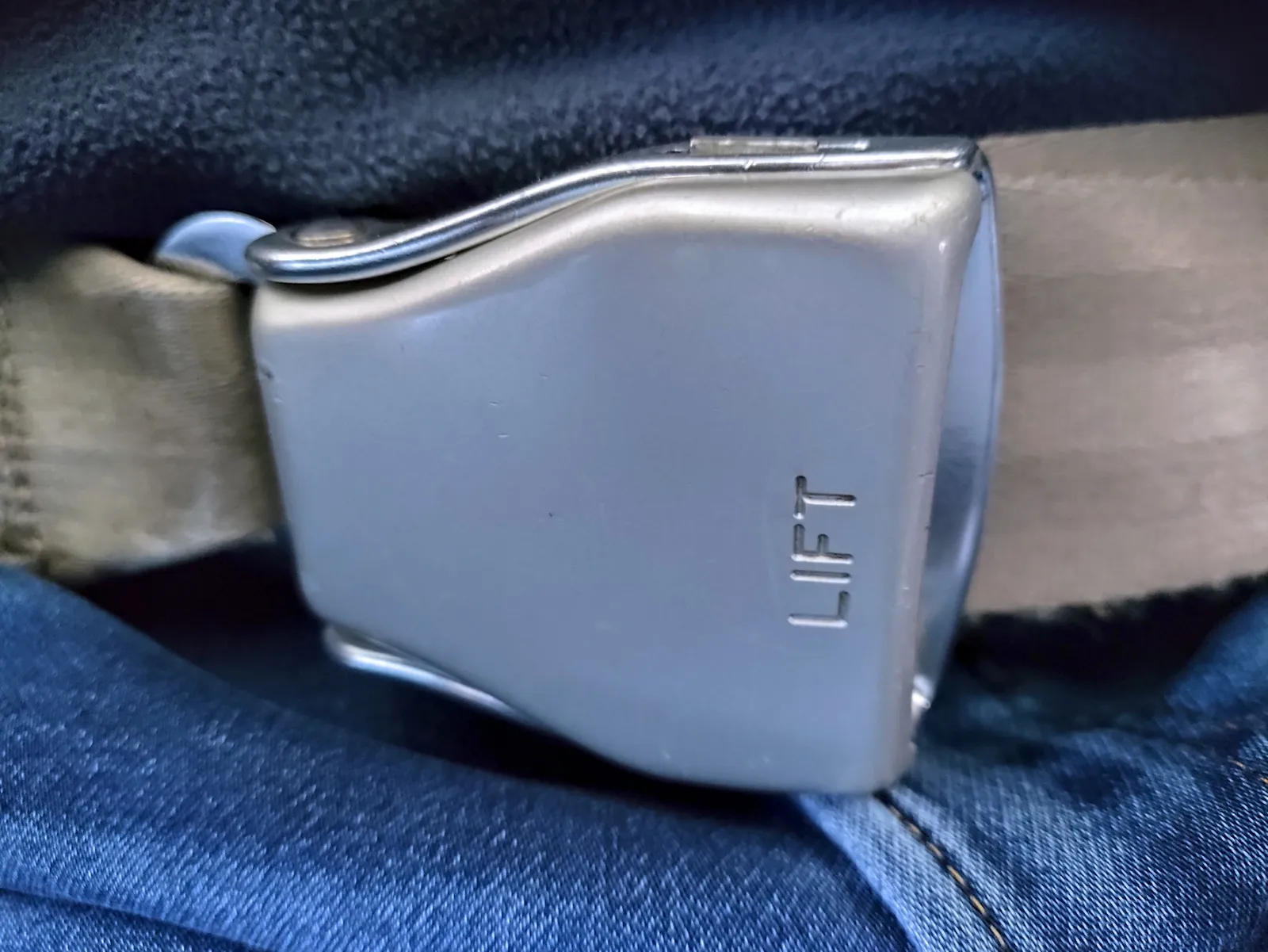
Every passenger who has occupied that seat has handled that same fabric strap and metal buckle. Unlike tray tables, which at least get a cursory wipe during turnarounds, seat belts rarely receive any cleaning attention between flights.
One widely cited swab study reported seat belt buckles at about 230 colony-forming units per square inch, and because the belt is handled by every passenger, it’s a sensible high-touch spot to wipe down. The buckle is touched at the very start of the flight when passengers are freshly boarded, and again at the end when they’ve been fidgeting, eating, and moving around for hours.
Southwest Airlines, for example, implemented cleaning protocols in which armrests and seat belts would not be wiped down between each flight. While the armrests and seat belts would not be disinfected between flights, they would be included in the airline’s nightly cleaning protocol, where cleaning teams spend six to seven hours deep-cleaning all interior surfaces per aircraft. That is a long gap between cleans for a surface that is touched by literally every single person who flies.
The Overhead Bin: Handled by Hundreds, Forgotten by Cleaning Crews
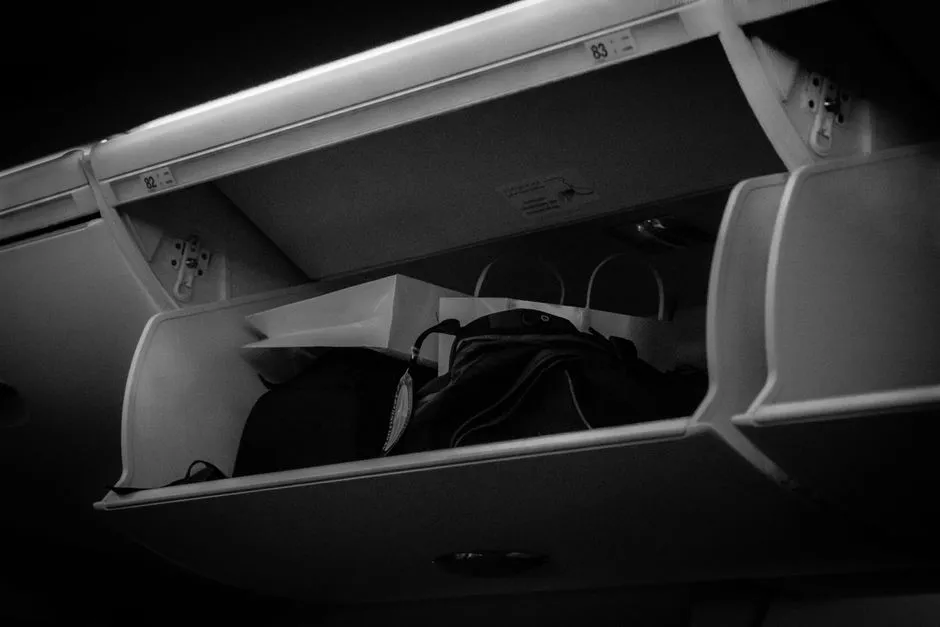
The inside of overhead compartments are rarely cleaned. Passengers heft bags into them, rummage through them mid-flight, and grip the latches with bare hands every time they open or close. Despite this constant contact, overhead bins tend to sit far down any cleaning priority list.
Seat controls, window shades, recline buttons, light switches, and air vents are touched repeatedly but cleaned never during a typical quick turnaround. The overhead bin latch falls into the same category. It’s functional, it’s shared, and it is extremely easy to overlook when a crew has fifteen minutes to clear an entire aircraft.
Various airplane surfaces, such as overhead bins, tray tables, instruction cards, and seat covers, are some of the biggest sources of germs, according to flight attendants. The overhead bin earns its place on that list simply because of how often it is touched and how rarely it receives focused cleaning attention.
Air Vents: The Dial Above Your Seat Is Dirtier Than It Looks
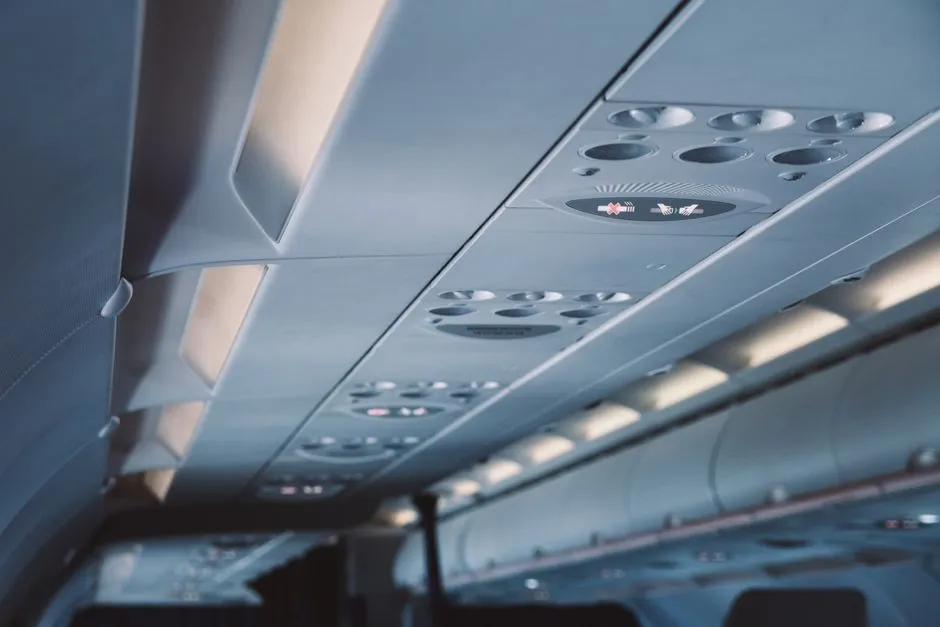
The air vents above each seat are great for circulating ventilated air to each passenger, but TravelMath testing found 285 colony-forming units per square inch on their dials, more bacteria than many other surfaces that passengers instinctively think of as dirty. Most people reach up to adjust their vent without a second thought, then go back to eating their in-flight meal with the same hand.
HEPA filters can catch over 99.9% of airborne viruses and bacteria. These filters clearly help keep the cabin air clear of germs. This leads to the majority of germs being transmitted through contact surfaces that are used often and not cleaned as frequently. The vent dial is a perfect example of exactly that.
The Lavatory: Cleaned, but Less Often Than You’d Hope
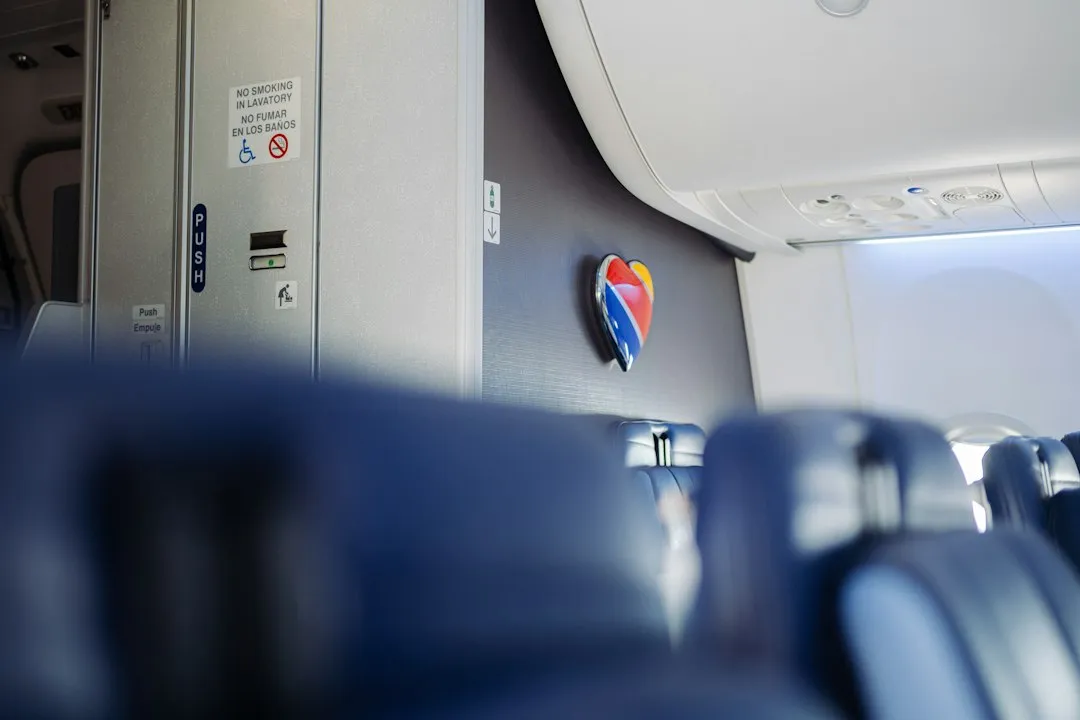
The bathrooms are not always cleaned before or after every single flight. Most people assume the opposite. On short domestic routes with tight turnarounds, the lavatory may receive only a cursory check rather than a proper scrub.
Airplane lavatories are cleaned and stocked regularly, but the door lock, flush button, tap, and waste-bin lid receive constant use in a compact space. These specific touch points see far more contact than any other part of the bathroom, and they’re also the easiest to miss during a rushed clean.
Restrooms are always a major focus, no matter if it’s a quick turnaround clean or a deep clean. However, “focus” doesn’t always translate to thoroughness when the clock is running. On short-haul flights, even a focused cleaning effort may amount to little more than a bin change and a surface spray.
The “Turn Clean”: What Really Happens in Twenty Minutes
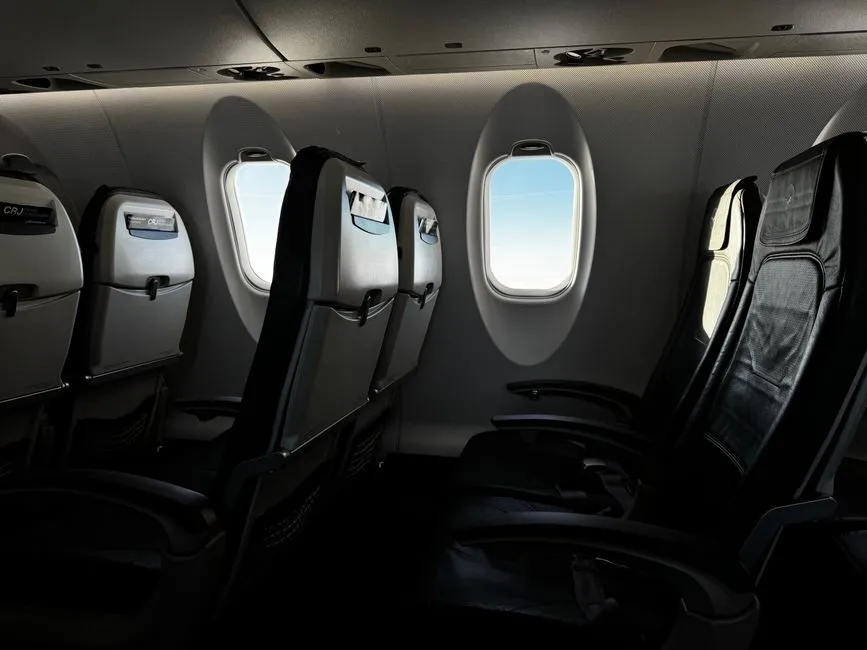
What typically happens after a plane lands is that it gets what’s called a “turn clean.” This means a cleaning crew quickly vacuums the plane, cleans the bathrooms, and picks up trash. Surfaces might get a quick wipe down, but the cleaning job is by no means thorough.
There are different types of interior cleaning, depending on time available. For operations having short flights, minimum service, and short turnaround time, the requirement for cleaning between sectors is limited to very few procedures. That is a formal acknowledgment, from the World Health Organization’s aviation hygiene guidelines, that speed genuinely limits what gets done.
Basically in a rush like that, cleaners will focus on what can be seen when looking at a row. If the seat back pocket isn’t bulging or if there aren’t items sticking out, the cleaner will pass by. Visual tidiness and actual hygiene are two very different things, and in aviation, the first usually wins over the second when time is short.
How Cleaning Standards Vary by Airline and Route
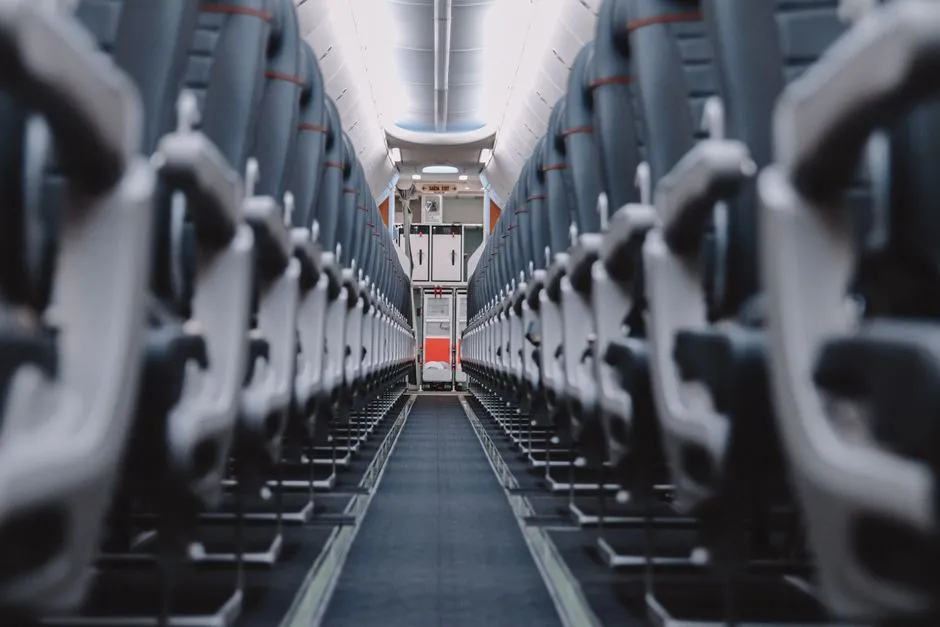
Cleaning practices vary significantly between airlines and short-haul domestic versus long-haul international flights. While a low-cost carrier may want to refill the cabin as fast as possible with the bare minimum between flights, this may not be the case for flag carriers, where customer service and luxury are a large part of their branding.
There’s a certain elitism to the cleaning process, too. Business and First Class seating areas get more attention during these quick cleans than economy class. That disparity is rarely acknowledged, though it matters quite a bit if you’re sitting in row 34.
Some airlines’ cabin cleaning policy is to disinfect all hard surfaces whenever the plane overnights, and different airlines have different cabin disinfection protocols and supervise their cabin cleaning staff in different ways. The result is a deeply inconsistent passenger experience that has very little to do with how clean the aircraft looks from the aisle.
What Passengers Can Actually Do About It
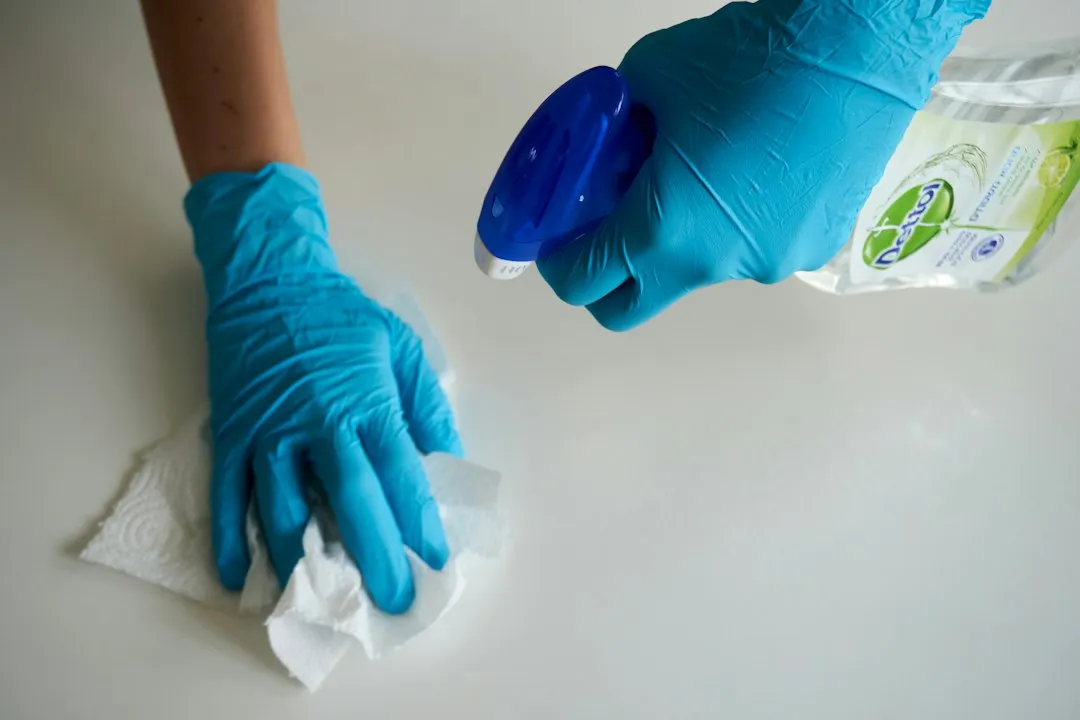
One flight attendant recommends wiping down the tray table, as well as the air vent, armrest, video monitor, seatbelt buckle, window shade handle, and anything that’s a direct touch point. Other flight attendants chimed in to remind passengers that there isn’t always time to get all of these small details clean between flights, noting that the cleanup tends to be quick.
Many airlines still provide hand sanitizer and antibacterial wipes during the boarding process. Industry specialists consistently say that washing hands or cleaning commonly touched surfaces is the best way to prevent the spread of germs. A simple pack of disinfectant wipes in a carry-on bag goes a long way.
By the time a traveler boards, their hands have touched security bins, boarding pass kiosks, gate handrails, and armrests in the waiting area. Germs accumulate from the moment a traveler steps into the terminal, not from the moment they sit down. Sanitizing early and often throughout the airport, not just on the plane, makes a real difference.
The Takeaway
None of this is meant to make flying feel threatening. Millions of people travel every day without incident, and the risks from surface contact on aircraft are genuinely manageable. What the research and the experiences of cleaning crews do reveal is that the gap between “cleaned” and “sanitized” is wider than most passengers realize.
The surfaces that don’t get wiped between flights aren’t overlooked out of carelessness. They’re overlooked because there simply isn’t enough time to do everything properly during a twenty-minute turnaround. That’s a structural issue, not a personal failing by the crews who work those tight windows.
A wipe-down of the tray table, buckle, and vent dial before you settle in takes about ninety seconds. Given what the research consistently shows about what lives on those surfaces, those ninety seconds are probably the most useful thing you can do before the boarding door closes.
AI Disclaimer: This article was created with the assistance of AI tools and reviewed by a human editor.