


Why the First Run of the Day Is Completely Different
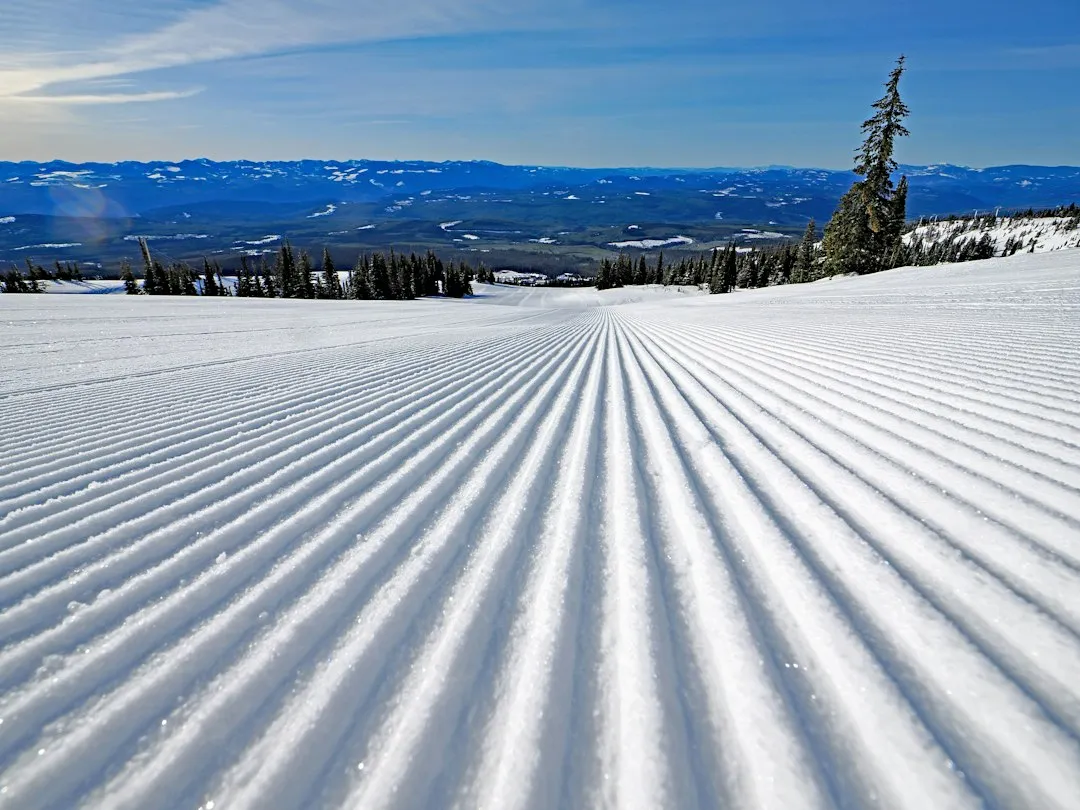
Freshly groomed runs deliver some of the most satisfying skiing and riding you’ll find on the mountain. The snow is firm and fast, the edges hold clean, and ski areas really open up on those long, wide-open cruisers. That window doesn’t last. Skier traffic begins breaking down the surface within the first hour, and sunshine accelerates the softening process on sun-exposed aspects.
Corduroy refers to skiing on freshly groomed snow, the name coming from the ridged pattern left by grooming machines. This pristine surface is perfect for refining your carving turns or enjoying smooth, controlled runs. When the mountain is fresh and the temperature has been cold overnight, those ridges hold their shape with remarkable precision.
The All-Nighter Behind the Perfect Corduroy
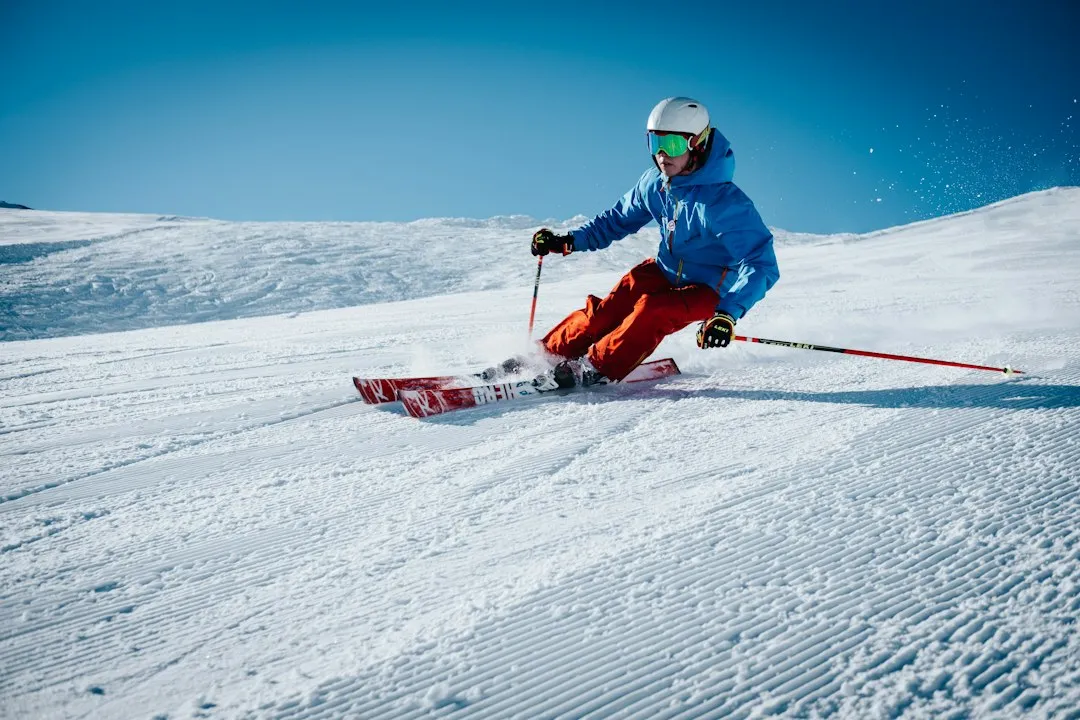
Deer Valley Resort is known nationwide for its impeccably groomed ski runs. Achieving that signature “corduroy” look takes more than just machines – it requires a dedicated team working through the night to perfect the slopes. With a crew of 65 expert groomers, the resort meticulously prepares the terrain for skiers each morning.
Deer Valley’s operators are broken into two shifts, one heading out at around 4:30 p.m. after ski patrol ensures the mountain is clear of skiers and the other at midnight. Their shifts start with a meeting where the shift leads talk about work that needs to be done and give out assignments. The scale of that commitment is staggering when you see it laid out in numbers.
The resort employs 50 groomers who work 13-person shifts. That’s a combined 182 hours of grooming every night consuming 1,000 gallons of diesel. By the time the first chair loads, those operators have already spent most of the night sculpting the mountain one slope at a time.
Deer Valley’s Most Coveted Morning Runs
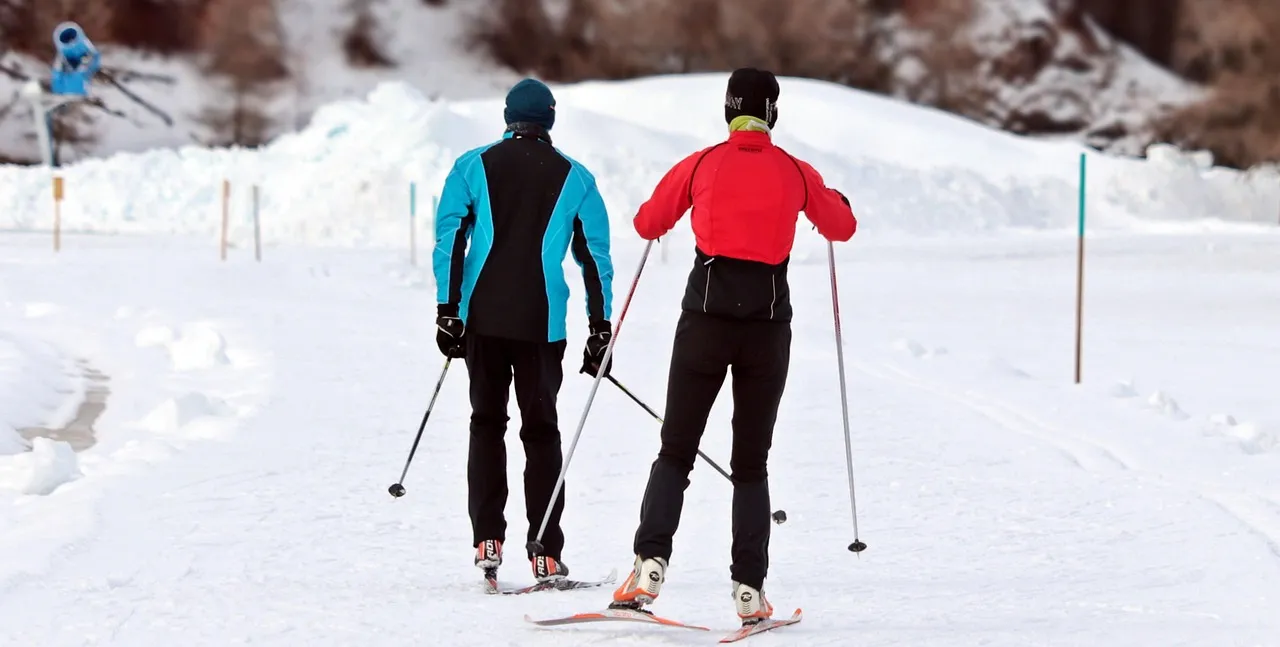
Guest service is Deer Valley’s bread and butter, and lucky for those who love fresh corduroy, grooming falls under that umbrella. The Wasatch Range resort has long had a reputation for its world-renowned grooming across its five peaks. While there’s no shortage of perfect cruisers to choose from, the favorites are located off the Silver Lake Express.
Keno and Nabob are the quintessential Deer Valley cruisers. They’re north-facing, so they’re spared the ravaging of the sun. That north-facing aspect is exactly the kind of detail that separates a one-hour window of perfect conditions from a four-hour one. Aspect matters enormously when you’re chasing corduroy.
Deer Valley’s famous corduroy can be found all over the resort, but the runs off of the Silver Lake Express stay cold and pristine even on sunny days. For guests who can only get out for a few morning laps, that’s the sector worth pointing your skis toward immediately.
Big Sky’s Elk Park Ridge: A Groomer with Altitude
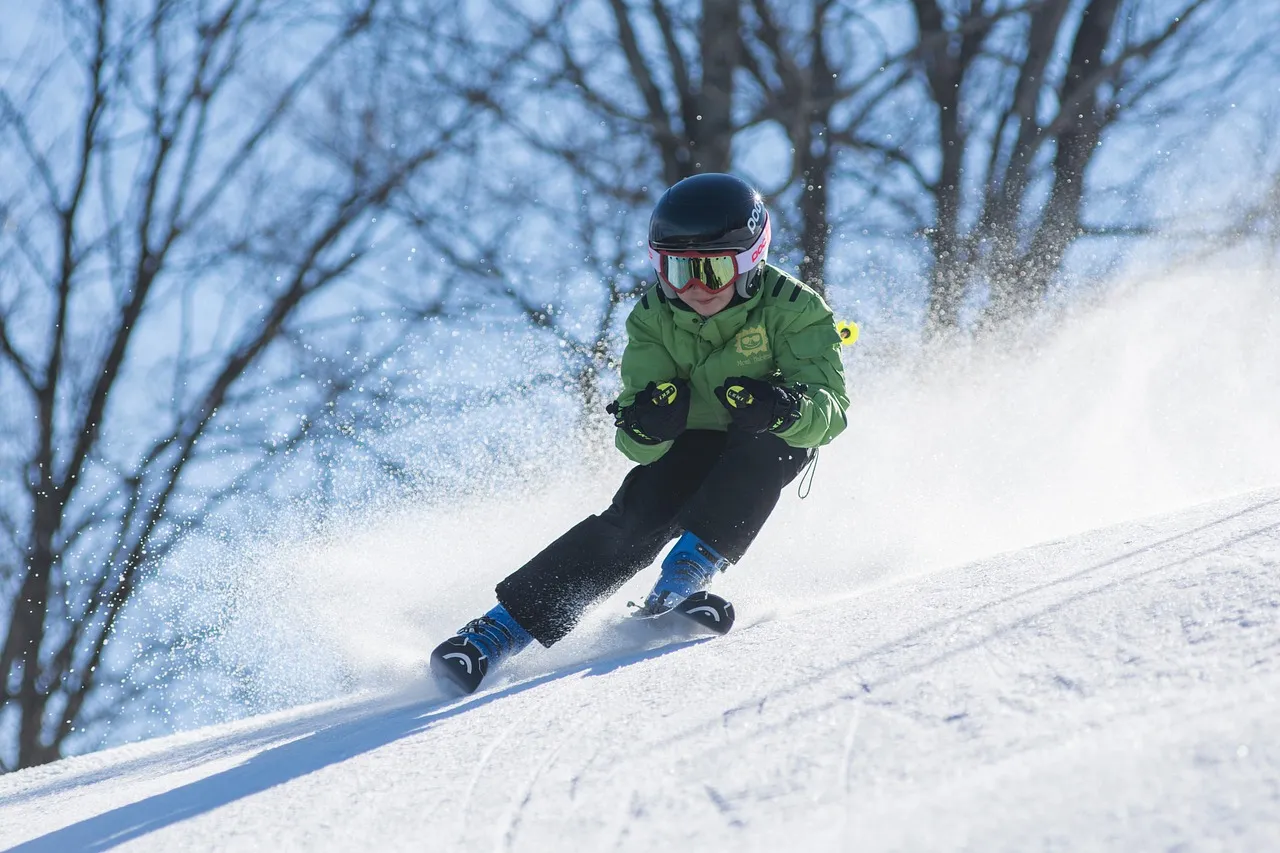
Elk Park Ridge at Big Sky is the spot for those craving speed, wanting to feel some G-Force, or needing a leg burner. Elk Park Ridge is on the east side of Andesite Mountain. A steep to very steep groomer with rollers, it’s fairly narrow with trees on the skier’s left and a mogul field on skier’s right.
The best time to ski this run is first thing in the morning when the grooming is fresh and the sun is out. Depending on the weather, there is a good chance it could be an inversion, and cruising this run in the morning sun is amazing. East-facing terrain catches that low early light in a way that makes the corduroy almost look illuminated from within.
The groomers at Big Sky are long, cruisy, and seemingly go on forever. Remember to check the daily grooming report to see where the grooming team has perfected the art of corduroy the night before. That last point is worth taking seriously at any resort, not just Big Sky.
Sun Valley’s Bald Mountain: Vertical and Consistency
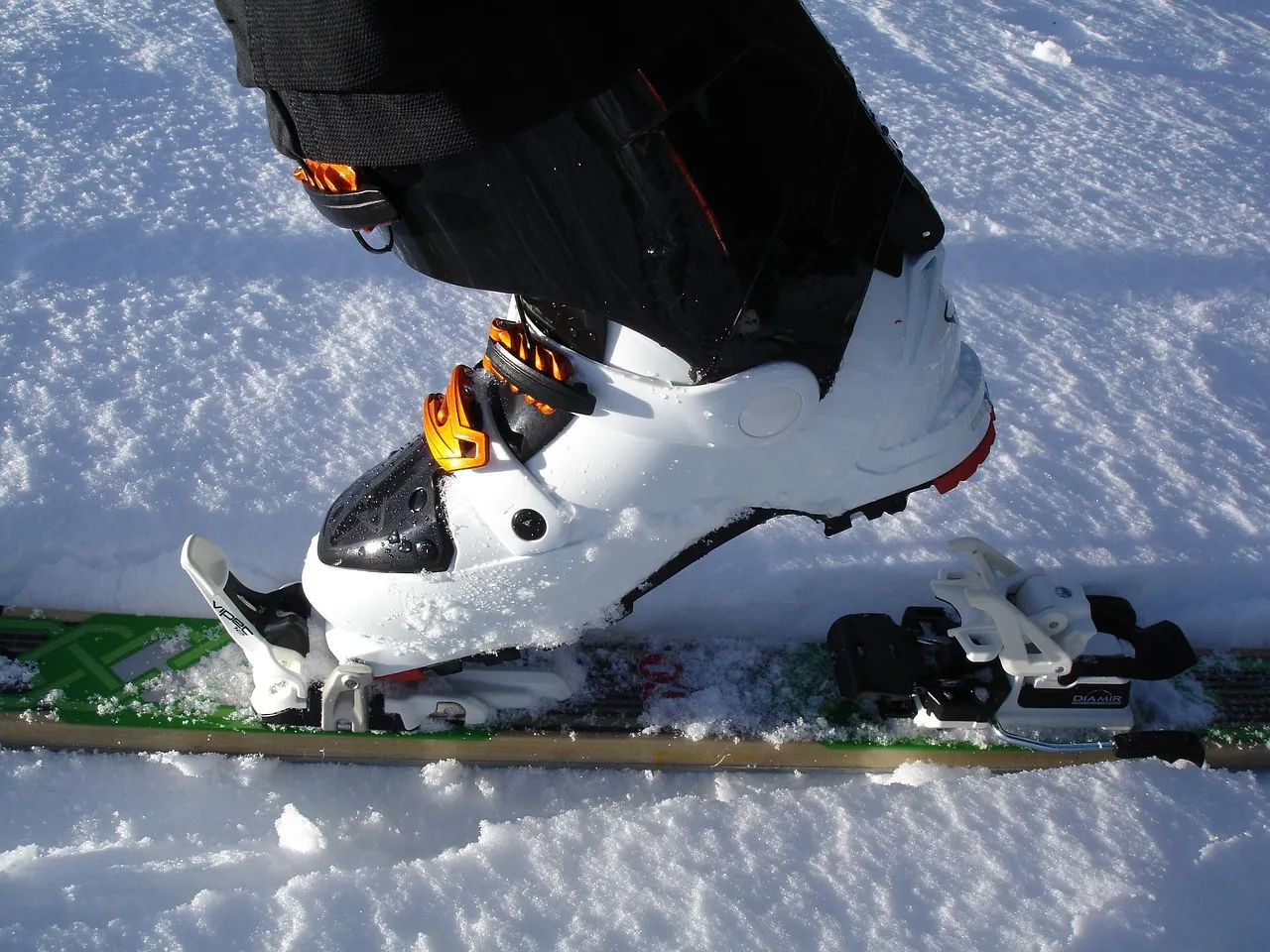
Sun Valley locals are treated to 3,000+ feet of sustained vertical on beautiful, near-perfect corduroy each morning. The allure of scoring fresh tracks on this next-level grooming is so appealing that Sun Valley offers early chairlift rides for passholders and visitors who don’t mind splurging.
If you’re visiting Sun Valley, pack your all-mountain/groomer skis, sharpen the edges, wax the bases, and prep yourself physically for long days of stacking vertical at high speed on consistent pitch. That’s sound advice for any groomer-focused ski day, but at Sun Valley it applies with particular seriousness given the mountain’s scale.
Sun Valley seems to win awards every season for its pristine groomed terrain, and the quality is hard to deny. The Seattle Ridge sector offers a gentler alternative for those who want the corduroy experience without committing to the steeper headwalls of Bald Mountain first thing in the morning.
Aspen Snowmass: First Tracks Before the Public
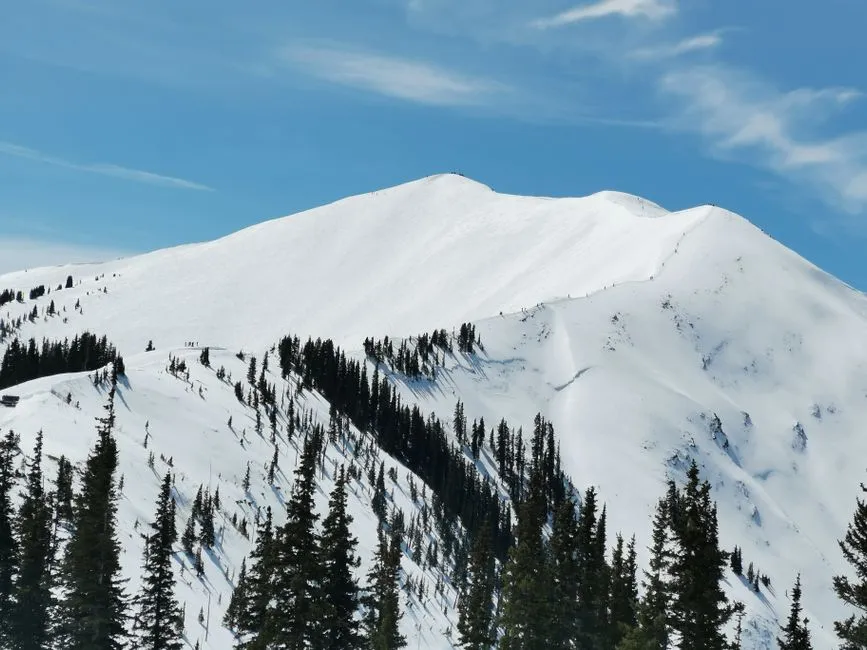
Rise before the lifts and claim the mountain at its freshest. Guided by seasoned pros, strong intermediate and advanced skiers and riders carve boot-deep powder, glide across freshly groomed corduroy, or chase whatever conditions the morning delivers. Aspen Snowmass has formalized the first-chair ritual into a dedicated program.
Guests can guarantee themselves untracked corduroy by signing up for free First Tracks tours on Aspen Mountain and Snowmass. The Aspen Mountain tours are offered every day of the week, and the Snowmass tours are offered on Mondays, Wednesdays, and Fridays. Space is limited, and skiers and snowboarders must be a level 7 or higher.
Must-ski groomers include Sneaky’s, a wide and forgiving blue perfect for early-morning arcs; Max Park, a slightly steeper blue that rewards skiers who like to let their skis run; and Elk Camp’s mix of blue and black runs that hold their smooth surface well into midday thanks to favorable aspect. The terrain variety is broad enough to suit different ability levels within the same early morning window.
The Science of When Grooming Sets Up Best
Tracks need time to set up – about one to two hours – before they are skied on. In terms of weather, it is best to groom at temperatures just below freezing, around zero to minus ten degrees Celsius. This explains why runs groomed earlier in the shift, and given more time to firm up before the lifts open, often ski better first thing than runs groomed in the final hours before dawn.
Beaver Creek’s fleet of snowcats operates in two shifts throughout the night to provide two types of groomed runs that vary in firmness. The daily grooming report tells skiers and snowboarders which runs were groomed first, allowing the snow to set longer for better carving conditions, and which runs were freshly groomed between midnight and 8 a.m. for creamier corduroy. Reading that report before you boot up is one of the more underrated habits a groomer-chaser can develop.
What Groomers Actually Do Inside the Snowcat
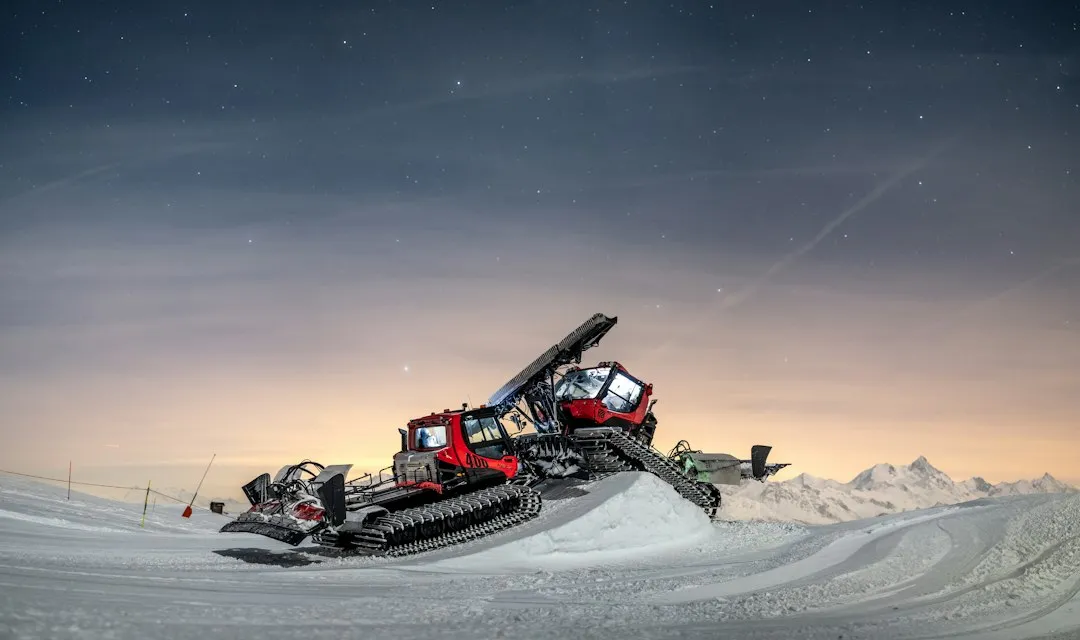
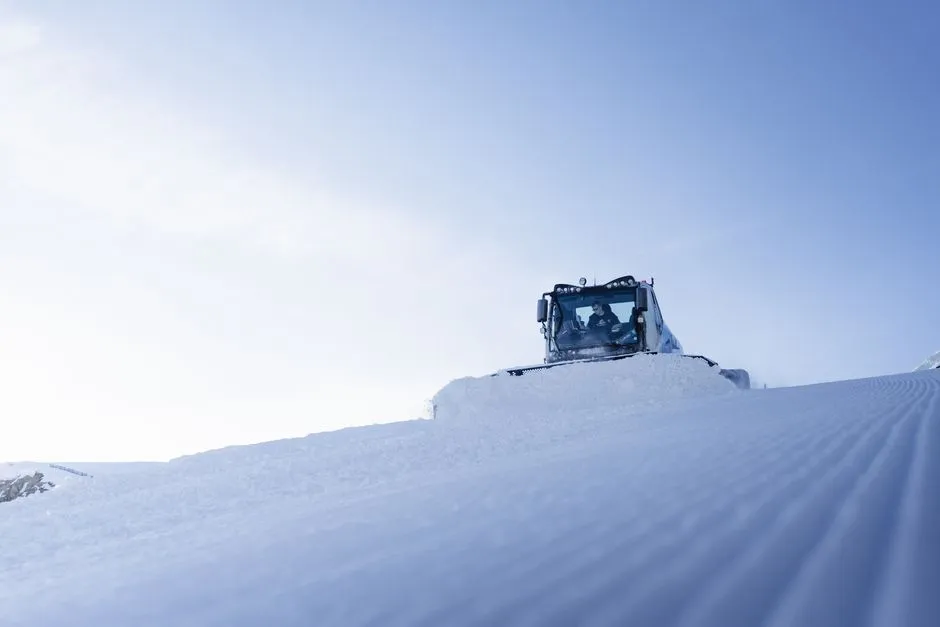
Groomers are normal snowcats equipped with a tiller behind and a blade in front. These blades can be lifted and rotated, and they have wing flaps to help the operator move snow and flatten trails. They drag a tiller, the flexible rake that lays down corduroy.
In a nutshell, it all comes down to the snowcat operator, who constantly manipulates the blade and the tiller while grooming a slope to precisely shave the snow along the naturally undulating terrain and achieve the ideal corduroy surface. It’s a craft that takes time to develop. For someone without experience, it takes four to six weeks of shadowing drivers and learning all the nuances before operating a cat alone. It takes a few seasons for the joystick to become muscle memory.
North-Facing Runs: The Groomer’s Best-Kept Secret
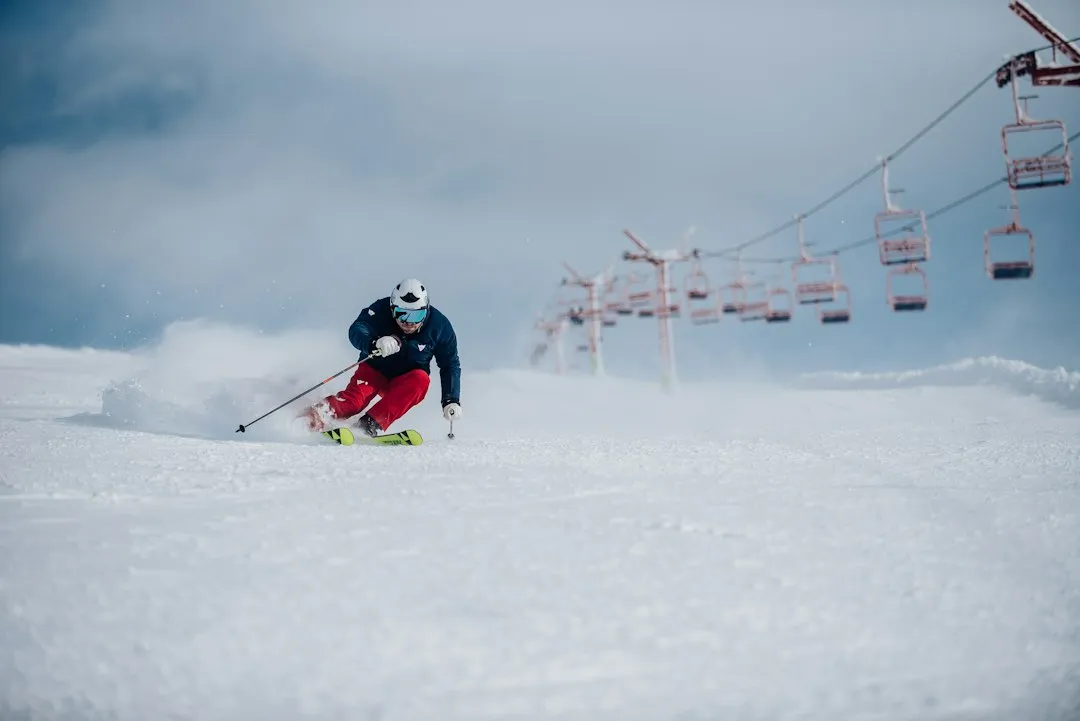
Ask any experienced groomer where you should be right after first chair, and aspect comes up almost immediately. Sun exposure is the enemy of corduroy longevity, and north-facing terrain simply holds its finish longer than any other orientation. South-facing runs that catch direct morning sun can begin softening before many guests even finish their first run.
These runs shine brightest in the morning after a clear, cold night, when the grooming sets up firm and fast. A cold overnight temperature is perhaps the single most important variable for pristine first-chair conditions, more important even than the grooming crew’s technique. Great operators working in warm temperatures simply can’t produce the same result.
The battle to maintain skiable terrain becomes a nightly sprint against nature’s inevitable thaw as spring approaches. In midwinter, though, north-facing blues and blacks consistently offer the most reliable morning corduroy across every resort on the continent.
Reading the Daily Grooming Report Like a Local
Every major resort publishes a grooming report, usually updated late each evening or early morning. Most skiers scroll past it. The ones who actually read it are typically the people making the first tracks. The report tells you not just which runs were groomed, but at what point in the overnight shift the work was done, which directly affects snow firmness at opening time.
Deer Valley added 15 new snowcats recently, expanding the fleet to more than 30 machines used to maintain the resort’s usual standard of grooming sixty to seventy percent of runs each night. That kind of coverage means the grooming report contains a lot of information on any given morning, and knowing how to read it is genuinely useful.
The best time to hit those untouched groomers is midweek, when the slopes are quieter, giving you more room to focus, practice, and play. A Tuesday morning on a freshly groomed intermediate blue, with the report in hand and the right run selected, can feel like the mountain belongs entirely to you.
The Takeaway
The grooming team’s shift ends roughly when yours begins. That overlap, those first quiet minutes after the chair starts turning, is the result of an entire night of calculated, skilled labor by people who take real pride in the corduroy they leave behind. The run that’s best right after first chair isn’t necessarily the steepest or the most famous. It’s the one that’s north-facing, groomed in the early part of the shift, and noted in the daily report.
Follow the groomers’ lead. Check the report, find the north aspect, and get there first. The mountain is most itself in those early minutes, before the crowds and the warming sun begin rewriting the surface. That’s the run worth waking up early for.
AI Disclaimer: This article was created with the assistance of AI tools and reviewed by a human editor.