
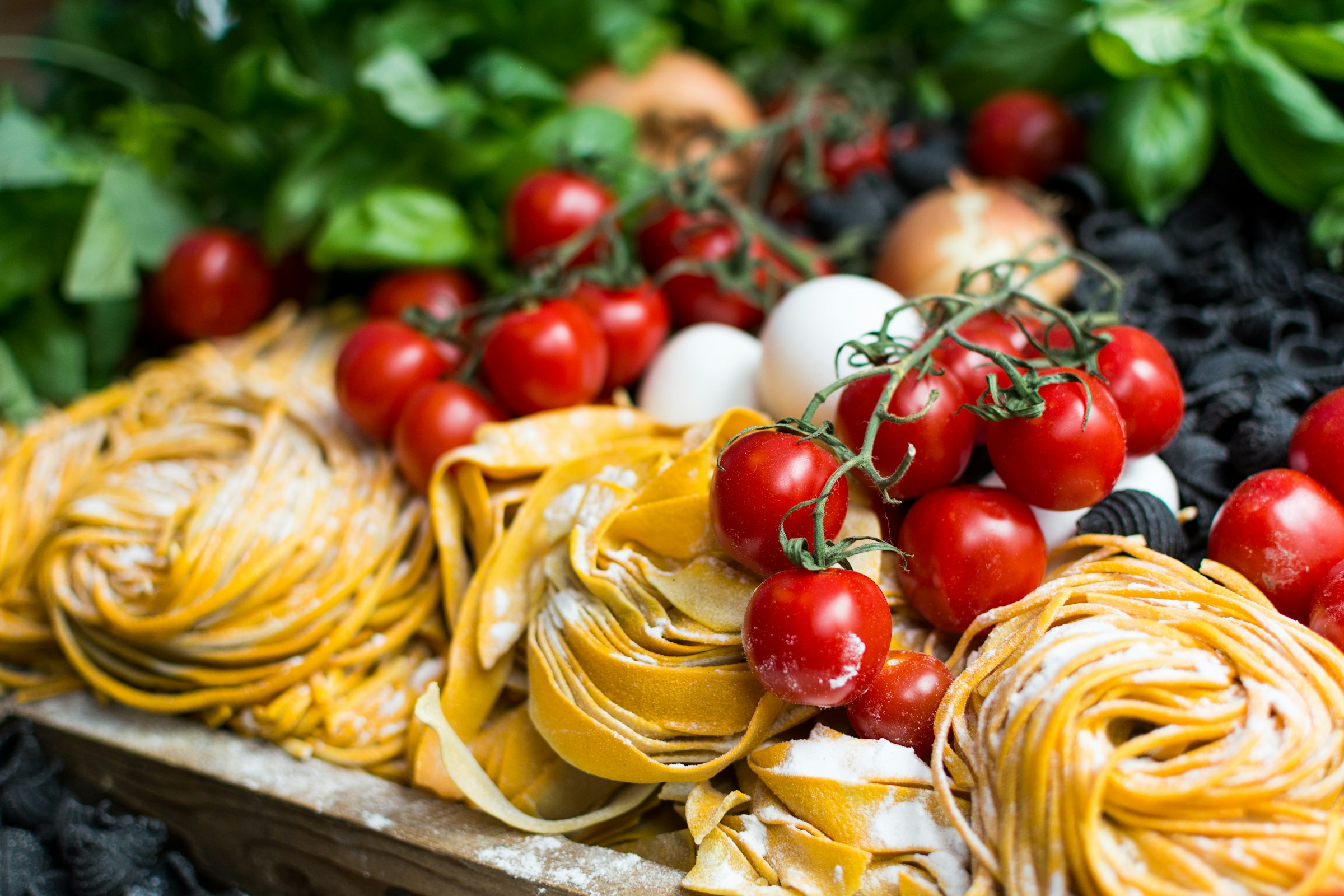
Italy has a way of recalibrating your expectations. You think you know what pizza tastes like. You’ve had carbonara at a perfectly decent restaurant back home. Then you actually go, and something shifts. The gap between what you thought you knew and what you’re now eating is quietly, pleasantly humbling.
Italian food is highly regional, which means that every area, and often every town, has its own gourmet specialties, so that outside the touristy restaurants, you’ll find a whole different cuisine wherever you go. That regionality is precisely what makes eating in Italy feel like a series of small discoveries rather than one predictable menu. These five foods capture something genuine about the country, and they’re all worth going out of your way for.
Neapolitan Pizza in Naples
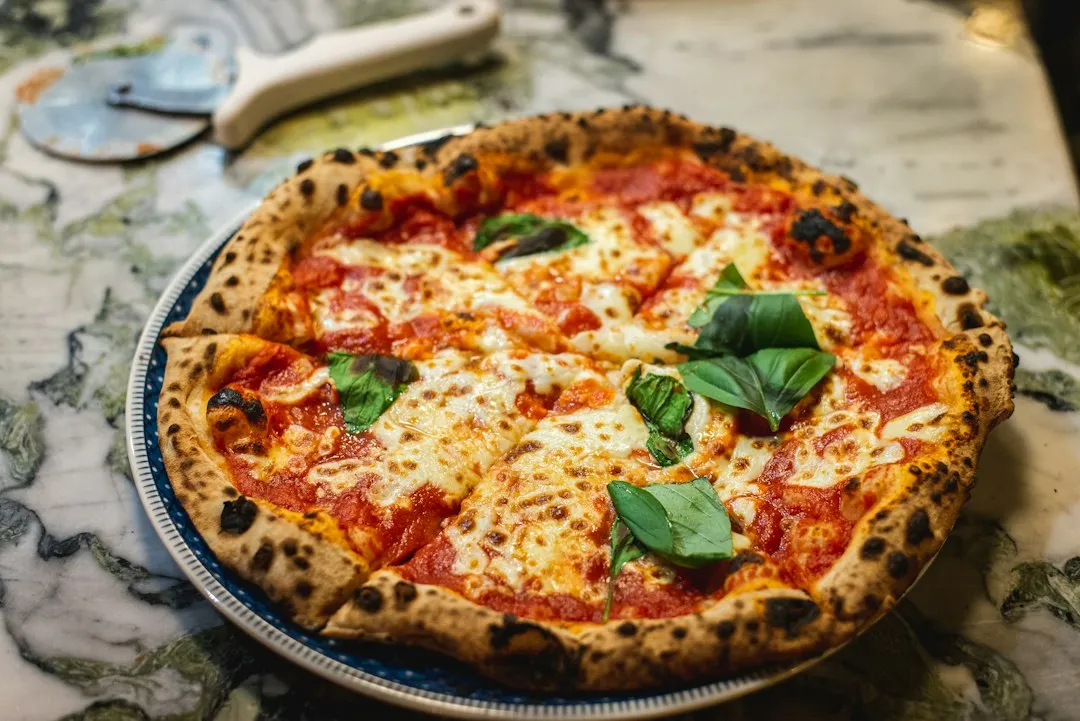
Naples is known amongst Italians to have the best pizza in Italy, and Neapolitan style pizza, or pizza Napoletana, is like no other pizza on the planet. The secret isn’t a single exotic ingredient. It’s the combination of a centuries-old dough tradition, a blazing wood-fired oven, and produce grown in volcanic Campanian soil.
Traditional pizza Margherita features a luscious flatbread-like crust from a blazing hot brick oven, simply topped with tomato sauce, whole basil leaves, and mozzarella di bufala. It’s restrained in the best way. The crust chars at the edges and stays soft at the center, and the buffalo mozzarella melts into something entirely different from the rubbery versions you’ve encountered elsewhere.
Eating one in a packed, slightly chaotic Neapolitan pizzeria, standing room only, is an experience that no amount of careful replication abroad has ever quite matched.
Pasta Carbonara in Rome
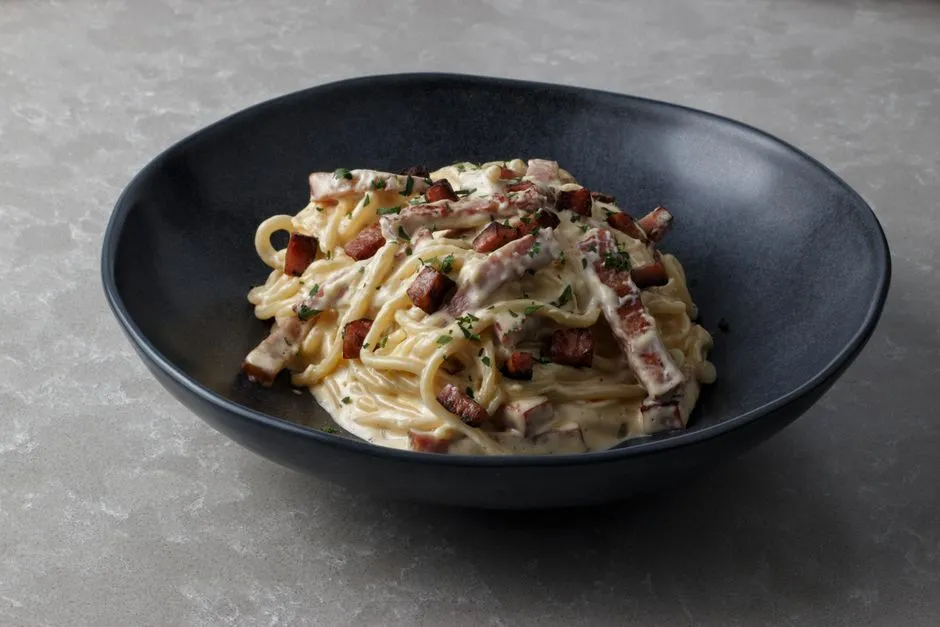
Carbonara is a cheesy, savory, and salty dish made with eggs, Pecorino cheese, and guanciale, making it a masterpiece in Italy. There’s no cream in a real carbonara, a fact that surprises many visitors who’ve only encountered approximations of the dish. The silkiness comes entirely from emulsified egg yolk and cheese, which is a much harder thing to pull off than it sounds.
Some of Italy’s best and most iconic pasta dishes come from Rome, including carbonara, cacio e pepe, and amatriciana. The Roman approach to pasta is defined by economy and precision: a handful of quality ingredients, treated with complete seriousness. When searching for a genuine carbonara and aiming to avoid imitations, trusting the recommendations of locals is your best strategy.
Seek out a neighborhood trattoria rather than a restaurant facing a major piazza, and you’ll almost certainly eat better for less money.
White Truffles in Piedmont
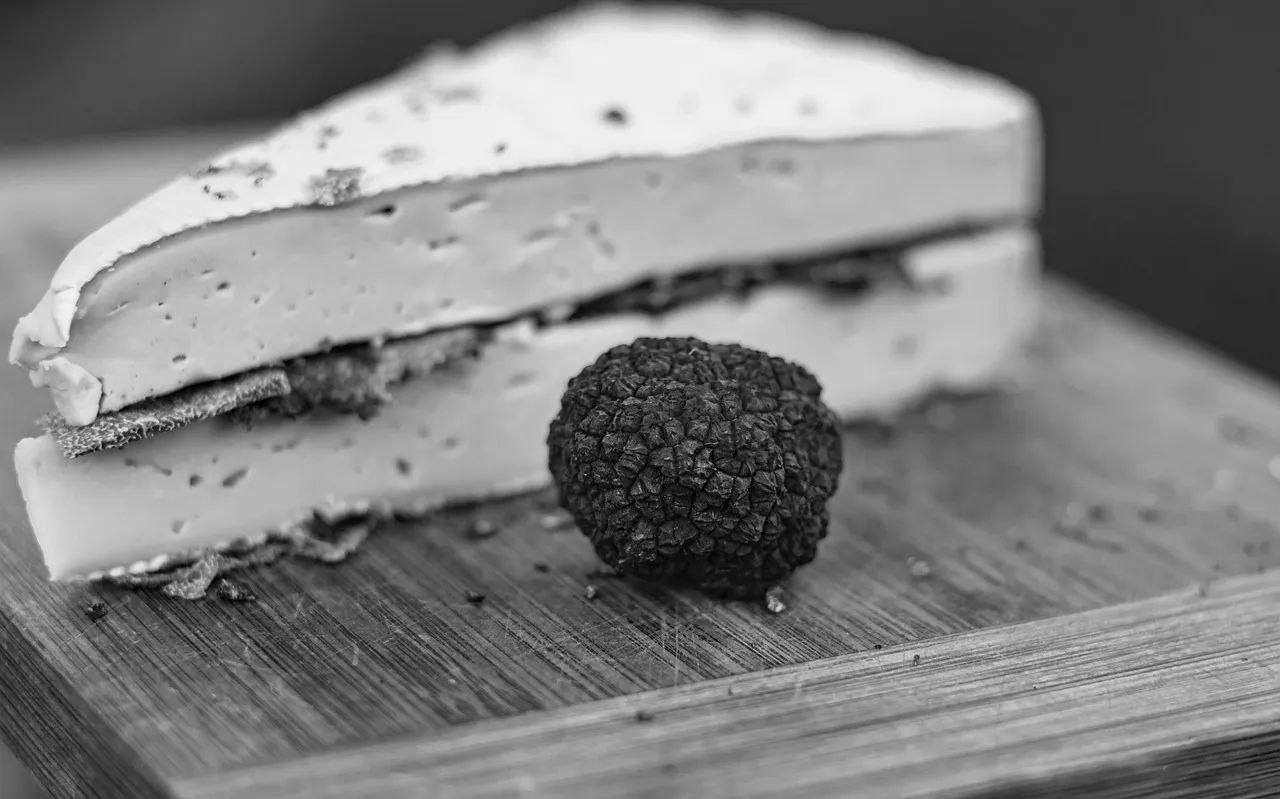
The truffle is one of the most expensive and coveted foods in the world, and Italy is one of the few countries where they can be found in abundance. Grown only in the wild, they’re found by hunting the forests and mountains of Umbria and Piedmont with dogs trained to smell them underground.
Italy has long been known for this species of fungus that can only be found in subterranean areas, usually under tree roots. The truffles are most commonly found in the Alba and Piedmont regions, where you can even experience a unique festival dedicated to their flavors. The annual Fiera del Tartufo in Alba draws truffle hunters, chefs, and curious travelers each autumn, making it one of the more joyful food pilgrimages in Europe.
White truffles have an aroma that is almost impossible to describe accurately in advance, earthy and intensely fragrant in a way that fills a room. Shaved over a simple egg pasta or a risotto, they change everything. It’s a seasonal experience, so timing your trip for autumn matters.
Mozzarella di Bufala in Campania
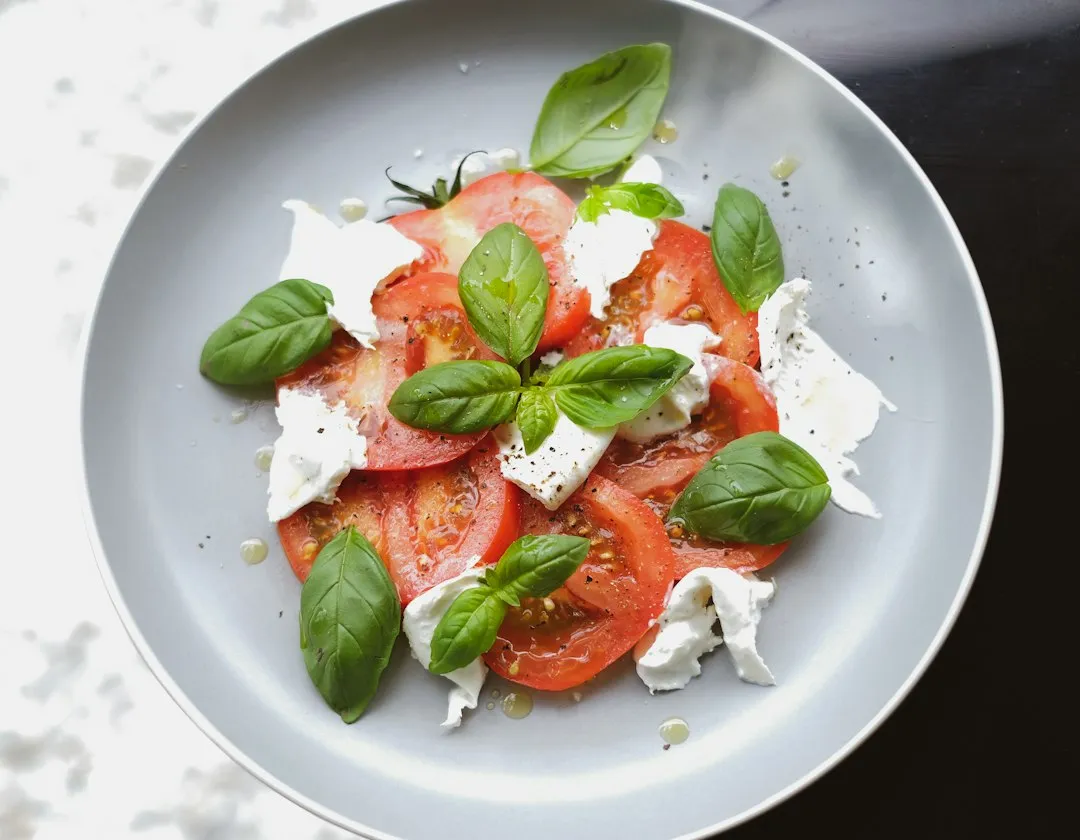
Made from Italian water buffalo milk, mozzarella di bufala is native to Campania. The milk curds are stretched to form small balls, which are often served in a salad with fresh basil and ripe tomatoes. In the right setting, with the right tomatoes, this is one of the most perfect things you can eat anywhere.
The cheese is at its best within hours of being made, which is the core reason it’s worth seeking out in Campania itself. What reaches you at home, even when imported and refrigerated carefully, is a diminished version. Native to the Campania region, this iconic cheese adorns every Italian table in the region and is often eaten with fresh basil and ripe Campania tomatoes in a salad adorned with the red, white, and green colors of Italy, known as Insalata Caprese.
If you’re traveling through the region, look for small producers and farms near Caserta or Paestum, where buffalo farming is deeply woven into local agricultural life.
Gelato Across Every Region
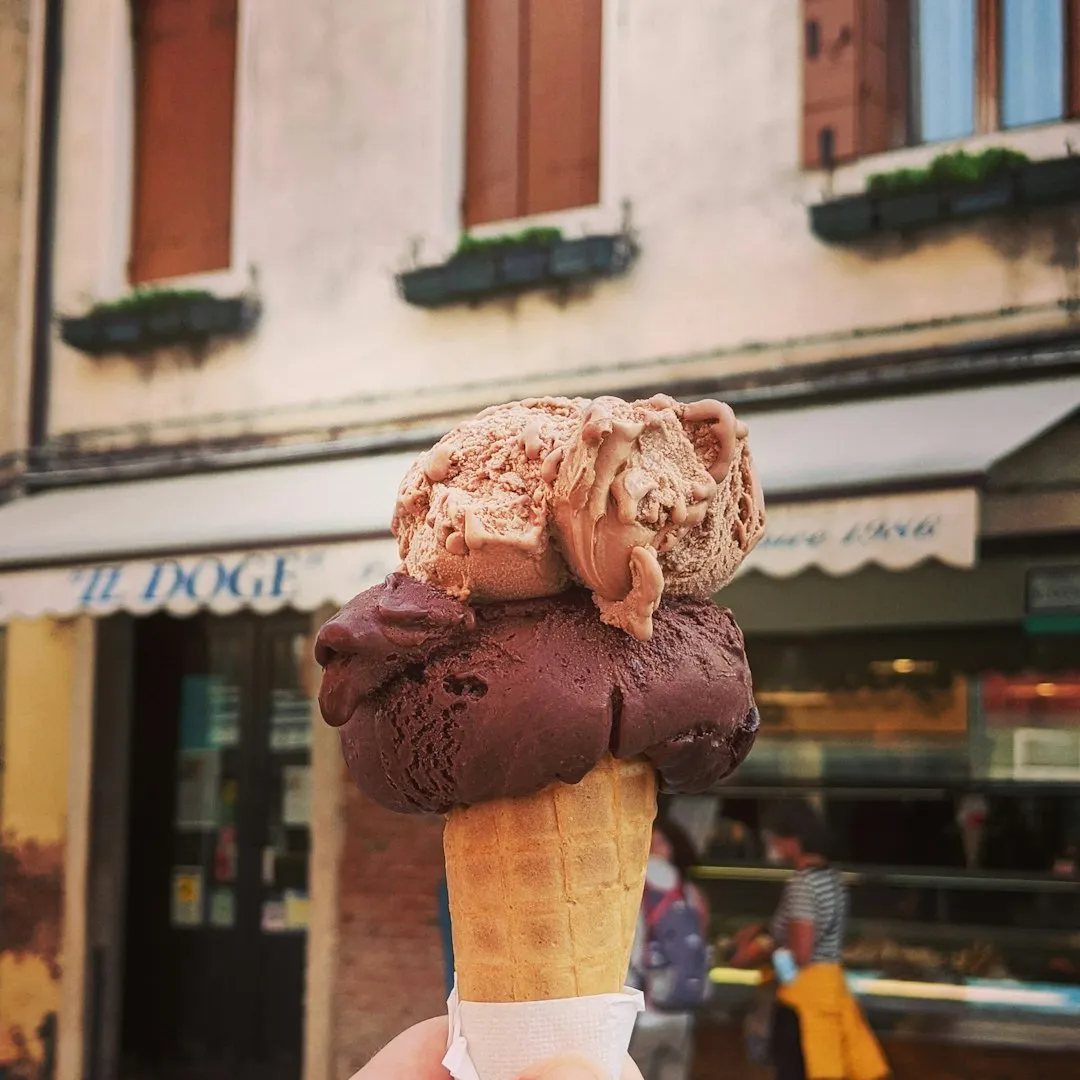
Many people think that gelato is just the Italian word for ice cream. In fact, Italian gelato is slightly denser, has a softer texture, and a lower fat content than other frozen desserts. That lower fat content is also why the flavors hit more directly. There’s nothing muffling the taste of a good pistachio or a properly made lemon sorbetto.
You will find authentic gelato across all regions in Italy, and it is often enjoyed as a refreshing snack. Part of what makes it special is how tied it is to local ingredients: hazelnut gelato in Piedmont, ricotta-based flavors in Sicily, intensely citrus versions along the Amalfi Coast. In the Campania area, the lemon flavor is particularly popular within the region, while other beloved flavors include pistachio, chocolate, and raspberry.
The practical rule most Italians follow: avoid any gelateria where the product is piled high in fluorescent-colored peaks. Genuine gelato sits flat in its container and doesn’t need to announce itself.
The Takeaway
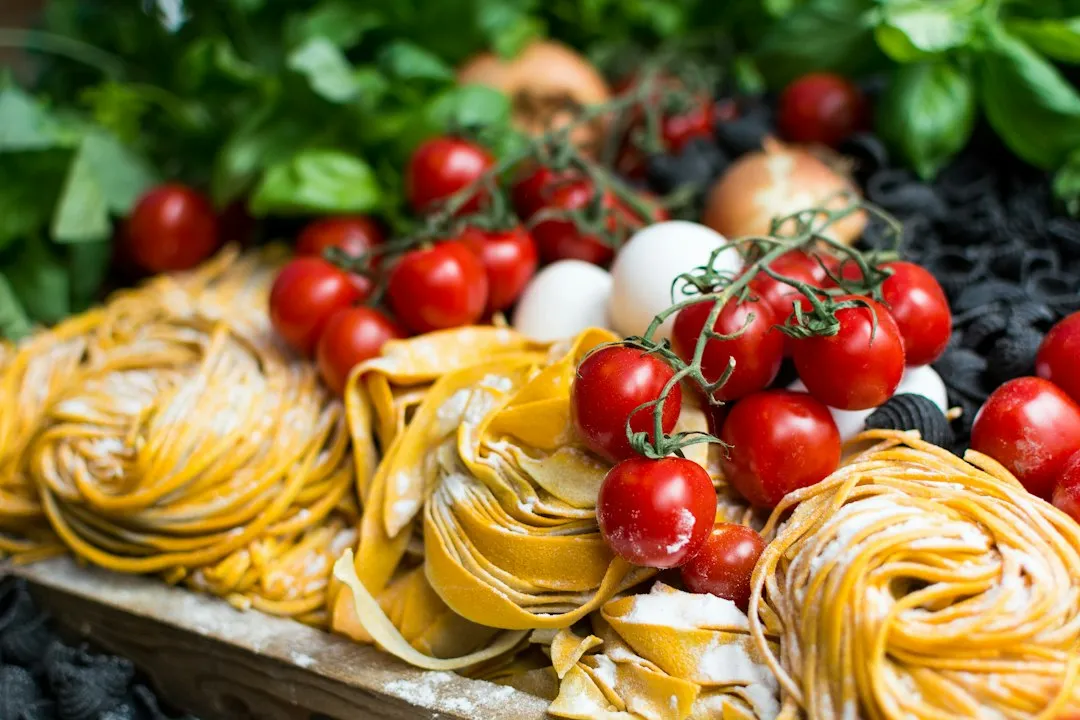
The flavors of a region can unlock so many secrets about its past, including who conquered the area and what ingredients and influences they brought with them. That’s a useful frame for eating your way through Italy. Each dish carries a local logic, a reason it exists in that particular form in that particular place.
None of these five foods require a Michelin-starred table to appreciate. They require curiosity, a willingness to follow local recommendations, and a loose enough schedule to linger. The key to finding the best food in Italy is to embrace the Italian food culture of regionality – in other words, to eat the traditional dishes and ingredients of the region you are in. That principle alone will take you further than any list ever could.
AI Disclaimer: This article was created with the assistance of AI tools and reviewed by a human editor.