
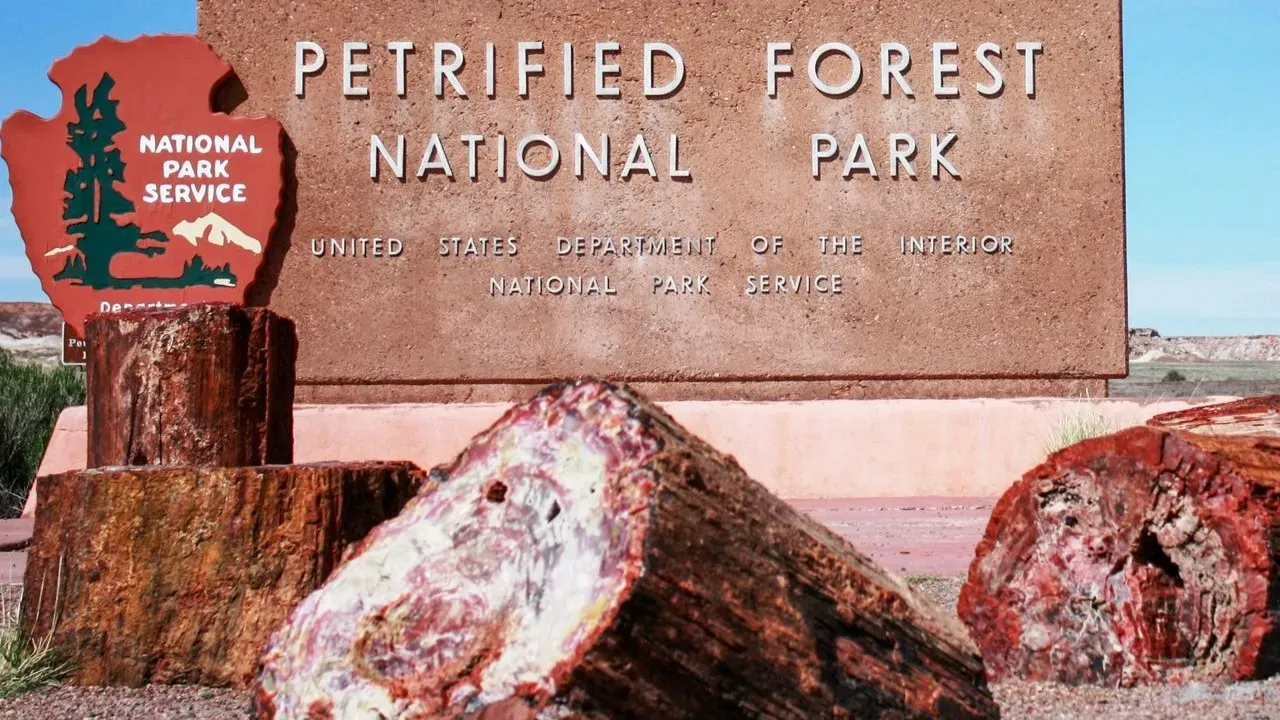

A Phoenix-based tour operator has filed suit against the Trump administration, arguing that higher entrance charges for non-U.S. residents at certain national parks are unlawful. The case centers on an executive order that introduced additional fees for overseas visitors, and it raises practical questions for international travelers planning trips to these shared public lands. Across Arizona Tours contends the policy affects its operations and the broader gateway communities that rely on responsible tourism. ([1])
Practical Stakes for Visitors and Operators
International travelers often build national park visits into multi-week itineraries, seeking the quiet trails, sweeping vistas, and cultural connections these places offer. When fees rise sharply for non-residents, the added cost can shift budgets, alter timing, or prompt some to reconsider routes altogether. Tour companies that specialize in guiding overseas guests through these landscapes feel the change first, as bookings adjust and planning conversations turn to value and access. The lawsuit highlights how such policies ripple outward. Gateway towns near popular parks depend on steady, thoughtful visitation that supports local businesses without overwhelming resources. Operators like Across Arizona Tours describe sales declines that threaten their ability to continue offering guided experiences, which in turn affects the small economies built around sustainable park tourism.
The Legal Argument Presented
Across Arizona Tours, represented by the Pacific Legal Foundation, filed the complaint in federal court in Arizona. The company maintains that the higher charges for non-U.S. residents exceed the authority granted by existing law governing park entrance fees. The suit names the secretaries of the Interior and Agriculture departments along with the National Park Service, framing the executive action as an overstep that requires congressional involvement. Federal land management has long balanced the need to maintain trails, facilities, and interpretive programs with the principle that these places belong to the public. The current challenge tests where that balance lies when fees differentiate by residency. Court proceedings will examine the statutory limits on how fees can be structured.
Implications for Trip Planning
Travelers from abroad who have long dreamed of standing at the edge of the Grand Canyon or exploring other iconic sites now face an extra layer of consideration when budgeting. Responsible planning includes checking current fee structures directly with the National Park Service and allowing flexibility in itineraries. Many visitors also explore ways to support park stewardship through donations or volunteer programs that complement entrance fees. Tour operators and local communities continue to welcome guests who approach these landscapes with care. The lawsuit underscores the value of clear, predictable access rules that allow both domestic and international visitors to experience these places thoughtfully. As the case moves forward, updates from official sources will help travelers make informed decisions about when and how to visit.
Shared Treasures Worth Protecting
National parks represent more than scenic backdrops; they are living landscapes that connect generations through conservation and quiet reflection. Policies affecting access invite ongoing conversation about how best to steward these resources for everyone who arrives with respect. The outcome of this legal challenge will shape how future visitors, both American and international, encounter these public lands. For now, the focus remains on accurate information and mindful preparation. Travelers who value these places can continue to plan journeys that honor their fragility and beauty, supporting the communities that care for them year-round.
AI Disclaimer: This article was created with the assistance of AI tools and reviewed by a human editor.