
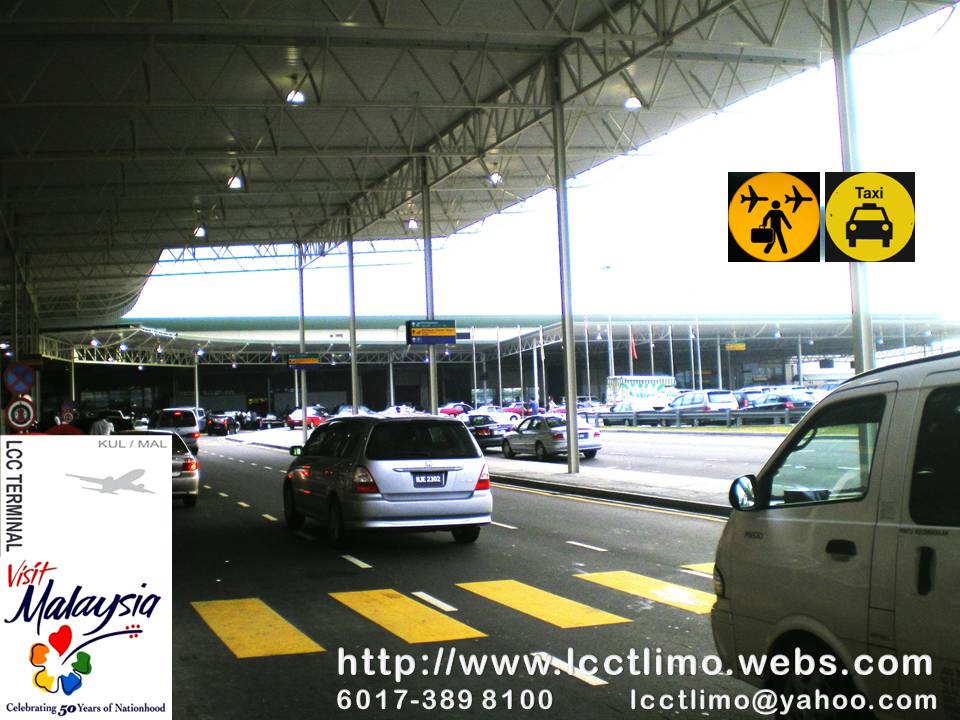

1. Leaving Your Vehicle Unattended, Even for a Moment
Vehicles that are left unattended on the arrival and departure curbsides are subject to immediate impound. This is not a warning or a suggestion. It is policy at airports across the United States, and it is enforced with very little grace period. Unattended vehicles in front of the terminal building will be towed immediately.
Strict federal security directives prohibit parked or unattended vehicles on the roadways in front of terminals, because such vehicles pose a potential threat from concealed explosive devices and will be ticketed and towed. Walking a bag inside, running to grab a cart, or stepping away to find your passenger all qualify as leaving your vehicle unattended. Officers do not need to wait to act.
2. Treating the Curb Like a Parking Spot While You Wait
Due to federal regulations, parking is not allowed curbside; it is a loading and unloading zone only. Many drivers pull up, turn off the engine, and simply wait for a passenger who hasn’t yet come through the terminal doors. That is enough to trigger a ticket or a tow.
Stopping at the curb is allowed only long enough to drop off and pick up waiting travelers and their luggage. The operative word is “waiting” – as in, your passenger should already be at the curb when you arrive. The “no-waiting” ordinance is enforced to allow everyone to utilize the curb space for loading and unloading luggage.
3. Misunderstanding What “Active Loading” Actually Means
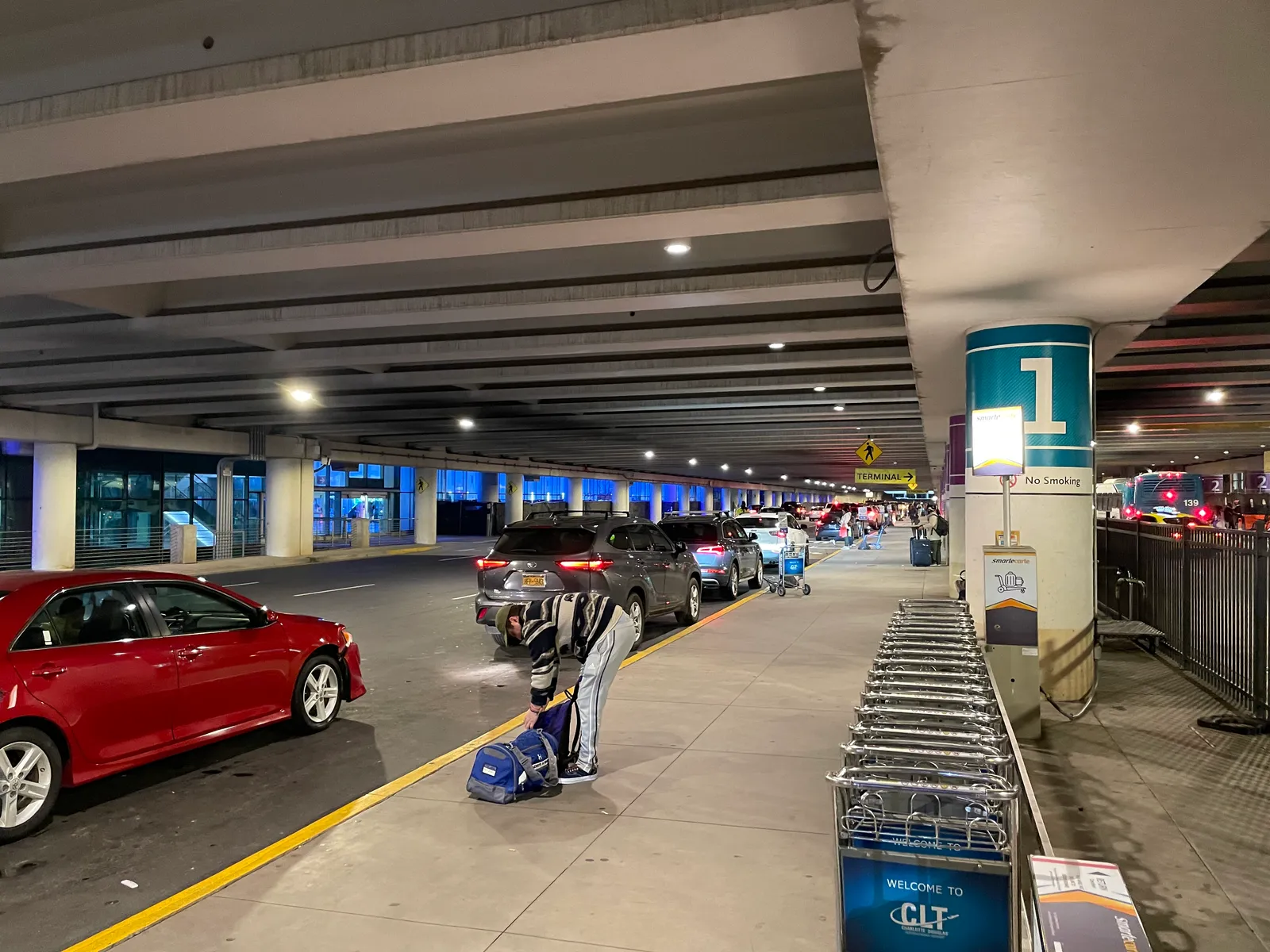
Only active loading or unloading in curbside areas is allowed, and both your passengers and all of their luggage must be at the curb ready to load to be considered “active loading.” This definition is more specific than most people realize. If your traveler is still walking through the terminal, you are not actively loading.
Curbside parking is only permitted for active loading and unloading purposes, and leaving a vehicle unattended will result in it being ticketed and possibly towed. Drivers who misread the moment often receive no second chance. Officers enforcing these zones are trained to act quickly, especially during peak travel periods.
4. Not Using the Cell Phone Lot
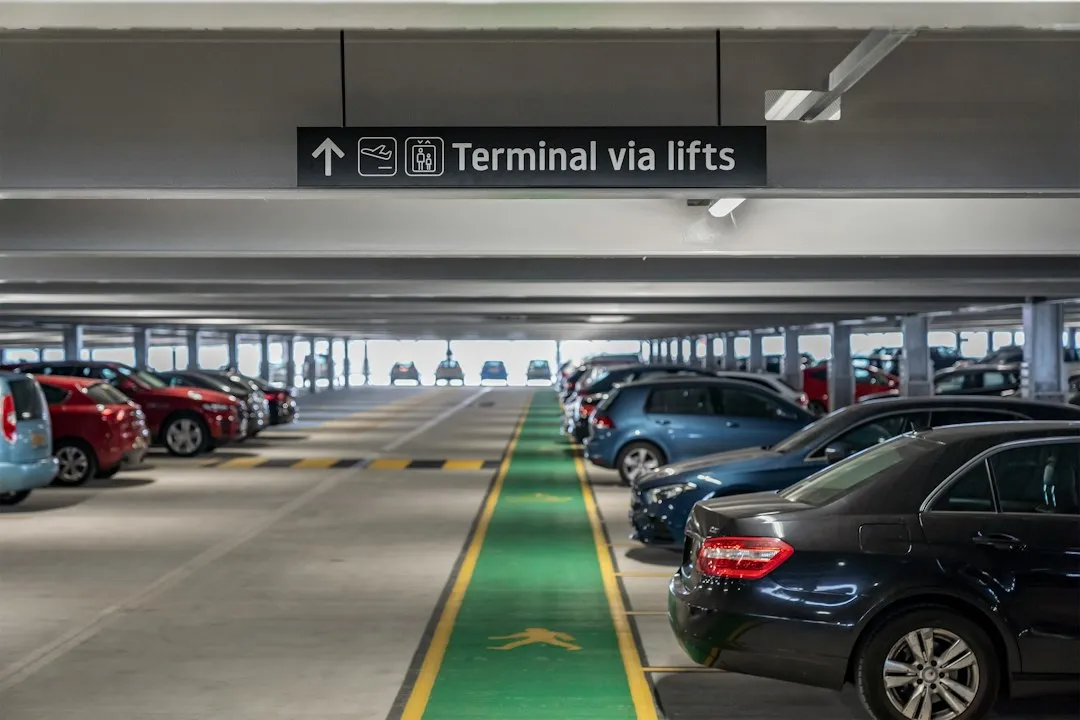
Due to federal regulations, parking is not allowed curbside, as it is a loading and unloading zone only, and the alternative is to wait in the Cell Phone Lots until your party is ready to be picked up. These lots exist specifically to solve the timing problem. Most airports have them clearly marked, usually just minutes from the terminal.
Due to security regulations, the curb is strictly reserved for active loading and unloading of passengers, vehicles that wait at the curb or are left unattended will be ticketed and/or towed, and drivers should use the free waiting area instead. Cell phone lots are free, low-stress, and designed for exactly the kind of short waits that curbside stops are not. Skipping them is one of the most avoidable mistakes travelers make.
5. Assuming You’ll See an Officer Before They See You
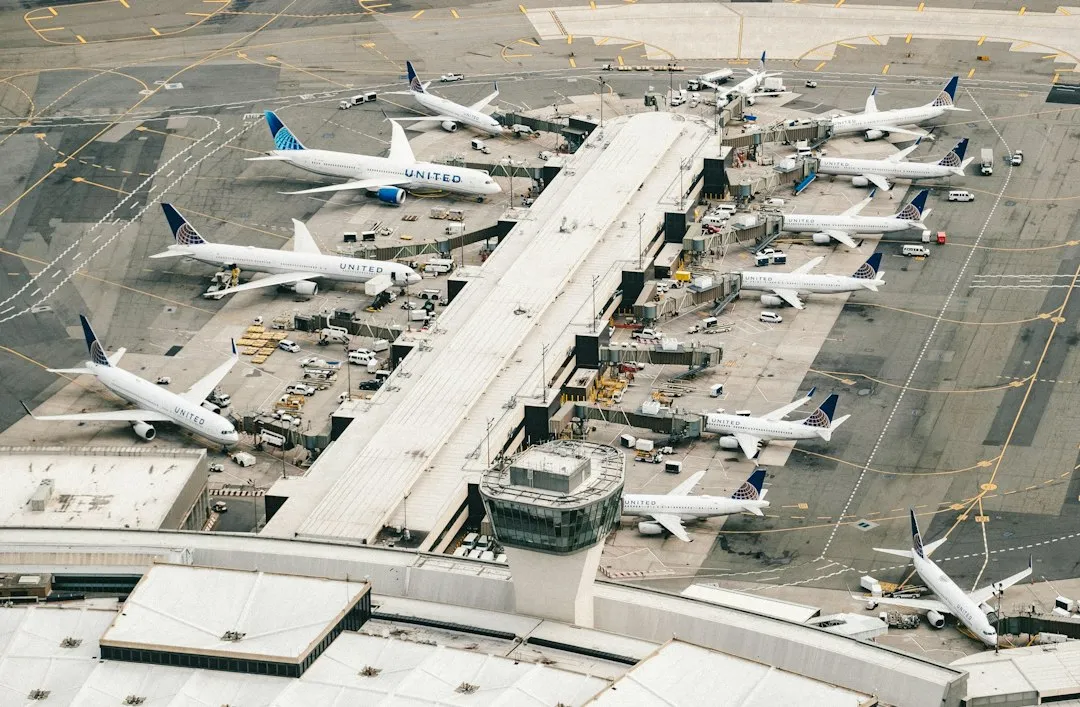
One officer can patrol between 400 to 800 linear feet of terminal curbside. That may sound like a large area, but modern airports now combine officer patrols with surveillance technology to close the gaps. These technologies allow for the accurate tracking of volumes, paths, and stopping locations of individual vehicles, and it is possible to determine when and where individual vehicles stop, monitor their dwell times, and inform officers of violators requiring attention.
Community service officers are on duty around the clock patrolling in front of the terminal buildings. There is no slow hour at the curbside. Officers rotate through these zones continuously, and automated monitoring systems flag violations the moment a vehicle overstays its window.
6. Ignoring Posted Signs Because They Look Like Generic Warnings
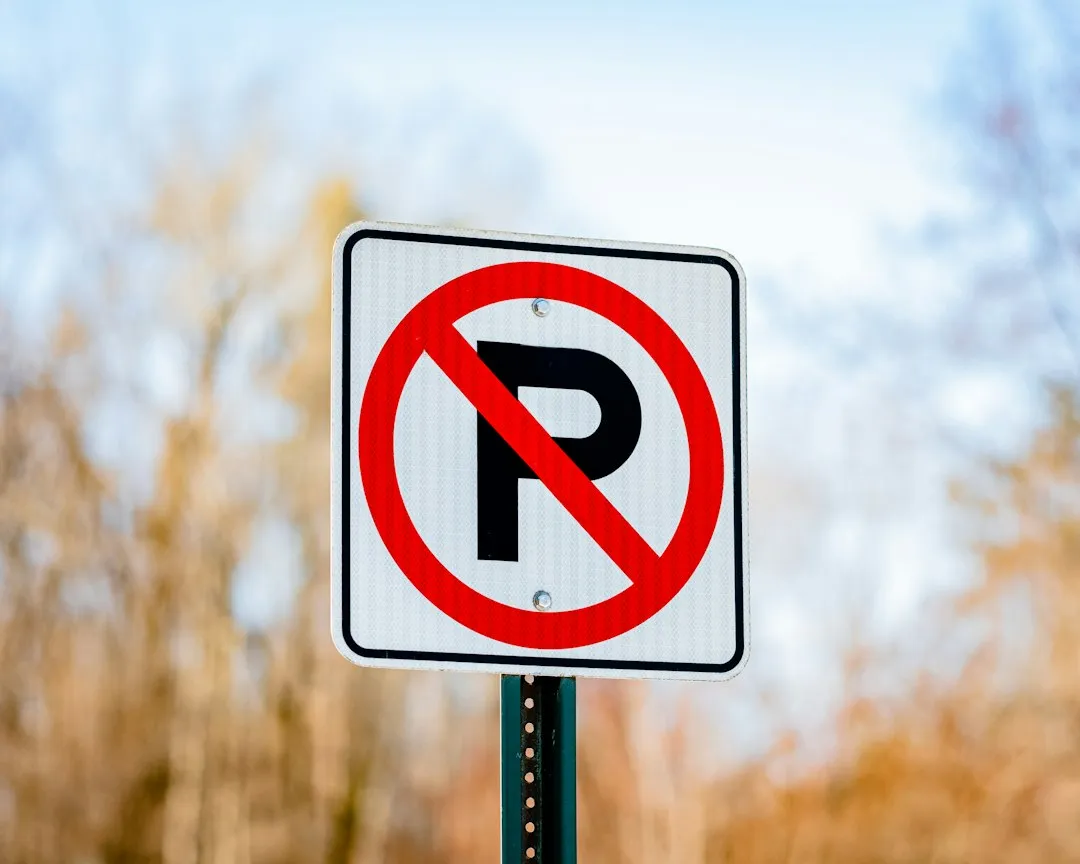
Effective curbside traffic management and enforcement requires that motorists be made aware that parking and standing are prohibited, and that the signs prohibiting these actions must be legally enforceable. Those signs are not suggestions posted for appearances. They carry the same legal weight as municipal traffic codes in most jurisdictions.
The signs typically contain text saying “No Standing or Parking” to ensure enforceability, and at some airports curbside regulatory signs include supplementary text such as “No Unattended Vehicles,” “Do Not Leave Vehicle Unattended,” and “Tow-Away Zone.” If the curb you’re parked at says any of those things, your car can be removed without further warning.
7. Thinking a Ticket Is the Worst That Can Happen
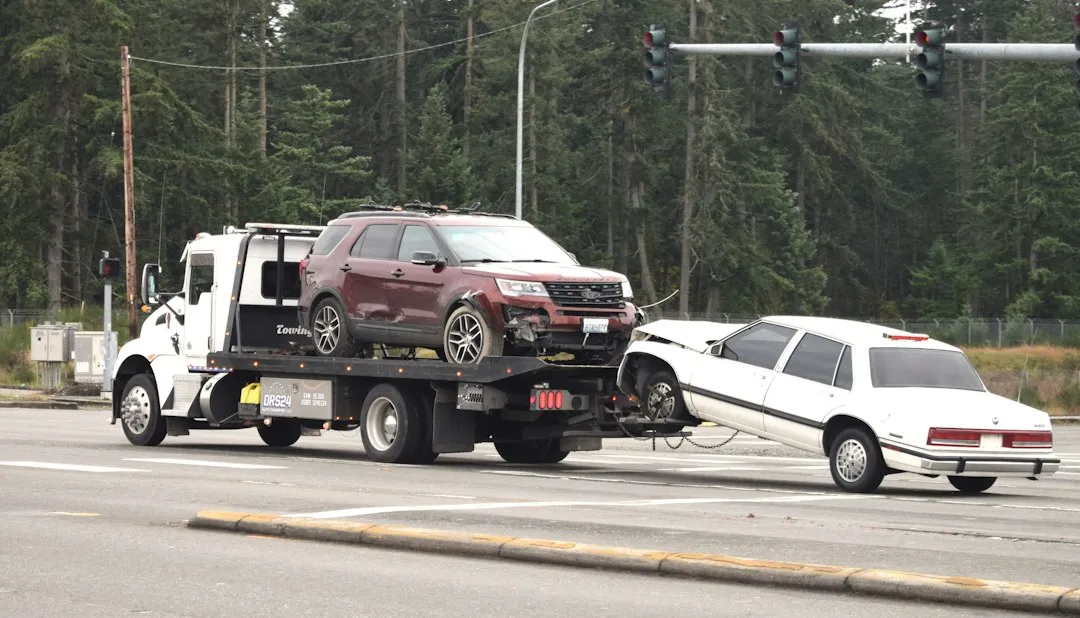
Some airports actively tow ticketed vehicles; others threaten to do so, or simply have a tow truck parked at the curbside entrance at all times or only during peak periods to serve as a warning. At many major airports, the tow truck is not there as a deterrent. It’s there because it’s busy.
A vehicle which has been placed in the lawful possession of the Port Authority because it was illegally parked may be detained by the Airport Manager until towing and storage charges have been paid. Beyond the towing fee itself, storage charges accumulate daily. Retrieving a vehicle towed from a major airport can easily cost several hundred dollars by the time all fees are settled.
8. Parking Outside a Designated Space in Airport Garages
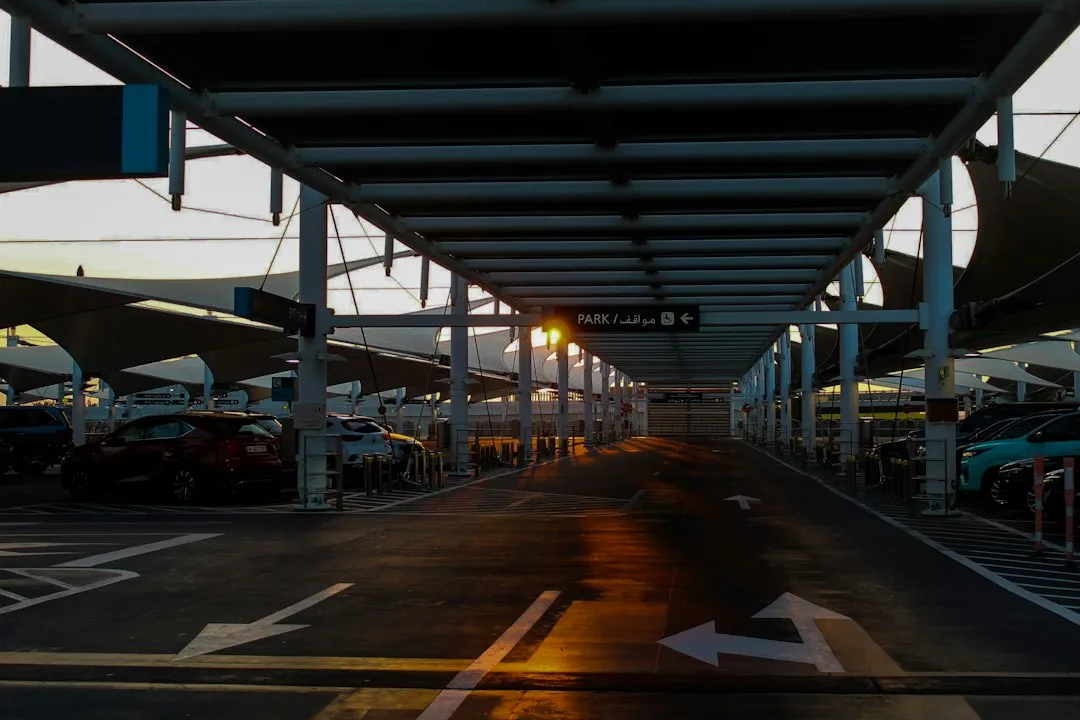
Vehicles parked on airport property anywhere other than in a parking facility are considered abandoned and are impounded immediately, and vehicles parked in airport parking facilities in locations other than designated parking spaces may also be subject to impound. This rule catches drivers who think they’ve found a clever shortcut around full lots.
After a vehicle has been parked for 30 days, one airport begins working with police to conduct a background check, and vehicles that have remained in parking facilities for more than 60 days are subject to towing. In November and December 2025 alone, 38 vehicles that had exceeded the 60-day threshold were towed from one airport’s garages. The enforcement is systematic and ongoing.
9. Assisting a Passenger Inside the Terminal While Your Car Sits at the Curb
Due to security regulations, the airport cannot permit drivers to leave their vehicles unattended at the curb while assisting passengers into the terminal. This is one of the most well-meaning mistakes people make. Helping an elderly parent, a child, or a passenger with mobility needs feel like a reasonable reason to step away. Officers still cannot permit it.
Vehicles are strictly prohibited from stopping or being unattended at curbside departure and arrival areas, and travelers requiring assistance should contact their airline in advance of their need. Airlines and airports have resources in place for passengers who need extra help. Arranging those in advance is far better than returning to find your car gone.
10. Not Knowing the Rules Change Regularly
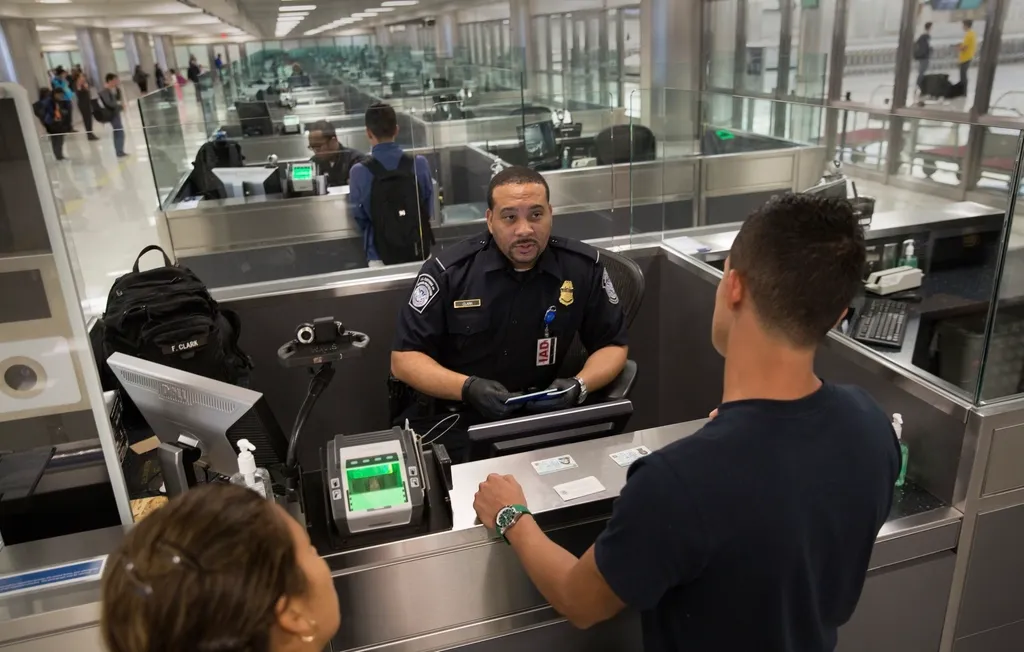
Enforcement of rules and regulations governing airport roadway traffic and curbside operations is a key element of almost all strategies. These rules are not static. Airports update their regulations as security requirements evolve, and what was permitted at a specific terminal in a previous year may no longer apply. Community Service Officers are civilian staff who monitor compliance with federal security directives prohibiting parked and unattended vehicles on the roadways in front of both terminals.
The standing guidance from airports is clear: do not leave cars unattended in front of the terminal, as curbside parking is not allowed and unattended vehicles may be towed. Checking the specific policies of the airport you’re traveling through before your trip takes only a few minutes and can save you a very expensive, stressful experience on the other end.
The Takeaway
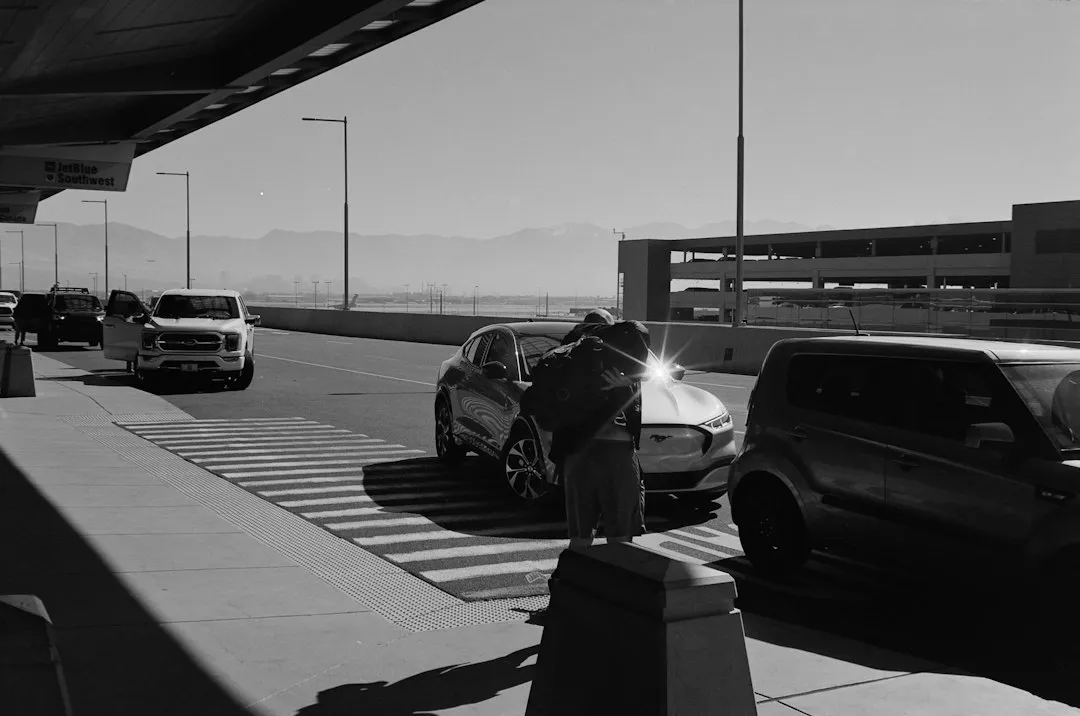
The curbside is the single most congested, most monitored, and most strictly enforced stretch of road at any major airport. Officers aren’t being unreasonable. The rules exist because unattended vehicles at terminal fronts create genuine security risks, and because the sheer volume of passengers means every minute of curbside space matters.
The fix is simple: use the cell phone lot, coordinate your pickup so your passenger is already at the curb, and never step away from your vehicle. These aren’t bureaucratic technicalities. They’re the difference between a smooth departure and a towing bill that makes the parking garage look cheap.
AI Disclaimer: This article was created with the assistance of AI tools and reviewed by a human editor.