


Port Deliveries Are the Starting Point
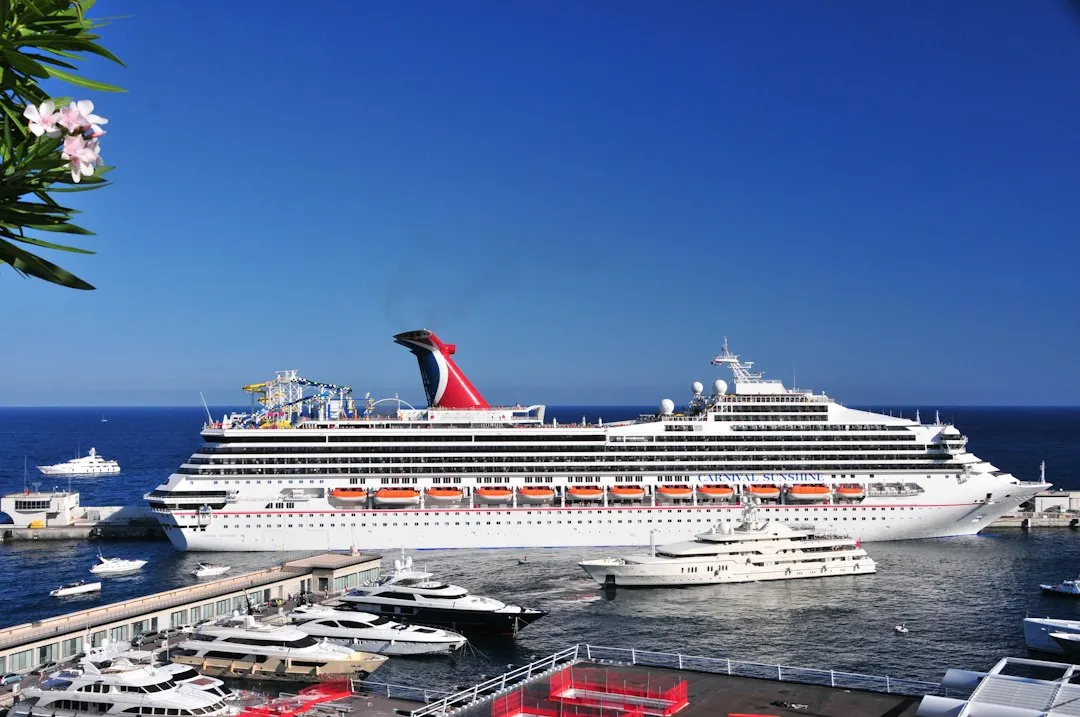
Unlike a land-based florist who can restock daily, a cruise ship florist works within the rhythm of port schedules. When the ship docks, a flower delivery arrives at the gangway, and the first job is checking every stem to confirm freshness and quality meet onboard standards. What comes aboard must be good enough to last, because there’s no running back to the supplier mid-voyage.
Specialist suppliers like Miami-based Floral Express focus exclusively on delivering fresh flowers and plants to cruise ships, operating across more than 99 ports around the world. The logistics of that reach are considerable. Companies such as Dianthus International have been servicing cruise lines for over two decades, fully managing the supply chain from sourcing through delivery and care.
The Walk-In Fridge Is the Engine Room
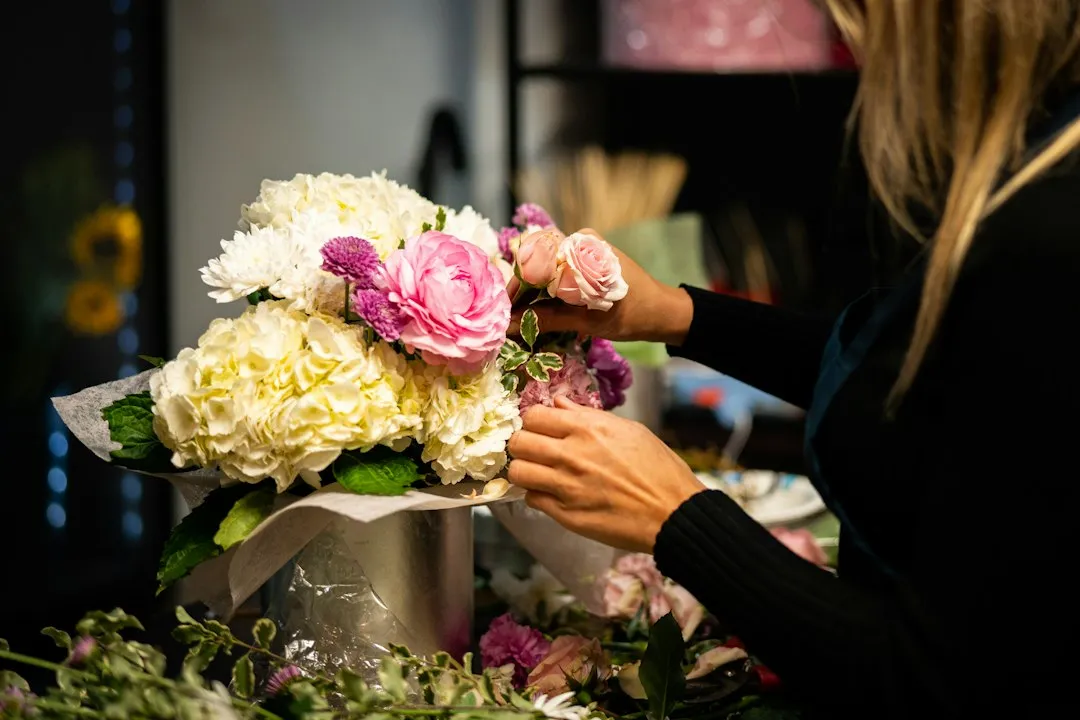
The florist and their assistant manage the onboard flower shop and place all stock orders, with a walk-in refrigerator at the heart of operations where incoming flowers are processed and stored. This cold room isn’t a luxury. It’s a necessity.
The floral cold chain is a continuous temperature-controlled logistics system designed to slow respiration, reduce dehydration, and limit ethylene exposure in cut flowers, with the optimal temperature range for most varieties sitting at 34 to 38 degrees Fahrenheit. Even slight temperature fluctuations can lead to premature wilting, and going too cold risks freezing damage, so the range is precise and non-negotiable.
Stem Conditioning Sets the Clock
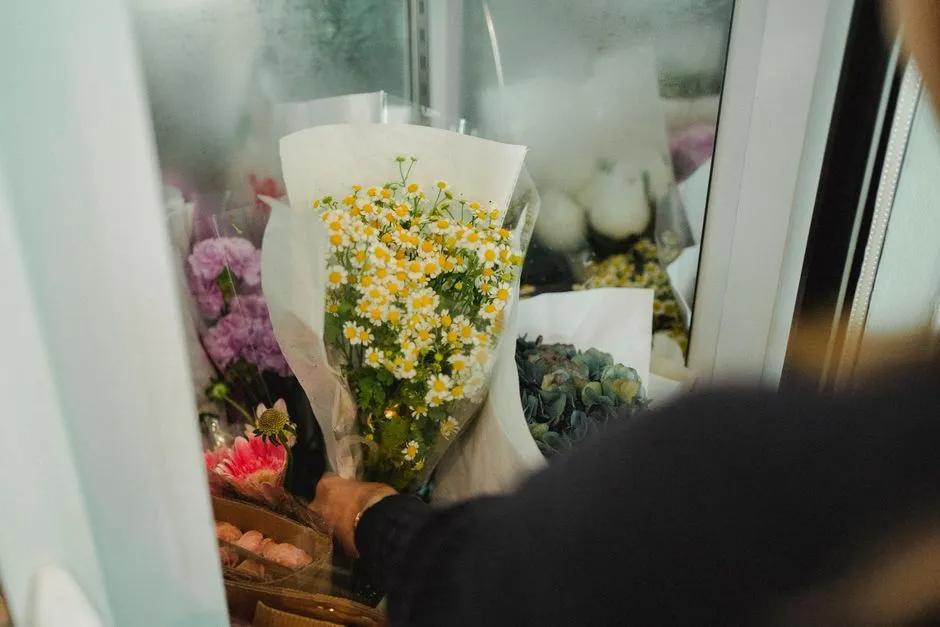
From the moment flowers are harvested to the second they’re ready for display, professional florists follow a strict routine of preservation steps, including precise hydration methods, stem conditioning, refrigeration, and chemical treatments to delay natural aging. On a cruise ship, this conditioning happens the moment a delivery clears inspection.
Industry guidance from Iowa State advises using a clean container, removing foliage below the water line, making a fresh cut, and using floral preservative from the moment a flower box arrives. The diagonal stem cut matters more than most people realize. Cutting stems on a diagonal increases surface area for water uptake and prevents the stem end from sitting flat on the container bottom, which would block hydration.
Floral Preservatives Do the Heavy Lifting

Commercial flower food contains three active ingredients: sugars for energy, acidifiers to adjust pH for better water absorption, and biocides to inhibit bacteria and fungi. Without these, water becomes a bacterial breeding ground faster than most people expect.
The foundation of effective flower preservation lies in controlling bacterial growth, water uptake, and temperature exposure, and professional florists are trained to anticipate and prevent the most common causes of floral degradation, including stem blockage, dehydration, and environmental stress. On a ship with hundreds of arrangements to manage, this isn’t occasional practice. It’s a daily protocol.
Ethylene Gas Is the Hidden Enemy

Every degree above 2 degrees Celsius during transit accelerates respiration, triggers ethylene sensitivity, and begins the invisible countdown to wilting, bent neck, and petal drop. Cruise ship florists keep this in mind at all times, especially when working around a ship’s food storage areas.
Florists avoid fruits and certain flowers that emit ethylene gas, which is known to accelerate aging in blooms. It’s important to keep flowers and produce separate because of the harmful ethylene gas emitted by ripening produce. On a cruise ship, where cold storage for food and flowers can occupy nearby spaces, separation is something florists manage carefully.
Airflow Inside the Cooler Matters More Than You’d Think
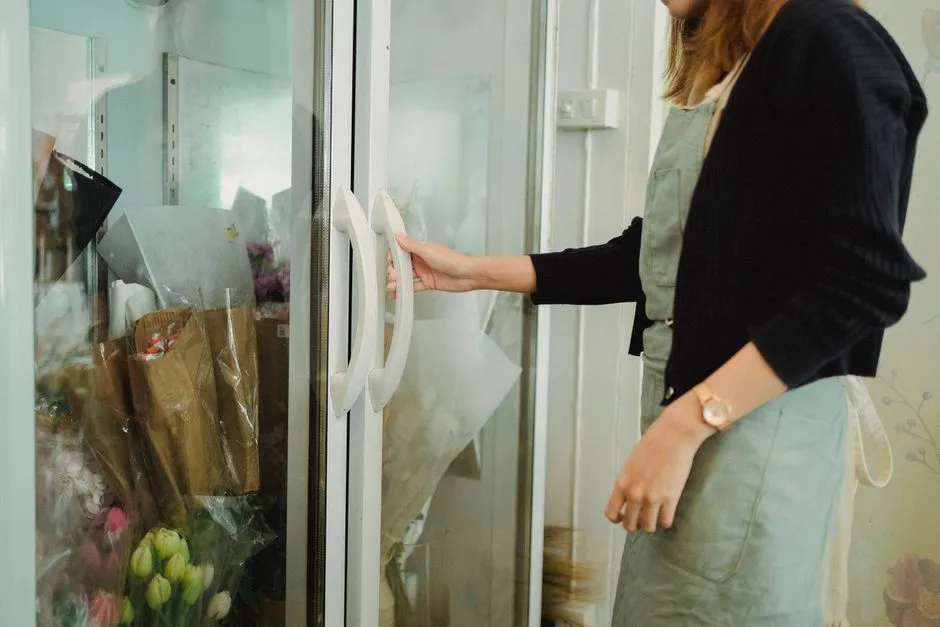
Inside the cooler, airflow is crucial, and florists avoid overcrowding arrangements or buckets because poor circulation can create warm pockets or encourage mold. Flowers are organized by type and placed in buckets of clean, treated water for consistent hydration even while in cold storage.
Proper hydration combined with maintaining 80 to 90 percent relative humidity helps flowers retain moisture and prevents dehydration. This level of humidity control is standard practice in professional floral cold storage, and ship florists apply the same principles aboard. A crowded, poorly ventilated fridge undoes everything else.
Species Selection Shapes What Survives
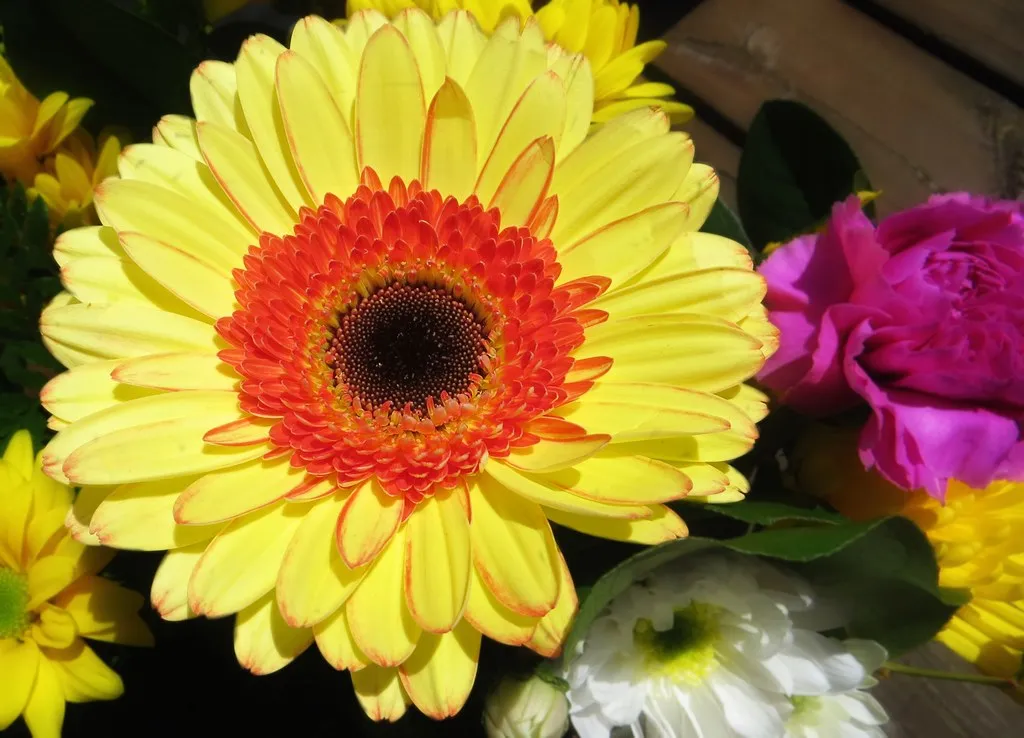
Fresh-cut flowers are considered to be one of the most delicate and challenging commercial crops, and minimizing loss during storage and transportation is a critical consideration when preserving them. Not every flower is equally suited to a long voyage, and experienced ship florists know which varieties hold up and which won’t.
Carnations, alstroemeria, and chrysanthemums are among the hardier species regularly used in long-haul floral supply. Carnations, roses, and alstroemeria are among the flowers routinely shipped over extended sea freight journeys. Roses require careful management but remain a staple. Delicate species like sweet peas or lily of the valley rarely make the list for mid-voyage arrangements.
Modified Atmosphere Packaging Is Changing the Game

An increased carbon dioxide and reduced oxygen atmosphere during storage can mitigate the changes that cause cut flowers to wilt, discolor, and dehydrate. Modified atmosphere packaging has become a well-validated technique for extending the shelf life of fresh produce postharvest.
A 2024 peer-reviewed article published in Frontiers in Plant Science identified the need to minimize loss during storage and transportation as one of the key challenges facing the cut flower industry. The same review found that smart packaging, which incorporates new technology to increase functionality, represents a promising technique for preserving fresh flowers. Some of these innovations are beginning to appear in high-end cruise supply chains.
Restocking at Port Keeps Everything Rolling
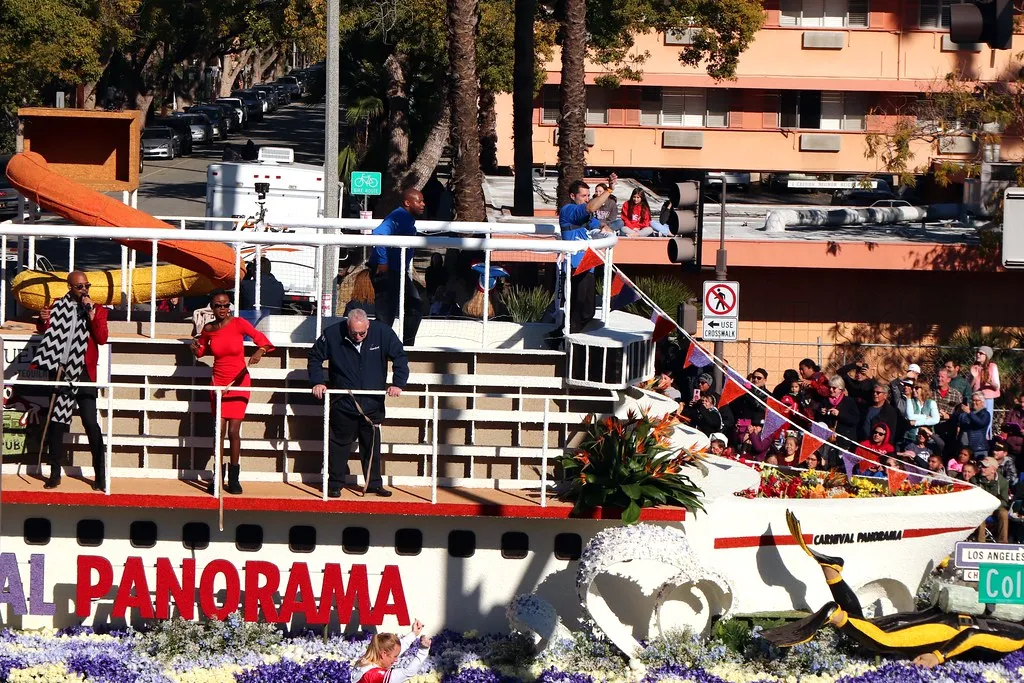
Monitoring the quality of all flowers and materials received, and ordering floral supplies based on upcoming promotions, seasonal needs, and special occasions, is a core part of the cruise florist’s inventory responsibilities. A two-week voyage might include multiple port stops, and each one is a potential resupply opportunity.
Some guests order flowers for special occasions ahead of sailing, and florists source these from local suppliers ashore in advance of the voyage. In top-class suites, standing orders for flowers must be in place before guests arrive and replenished throughout the cruise. Planning that kind of continuity across a 14-night itinerary takes organized pre-ordering and close supplier communication at every port of call.
Rotation, Monitoring, and Timing Are Everything
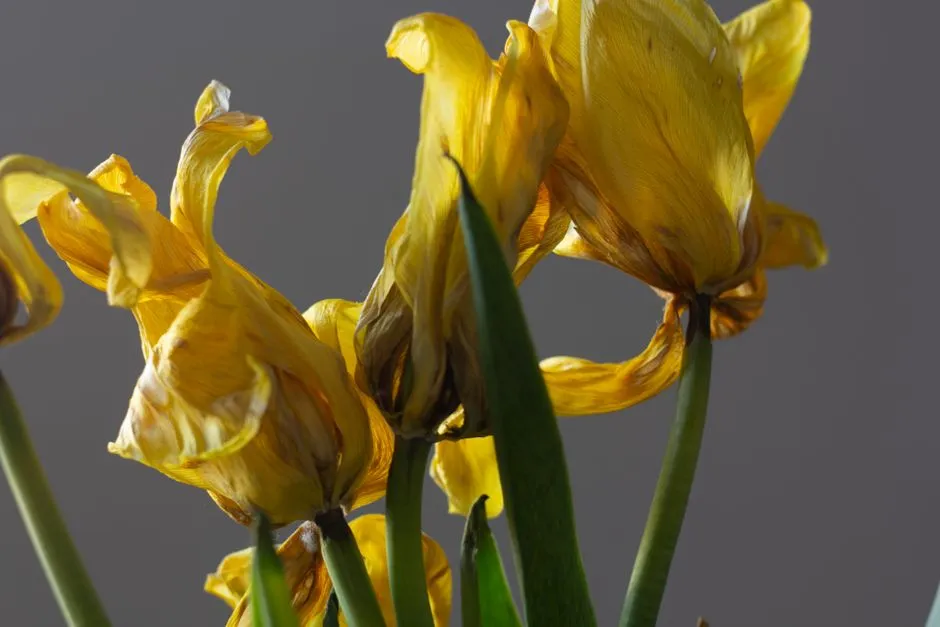
Timing is a critical factor. Florists don’t leave flowers in storage indefinitely. Cold storage is used to pause the flower’s aging process temporarily, but extended refrigeration without water changes or trimming reduces effectiveness. Florists rotate stock regularly and monitor bloom status closely.
For specialty restaurants onboard, small vases for up to 100 tables all need to be filled with fresh flowers every two days or when needed. That cycle of rotation keeps arrangements looking their best without running through stock too quickly. Once flowers are cut, they immediately begin losing moisture and nutrients, and without consistent temperature control, flowers can lose a significant portion of their vase life, according to the International Association of Horticultural Producers.
The Takeaway
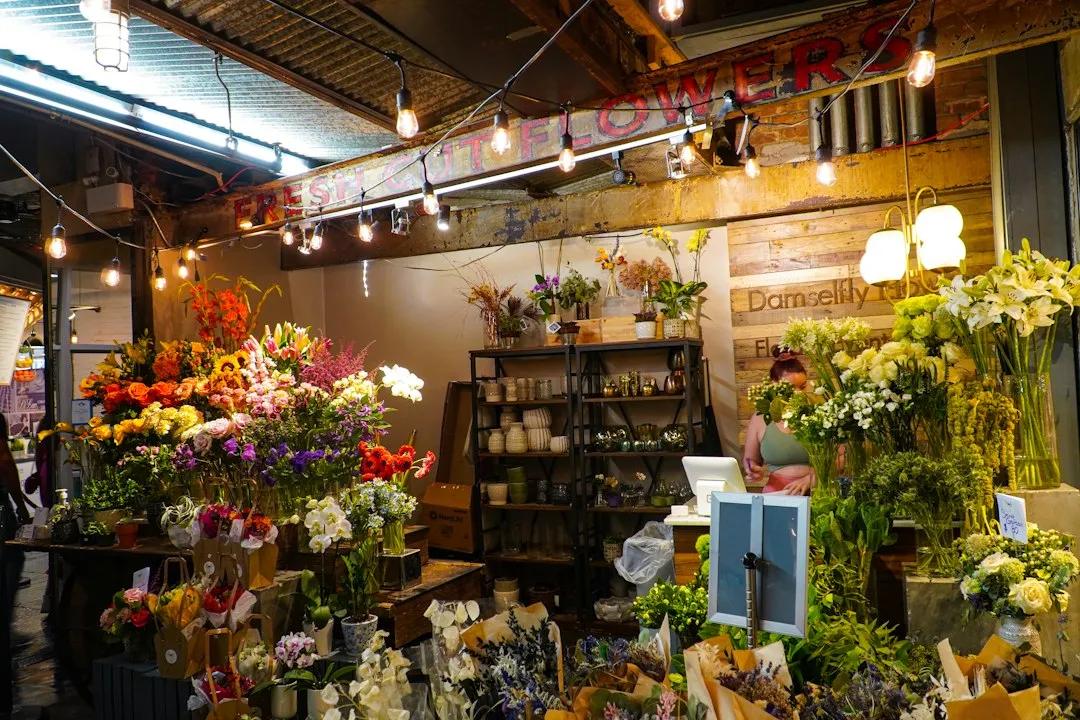
A fresh bouquet on a dining table two weeks into a voyage is not an accident. It’s the result of coordinated cold chains, species knowledge, daily care routines, and the quiet expertise of florists working in one of the most unusual professional settings imaginable. Most guests walk past those arrangements without a second glance.
The science behind keeping flowers alive at sea mirrors what the broader floral industry has refined over decades, but the constraints of a ship make every decision sharper. There’s no corner store backup, no local market run. What the florist brings aboard and how carefully they manage it is all there is. That, more than anything, explains why cruise ship floristry is a genuinely skilled discipline, not just a decorative afterthought.
AI Disclaimer: This article was created with the assistance of AI tools and reviewed by a human editor.