

The Billion-Dollar Business Running Below Your Feet
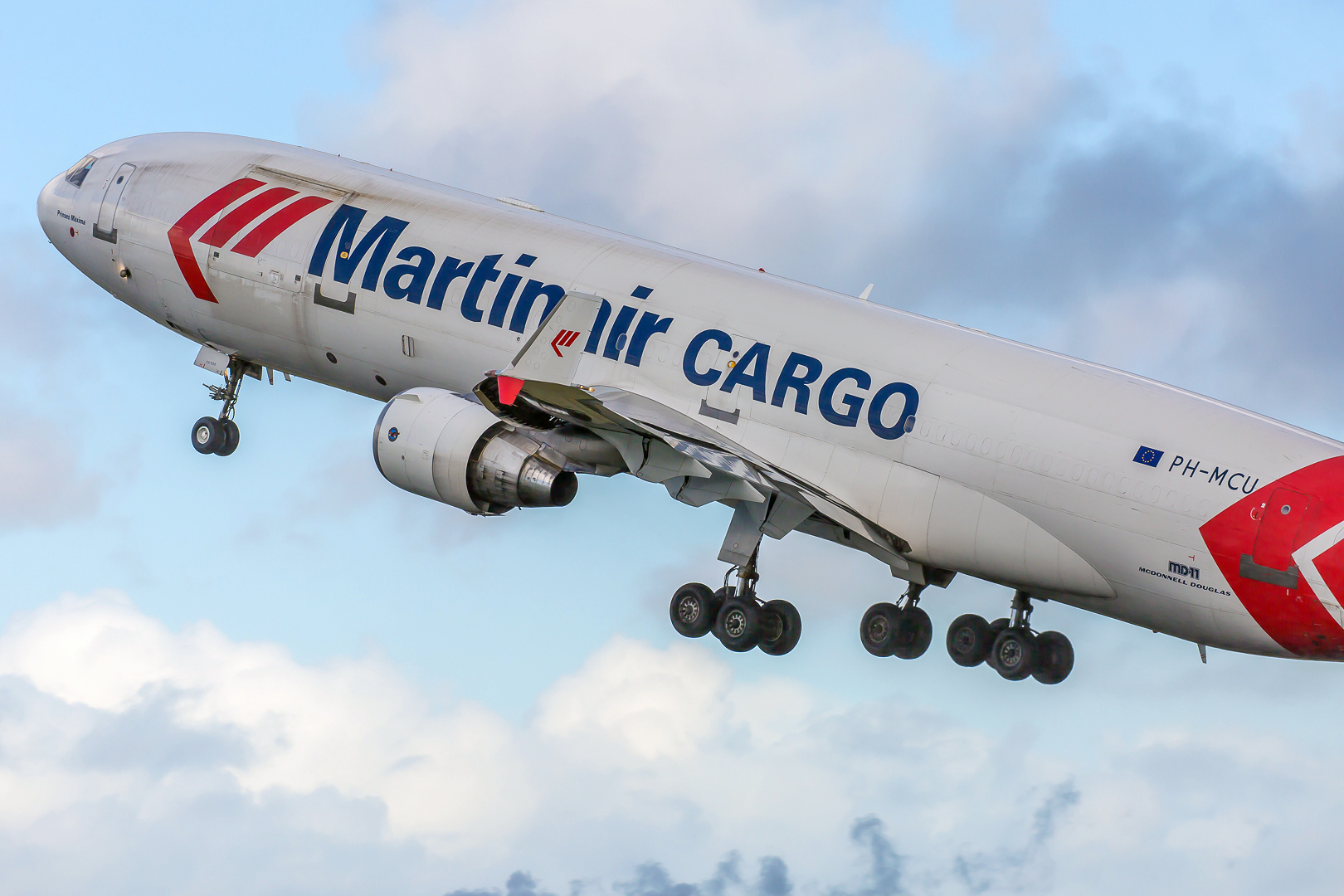
The financial scale of what moves beneath passenger seats is genuinely staggering. The global air cargo market was valued at roughly 173 billion U.S. dollars in 2024 and is projected to grow to approximately 273 billion dollars by 2032. That kind of growth doesn’t happen in isolation – it reflects a fundamental shift in how global commerce moves.
Demand in 2024 was up more than eleven percent year-on-year, boosted by particularly strong e-commerce and various ocean shipping restrictions. Meanwhile, global air cargo demand demonstrated strong momentum into Q4 2025 as well, expanding by nearly five percent year-on-year and reaching 76.4 billion cargo tonne-kilometers.
How the Hold Is Actually Structured
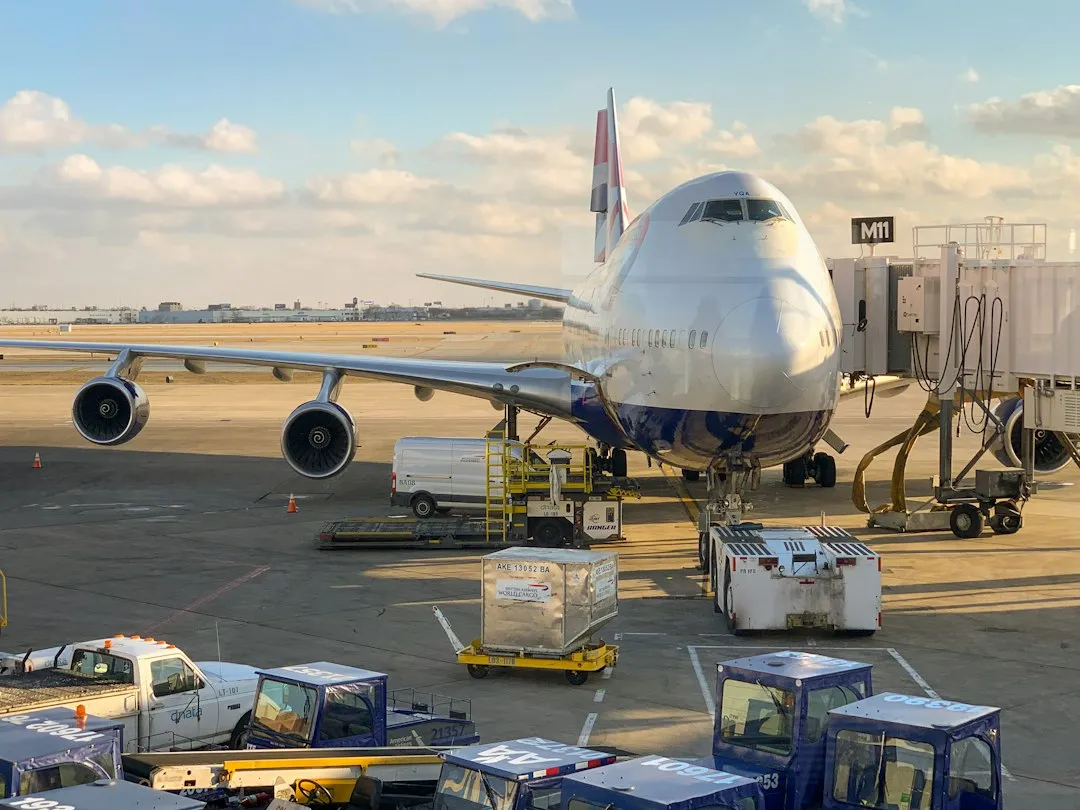
Passenger aircraft have two distinct spaces: the main cabin above, where passengers sit, and the lower cargo hold below the cabin floor, where airlines divide the space between passenger baggage and freight paid for by shippers.
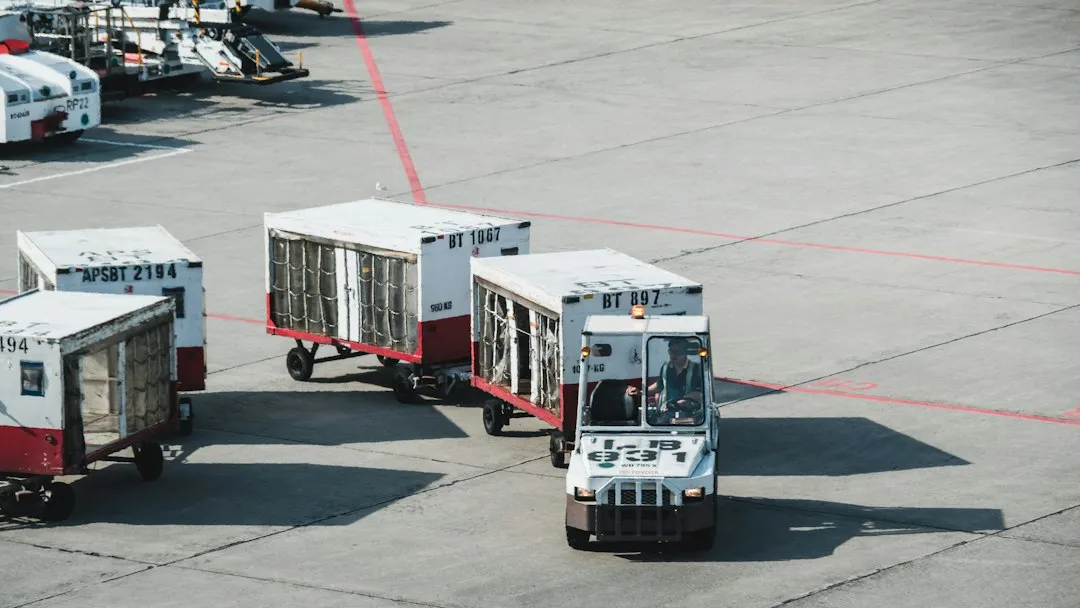
Ground crews load belly cargo in two formats – loose freight goes directly into the hold as individual pieces, while Unit Load Devices, standardized containers and pallets, fit precisely into the hold’s contoured floor. Wide-body aircraft such as the Boeing 777 or Airbus A350 can carry full-size LD-3 containers in their lower decks.
These cargo holds have special panels on walls and ceilings that serve to protect all cables and pipes running through the area, and at least one compartment, usually the forward one, is pressurized and heated to transport live animals and merchandise that requires temperature control, such as vaccines, flowers, or perishable foods.
Fresh Food: From Farm to Hold in Hours
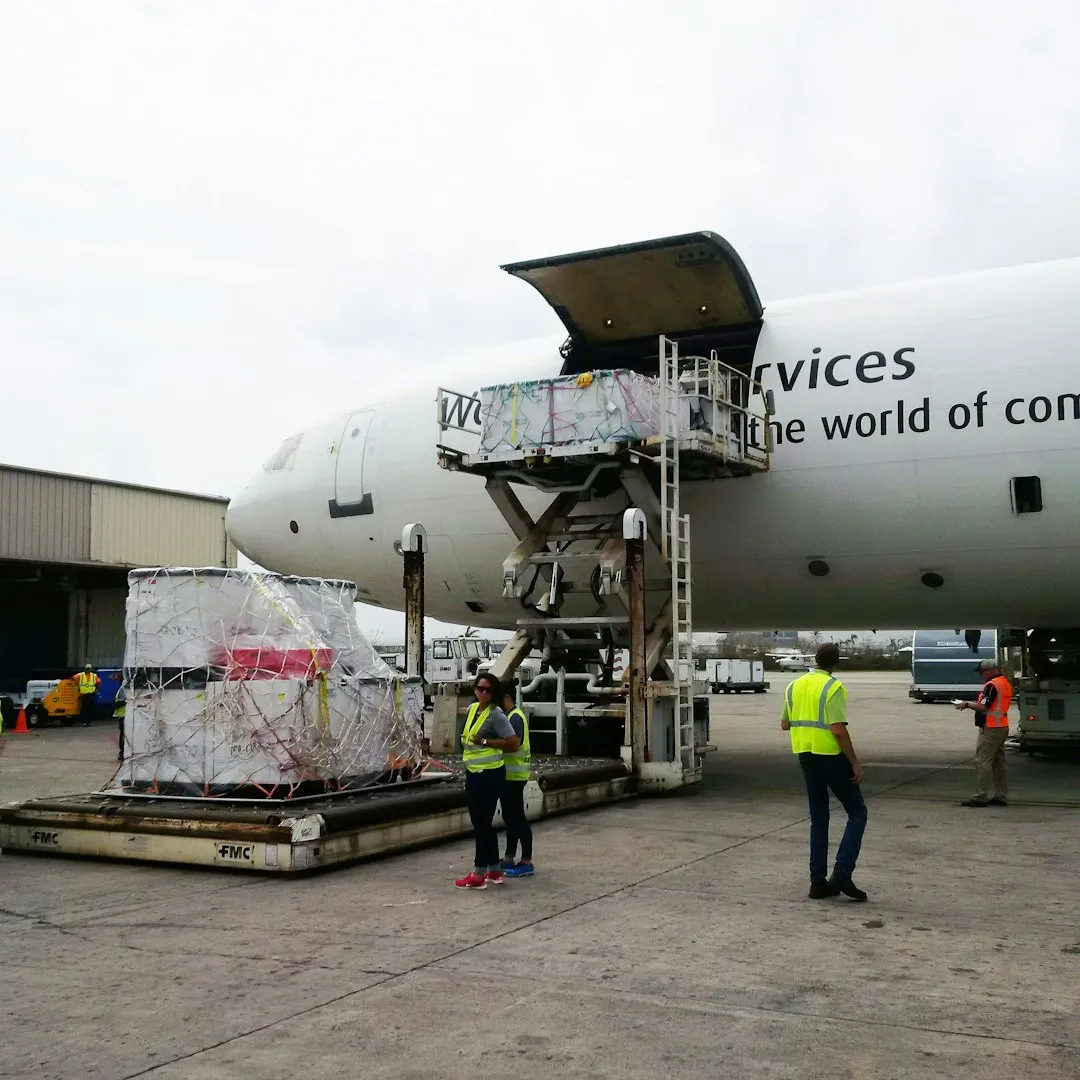
In perishable logistics, time is of the essence to ensure produce, flowers, fish, and other products reach their destinations while they still offer maximum appeal and shelf life – and as a result, many of these goods move via air.
Air cargo is so trusted for perishable shipments that over 80,000 flowers are transported every 24 hours alone, and air cargo ships over 120,000 tonnes of Kenyan flowers every single year. On long-haul routes, the entire trip from a South American farm to a North American retailer can take as few as four days.
Competition for the limited capacity in the bellies of passenger aircraft is stiff when a harvest or fishing season begins, as companies in the perishables supply chain are eager to be first to market. The stakes are real: a delayed shipment of fresh tuna or ripe mangoes isn’t just an inconvenience, it’s a financial loss that can ripple across an entire supply chain.
Pharmaceuticals and Vaccines: The Most Critical Cargo

Medicines, vaccines, and pharmaceuticals often require a thorough temperature control during air transport. This makes them among the most technically demanding categories of cargo a handler will ever load onto a passenger aircraft.
Pharmaceutical supplies are listed alongside fresh meat, frozen food, and flowers as items that will spoil or degrade if not handled correctly during flight. Special cargo of this kind needs special handling, storage, and transport, often requiring extra care in the form of temperature controls or custom packaging.
E-Commerce Packages: The New Dominant Force
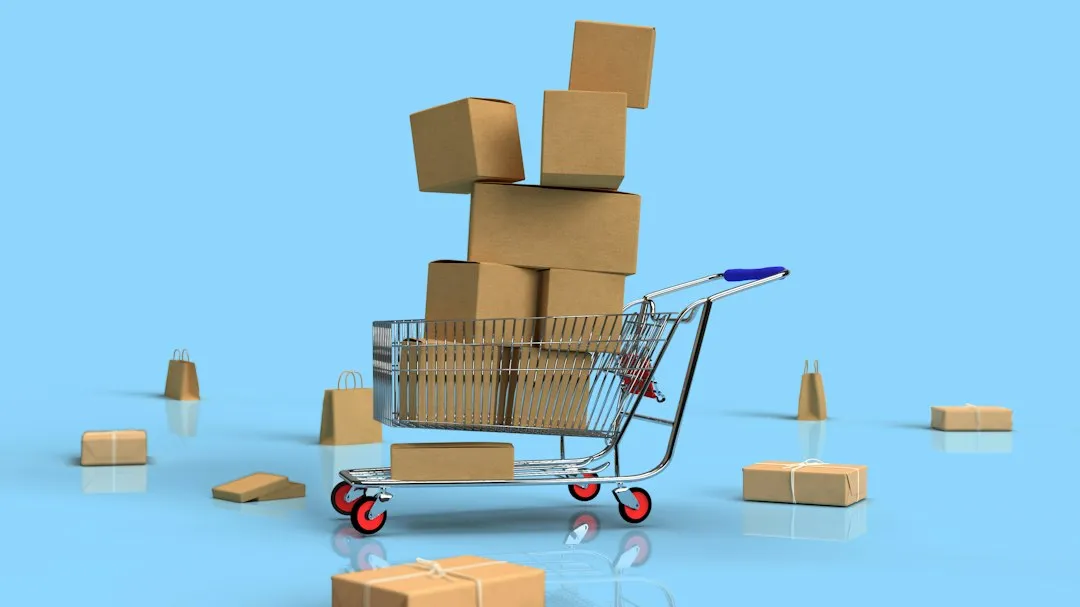
The two main types of air cargo have historically been express and general freight, but in recent years, e-commerce has emerged as a significant third category, often overlapping the other two. This shift has fundamentally changed the composition of what’s traveling in the hold beneath passengers.
E-commerce goods are usually relatively light items that carry a tracking number and are committed to a reduced transit time, with common examples including clothing, technology products, postal mail, and some pharmaceuticals. The e-commerce boom, combined with disruption to ocean shipping caused by the Red Sea conflict, made 2024 an outstanding year for air cargo volumes, with demand outpacing capacity.
Live Animals: One of Aviation’s Most Carefully Managed Loads
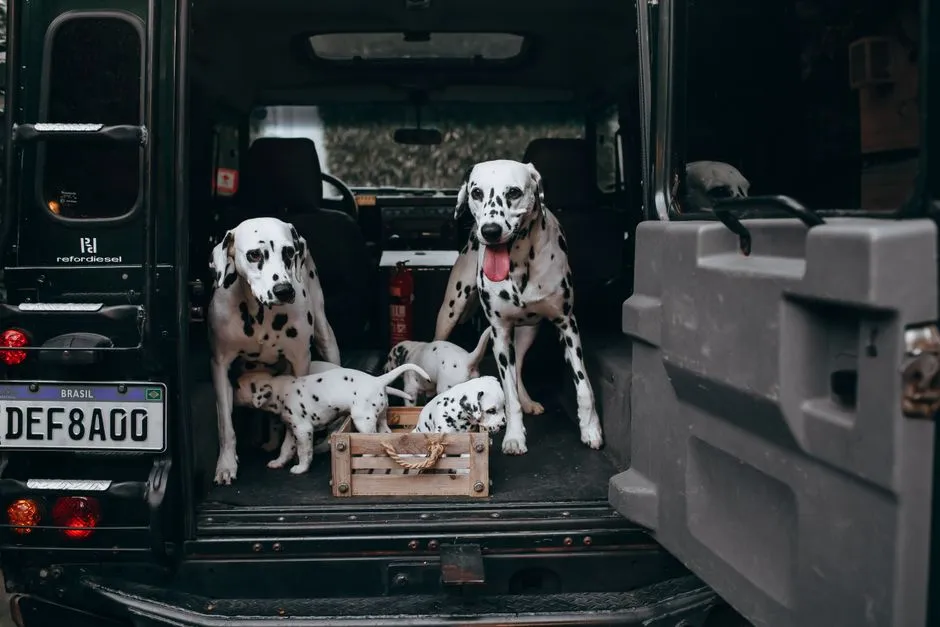
Most live animals are transported by air, though large animals require special permits. Cats, dogs, tropical fish, and even racehorses have all made their way into the temperature-controlled sections of commercial aircraft holds, each with strict welfare requirements attached.
Live animals need stable temperature conditions during transport, placing them in the same critical category as organs for transplantation, where immediacy is equally crucial. Ground handlers working with live animal shipments follow a distinct set of loading protocols, separate from standard freight procedures.
High-Value Goods: Gold, Electronics, and Precious Cargo
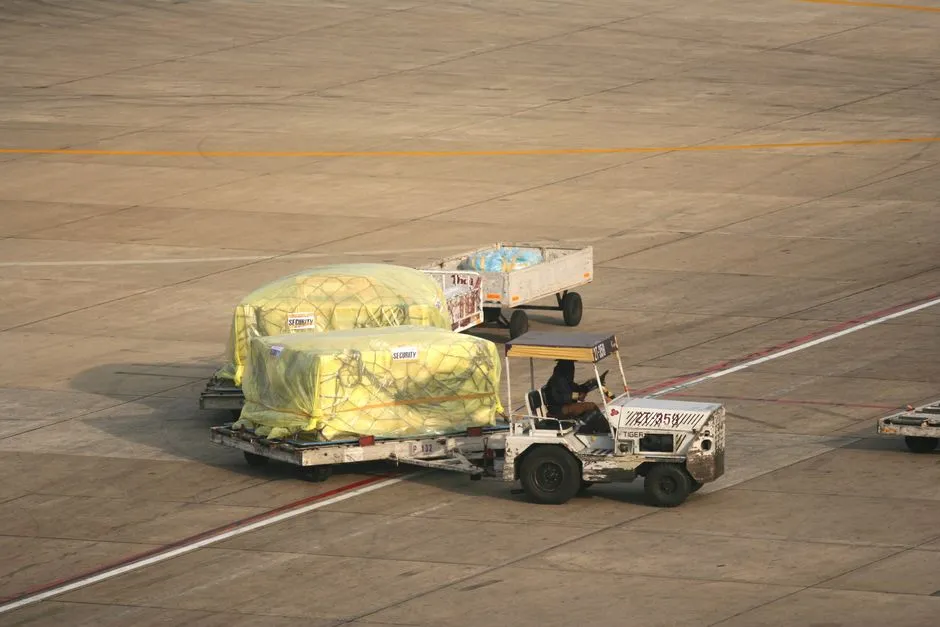
High-value items such as gold, diamonds, precious metals, electronics, and research equipment all move through the air cargo system under a designation known as valuable goods. High-tech goods account for roughly forty percent of the total value of goods moved by air.
Air cargo services offer measures like secure storage, surveillance, and specialized packaging to protect these items from damage or theft. The routing of such shipments is typically not disclosed publicly, and cargo handlers often work under heightened security protocols when valuable goods are on the manifest.
Diplomatic Cargo: Government Shipments Above Scrutiny
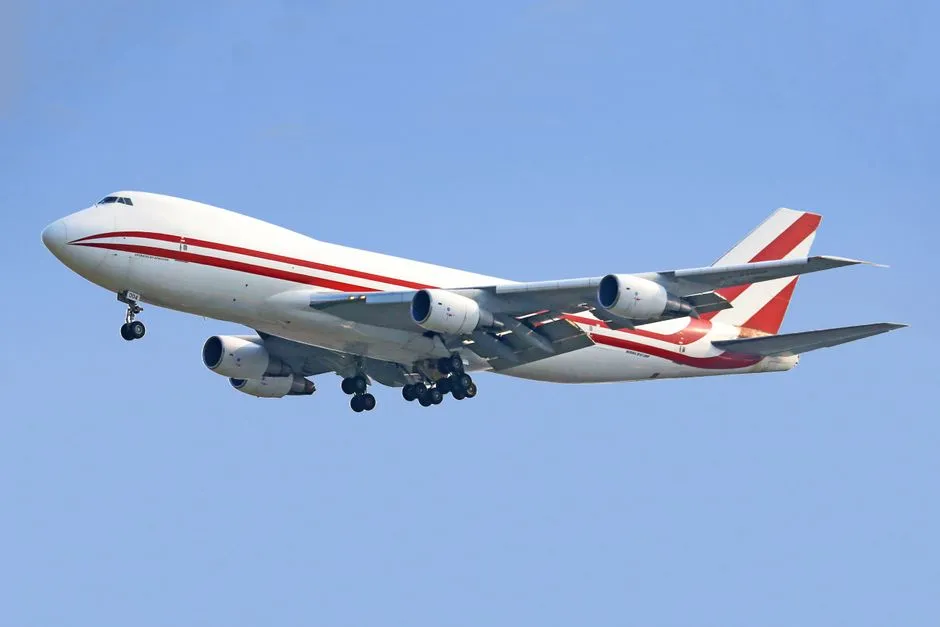
Diplomatic cargo, designated as DIP, covers important goods for ministers, embassies, and consulates, which are stored in special facilities during transit. These shipments travel in the same hold as commercial freight but operate under a fundamentally different legal framework governed by the Vienna Convention.
Diplomatic bags and sealed containers are not subject to customs inspection by the receiving country, which places a distinct responsibility on the originating state and the airline’s ground handling team alike. The handling procedures are precise, and the documentation trail is thorough.
Dangerous Goods: The Cargo Most Passengers Don’t Know About

Dangerous goods are those that may generate damage to human health or the environment, such as explosives, gases, flammable liquids, or toxic substances, and this type of goods must be specifically marked and packaged to avoid any accident.
Products that are particularly sensitive, alterable, and may present a risk during handling are subject to very strict protocols and are generally transported in aircraft exclusively designated for cargo without passengers. There are clear regulatory lines between what is permitted in a passenger hold and what must go on a dedicated freighter. IATA’s Dangerous Goods Regulations remain the global standard for these decisions.
Belly-Hold Capacity: A Revenue Engine for Airlines
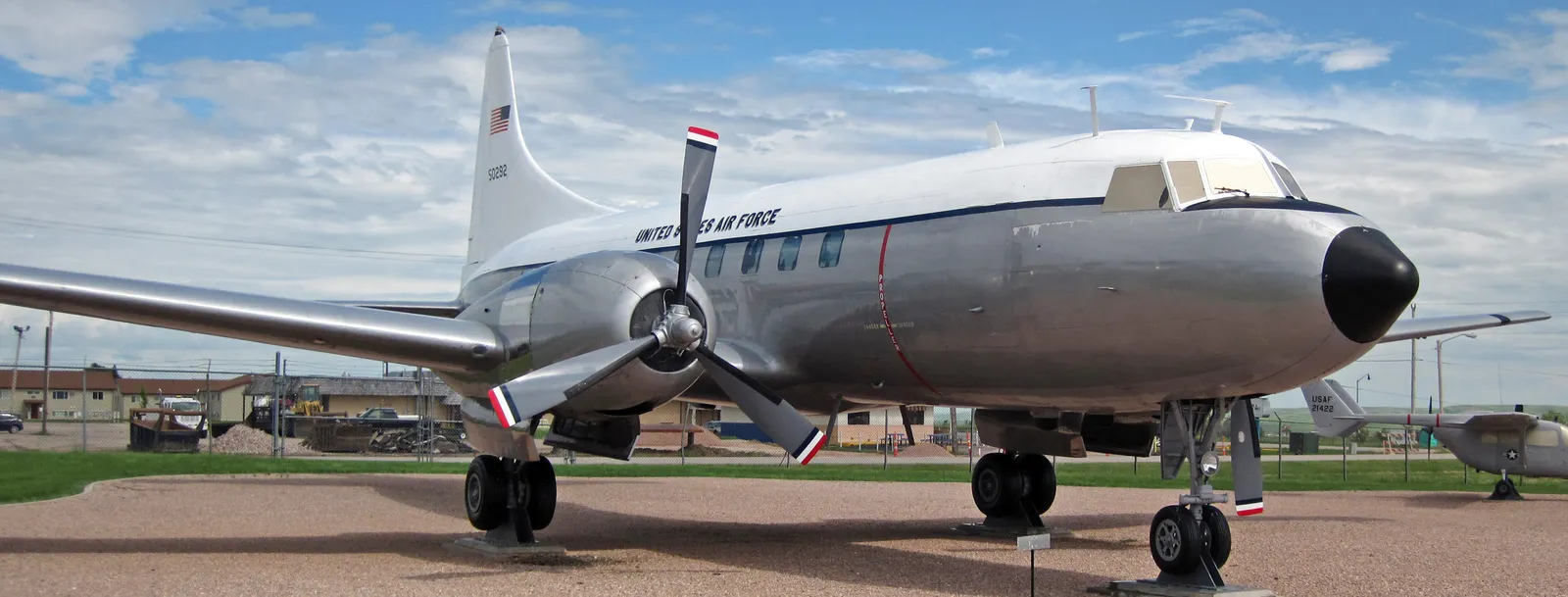
Nearly two-thirds of UK air freight, for example, travels as passenger belly cargo, which gives a sense of just how dependent the freight industry is on scheduled passenger flights. The economics are mutually beneficial: airlines earn additional revenue on every flight, and shippers access a dense, global network they could never afford independently.
This practice can often be used to cross-subsidize loss-making passenger routes that would otherwise be uneconomical to operate. In practical terms, the freight stowed beneath a passenger’s seat on a thin domestic route may be the reason that route continues to exist at all.
Gains in international cargo capacity in late 2025 were balanced between passenger belly-hold, which grew by more than six percent year-on-year, and dedicated freighters adding a similar amount, marking the fastest growth seen in 2025. The belly-hold is no longer an afterthought for airlines – it is a strategic asset.
The Takeaway
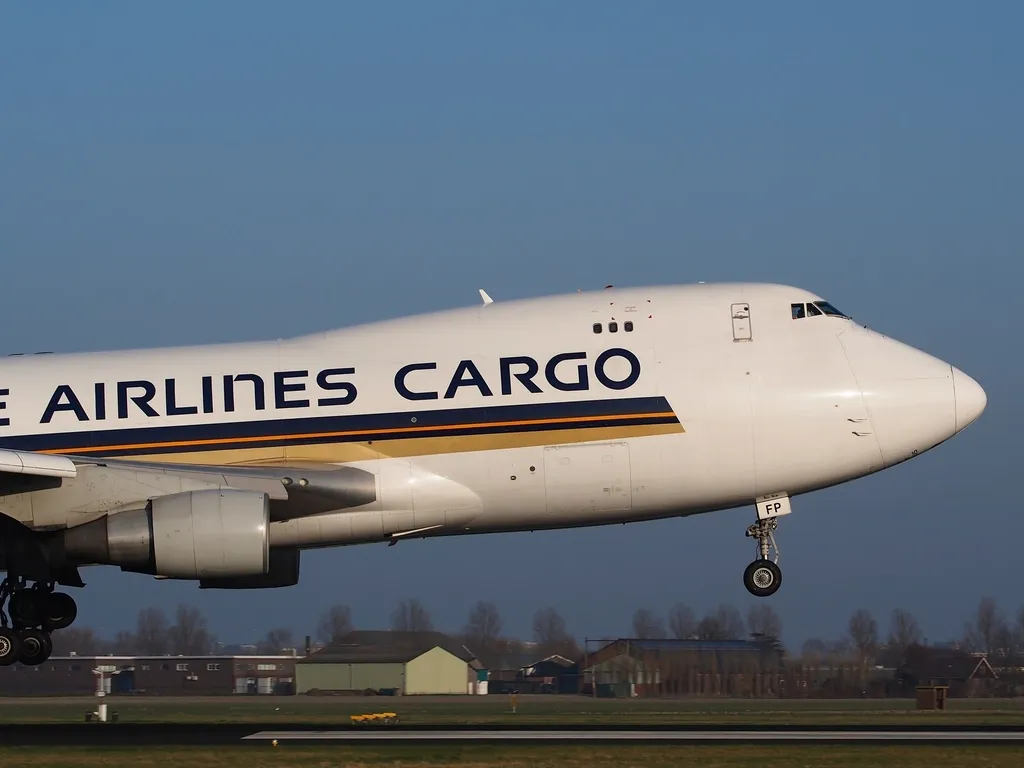
The next time you board a flight, there’s a whole separate operation underway in the hold below you. Vaccines heading to clinics, flowers cut from African fields that morning, parcels ordered online three days ago, and carefully crated animals are all moving through the same aviation network you’re part of. Air cargo, whether perishable, high-value, or time-sensitive, collectively generates around thirty-five percent of world trade value.
The aircraft is, in many ways, two vehicles at once. One carries people. The other quietly carries the world.
AI Disclaimer: This article was created with the assistance of AI tools and reviewed by a human editor.