
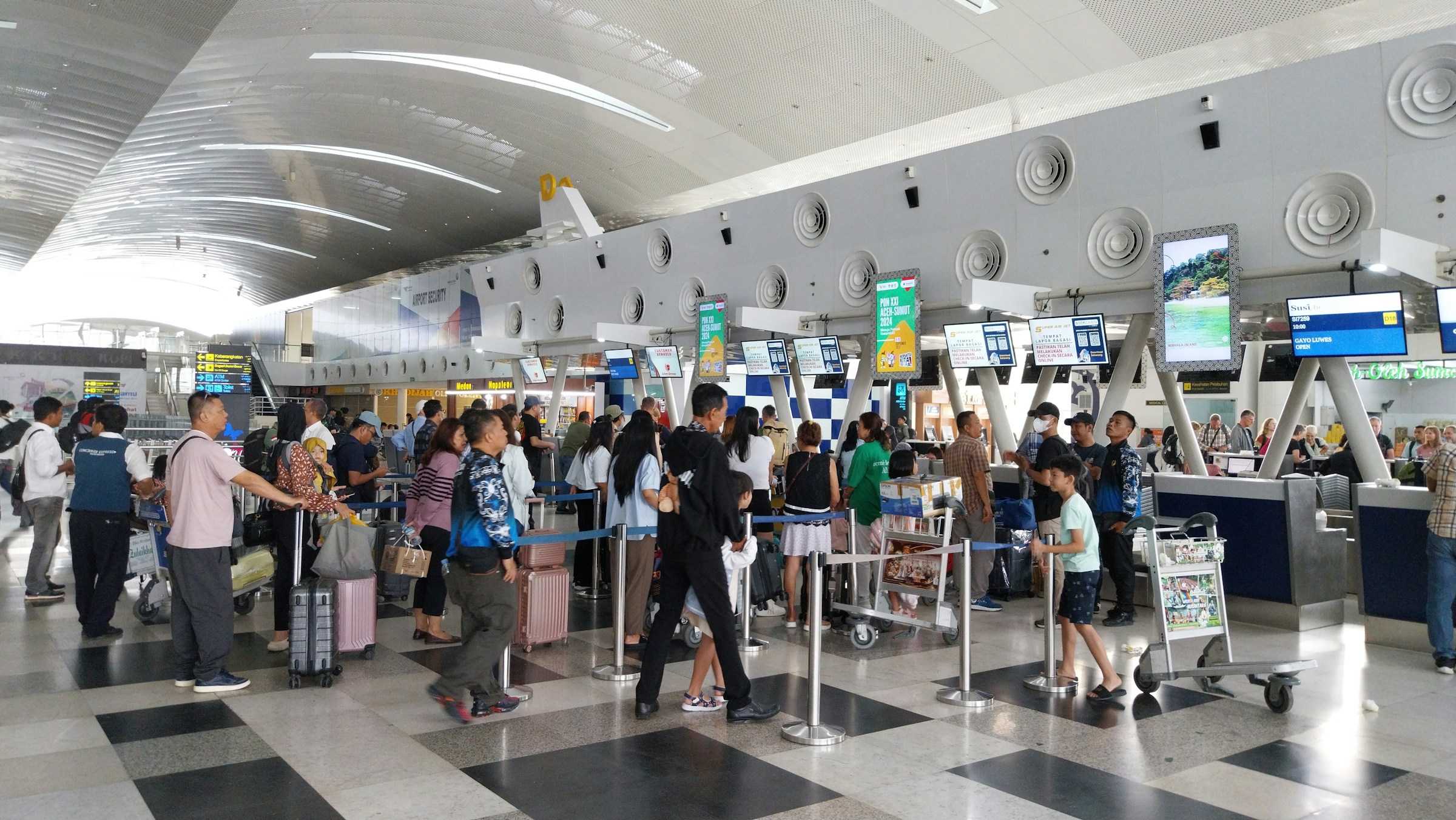

The 45-Minute Domestic Rule Is Now the Industry Standard
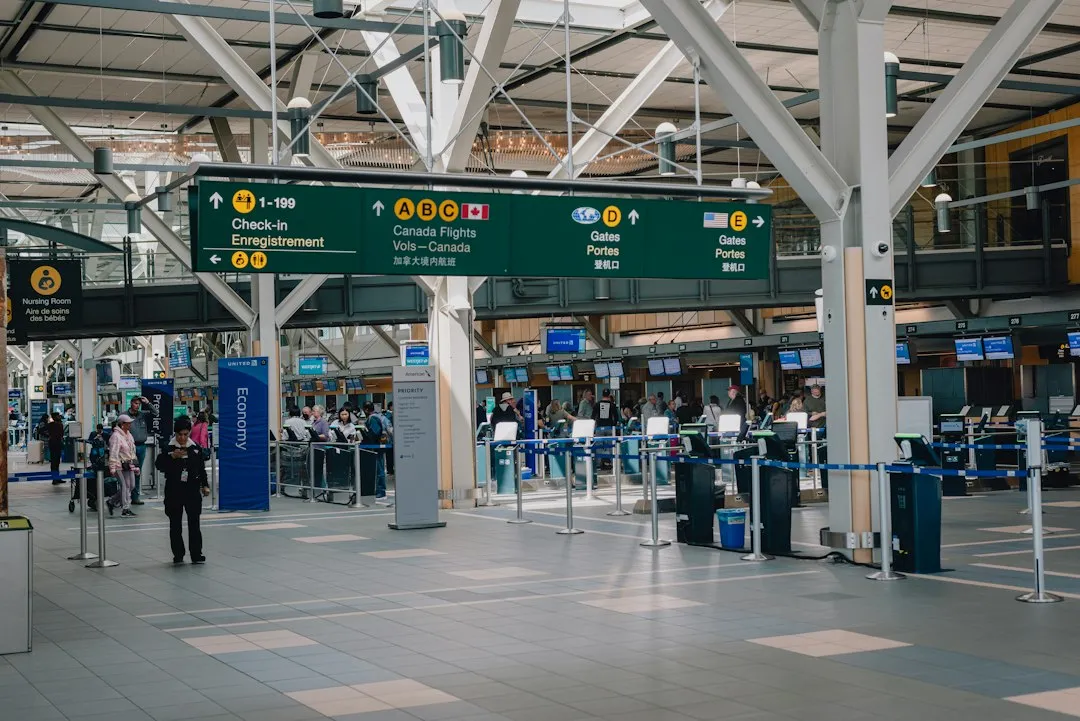
As of June 3, 2025, United Airlines imposed a new check-in deadline of 45 minutes before departure for all domestic flights, regardless of whether passengers are checking bags. This marked a departure from the previous policy, which gave carry-on-only travelers until 30 minutes before departure.
If you’re flying with American Airlines within the U.S., the deadline for checking in and checking a bag before a flight is 45 minutes ahead of departure. American Airlines ticket counters close 45 minutes prior to published departure time, and checked luggage will not be accepted once the ticket counters are closed.
By comparison, Delta enforces a 30-minute cutoff for carry-on passengers and 45 minutes for those with checked bags, while Alaska Airlines requires 50 minutes with some airport exceptions. The bottom line: the old mental shortcut of “30 minutes is fine” simply doesn’t apply anymore at most major carriers.
United Airlines Just Tightened Its Policy Ahead of Summer 2025

United Airlines changed the check-in cutoff time for its domestic flights ahead of the busy summer travel season, requiring all passengers flying to a domestic destination to check in at least 45 minutes prior to departure. The new domestic flight policy applies to customers both with and without checked luggage.
A United spokesperson said the change to a single cut-off minimum “brings greater consistency for our customers” and conforms with the policies of many other airlines. The check-in cutoff time for international flights remains at 60 minutes prior to departure.
Passengers who fail to follow the policy could be denied the option to check their bags or be forced to miss their flight. That isn’t a warning airlines make lightly, and agents at the counter are required to enforce it.
International Flights Carry a 60-Minute Minimum – and Sometimes Much More
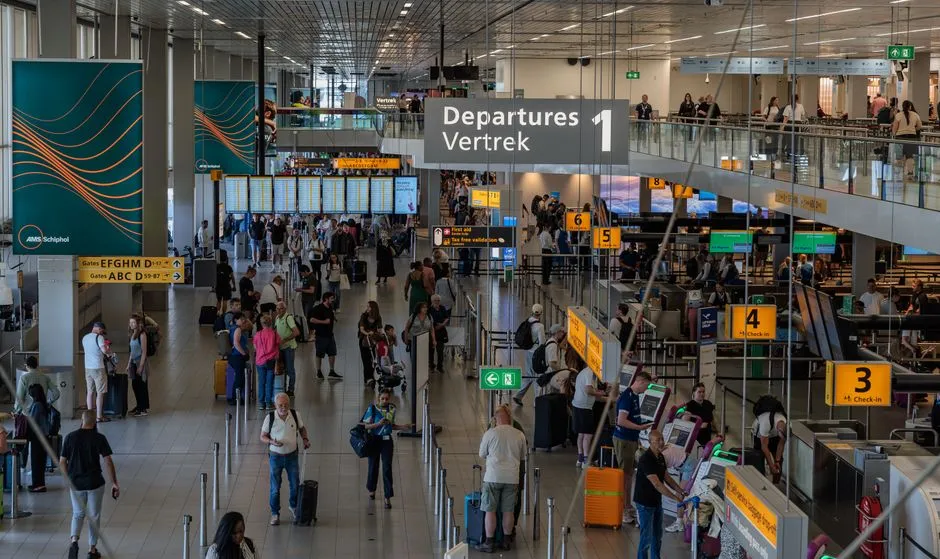
When it comes to international travel, American Airlines sets a 60-minute deadline across the board for check-in and baggage drop. However, this can vary depending on the departure airport, with airports that have complex immigration or high volumes of international traffic imposing stricter cutoffs to accommodate additional processing time.
Southwest’s website notes that all passengers and their luggage must be checked in a minimum of 60 minutes prior to departure for international trips, with flights departing Aruba having an earlier deadline of 75 minutes before takeoff.
United requires 60- to 90-minute check-ins depending on the airport, and Emirates closes online check-in 90 minutes before departure. International travel involves a lot of moving pieces, and a 60-minute minimum is best treated as a floor, not a target.
Some Routes Have Even Earlier Cutoffs That Catch Travelers Off Guard
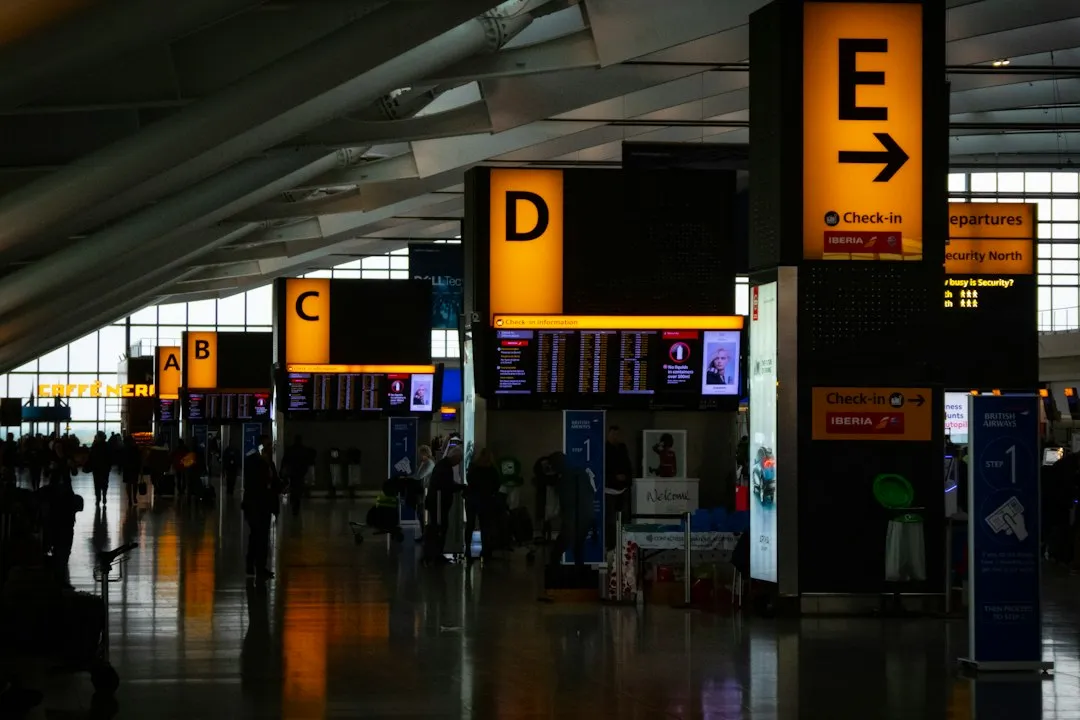
Passengers departing from St. Thomas in the U.S. Virgin Islands or flying between Guam and Honolulu face a 90-minute cutoff, reflecting the complexities of operating from these regions. These locations are not edge cases for the travelers who live there, and missing the deadline carries the same consequences as anywhere else.
While the new cutoff applies to most of United’s domestic trips, check-in deadlines may vary by location and route. Checking the specific requirements for your departure airport before you travel is not optional – it’s the only reliable way to know your actual deadline.
There are time limits for checking bags that vary by airport. This is one of the most underappreciated details in air travel, and it’s precisely the sort of thing ticket counter agents see cause problems every single shift.
Online Check-In Doesn’t Replace the Counter Deadline for Bags
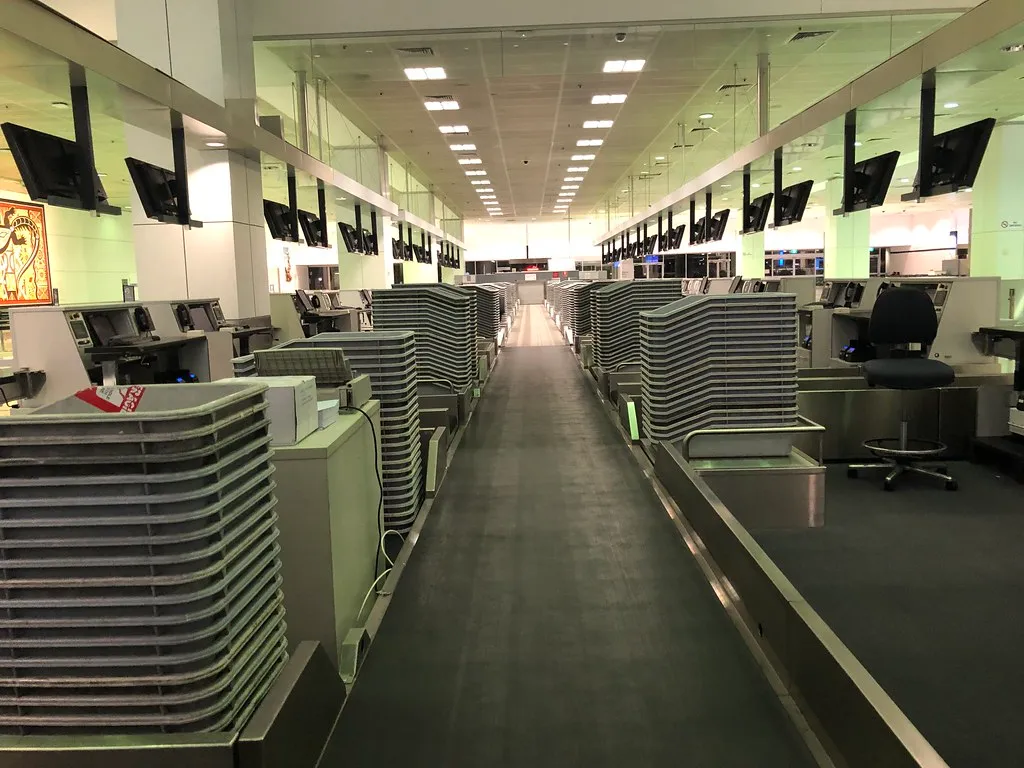
Checking in for a flight confirms a passenger’s booking and intent to travel ahead of takeoff. Most major U.S. carriers have online check-in systems that can be used at least 24 hours in advance, so the process no longer reflects when many travelers arrive at the airport. Still, it’s an important step since boarding passes are issued once check-ins are completed.
Checking in online 24 hours before your flight is convenient, but you still need to drop your bags before the cutoff to board. That distinction is where many travelers get confused. A boarding pass on your phone does not mean your bags are checked or that you’ve cleared the counter deadline.
Once the ticket counter and check-in closes, you will not be able to obtain a boarding pass or check bags, even if the flight has not left the gate. Agents have confirmed this experience is more common than passengers expect, especially when travelers assume their digital boarding pass gives them full flexibility.
Delta Updated Its Baggage Deadline in April 2025
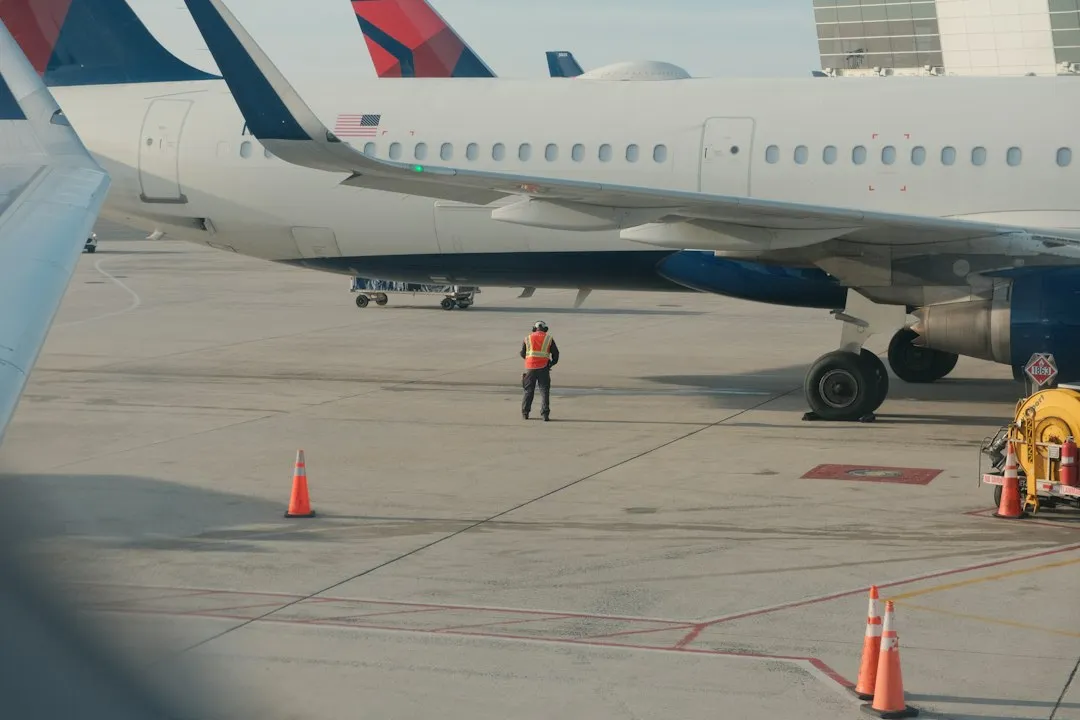
Delta Air Lines’ deadline to accept checked luggage for domestic flights is 45 minutes prior to departure, while passengers are able to check in at the Delta ticket counter or kiosk up until 30 minutes before published departure time. That split timeline is a source of genuine confusion: the window to check in and the window to drop bags are not the same.
Delta passengers not checking any bags still have a minimum of a half-hour before a domestic flight to check in, while travelers with luggage to check need to get to the airline ticket counter at least 45 minutes prior, per an update that went into effect in 2025.
For international flights, Delta passengers must be checked in at least 60 minutes before takeoff. The practical takeaway is that travelers with bags face the stricter of the two timelines, and that’s the one that should drive your planning.
The TSA Arrival Recommendation Is Separate from the Airline Check-In Deadline
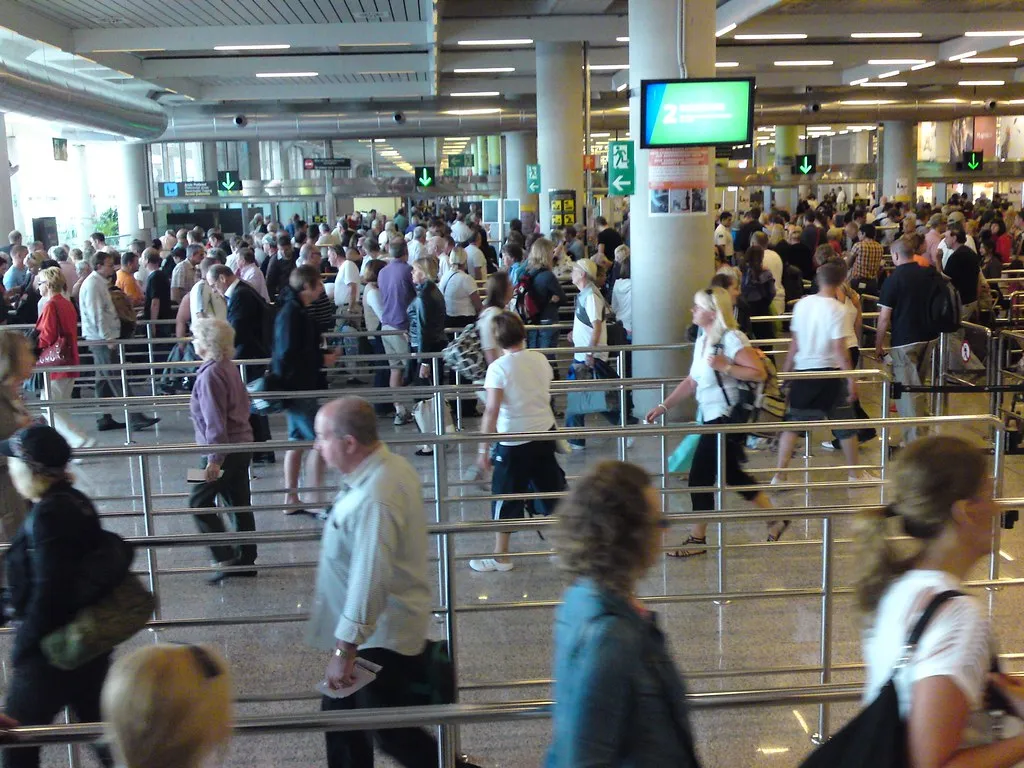
The TSA still advises travelers to arrive at the airport a minimum of two hours before their scheduled domestic flights and three hours before scheduled international flights. That recommendation accounts for security lines, walking time, and unexpected delays – not just the act of checking in.
The passenger must take into account the time that may be needed to clear the check-in line, pass security, and then walk or ride from the check-in area to the boarding area, which may take several hours at some airports or at certain times of year. On international flights, additional time is required for immigration and customs clearance.
For domestic flights, airport check-in usually opens two to three hours before departure, allowing passengers enough time to check their luggage, pass through security, and reach their boarding gate. Arriving at the counter right at the cutoff assumes everything between you and the gate goes perfectly, which is rarely a safe bet during peak travel periods.
Missing the Deadline Means You Lose Your Right to Compensation Too
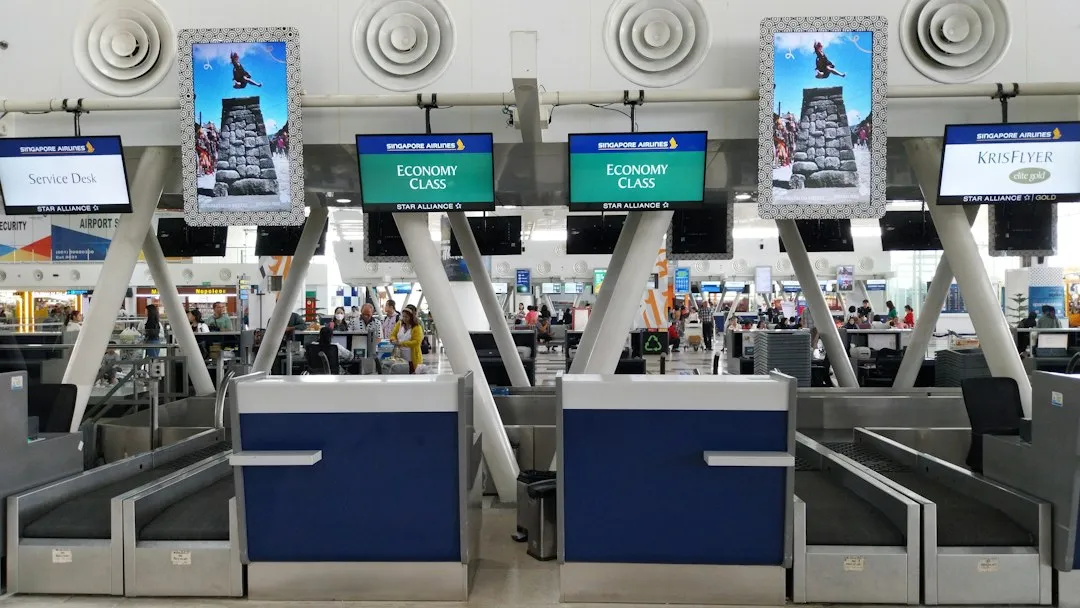
If you don’t follow all the provisions in the airline’s contract of carriage, the airline doesn’t need to compensate you. Simply put, that means if you don’t check in on time, all bets are off.
You are not entitled to compensation if denied boarding happened because of your own actions, including arriving late at check-in or at the gate. If you miss the check-in deadline, you may have lost your reservation and your right to compensation if the flight is oversold. This is a critical distinction that most travelers only learn the hard way.
Arriving after the deadline can result in losing the seat on that flight. The airline system may mark the passenger as a no-show, check-in agents may be unable to issue a boarding pass, and checked baggage may no longer be accepted.
Even Being Inside the Terminal Doesn’t Save You

Even if the aircraft has not departed yet, the airline may still refuse check-in because boarding closes before you reach the gate once procedures have already started. This is perhaps the most counterintuitive part of modern check-in rules, and it surprises travelers every day.
Boarding rules are based on gate deadlines, not security or check-in times. The boarding door typically closes 10 to 15 minutes before departure – that is the real final deadline. Being physically inside the airport is not the same as being cleared to board.
If you checked in online and have a boarding pass but don’t make it to the gate in time, you’ve missed your flight rather than your check-in, and the airline will typically handle this more favorably since you showed intent to travel. The distinction is real, but don’t rely on goodwill when the gate is already closed.
Air Canada Moved to a Single Universal 60-Minute Deadline
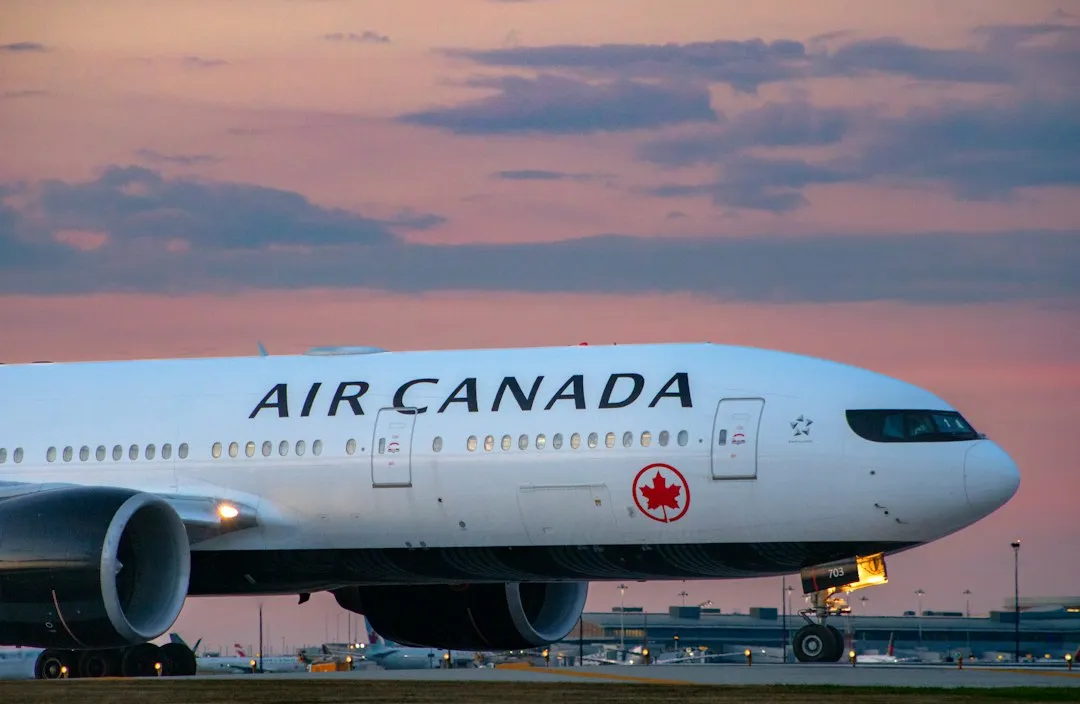
Effective September 4, 2024, Air Canada set a check-in deadline of 60 minutes for all of its flights. The logic was clarity: a single rule that applies regardless of destination or whether a traveler has bags removes the ambiguity that causes people to miscalculate.
Passengers should still check in ahead of time, from 24 hours before their trip online or using the Air Canada app, and must have checked in and have their boarding pass no later than 60 minutes before their flight’s scheduled departure time.
The trend toward cleaner, stricter, single-deadline policies is consistent across multiple carriers. Airlines are standardizing these rules not to penalize travelers, but because tighter operational timelines benefit on-time departure performance across the board.
What Ticket Counter Agents Actually Want You to Know
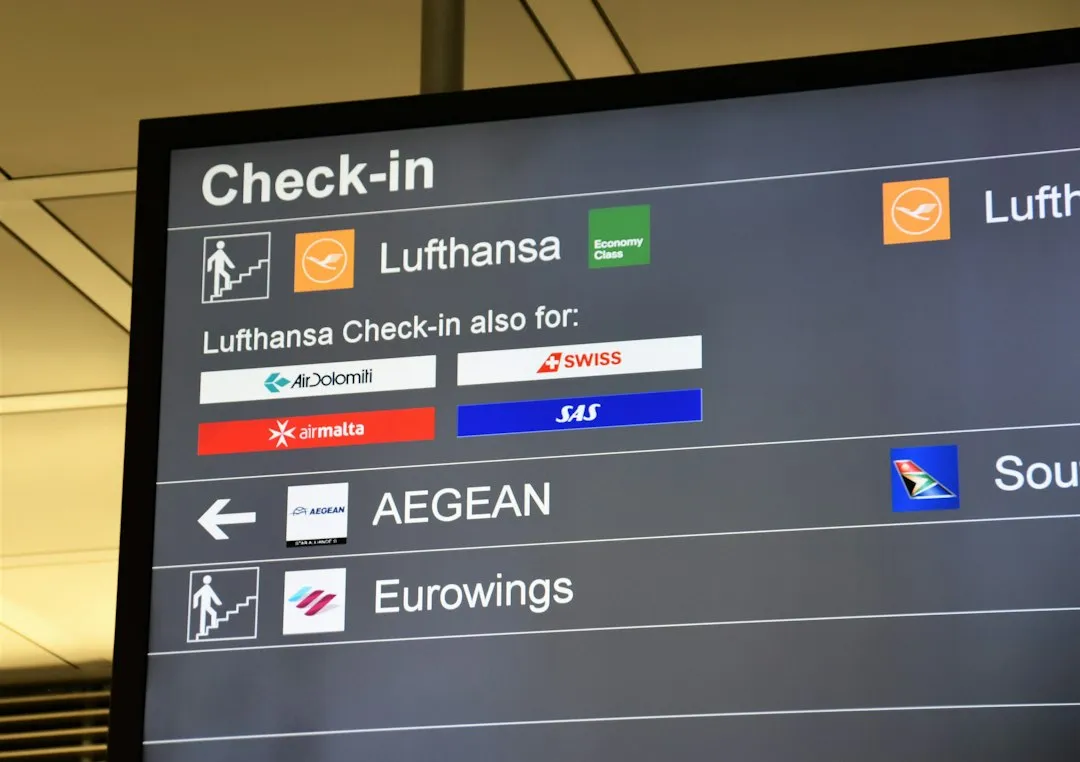
Many airlines have a deadline for passengers to check in before each flight, allowing the airline to offer unclaimed seats to stand-by passengers, to load luggage onto the plane, and to finalize documentation for take-off. These are operational requirements, not arbitrary rules, and agents are not empowered to override them.
To ensure an on-time departure, airlines recommend arriving at the airport at least two hours before domestic flights or three hours before international flights, or as recommended by the particular airline. Counter agents know that the passengers who have the easiest experiences are the ones who treat the cutoff time as a worst-case scenario, not a target.
Missing check-in doesn’t always cancel your reservation, but if the flight departs without you, you become a no-show, and that’s when the real problems start. In the worst case, the ticket may be forfeited under the airline’s no-show policy, and the passenger must buy a new ticket at current prices. Knowing the rules in advance is far less stressful than learning them at the counter.
The Takeaway
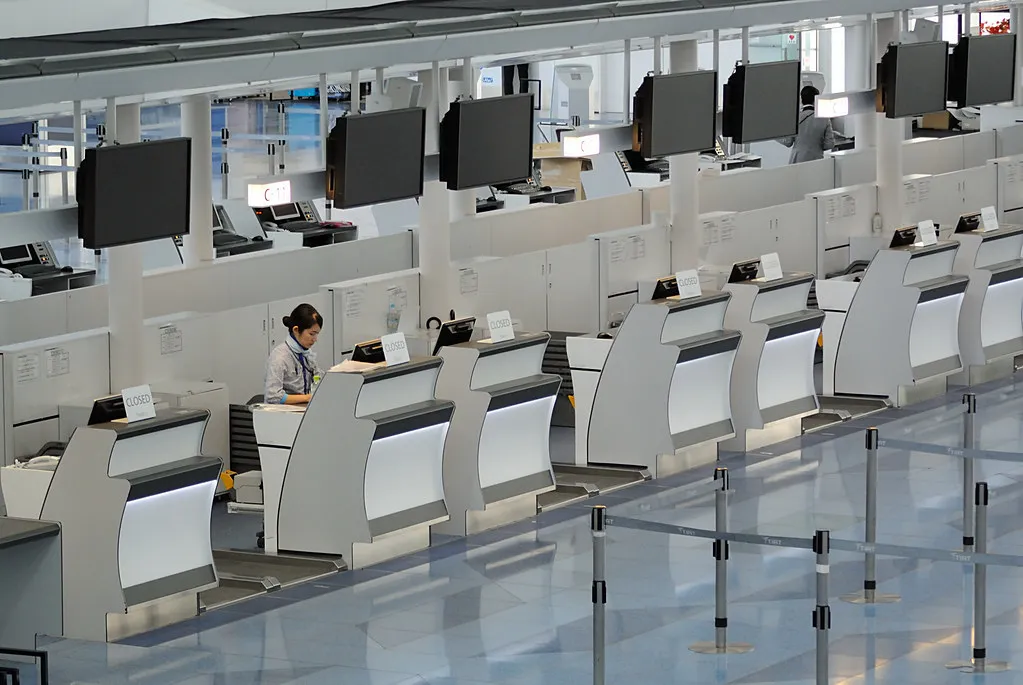
The check-in rules at major U.S. and international carriers have tightened in 2024 and 2025, and the margin for error has shrunk. A 45-minute domestic cutoff is now the norm across United, American, Delta for bag-checkers, and several other carriers. International flights regularly require 60 minutes or more, with select routes requiring 75 to 90 minutes.
Online check-in is a useful tool, but it doesn’t replace the baggage drop deadline. Being inside the terminal doesn’t protect you. And missing the cutoff means forfeiting any right to compensation. The single most useful thing a ticket counter agent would tell you is this: treat the cutoff time as a hard boundary, not a soft suggestion, and plan to be well ahead of it.
Airports are unpredictable places. Security lines, traffic, and simple human error all eat into that buffer faster than you’d expect. Give yourself the margin that the rules themselves demand, and then a little more.
AI Disclaimer: This article was created with the assistance of AI tools and reviewed by a human editor.