
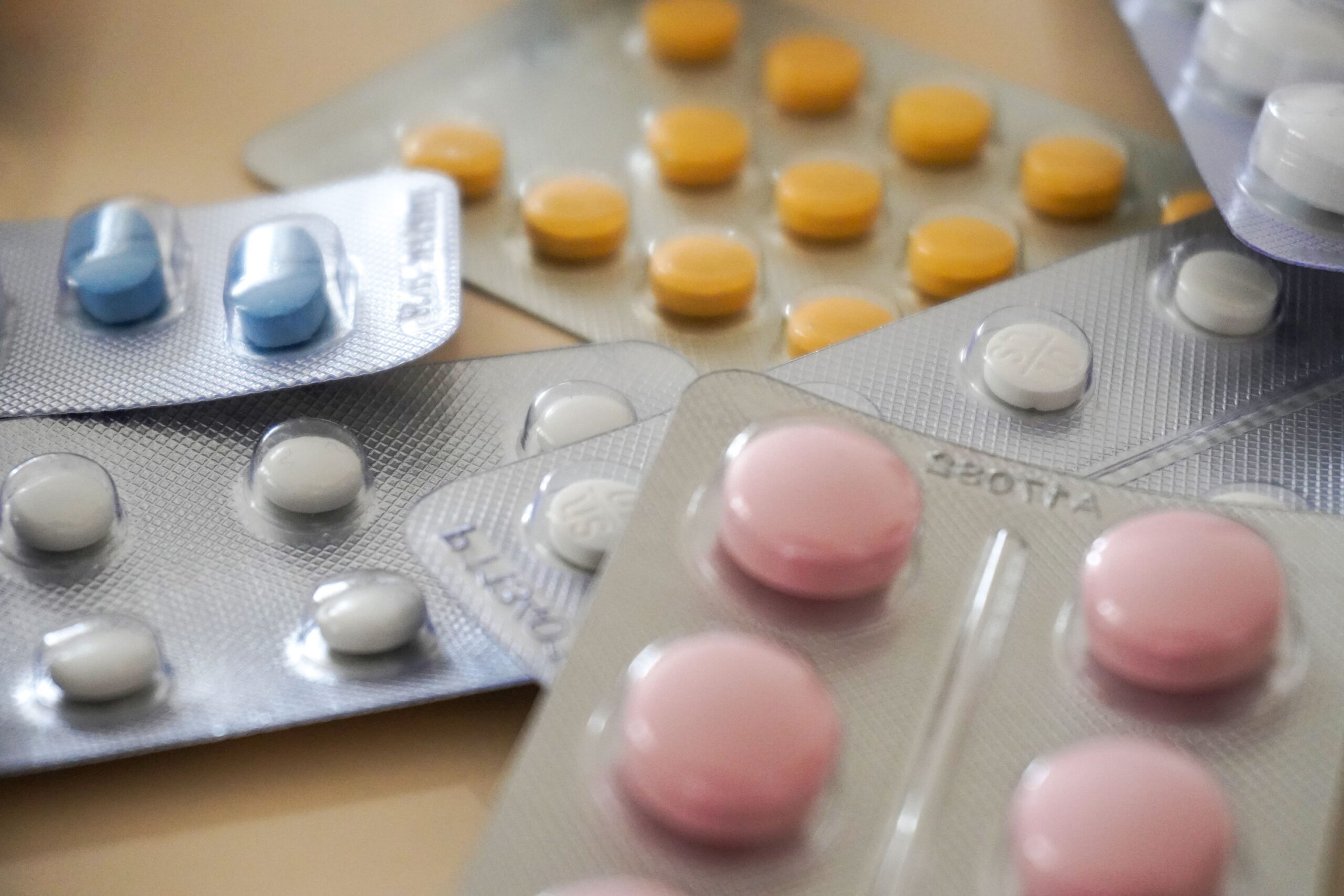

Why the Same Pill Can Be Legal in One Country and Illegal in Another

When traveling internationally, many people are surprised to discover that the medications they rely on daily are illegal in other countries. The primary reason for this disparity is the difference in regulatory philosophies between nations.
While the U.S. Food and Drug Administration and the European Medicines Agency both prioritize safety and efficacy, their processes and thresholds for approval are distinct. These differences extend to national laws, which are influenced by a country’s healthcare system, cultural attitudes toward medicine, and specific legal practices.
A drug legal in the U.S. may be illegal or require special permits elsewhere. That’s not a technicality. It’s a hard legal reality that customs officers enforce every day.
Sudafed and Pseudoephedrine: A Cold Remedy That Gets You Stopped at the Border
Pseudoephedrine, the active ingredient in cold decongestant Sudafed, is prohibited in destinations such as Japan and Mexico. Bringing it in without awareness may result in a seizure at customs.
Pseudoephedrine can be converted into methamphetamine and is illegal in some countries. Japan bans it entirely. Even Vicks nasal inhalers and other over-the-counter cold remedies containing this ingredient are not allowed through Japanese customs.
Its use in the illicit production of methamphetamine is a major reason for such stringent restrictions. Even within Europe, its availability can be restricted or require a prescription.
Codeine: The Painkiller Found in Cough Syrups That’s Treated as a Serious Controlled Drug
OTC medications containing codeine, commonly used in cough suppressants or pain relievers, face strict restrictions in multiple countries. The UAE, Japan, Greece, and Indonesia all consider codeine a controlled substance and may require prior approval or a doctor’s note to allow entry.
The UAE enforces severe penalties for painkillers containing codeine, including arrest and conviction. Egypt prohibits tramadol due to its history of drug abuse, and the price of traveling with it might go from getting a substantial fine to spending time in prison.
Singapore restricts the number of codeine tablets or capsules allowed per traveler and requires approval for quantities exceeding specified limits. Greece bans opiates altogether, including codeine, considering them controlled substances.
Adderall and ADHD Medications: Millions Rely on Them, but Dozens of Countries Don’t Allow Them
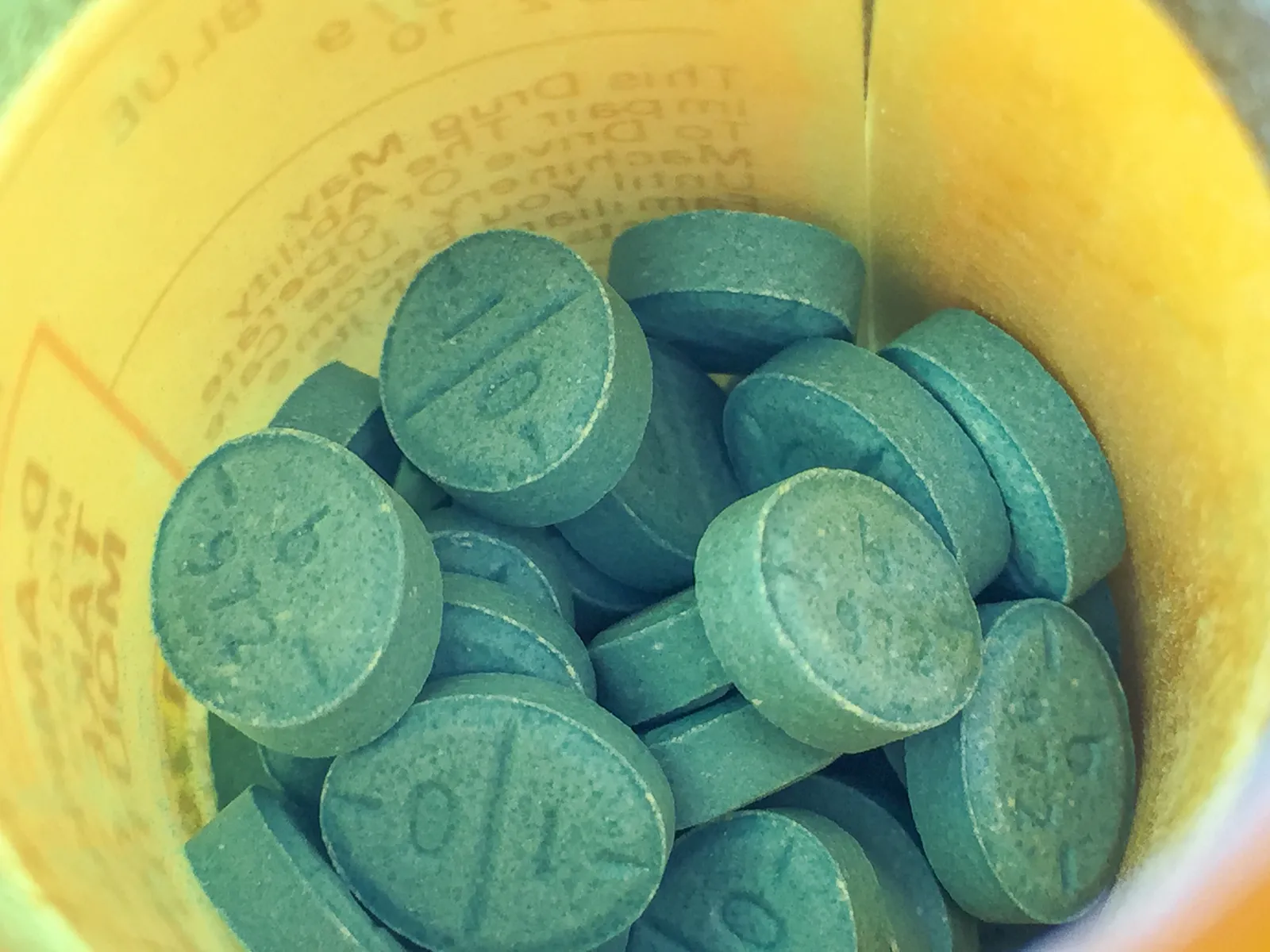
Based on 2024 to 2025 data from the CDC and INCB, stimulants like Adderall and Ritalin are banned or heavily restricted in over 40 countries, including Japan, Singapore, and the UAE.
Amphetamine, the active pharmaceutical ingredient of Adderall, is controlled as a “Stimulant” under Japan’s Stimulants Control Act and cannot be imported into Japan, even for treatment purposes. Having a foreign prescription does not change this.
Travelers bringing along ADHD medications like Adderall and Ritalin may require prior approval before entry into the UAE, Japan, Singapore, and South Korea. Often classified as controlled substances, these medications may require documentation or approval for special permits for entry.
Xanax, Valium, and Benzodiazepines: When Anxiety Medication Becomes a Customs Problem
Medications to treat anxiety, such as Diazepam and Lorazepam, are restricted in popular holiday destinations including Greece, Japan, and the UAE. For many travelers, this comes as a complete shock – these are prescribed daily by doctors across the Western world.
Kuwait and Qatar prohibit personal-use entry without prior authorization, the UAE requires an EDE permit including for transit, Japan caps imports at a one-month supply, and Singapore restricts benzodiazepines.
In the United Arab Emirates, codeine, zolpidem, Xanax, and diazepam are all illegal without a permit, with penalties ranging from two to four years in prison. That’s a striking consequence for something your doctor prescribed for stress.
The UAE: A Major Travel Hub With Some of the Strictest Medication Laws in the World

Strong pain relief medications like codeine, tramadol, Lyrica, gabapentin, cold medicines containing pseudoephedrine, and sleep and anxiety medications like benzodiazepines are controlled substances in the UAE, and travelers must carry a prescription.
People visiting or traveling through the UAE are only permitted to carry three months’ worth of medication, and should carry a copy of their prescription and a letter from their doctor stating their medications are for personal use, with their medication names and dosage amounts.
Travelers in the UAE have also been detained or deported for carrying medication to treat HIV, AIDS, or hepatitis. All medical and recreational marijuana is illegal in the UAE, including for those with a prescription from their home country.
Japan: Strict Borders, Zero Tolerance, and a Long List of Banned Substances

Japan is a prime example of a country with very strict regulations on many prescription and over-the-counter drugs. Its laws are designed to be highly restrictive against stimulants and narcotics.
Medications outright banned in Japan include Adderall (amphetamine salts), pseudoephedrine found in many cold remedies like Sudafed, some opioids, and medical marijuana. These restrictions apply regardless of the traveler’s home country or the legitimacy of their prescription.
Dextromethorphan, a cough suppressant found in medicines like Robitussin DM, is regulated in places like New Zealand and not permitted in Japan. Japan may also restrict common supplements like melatonin. The depth of Japan’s restrictions catches travelers off guard precisely because many of these items feel routine at home.
Singapore: A Connecting Hub Where the Rules Apply Even in Transit
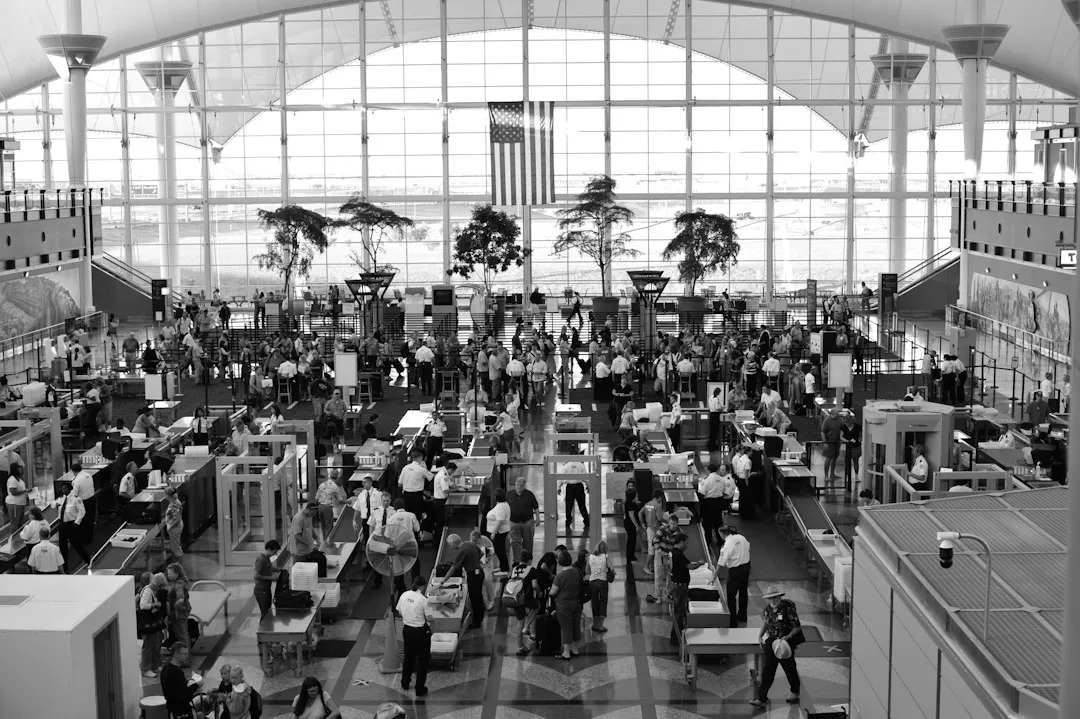
Singapore’s drug enforcement posture is among the strictest in the world, and its status as a major connecting hub between Europe, Australasia, and Southeast Asia means large numbers of travelers pass through without treating it as a destination. That approach can be a costly mistake.
Jurisdiction over what is in your bag attaches when you and the bag are physically present in a country. It does not depend on whether you intended to visit or whether you ever left the terminal. If your medication is in the sterile transit area of an airport in a country that prohibits it without a permit, it is in that country without a permit.
Travelers must get HSA approval before bringing controlled medications into Singapore. Without approval, they can be confiscated and the traveler may face serious penalties including imprisonment.
Benadryl, Pepto-Bismol, and the Surprising OTC Medications Caught at Customs
The antihistamine diphenhydramine, present in Benadryl, is restricted in places including Japan and Zambia. It can be confiscated at customs and may only be allowed with proper documentation.
The UAE has also banned bismuth subsalicylate, commonly known as Pepto-Bismol. These are staple items in many medicine bags, and yet they become problems the moment you clear customs in the wrong country.
Over-the-counter medication may also be considered an illegal substance in some destinations. Loperamide, also known as Imodium, is commonly used to treat diarrhoea and short-term irritable bowel syndrome. It is illegal in Pakistan and India. The list of unexpected restrictions is genuinely longer than most travelers imagine.
What to Do Before You Pack Your Medications
Always verify with the embassy or consulate of every country, including layovers, as common medications like decongestants, ADHD treatments, and pain relievers may be banned or highly restricted. Embassy websites are the most reliable first stop.
Certain countries, like Japan or the UAE, require permits for controlled medications. Check with the respective embassy or consult resources like the International Narcotics Control Board well in advance of travel to understand the application process and obtain the necessary permits.
Experts encourage travelers to keep their OTC drugs in their original bottles. A prescription label is hard to argue with at a border. A loose pill in an unmarked container is much harder to defend. Always carry a doctor’s letter explaining the medical necessity of your medication, and if possible, have it translated into the local language of your destination.
The Takeaway

The gap between what’s routine at home and what’s restricted abroad is wider than most travelers realize. More than a quarter of Americans have had medications confiscated during international travel, according to a May 2024 survey. That figure reflects not carelessness, but a simple lack of awareness.
The good news is that the information is accessible, and preparation is straightforward. Contact the embassy of your destination country well before departure, carry original packaging and prescriptions, and secure any required permits with enough lead time to actually receive them.
Traveling with medication doesn’t have to be complicated. It just requires treating the customs rules of your destination with the same seriousness you give your travel insurance or your boarding pass – because the consequences of getting it wrong are far more disruptive than a missed connection.
AI Disclaimer: This article was created with the assistance of AI tools and reviewed by a human editor.