
Check-in is supposed to be the start of something restorative. You hang up your jacket, kick off your shoes, and finally exhale. Then, at some point between midnight and dawn, a door slams somewhere down the corridor and the whole thing unravels.
This is not a fringe complaint. It is, consistently, the most common one in the entire hotel industry. Understanding why hallway behavior drives so much of that dissatisfaction reveals something worth knowing, whether you travel regularly or simply want a better night’s sleep on your next trip.
Noise Is the Number One Hotel Complaint – by a Wide Margin

According to a J.D. Power study, noise disturbances remain one of the top three guest complaints in hotels, sitting alongside cleanliness and service quality. That alone is significant. In J.D. Power’s North America Hotel Guest Satisfaction Index, noise came out as the single most commonly experienced problem guests reported, ranking ahead of both cleanliness and service.
An analysis by ReviewPro of online guest reviews for 5,683 hotels in 20 key tourist destinations found that noise is the number one most common complaint by consumers in all but one city. That is a striking pattern across remarkably diverse destinations and property types. A Statista survey of U.S. hotel guests found “noise from other guests” was the most common grievance, cited by roughly two thirds of travelers, far outpacing complaints like odors or maintenance issues.
The Hallway Is the Chief Offender
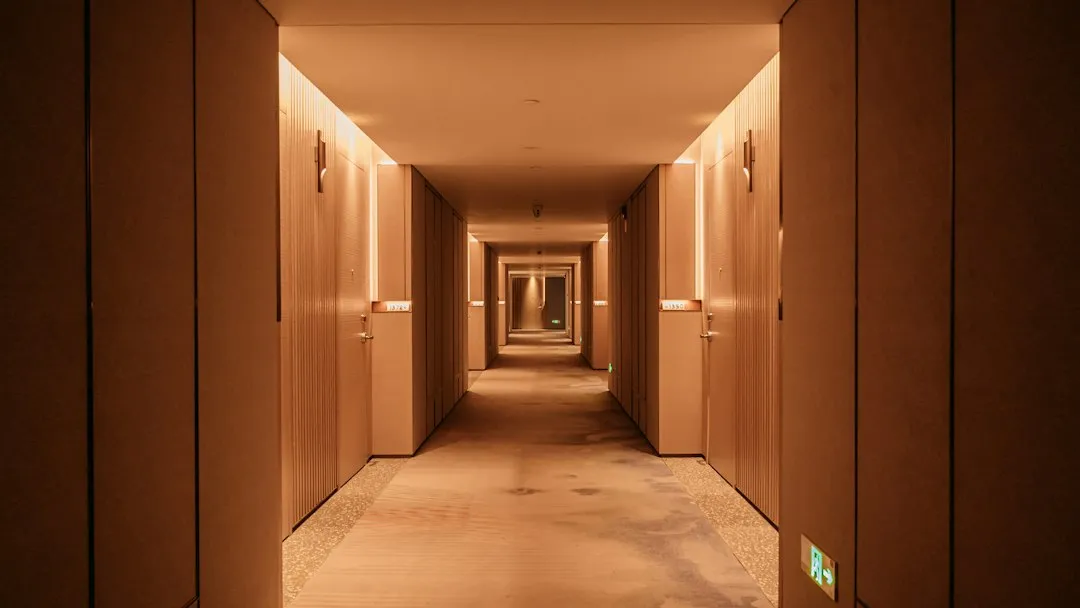
Guests often mention noises from hallways, other rooms, elevators, or nearby construction as primary sources of disruption. Of those, hallway behavior is unique because it is almost entirely driven by other guests making choices they may not think twice about. Behavioral noise comes from guests themselves – late-night returns, hallway conversations, door-slamming, and impromptu gatherings are the most frequent triggers, and these incidents spike on weekends, during wedding blocks, and at youth sports events.
Internal sources are the main driver of guest complaints about hotel rooms, with the culprits being guests returning late at night, hallway conversations, slamming doors, TV volume traveling through connecting doors, ice machines near rooms, and elevator hum. Hallways act as a kind of acoustic funnel, carrying sound in every direction simultaneously.
The Door-Slamming Habit That Wakes Everyone Up
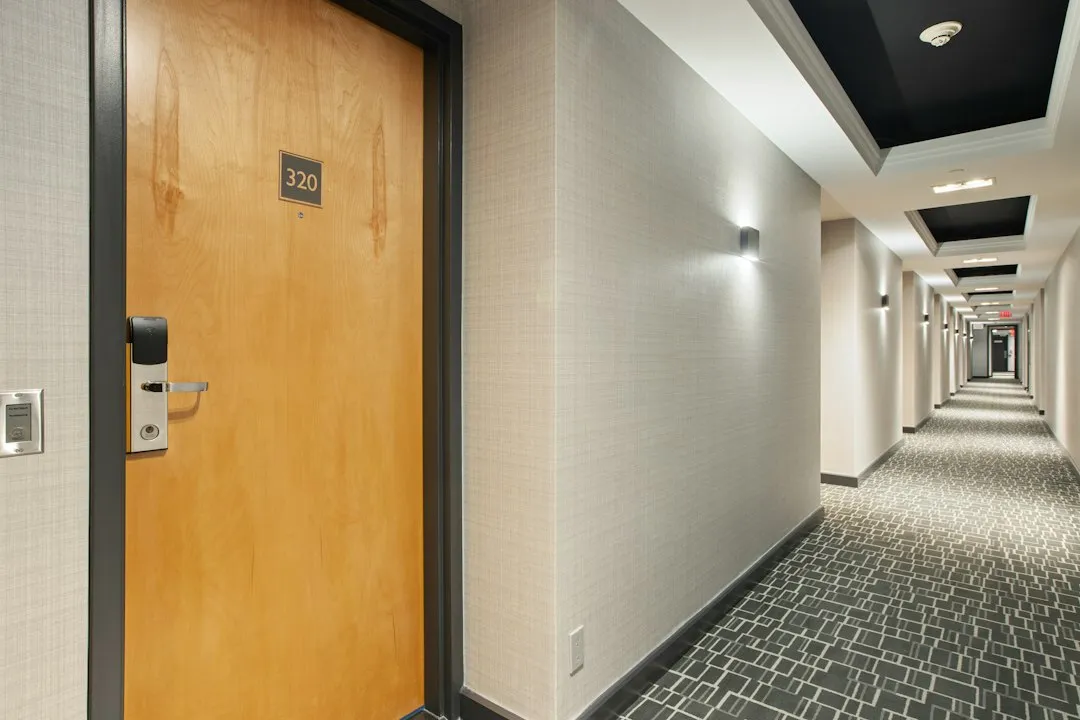
So many hotel guests slam their doors without seeming to notice. With most hotels changing from traditional keys to magnetic key cards, hotel room doors are harder to close softly. The self-closing mechanisms installed on heavy fire-safety doors compound the problem significantly. Most chain hotels have installed new heavy doors set to close themselves without being pulled, resulting in a constant loud noise every time someone goes in and out of their room – at a busy hotel, this becomes a round-the-clock issue.
People, both guests and hotel staff alike, simply let the closing mechanisms slam the door shut rather than holding it as it closes in a firm but controlled manner. It takes only a few extra seconds to guide a door closed quietly. Being quiet in the shared space of a hotel is such a simple thing, yet fewer and fewer people seem to take consideration of the people around them.
“Hallway Hellraisers” – the Guest Type That Defines the Problem
Expedia’s Hotel Etiquette Study asked over 1,000 Americans to identify the guest behaviors they find most aggravating during hotel stays. The results were revealing. For the second straight year, “inattentive parents” topped the list, cited by roughly seven in ten Americans, narrowly edging “hallway hellraisers” as the most cited inappropriate behavior type – with hallway hellraisers landing at nearly 69 percent.
Guests walking through hallways after midnight may simply forget how easily sound travels through a hotel. Loud conversations, shouting, children running between rooms, and slamming doors can quickly disturb people who are already asleep. The timing matters enormously. Noise was found to be the most negatively discussed topic regarding hotels, and midnight was identified as the peak for “negatively-categorized mentions” – exactly when guests are trying to relax or sleep, making the disturbance far more damaging than it would be earlier in the day.
Most Victims Stay Silent – and Then Go Online

Most guests don’t report noise issues to the hotel at all. Studies indicate that only about one quarter of noise disturbances ever get reported to staff, while three quarters go unreported. This creates a deceptively quiet front desk environment that masks a much larger problem. Of the guests who encountered noise issues, fewer than half – roughly 43 percent – actually told the hotel. The rest said nothing at the desk. Among the minority who did complain, only about a third felt the problem was actually resolved.
One survey found that more than 60 percent of guests are more likely to leave a negative review about a noise issue rather than complain to staff in person. By the time management becomes aware of the pattern, the damage is already public. According to BrightLocal’s consumer review survey, nearly eight in ten consumers trust online reviews as much as personal recommendations, meaning a single complaint about noise can influence hundreds of potential bookings.
The Sleep Disruption Effect Is Measurable

According to a study published in the Journal of Clinical Sleep Medicine, over 60 percent of hotel guests report experiencing disrupted sleep due to noise. Sleep quality is not a trivial concern for travelers. Sleep quality is one of the strongest drivers of guest satisfaction and return intent, and research on hotel sleep determinants found that guests who experienced outside noise were substantially more likely to report poor sleep.
Noise isn’t just an inconvenience – it directly impacts sleep, guest experience, and ultimately a property’s reviews. A single night of disruption can turn a comfortable stay into a frustrating one, leaving guests tired, irritable, and far less likely to return or recommend the property. The hallway, in many cases, is where that disruption originates.
Group Travel and Late Returns Amplify the Problem
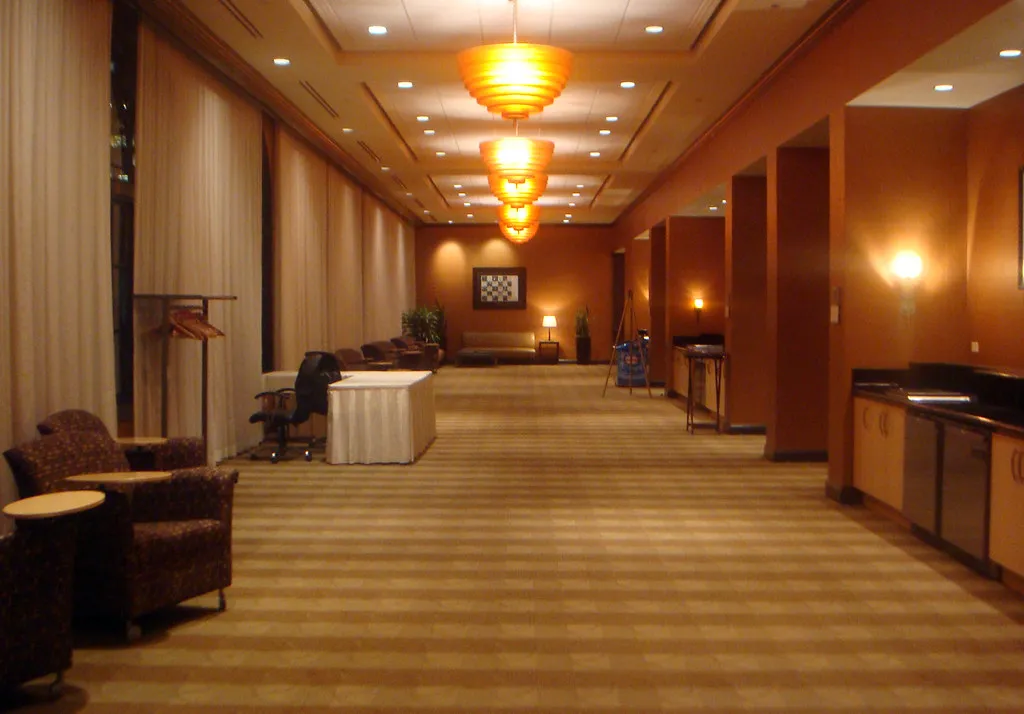
Group travel adds to the issue, with repeated movement between rooms and doors closing loudly at all hours. Early wake-ups often come from phone alerts left active by other guests, while speakerphone calls and loud videos in hallways extend the disruption. For guests trying to sleep, these habits can turn a short stay into a long night.
With more than 100 million Americans planning to travel with family each year, slamming doors, early alarms, and crowded shared areas turn routine stays into a test of patience. As demand grows, etiquette is no longer a side issue but a daily factor affecting guest comfort and hotel operations. Groups traveling together often lose their awareness of the shared, semi-public nature of hotel corridors.
The Financial Cost Hotels Pay for Hallway Noise
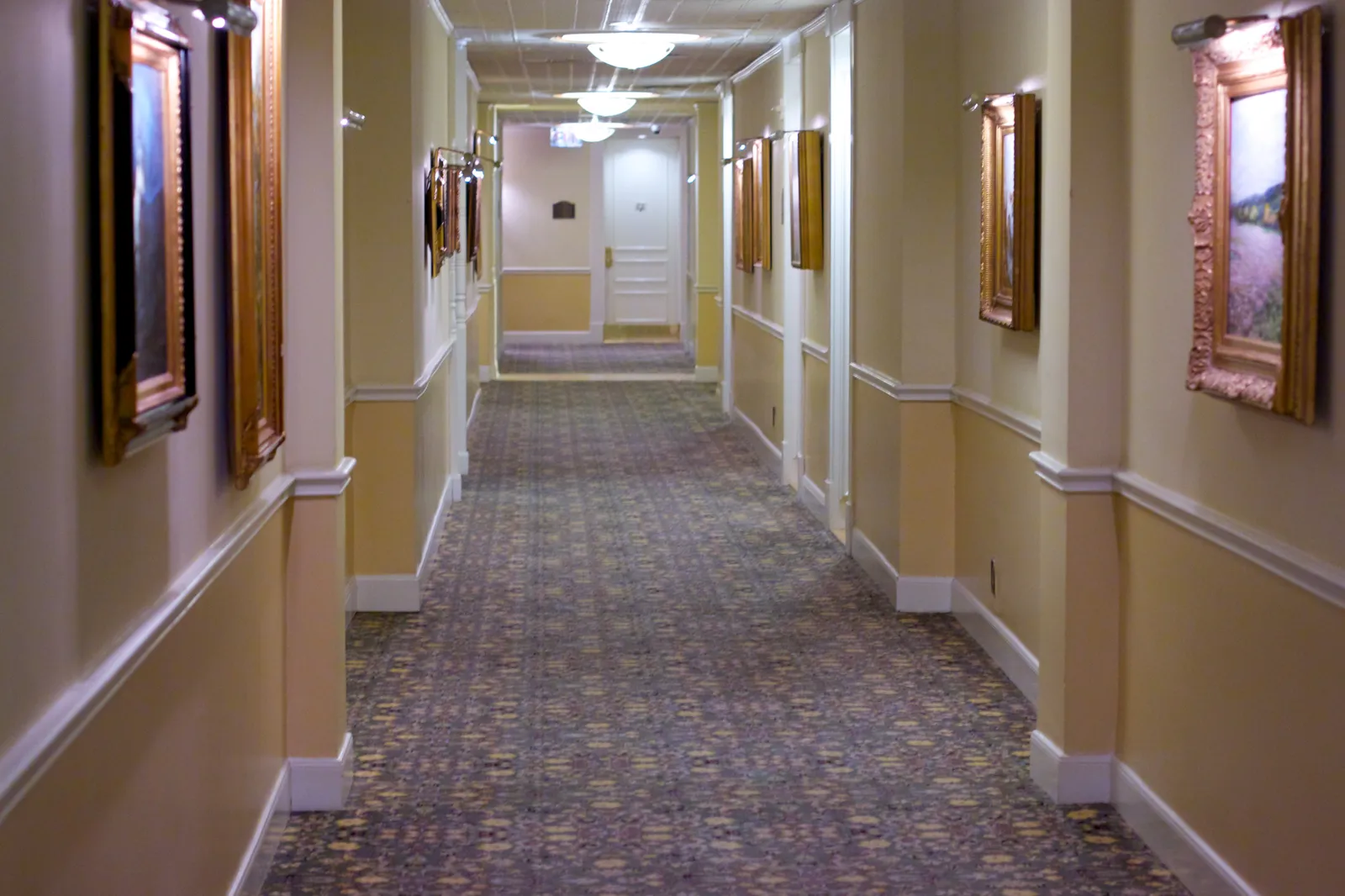
One analysis noted that bad reviews stemming from unaddressed hotel noise issues have the potential to cause a loss of up to 70 percent in future bookings, according to Sports Destination Management, 2024. That is not a small operational risk. Industry surveys show that roughly 86 percent of travelers are less likely to recommend a hotel after a bad noise experience.
Data from hotel engineering research indicates that roughly 32 percent of all guest complaints in hotels are noise-related, and hotels with persistent noise complaints face an average rating penalty of about half a star. Half a star, in competitive online booking environments, is the difference between a property guests choose and one they scroll past. Guests are far more likely to leave public negative feedback about poor sleep quality or noise disturbances than almost any other hotel issue, and the cost of compensation, discounted stays, and loss of loyalty can add up to thousands of dollars per year.
How Hotels Are Beginning to Respond
Hotels implementing comprehensive noise reduction strategies, including structural improvements and smart monitoring technologies, have experienced fewer guest complaints and significantly higher satisfaction scores. One prominent hotel chain that installed noise sensors and improved soundproofing reported a 35 percent reduction in noise complaints within just six months.
Incident tracking gives hotel teams a structured log of each complaint covering time, room, action taken, and outcome. Over time, that data reveals repeat offenders, high-risk zones, and recurring structural issues that can feed into maintenance planning. Some properties are also posting quiet-hour reminders directly in rooms. Signs in guest rooms can explain a property’s quiet policy, asking guests to refrain from loud talking in hallways, to keep television and music volumes low, and to ensure room doors don’t slam.
What Guests Can Actually Do About It
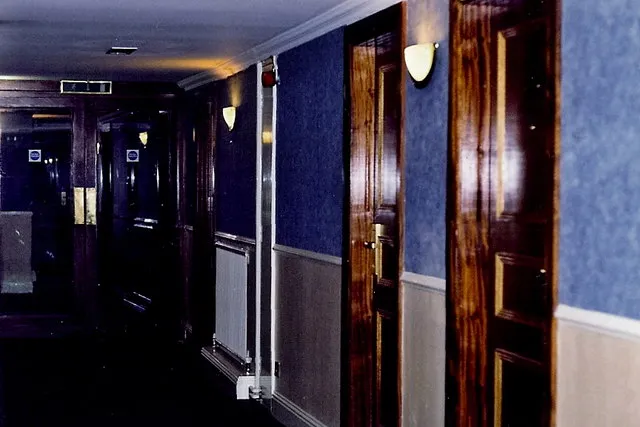
Keeping voices low in hallways and closing doors gently is one of the easiest hotel travel habits to develop, and it costs nothing. The awareness simply needs to be there. Noise is particularly frustrating because guests have very different schedules. One person may be returning from a late dinner while another is waking up at 5 a.m. for a flight.
Good hotel etiquette is not complicated. In many cases, it simply means remembering that other people are staying there too. For guests on the receiving end, requesting a room away from the elevator bank or ice machine, and away from stairwells, can reduce exposure to hallway traffic meaningfully. Proactive teams detect sustained noise and try to address it before it disturbs other guests – but that only works when someone is paying attention in real time.
The Quiet Corridor: A Reasonable Expectation Worth Protecting
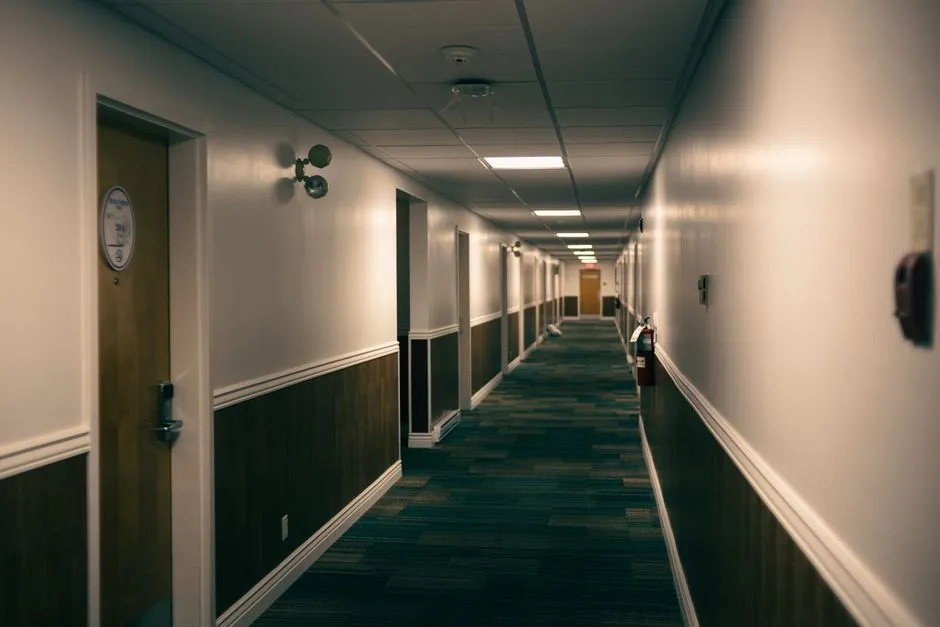
There’s something worth holding onto in all of this. A hotel hallway is a genuinely shared space, more like a neighborhood sidewalk than a living room, and the habits guests bring into it shape the experience of everyone on the floor. The data is consistent and clear: hallway behavior, more than almost any other single factor, determines whether a stay feels restful or exhausting.
The fix isn’t structural or technological at its core. It starts with a simple shift in awareness, the recognition that closing a door gently, lowering your voice after 10 p.m., and moving through a corridor with some consideration for the people sleeping on the other side of those walls are small gestures that carry real weight. The best hotel stays often come down to exactly that kind of quiet, mutual courtesy.
AI Disclaimer: This article was created with the assistance of AI tools and reviewed by a human editor.