
Why Airlines Oversell Flights in the First Place
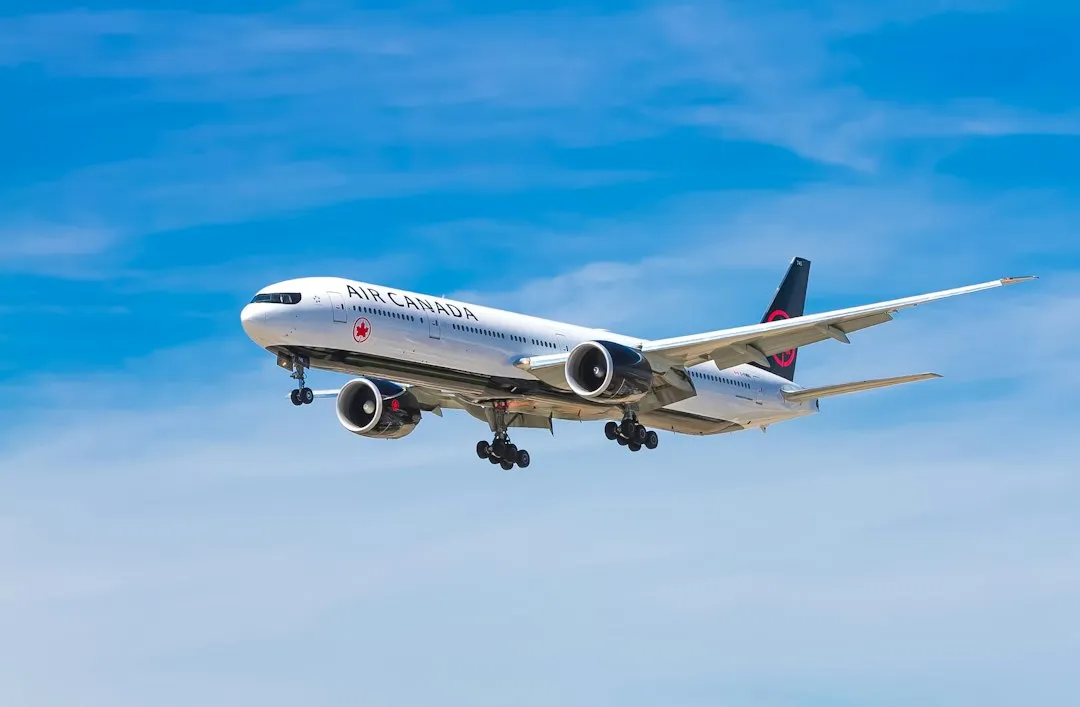
Overbooking is not illegal, and most airlines overbook their scheduled flights to a certain extent in order to compensate for “no-shows.” It’s a deliberate, data-driven strategy rather than an administrative mistake. Historical data is used by airlines to develop algorithms to estimate the number of no-shows per route, and then airlines will intentionally oversell the flight by a handful of tickets, hoping they have predicted the correct number.
On average, around five to ten percent of passengers may miss their pre-booked domestic flight, compared to three to five percent for international flights. When those predictions go wrong and everyone actually shows up, someone has to be left behind. That’s when the rules governing compensation become critically important for the passenger standing at the gate.
The Federal Rule: What the DOT Actually Requires
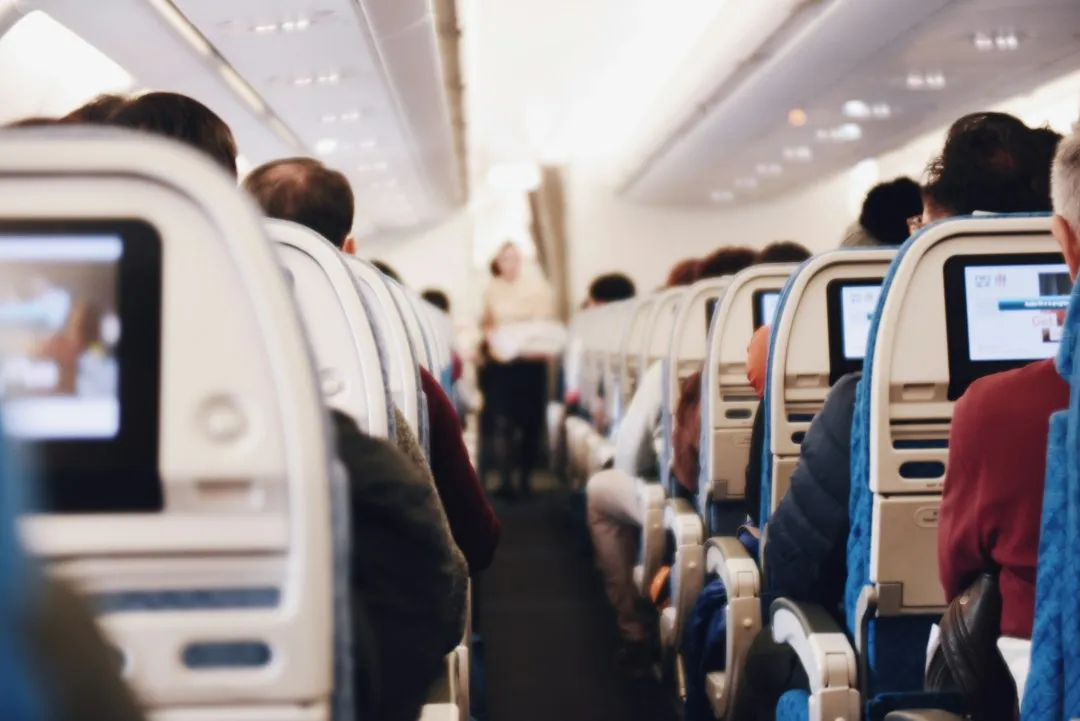
Federal law entitles you to up to $2,150 in cash if an airline bumps you from an oversold flight against your will and fails to get you to your destination within a reasonable window. The rules are spelled out in 14 CFR Part 250, and they apply to virtually every scheduled flight departing a U.S. airport on a plane with 30 or more seats, regardless of whether the airline is domestic or foreign.
If you get involuntarily bumped from a flight departing from a U.S. airport, the Department of Transportation has very specific rules about what you’re owed. These amounts were increased in January 2025 and apply to all airlines operating domestic and international routes from the U.S. That update matters: the caps that travelers read about in older articles are no longer current figures.
How the Four-Times Multiplier Actually Works
Most bumped passengers who experience short delays on flights will receive compensation equal to double the one-way price of the flight they were bumped from, but airlines may limit this amount to up to $1,075. Passengers experiencing longer delays on flights will receive payments of four times the one-way value of the flight they were bumped from, but airlines may limit this amount to up to $2,150.
For domestic flights, airlines are obligated to compensate passengers 200% of their one-way ticket value if their arrival is delayed one to two hours beyond the original schedule. If the delay extends beyond two hours, the compensation increases to 400% of the one-way ticket price. For international departures from the U.S., the thresholds are slightly more generous: the compensation window for 200% of a one-way fare extends up to four hours of delay, and for delays over four hours, the compensation escalates to 400%.
Voluntary vs. Involuntary: A Crucial Distinction
Voluntary bumping is when the airline asks for volunteers to give up their seats in exchange for compensation. This is always the airline’s first move – federal law requires them to ask for volunteers before bumping anyone involuntarily. That gate announcement asking for flexible travelers is not optional procedure; it’s a legal requirement.
Compensation for overbooked flights applies only if you were denied boarding. Some airlines might offer deals, such as vouchers for future travel, upgrades, or lounge access, along with rebooking. If you accept the deal and agree to give up your seat, you forfeit your right to cash compensation. Understanding this distinction before you raise your hand at the gate can make a significant financial difference.
Your Right to Cash, Not Just a Voucher
The airline must offer a check or cash at the airport, same day. If your substitute flight departs before they can process payment, they have 24 hours. You do not have to accept a voucher. This point is one of the most commonly misunderstood aspects of the entire process.
For voluntary bumping, you can negotiate for either, but cash is almost always the smarter move. Airline vouchers come with expiration dates, blackout periods, and restrictions that reduce their real value significantly. A voucher worth $500 on paper may realistically deliver far less value depending on when and how you travel.
The Written Statement You Are Entitled To Receive
The DOT requires each airline to give all passengers who are bumped involuntarily a written statement describing their rights. It must explain how the carrier decides who gets on an oversold flight and who doesn’t. Those travelers who don’t get to fly are frequently entitled to denied boarding compensation in the form of a check or cash. The minimum amount depends on the traveler’s ticket price and the delay’s length.
The airline must tell you, before you agree, whether you’re at risk of being bumped involuntarily if you don’t volunteer. If you are, the agent must also tell you how much mandatory compensation you’d be owed under federal law. That information gives you real leverage. If the mandatory payout would be $1,000 and the airline is only offering a $300 voucher, you know exactly where you stand.
Who Gets Bumped and Why
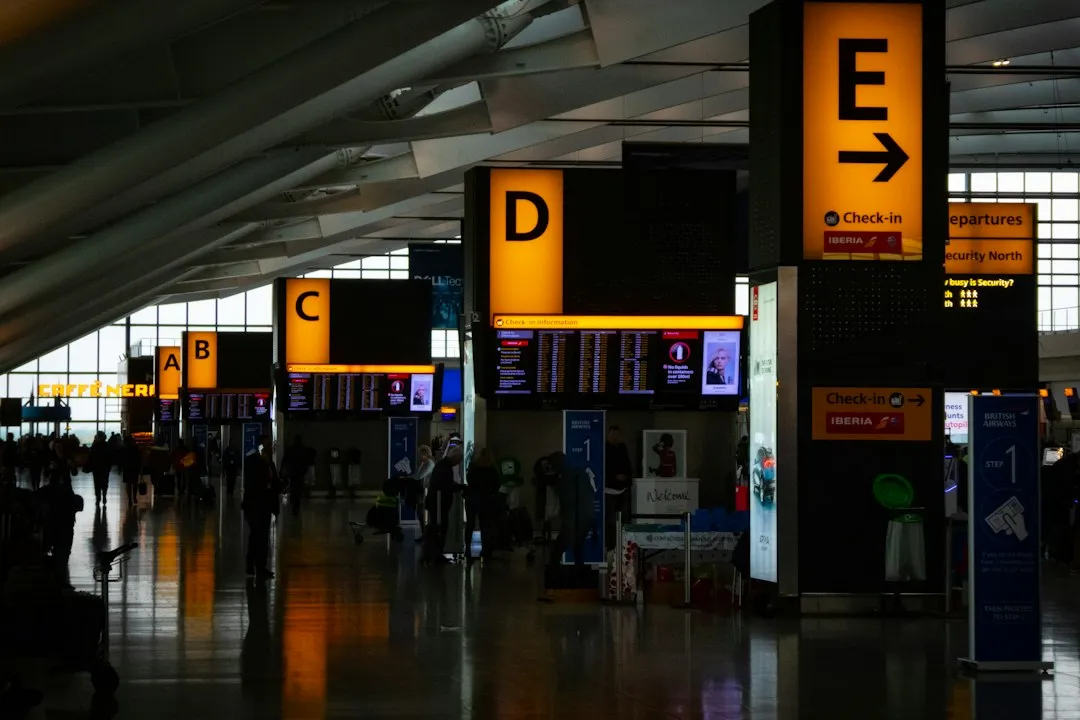
Airlines usually follow internal boarding priority rules to decide who gets bumped first. Check-in timing is one of the main factors they use to determine who gets forced off a flight. According to the DOT, airlines have the right to decide their own selection process when involuntary bumping happens.
Each airline has its own priority list, but passengers most likely to be bumped include those who checked in last, have no seat assignment, booked the cheapest fare class, have no frequent flyer status, and are traveling alone. Elite frequent flyers, families with children, and passengers with connections are usually protected. Knowing this hierarchy can help you reduce your own risk on a busy travel day.
Which Airlines Have the Highest Bump Rates
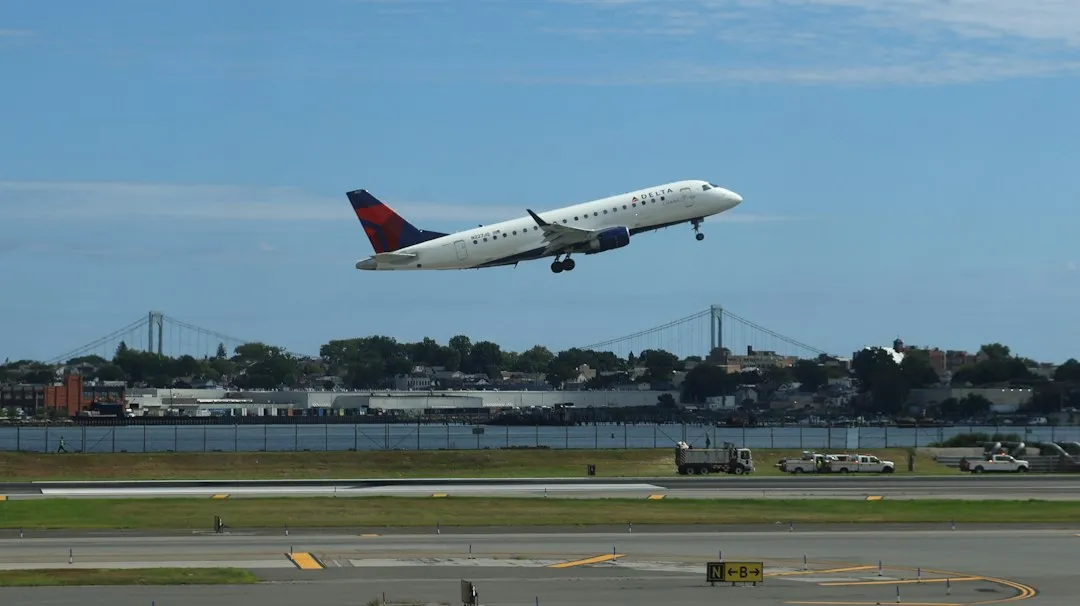
According to a study that analyzed data from the Air Travel Consumer Report conducted by the U.S. Department of Transportation for 2023 and 2024, Endeavor Air, a regional airline operating on behalf of Delta, has the highest rate of denied boarding due to oversold flights at 13.05 denied boardings per 10,000 passengers. That rate stands notably above the rest of the industry.
The second-highest rate belongs to SkyWest Airlines at 7.99 denied boardings per 10,000 passengers, with 889 passengers involuntarily denied boarding since 2023. Frontier ranked third at 6.47, with over 11,000 involuntarily denied boardings. Rounding out the top five are Spirit and Delta. Meanwhile, Allegiant posted zero involuntary bumps in recent quarters, and JetBlue and Hawaiian also run very low rates.
When Compensation Does Not Apply
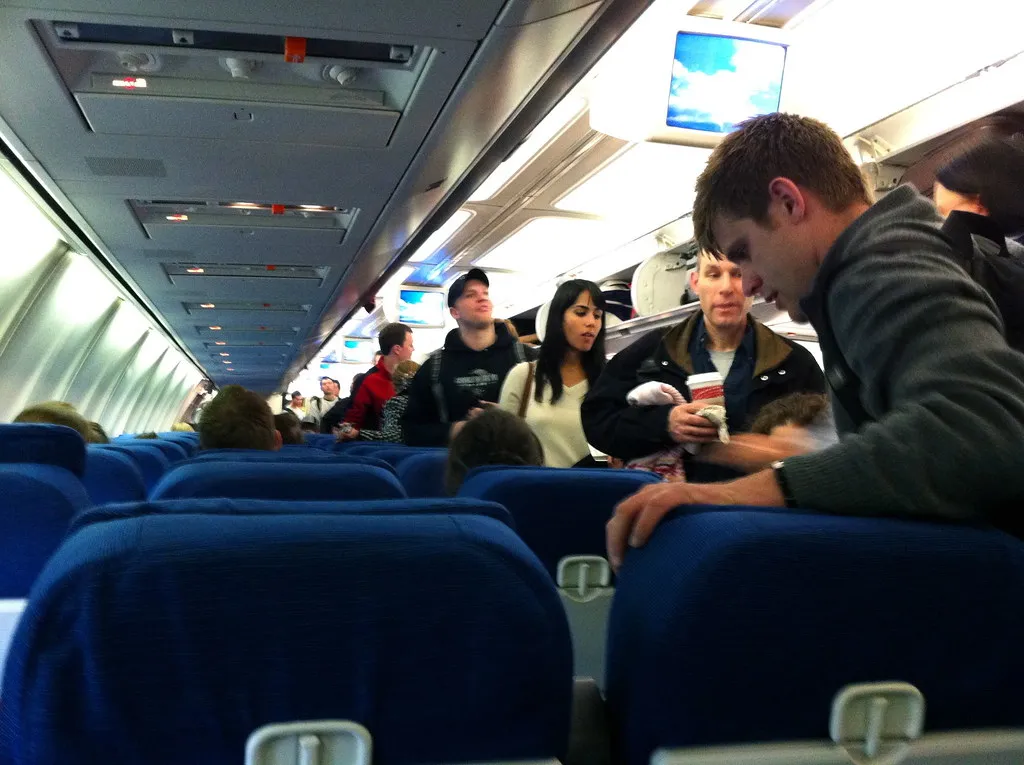
You qualify for involuntary denied boarding compensation if an airline requires you to give up your seat on an oversold flight and you are departing from a U.S. airport, have a confirmed reservation, checked in on time, arrived at the departure gate on time, and the airline cannot get you to your destination within one hour of your flight’s original arrival time. Miss any one of those conditions, and the protections may not apply.
Situations when bumped passengers are not eligible for compensation include when the airline substitutes a smaller plane for operational or safety reasons, or when the airline is coping with weight and balance restrictions on aircraft with 60 or fewer passengers. These exceptions are narrow, but they do exist, and airlines sometimes invoke them.
How Rare Is an Involuntary Bump, Really?
Actual denied boarding is rare: the DOT reports an involuntary bumping rate of about 0.25 per 10,000 passengers in 2024, which works out to roughly 1 in 40,000 travelers. Statistically, most passengers will never face this situation. Still, being prepared costs nothing and could save you from accepting a far weaker offer than federal law actually entitles you to receive.
The industry average sits at about 0.25 involuntary bumps per 10,000 passengers, declining steadily as algorithms improve. Airlines are getting better at predicting no-shows, which means outright bumps are becoming less common even as passenger volumes grow. The rule remains on the books regardless, and knowing it gives any traveler a genuine advantage at the gate.
What to Do If It Happens to You
When involuntarily bumped, passengers should document the incident and submit a formal complaint to the airline if needed. Airlines often rebook passengers on the next available flight but may owe compensation under federal regulations depending on delay length and ticket type. Negotiation involves referencing these rules, requesting written confirmation, and keeping records of all communications. If unresolved, passengers can escalate complaints to aviation authorities or consumer protection agencies for further assistance.
This is the so-called auction you sometimes see at the gate, where an agent offers travel vouchers, rebooking, or cash to anyone willing to take a later flight. There is no cap on what the airline can offer volunteers, and you can negotiate. If the initial offer is a $200 voucher and nobody bites, the airline will typically sweeten the deal until enough people raise their hands. Patience at the gate has been worth several hundred dollars for travelers who simply waited.
The Takeaway
The four-times-fare rule is not a secret, but it might as well be for most passengers who accept whatever an airline gate agent first offers. The DOT framework is clear, updated as recently as January 2025, and firmly on the passenger’s side when involuntary bumping occurs.
The single most useful thing any traveler can carry through an airport is a basic understanding of these protections. When a gate agent hands you a $200 voucher and federal law entitles you to $1,500 in cash, the difference is not a matter of luck. It’s a matter of knowing the rule exists.
AI Disclaimer: This article was created with the assistance of AI tools and reviewed by a human editor.