
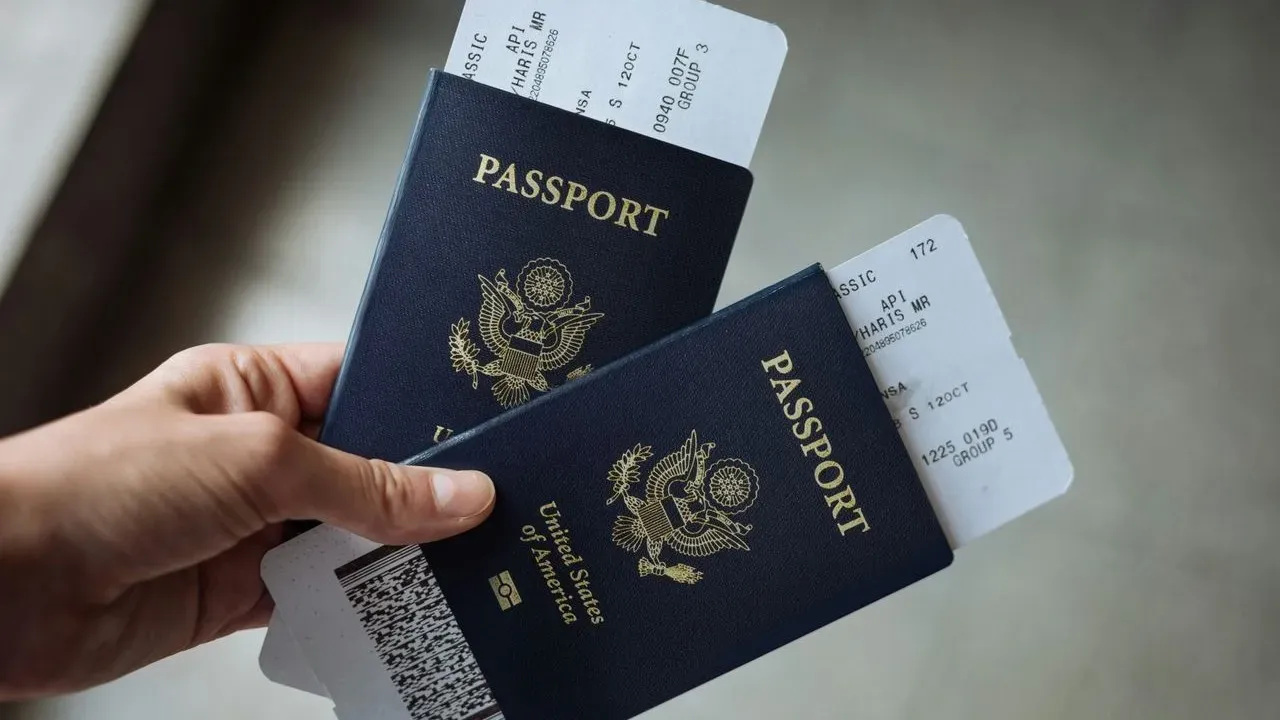

Travelers preparing for international journeys may soon encounter a noticeably different experience when securing or renewing a U.S. passport. The federal government is introducing an online-first application system alongside a refreshed passport design that emphasizes national symbols and historical milestones. These adjustments aim to simplify what has long been a multi-step process for many applicants. Details emerged through reporting on the America.gov platform and related State Department planning. ([1])
Practical Changes for First-Time Applicants
The most immediate shift involves moving the initial passport application online for those applying for the first time. Previously, new applicants had to appear in person at an authorized facility, a requirement that often involved scheduling, travel, and additional fees at third-party photo services. The new system will let users complete the entire process from their device, including uploading a personal photo and making payments electronically.
Real-time status tracking will also become available, giving applicants clearer visibility into where their paperwork stands at any moment. This addresses a common point of uncertainty during the weeks or months that processing can take. The platform draws on existing government data to pre-fill portions of the form, reducing repetitive entry and potential errors.
Design Updates Arriving in 2028
Passports issued starting in 2028 will carry a refreshed exterior and interior presentation. The cover will highlight the Great Seal more prominently, with enlarged gold lettering for “United States of America.” Inside, the visa pages will illustrate significant chapters in American history, ranging from the Revolution to contemporary space exploration efforts such as NASA’s Artemis program.
A dynamic eagle motif will appear across successive pages, creating a flipbook effect that shows the bird in motion when the booklet is thumbed through quickly. These visual elements replace earlier designs while preserving the document’s core security features and validity standards. Existing passports will continue to function normally until their printed expiration dates.
Timeline and Who Benefits Most
The online application platform is scheduled to launch by the end of 2027, with the redesigned passports following in 2028. First-time applicants stand to gain the clearest advantages, as they will avoid in-person requirements that have historically applied only to new issuances. Renewal applicants have already had online options in recent years, yet the expanded system should further reduce friction for everyone.
Those planning trips well into the next decade can factor these dates into their preparation. Because passports remain valid through their expiration regardless of design, there is no need to rush replacement solely for aesthetic reasons. Travelers who anticipate needing a new document after 2027 may wish to monitor official State Department channels for exact rollout dates and any supporting guidance.
- Online submission and photo upload for first-time applicants
- Pre-populated data and electronic payments
- Real-time application tracking
- Updated cover with prominent gold Great Seal
- Interior pages featuring U.S. historical moments and animated eagle design
Looking Ahead for International Travel Planning
These modifications reflect ongoing efforts to modernize government services while maintaining the passport’s role as a secure travel document. For frequent travelers, the combination of convenience and visual updates offers a modest but tangible improvement in the overall experience. Families coordinating multiple applications may particularly appreciate the reduced need for coordinated in-person visits.
As with any official process, individuals should verify the latest requirements directly through State Department resources when the time comes to apply. The changes position the U.S. passport to serve travelers more efficiently in the years ahead, supporting the many journeys that connect people across borders.
AI Disclaimer: This article was created with the assistance of AI tools and reviewed by a human editor.