
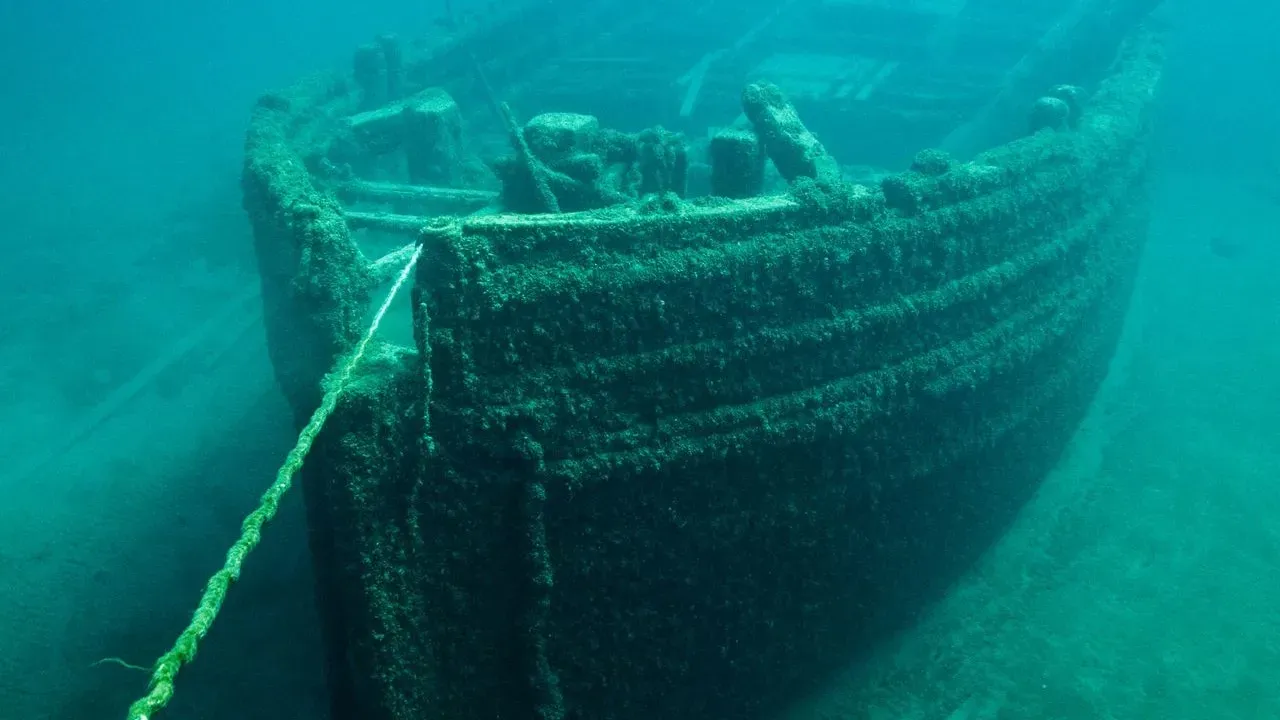

Travelers who seek more than colorful reefs often discover that some of the most memorable underwater encounters happen at sites people deliberately placed there. Divers at Atlas & Boots have explored both natural wonders such as Steve’s Bommie on the Great Barrier Reef and intentionally created locations that turn ordinary dives into something entirely different. ([1])These engineered environments invite a different kind of attention, one that values history, craftsmanship, and the slow process of marine life claiming new territory.
Why Divers Seek Out Human-Built Underwater Spaces
Many experienced divers note that fish identification eventually becomes secondary to the experience of moving through a space that was never meant to be there. A sunken plane or carefully positioned sculpture offers clear lines, recognizable shapes, and a sense of human intention that natural reefs rarely provide. The result is a dive that feels more like exploration than observation.
These sites also create new habitats over time. Metal surfaces and structured forms give corals and sponges places to settle, gradually softening the original outlines while preserving the original purpose. Divers who return years later often remark on how the environment has continued to evolve without any further human intervention.
The Sonesta Plane Wrecks in Aruba as a Starting Point
One well-known example lies off the coast of Aruba, where aircraft once used by the Sonesta resort were intentionally sunk to create accessible dive attractions. The planes rest at depths suitable for a range of experience levels, allowing divers to swim through fuselages and around wings that now host growing marine communities. The clear Caribbean water makes the outlines easy to follow, turning each pass into a quiet study of how quickly the ocean reclaims what people leave behind.
Because the wrecks sit relatively close to shore, they fit easily into a broader Aruba itinerary that might also include beach time or cultural visits. Travelers who plan responsibly can combine the dive with local operators who follow established mooring and buoyancy practices, reducing any risk of damage to the surrounding reef systems.
Extending the Experience to Shipwrecks and Submerged Installations
Beyond aircraft, shipwrecks offer another layer of narrative. Vessels placed or lost in earlier decades now serve as vertical habitats where schools of fish move through corridors once used by crews. The scale of a larger hull changes the sense of space underwater, giving divers a feeling of entering a different world while still remaining within recreational limits.
Underwater art installations add yet another dimension. Sculptures positioned on the seabed invite divers to consider both the artistic intent and the biological response that follows. Over seasons, the works become part of the living reef, their surfaces textured by new growth rather than remaining static displays.
Approaching These Sites With Care and Preparation
Responsible divers prioritize operators who emphasize proper buoyancy control and respect for fragile surfaces. Briefing sessions often include reminders about maintaining distance from delicate corals that have begun to colonize the structures. This approach protects both the site and the broader marine environment that makes the dive worthwhile in the first place.
Travelers also benefit from checking seasonal conditions and local regulations before booking. Many destinations require permits or guided access for artificial sites, ensuring that visitor numbers remain sustainable and that the structures continue to serve their dual role as dive attractions and habitat creators.
Experiences like these remind divers that the underwater world can hold stories of human ingenuity alongside natural beauty. When approached with preparation and respect, a single dive at a man-made site can shift how travelers think about the places they choose to explore beneath the surface.
AI Disclaimer: This article was created with the assistance of AI tools and reviewed by a human editor.