
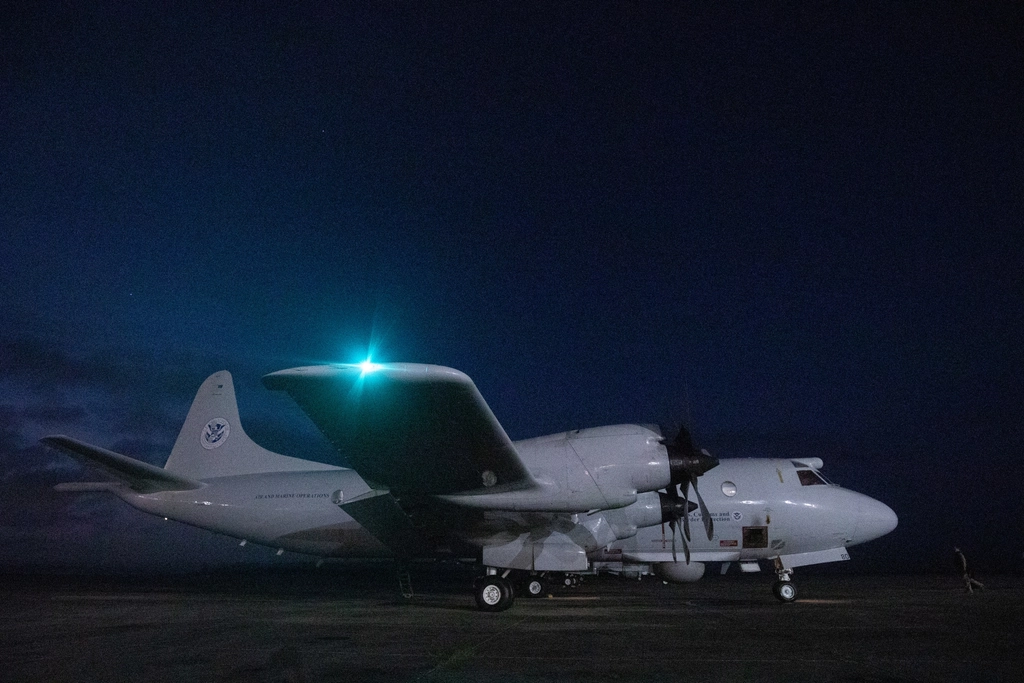

Most passengers walk onto a plane, stow their bag, and assume everything is fine. What they rarely see is the hour or two of methodical, hands-on work that happened on that very aircraft before they ever stepped through the door. Aircraft mechanics are the first people to touch a plane each morning, and the scope of what they check is far more involved than most travelers would guess.
The work happens in the dark, in the cold, on tarmacs still wet from overnight rain. It follows a strict, FAA-mandated sequence. Failure to correctly conduct a preflight check using a checklist is a major contributing factor to aircraft accidents. These checks aren’t optional. They’re the foundation of everything that keeps aviation as safe as it is.
1. Documentation Review: The First Stop Every Single Morning
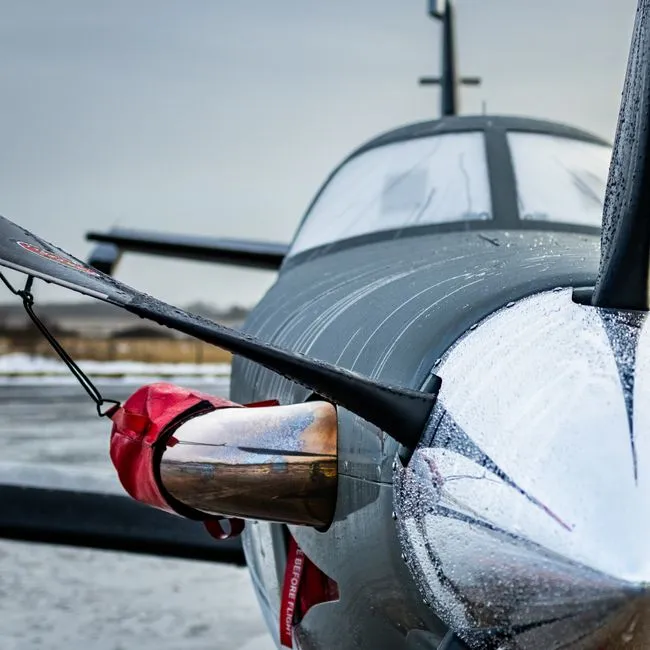
A typical shift starts with a documentation review and work order assignment, then moves into hands-on maintenance tasks including inspections, repairs, systems checks, and component replacements. Before a mechanic ever touches the aircraft itself, the paperwork tells the story of what happened on previous flights.
Always checking the logbook and paperwork prior to flight ensures the correct records have been entered. Mechanics review maintenance logs from overnight crews, check for any deferred items, and confirm that previous write-ups have been properly resolved. If anything is unclear in the records, that’s a conversation that happens before anyone approaches the aircraft.
2. The Walk-Around: Eyes on Every Surface
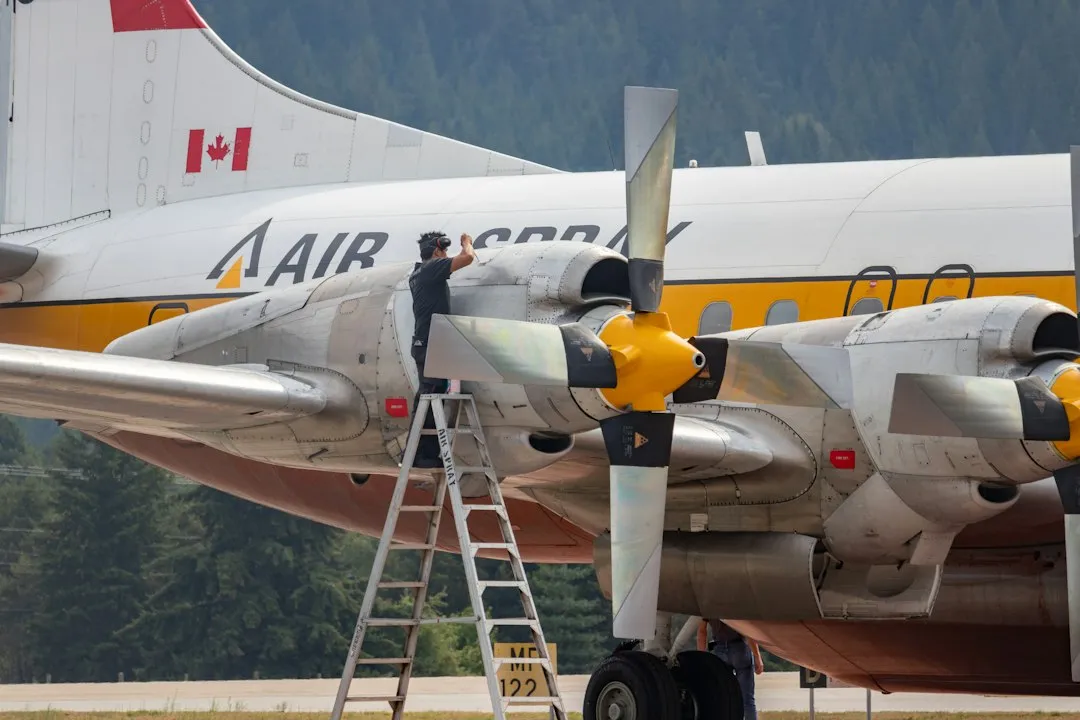
Before a plane can fly, it goes through a detailed inspection where AMTs walk around the aircraft, open access panels, check instruments, and verify that all systems and components are operating as expected. This walk-around follows a specific path, not a casual stroll. Mechanics move methodically from nose to tail, scanning every panel, seam, and surface.
The exterior inspection involves visually inspecting the exterior of the aircraft, including the condition of the wings, landing gear, tail, propeller, and other external components, looking for any signs of damage, leaks, or abnormalities that could affect performance. Even a small crack in a panel or an unexpected fluid stain on the tarmac beneath the aircraft will halt the process until it’s understood and resolved.
3. Engine Inspection: Oil, Leaks, and Intake Checks
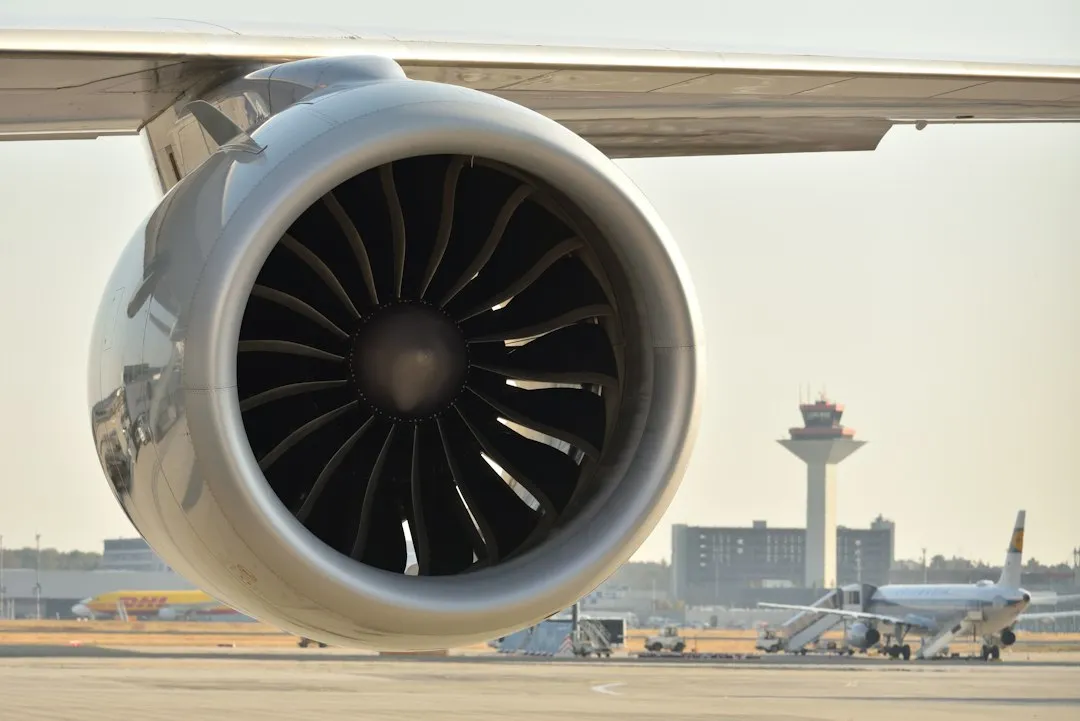
The engine inspection involves checking for any signs of leaks, loose parts, or unusual noises, while also ensuring that the engine oil levels and fuel levels are adequate for the flight. On a commercial jet, this check is both visual and tactile. Mechanics look inside cowlings, inspect exhaust nozzles, and examine fan blades for any nicks or FOD damage.
A sharp eye is kept out for damage, leaks, or obstructions to the engine, exhaust, pitot tube, or static port. The intake area deserves particular attention because foreign object debris drawn into a jet engine can cause serious damage. Mechanics confirm that all access panels closed the previous night are still secure and properly latched before engine start.
4. Fuel System: Quantity, Quality, and Water Contamination

Checking the fuel tank for water, sediment, and proper fuel grade is a non-negotiable part of the preflight process. Water in aviation fuel is one of those hazards that sounds minor until it isn’t. Mechanics draw fuel samples from sumps at the lowest points of the tanks and visually inspect them for cloudiness or globules that indicate water contamination.
The inspection includes verifying fluid levels, such as oil, fuel, and hydraulic fluids, to ensure they are within the recommended limits. Fuel grade confirmation matters too. Using the wrong grade of aviation fuel is a rare but documented cause of engine failure, so mechanics confirm both the fuel type loaded and its quantity against the planned flight requirements.
5. Tires, Brakes, and Landing Gear: The Contact Points
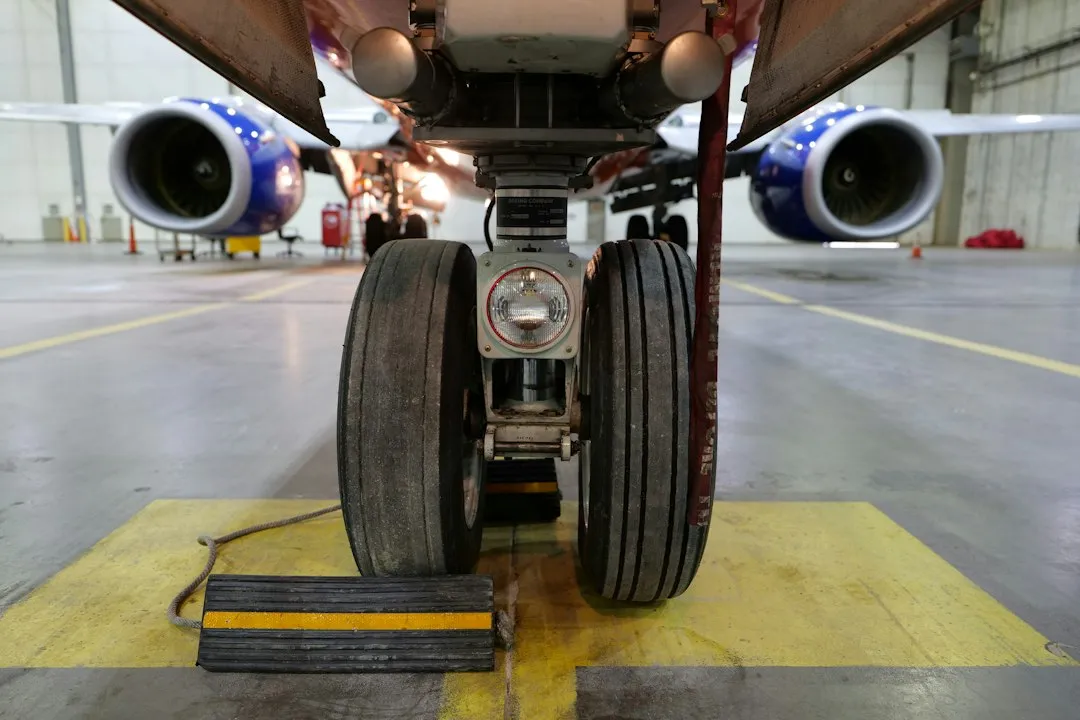
Attention is given to the landing gear, tires, and brakes, ensuring they are in good condition and functioning properly. This portion of the check is hands-on and close-up. Mechanics crouch beside each gear assembly, running gloved hands along tire sidewalls and tread areas, looking for cuts, unusual wear patterns, bulges, or anything that suggests the tire is compromised.
The brake rotor is inspected for excessive grooves, rust, and overall thickness during the brake check, with the mechanic ensuring brake pad thickness is within the specified limits for the aircraft. The landing gear itself is checked for hydraulic fluid leaks around actuators, and all gear doors are confirmed to open and close correctly during ground tests. This is the part of the aircraft that bears enormous stress on every landing.
6. Flight Control Surfaces: Ailerons, Elevators, and Rudder
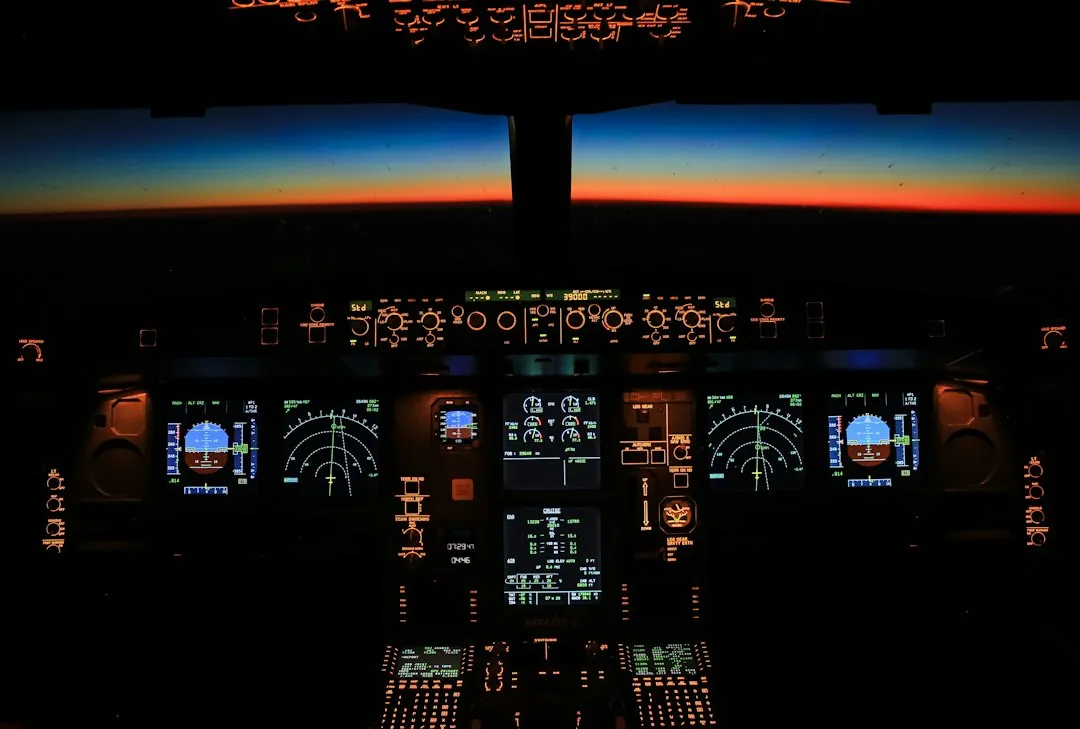
Mechanics check the control surfaces of the aircraft, such as the ailerons, elevators, and rudder, to ensure that they are moving freely and responding correctly to control inputs, and also check the trim settings to ensure that the aircraft is properly balanced. A control surface that feels slightly stiff, or worse, moves in the wrong direction relative to cockpit inputs, is an immediate grounding issue.
Checking for unimpeded flight control surface deflections and making sure they go in the proper direction is a critical step. On larger commercial aircraft, mechanics coordinate with the flight crew to conduct a full control surface check from inside the cockpit while a second technician observes movement from outside. It’s a two-person confirmation that eliminates ambiguity.
7. Cockpit Instruments and Avionics
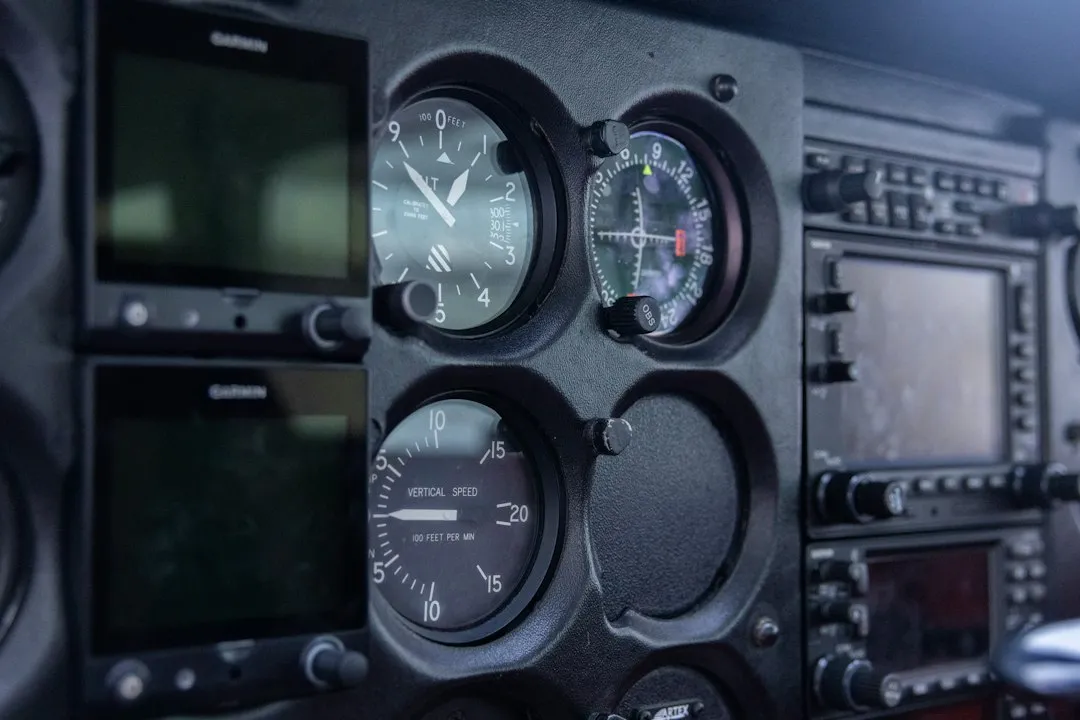
The interior inspection involves checking the cockpit and cabin, with primary focus on the instrument panel, lights, and avionics, ensuring all gauges and electronic systems are in the correct position and functioning correctly. Mechanics power up the aircraft’s systems and verify that every warning light, annunciator, and gauge responds as expected during the startup sequence.
The electrical system inspection includes checking the battery, alternator, and electrical connections, as well as verifying that all lights, radios, and communication systems are working properly. On modern commercial aircraft, avionics are increasingly software-driven, and mechanics also confirm that any required system updates are current and that no fault codes are stored in the aircraft’s maintenance computers from the previous day’s operations.
8. Hydraulic Systems: The Circulatory System of the Aircraft
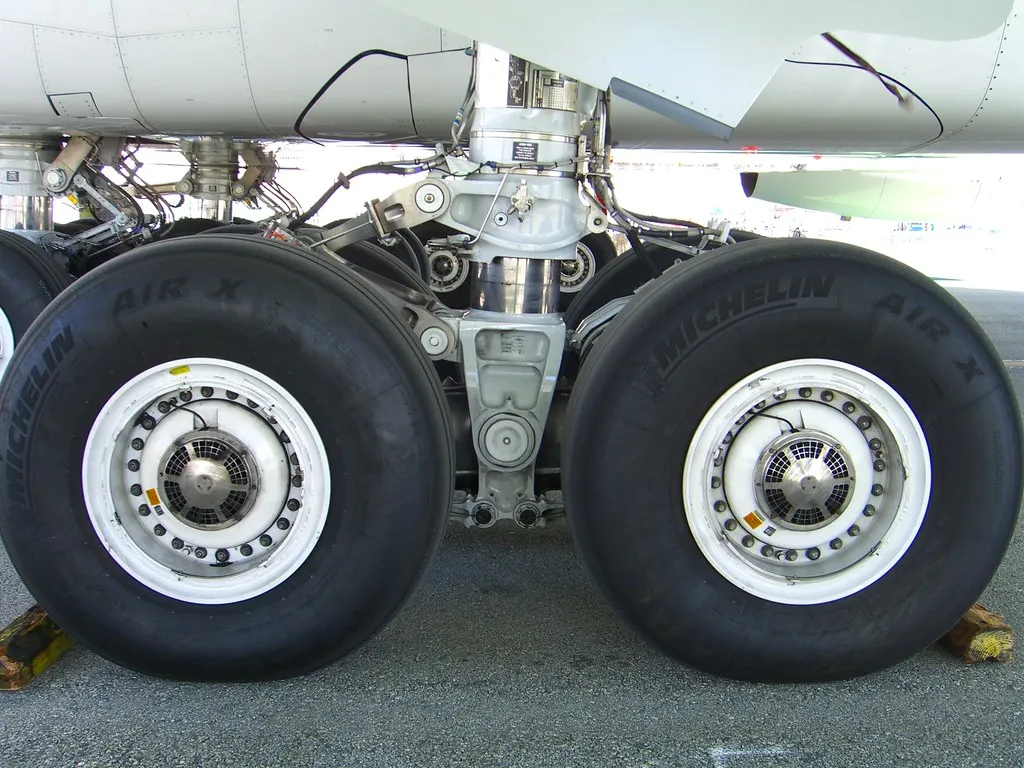
A deeper inspection of the hydraulic lines is part of structured maintenance checks that occur at regular intervals. On a daily basis, mechanics inspect hydraulic fluid reservoirs for proper fluid level and color, since discolored or foamy fluid can signal contamination or system degradation. Hydraulic systems power brakes, flight controls, and landing gear on most commercial aircraft.
Repairing and replacing critical components including wheels, brakes, electrical systems, hydraulics, and structural elements is a core daily responsibility for aviation maintenance technicians. Any evidence of a hydraulic leak, even a faint residue on a line fitting, requires investigation before the aircraft is cleared. The consequences of hydraulic failure in flight are serious enough that mechanics treat even minor seepage as a priority item.
9. Safety Equipment and Emergency Systems

Safety and security checks include inspecting emergency equipment such as oxygen masks and fire extinguishers, as well as confirming fuel system security and testing radio and transponder functionality. Emergency exits are checked for correct arming status and clear operation. Fire extinguisher pressure gauges are verified, and oxygen system servicing is confirmed against the aircraft’s records.
Preventing unauthorized access to the aircraft, verifying control locks and secure door closures, and checking safety equipment and seatbelts are all part of the safety and security inspection process. Cabin safety equipment, from life vests stowed beneath seats to the first aid kit behind the galley, must be present and accounted for per the aircraft’s minimum equipment list. Nothing here is assumed to be fine just because it was fine yesterday.
10. Final Sign-Off: The Most Consequential Signature of the Day
Before accepting an aircraft after maintenance, confirming that the records contain a signed approval-for-return-to-service entry and conducting an especially thorough preflight inspection of the areas that were worked on is essential practice. Every check, every finding, and every corrective action gets documented. Nothing flies without a certified sign-off.
Federal Aviation Regulations explicitly require an approved cockpit check procedure for each type of aircraft, with approved procedures that include each item necessary for flight crewmembers to check for safety before starting engines, taking off, or landing, designed so that a flight crewmember will not need to rely upon memory for items to be checked. The mechanic’s final signature on the maintenance release is a legal declaration that the aircraft is airworthy. The Bureau of Labor Statistics reports that employment of aircraft and avionics equipment mechanics and technicians is projected to grow six percent from 2025 to 2035, with about 13,100 openings projected each year on average over that decade, reflecting just how essential and growing this profession remains to the future of safe aviation.
The Quiet Professionals Behind Every Safe Departure
There’s a phrase used in aviation circles: the mechanic’s name goes on the paperwork, but the passengers’ lives go on the aircraft. That captures it well. Every gate departure that goes smoothly, every flight that lands uneventfully, carries the invisible weight of a thorough pre-dawn inspection completed by someone most passengers will never see.
The work of an aircraft mechanic is methodical by design, not by personality. Checklists exist because human memory is fallible, especially in the cold and dark before the first flight of the day. The discipline of following every step, every time, without shortcuts, is what makes the process trustworthy. That discipline, more than any single technical check, is what keeps the skies as safe as they are.
AI Disclaimer: This article was created with the assistance of AI tools and reviewed by a human editor.