
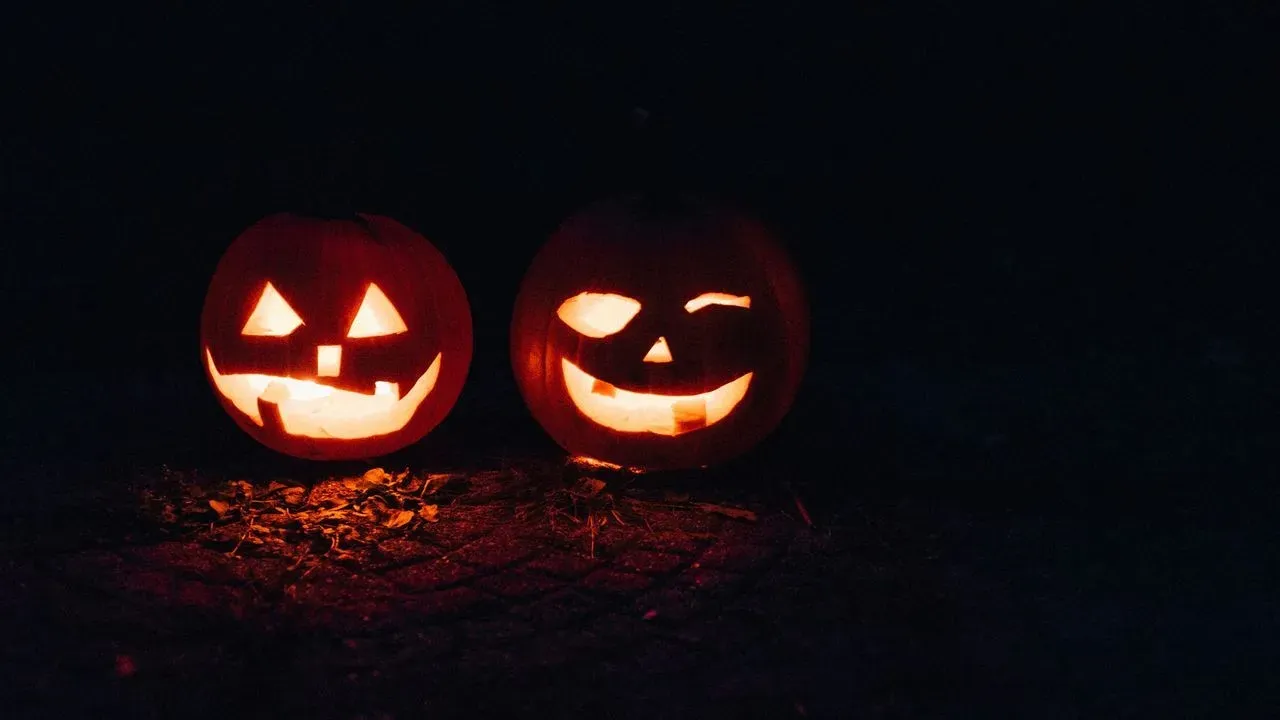

As October opens across the country, communities prepare seasonal gatherings that draw strength from regional histories, folklore, and shared traditions. These events offer travelers a chance to experience place-based stories rather than familiar tropes. Details from recent coverage highlight several distinctive celebrations worth exploring this month. ([1])
Key West’s Community-Driven Costume Celebration
Fantasy Fest began in the 1970s as a way to draw visitors to Key West during the quieter season. The ten-day event centers on elaborate costumes and town-wide participation, with an annual theme that encourages creative expression. This year’s focus on musical icons and iconic musicals continues that spirit of playful invention.
Residents and visitors alike join parades, balls, and smaller gatherings that fill the island with color and energy. The festival supports local businesses while preserving the town’s reputation for inclusive, lighthearted gatherings. Many participants return year after year, drawn by the sense of belonging that grows from shared creativity.
Louisiana’s Tribute to Bayou Folklore
In Baton Rouge, the Fifolet Festival celebrates a Cajun legend of an eerie blue flame said to guide seekers toward hidden fortune in the wetlands. Organizers transform the story into a weekend of events that include a pub crawl, a costumed parade, and an adults-only costume ball. These activities keep the tale alive through communal participation rather than solitary scares.
The flame motif appears in decorations and performances, reminding attendees of the region’s rich storytelling heritage. Local groups coordinate the events to highlight both the mystery and the cautionary elements of the folklore. Visitors often leave with a deeper appreciation for how such legends shape cultural identity in southern Louisiana.
Colorado’s Quirky Race Rooted in Real History
Manitou Springs hosts the Emma Crawford Coffin Races, an event inspired by a true nineteenth-century story. A young woman named Emma requested burial on a hillside, yet shifting ground later sent her coffin tumbling down the slope. Locals turned the incident into an annual competition in the 1990s that now features teams pushing handmade coffins along Manitou Avenue.
Participants decorate their entries with creative flair while one rider portrays Emma. The free event draws spectators who enjoy the blend of history, craftsmanship, and gentle humor. Proceeds and attention help sustain the town’s distinctive character and support small businesses along the route.
Broader Traditions in Texas and Oregon
San Antonio marks Día de los Muertos with a river parade featuring illuminated barges and live music, alongside the Muertos Fest at Hemisfair Park. The multi-day gathering showcases dozens of ofrendas that honor the departed through personal altars and community remembrance. These elements reflect long-standing Mexican-American customs adapted to the local setting. Farther west, Salem, Oregon, presents the Nightmare Factory, a large-scale haunted house created by the Oregon School for the Deaf.
The fifteen-thousand-square-foot space operates in the school’s basement and offers a different kind of seasonal experience grounded in local initiative. Both locations demonstrate how communities adapt familiar themes to their own histories and needs. Travelers seeking meaningful October journeys can approach these festivals with respect for the people and stories that sustain them. Planning ahead allows visitors to participate thoughtfully while supporting local economies and cultural continuity.
AI Disclaimer: This article was created with the assistance of AI tools and reviewed by a human editor.