
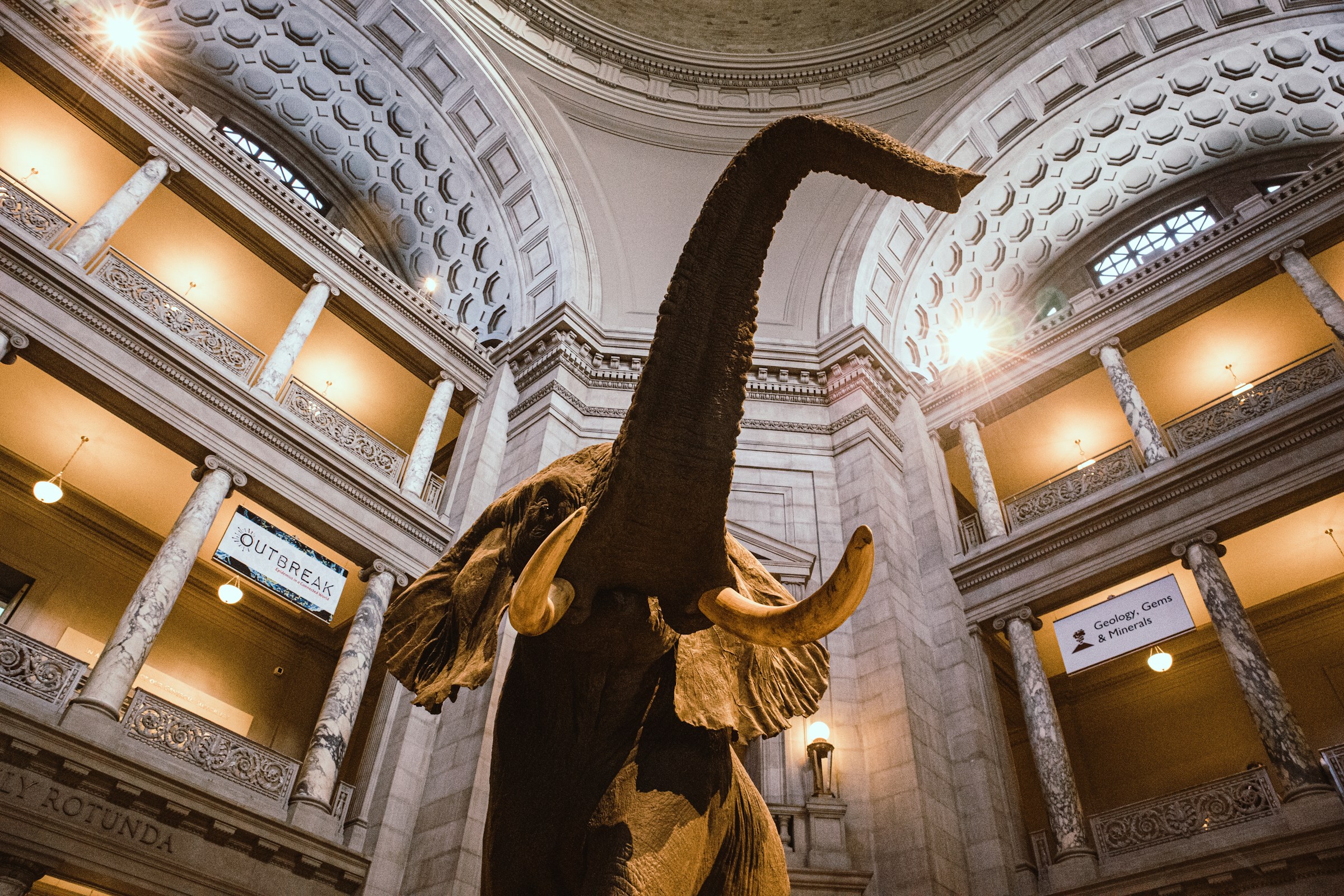

There’s something quietly remarkable about walking into a world-class museum, absorbing centuries of art, history, or science, and then walking back out without paying a cent. In the United States, this is not a rare exception. It’s a reality in several major cities, and it’s more accessible than many travelers realize.
Whether you’re a curious local looking for a weekend plan or a traveler stretching every dollar, these seven institutions offer genuinely free admission every day they’re open. No coupons, no annual free days to track down. Just show up.
1. National Museum of Natural History – Washington, D.C.
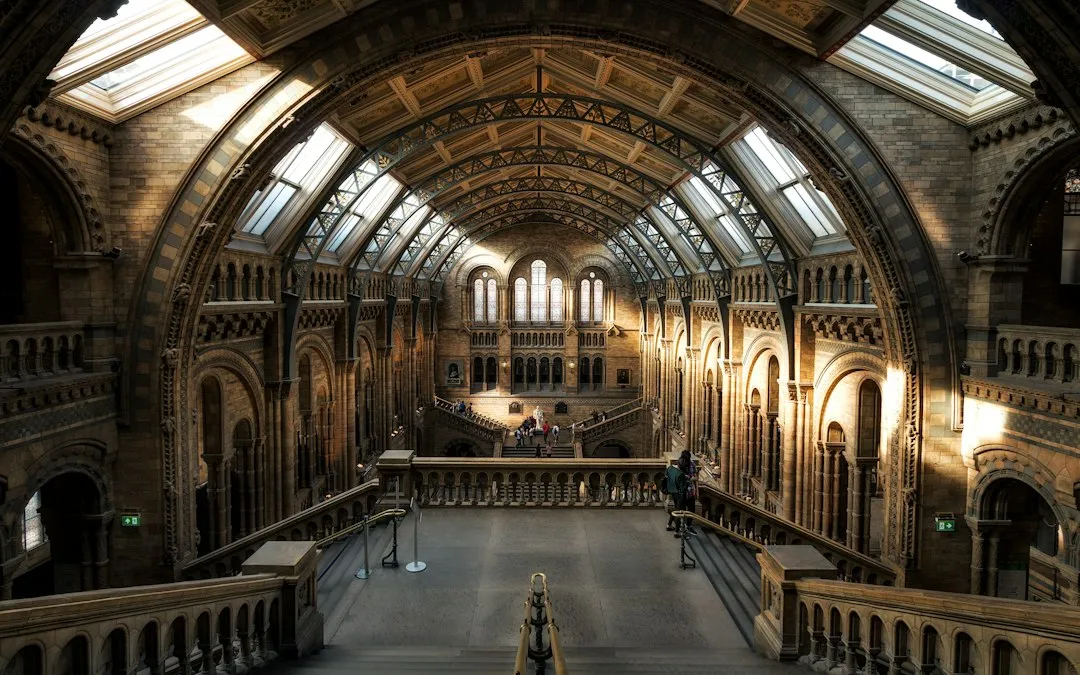
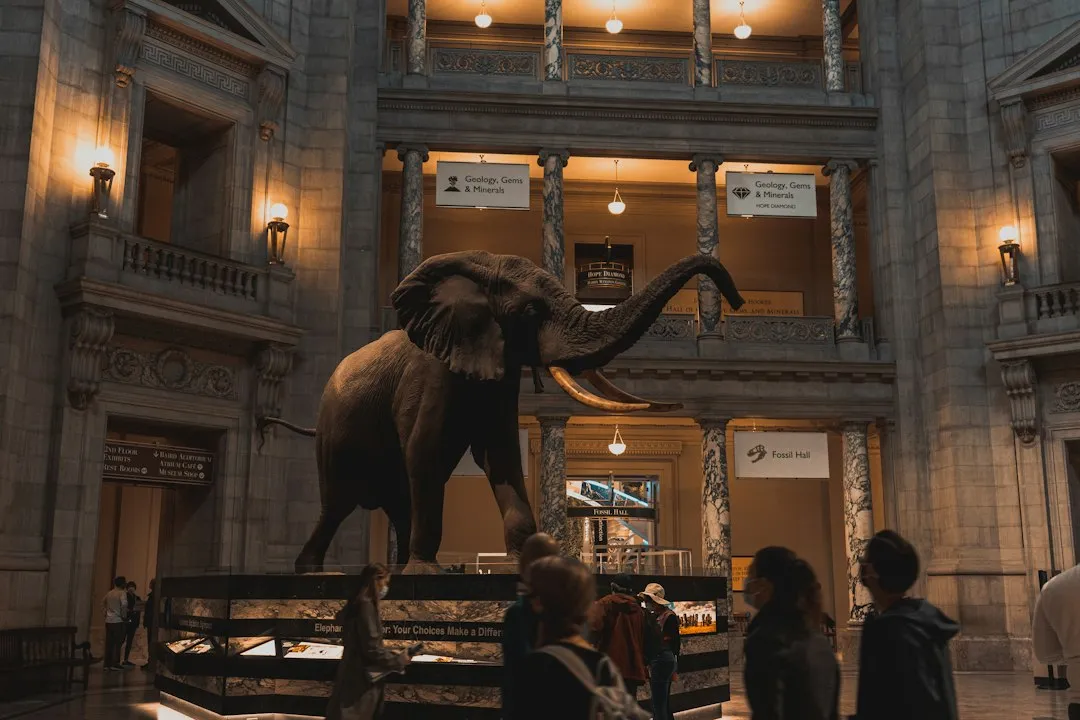
Admission to all 19 Smithsonian museums in the Washington, D.C. area, as well as the National Zoo, is completely free, with no ticket purchase required for general admission. The National Museum of Natural History sits right on the National Mall and is one of the most visited institutions in the country. It drew approximately 3.9 million visitors in 2024, a number that reflects just how central it is to the D.C. experience.
Inside, you’ll find the famous Hope Diamond, towering dinosaur skeletons, and an Ocean Hall that spans the full breadth of marine life. Because admission is free, visitors can easily pop in and out of exhibits throughout the day and explore at their own pace.
2. National Gallery of Art – Washington, D.C.
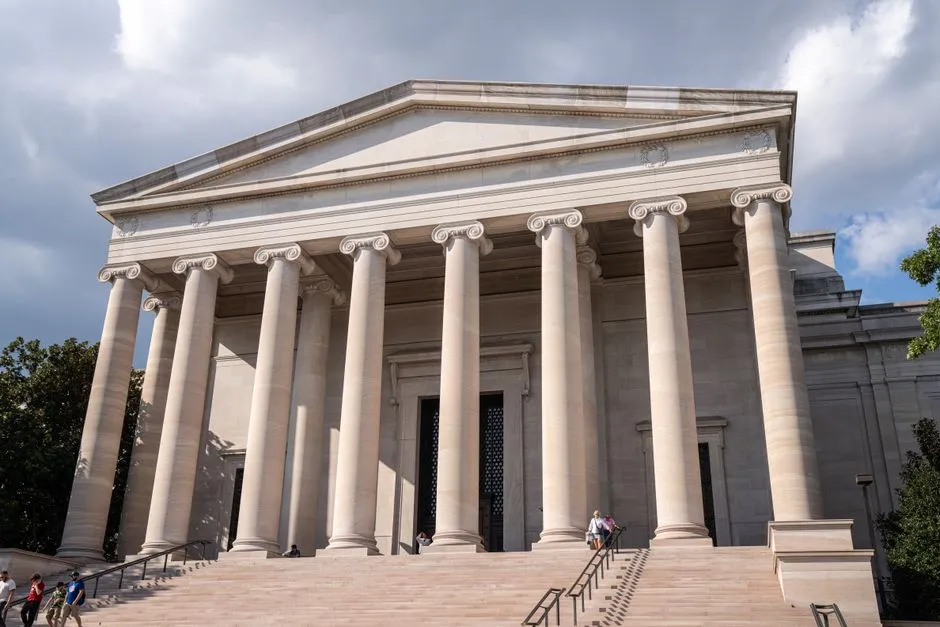
Admission to the National Gallery of Art is always free. While it operates separately from the Smithsonian, it sits on the National Mall and covers one of the most sweeping art collections in the world. The gallery’s collection includes some 141,000 paintings, drawings, prints, photographs, sculpture, decorative arts, and new media tracing the development of Western art from the Middle Ages to the present.
The NGA is separated into two buildings: the East Wing, which is contemporary and modern art, and the West Wing, where you’ll find more traditional artwork. The gallery attracted nearly 3.9 million visitors in 2024, making it one of the most visited art museums in the entire country. Temporary exhibitions span the world and the history of art, and free programs including lectures, tours, concerts, films, and family activities are offered year-round.
3. National Museum of African American History and Culture – Washington, D.C.
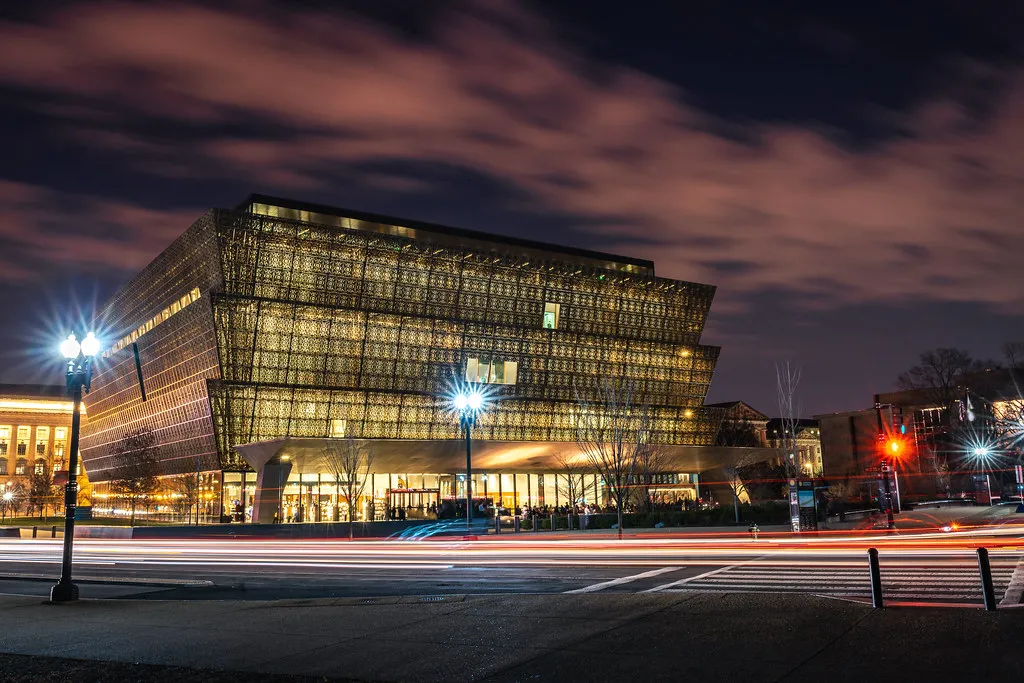
Part of the Smithsonian family, this museum opened in 2016 on the National Mall and quickly became one of the most culturally significant institutions in the nation. It welcomed roughly 1.6 million visitors in 2024. Entry is free, though timed-entry passes are required for visits to the National Museum of African American History and Culture.
The collection spans from the era of slavery through the Civil Rights Movement and into contemporary Black American life and culture. Planning ahead matters here. Passes are often claimed weeks in advance, so booking early is genuinely important. The museum’s architecture alone, a striking latticed bronze tower rising near the Washington Monument, is worth the trip.
4. National Museum of Mexican Art – Chicago
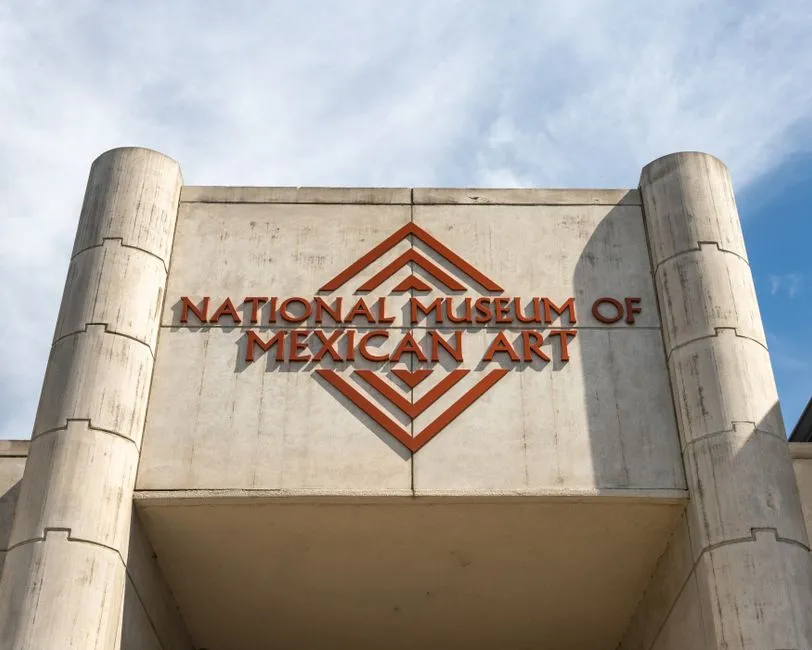
Admission is always free to the National Museum of Mexican Art. Tucked into Chicago’s historic Pilsen neighborhood, this institution is quietly one of the most important cultural museums in the Midwest. Founded in 1982, it became the first Latinx museum accredited by the prestigious American Alliance of Museums, and today boasts one of the largest permanent collections of Mexican art in the country, with more than 18,000 pieces on display, including folk art, textiles, photography, prints, and historic artifacts.
The National Museum of Mexican Art in Pilsen offers free admission year-round, and visitors can explore its collection of Mexican and Mexican-American textiles, paintings, sculptures, and multimedia art. The museum relies on the support of generous donors to help keep its doors open and accessible to all visitors regardless of their ability to pay. That commitment to open access shapes everything about how the space feels. It’s genuinely community-rooted.
5. The Broad – Los Angeles
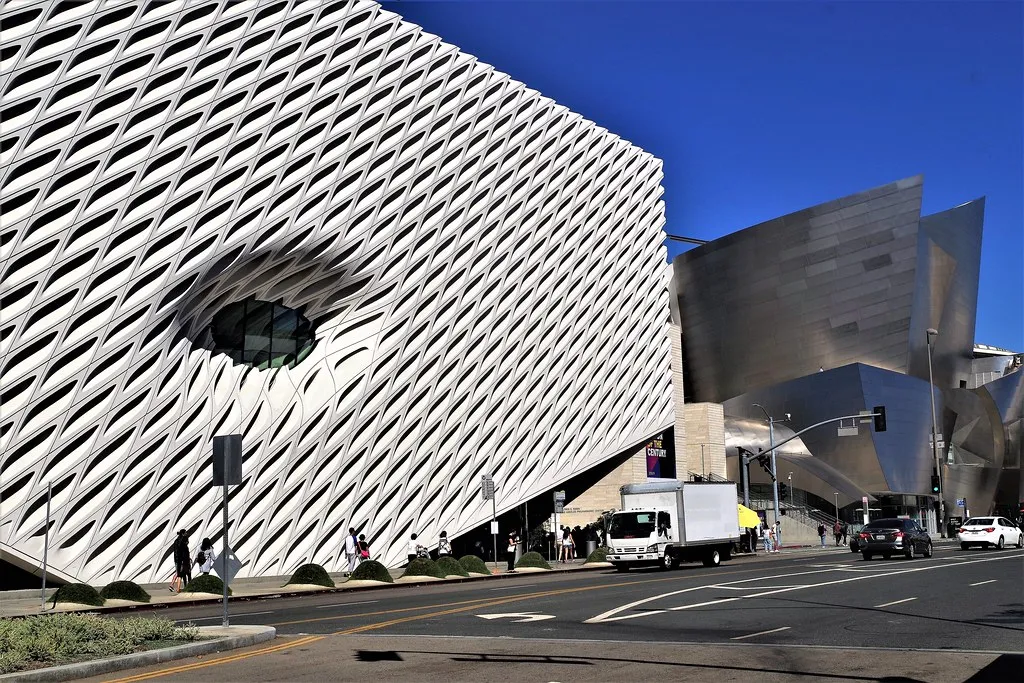
The Broad offers free general admission to its permanent collection galleries. Located in Downtown Los Angeles on Grand Avenue, it is one of the most recognized contemporary art destinations on the West Coast. The Broad is home to approximately 2,000 works of art in the Broad collection, which is among the most prominent holdings of postwar and contemporary art in the world.
In 2024, The Broad announced a $100-million, 55,000-square-foot addition behind the existing structure, which would increase gallery space by roughly 70 percent. That kind of investment signals a long-term commitment to the institution’s growth. Advance reservation tickets are often fully booked, but an onsite standby line is available at the museum every day except Mondays, when the museum is closed. Arriving early is always the safer strategy.
6. Getty Center – Los Angeles
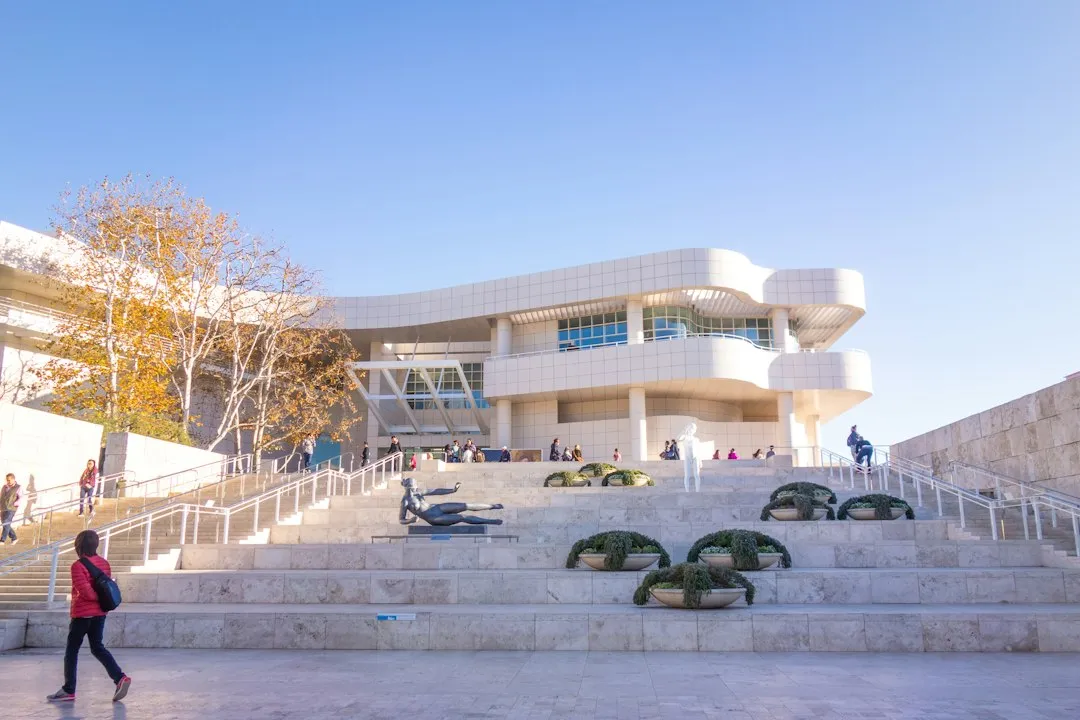
Situated on a hilltop in Brentwood, the spectacular Getty Center houses European paintings, drawings, sculpture, illuminated manuscripts, decorative arts, and photography from its beginnings to the present, and admission is always free. The Getty Center drew more than 1.3 million visitors in 2024, which is impressive for a museum that most people discover somewhat by accident on their first visit to Los Angeles.
The hilltop gardens and architecture are attractions in their own right. No reservation is required for general admission, though parking is $25 per car, reduced to $15 after 3 p.m. The views of the city from the travertine terraces are reason enough to visit, separate from anything on the walls inside. It’s one of those places where an afternoon passes much faster than expected.
7. California Science Center – Los Angeles
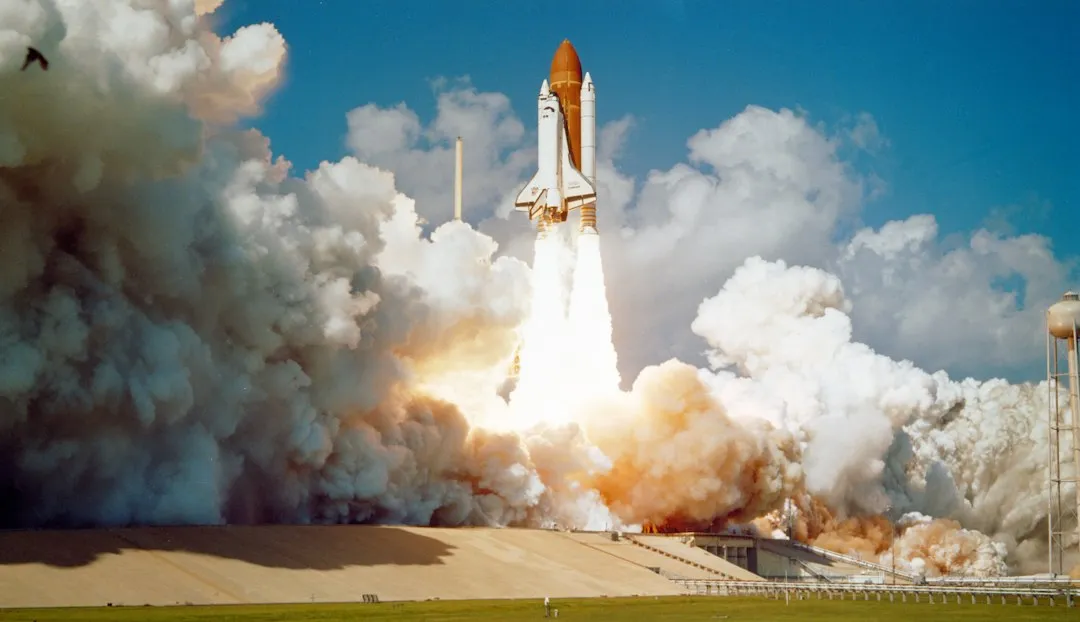
General admission to the California Science Center is always free. Located in Exposition Park in South Los Angeles, the museum draws families, school groups, and solo visitors alike. In 2024, it welcomed approximately 1.7 million visitors, placing it comfortably among the most visited museums in the entire United States.
For those fascinated by science, technology, and natural history, the California Science Center is a must-visit, with permanent galleries covering ecosystems, the science of space, and the living world. The Space Shuttle Endeavour, housed in a dedicated pavilion on-site, is genuinely awe-inspiring in person. Admission to the Science Center’s permanent exhibition galleries is free, excluding IMAX and special exhibits.
Why Washington, D.C. Stands Apart
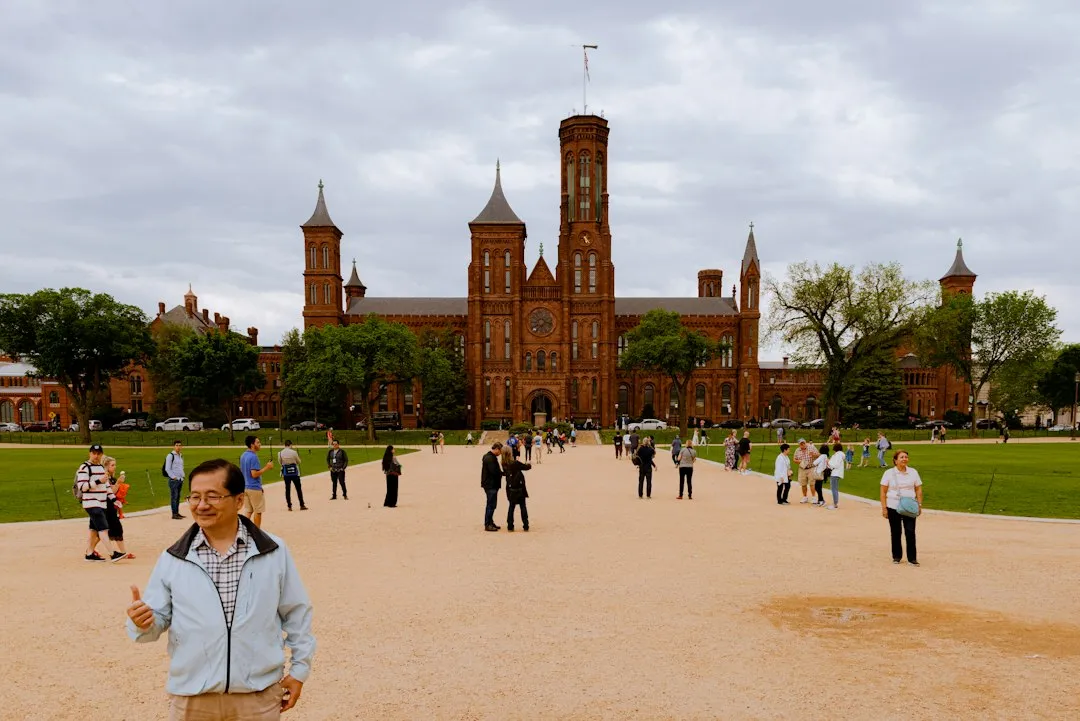
Washington, D.C. is home to the largest collection of free museums in the United States, making it an unparalleled destination for travelers looking to broaden their horizons without spending a dime. The density of world-class institutions within walking distance of each other is simply unmatched anywhere else in the country. Most Mall museums are within walking distance of one another, making it possible to visit several in a single day on foot.
Unlike many private museums that rely heavily on ticket sales for operational budgets, the Smithsonian primarily operates as a trust instrumentality of the U.S. government. That structural difference is what makes permanent free access possible over the long term. This is part of the Smithsonian’s founding mission to increase and diffuse knowledge.
Tips for Making the Most of Free Museum Visits
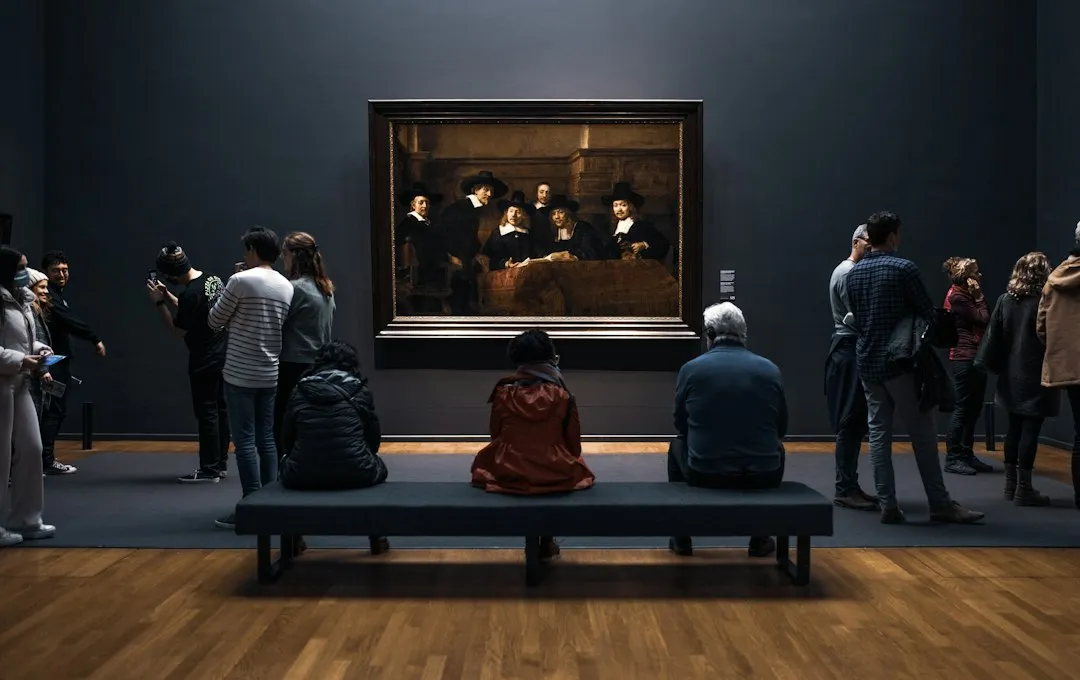
Free admission doesn’t automatically mean stress-free entry. Some of the most popular institutions require timed-entry passes that need to be reserved in advance. The National Air and Space Museum, the National Museum of African American History and Culture, and the National Zoo all require timed-entry passes, even though admission itself remains free.
For Los Angeles institutions like the Getty Center and The Broad, arriving at opening time helps avoid crowds significantly. Weekday mornings are generally calmer than weekend afternoons across all seven museums on this list. Checking each museum’s official website before your visit is always the safest way to confirm current hours and any pass requirements.
What “Free” Actually Covers
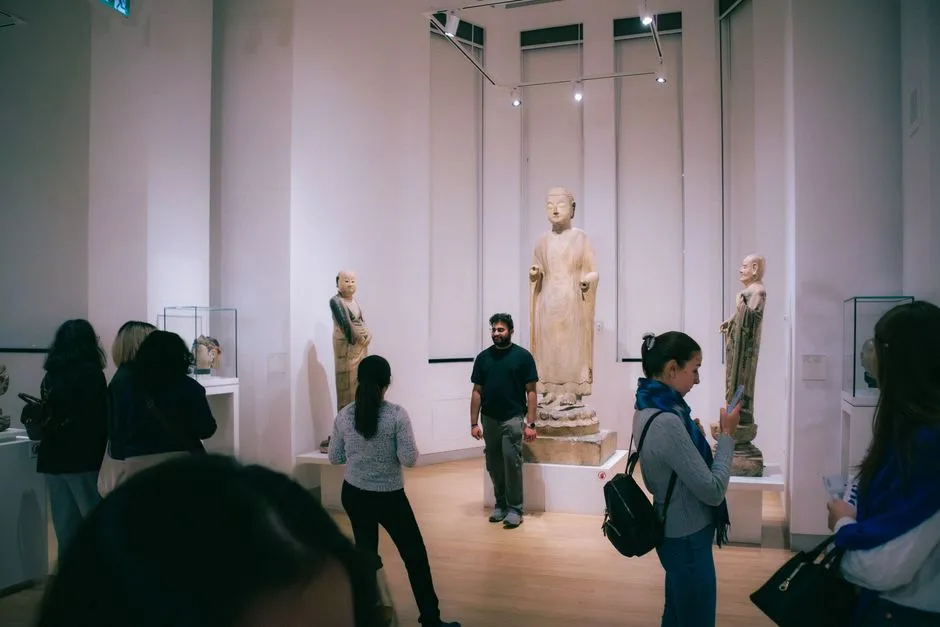
It’s worth being specific: free admission almost universally applies to permanent collection galleries. Special ticketed exhibitions, IMAX screenings, planetarium shows, and some programming typically carry their own fees. At the California Science Center, for example, admission to the permanent galleries is free, but this excludes IMAX and special exhibits.
At The Broad, not all events are free, and admission prices may vary by exhibit and by event. Knowing this in advance prevents disappointment. The permanent collections at all seven museums listed here are rich enough to fill multiple visits, so the free-access model remains genuinely valuable even with these exceptions in place.
The Broader Picture of Free Cultural Access
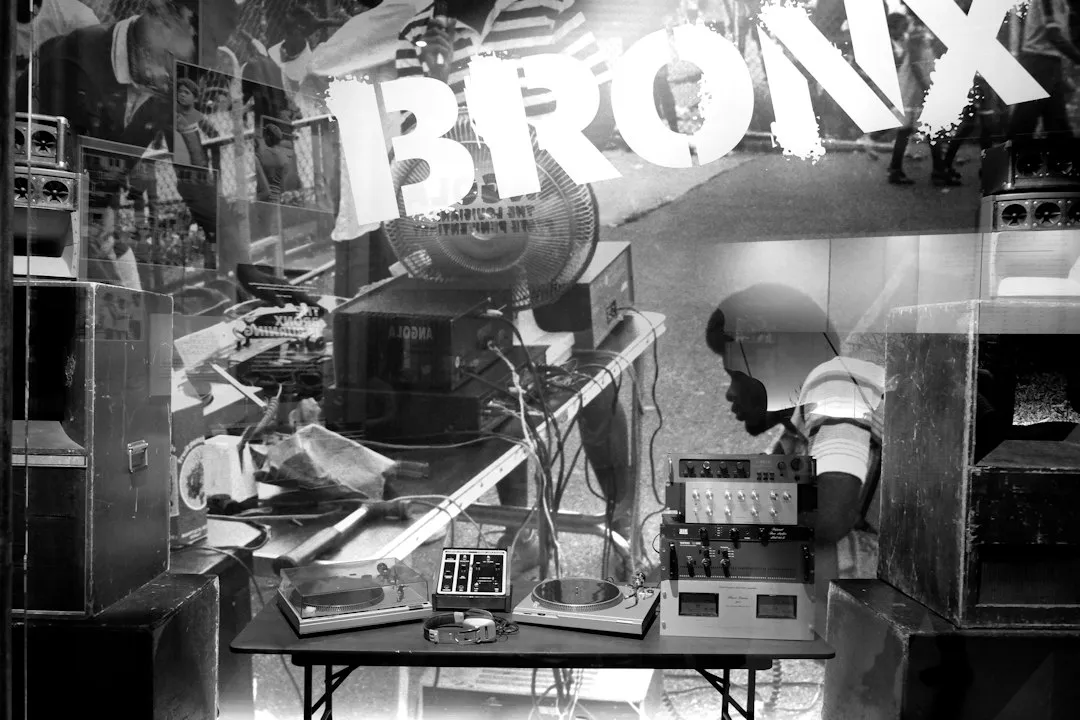
These seven museums represent a meaningful cross-section of what free cultural access looks like across the United States in 2026. From Mexican folk art in Chicago’s Pilsen neighborhood to postwar paintings in Downtown Los Angeles to moon rocks and presidential portraits in Washington, the range is extraordinary. New York City is also home to several always-free smaller institutions, including the Bronx Museum of Art and the National Museum of the American Indian, which is part of the Smithsonian.
The scale of what’s available at no cost is easy to underestimate until you start mapping it out. Many travelers spend significant money on museum admissions abroad that are less comprehensive than what’s freely available in a single week in Washington, D.C.
A Final Thought
Free museums don’t ask you to justify your curiosity. You don’t need a special occasion or a particular level of art knowledge to walk through those doors. That openness, architecturally and financially, is part of what makes these places worth visiting repeatedly, not just once on a bucket-list trip.
The seven institutions in this article represent some of the finest collections in the world, and every one of them welcomes you without a price tag. That’s a rare kind of generosity, and it deserves to be used.
AI Disclaimer: This article was created with the assistance of AI tools and reviewed by a human editor.