
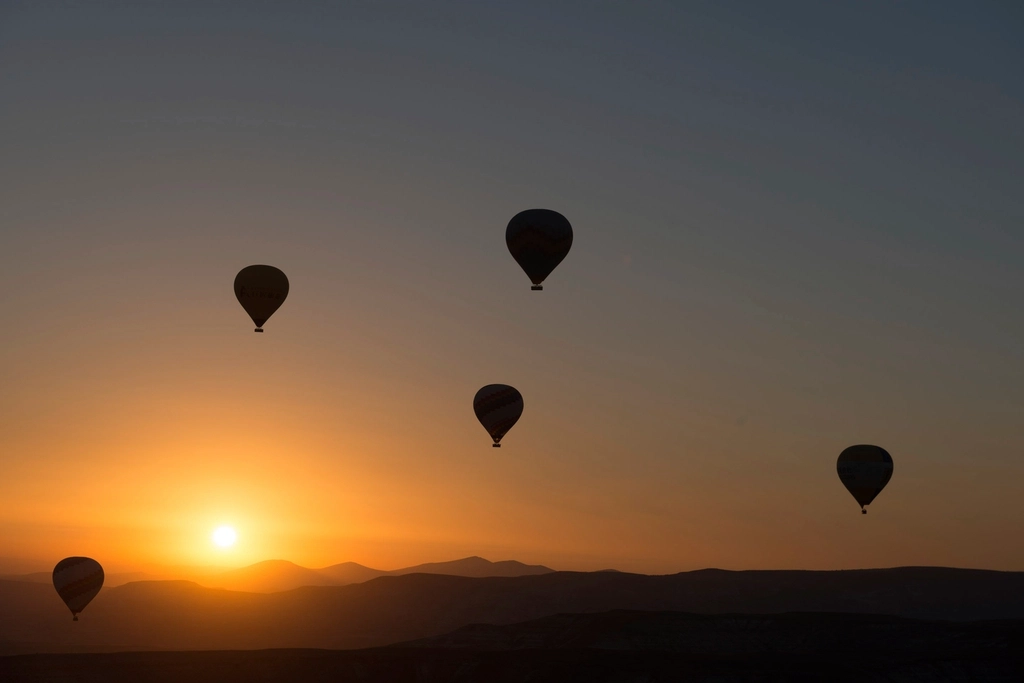

Turkey doesn’t ask you to choose between history, nature, and flavor. It simply gives you all three at once, often before breakfast. Few countries on earth layer their identity quite so generously across geography and time, from landscapes shaped by volcanic forces millions of years ago to bazaars still operating on the same cobblestones where Ottoman merchants once haggled.
According to the May 2025 World Tourism Barometer published by the United Nations World Tourism Organization, Turkey rose from fifth to fourth place in the global ranking of most-visited countries in 2024, surpassing Italy. That kind of sustained momentum doesn’t happen by accident. It reflects a country that has figured out how to be genuinely compelling to an enormous range of travelers, all at the same time.
1. Floating Over Cappadocia at Dawn
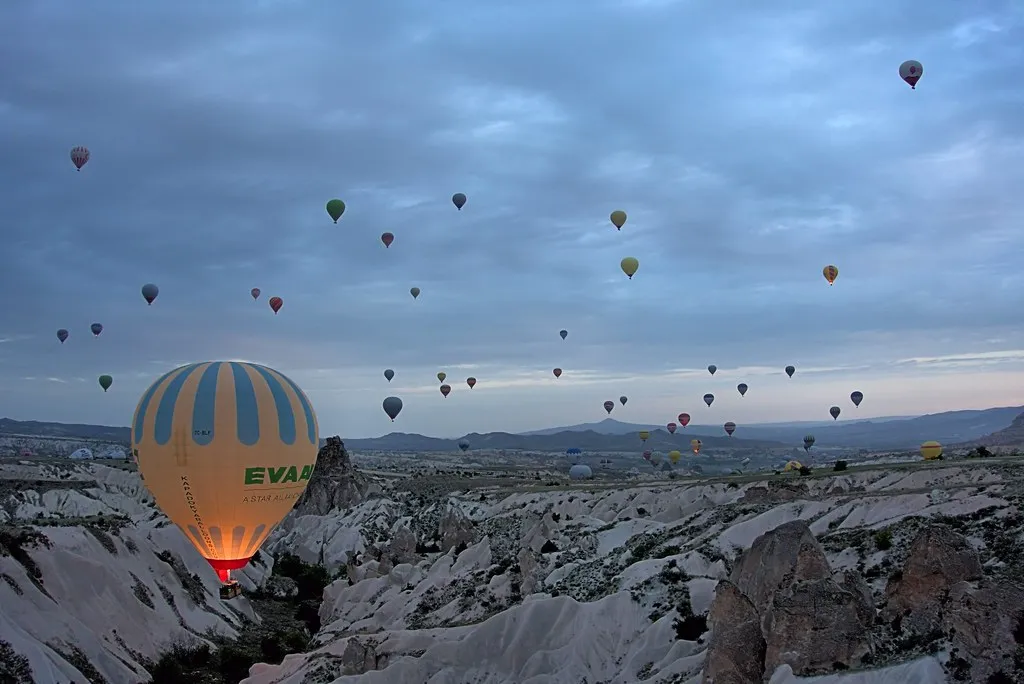
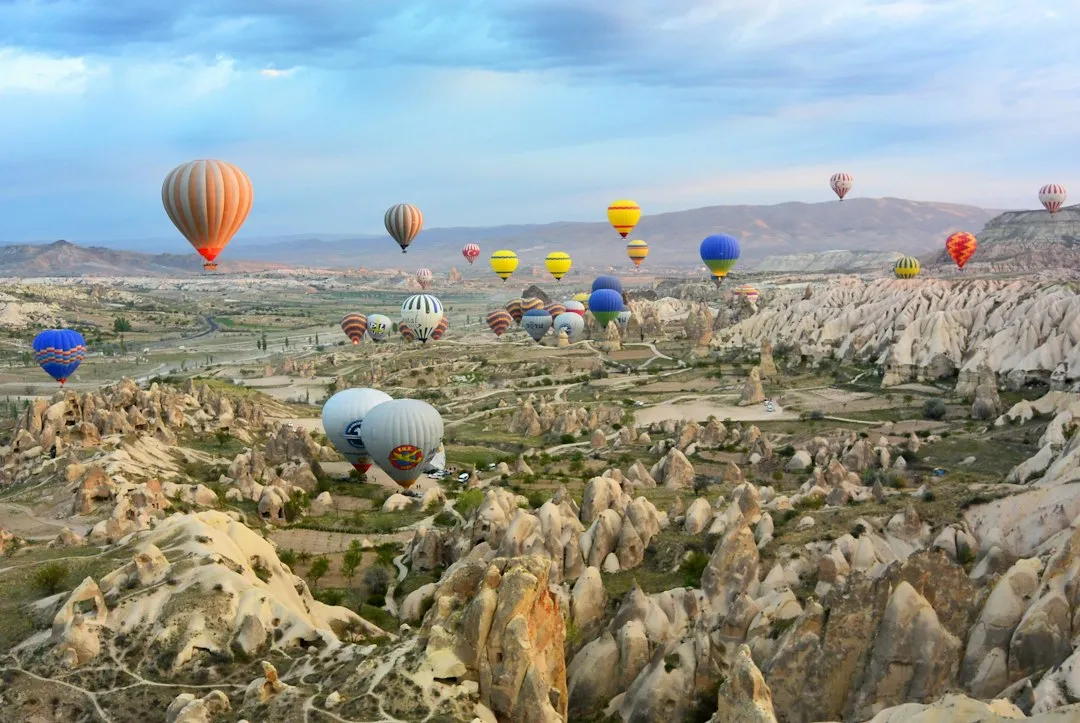
There’s a reason this image appears on so many travel wishlists: it earns every pixel. Cappadocia’s hot air balloon tourism reached an all-time high in 2024, with 769,814 tourists taking flight over the region’s surreal landscapes. For the first time, the number of balloon riders surpassed 700,000, marking a significant milestone for one of the world’s most famous ballooning destinations.
The region hosted 236 flight days in 2024, up from 218 days in 2023, making it one of the most active ballooning sites in the world. Authorities permit a maximum of 150 hot air balloons to be in the air over Cappadocia at the same time, and the visual of dozens of balloons rising together against a pink morning sky is, by most accounts, exactly as extraordinary as it looks in photographs. Flights typically last between 50 and 75 minutes and launch around sunrise, when winds are at their calmest.
2. Walking the Historic Heart of Istanbul
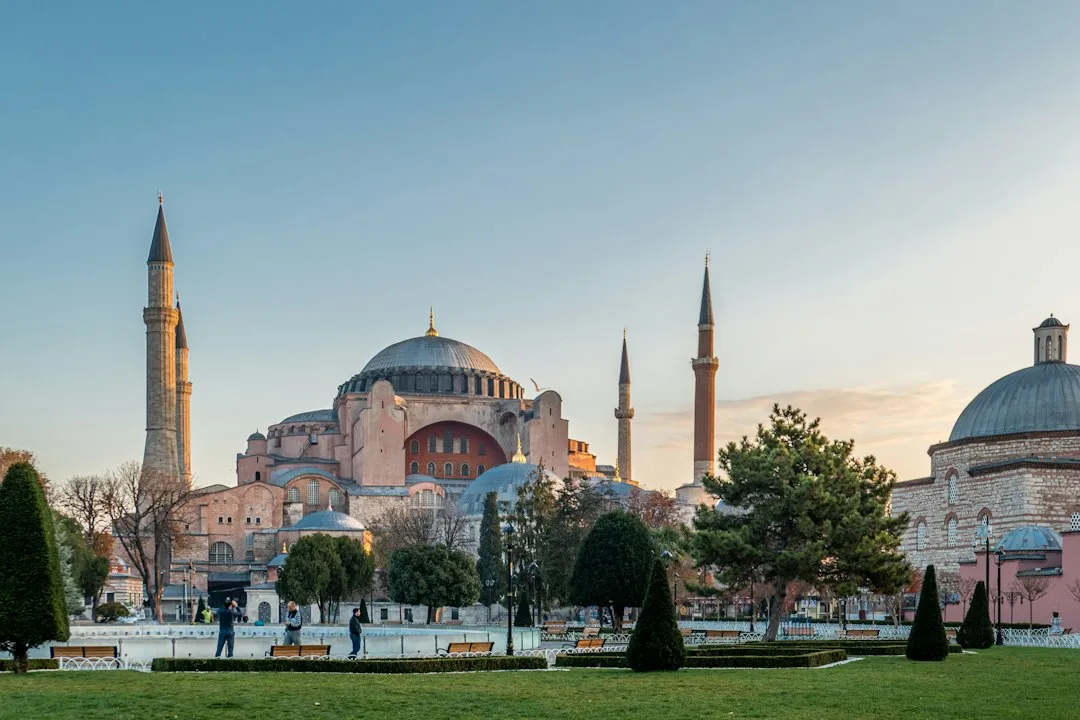
Istanbul, straddling both the continents of Europe and Asia, was home to Roman, Byzantine, and Ottoman civilizations. That overlap of empires is something you feel just standing in the Sultanahmet district, where the Hagia Sophia, the Blue Mosque, and Topkapi Palace exist within easy walking distance of each other.
The Blue Mosque, officially named the Sultan Ahmed Mosque, is famous for its six minarets and over 20,000 blue Iznik tiles adorning its interior. Istanbul Airport was Europe’s busiest airport in 2024, which means getting here has never been more straightforward. The city rewards slow exploration far more than a rushed itinerary ever will.
3. Losing Yourself in the Grand Bazaar
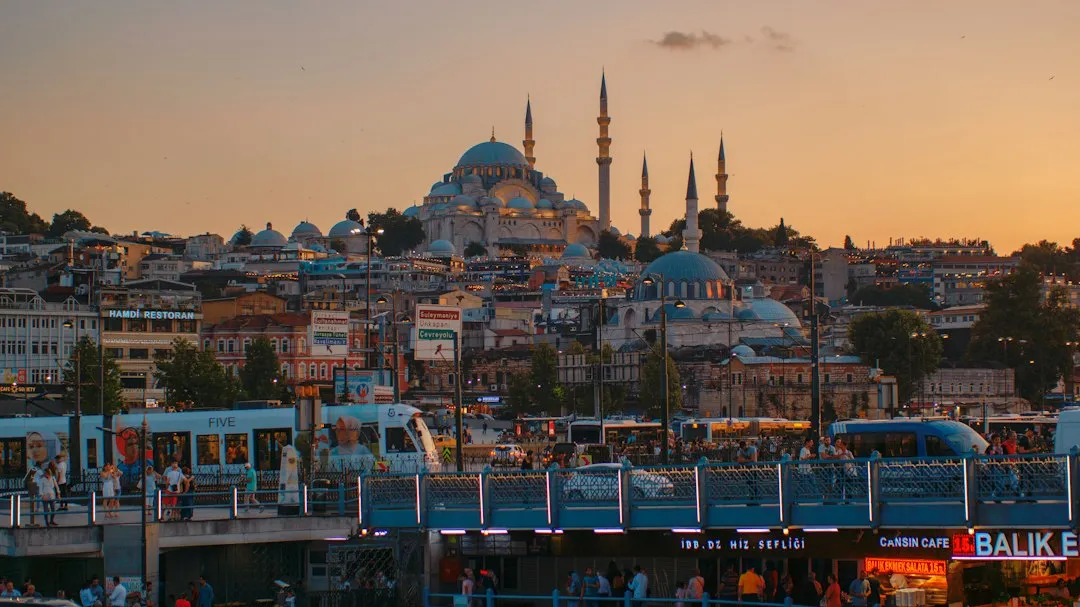
Istanbul’s Grand Bazaar is one of the world’s oldest covered markets. Dating back to 1461, the market has over 500,000 visitors a day and more than 3,600 stalls. Those numbers can feel abstract until you’re actually inside, surrounded by lantern light, the scent of spices, and the low hum of thousands of quiet negotiations happening simultaneously.
The bazaar isn’t merely a shopping destination. It functions more like a city within the city, with its own rhythms and social codes. With over 4,000 shops today, it remains one of the oldest and largest covered markets in the world. Whether you’re looking for handwoven textiles, ceramics, or simply a glass of strong tea at a tucked-away stall, the Grand Bazaar holds its own kind of magic.
4. Soaking in the Travertine Terraces of Pamukkale
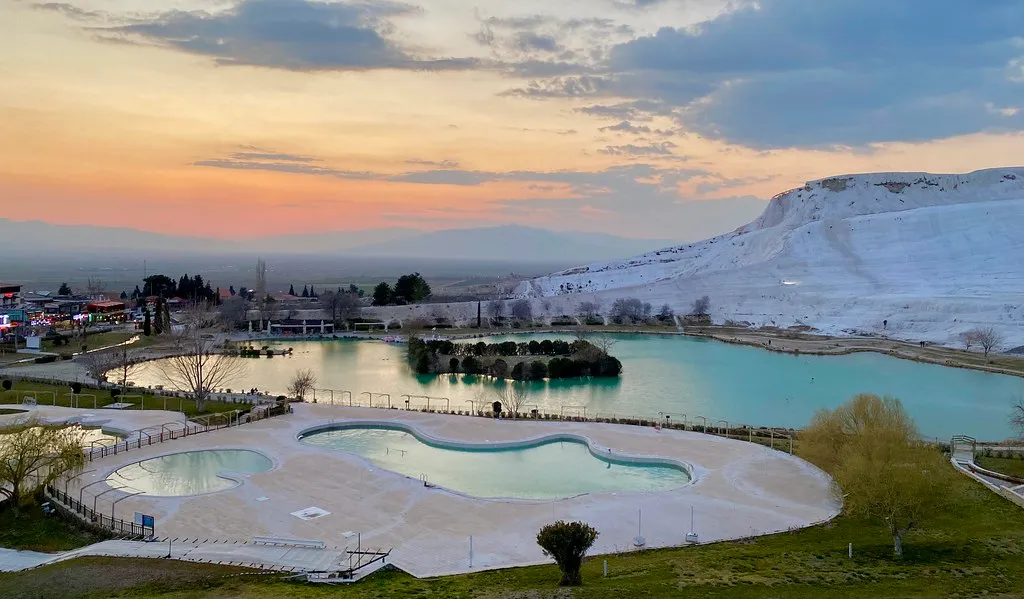
Over 200-metre-high cliffs spill thermal mineral waters down gleaming white travertine terraces, forming petrified waterfalls and pools that give Pamukkale its “Cotton Castle” name. The geological process behind all of this has been unfolding for an extraordinarily long time. The Pamukkale travertines are a natural wonder formed by the aftermath of 400,000-year-old earthquakes.
The glowing ruins encompass a huge Roman Theatre, the Temple of Apollo, a vast necropolis, and the 5th-century Martyrium of St Philip, an octagonal work of early Christian architecture. Tourists can still soak in the old healing thermal springs, although conservation measures prevent access to delicate travertine parts. The combination of ancient spa culture and natural wonder is something you simply don’t find anywhere else.
5. Exploring the Ancient City of Ephesus
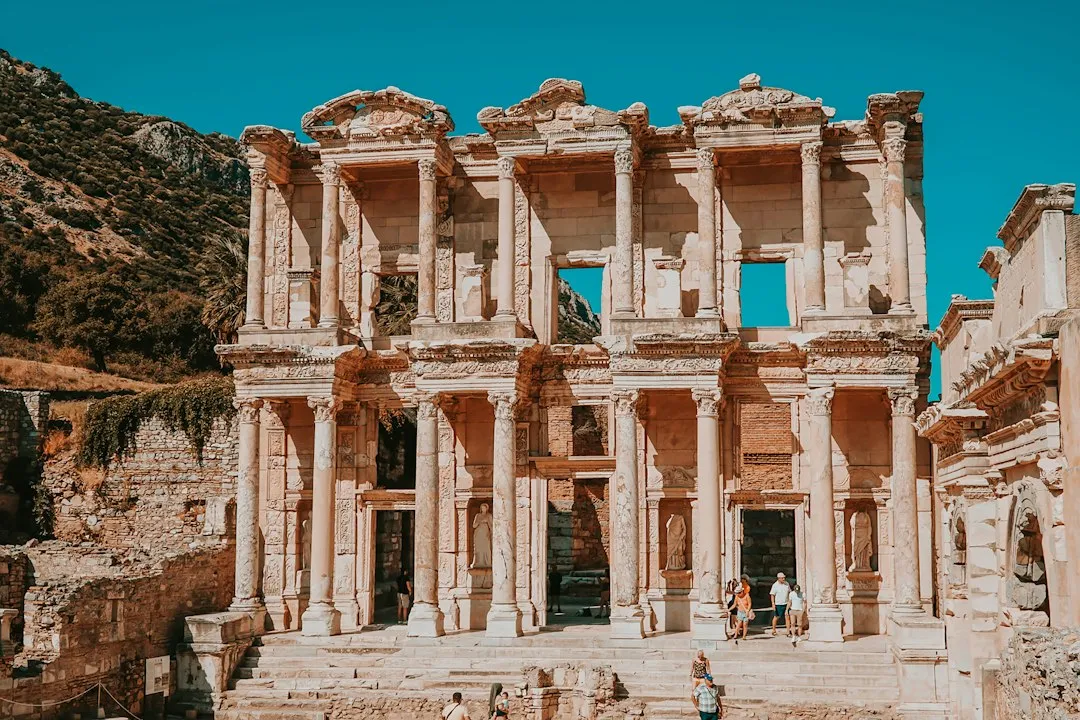
Ephesus was once a major Greek and Roman city, home to the Library of Celsus, the Temple of Artemis, one of the Seven Wonders of the Ancient World, and an amphitheater that could seat 25,000 people. Walking its marble-paved streets, you get a genuine sense of the scale and ambition of the civilization that built this place.
Aegean Coast holidays will take you from the thought-provoking ancient city of Ephesus to the bustling Ottoman streets of Izmir, the third-largest city in Turkey. The surrounding region adds depth to any visit, with the nearby village of Sirince offering wine, local produce, and a quieter pace that contrasts nicely with the main archaeological site. Ephesus is a place that tends to exceed expectations rather than merely meet them.
6. Experiencing the Depth of Turkish Cuisine
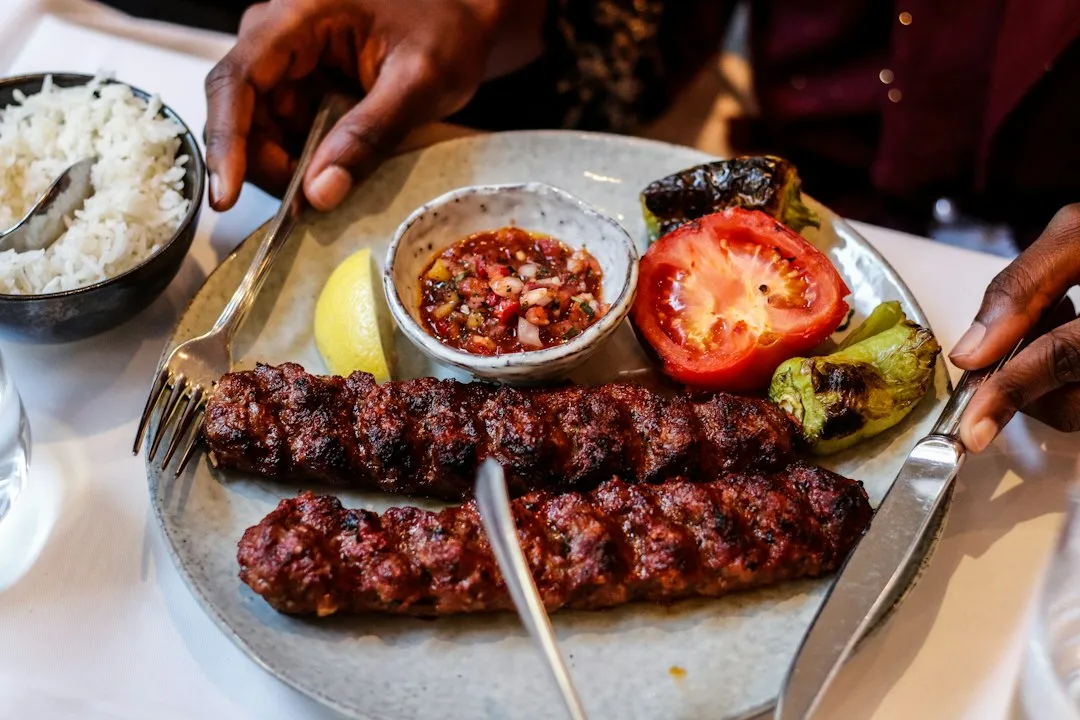
Turkey has an immense gastronomic heritage thanks to the multicultural character of the Ottoman and Eastern Roman Empires and the rich and varied geographic characteristics and culinary traditions of every region. Renowned for its vibrant use of fresh herbs, vegetables, olive oil, and grilled meats, Turkish food offers an unforgettable dining experience.
Turkish cuisine of the Aegean region emphasises vegetables cooked in olive oil, wild herbs, and fresh-from-the-sea products. Move east and the profile shifts entirely toward bolder spices and slow-cooked meats. Whether you’re biting into a crunchy simit in Istanbul, savoring olive oil dishes in the Aegean, or enjoying spicy kebabs in the southeast, you’re tasting history. Few other countries make food feel this much like an act of cultural storytelling.
7. Discovering Göbekli Tepe, the World’s Oldest Temple
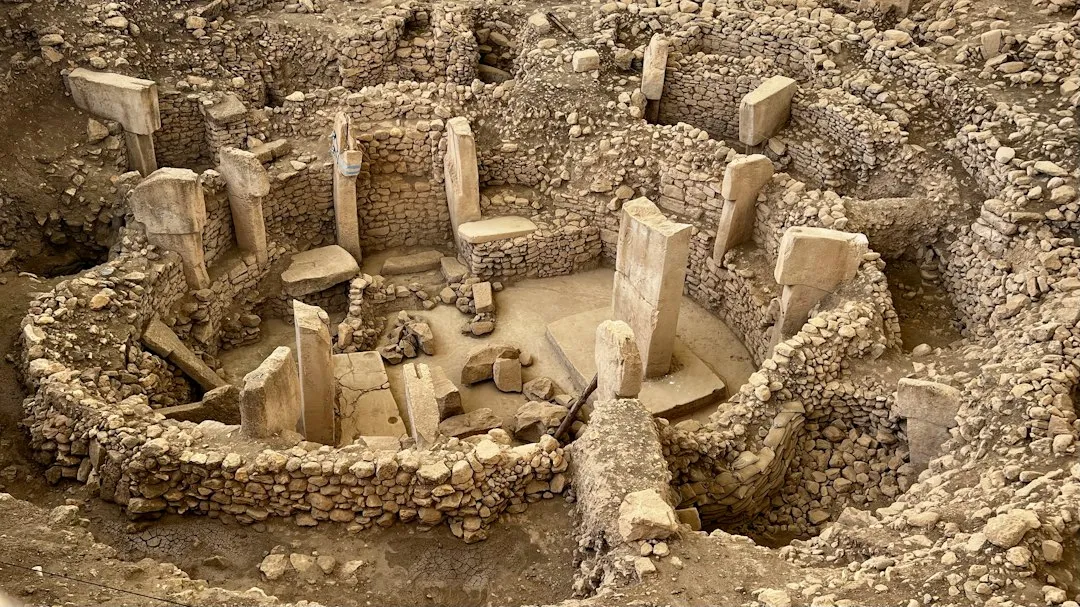
Predating Stonehenge by over 6,000 years, Göbekli Tepe is the earliest known religious structure. Located in southeastern Turkey near Sanliurfa, this UNESCO World Heritage Site fundamentally changed how archaeologists understood early human society, suggesting that organized spiritual life came before settled agriculture.
Göbekli Tepe is the world’s oldest known temple, dating to around 9600 BCE. The site continues to be actively excavated, meaning visits carry a sense of ongoing discovery rather than static exhibition. As of 2025, Turkey has 22 UNESCO World Heritage Sites, with two classified as mixed cultural and natural sites. Göbekli Tepe stands apart from all of them, precisely because of the questions it still refuses to answer.
8. Unwinding Along the Turquoise Coast
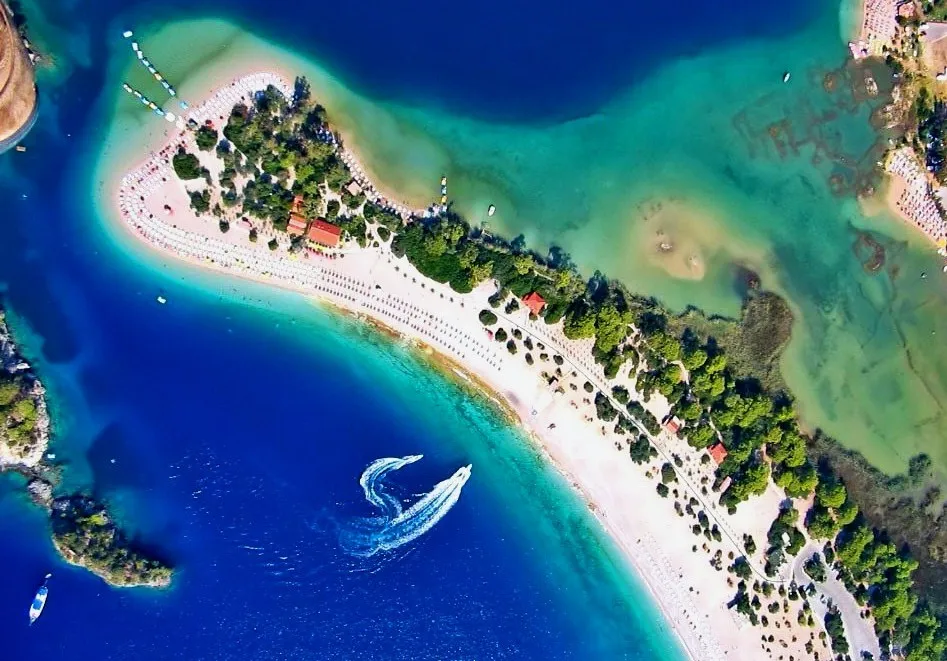
Turkey boasts 577 blue-flag beaches, a figure that signals not just quantity but quality and environmental standard. The stretch of coast running through Bodrum, Fethiye, Antalya, and beyond offers some of the clearest water and most dramatic clifftop scenery in the entire Mediterranean region.
There are plenty of options, from the magnificent city of Istanbul to Bodrum, which boasts a backdrop of turquoise Aegean waters, lush green forests, and a renowned marina. Antalya presents a relaxed Mediterranean lifestyle with luxurious resorts known for their legendary hospitality, set amidst majestic mountains, golden beaches, and ancient Roman theatres. The coast here isn’t just beautiful. It’s genuinely layered, with Lycian ruins, sunken cities, and hillside villages folded into the landscape between beach days.
The Takeaway
In 2024, Turkey saw a record number of tourists, with 62.27 million international visitors, a 9.8 percent increase over the previous year, and these visitors generated a record tourism revenue of 61.1 billion US dollars. Those are the numbers. What they point toward is something less easy to quantify: a country that keeps earning return visits.
Turkey works on every level of travel ambition. It’s compelling for those drawn to archaeology, irresistible to anyone serious about food, and quietly spectacular for travelers who simply want beauty without the crowds. Straddling Europe and Asia, Turkey is a land where east meets west, offering travelers a unique blend of ancient history, vibrant culture, breathtaking landscapes, and world-class cuisine. Some destinations promise transformation and deliver competent tourism. Turkey tends to deliver something more honest: the straightforward reward of showing up curious and being met with substance at every turn.
AI Disclaimer: This article was created with the assistance of AI tools and reviewed by a human editor.