
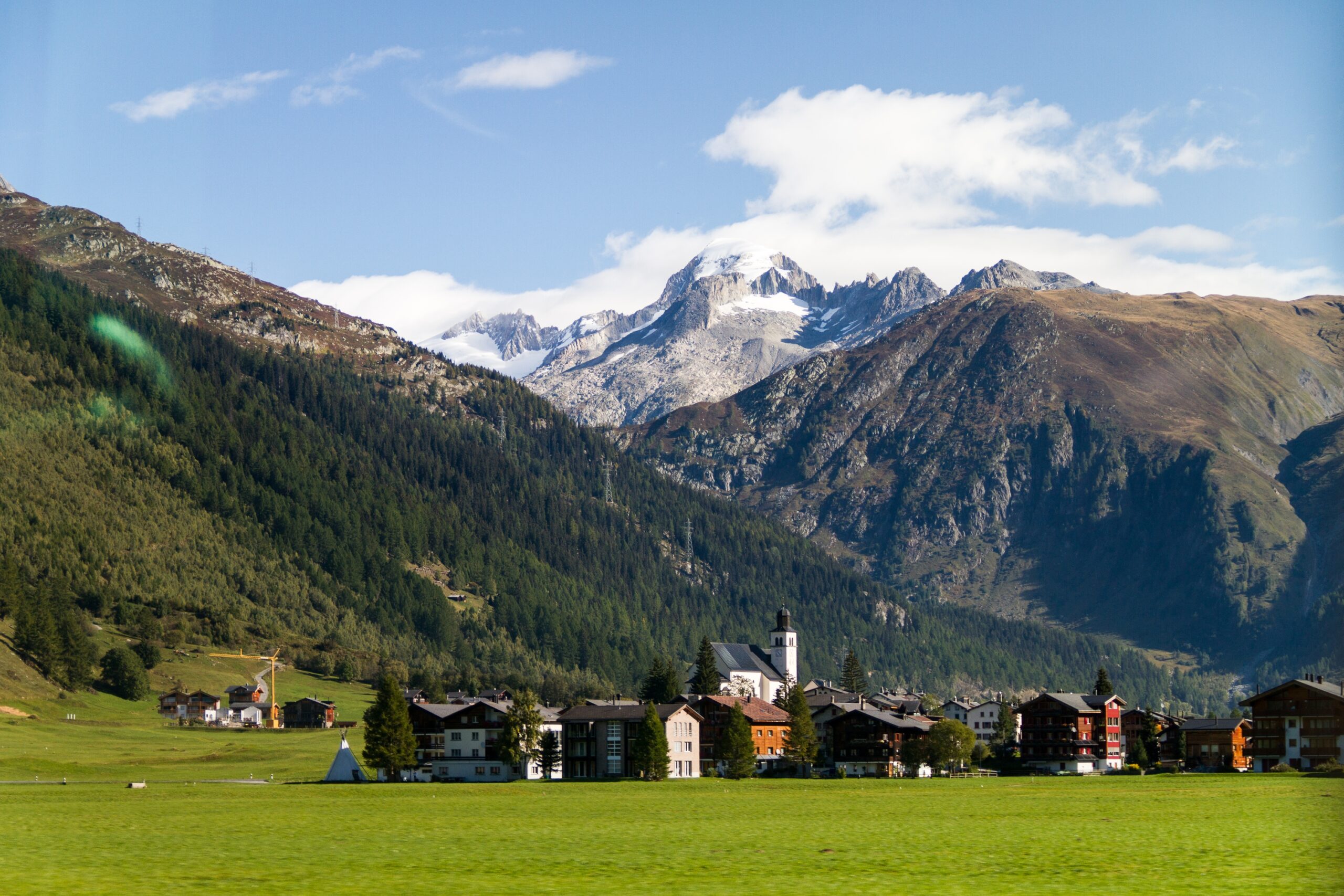

Switzerland doesn’t require much justification. The country has long carried a reputation for precision, natural beauty, and a quality of life that shows up in nearly everything – from how trains run to how cheese is made. What it also carries, fairly, is a reputation for being expensive.
In 2024, tourism expenditure in Switzerland continued to grow, with revenue from foreign visitors rising to CHF 19.6 billion. That kind of sustained demand tells you something. Travelers keep coming back, keep spending, and on the whole, keep finding it worth it. The question most first-timers wrestle with isn’t whether Switzerland is beautiful – it’s whether the price of experiencing it deeply is genuinely justified. For four specific experiences, the answer is a clear yes.
The Scale of What You’re Walking Into: Switzerland’s Tourism in 2024 and 2025
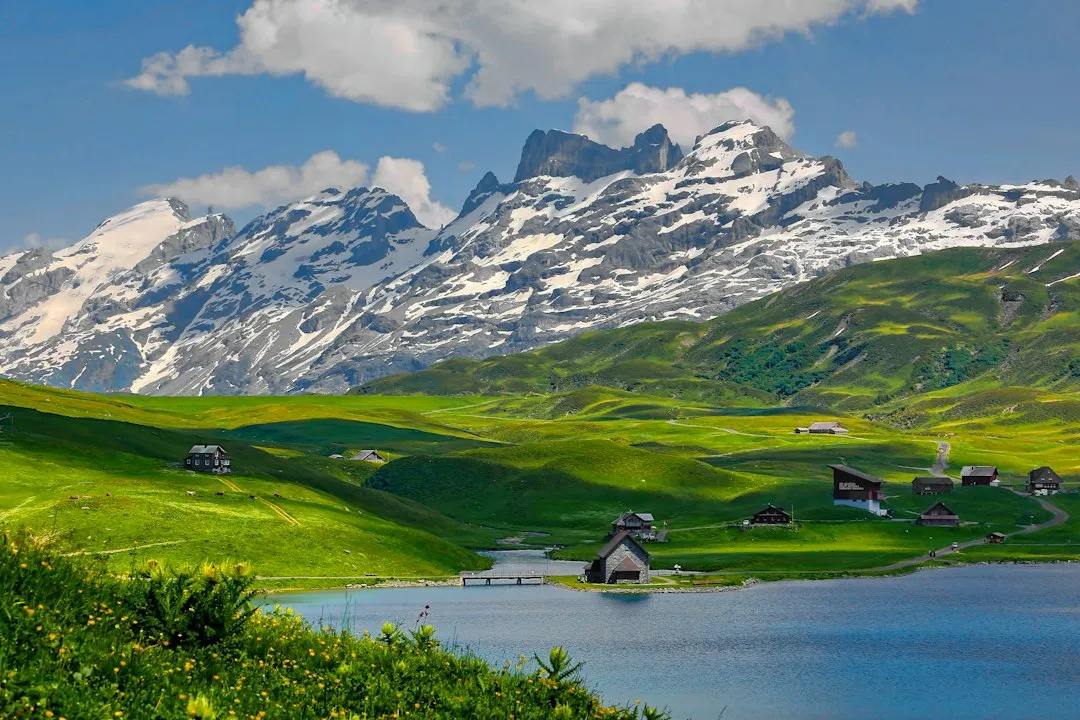
Before getting into the experiences themselves, it helps to understand the kind of destination Switzerland actually is. In 2024, travel and tourism in Switzerland welcomed 11.4 million international arrivals and contributed $67.2 billion to the national economy, representing 7.2% of GDP and supporting 448,000 jobs.
Switzerland welcomed 33.6 million tourists in 2024 in total, with international tourists making up roughly two thirds of all visitors. Those aren’t numbers generated by curiosity alone. They reflect genuine, repeated satisfaction with what the country delivers.
The growth in spending by foreign tourists in Switzerland was explained by the rising number of guests, with a notable increase in overnight stays in hotels and apartments of 3.8% compared to the year prior. Switzerland, it seems, is not a country people skim through quickly.
Experience One: Riding the Glacier Express from Zermatt to St. Moritz
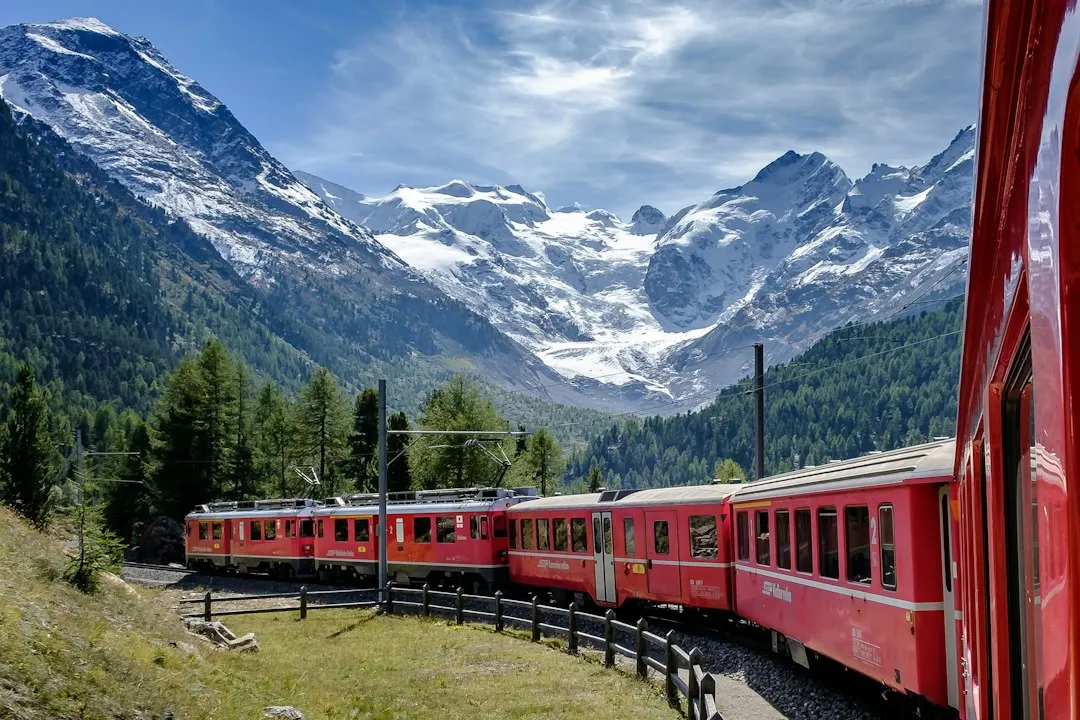
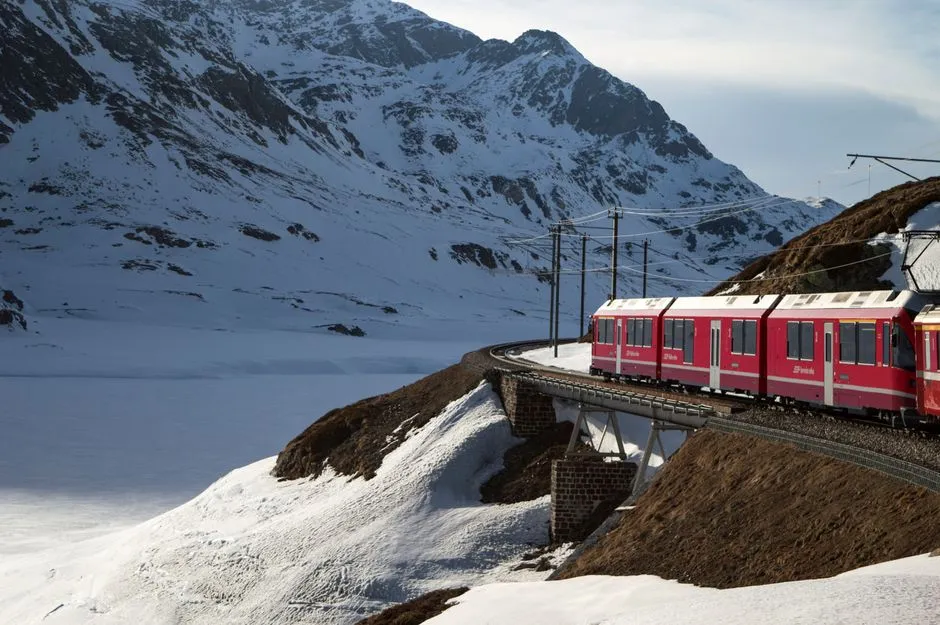
Switzerland’s Glacier Express is an eight-hour train trip around mountains and through gorges in the Swiss Alps, widely regarded as one of the most beautiful train journeys in Europe. That description doesn’t overstate things – if anything, it undersells the cumulative effect of a full day spent watching the Alps slide past panoramic windows at a deliberately unhurried pace.
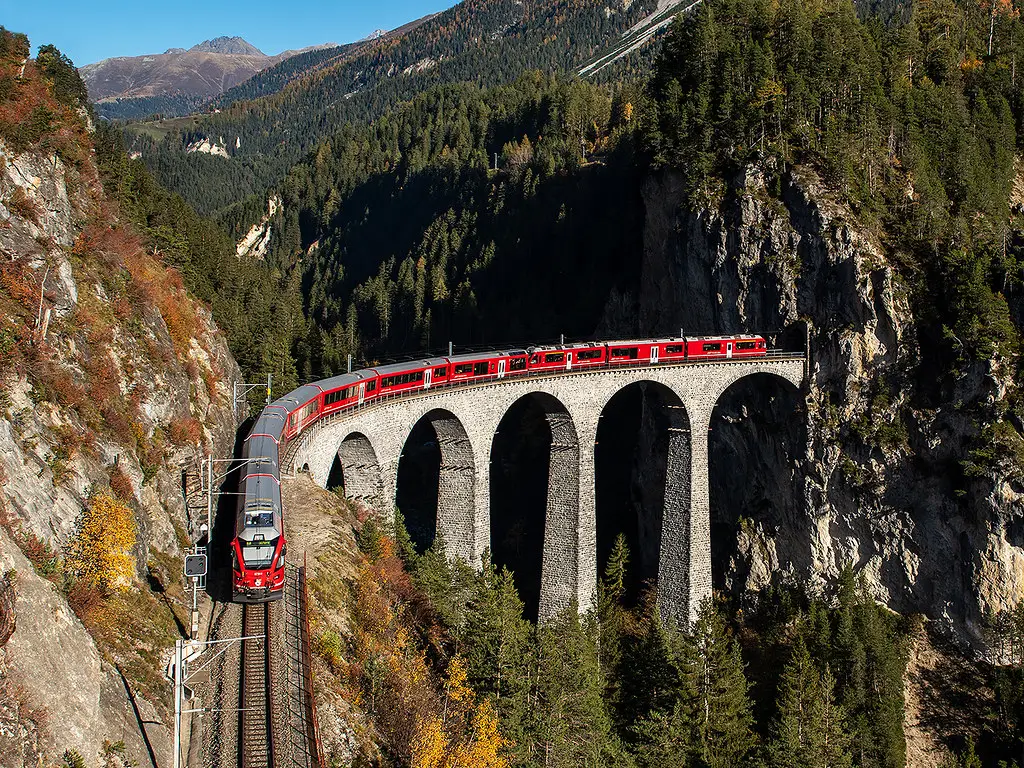
The route crosses over 291 bridges, passes through 91 tunnels, and climbs over the 2,033-metre Oberalp Pass, taking in sights such as the Landwasser Viaduct, the Rhine Gorge known as the “Swiss Grand Canyon,” and the Albula Line. What makes this train ride stand apart from a cable car or a quick gondola is its duration. You’re not consuming a view – you’re living inside one for hours.
With panoramic windows, passengers get unobstructed views of Switzerland’s stunning landscapes including snow-capped peaks, deep gorges, lush valleys, and charming alpine villages, all enhanced by comfortable seating, onboard dining, and an informative travel guide covering the regions along the route. The on-seat dining element matters more than it might sound. The dining car serves Swiss cuisine, including local specialties like raclette and fondue, alongside a selection of fine wines.
Also known as the “slowest express train in the world,” the train runs between St. Moritz and Zermatt on a route of 291 km. That pace is, paradoxically, the point. Switzerland rewards those willing to slow down – and this train makes slowing down feel genuinely luxurious rather than just slow.
Experience Two: Reaching Jungfraujoch, Europe’s Highest Railway Station
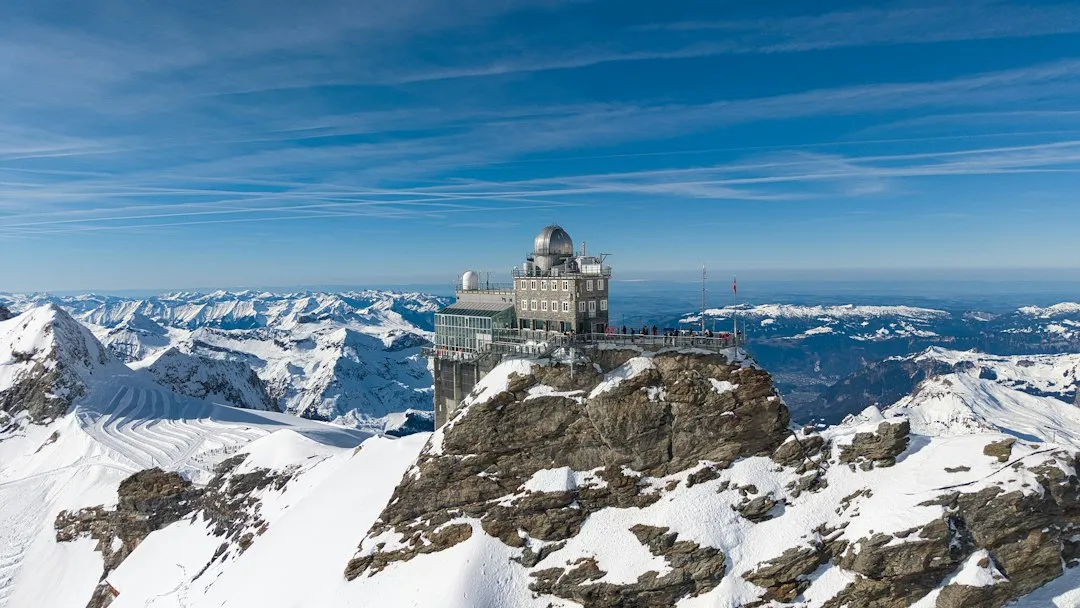
The Jungfraujoch, also known as “Top of Europe,” is the highest viewpoint in Europe accessible by train, located at an impressive 3,454 metres above sea level. Getting there takes commitment and a meaningful amount of Swiss francs. A round-trip journey costs 210.80 CHF. For many travelers, that price point triggers hesitation.
There is nowhere else on earth where a non-mountaineer can stand at 3,454 metres on a permanent snow field, have a meal in a restaurant carved into a cliff, and be back at sea level in two hours. The price reflects a unique experience. That framing is honest, and it holds up.
From the Sphinx Observation Deck, visitors take in the imposing, year-round ice of the Aletsch glacier – part of the UNESCO Swiss Alps Jungfrau-Aletsch World Heritage Site – accessed via a high-speed lift that ascends 108 metres in only 25 seconds. From the various lookouts, visitors get sweeping views of towering peaks and the Aletsch Glacier, the longest glacier in the Alps, stretching over 20 kilometres.
The Sphinx Hall and the Ice Palace are connected by a 250-metre-long corridor, where the chill is intensified by thirty commemorative plaques bearing witness to the sacrifices made by miners during the construction of the railway. That history adds a dimension that most mountain excursions simply don’t have – standing there feels earned, not just purchased.
Experience Three: The Glacier Express’s Excellence Class Dining
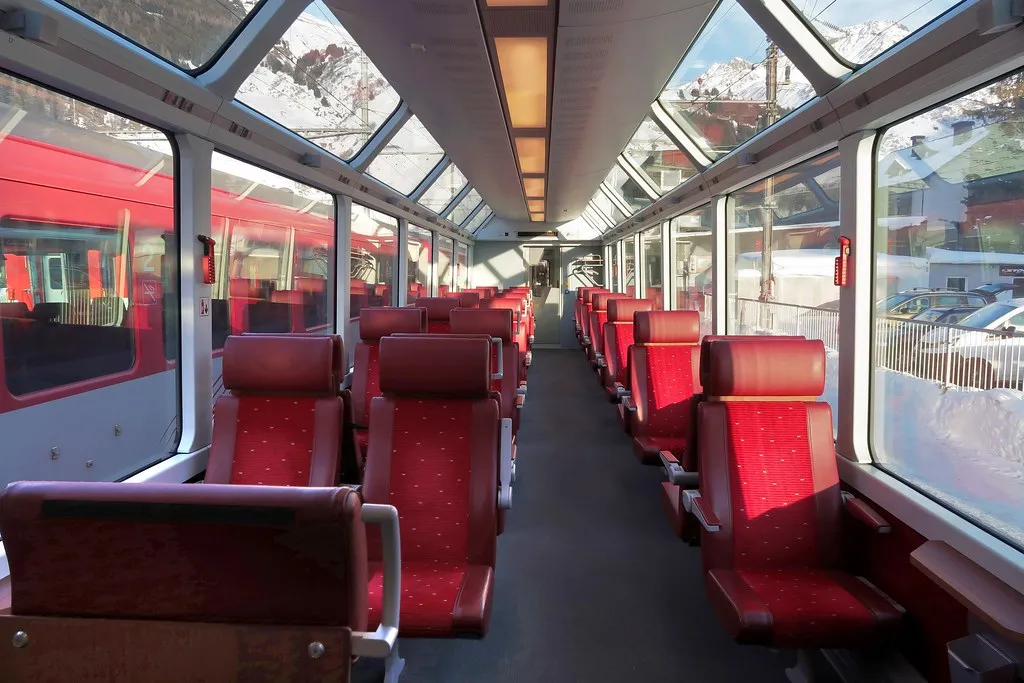
The Glacier Express deserves its own dedicated section on food. While the journey itself is the headline, the onboard dining experience in Excellence Class turns what could be a passive train ride into something closer to a long, leisurely meal with extraordinary views between courses. This isn’t the kind of thing you find in a conventional railway carriage.
The real highlight of the Glacier Express Excellence Class isn’t only the scenery – it’s the sheer luxury of the overall experience, which is what truly makes it unforgettable. If it’s within your budget, or even if you have to stretch a little to make it happen, it’s genuinely worth every penny.
The train features spacious, comfortable seats with large windows that provide unparalleled views of the passing scenery, with first-class compartments offering even more space and comfort. The combination of Swiss hospitality, precision service, and alpine scenery creates a kind of suspended moment that’s hard to manufacture any other way. It’s one of those rare travel experiences that actually delivers what it promises.
Experience Four: A Fondue or Raclette Dinner in an Alpine Setting
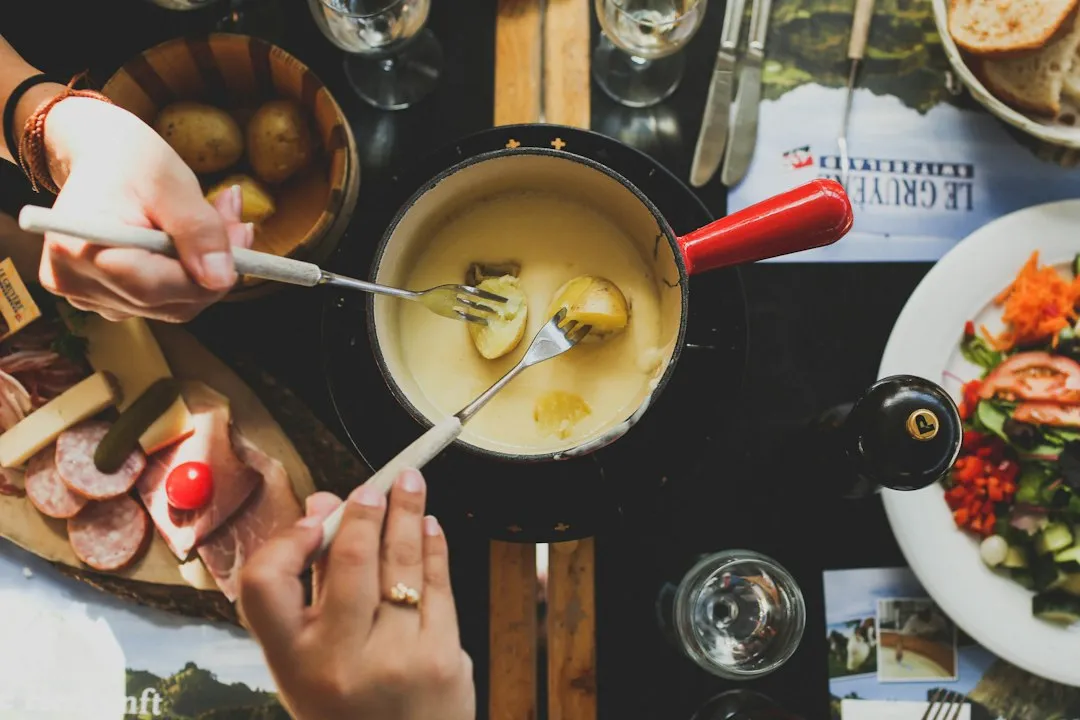
Swiss fondue is, genuinely, different when you eat it in Switzerland. Not because the cheese is magically different from what can be sourced elsewhere, but because the ritual, the setting, and the pace of the meal are inseparable from the experience. Sitting inside a wooden mountain restaurant with snow outside the window and a shared pot of Gruyère at the centre of the table is one of those things that resists being replicated at home.
A pot of fondue shared between two people costs roughly CHF 25 to 35, which represents genuinely good value for a memorable meal by Swiss standards. That’s worth noting. In a country where most expenses feel elevated, fondue is one category where the price-to-experience ratio tilts meaningfully in the traveler’s favor.
Raclette – melted cheese scraped over potatoes, cornichons, and pickled onions – follows similar logic. It’s a slow meal, meant to be drawn out over conversation and a glass of local white wine. Visiting a local alpine cheese dairy offers an authentic and high-quality culinary experience, where fresh mountain cheeses and traditional platters of local specialties can be sampled for around $25 to $40 including a glass of regional cider or wine. The point isn’t the food itself in isolation – it’s the entire atmosphere that surrounds it.
What the Swiss Travel Pass Adds to All of This
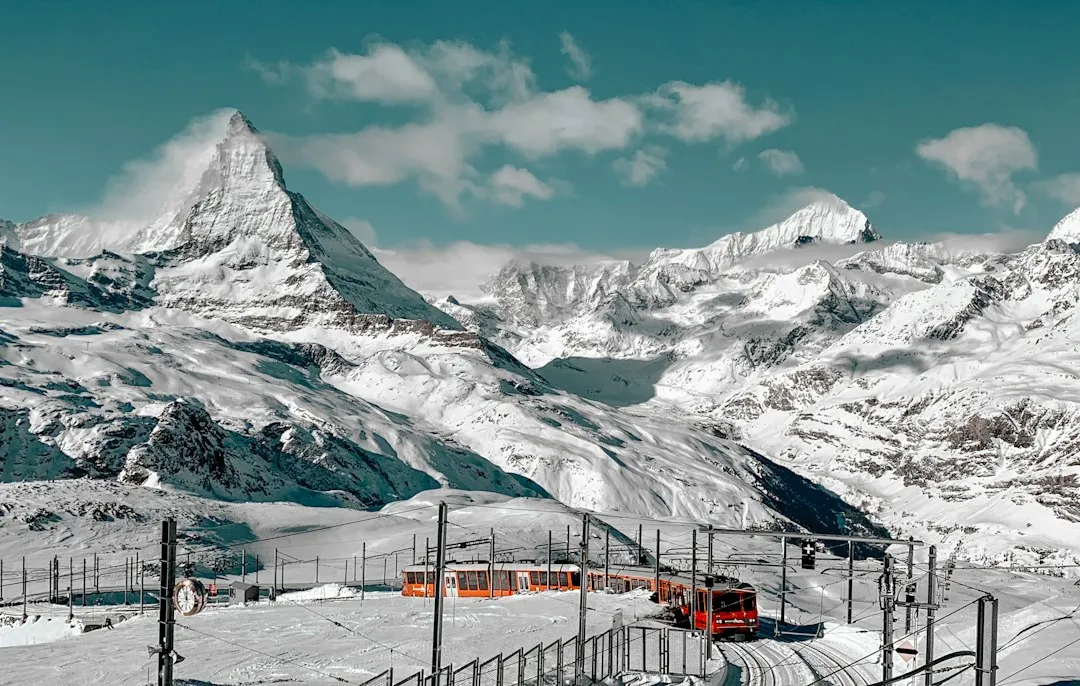
The Swiss Travel Pass is a smart choice for active travelers visiting multiple regions, providing unlimited travel on the SBB network – trains, buses, and boats – for a flat fee. If any of the four experiences above are on your itinerary, the pass changes the financial calculation significantly.
The pass includes free entry to over 500 museums and covers unlimited access to premium panoramic routes. Holders also receive substantial discounts, usually around half price, on expensive mountain railways like Mount Pilatus or Gornergrat. For a traveler moving through multiple regions across a week, that combination of inclusions and discounts absorbs a meaningful share of what Switzerland would otherwise cost per experience.
Travelers who plan to move around a lot find this pass essential. It feels like a steep upfront cost, but the freedom to hop on any train without buying a ticket is, practically speaking, priceless. That last point holds especially true when spontaneous decisions – a late afternoon train to a lake village, an impromptu detour through a mountain pass – are what make Switzerland feel alive rather than itinerary-driven.
The Cost Reality, Honestly Stated
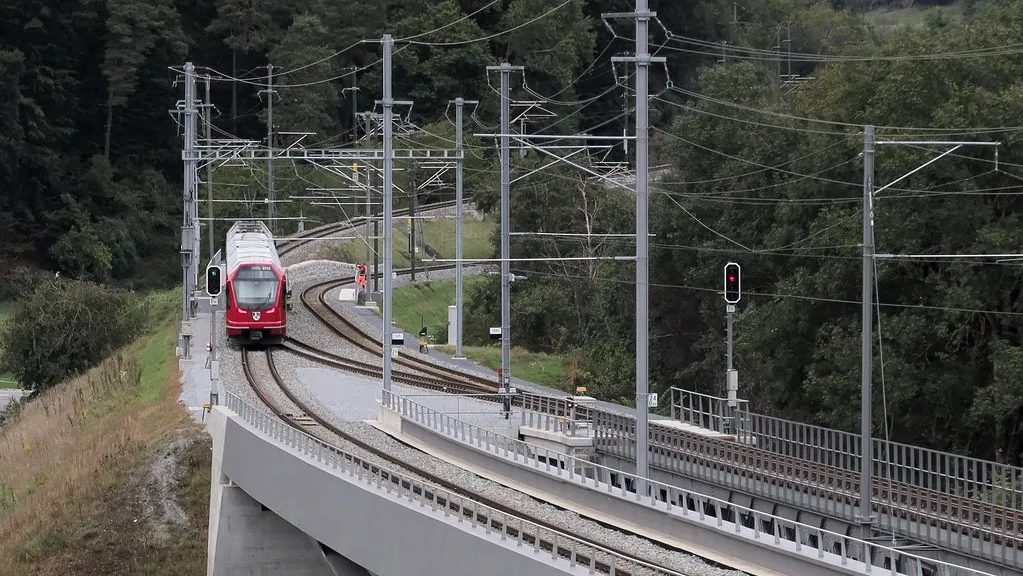
Switzerland is generally 40 to 80 percent more expensive than France, Germany, Austria, and northern Italy. That gap is real, and it’s worth being clear-eyed about it before you go. Budget planning matters here more than in most European destinations.
The average cost to visit Switzerland is approximately CHF 1,500 per international trip in 2024, with international visitors spending roughly CHF 200 to 250 per day, and total trip costs ranging from CHF 1,500 to 2,500 for a week-long visit. Those figures reflect an average – not the floor, and not the ceiling.
Many visitors find that Switzerland’s higher costs come with higher quality across accommodation, dining, and transport. That observation is consistent with what the overall demand data suggests. Record tourist spend and overnight stays in 2024 show strong demand and high value per visitor. People are not being coerced into returning – they’re choosing to.
A Note on Responsible Travel in Switzerland
Switzerland’s popularity creates genuine pressure on certain areas. The Jungfraujoch and the villages of the Bernese Oberland regularly experience crowding during peak summer months, and some local communities have raised concern about the volume of visitors in sensitive alpine areas. Traveling thoughtfully here means choosing shoulder seasons when possible, respecting trail guidelines, and being mindful of noise and waste in protected landscapes.
Switzerland offers numerous free experiences, from hiking pristine alpine trails to wandering the medieval streets of Lucerne and Bern. Spreading your time between paid headline experiences and slower, quieter moments benefits both the traveler and the places being visited. A long walk through Graubünden farmland or an afternoon beside a mountain lake costs nothing and leaves almost no trace.
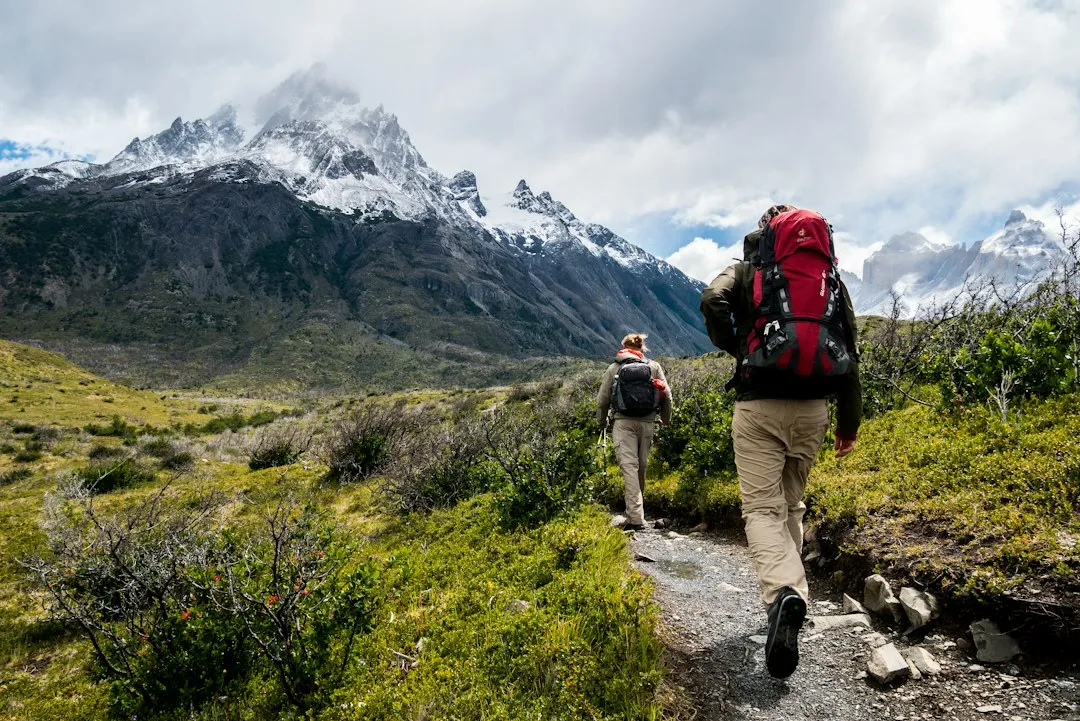
The Swiss trail network, with its careful signage and maintenance, makes this kind of responsible, unhurried exploration genuinely accessible. Hiking in Switzerland is free and world-class, with a trail network that is exceptionally well-maintained with clear signage. That’s a fact worth remembering when the overall budget starts to feel stretched.
How to Make It Feel Worth Every Franc
The travelers who leave Switzerland feeling the splurge was justified tend to share a few habits. They move slowly, choosing two or three regions to explore deeply rather than skimming across six. They eat lunch at local restaurants rather than tourist-facing spots, where weekday specials called mittagsteller or tagesmenü offer a balanced two-course meal for around $20 to $35 – a significant saving compared to evening prices.
They also build their itineraries around the four experiences above rather than treating them as add-ons. The Glacier Express, Jungfraujoch, a fondue dinner in an authentic alpine setting, and the freedom unlocked by the Swiss Travel Pass form a logical core around which the rest of a Swiss itinerary can be shaped. These aren’t tourist boxes to check – they’re the experiences that give the other moments their context.
Planning around what genuinely moves you, rather than what appears most in travel photography, is the most sustainable approach to a destination this layered. Switzerland rewards intentionality more than impulse.
The Takeaway
Switzerland is expensive. That’s true, and there’s no narrative around it worth spinning. What’s equally true is that the country’s flagship experiences – riding the Glacier Express slowly through the Alps, standing at 3,454 metres above sea level on a permanent snowfield, eating melted cheese by firelight in a mountain village – are not easily replicated anywhere else at any price point.
The splurge, at its best, isn’t about luxury for its own sake. It’s about access to moments that exist only in this particular combination of geography, engineering, culture, and natural beauty. Switzerland offers those moments consistently, which is precisely why the rising number of guests and a 3.8% increase in overnight stays in 2024 tell a more honest story than any marketing campaign could.
Go prepared, go purposefully, and give yourself enough time to let the country actually land. That’s the only version of Switzerland worth paying for.
AI Disclaimer: This article was created with the assistance of AI tools and reviewed by a human editor.