
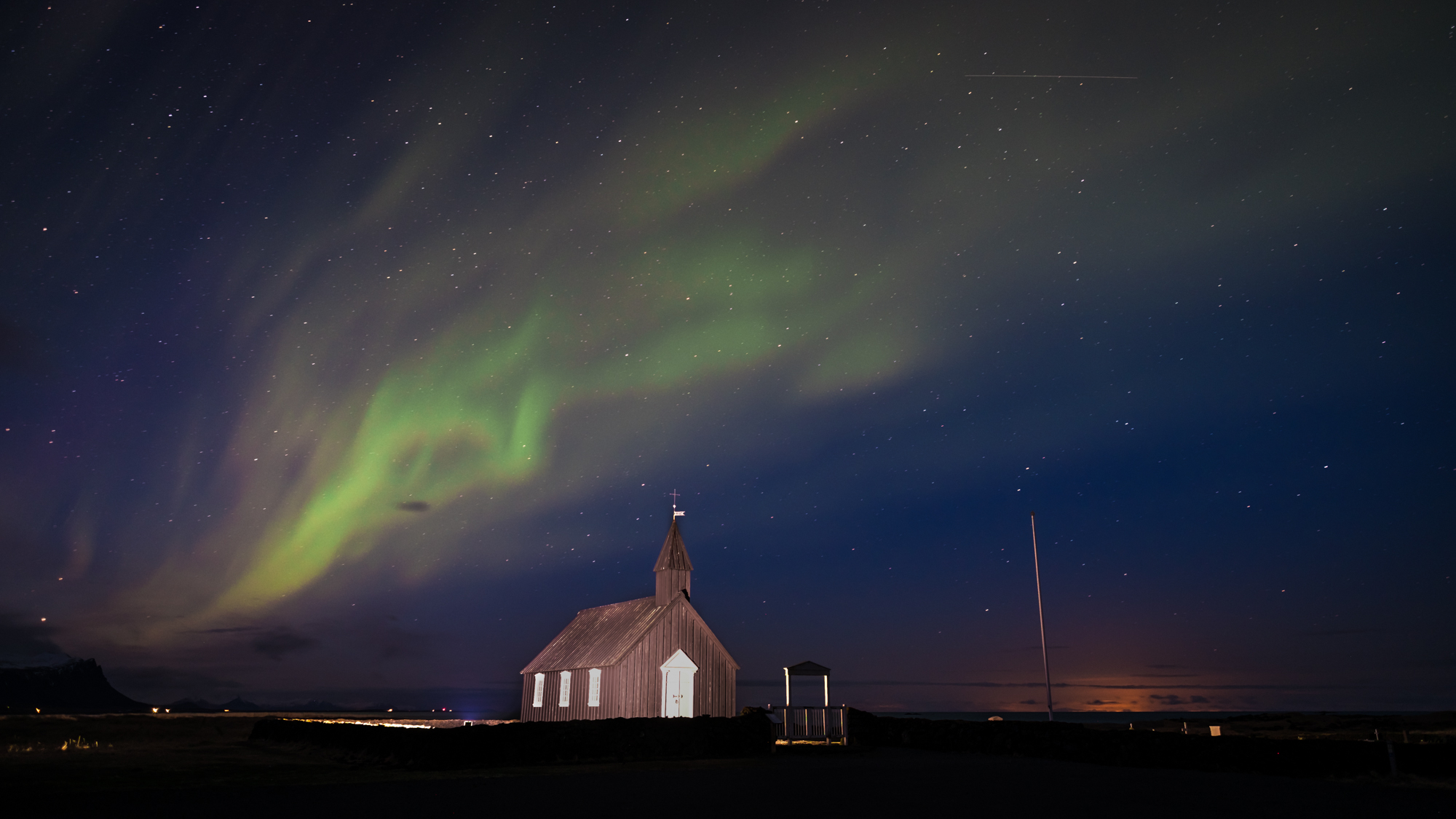

Iceland is a place that resists easy description. It sits on the Mid-Atlantic Ridge, a volcanic hotspot where two tectonic plates slowly pull apart, and that geological restlessness shapes everything about it: the land, the light, the way time itself feels different here. Roughly the size of Kentucky, it holds landscapes that seem pulled from different planets, all within a few hours’ drive of each other.
What makes Iceland genuinely singular, though, isn’t just the scenery. It’s a short list of experiences that exist nowhere else on Earth, experiences that aren’t marketing language but geological and astronomical fact. These are four of them.
Descend Into a Volcano’s Magma Chamber
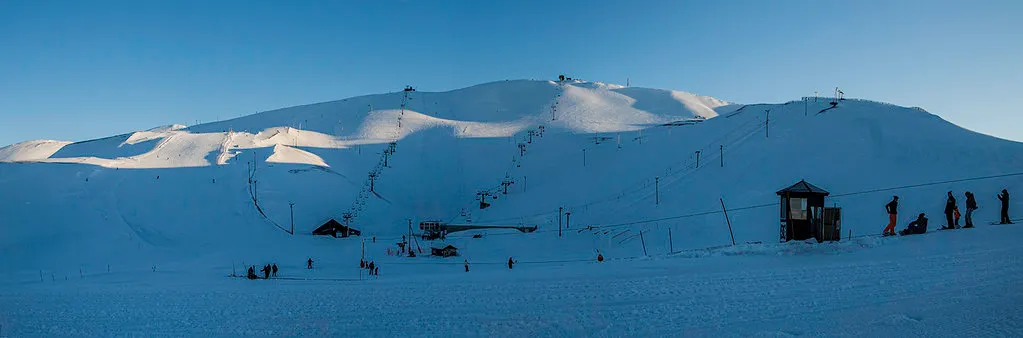
Hidden among the Bláfjöll mountains just outside Reykjavík, Þríhnúkagígur is the only volcano on Earth whose magma chamber you can step inside. Most volcanoes seal themselves shut when they go dormant. When most volcanoes become dormant, their magma chambers cool and solidify, filling with hardened rock. Þríhnúkagígur is different: when this volcano last erupted approximately 4,000 years ago, instead of solidifying in place, the magma drained away through underground channels, leaving behind an enormous empty chamber.
The chamber walls are streaked with reds, oranges, yellows, purples, and greens from different mineral deposits. Visitors descend 120 meters via an open-cage elevator through the narrow volcanic vent into this vast underground space, guided by the “Inside the Volcano” tour operation.
This geological anomaly means that Þríhnúkagígur is the only volcano on Earth where humans can safely descend into and explore a magma chamber. The space left behind is truly massive, large enough to contain the Statue of Liberty, with a floor area equivalent to about three basketball courts. Tours run from May 5 to October 30, with several departures daily. Each tour lasts approximately five to six hours, including transfers and around 40 minutes inside the crater, where temperatures remain at a chilly 3°C.
Snorkel Between Two Tectonic Plates
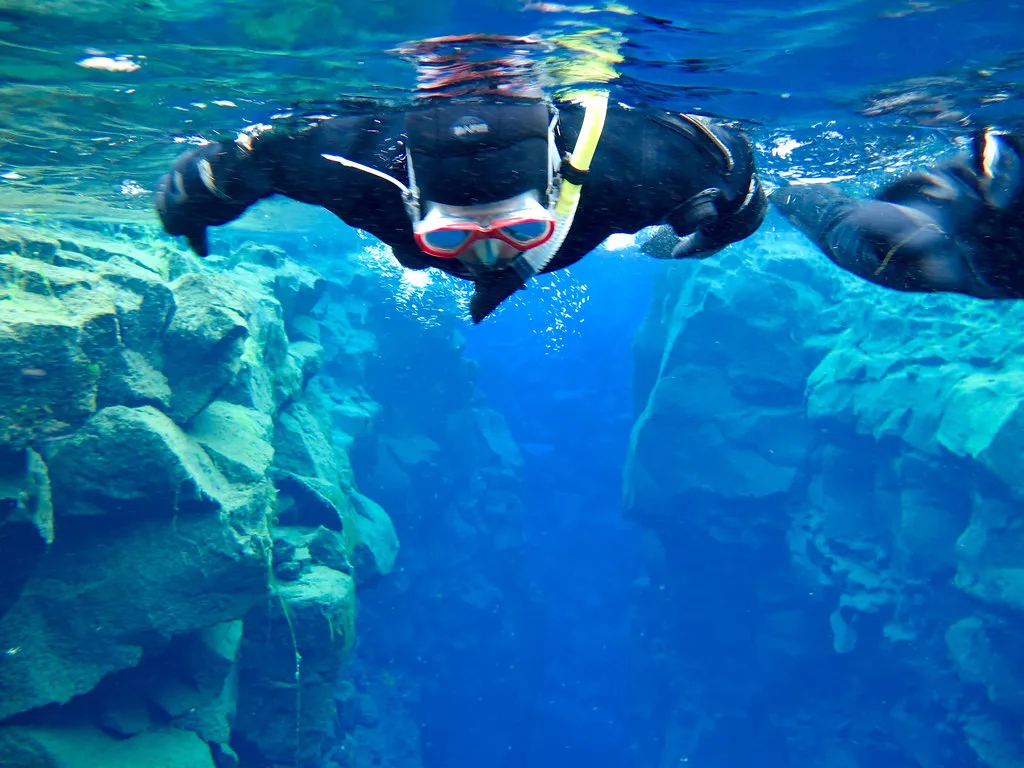
In Silfra, at Þingvellir National Park, you can dive between and touch the Eurasian and North American continental plates. The fissure is the crack left behind as these two plates slowly drift apart, and it fills with glacial meltwater filtered through porous lava rock for decades before it surfaces. The Silfra fissure in Þingvellir National Park is filled with glacial water that has been seeping through underground lava rocks for decades, producing the clearest water on Earth. The fissure allows for over 100 metres of visibility.
You can do this all year round as well. Snorkelling in the fissure is an even more unique experience when the surroundings are covered with ice and snow. The water temperature stays close to 2°C regardless of season, which is where the dry suit comes in. It’s cold in the best possible way: bracing, clarifying, and completely unlike anything you’ll find elsewhere.
There’s something quietly profound about floating in the gap between continents. You can even drink the water as you swim, it is so clean. Þingvellir was also the birthplace of Icelandic politics, and today it has emerged as a once-in-a-lifetime adventure destination. Both things are true at once, which feels very Icelandic.
Witness the Midnight Sun
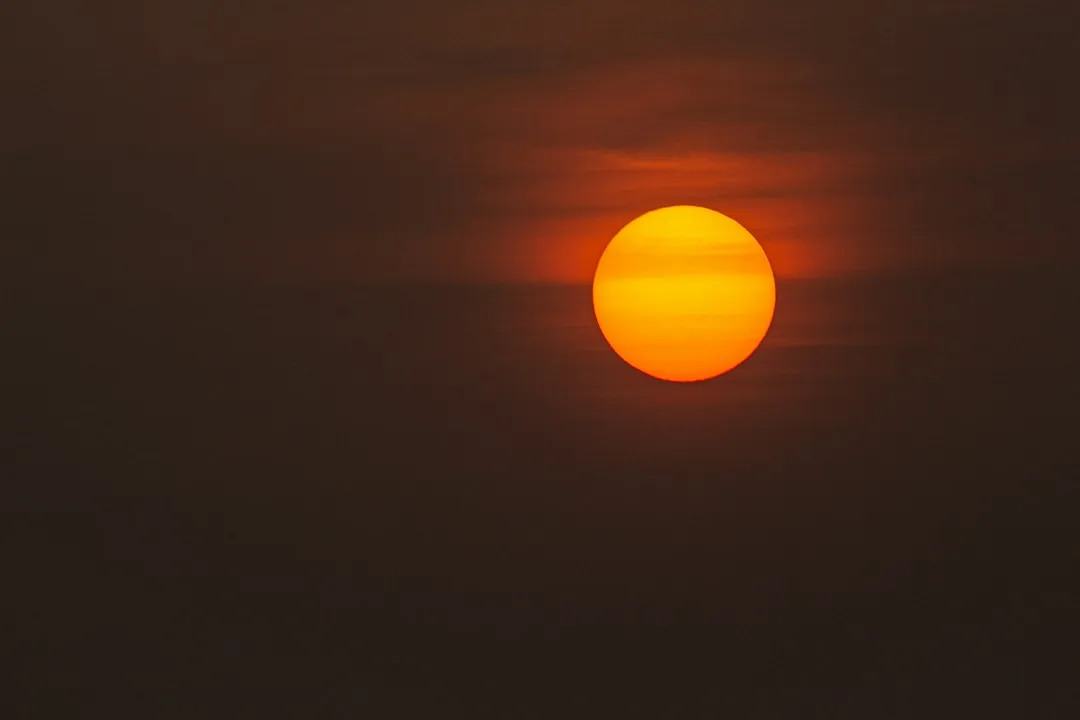
In Iceland, the Midnight Sun refers to a roughly two-week period when the sun is visible or almost visible in the sky around the clock. From about the middle of June through the month’s end, the sun never fully sets. The longest day in Iceland is around June 21, with roughly 21 hours of sunlight. The effect is strongest in the north, but the whole country stays bright, with golden-hour light lingering through the night. You can hike, sightsee, and take photos at any hour, even past midnight.
The peak is around the summer solstice on June 21, when Reykjavík experiences approximately 24 hours of usable daylight. The northern island of Grímsey, which sits directly on the Arctic Circle, receives full 24-hour sunlight on the solstice.
Jónsmessa is Iceland’s most famous festival to celebrate the bright summer. This night is thought to be one of the four most magical and powerful nights in Iceland. The Midnight Sun isn’t just a phenomenon you observe. It genuinely restructures your sense of time, making an evening hike at 11 PM feel perfectly ordinary, and that disorientation is part of its charm.
Hunt the Northern Lights at the Peak of a Solar Cycle
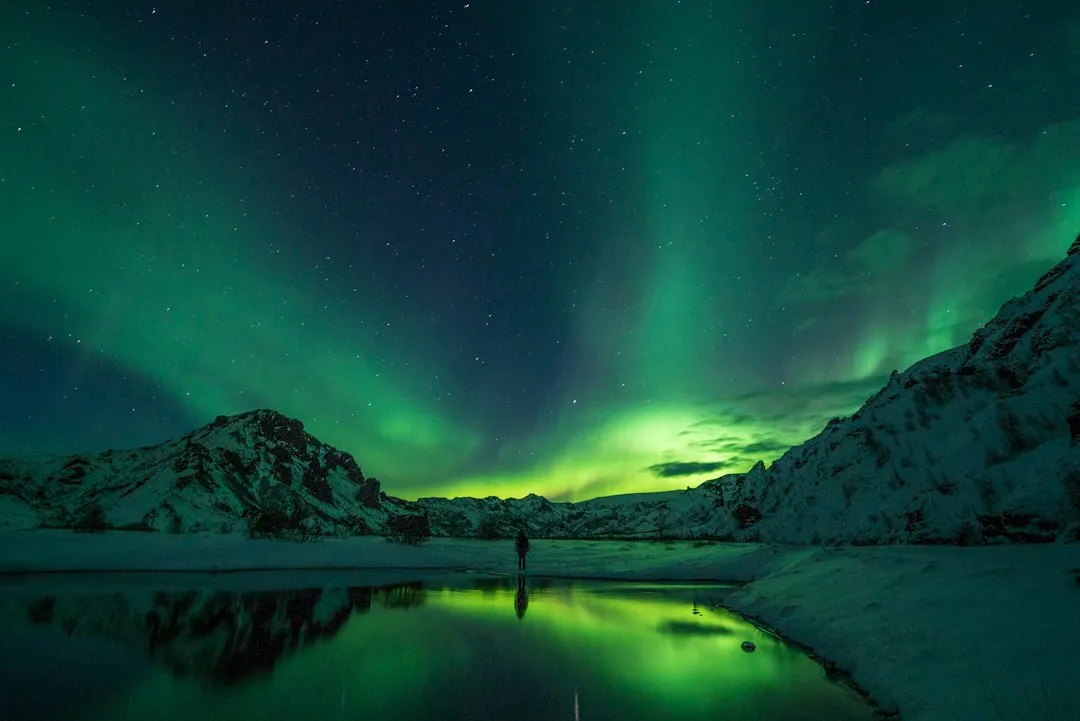
The Northern Lights are visible over Iceland from late August to mid-April each year. Though they can’t be relied upon to materialise at a specific time or even a specific day, they show up randomly against dark skies throughout this period. When they do, the sight of these ethereal arcs, ribbons, and curtains is captivating.
Solar Cycle 25 reached its peak in late 2024, producing powerful aurora storms visible across Iceland. Solar activity is forecast to stay elevated through 2026 and into 2027, producing frequent geomagnetic storms over Iceland. We’re in 2026, and solar activity remains elevated following the peak of the 11-year solar cycle in 2024 to 2025. This means brighter, more frequent, and more dynamic auroras compared to quieter solar years, making 2026 an excellent time to plan a Northern Lights adventure.
While Iceland isn’t the only place in the world to view the Northern Lights, the Nordic country’s location near the Arctic Circle means the light show can be visible for more than 100 nights per year. It’s a known fact that geomagnetic storms peak around the spring and autumn equinoxes, meaning increased chances of seeing aurora. The science is measurable, but the experience of standing under a sky that’s genuinely moving and alive in green and violet is something that resists being reduced to data.
The Takeaway
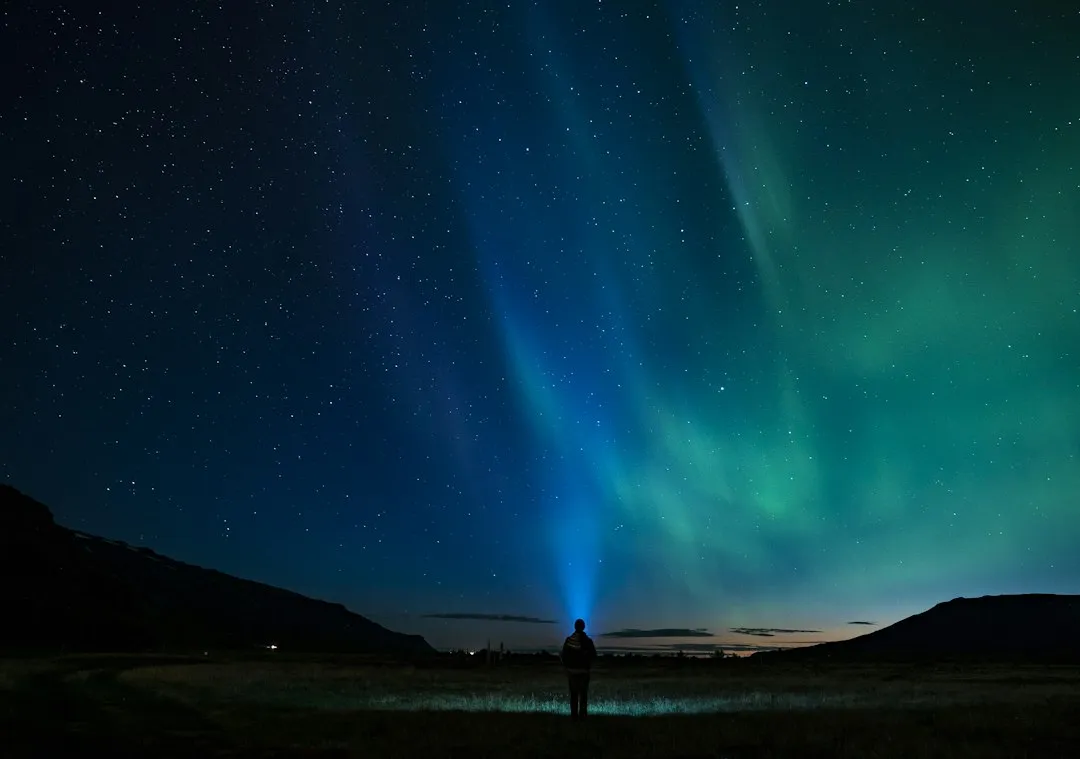
Iceland rewards specificity. The four experiences described here aren’t simply “best done in Iceland,” they are, in each case, only possible in Iceland, or most meaningfully encountered here. Descending into a magma chamber, drifting between continents in glacial water, watching the sun trace a low arc at midnight, and standing beneath a solar-maximum aurora are all things that belong to this particular island and the unusual physics it sits upon.
Travel to Iceland is at its most fulfilling when approached with that awareness: not as a checklist, but as a genuine encounter with a landscape that operates by its own rules. Come prepared to be patient, stay curious, and let the place set the pace.
AI Disclaimer: This article was created with the assistance of AI tools and reviewed by a human editor.