
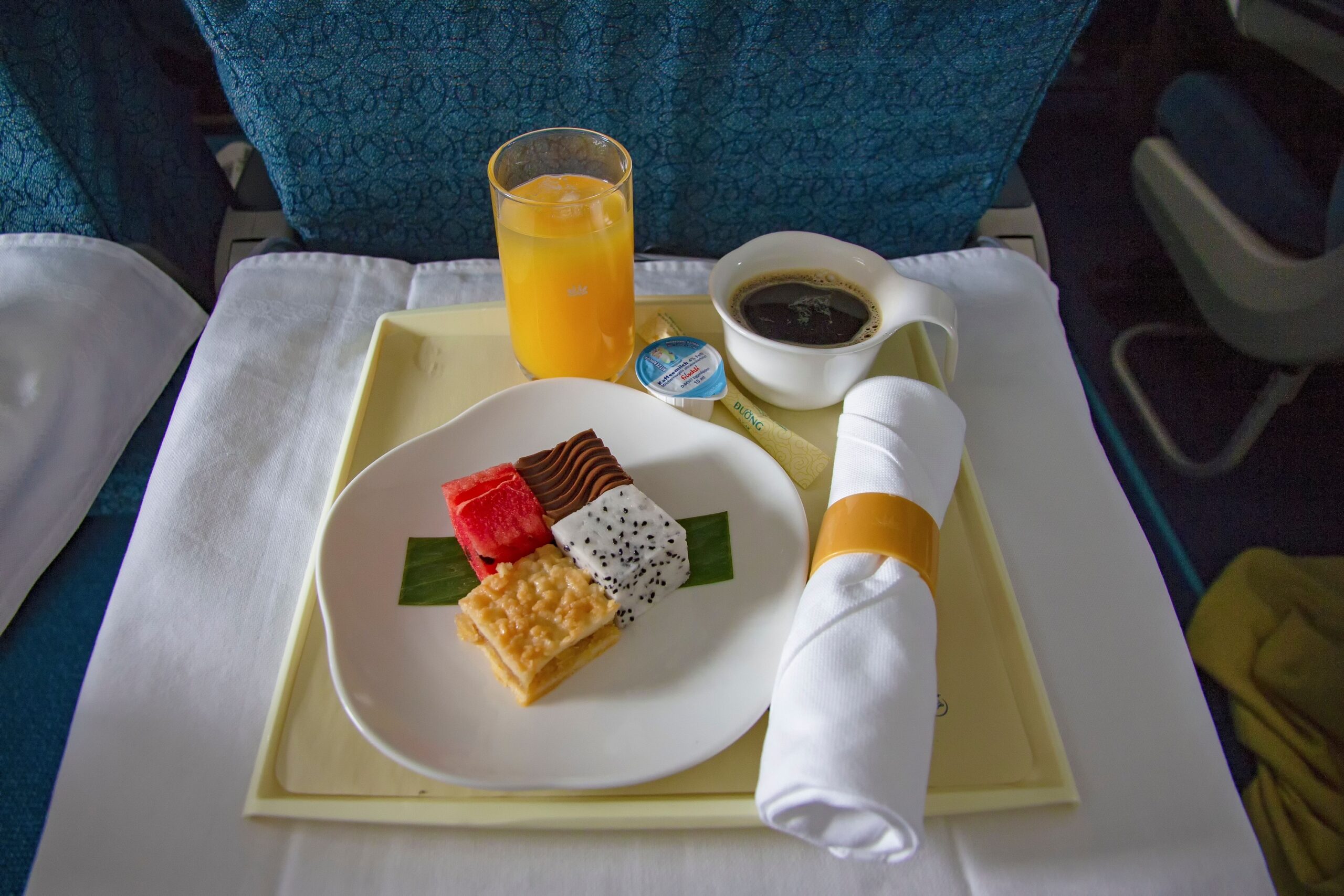

How Airline Food Is Made: The Ground Reality
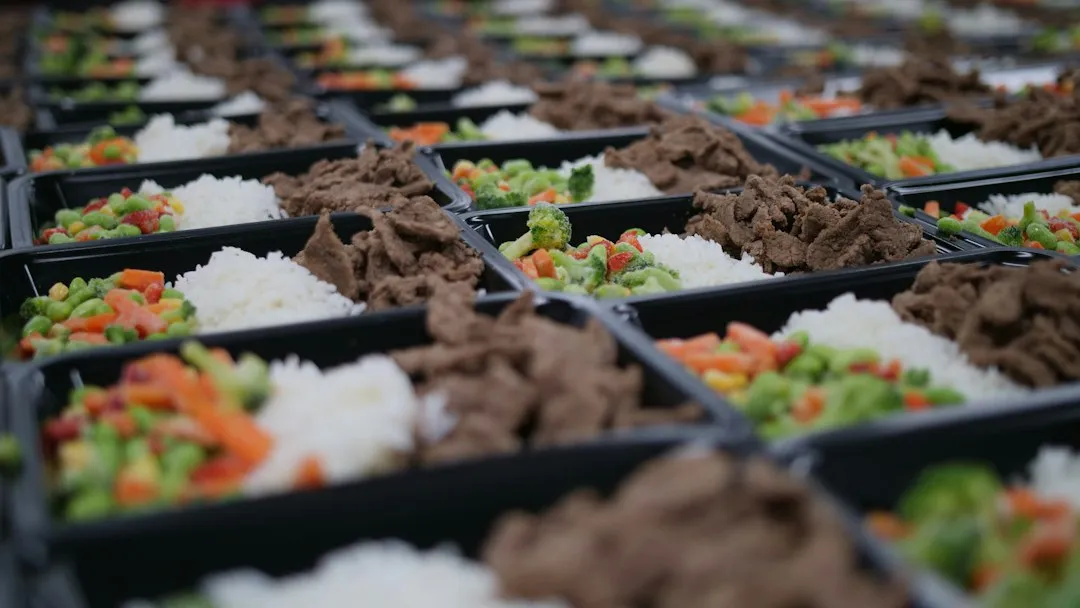
Meals are cooked hours in advance, then blast-cooled to prevent bacterial growth, and are designed to finish cooking midair during final reheating. The process must be so fast and efficient that meals are transported from the stove to cold storage in under 90 minutes.
All food is cooked until it reaches a core temperature of roughly 150 degrees Fahrenheit, then placed on a conveyor belt to go through a spiral glass chiller. A dedicated hygiene department checks chilled items for temperature, and all food items are barcoded with their quality and temperature before being taken into storage. Chefs typically prepare meals eight hours before a flight, and hot food items have a shelf life of 72 hours, though the team usually works within a 43-hour window.
What’s remarkable is that airline food has to be cooked to only 90 percent doneness, because the final step of heating happens onboard. This design-forward approach means the best airline meals are essentially engineered, not just cooked.
The Braised and Slow-Cooked Dishes Win Every Time
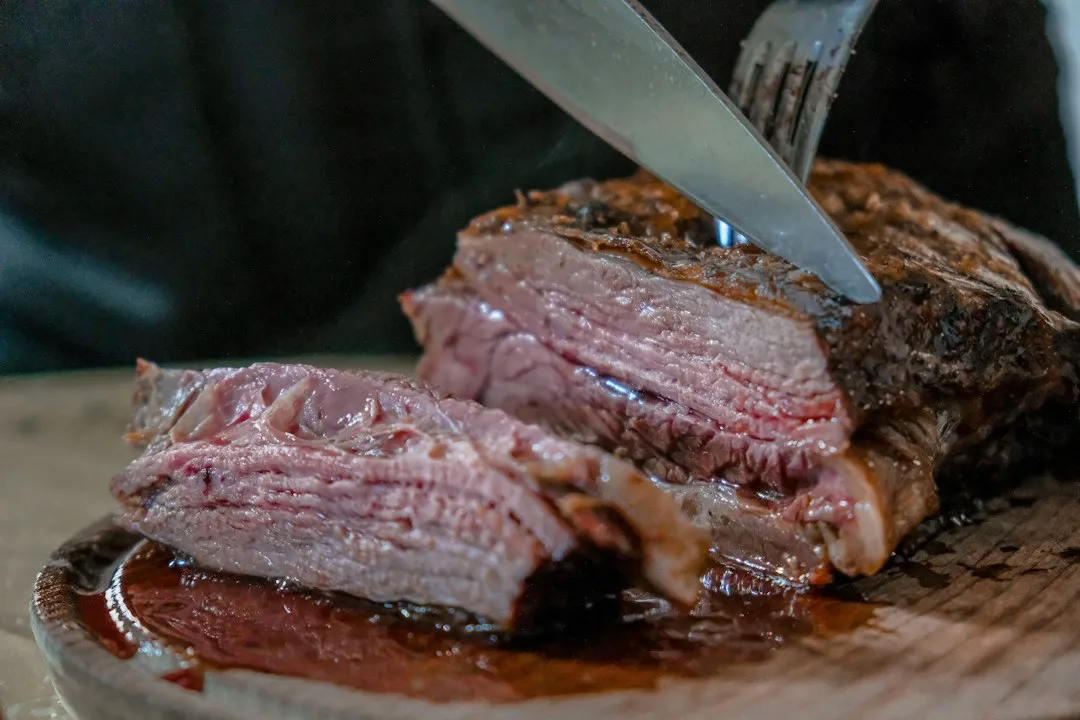
Items which cook low and slow and are forgiving of reheating tend to dominate the best-of lists. Fatty lamb entrees, for instance, are excellent on the ground and hold up beautifully when reheated in a tight galley.
This pattern shows up consistently in experienced flyer reviews. Delta’s short ribs are really all they are hyped up to be – moist, flavorful, and tender. United’s braised osso buco, with savory braising jus, golden Milanese risotto, and char-grilled asparagus spears, has been singled out as a winner – delicious and unique.
The science here is straightforward. Collagen-rich cuts like lamb shoulder, short rib, and osso buco actually improve under slow, moist heat. The galley reheating process, far from degrading them, simply continues what the ground kitchen started.
The Special Meal Is Often the Freshest Option
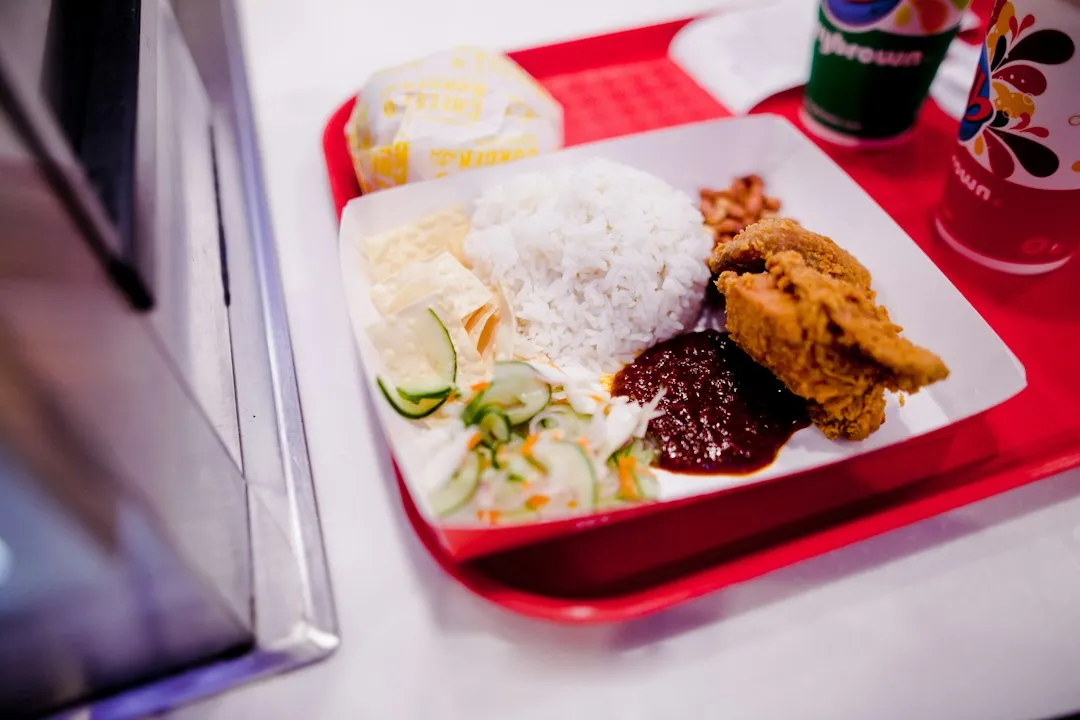
There are requests for ketogenic meals, Ayurvedic combos, and even liquid-only diets for medical passengers. Some airlines, like Emirates, Etihad, and Singapore Airlines, also offer in-flight meals that are freshly prepared or assembled on board by world-class chefs.
Special dietary meals, ordered in advance, are prepared separately from the main batch. Because they serve a smaller, specific group, they tend to move through the production and chilling cycle closer to departure time, which means less time sitting in cold storage. Freshness, in this context, really is tied to timing.
The key is ensuring special meals remain uncontaminated and are clearly labelled so the crew doesn’t mix them up onboard – mistakes here can be particularly serious, especially for those with allergies. Pre-ordering a special meal is worth it for more than just dietary reasons; it’s one of the simplest ways to eat better in the air.
The Pre-Order Menu Is a Different Category Entirely
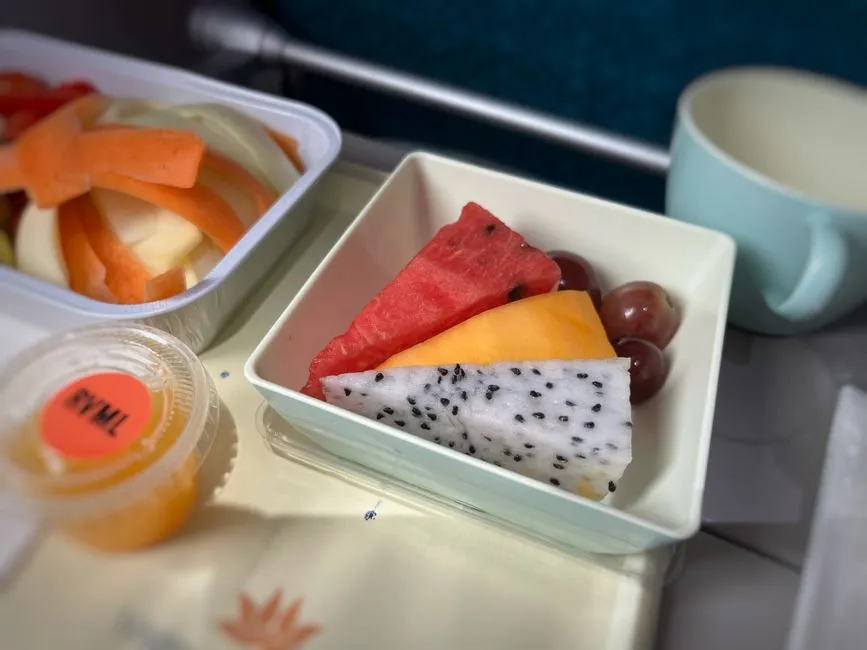
Many airlines now offer a “Book the Cook” or pre-order system, and the difference in quality is notable. A pan-seared pink snapper with artichoke barigoule, San Marzano tomato confit, and smoked eggplant puree, available exclusively from a pre-order menu on a LAX-Copenhagen flight, drew particular praise.
Pre-ordered meals are typically prepared in smaller quantities, handled with more attention, and treated as premium items within the catering facility. The ingredients chosen for these menus tend to be selected with reheating resilience in mind, which means they often arrive at the tray table tasting exactly as they were designed to.
Salads and Cold Dishes: Surprisingly Reliable
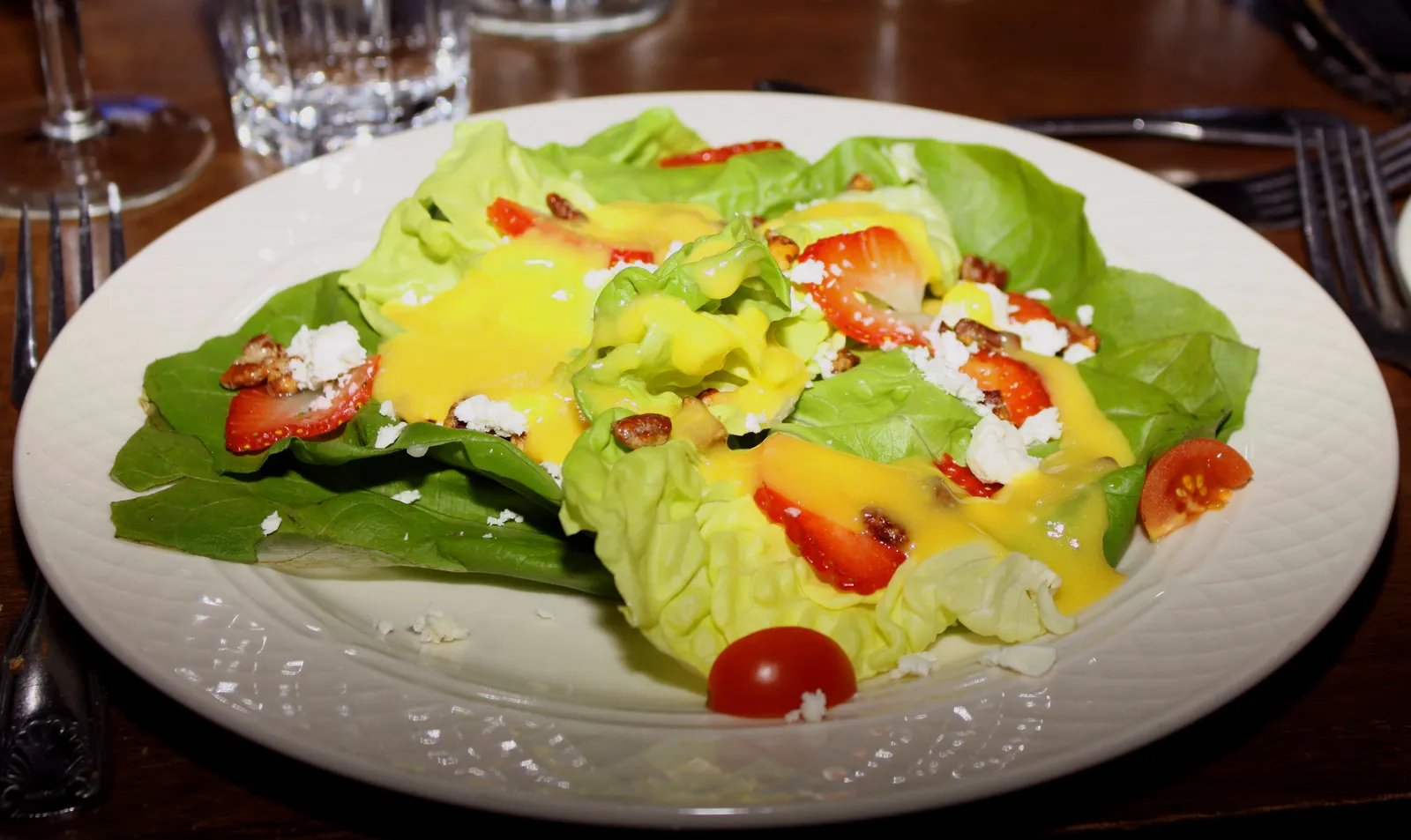
Meals that aren’t heavy or overly rich are something passengers appreciate on long-haul flights. Salad options that are fresh and thoughtfully prepared, often including creative ingredients, provide a light and refreshing start to the meal.
Cold dishes sidestep the reheating variable entirely. Since they don’t need to be warmed in a galley oven, there’s no risk of the protein becoming rubbery or the sauce separating. JetBlue’s cold lunch in economy class on transatlantic routes, for example, has drawn genuine commendation for being fresh and delicious.
The logic here applies broadly. Any cold dish that travels well and doesn’t rely on oven reheating has a structural advantage in terms of perceived freshness. Fresh fruit, grain-based salads, and cold proteins tend to be among the most consistent performers across any cabin class.
Flying Chefs and On-Board Assembly Change Everything
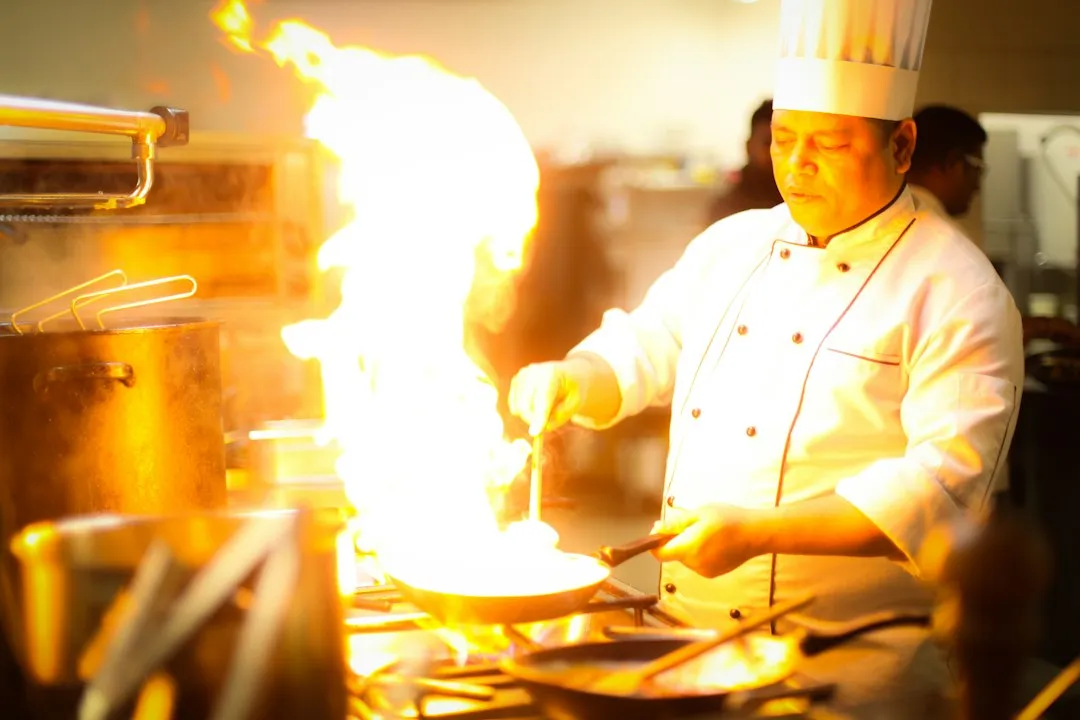
Turkish Airlines took home the Best Business Class Catering award at the 2025 Skytrax Awards. The Flying Chef program puts real culinary professionals on long-haul flights, with each chef required to have at least three years of experience in five-star hotels, cruise ships, or gourmet restaurants.
Every long-haul Turkish Airlines business class flight includes a Flying Chef, who personally oversees the preparation and presentation of meals. The airline is frequently praised for serving some of the best food in the air, with a focus on both quality and variety.
When a trained chef is assembling and finishing dishes in the galley rather than simply reheating pre-plated trays, the result is measurably different. Around 85 percent of ingredients are sourced from local producers across Türkiye, which gives every dish a sense of place rarely found at altitude.
The Role of the Catering Giant Behind Your Meal
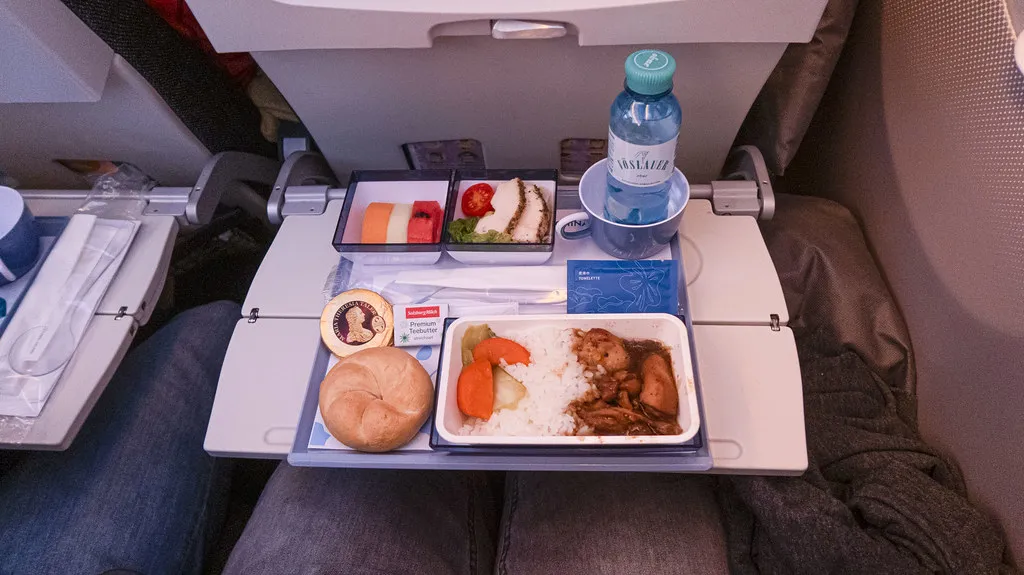
Gategroup, the largest airline caterer in the world, works with airlines including Delta Air Lines, Virgin Atlantic, Air France, and Air Canada, and by 2024 the goal was to continually raise the bar regardless of where passengers are seated.
Airline catering surged in recent years, growing by over a billion dollars from 2022 to 2023 alone, from roughly 15.7 billion dollars to nearly 17 billion dollars, and is still expected to grow significantly by 2027. That kind of industry growth has pushed catering companies to invest more seriously in both food quality and freshness standards.
In addition to culinary innovations, airline catering services like Gategroup are also striving to reduce their environmental impact by presenting more sustainable packaging, dishware, cups, and cutlery. Fresher sourcing and reduced waste tend to go hand in hand with higher overall food quality.
What AI and Technology Are Doing for Food Safety
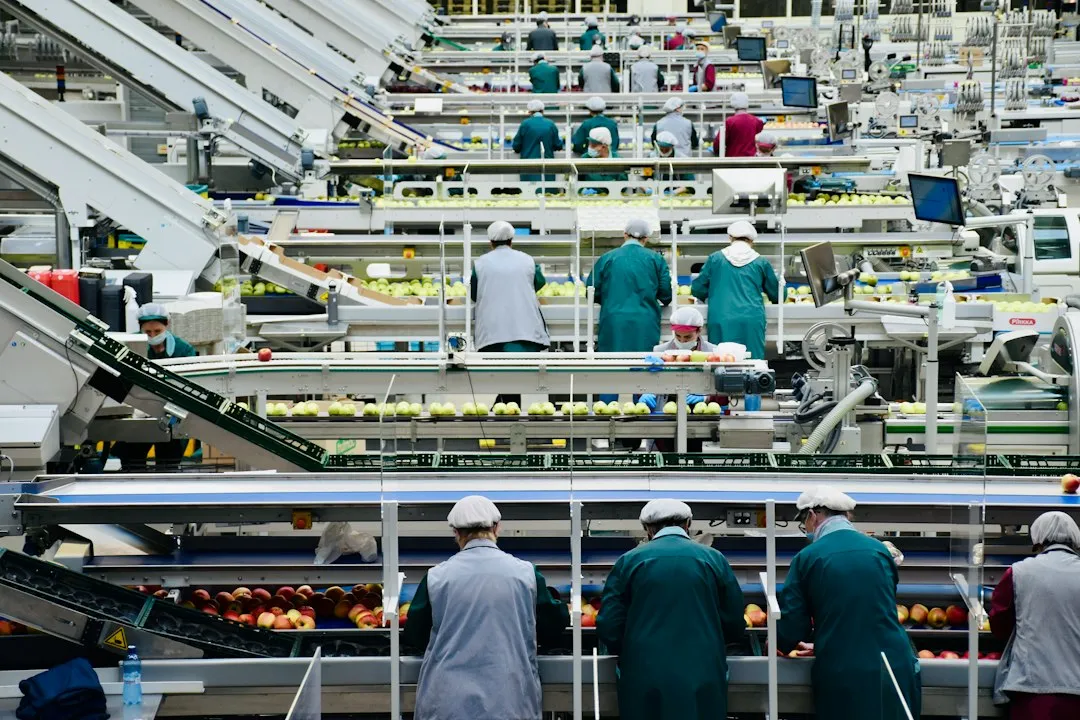
One of the primary hurdles to achieving consistently safe food on airlines is the difficulty of real-time monitoring once food leaves the ground. Since food is prepared hours before it is consumed, it passes through varied temperature zones – from airport kitchens to airplane galleys where refrigeration options are often limited. The quality and safety of food can degrade during transportation, storage, or in-flight service, heightening the risk of foodborne pathogens.
Machine learning algorithms can analyze vast amounts of data from various stages of the food supply chain, identifying patterns and potential hazards. AI can analyze historical temperature and humidity data during food transportation and storage to predict when food is likely to spoil or exceed safety parameters.
AI is also reducing food waste by up to 30 percent through precise demand forecasting and by controlling losses attributed to transport inefficiencies, which globally cause roughly a fifth of food spoilage. For passengers, this translates to food that is more consistently at its best when it reaches the tray.
Why Altitude Changes What Tastes Fresh to You
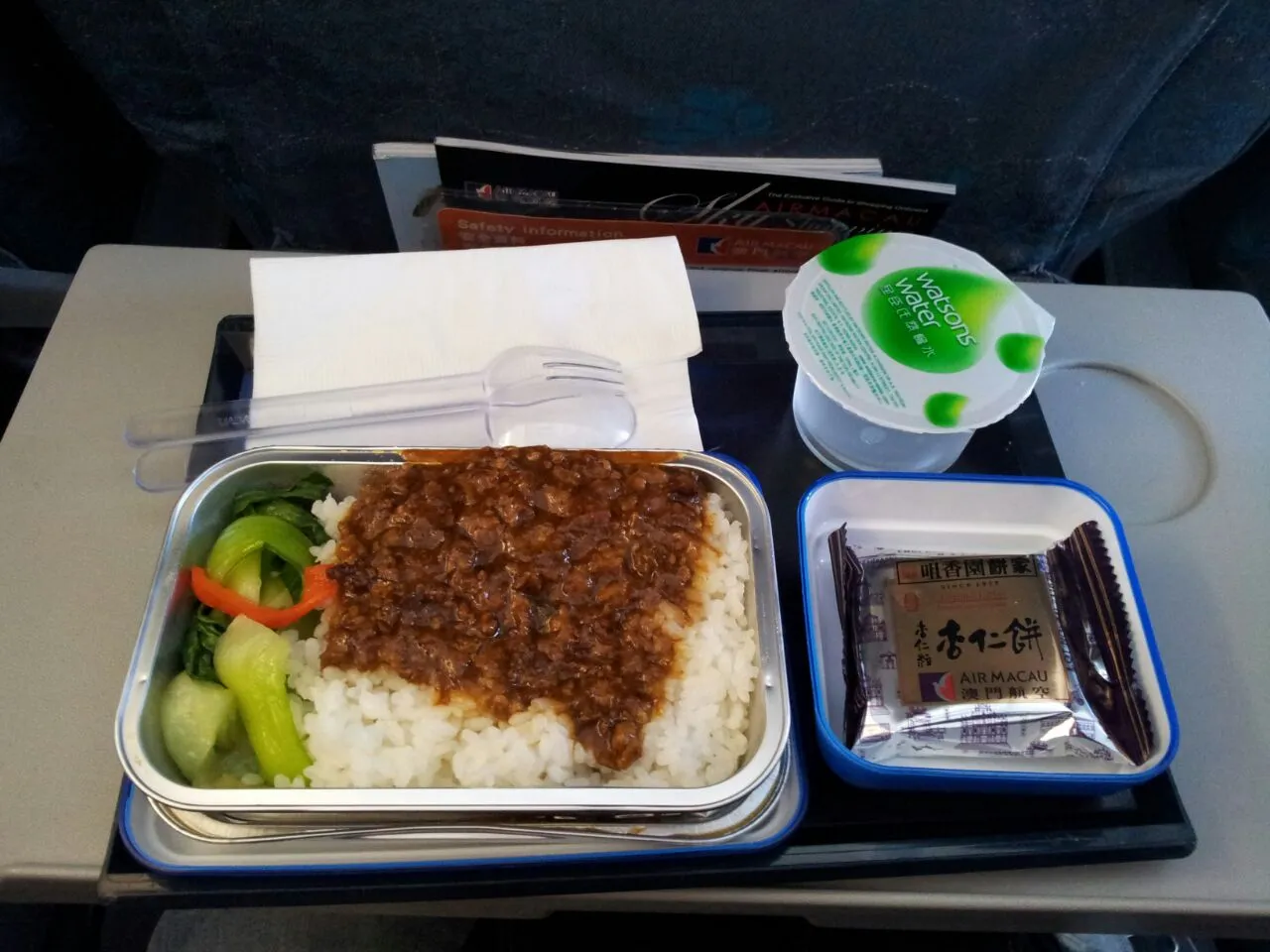
Altitude affects your sense of taste and smell, making flavors seem duller. Airlines compensate by seasoning dishes more aggressively and focusing on umami-rich ingredients. In business class, improved storage and reheating technology helps preserve flavor and texture, so meals taste fresher and closer to restaurant quality.
Airlines like British Airways and Japan Airlines use simulated galley conditions to build menus that are bold, satisfying, and still recognizable after time in a box. Every bite is carefully crafted to awaken your senses at altitude, often featuring spices, acidity, and umami-packed sauces.
This means freshness at altitude isn’t just about ingredient quality. It’s also about whether a dish was designed with the in-cabin environment in mind. Menus that account for altitude’s dampening effect on taste perception tend to taste more vibrant and alive, regardless of when they were prepared.
What Passengers Actually Value Most
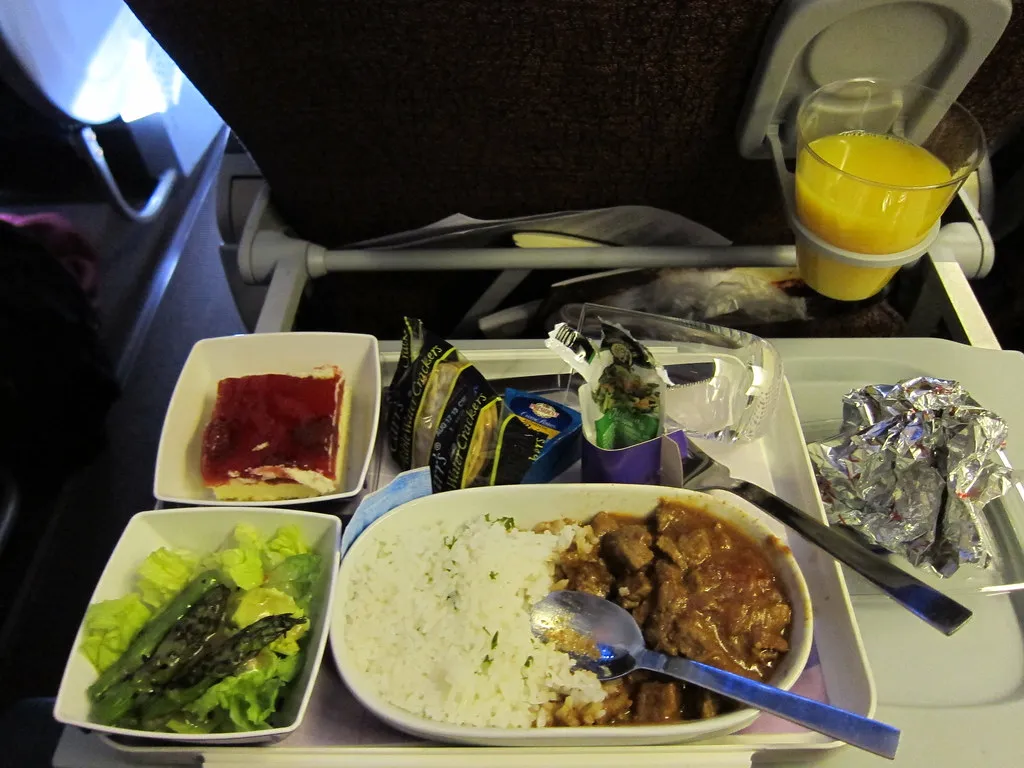
Freshness and healthiness of food served are important for passengers, and research has found that a large majority – nearly 85 percent – show medium to high positive perception of food safety on flights.
The quality of catering is an important factor in overall satisfaction with airline service. While passengers may not have high expectations of food and beverage service during travel, the freshness and healthiness of food are consistently cited as important to them.
Research confirms that food presentation accounts strongly for passenger appraisal due to visual cues, and food presentation is likely to serve as a signal for how food promotes or degrades one’s health because it enables passengers to guess ingredients and freshness. In short, how a meal looks on the tray still shapes how fresh it actually seems.
The Takeaway
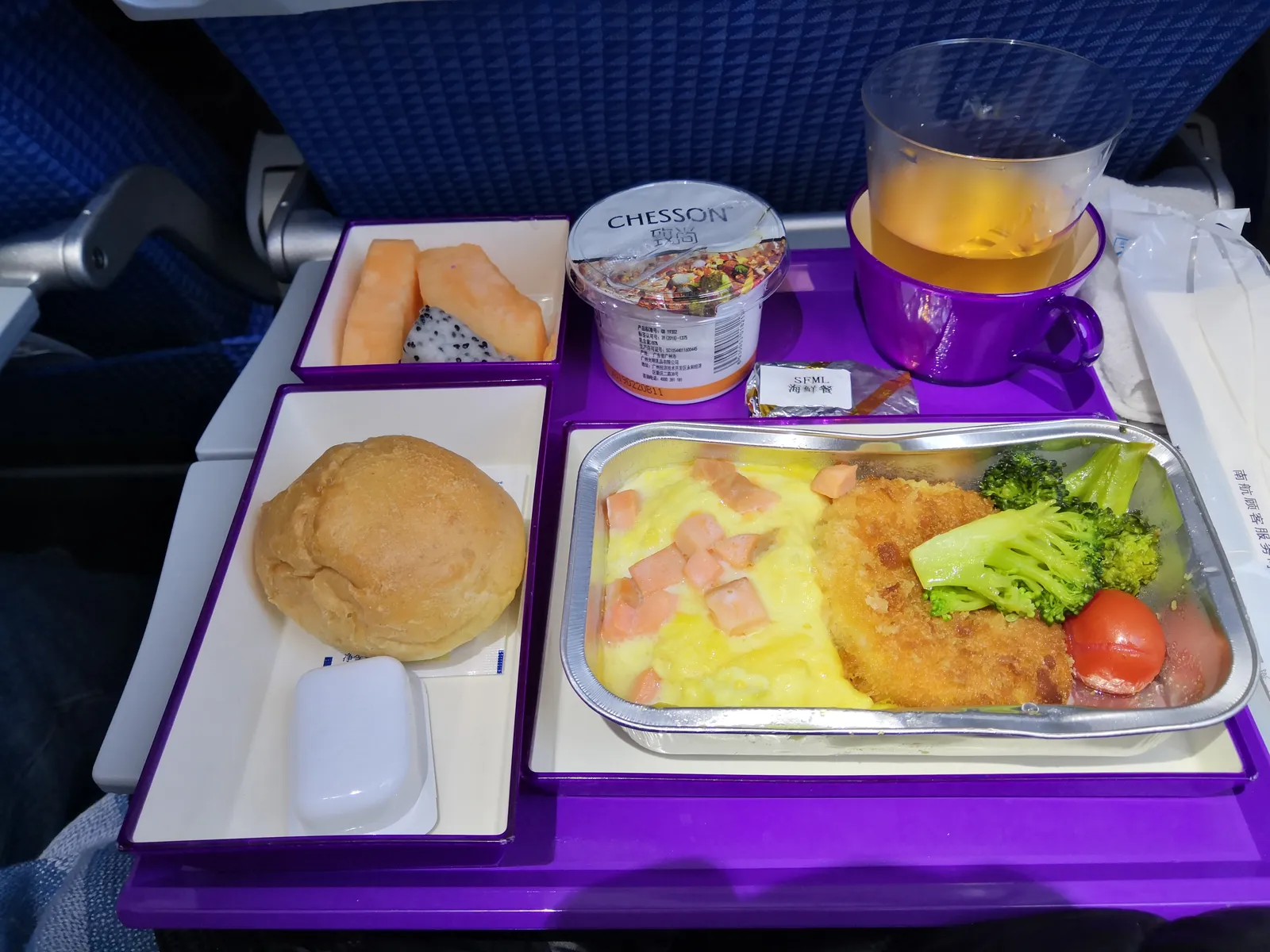
There’s a clear pattern across the research, the catering industry data, and the accumulated experience of frequent flyers: braised and slow-cooked proteins, pre-ordered dishes, special dietary meals, and cold-assembled options consistently outperform the standard reheated tray in terms of freshness and quality. These aren’t lucky picks – they’re structurally better suited to the constraints of the galley.
The best thing a passenger can do is treat the meal selection process as deliberately as the catering crews treat the production process. Pre-order where possible, favor dishes designed to reheat gently, and think about cold options as a genuine first-choice rather than a fallback. Airlines that invest in local sourcing, onboard chefs, and temperature-controlled logistics are rewarded with noticeably better results – and so are the passengers sitting down to eat at 35,000 feet.
AI Disclaimer: This article was created with the assistance of AI tools and reviewed by a human editor.