
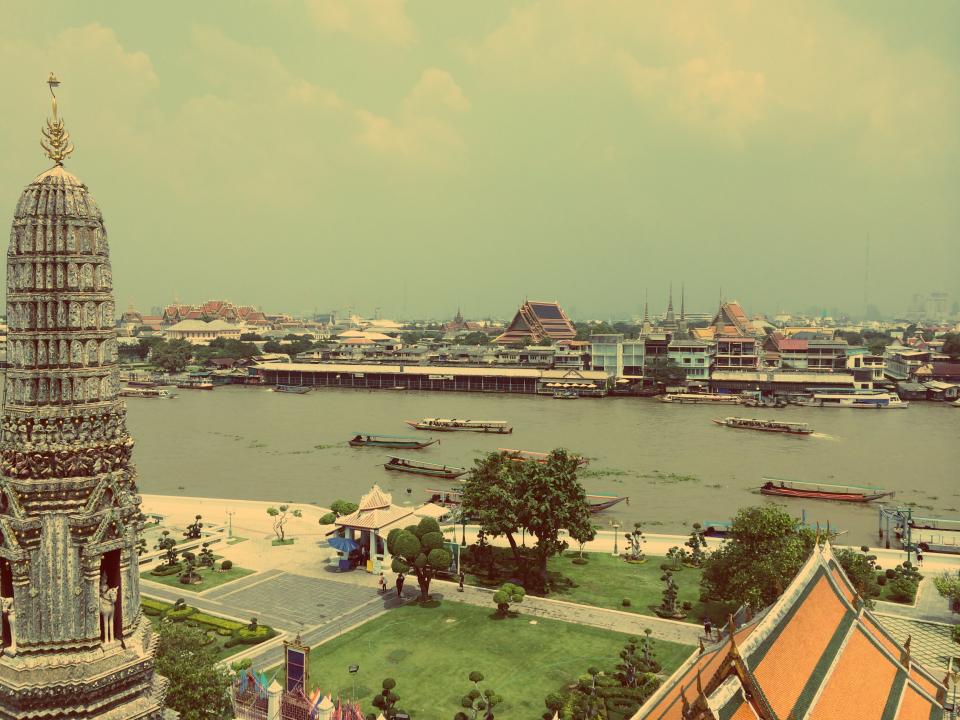

Thailand has long sat in a category of its own. It’s one of those rare places that manages to deliver something genuinely different to almost every kind of traveler, whether you arrive chasing temples, coastlines, wildlife, or a plate of noodles so good it stays with you for years.
The Tourism Authority of Thailand confirmed that international tourist arrivals surpassed 35 million in 2024, generating over 1.8 trillion baht in tourism revenue. That kind of gravity doesn’t happen by accident. Thailand’s status as a tourism hotspot remains firmly intact, and it was named Travel + Leisure’s 2025 Destination of the Year. These aren’t small accolades. They point to a country that keeps earning its place on people’s travel shortlists, and for good reason.
Spending Time at an Ethical Elephant Sanctuary
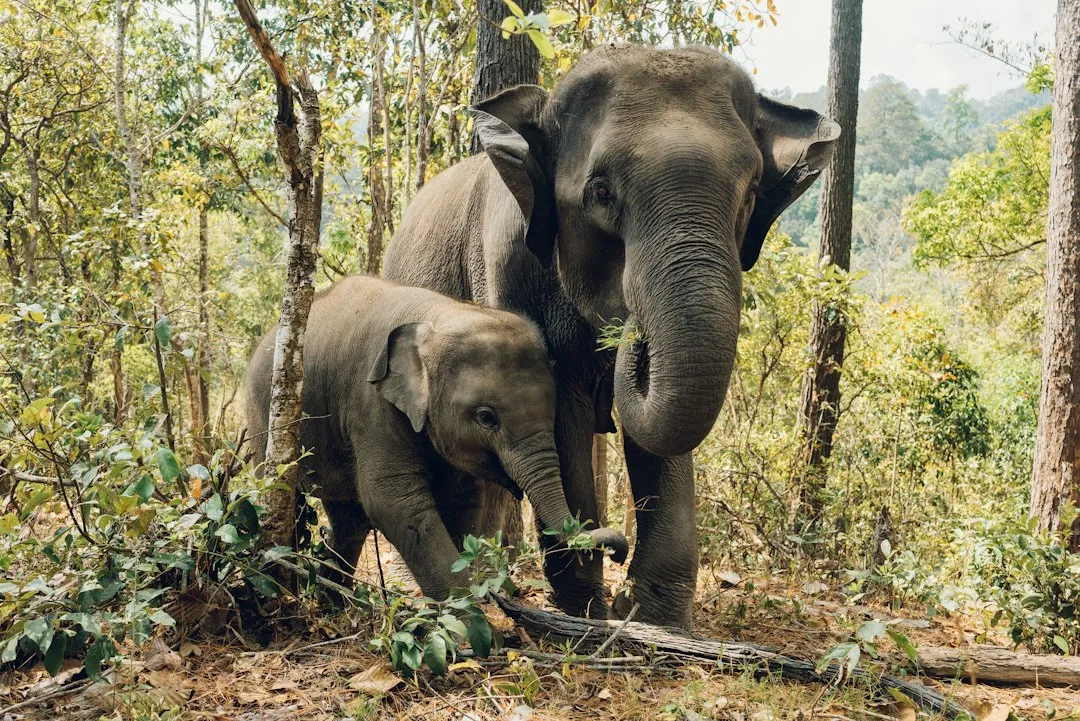
Elephant Nature Park in Northern Thailand is a leading rescue center for elephants saved from hard labor and tourism. It is a true sanctuary, not a typical tourist show. The difference matters enormously, and responsible travelers increasingly understand that distinction before they book.
Riding and bathing with the elephants are not allowed, so instead you can watch the herds roam and play from a safe distance. By visiting, you are supporting a kind home where the elephants’ freedom comes first. It’s one of those experiences that is quieter than you might expect, and all the more affecting for it.
Travel + Leisure specifically cited Thailand’s efforts toward conserving species like endangered Asian Elephants as one of the reasons the country earned its top destination recognition. Choosing a sanctuary that operates on ethical principles, no riding, no performances, no hooks, turns your visit into a form of direct support for that conservation work.
Exploring Bangkok’s Canals and River Life
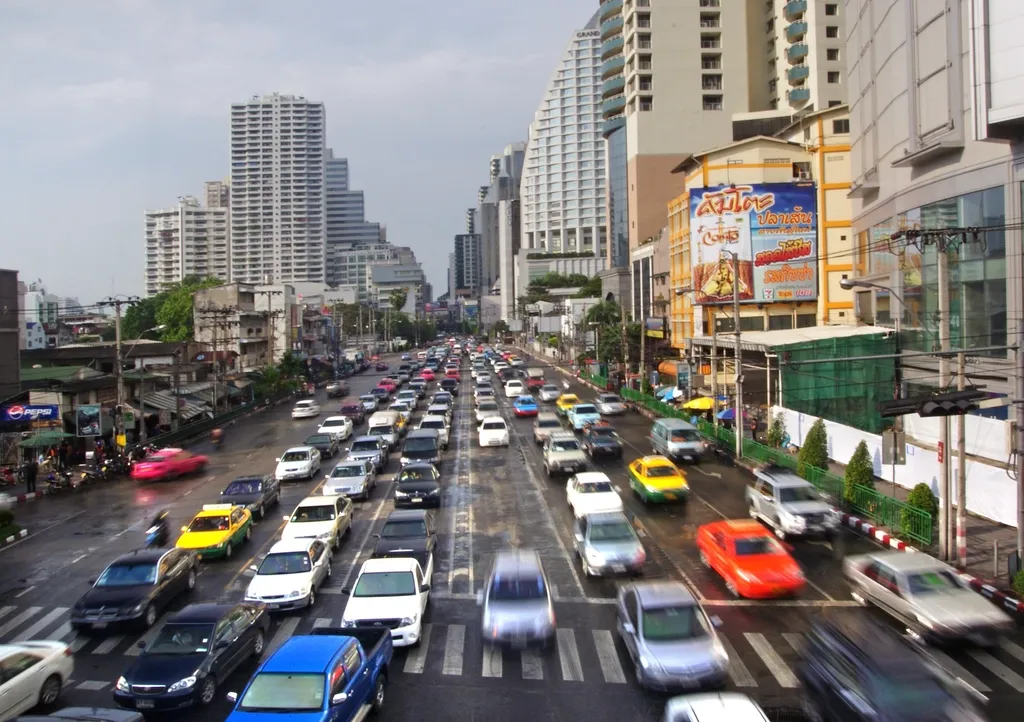
Bangkok is one of those cities that rewards the traveler who slows down. The main boulevards and sky trains are convenient, but the city’s older character lives on the water. A longtail boat tour through Bangkok’s quieter canals offers a genuine slice of local life. It’s a different city from the one most visitors see through taxi windows.
The magnetic capital of Bangkok is a hub of culture, amazing food, and home to a thriving LGBTQ+ community. Its waterways thread past old wooden houses, riverside temples, and neighborhood markets that haven’t changed much in decades. The contrast with the city’s gleaming modern skyline is part of what makes Bangkok such a compelling place to spend time.
Visiting the Grand Palace and Wat Pho
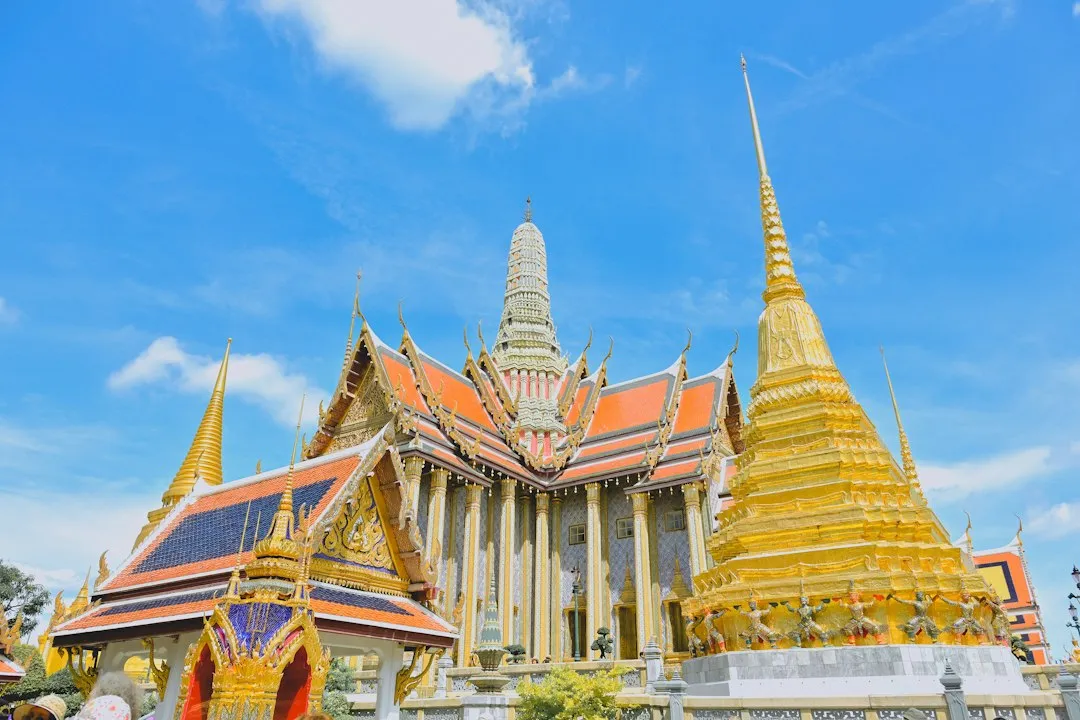
The Grand Palace in Bangkok, the former residence of Thailand’s royal family, is one of the most frequented structures in the world, drawing in around 8 million visitors yearly. That level of visitation is a testament to just how extraordinary the complex is in person. Nothing quite prepares you for the scale and intricacy of the decoration.
One of the oldest and largest temples in Bangkok, Wat Pho features the famous Reclining Buddha, which is the largest in Thailand, measuring more than 150 feet in length. The temple is also home to a respected traditional massage school, so you can follow a walk through one of the country’s most sacred sites with a proper Thai massage. That combination is very Bangkok.
Visiting the stunning temples is one of the best ways to connect with Thailand’s culture, and most charge no entry fee. Just make sure to act and dress respectfully, covering your shoulders and knees and removing your shoes before you enter. Small gestures, but they matter to local communities.
Kayaking Through Phang Nga Bay
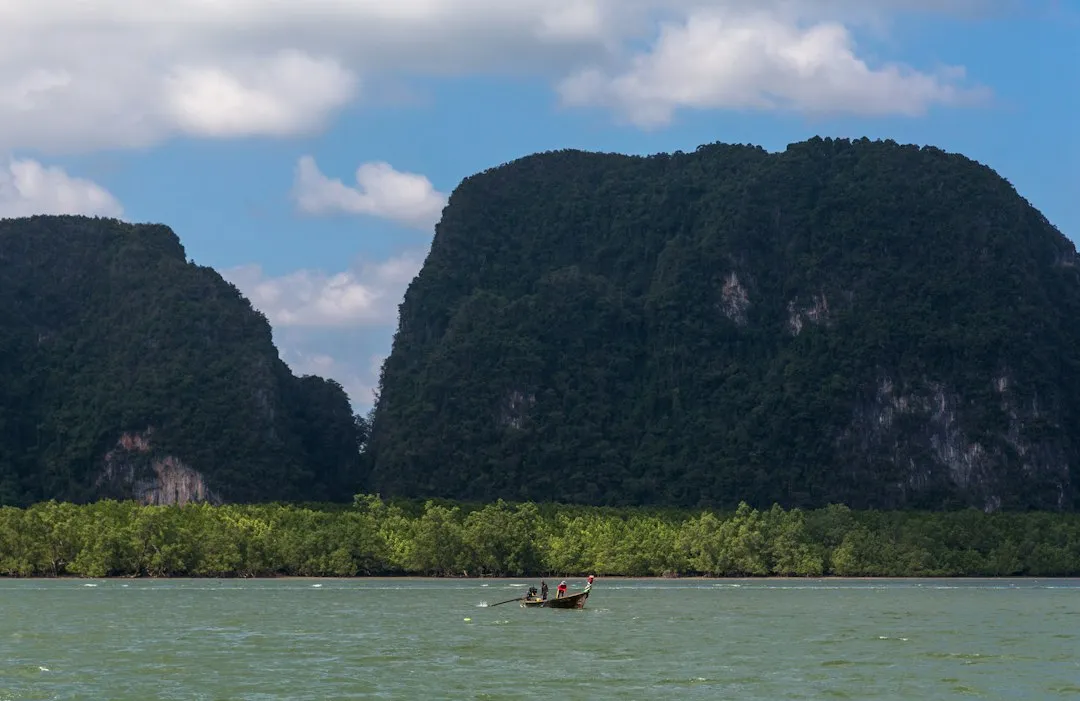
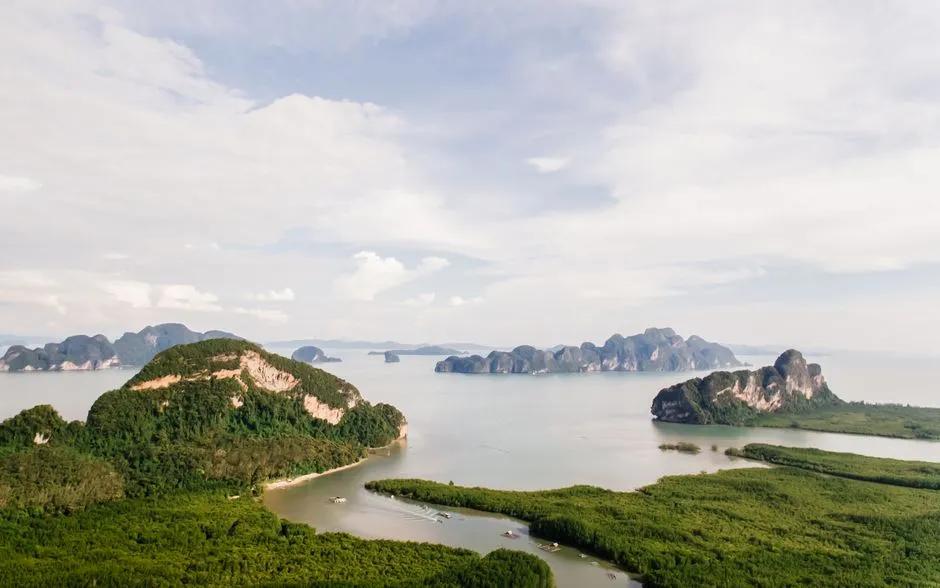
Phang Nga Bay is a landscape of stunning natural scenery where you can paddle through hidden coves, snap photos at iconic spots, and swim in crystal clear waters. Knowledgeable guides help navigate the sea caves, while traditional Thai lunches are served along the way. This is the kind of day trip that people talk about for years after returning home.
The bay’s towering limestone karsts rise straight out of the sea in formations that feel almost architectural. Travel + Leisure specifically cited Phang Nga Bay among Thailand’s most beautiful destinations when naming the country Destination of the Year for 2025. Whether you approach by longtail boat or sea kayak, the scenery earns that recognition fully.
Discovering Chiang Mai’s Temple Circuit and Night Markets
Chiang Mai is famous for its ornate temples and lush rolling hills. Doi Suthep Temple is arguably the best-known attraction, but authentic village experiences in the surrounding area help capture the true essence of the place. The city sits in a broad valley ringed by forested mountains, and the cooler air at elevation makes exploring on foot genuinely pleasant.
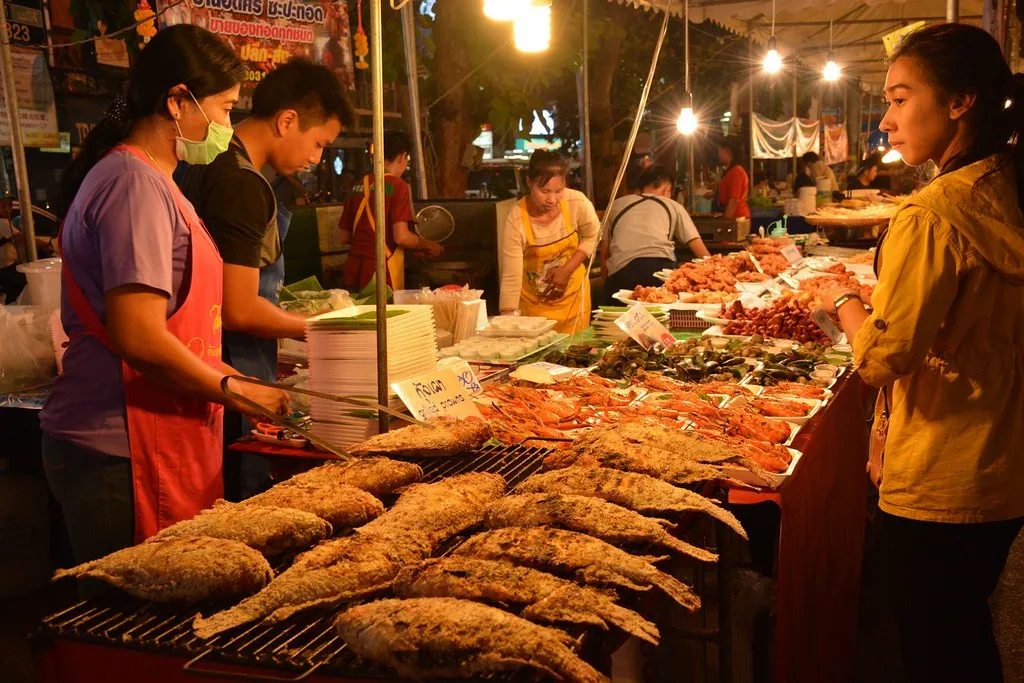
Wat Chedi Luang and Wat Phra Singh are located within the historic city quarter and represent another must-see collection of golden temples. Beyond the temples, the city’s Saturday and Sunday Walking Streets are among the best night markets in Southeast Asia, laid with handicrafts, lanterns, and street food vendors stretching for several city blocks. The pace of Chiang Mai feels noticeably gentler than Bangkok, which is part of the appeal.
Swimming and Snorkeling in the Gulf Islands
Thailand’s roughly 1,430 islands offer a unique adventure for every type of traveler, ranging from the well-equipped resort islands to quieter stretches of coastline that still feel largely undiscovered. The Gulf of Thailand islands, in particular, have their own character distinct from the Andaman coast.
Koh Tao has built a solid reputation as one of the region’s best destinations for diving and snorkeling, with warm, clear water and accessible reef systems that suit both beginners and experienced divers. Railay Beach in Krabi offers stunning limestone cliffs and calm tides, perfect for a day of snorkeling and swimming. The variety across Thailand’s islands means you can choose your experience rather than accepting whatever a single destination offers.
Eating Your Way Through Thailand’s Street Food Culture
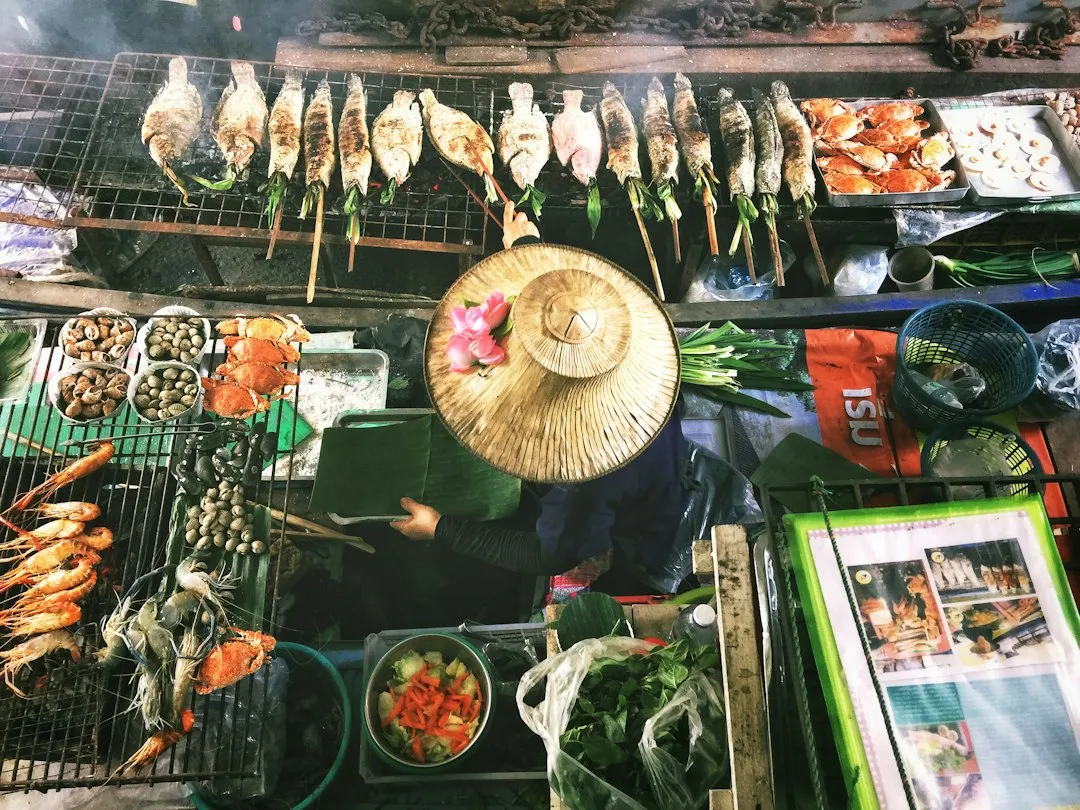
Thailand’s blend of creativity in food earned it top marks from Travel + Leisure when the magazine selected it as its premier destination. Thai street food is not simply a budget option. It represents a living culinary tradition that varies meaningfully by region, and eating it well requires wandering away from the tourist-facing menus.
Essential food and drink experiences in Thailand range from the country’s world-famous pad thai and spicy curries to regional specialties that rarely appear on restaurant menus abroad. Northern Thailand’s khao soi, a rich coconut curry noodle soup, tastes nothing like the dishes you find in Bangkok, and Bangkok’s own boat noodle soup has its own distinct personality. Traveling between regions partly to eat is a completely legitimate strategy in Thailand, and a rewarding one.
Trekking in Khao Sok National Park
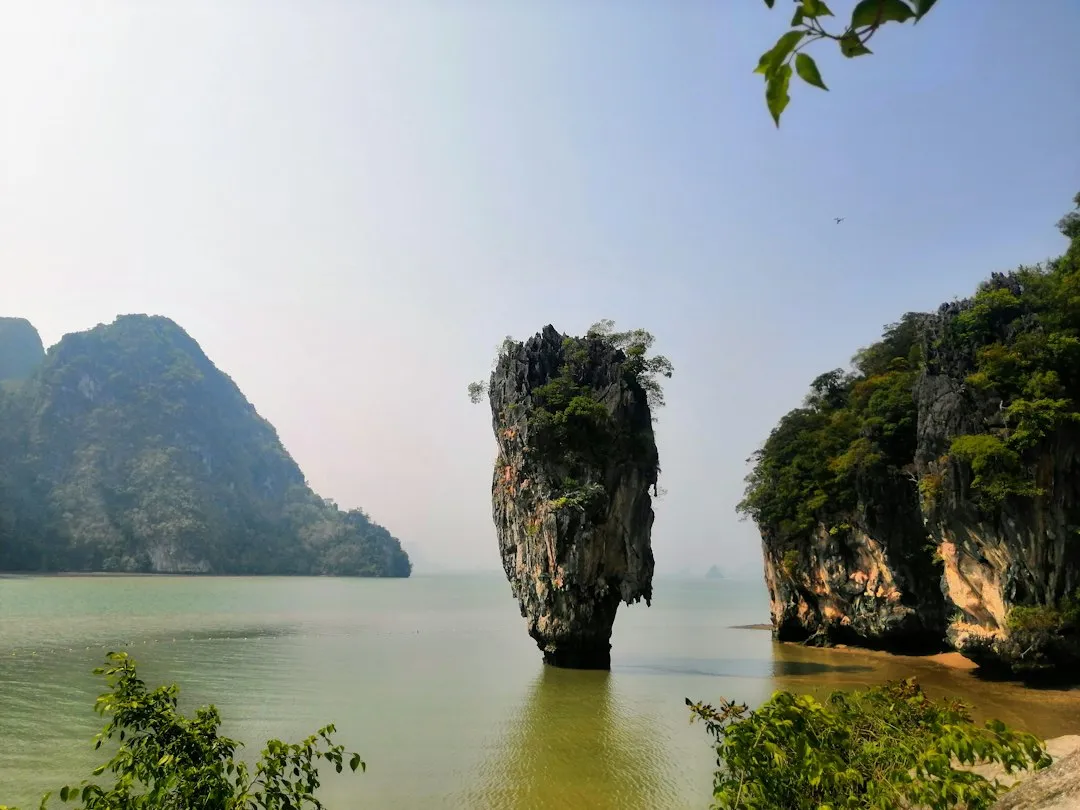
Thailand’s national parks are a nature lover’s paradise blending biodiversity with breathtaking scenery. Khao Sok National Park in the south features ancient rainforests, limestone karsts, and a serene lake perfect for kayaking. The rainforest here is considered one of the oldest in the world, and the biodiversity is genuinely remarkable.
Overnight stays in floating bungalows on Cheow Lan Lake are among the most atmospheric accommodation experiences the country offers. The lake was created by a dam in the 1980s and is now surrounded entirely by forested limestone peaks. Entry fees to Thailand’s national parks are modest, typically in the range of 200 to 300 baht, and many parks offer camping, making them accessible escapes into the country’s wild heart.
Celebrating Songkran, Thailand’s New Year Water Festival
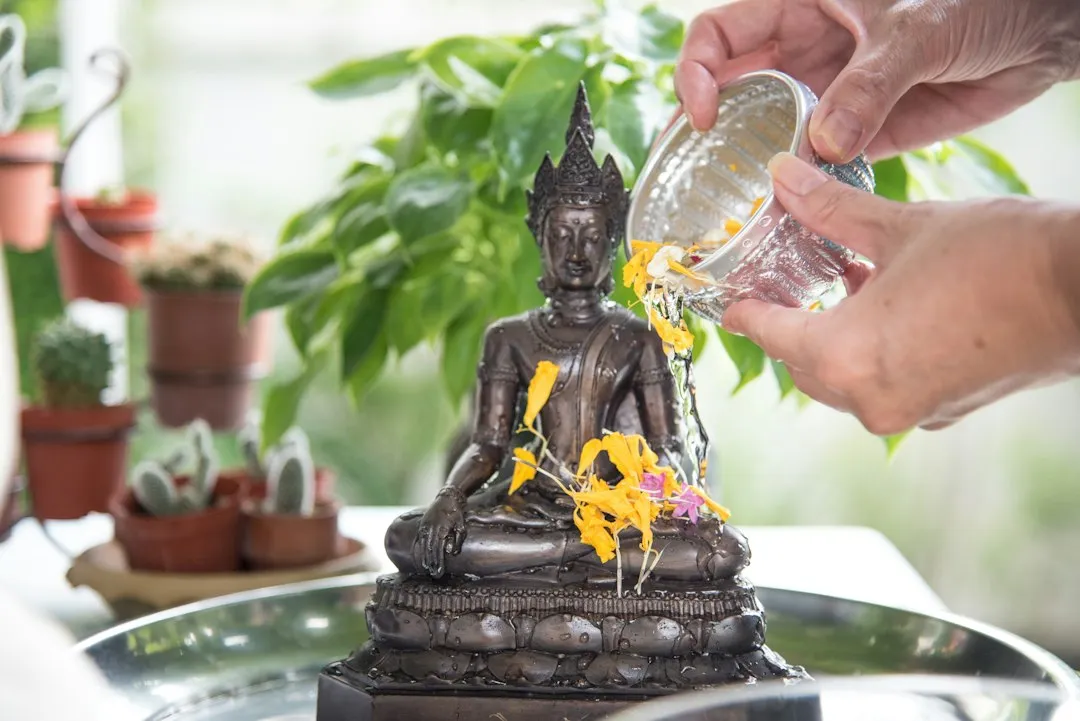
There’s more to Thailand’s New Year celebration, Songkran, than getting wet. The festival carries deep cultural meaning rooted in purification, respect for elders, and the marking of a new cycle. It takes place in April and draws both locals and international visitors in enormous numbers.
In Chiang Mai, Songkran is celebrated with particular intensity over several days, with both traditional ceremonies at temples and the famous water battles in the streets. In April 2025, which included the Songkran Festival, over 2.5 million international tourists arrived in Thailand that single month. Experiencing Songkran in a smaller city or provincial town, rather than a major tourist hub, gives you a clearer sense of what the occasion means to Thai families celebrating it.
Walking the Ruins of Ayutthaya
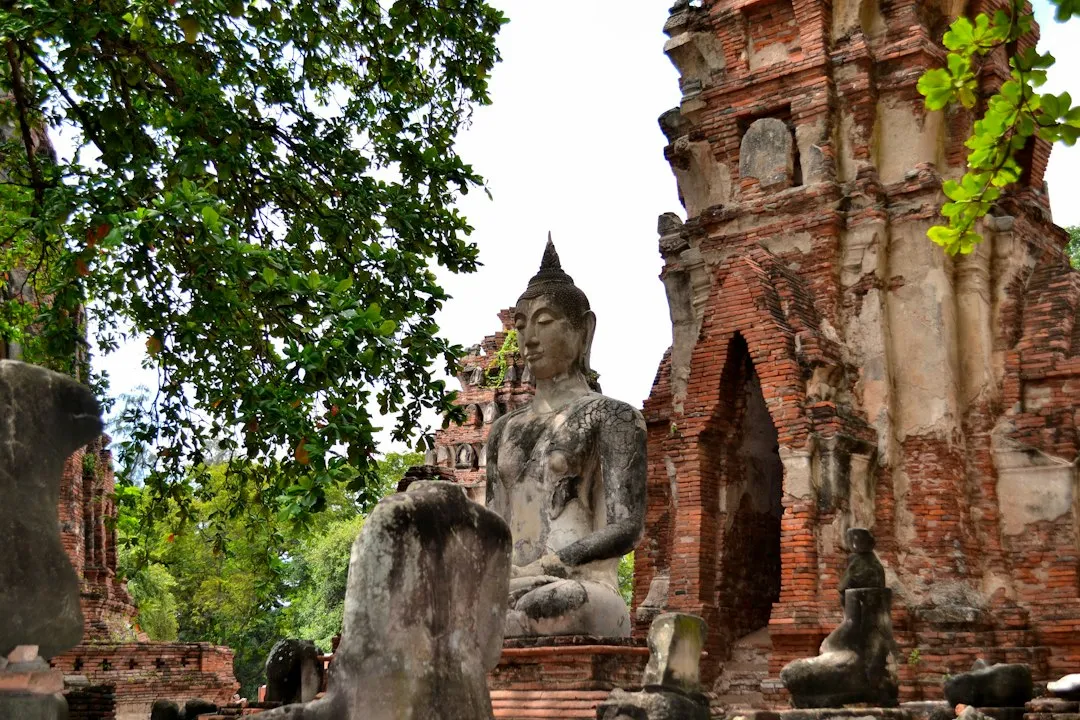
Ayutthaya sits about 80 kilometers north of Bangkok and can be reached in under two hours by train. It was once one of the largest and most prosperous cities in Asia, serving as the capital of the Kingdom of Siam for over four centuries before being sacked and largely destroyed in 1767. What remains is extraordinary.
The ruins of Wat Mahathat, Wat Phra Si Sanphet, and dozens of other structures spread across a large historical park that rewards slow exploration by bicycle. The famous image of a serene Buddha head grown into the roots of a banyan tree has become one of Thailand’s most recognized sights. Thailand’s ability to balance tradition and modernity, with deeply rooted Buddhist practices sitting alongside its contemporary culture, is perhaps nowhere more visible than here, where ancient sacred sites are still active places of worship while simultaneously serving as powerful historical monuments.
A Country That Consistently Delivers
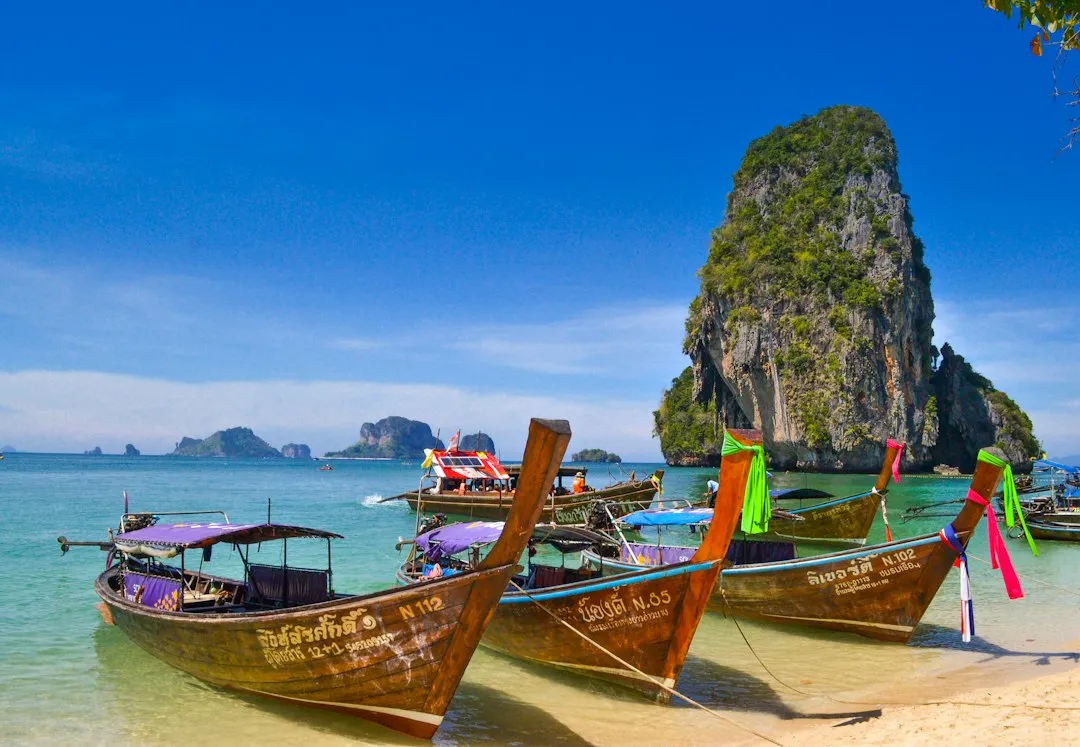
Thailand is the eighth most popular tourist destination in the world, thanks to its vibrant culture, mouth-watering food, and breathtaking landscapes. That ranking reflects decades of genuine investment in the quality of a visitor’s experience, not just marketing. In 2024, travel and tourism in Thailand contributed roughly 67 billion dollars to the national economy and supported around 8 million jobs, which means the industry touches virtually every corner of the country.
What keeps people coming back, and keeps so many travelers flying a long way to get there, is harder to quantify. The temples are extraordinary. The food is exceptional. The coastlines are as beautiful as any in the world. Thailand is one of those destinations that earns the flight, and then some.
AI Disclaimer: This article was created with the assistance of AI tools and reviewed by a human editor.