
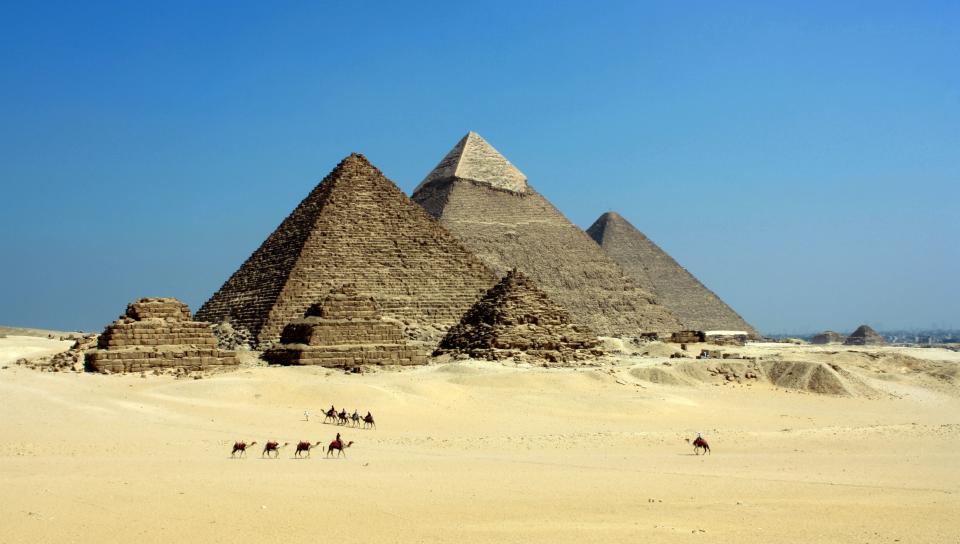
Few countries carry the weight of history quite like Egypt. The place has been drawing curious travellers for thousands of years, long before modern tourism existed, and the reasons people keep coming back are just as compelling today as they were in antiquity. Whether you arrive by plane into a sun-bleached Cairo afternoon or drift into Luxor on a Nile cruise at dusk, there is a particular quality to Egypt that is genuinely hard to put into words.
Egypt recorded a tourism high in 2025, welcoming nearly 19 million visitors, up roughly a fifth year on year, according to the Ministry of Tourism and Antiquities. That kind of growth doesn’t happen by accident. Something real is drawing people here. These are the five things that matter most.
1. The Pyramids of Giza: Still the Only Wonder Still Standing
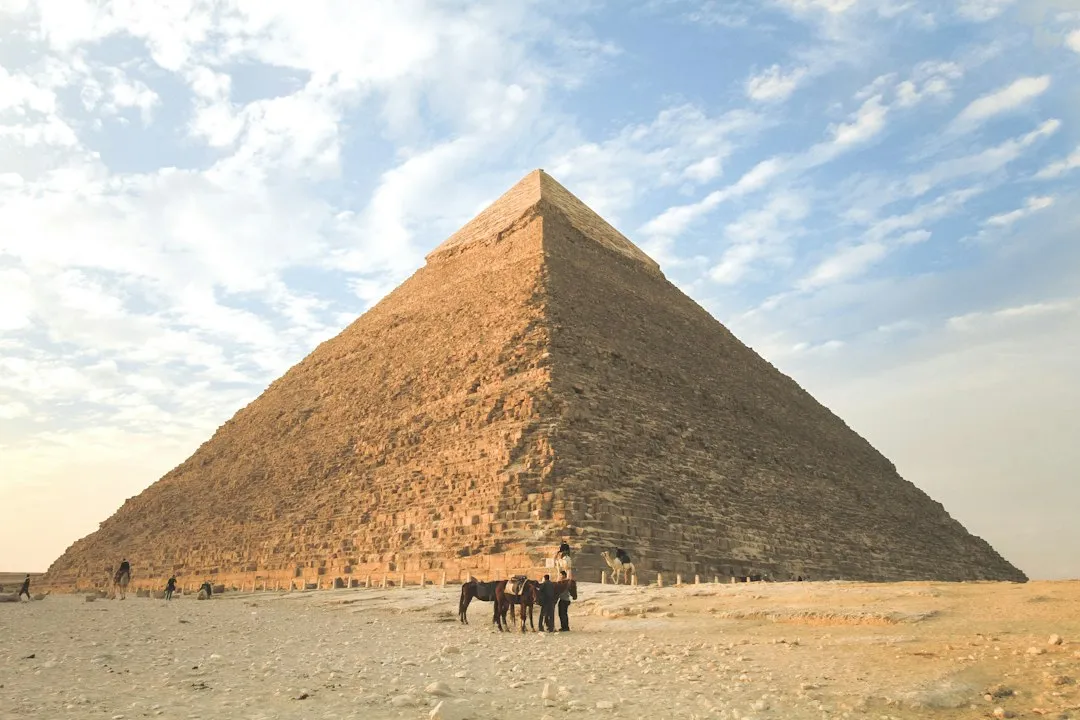
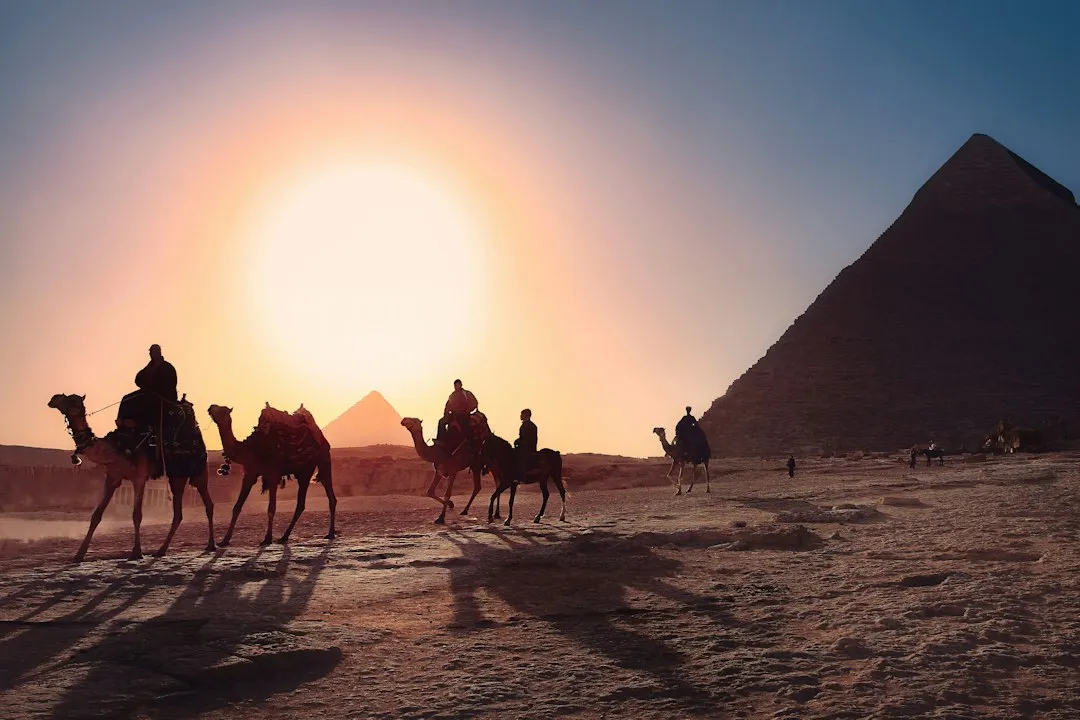
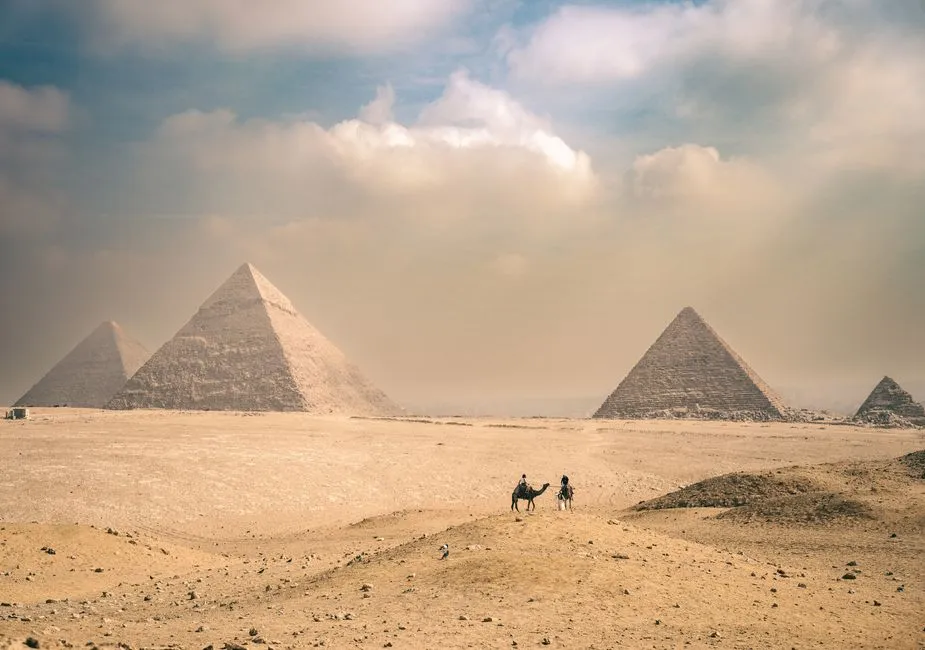
The Great Pyramid of Khufu, built around 2580 to 2560 BC, originally stood at over 146 meters tall. It remains the only surviving structure of the Seven Wonders of the Ancient World. That fact alone deserves a moment of pause. Every other wonder is gone. This one is still here, still enormous, still utterly indifferent to the centuries stacked against it.
These monuments include the Great Pyramid of Khufu, the Pyramid of Khafre, the Pyramid of Menkaure, and the enigmatic Great Sphinx, all built during the Old Kingdom period around 2580 to 2510 BCE. Standing on the Giza Plateau in person, the scale is genuinely disorienting. No photograph, however good, prepares you for it.
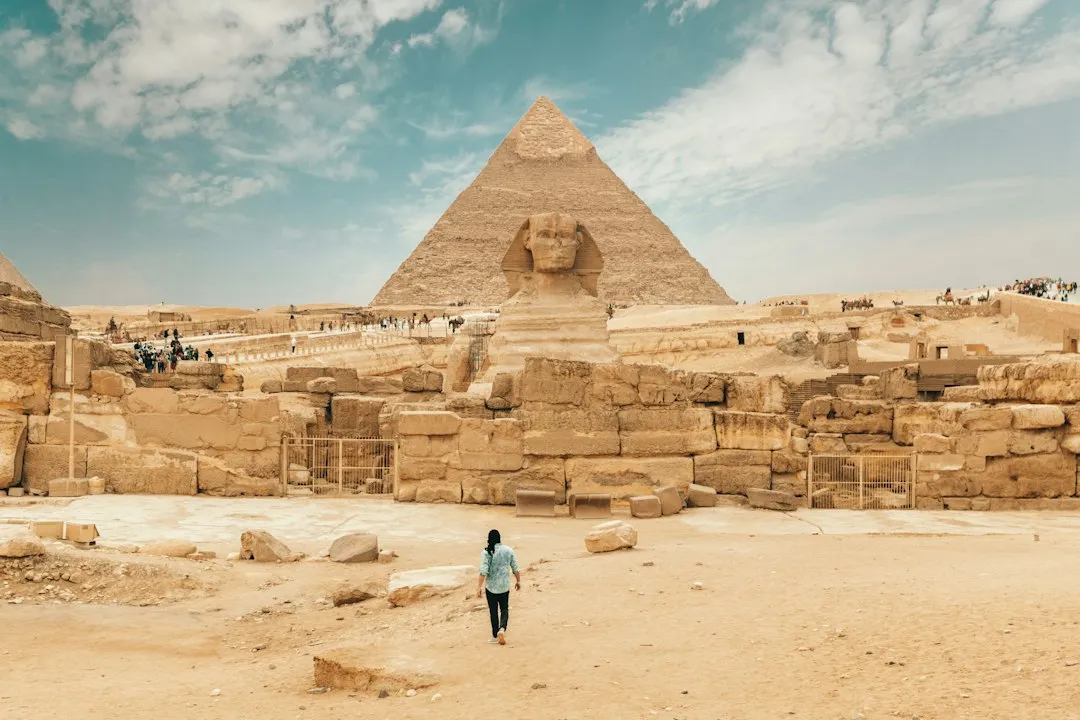
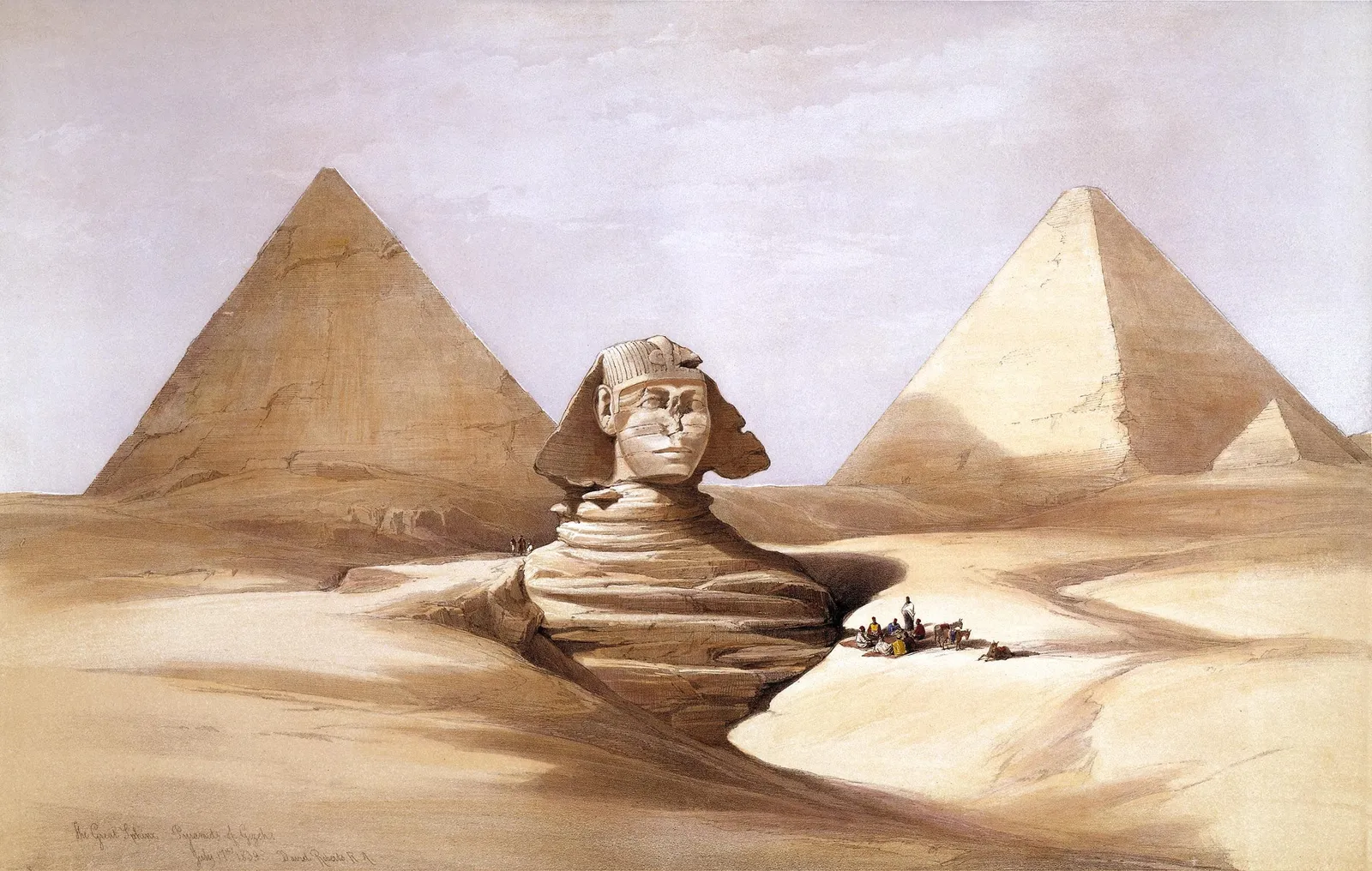
Adjacent to the pyramids lies the Great Sphinx, a colossal limestone statue with the body of a lion and the head of a pharaoh, believed to represent Khafre. The Sphinx stands approximately 20 meters tall and 73 meters long. Together, the pyramids and Sphinx form a complex that belongs to the UNESCO World Heritage site known as Memphis and its Necropolis, a designation that stretches from Giza all the way to Dahshur.
2. The Grand Egyptian Museum: A Landmark That Changed Everything in 2025
After two decades of planning and an estimated cost of one billion dollars, the Grand Egyptian Museum opened its doors to the public in November 2025. It was one of the most significant cultural openings anywhere in the world that year, and it has already reshaped what a visit to Cairo looks like for travellers arriving in 2026.
Located in Giza, less than two kilometres from the Pyramids, the museum is currently the largest Egyptian museum in the world, housing over 100,000 artefacts from ancient Egypt, including, for the first time in history, the complete treasure of Tutankhamun. That last detail matters enormously. This is the first time that all 5,000-plus sparkling artefacts have been displayed in the same place since the discovery of Tutankhamun’s tomb in 1922.
The museum’s total footprint covers 500,000 square metres, making it twice the size of the Louvre. The collection includes over 20,000 artefacts never previously displayed publicly. Alongside its galleries, the museum boasts 17 laboratories equipped with cutting-edge technology, and it aims to become an international centre for research and conservation, bringing Egyptology firmly into the 21st century.
3. Ancient Thebes (Luxor): Where the New Kingdom Left Its Mark
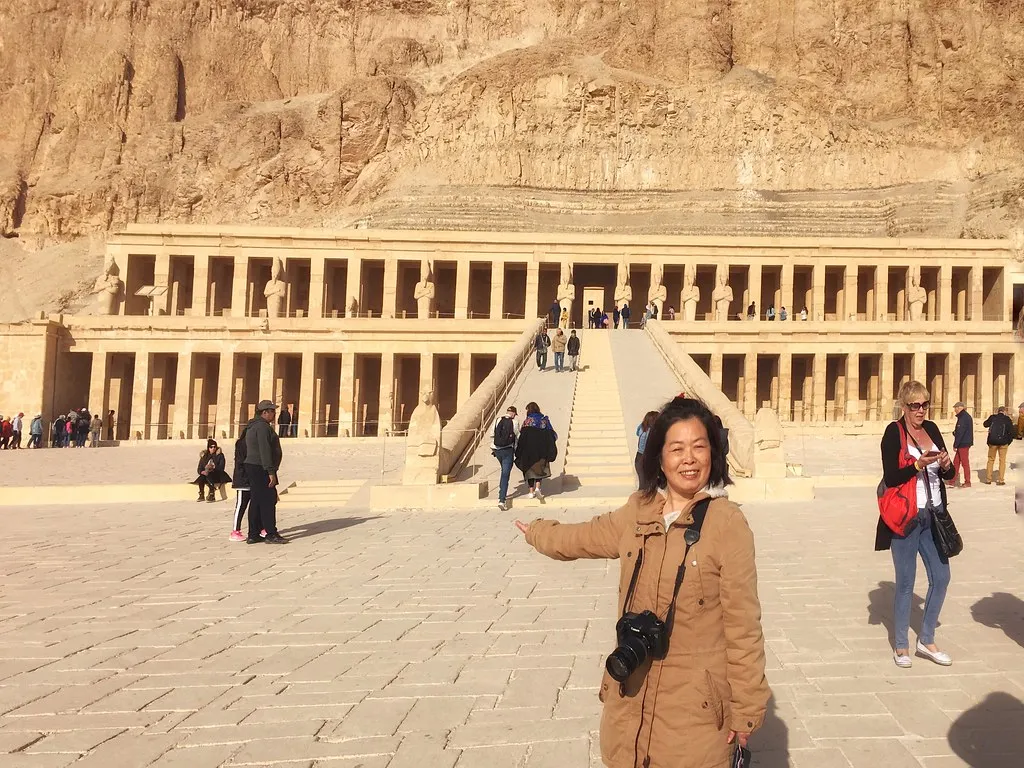
Modern-day Luxor preserves the ancient capital of the New Kingdom, featuring the Valley of the Kings, the Valley of the Queens, the Karnak Temple Complex, and Luxor Temple. This UNESCO World Heritage site encompasses both sides of the Nile River, covering approximately 36 square kilometres of archaeological treasures. No other city in the world concentrates so much of humanity’s monumental past within easy reach.
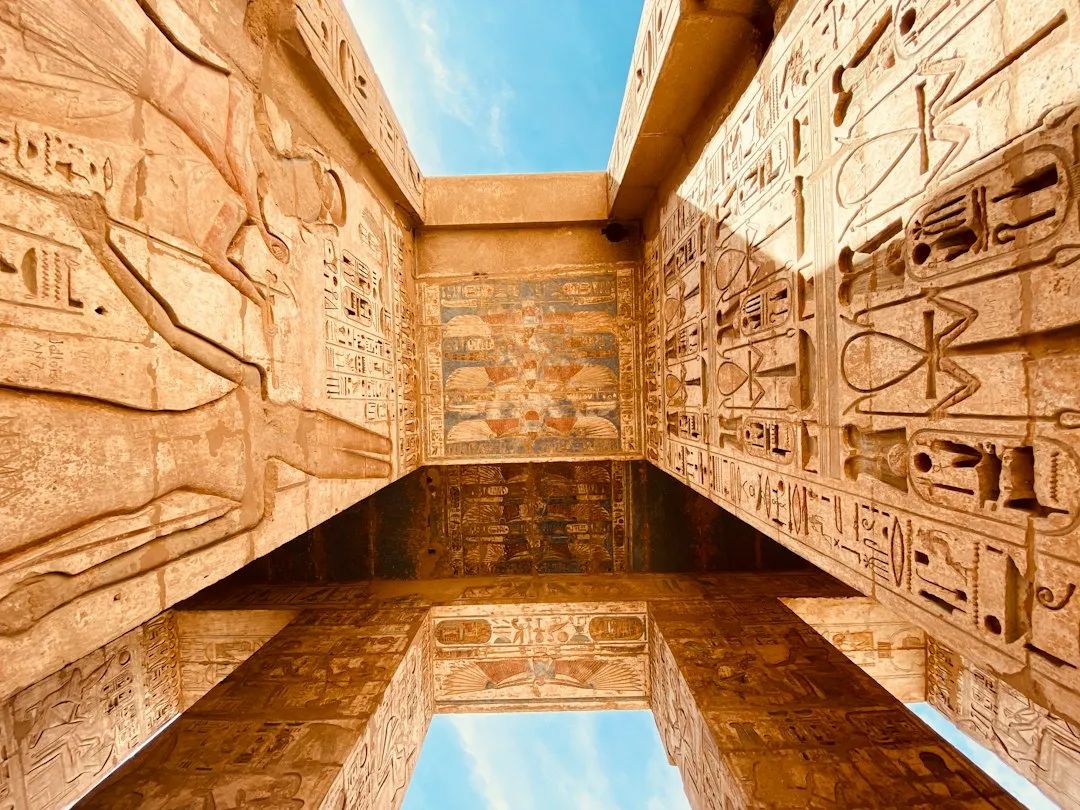
The Valley of the Kings holds 63 royal tombs, including those of Tutankhamun, entire dynasties of Ramesses, Hatshepsut, and Amenhotep III, as well as tombs in the Valley of the Queens and the royal workmen’s village of Deir al-Medina. The painted walls inside these tombs remain vivid after three thousand years, which is something that stops most visitors in their tracks the first time they see it.
The most dramatic solar event at the region’s sites occurs at Abu Simbel, where twice a year the rising sun illuminates statues deep within the sanctuary, just as it did 3,000 years ago. Luxor is the natural base for exploring these sites, and it’s a city that rewards slow exploration across several days rather than a rushed day trip.
4. A Nile Cruise: One of Travel’s Most Timeless Experiences
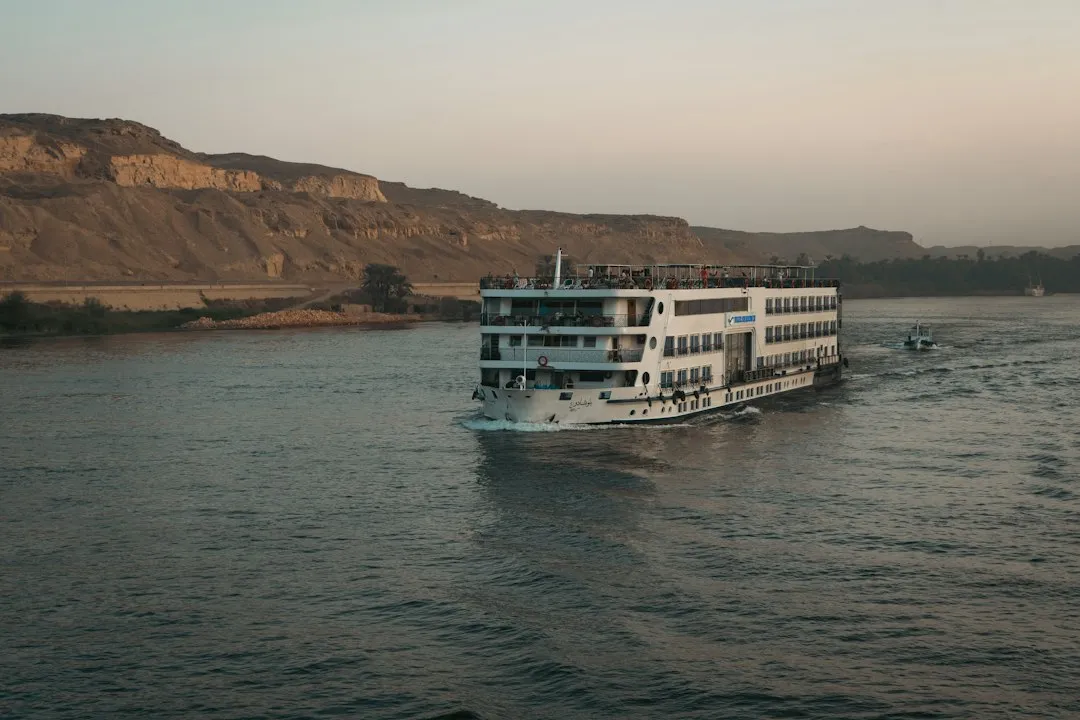
Sailing the Nile between Aswan and Luxor is one of those experiences that manages to feel both deeply ancient and genuinely relaxing at the same time. The river narrows and widens, the desert cliffs change colour with the afternoon light, and the temples appear around bends with a quiet drama that no guidebook fully captures. During this scenic cruise, passengers can see fishermen at work and may also spot plovers, egrets, snipes, glossy ibis, and even the Nile crocodile.
The Khan El Khalili market in Cairo, established in the 14th century, remains a vibrant hub for cultural and economic activity, and is a great place to discover traditional Egyptian crafts, jewellery, and textiles. A cruise that combines these shore excursions with overnight sailing gives travellers something genuinely different from resort-based holidays.
Egyptian cuisine on board is worth its own mention. Egypt has a variety of traditional dishes including ful and ta’meya (fava beans and falafel), mulukhiya, koshary (a traditional Egyptian pasta dish), and kebab and kofta. These aren’t dishes invented for tourists. They’re rooted in the country’s actual food culture, and trying them properly is one of the more pleasurable ways to understand where you are.
5. The Red Sea Coast: World-Class Diving With Year-Round Appeal
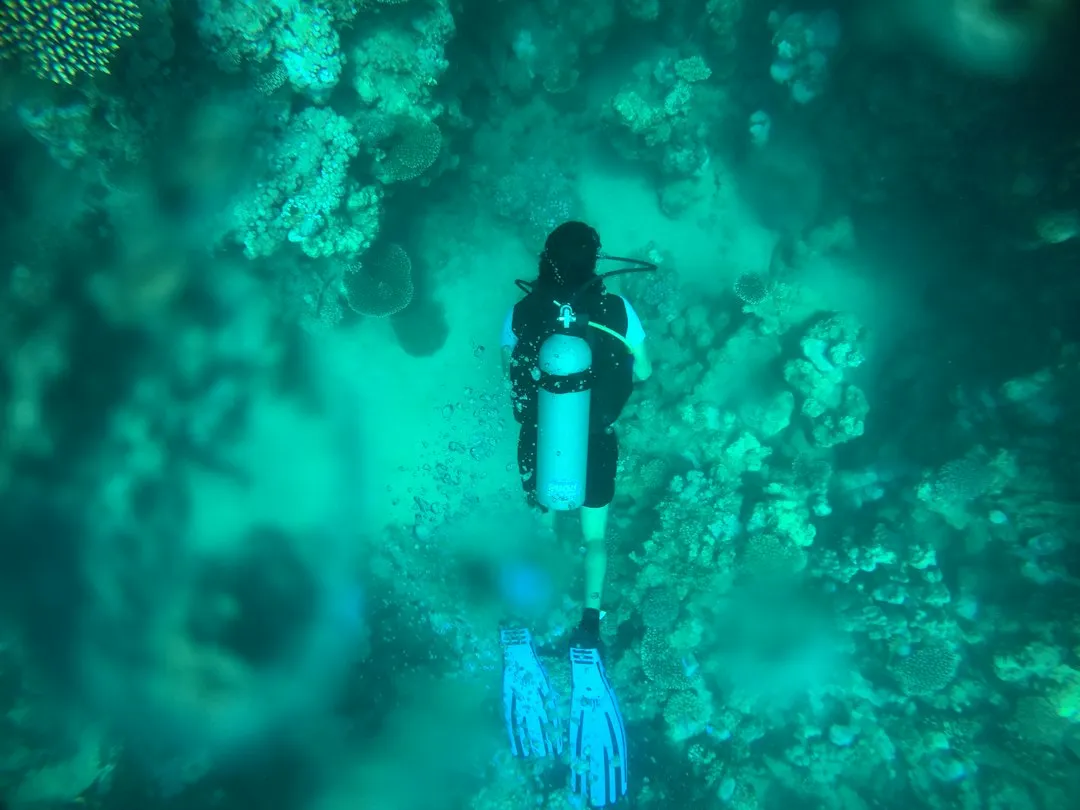
The Red Sea is diveable year-round, and it functions as the go-to dive destination for the majority of European and Russian divers. Egypt has a well-established dive infrastructure with hundreds of liveaboards and many dive resorts offering well-run dive operations. Hurghada and Sharm El-Sheikh are the main gateways, but experienced divers often push further south toward Marsa Alam for less crowded reefs.
This part of the Red Sea has it all, from large sharks to rare endemic fish and invertebrates found nowhere else in the world. The reef ecosystems here are extraordinary in their diversity, and visibility conditions in this stretch of water are widely regarded among the clearest on the planet. It’s a genuinely different Egypt from the one visitors find at the pyramids, and that contrast is part of what makes the country so interesting to explore.
It’s worth noting, however, that travellers choosing boat-based diving or submarine excursions should research operators carefully and verify current safety standards before booking. The Red Sea coast is a major tourist destination, with dozens of dive boats operating every day under unevenly enforced safety regulations. Choosing reputable, established operators with transparent safety records makes a meaningful difference.
The Momentum Is Real: Tourism Numbers Tell the Story
Egypt’s 2025 tourism performance outpaced the UN World Tourism Organization’s global growth estimate of about five percent, with arrivals led through Cairo, Hurghada, Sharm El-Sheikh, and Marsa Alam. Visits to archaeological sites and museums reached 18.6 million foreign entries, a rise of roughly a third compared to 2024. These numbers reflect genuine demand, not a statistical blip.
In 2024, the tourism sector generated about $15.3 billion for the country, according to official data. The government targets 30 million foreign tourists annually by 2028. Infrastructure investment, new hotel capacity, and the gravitational pull of the Grand Egyptian Museum are all expected to support that growth.
Charter flights increased by nearly a third in 2025, with tourist flights operating from 193 origin cities worldwide, reflecting ongoing investment in infrastructure and efforts to diversify beach, leisure, and cultural tourism with a view to sustainable growth. More air connections mean Egypt is becoming easier to reach from more places, which matters for travellers planning their first visit.
Cairo’s Historic Heart: A City Layered With Time
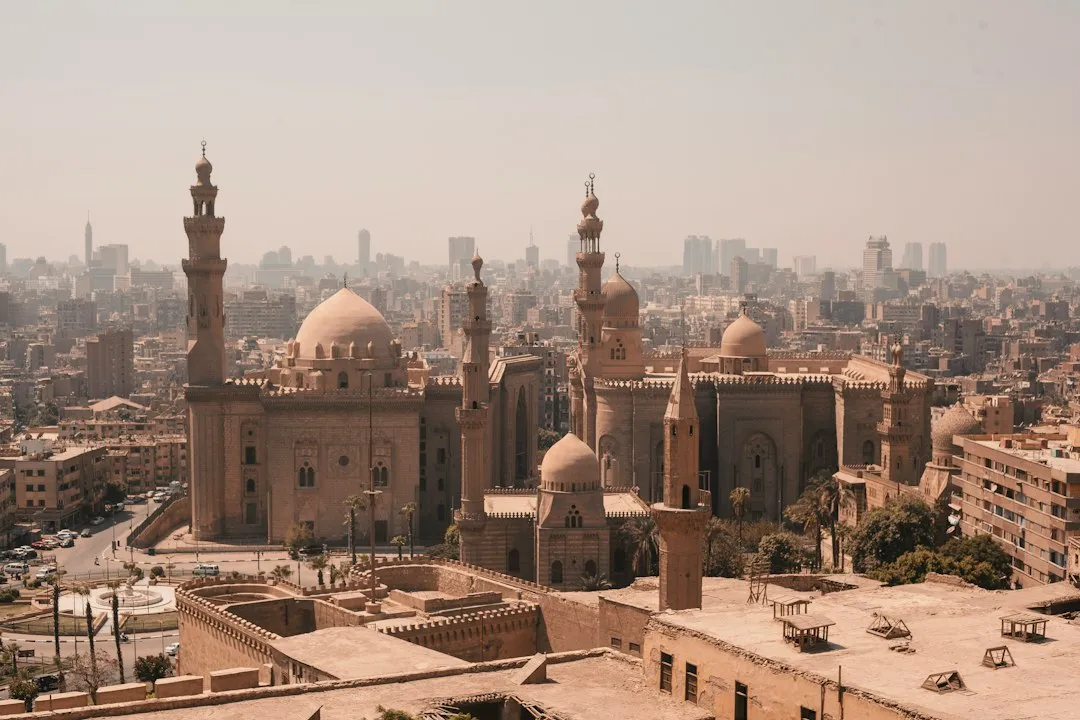
Historic Cairo was designated a UNESCO World Heritage Site in 1979 and encompasses over 600 classified monuments and buildings, ranging from the 7th to the 20th centuries. Walking through its older districts is one of those rare experiences where history doesn’t feel curated or sealed off. It simply surrounds you, in the form of minarets, Coptic churches, souks, and crumbling Roman walls.
Historic Cairo encompasses over 600 registered monuments spanning Islamic, Coptic, and Jewish heritage within just 6.5 square kilometres. That concentration of layered civilisation within a walkable area is genuinely unusual anywhere in the world. Notable landmarks include the Citadel of Cairo, constructed by Saladin in the 12th century, and the Mosque-Madrasa of Sultan Hasan, built between 1356 and 1363.
Cairo rewards slow attention. It’s a city where the modern and the ancient occupy the same street, sometimes the same building, and where the stories embedded in the architecture reach back far beyond what most visitors expect to find in a capital city.
The Nubian Monuments: A Story of International Rescue
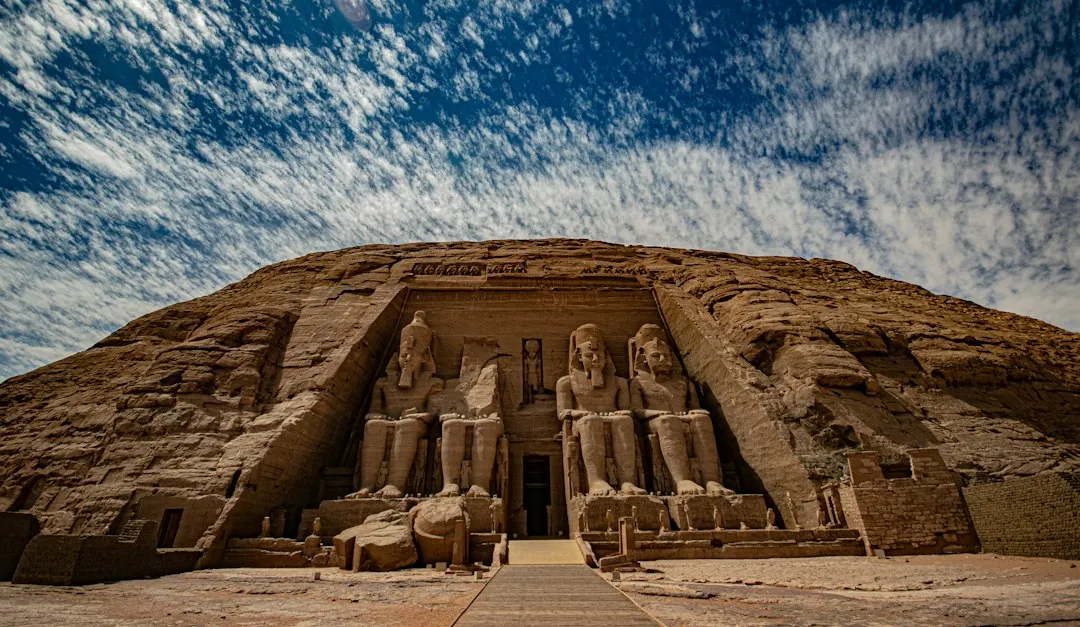
Abu Simbel’s two temples, carved directly into rock faces by Pharaoh Ramesses II around 1264 BCE, were cut into precisely numbered blocks and reconstructed 65 meters higher and 200 meters further from the Nile when the Aswan High Dam threatened to submerge them in the 1960s. The scale of that international rescue effort remains one of UNESCO’s defining achievements.
The UNESCO World Heritage site of Nubian Monuments from Abu Simbel to Philae consists of 11 monuments. Only two have remained in their original locations, while the rest were moved during the construction of the Aswan High Dam to protect them from flooding. The story behind the relocation is, in some ways, as remarkable as the monuments themselves.
Reaching Abu Simbel typically involves an early morning drive south from Aswan, a journey that crosses open desert as the sun is still climbing. The temples emerge from the rock face in a way that feels almost theatrical. It’s one of those moments in travel where the reality exceeds what you imagined, and those moments are not as common as travel writing sometimes implies.
Egypt’s Food Culture: More Than an Afterthought
Egyptian food doesn’t get nearly enough attention in international travel conversations. The country has a distinct culinary identity rooted in Nile agriculture and centuries of cultural exchange, and it shows. Among the highlights are ful medames, a breakfast dish of fava beans, and koshary, considered to be Egypt’s national dish. Koshary in particular, a layered mix of lentils, rice, pasta, crispy onions, and tomato sauce, is the kind of dish that surprises people who expect something more austere.
Street food in Cairo is inexpensive, widely available, and genuinely good. Markets like Khan El Khalili offer not just handicrafts but food stalls and small cafes where locals eat alongside visitors. Local delicacies include seafood, falafel, and stew-like fattah, often accompanied by fresh minty shai (tea). The tea culture alone, thick, sweet, and fragrant, is worth paying attention to as a small window into daily Egyptian life.
The Sheer Scale of What Egypt Offers: No Two Trips Are the Same
Egypt is one of the rare destinations where a repeat visit can look almost nothing like the first. The pyramids and the Nile are obvious starting points, but the country stretches into the Western Desert, along the Sinai Peninsula, down to the Sudanese border, and across a coastline that runs for hundreds of kilometres. Each part carries its own character.
Egypt’s UNESCO World Heritage sites alone include ancient pyramids, temples, and tombs; Islamic mosques and cultural sites; Christian monasteries; and enormous fossils. That range, spanning the geological, the pharaonic, the medieval Islamic, and the Coptic Christian, gives the country a depth that takes multiple visits to even begin understanding. Far from temples and hieroglyphs lies Egypt’s most surprising UNESCO site, a silent desert scattered with the fossilised remains of ancient whales.
Egypt isn’t a country you tick off a list. It’s the kind of place that stays with you in specific, detailed ways: the sound of the call to prayer bouncing off limestone, the particular orange of the Giza Plateau at sunset, the quiet weight of standing inside a three-thousand-year-old tomb. That staying power is what makes the journey genuinely worth it.
The Takeaway
Egypt’s appeal has never really been a mystery. What’s notable in 2026 is the momentum. Both Egypt and its North African neighbour Morocco have shattered their own tourism records, underlining a robust post-pandemic recovery that positions them as pillars of the continent’s tourism economy. The opening of the Grand Egyptian Museum, the growth in air connections, and sustained investment in infrastructure have made Egypt more accessible than at any previous point in its modern tourism history.
None of that changes what actually draws people here, which is something much older and less quantifiable. Egypt is a place where you feel the full length of human time in a way that very few countries can offer. That’s not a promise most destinations can keep. Egypt tends to.
AI Disclaimer: This article was created with the assistance of AI tools and reviewed by a human editor.