
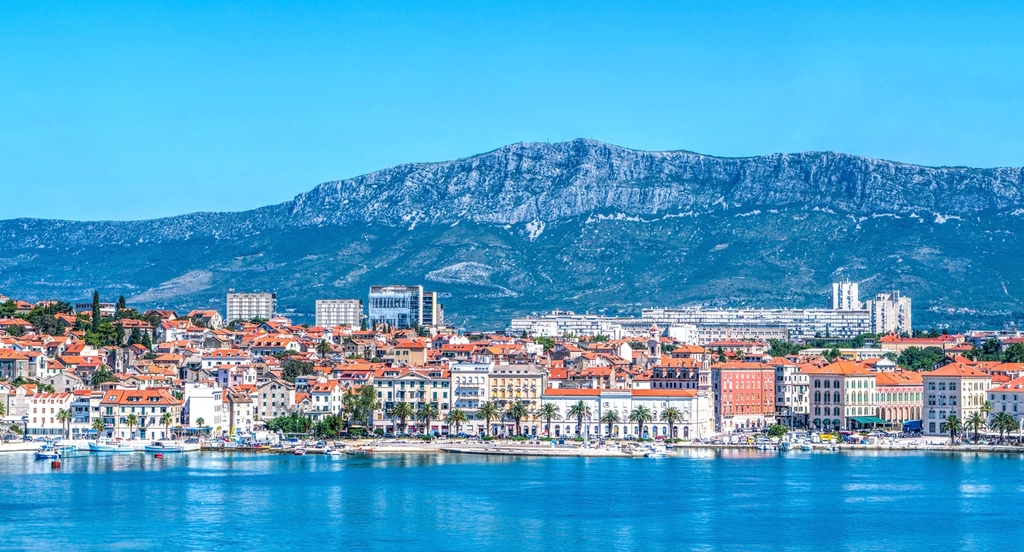

Reason 1: A Coastline Like No Other on Earth
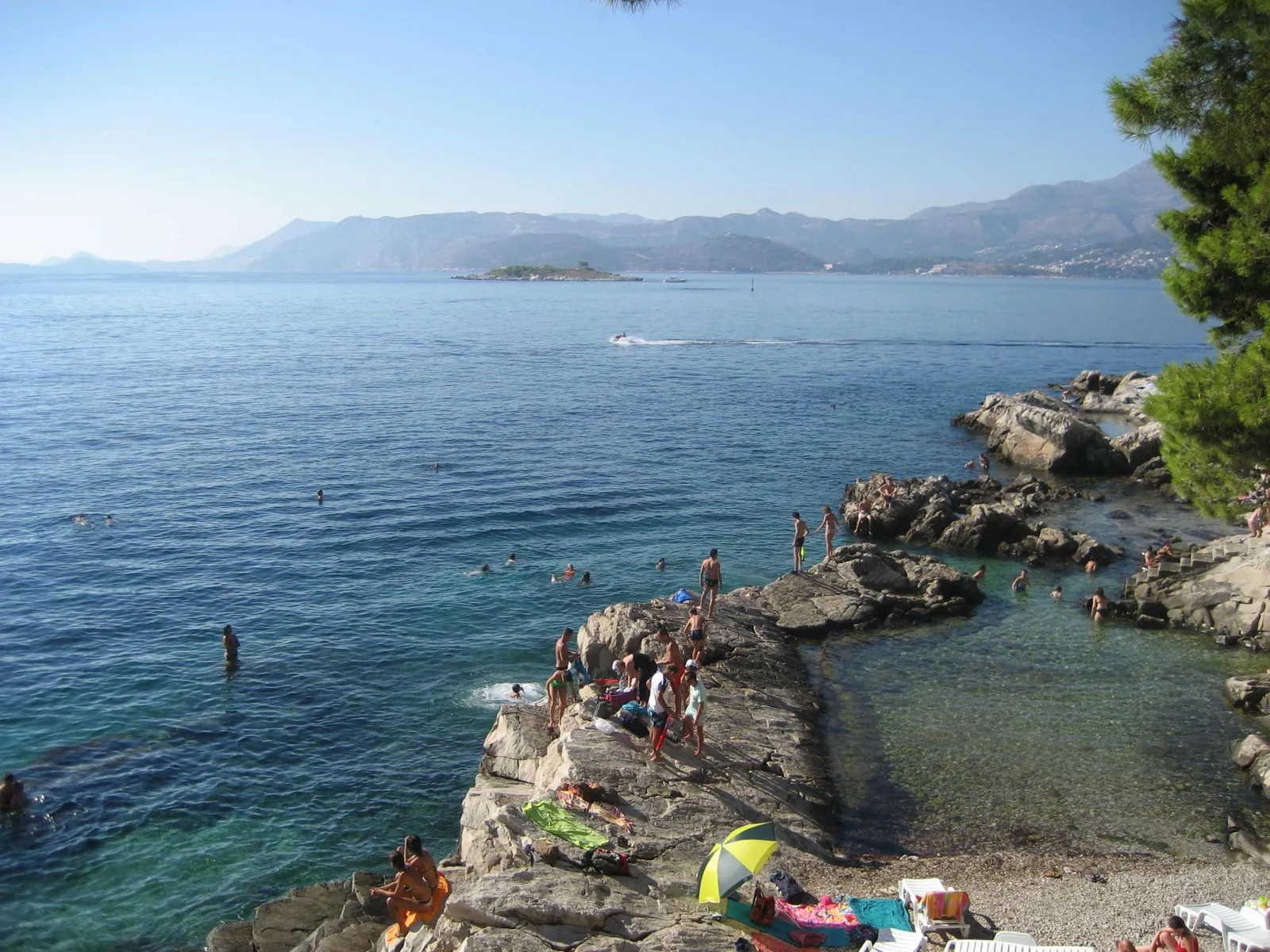
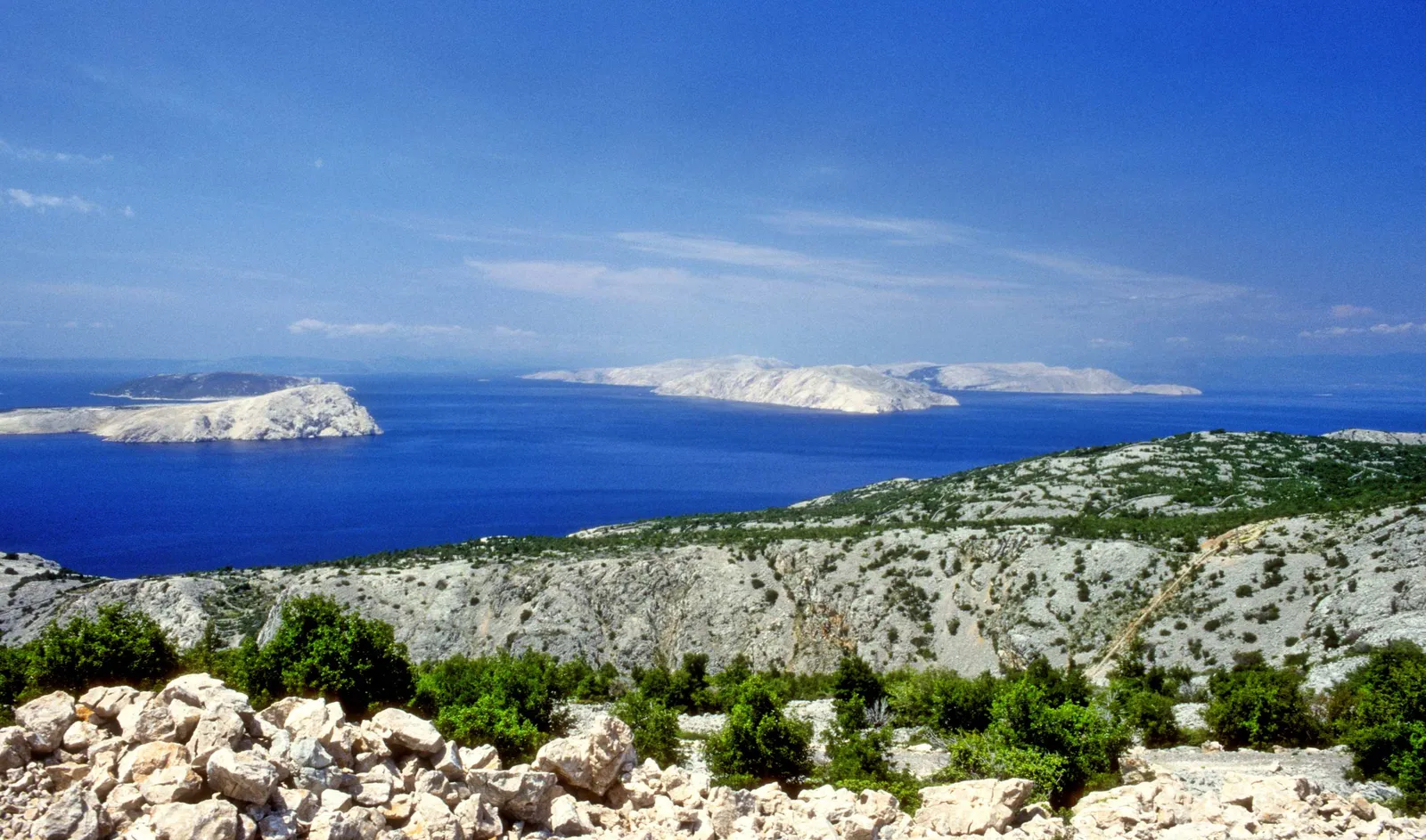
Croatia’s Adriatic coast is one of the most distinctive shorelines in the Mediterranean basin. With 1,244 islands along the Adriatic coastline and an extensive network of lakes and rivers, there’s an extraordinary range of landscapes to explore. That sheer variety means no two visits feel quite the same.
From the lavender-scented terraces of Hvar to the windswept limestone cliffs of the Kvarner Gulf, the physical texture of the coast is endlessly varied. The waters run from pale turquoise in the shallows to deep cobalt offshore, and the clarity is genuinely striking.
By destination, top performers for overnight stays include Dubrovnik, Rovinj, Split, Poreč, and Umag, each offering a completely different mood and pace. This is a coastline that genuinely rewards exploration rather than settling into just one spot.
Reason 2: Ten UNESCO World Heritage Sites in a Single Country
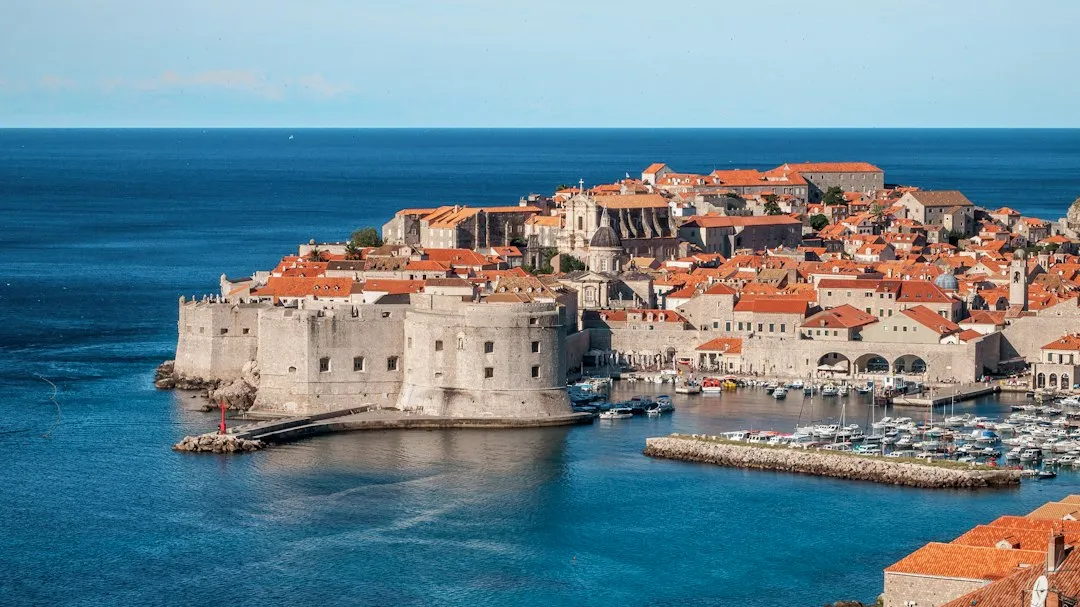
Despite being a relatively small country, Croatia has ten UNESCO World Heritage sites. That density is remarkable. Many nations far larger hold fewer protected sites of this caliber, and in Croatia they’re distributed in a way that makes them accessible rather than remote.
Croatia is home to an impressive ten UNESCO World Heritage Sites, and seven of these world-class relics are located along the Adriatic Coast, making it possible to encounter multiple sites in a single sailing or road journey.
In the heart of the coastal city of Split lies Diocletian’s Palace, built by the Roman Emperor Diocletian in the 4th century and considered one of the best-preserved Roman ruins in the world. People don’t just visit it. They live, eat, and go about their days within its ancient walls.
The Old City of Dubrovnik, jutting into the Adriatic Sea against a rugged mountain backdrop, is considered one of the finest and best-preserved medieval cities in Europe. Walking its ramparts at dusk is something that resists easy description.
Reason 3: A Food Culture That Earns Serious Attention

Croatia’s culinary story is one of the more underappreciated in Europe. While the country’s first two-Michelin-starred restaurant is a significant achievement, it’s just a glimpse of Croatia’s rich culinary offerings. The country now boasts a total of 11 Michelin stars, 11 Bib Gourmand recognitions, and 71 Michelin recommendations.
Visitors can indulge in fresh seafood along the Adriatic coast, savor truffles and olive oil in Istria, or explore the hearty dishes of inland Croatia. The regional range is genuinely wide, from the briny simplicity of a grilled sea bass to the earthy complexity of truffle pasta in Motovun.
Istria is renowned for truffles, such as the prized white truffle found in the forests of Motovun, and dishes like Fuži pasta with truffle sauce testify to the influence of Italian culture in the region. The food tells the cultural story as much as any monument does.
The Adriatic Islands: More Than a Beach Destination

Croatia is among the top tourist destinations in Europe, a country rich in history and culture with some of the most beautiful islands in the world. But calling the islands simply “beach destinations” undersells them considerably.
The Stari Grad Plain on Hvar Island has been preserved since the 4th century BC, when the Ionian Greeks cultivated it for agriculture and irrigation. That makes it one of the oldest continuously farmed landscapes in the entire Mediterranean.
What makes Stari Grad Plain especially special is that the land is still farmed today in much the same way as it was in ancient times. Standing in those olive groves, it’s possible to sense continuity across more than two millennia.
A Tourism Economy Built on Substance
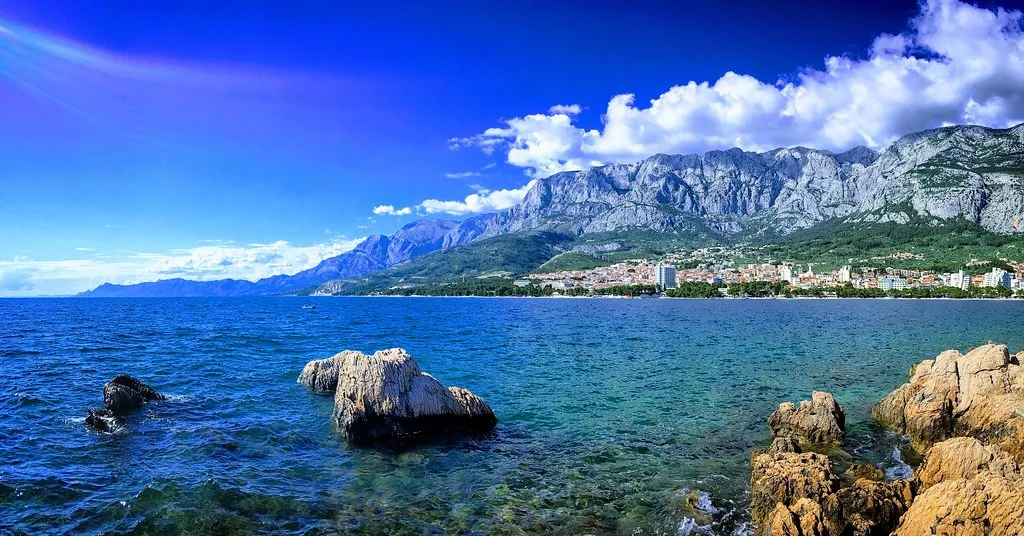
Croatia’s tourism revenues are expected to reach a new record of 16 billion euros for 2024, and tourism has been one of the pillars of the Croatian economy, accounting for about one fifth of Croatia’s Gross Domestic Product. Those figures reflect genuine demand, not just marketing.
The Adriatic region accounted for 103.3 million overnight stays, while the continental region recorded over 2.7 million overnight stays, and Zagreb reached 2.7 million overnight stays, marking a 6% growth from 2023. The continental interior is increasingly part of the story, not just the coast.
By the end of September 2025, Croatia registered approximately 18.7 million tourist arrivals and 89.4 million overnight stays in commercial accommodation, representing a 2.3% increase in arrivals and a 1.2% increase in overnight stays compared to the same period in 2024. The upward trend continues steadily.
Dubrovnik: A City That Earns Every Superlative
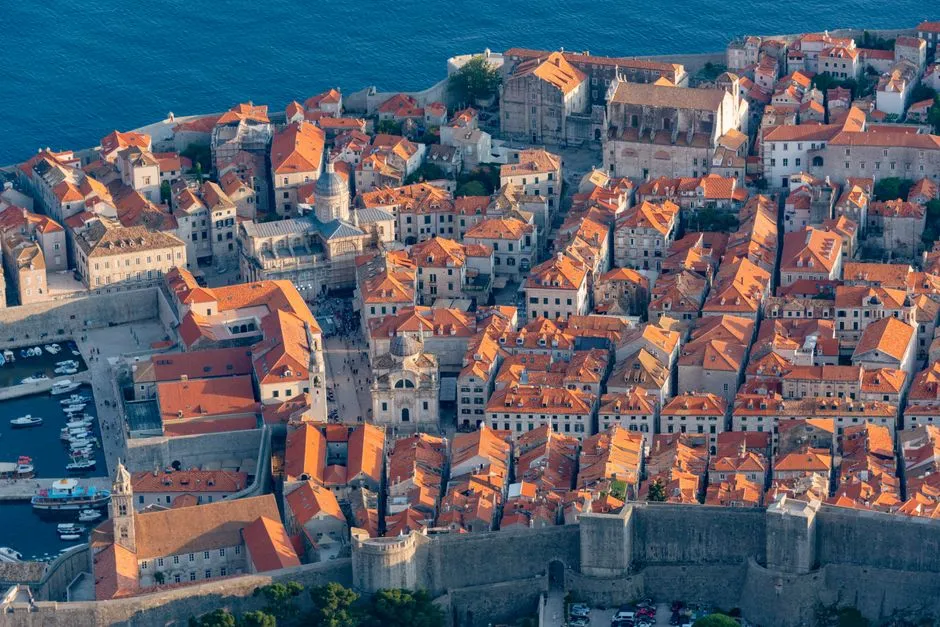
Dubbed the “Pearl of the Adriatic,” Dubrovnik’s Old Town is one of Croatia’s most iconic UNESCO sites, enclosed within well-preserved medieval walls and considered a masterpiece of Gothic, Renaissance, and Baroque architecture.
Located on the Dalmatian coast in the south of Croatia, the Old Town of Dubrovnik became an important Mediterranean harbor in the 12th century. It was even the capital of the independent Republic of “Ragusa” for many centuries. That independent spirit still feels embedded in the city’s character.
Dubrovnik attracted approximately 1.9 million visitors in 2025, showing 4.2% growth, making it consistently one of Croatia’s most visited individual destinations. The pull is earned rather than manufactured.
Plitvice Lakes: Nature at Its Most Theatrical
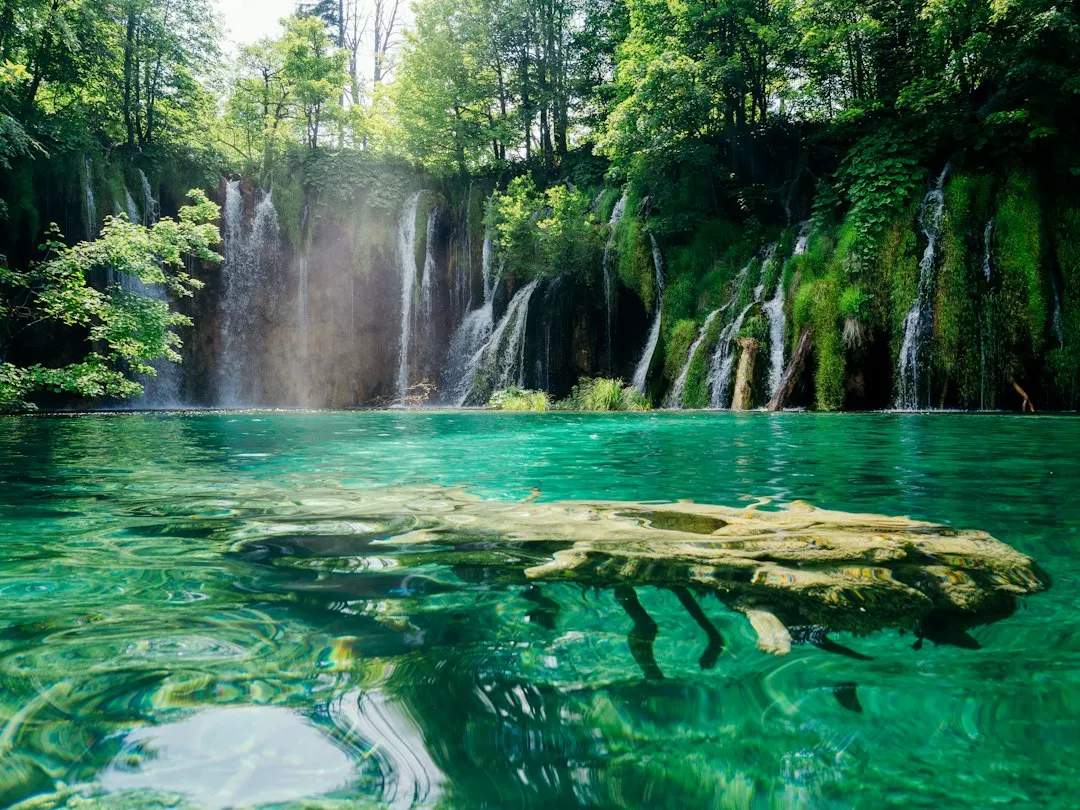
Croatia’s largest national park, Plitvice Lakes, is situated in the hinterland between Zagreb and Zadar, and is a haven for hikers and nature lovers with a series of 16 beautiful lakes formed by natural dams. The color shifts of the water, from mint to deep jade, change with the season and the light.
Linked by cascading waterfalls, the lakes are regarded by UNESCO as a “magnificent natural architectural phenomenon,” and the surrounding forest is home to bears, wolves, and many rare species of bird. It is one of the few places in Europe where wilderness feels genuinely intact.
Plitvice Lakes attracted approximately 1.9 million visitors in 2025, with 4% growth, matching Dubrovnik in visitor numbers. That kind of draw for a landlocked park in a coastal country speaks to just how exceptional the experience is.
Istria: The Quiet Region Doing Everything Right

Istria recorded 27.3 million overnight stays in the January to September 2025 period, representing about 30.5% of the national total, making it Croatia’s single most-visited region. Its appeal is quietly multidimensional.
Istria has vineyards and family-run wineries producing world-class wine, olive groves and olive oil, forests laden with black and white truffles, and excellent fish and grass-fed meats. It’s a region where quality of ingredients is taken as a baseline rather than a selling point.
In Istria, truffle hunting excursions are a highlight for food enthusiasts, with guided tours through the region’s lush forests where trained dogs sniff out these prized fungi hidden beneath the earth. It’s participatory, earthy, and genuinely memorable.
Year-Round Destination, Not Just a Summer Escape
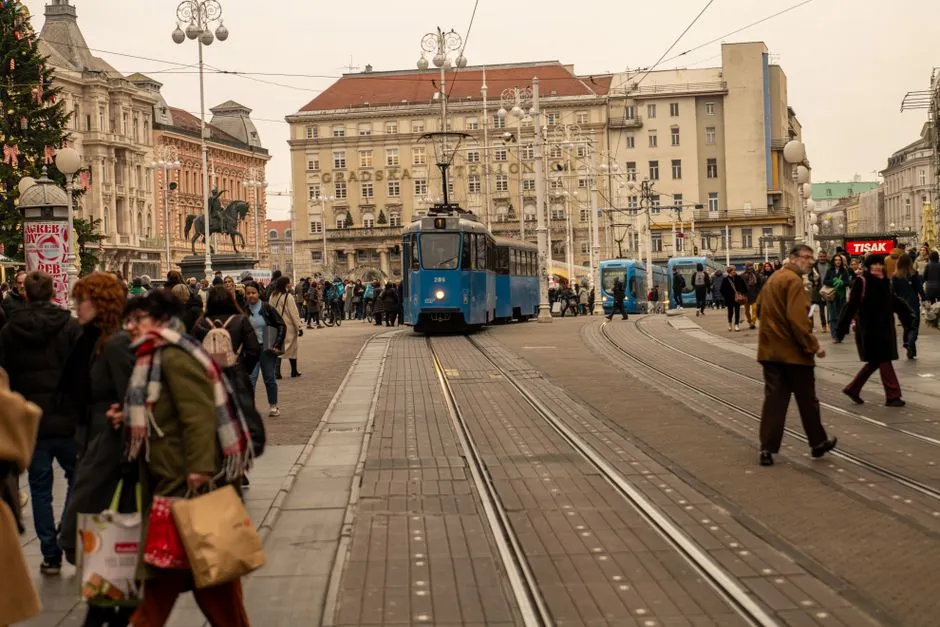
One of the quieter developments in Croatian tourism over the past few years is the meaningful growth of shoulder and off-season travel. From January to May 2024, arrivals increased by 11% while overnight stays grew by 12.5%, and from October to December, arrivals rose by 10.3% and overnight stays by 9.7%.
Domestic tourism grew noticeably, with about 2.5 million domestic arrivals and 8.0 million domestic overnight stays, up 8.6% and 6.1% respectively from 2024. Croatians themselves are rediscovering their own country outside of peak season, which is often a reliable signal that the experience holds up without summer weather as its crutch.
Autumn in Dalmatia, winter in Zagreb, spring along the Kvarner, these are not compromises. They’re genuinely good times to visit, with fewer crowds and a more local pace. The infrastructure is there year-round now.
Zagreb: The Continental Counterpart Worth Including
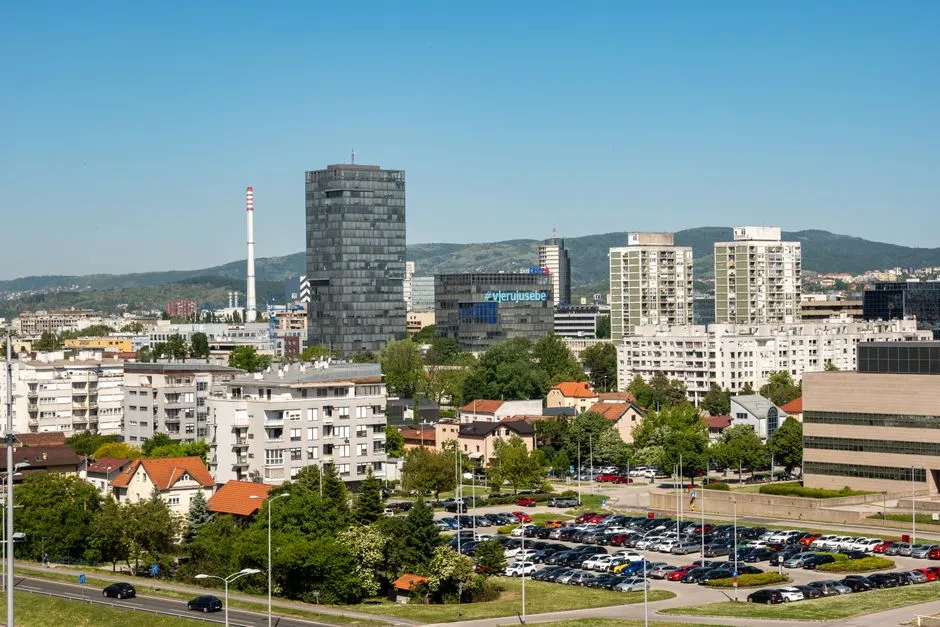
Zagreb attracted approximately 1.2 million visitors in 2025, with 4% growth, a figure that reflects a steady rise in recognition for the capital as a destination in its own right, not just a transit point to the coast.
At the heart of Croatia, Zagreb offers dishes deeply rooted in Austro-Hungarian tradition, such as Štrukli, a baked or boiled sweet pastry filled with cheese, often served with cream. The culinary culture here tells an entirely different regional story from the coast.
The city’s café culture, its markets, its museum quarter, and its quietly elegant 19th-century architecture give it a personality that stands on its own. Many travelers who add Zagreb to an otherwise coastal itinerary find themselves wishing they’d allocated more days.
The Takeaway
Croatia is not a destination that needs inflating. The facts are already generous: ten UNESCO sites, more than 1,200 islands, a Michelin-recognized food scene, a coastline that covers multiple regional personalities, and visitor numbers that have grown consistently through 2024 and into 2025. The depth is real.
What makes the miles worthwhile isn’t any single feature. It’s the combination. History sits next to nature. Fine dining exists a short walk from a simple family konoba. Ancient ruins share a city block with a functioning neighborhood. Croatia rewards travelers who pay attention, and it gives them plenty to pay attention to.
AI Disclaimer: This article was created with the assistance of AI tools and reviewed by a human editor.