
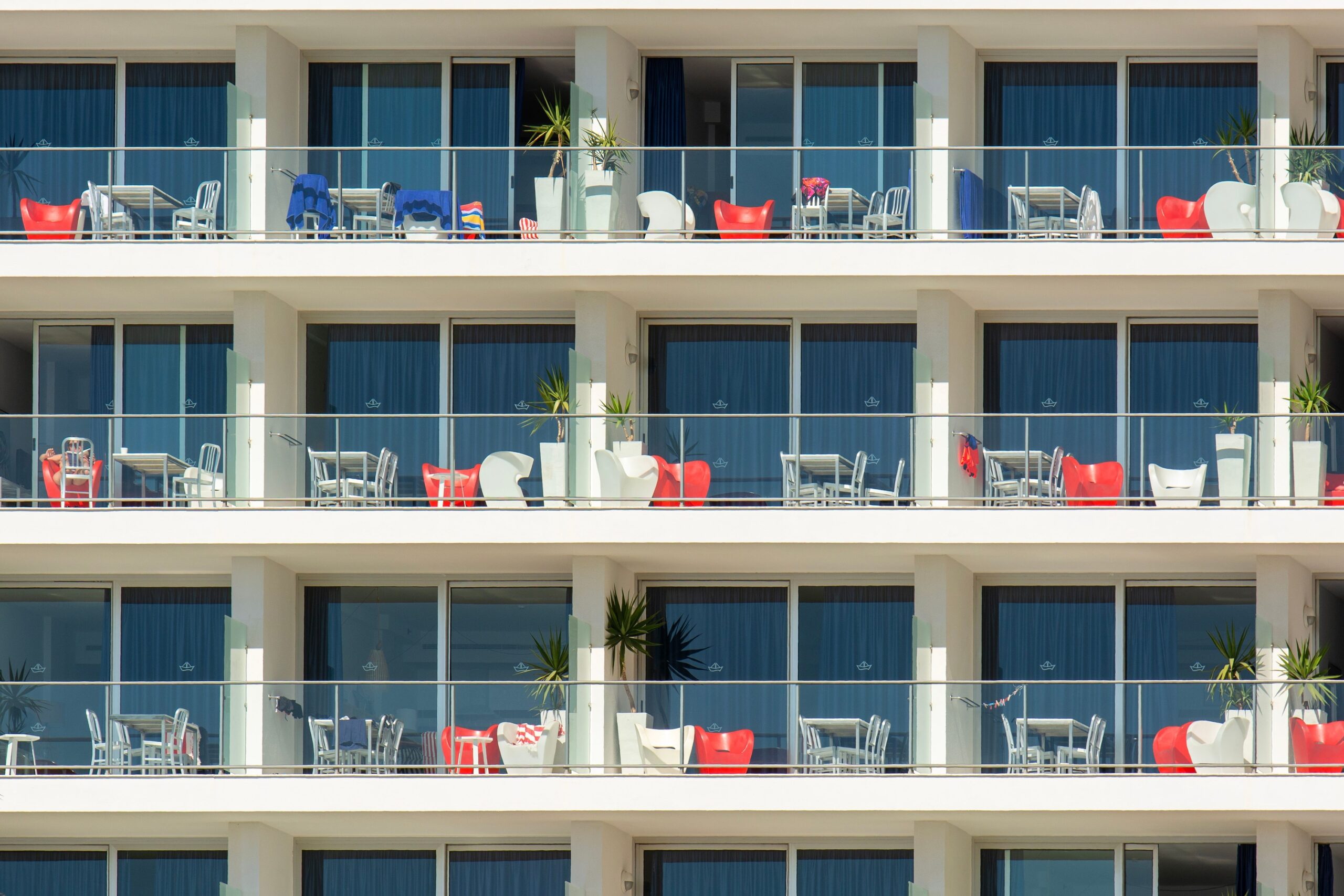

Most parents, when they arrive at a hotel with their kids, focus on the things that feel obvious: beds, bathrooms, whether the mini fridge is stocked. The balcony barely registers as a concern, at least not until the door slides open and a child sprints toward the railing. That moment of ordinary excitement is exactly where risk enters the picture.
The danger is real, it’s documented, and it’s largely preventable. What most families don’t realize is that a few specific checks before anyone unpacks a bag can make an enormous difference. This is the balcony rule parents need to know, in full.
The Numbers Are Hard to Ignore
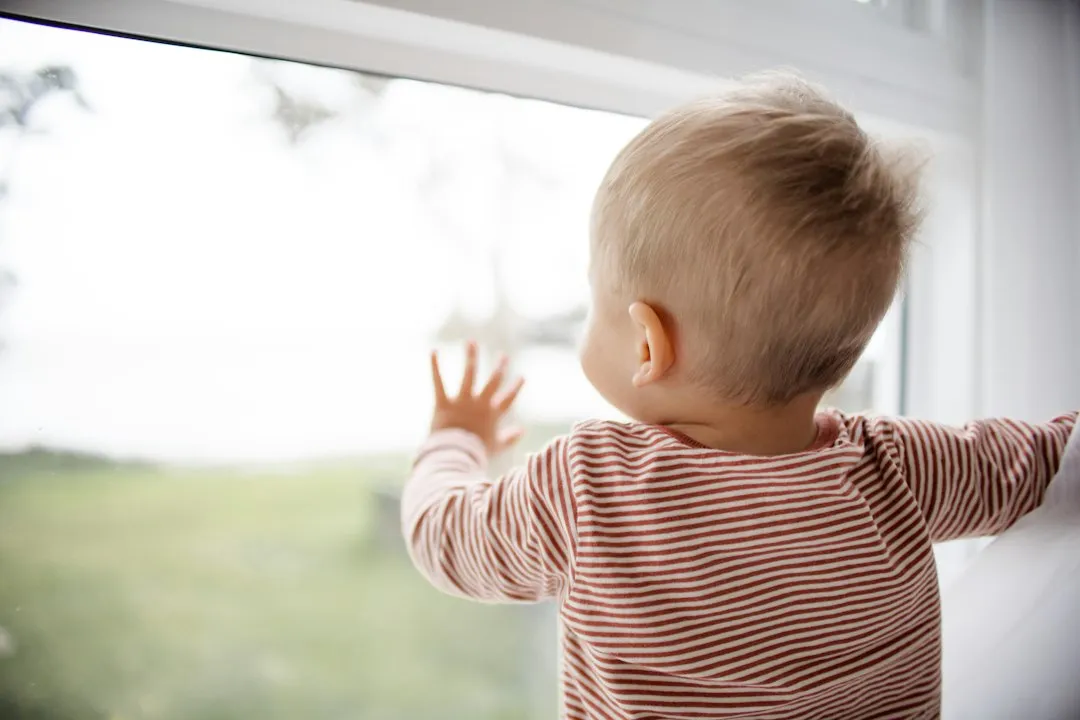
Every year, more than 3,300 children are hospitalized by falls from balconies or windows, according to Safe Kids Worldwide. These incidents happen when window or balcony features are unsafe in places such as hotel rooms, vacation rentals, rental properties, or apartments. These aren’t fringe events happening in obscure corners of the travel world.
According to the Child Accident Prevention Trust, nationally, one child under ten is admitted to hospital every day after falling from a building, often from open windows and balconies. Roughly two thirds of all fall-related incidents for children occur between May and September, as warmer weather leads to open windows and balcony doors. The timing matters because that’s peak travel season for most families.
Young Children Are Especially Vulnerable

Children under age seven are at the highest risk for balcony-related injuries. Something as small as a patio chair placed too close to the railing can turn a moment of curiosity into a serious fall. Their proportions work against them in a way many parents don’t think about.
Small children are built differently from adults. Their heads are proportionally much bigger, so they have a different centre of gravity. If they lean out of a window or over a railing, they may topple out, and when they land, their head takes much of the impact. Speed is also a factor. Most falls happen during a brief moment of inattention, like stepping into another room for a drink.
The Balcony Rule Itself: Do This Before Anything Else
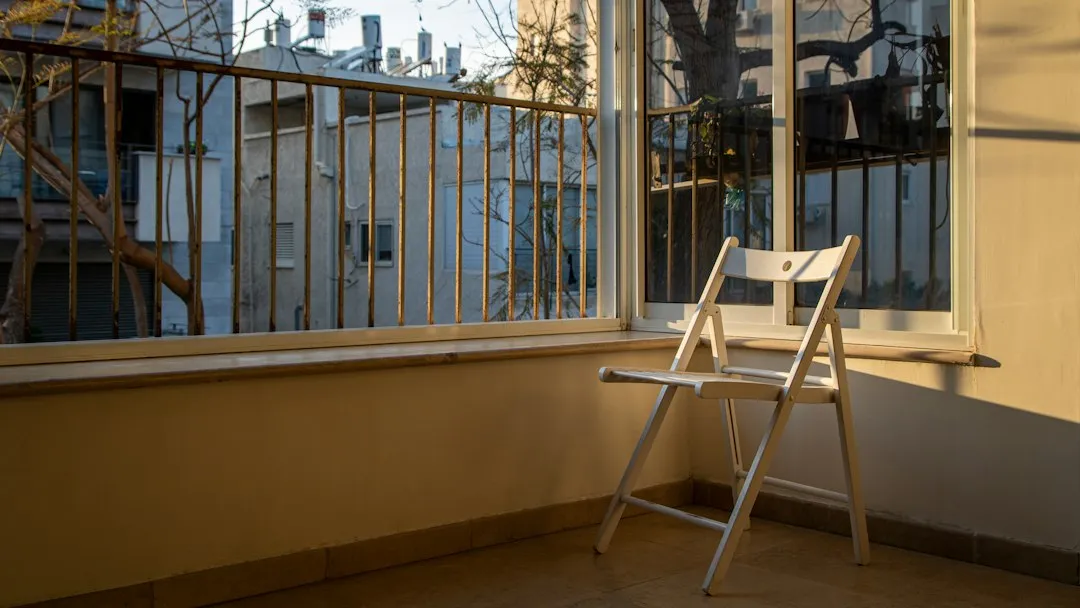
Walk through the property before children are released to explore. Check each room systematically for hazard categories, and identify immediate high-priority hazards including balcony barriers and pool access. Address these before any child supervision is relaxed.
The “rule” is simple: the balcony door stays locked until an adult is standing there. If there is a balcony door or even a ground-level slider, secure any high latches so your children cannot go out there without you. That one habit, non-negotiable, accounts for the majority of preventable incidents.
What to Check the Moment You Enter the Room

Make sure windows and balcony doors lock securely and that there are no gaps in window screens. Then look at the railing itself. Check the height of balcony railings and whether the spacing of vertical bars is close enough to prevent a child from climbing through. Young children can fit through surprisingly narrow gaps, and many holiday properties in warmer climates have railings designed to adult aesthetic specifications rather than child safety requirements.
Some railings are in disrepair or may be bent or otherwise damaged from a prior tenant, leaving a wider than usual opening for a young child to fit through. A quick visual check takes thirty seconds. It’s worth every one of them.
Furniture Near the Railing Is a Climbing Ladder

An eight-year-old girl fell to her death from a sixth-floor balcony. She was playing on the balcony with a friend when she stood on something to make herself taller. Her waist went above the wall of the balcony and she toppled over. This is a pattern that repeats, and it’s one that parents can control completely.
Keep balcony furniture away from the railings to prevent children from climbing. If you have young children, use outdoor furniture that can be folded and put away when the balcony is not in use. In a hotel setting, this means pushing chairs and loungers to the opposite wall or simply keeping the door locked when no adult is present.
Hotel Balcony Standards Vary Widely by Country

Balcony safety regulations vary by country, and metal slats can be wide enough for small children to fall through. What meets local building code in one destination may fall well short of what parents would consider acceptable. This is especially relevant when traveling internationally.
Many older apartment buildings and hotels have horizontal railings that children can climb, or vertical bars spaced wider than current safety standards allow. In the United States, openings in guardrail systems must not allow the passage of a four-inch sphere, a widely adopted safety standard intended to reduce the risk of small children passing through or becoming trapped between balusters. Abroad, no such guarantee exists.
Window Screens Are Not a Safety Barrier
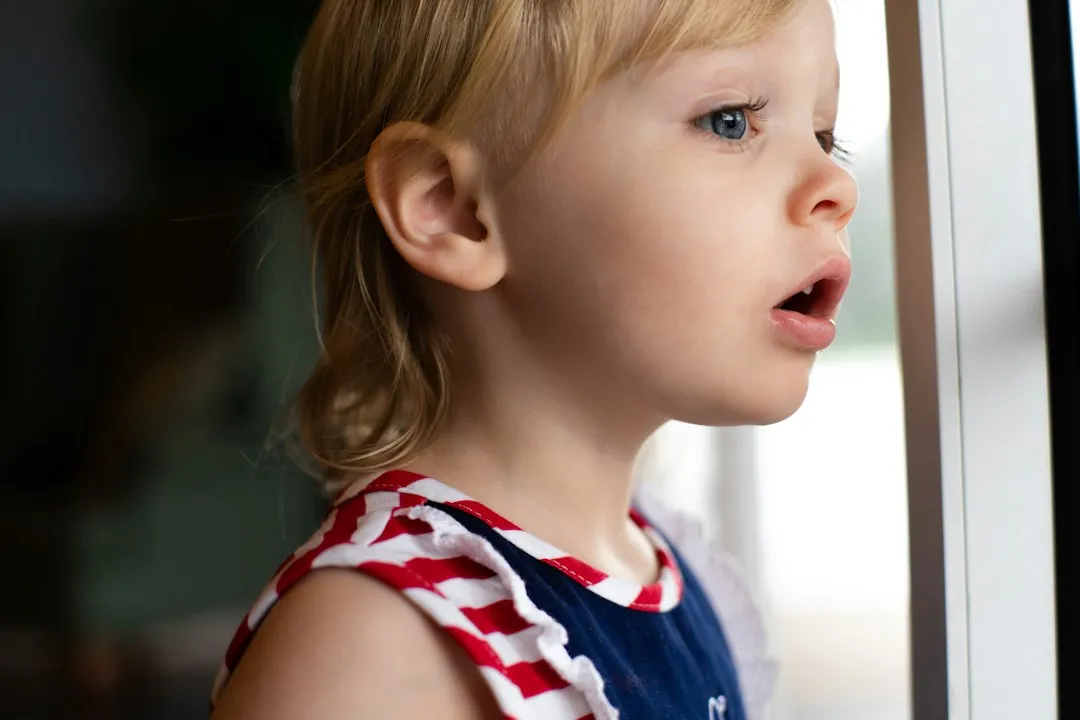
Window screens are designed to keep bugs out. If an unsupervised child pushes or shoves a screen, even with very little pressure, the screen can fall out. This applies equally to balcony-adjacent windows that parents might leave open for ventilation while assuming the screen provides some protection. It doesn’t.
BC Children’s Hospital’s emergency department recorded a 53 per cent increase in the number of visits for window or balcony fall-related injuries in 2025 compared to the previous year. Health officials have pointed specifically to warmer weather and open windows as contributing factors. In a hotel room, an unfamiliar window with a non-locking screen is a genuine hazard that deserves the same scrutiny as the balcony itself.
Ask Hotel Staff Directly, Before You Accept the Room
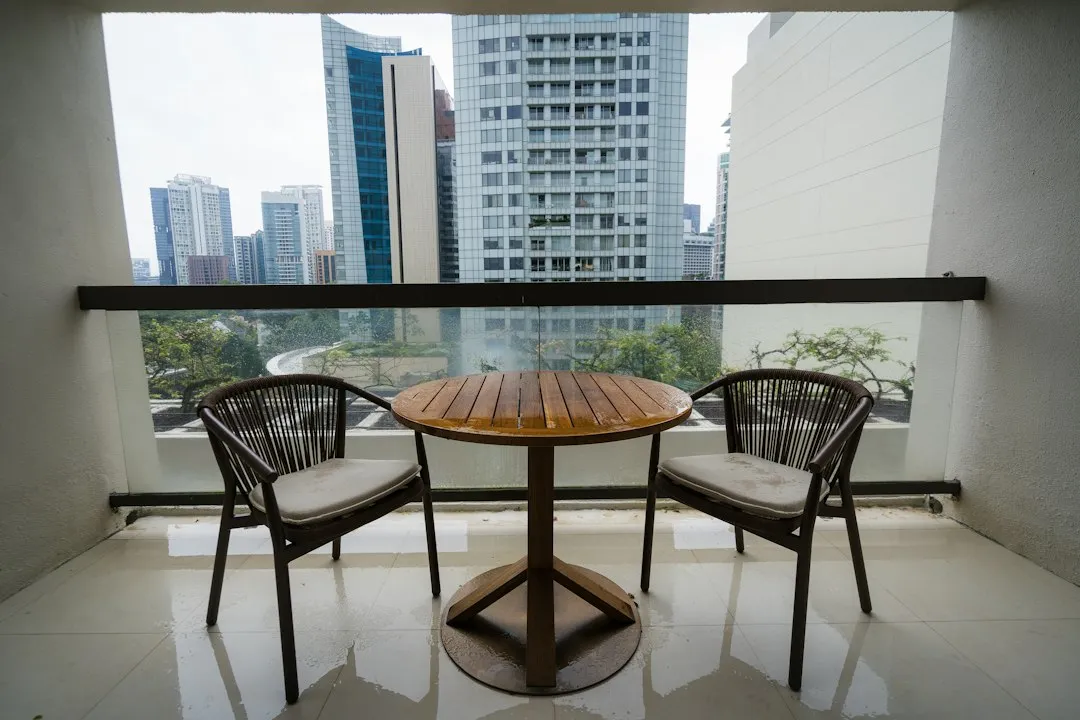
If information about a room is unavailable online, call the hotel to find out what furniture may be inside. Ask about locks on balcony doors and other aspects of the room that may need to be addressed. Most parents don’t think to ask this before booking, but it’s the kind of information that can shape which room type you request.
The best approach with curious or climbing kids is to avoid rooms with balconies. However, many hotels have childproof locks on sliding glass and swinging doors that lead to balconies. If your hotel lacks sufficient locks, other measures should be taken. Bringing a portable safety gate to block balcony access is one practical option.
Pack a Small Balcony Safety Kit
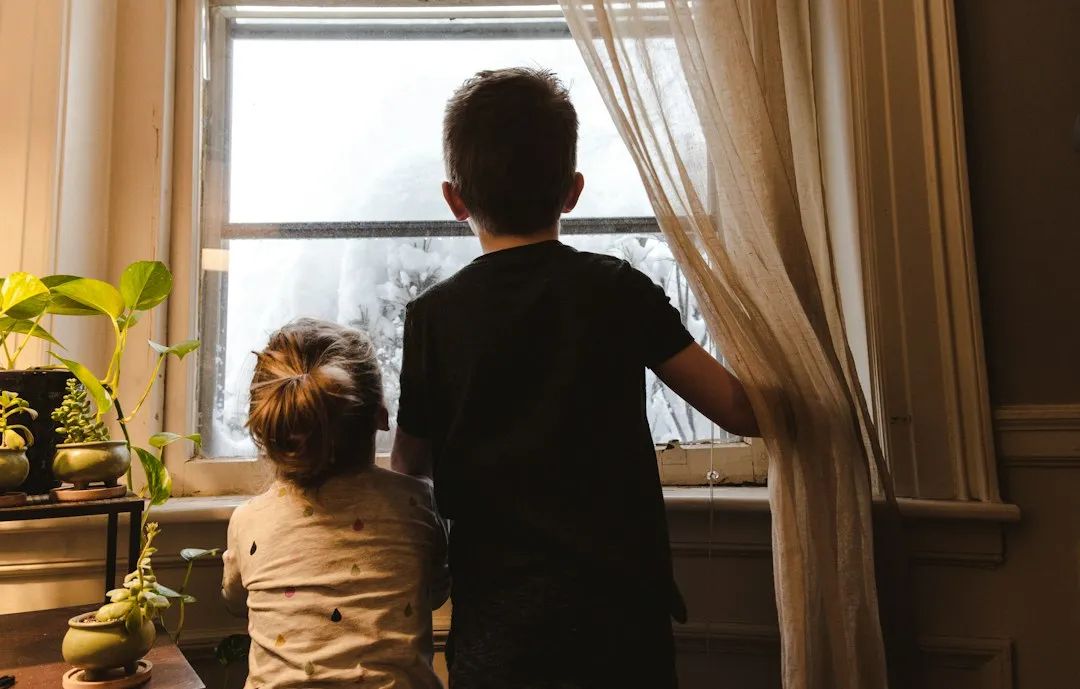
Hotel rooms aren’t always equipped with childproofing features. Packing a few basics like outlet covers, door knob covers, and corner guards can prevent common accidents. For balcony-specific concerns, the kit can be even simpler.
For sliding glass doors, wedge a piece of wood, cut to exact measurement, between the door and the frame so that even if a child unlocks the door they can’t open it. A door alarm is another low-cost addition. Some parents have resorted to taping balcony doors shut if kids can undo locks on their own, while a small door alarm may also come in handy. None of this requires much space in a carry-on.
Have the Conversation With Your Kids Before You Arrive

Brief children on the key safety rules for each specific property. Children aged four to seven can understand and follow rules when these are explained clearly with reasons and are reinforced consistently. This isn’t about frightening anyone. It’s about making the rules feel as normal as wearing a seatbelt.
The balcony door stays closed unless a grown-up is with you. That’s the sentence. Short, memorable, and worth saying before the elevator doors open on your floor. Older children can handle more context, and giving them a reason, rather than just a rule, tends to produce better compliance throughout a trip.
What to Do If the Room Doesn’t Feel Safe

If the balcony railing looks loose, the door won’t latch properly, or the gaps between bars seem wide enough to worry about, say something at the front desk immediately. Whether in a hotel, office, apartment block, or leisure venue, owners and managers have a legal responsibility to make sure balconies are designed, maintained, and managed safely. You are entitled to raise a concern and request a room change.
While having a balcony with a scenic view is a key hotel feature, make sure the door only opens under your watch, and check that the railings are high and secure so that little ones cannot squeeze through any gaps and fall. If management is unresponsive, document the issue with photographs. When a child is injured due to an unsafe window or balcony on someone else’s property, the case may fall under premises liability, meaning the injury was potentially preventable because the property feature was unmaintained.
The Takeaway
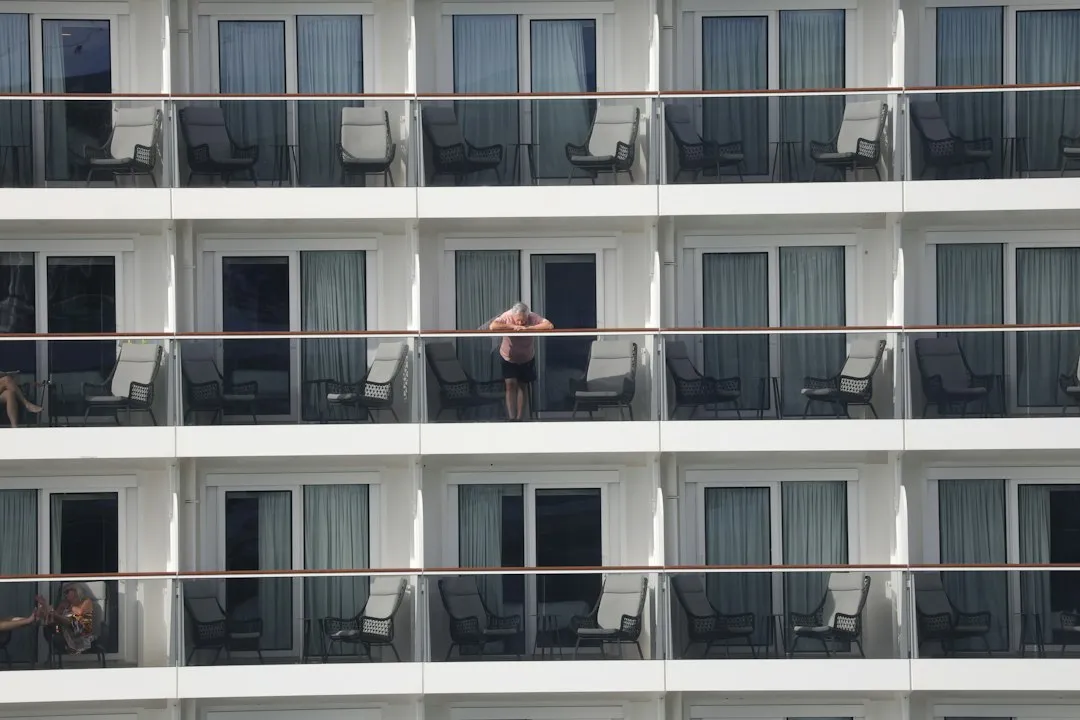
Hotel balconies are one of those hazards that feel scenic right up until they aren’t. The view is beautiful, the breeze is nice, and kids want to be part of it. None of that has to change. What changes is the habit: check the latch, check the railing gaps, move the furniture, and keep the door closed unless you’re standing there.
The rule itself isn’t complicated. The balcony is for adults and supervised children only, every time, without exception. Consistency is what makes it work. One unlocked door, one distracted moment, one piece of furniture left against the railing is all it takes for a vacation to become something no family should ever have to endure. A quick check at check-in is the simplest travel habit you’ll ever build, and it may be the most important one.
AI Disclaimer: This article was created with the assistance of AI tools and reviewed by a human editor.