

The Headboard: Where Professionals Look First
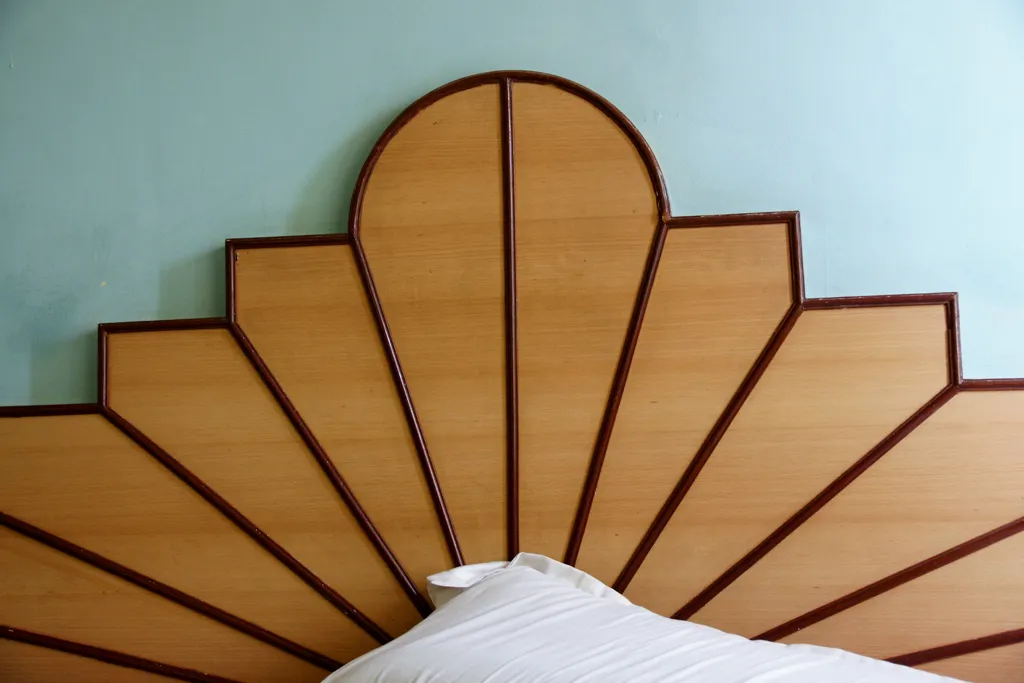
Ask a seasoned pest control technician where they head the moment they step into a hotel room, and the answer is almost always the same: the headboard. Most hotel headboards hang directly on the wall, and experienced inspectors start there before even glancing at the bed itself, having found live bed bugs, exoskeletons, and telltale black staining around the edges and inside the crevices of headboards.
The headboard deserves special attention because in many hotel rooms it is mounted to the wall, creating a narrow sheltered space behind or below it. The right approach is to shine a flashlight along the top, sides, lower edge, and the crack between the headboard and wall. That small, dark gap is exactly the kind of protected microhabitat bed bugs seek out.
Mattress Seams: The Second Stop on Every Inspection
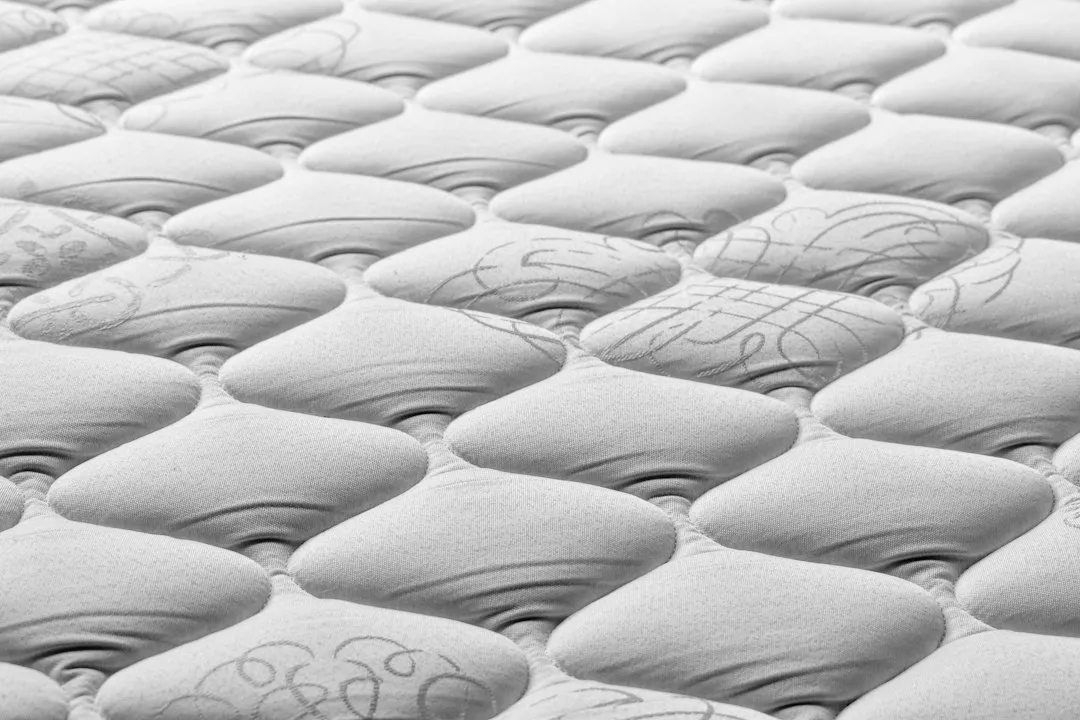
A thorough hotel inspection always covers the mattress carefully, examining the seams, tufts, and folds, lifting the corners and checking underneath for any telltale signs of bed bugs. This is not just a precaution. It is where a significant share of infestations show up.
According to Sleep Doctor’s survey data, roughly six in ten travelers who encountered bed bugs spotted them directly in or on the mattress, with most identifying the problem by visual confirmation. Bed bugs prefer quiet, dark places, which makes any crevice along the mattress a suitable hiding spot.
The Box Spring: An Overlooked Hotspot
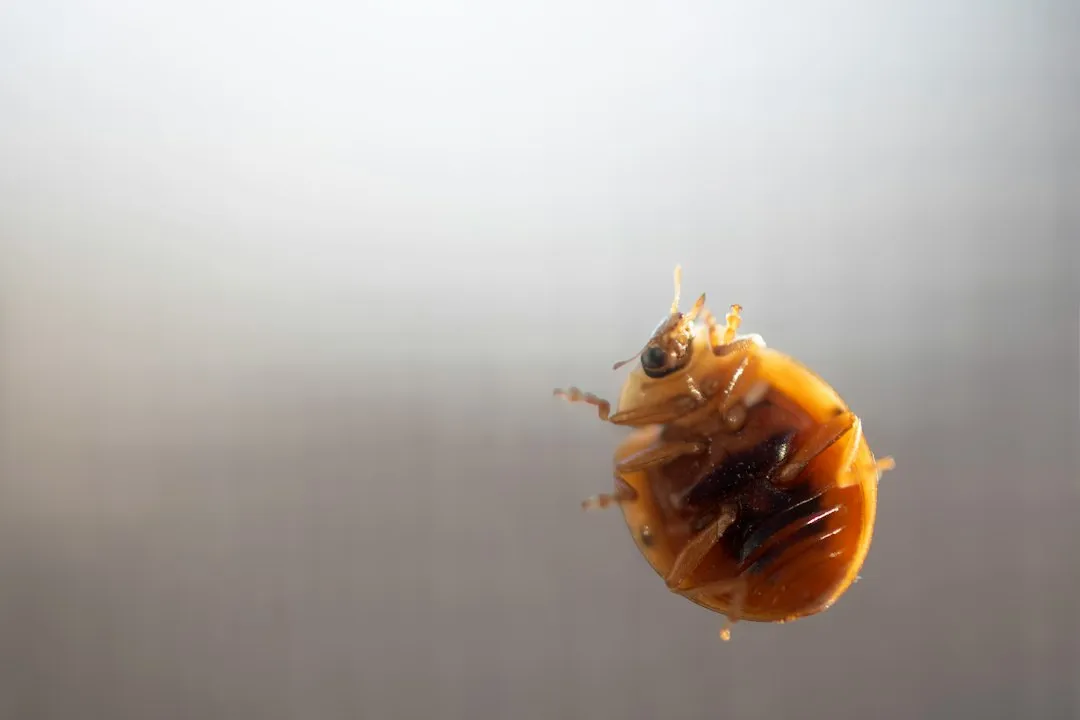
After the mattress, the box spring is next on a professional’s checklist, with particular focus on the fabric cover and the plastic corner guards where bed bugs frequently hide. Many travelers skip this step entirely because it requires lifting the mattress. That extra effort, though, is often where the real evidence turns up.
Pest professionals consistently advise looking inside box springs and behind headboards as part of any thorough inspection. Lifting the mattress edge to check the corners and the stapled dust cover of the box spring is a standard part of the two-minute hotel check that pest experts recommend.
Nightstands and Drawers
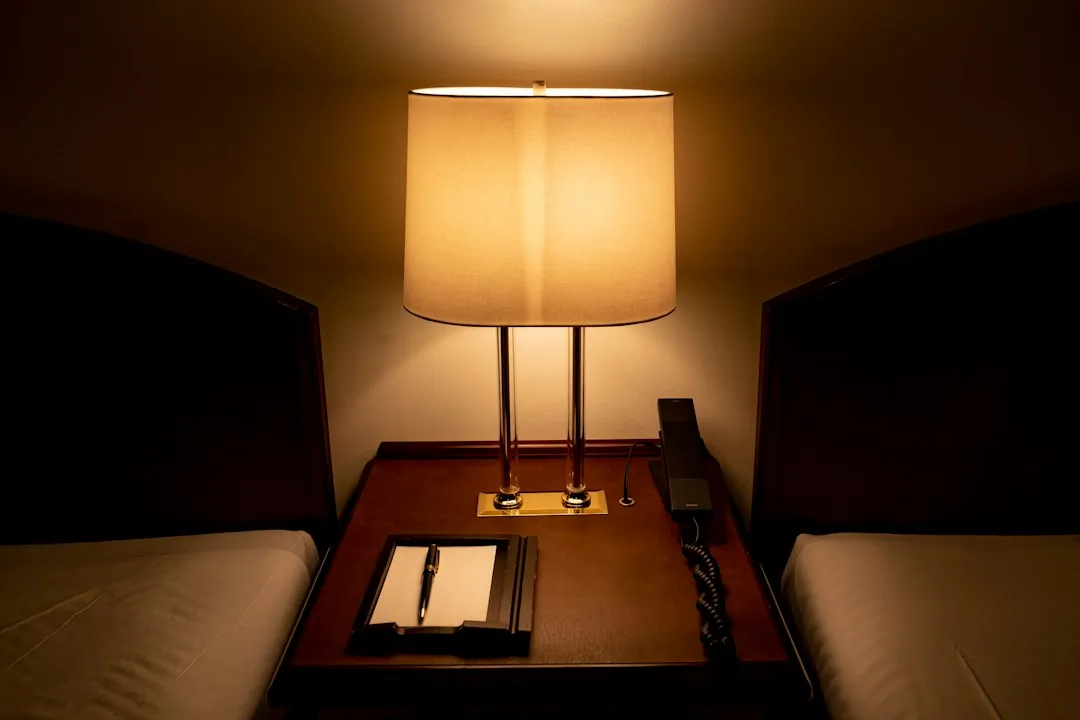
Bed bugs frequently hide in the seams and joints of furniture, making nightstands and inside drawers common locations for bugs, eggs, or dark staining from droppings. This surprises many guests who assume the problem stays close to the bed itself.
After the bed area, professional inspectors move to nearby furniture, examining the nightstand closely, including drawer joints, corners, screw holes, and the back edge near the wall. The logic is simple: bed bugs move outward from their primary host as an infestation grows, so furniture adjacent to the bed becomes increasingly colonized over time.
The Luggage Rack: A Transfer Point Most Guests Trust Without Checking

The luggage rack is a common transfer point for bed bugs from luggage to the room, and professionals recommend guests inspect it thoroughly before placing anything on it. The irony is that most travelers are told to use the luggage rack to protect themselves but never think to inspect the rack first.
Before using the luggage rack, a proper inspection covers the joints, screw holes, straps, seams, and underside. If the rack appears clear, luggage should be placed on it with the rack kept away from both the wall and bed, and bags should remain zipped when not in use.
Bed Frames and Nearby Wall Crevices

Areas around the bed or bed base warrant careful attention because bed bugs often hide where fabric, wood, metal, and small gaps meet. Professionals check screw holes, joints, and any cracks along the frame itself. These tight spots offer the kind of undisturbed shelter bed bugs actively seek.
Bed bugs hide along seams of mattresses, within box springs, and within cracks and crevices in furniture, personal belongings, and areas near sleeping and resting sites. Experienced technicians treat every one of those zones as a distinct inspection target rather than grouping them loosely as “the bed area.”
Upholstered Chairs and Sofas

All furniture in a hotel room is worth a look, especially upholstered furniture like chairs and sofas, with inspectors checking cushions, seams, and the undersides. Guests tend to underestimate this area because it sits away from the sleep surface. Pest professionals, however, see infestations that have migrated from an overrun bed into nearby soft seating.
Cushion seams, cushion edges, skirt fabric, zipper areas, and the places where cushions meet the frame all deserve attention, and curtains close to the bed can be checked along folds, hems, and the lower edge. A flashlight makes a significant difference in this kind of search.
What the Signs Actually Look Like

Signs of bed bugs in a hotel room include dark spots, stains, or blood smears on the mattress or bedding, unexplained bites on the body, shed skins or exoskeletons, and live bed bugs or eggs. Knowing what to look for matters as much as knowing where to look.
The black staining bed bugs leave behind is digested blood. On a hard surface, those stains appear as small dots resembling an ink pen mark, and they will smear into a brownish-gray color when moisture is applied. Adult bed bugs are rarely larger than an apple seed, while juveniles are closer to the size of a poppy seed, with slightly flattened bodies that tend to be rusty red in adults and tan in juveniles.
The Scale of the Problem in Hotels Right Now
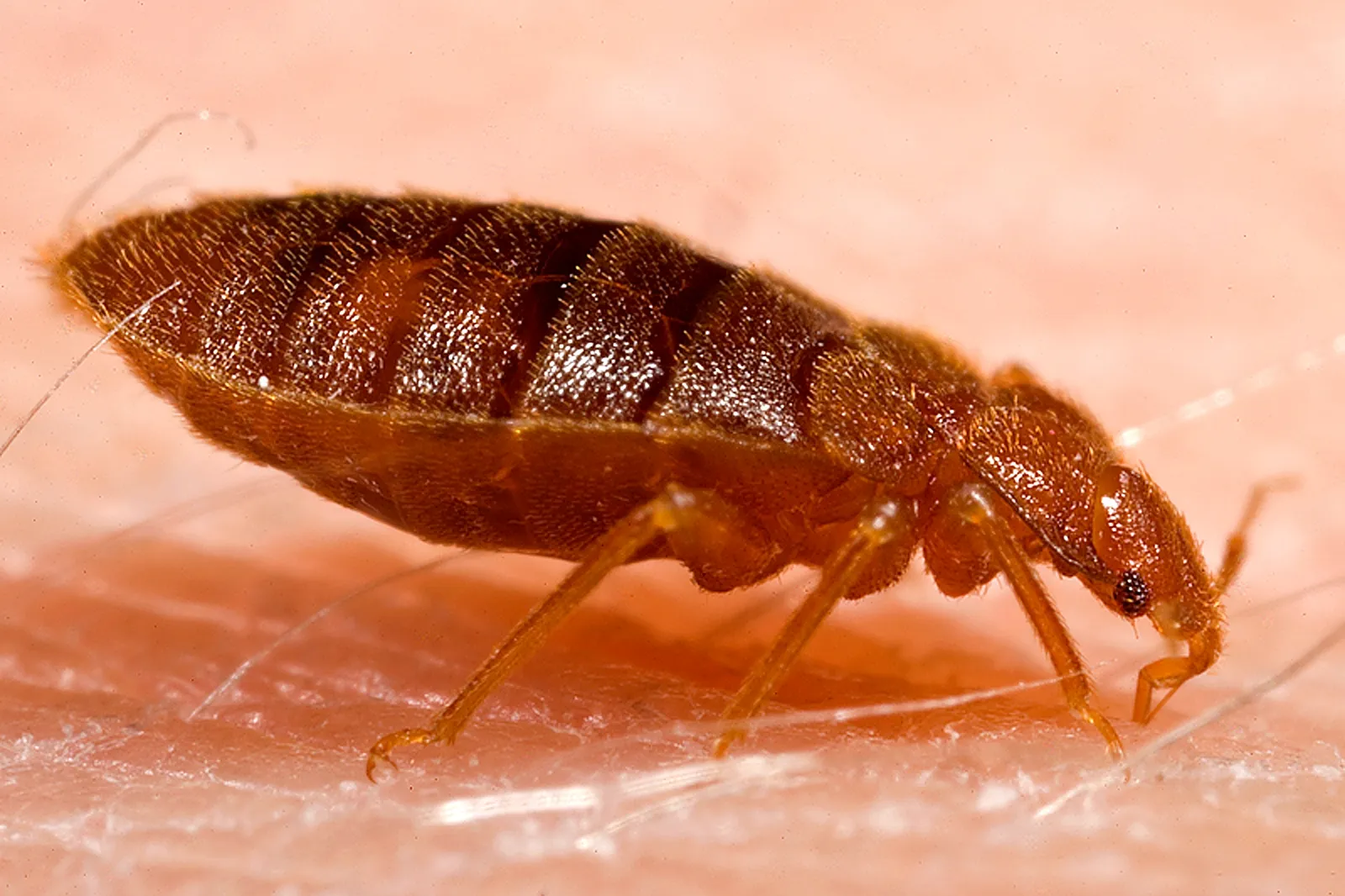
According to a 2025 survey of pest control professionals conducted by the University of Florida and the National Pest Management Association, more than four in five pest control professionals treated bed bugs in the past year, with hotels and motels appearing on roughly seventy percent of those treatment lists. That places hotels firmly in the top three most treated location types, behind single-family homes and apartments.
Internationally, UK hotels saw a rise of nearly two hundred and eighty percent in bed bug levels over a two-year period through 2024. Orkin has also noted that bed bugs have a growing resistance to certain treatments, making early detection and prevention all the more essential.
What to Do the Moment You Check In

Upon entering a hotel room, leaving luggage at the door while conducting a thorough search for bed bugs is a foundational step recommended by pest control experts. The bathroom is often the safest initial parking spot for bags, since tile floors and hard surfaces offer bed bugs little to grip or hide in.
Guests should also be aware of hotel policies on bed bugs, including avoiding storing luggage on the bed and knowing how to inspect the room during a stay, not just at check-in. If signs of an infestation are found, immediately notifying the hotel is the right move, and it is worth knowing that bed bugs can travel between rooms through cracks in ceilings, floors, and walls, which means switching to an adjacent room may not fully resolve the exposure.
The Takeaway

The biggest thing pest control professionals want travelers to understand is that a two-minute check before unpacking is a genuinely worthwhile habit. According to the Professional Pest Management Alliance, roughly three in four Americans have no idea how to look for bed bugs, leaving them vulnerable to unknowingly sleeping in an infested bed. That knowledge gap is easy to close.
Start with the headboard. Move to the mattress seams, the box spring corners, the nightstands, and the luggage rack. After encountering bed bugs, nearly three in four travelers say they will always check for bed bugs in the future, and more than half become more selective about which accommodations they book. A short inspection at check-in is far less disruptive than everything that comes after an infestation follows you home.
AI Disclaimer: This article was created with the assistance of AI tools and reviewed by a human editor.