
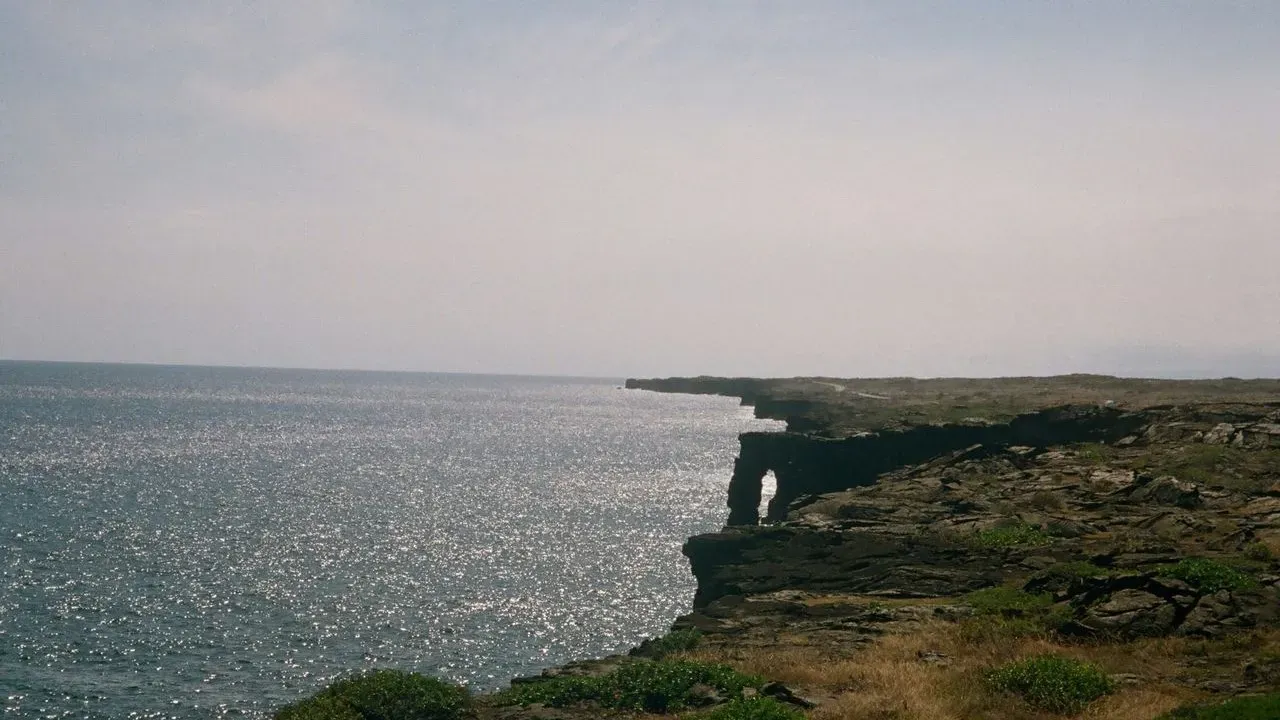

Hawaii Volcanoes National Park holds a coastline shaped by fire and water, where lava flows meet the Pacific in constant motion. The Holei Sea Arch, once standing roughly 90 feet high along the park’s rugged southern shore, has collapsed into the sea following recent storms that swept across the islands. The change marks another chapter in a landscape that has always been defined by transformation rather than permanence.
A Landmark Shaped by Erosion
Sea arches form when waves carve through softer rock along coastal cliffs, leaving a bridge of harder material standing for a time. The Holei Sea Arch followed this natural process, its span created over centuries by the steady work of the ocean against volcanic stone. Such features are temporary by nature, destined to fall when erosion undercuts their foundations or when powerful weather events accelerate the process.
The recent storms delivered the final force that brought the arch down. Park visitors and staff observed the change after the weather systems passed, confirming that the structure no longer spans the water. This outcome aligns with the ongoing geological story of Hawaii’s Big Island, where new land is built and older formations are worn away in equal measure.
Respecting a Living Landscape
The coastline within Hawaii Volcanoes National Park carries deep cultural significance for Native Hawaiian communities, whose ancestors have long understood the land as a dynamic, living presence. The arch’s collapse invites reflection on that relationship rather than a sense of loss, reminding travelers that these places continue to evolve according to their own rhythms. Visitors are encouraged to approach the area with the same respect shown by those who have stewarded it for generations.
Park officials continue to monitor coastal zones closely. Conditions near cliffs can shift quickly, especially after heavy surf or rain, so current guidance from the National Park Service remains the most reliable source for safe access and trail updates.
Experiencing the Park Responsibly Today
Travelers drawn to the park’s volcanic terrain and coastal views can still find profound connection in the remaining features along the shore. Walking designated trails, observing from established viewpoints, and following all posted closures allow visitors to witness the landscape without adding pressure to fragile edges. Many choose to pair their visit with learning opportunities offered by park rangers or local cultural programs that highlight both geological processes and Hawaiian perspectives on place.
The ocean continues its work at the base of the cliffs, and new formations will eventually emerge elsewhere along the same stretch of coast. This cycle underscores the value of patient, low-impact travel that honors the land’s ongoing story.
What Matters Now
The collapse of the Holei Sea Arch serves as a quiet reminder that Hawaii’s coastlines are never static. Those planning a visit can best honor the park by staying informed through official channels, supporting sustainable practices, and carrying away only photographs and a deeper appreciation for the forces that shape these islands. The landscape remains open to those who come prepared to witness rather than to claim.
AI Disclaimer: This article was created with the assistance of AI tools and reviewed by a human editor.