
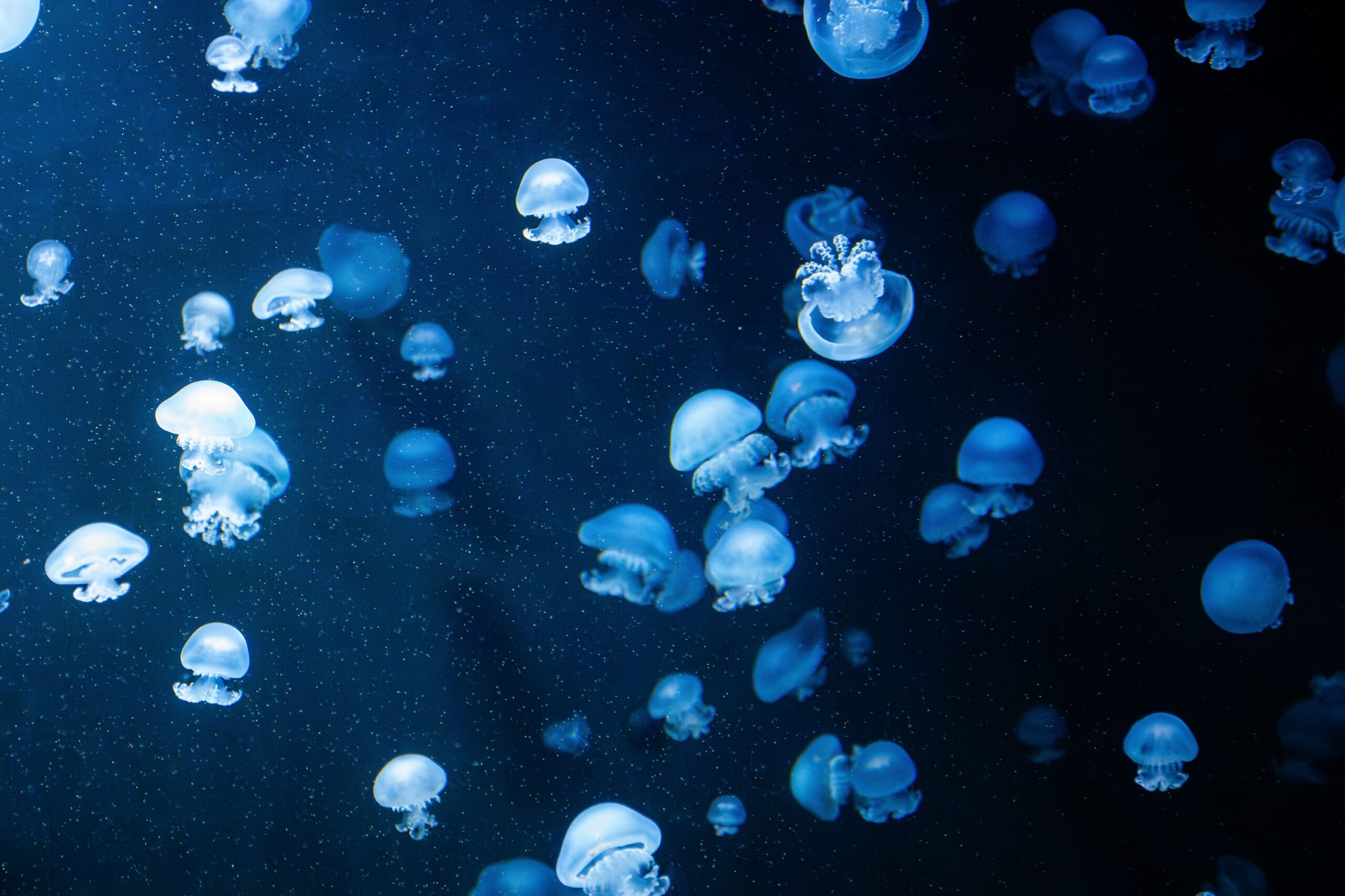
How a Jellyfish Sting Actually Works
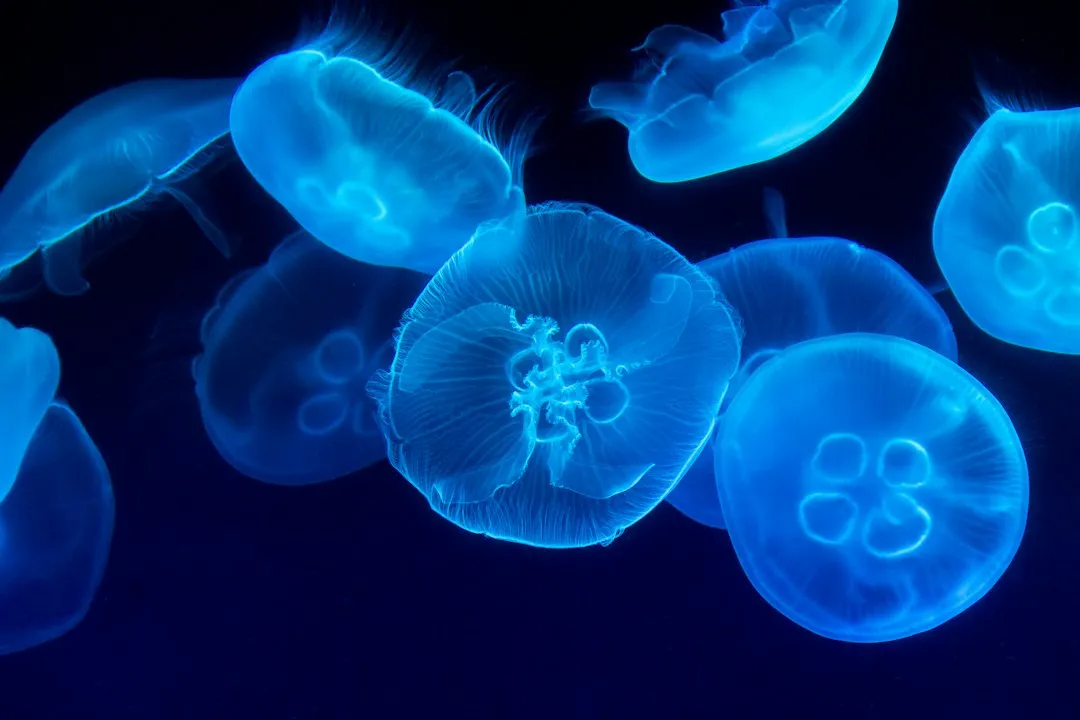
Stinging by jellyfish is caused by the simultaneous discharge of many thousands of microscopic stinging capsules called nematocysts, which are located on the surface of tentacles and in some species on the body of a jellyfish. These nematocysts contain coiled threads loaded with venom, and upon contact, they discharge their tubules into the victim’s skin like mini-harpoons.
Crucially, less than one percent of stinging cells on a tentacle actually fire when you’re first stung. So anything that moves the tentacles or adherent stinging cell capsules has the potential to increase the amount of venom injected by many fold.
Discharge of the jellyfish venom is triggered by mechanical stimuli such as skin rubbing or tentacle traction, sudden increases in the osmotic pressure of the capsular fluid, and sudden relaxation of spring-like tensions in the nematocyst’s collagen framework. Understanding this mechanism is the key to understanding why so many popular remedies backfire.
The Urine Myth: Where It Came From
The idea of using urine as a cure is thought to be an old wives’ tale that became even more popular after a “Friends” TV episode in which one character applies urine to a jellyfish sting. The scene stuck in cultural memory more firmly than any medical advisory ever could.
The myth likely started because urine contains ammonia and urea, giving it a slightly basic pH, according to Jessica Colla, director of education at the Maui Ocean Center in Hawaii. On paper, a basic solution neutralizing an acidic sting sounds plausible. In practice, the chemistry is far more complicated.
The myth likely started because urine contains trace amounts of ammonia and urea, compounds that can help neutralize stings. However, unless something is seriously wrong in the body, the concentrations in human urine are far too low to be effective. Any potential benefit is outweighed by the risk of triggering more stings.
Why Urine Makes the Sting Worse, Not Better
Urine can actually aggravate the jellyfish’s stingers into releasing more venom. This is the core problem, and it’s backed by laboratory evidence, not just theoretical concern.
Since urine is often diluted, it can resemble fresh water more than seawater. You never want to rinse a sting with fresh water, because it makes the pain worse. The variable composition of urine from person to person makes it especially unpredictable as a treatment.
There is not enough urea in urine to effectively treat a sting. In fact, one analysis showed that urination was a significantly worse treatment than seawater. In-vitro studies indicate that human urine can trigger toxin release and increase pain caused by various jellyfish species.
The Freshwater Rinse: Another Common Mistake
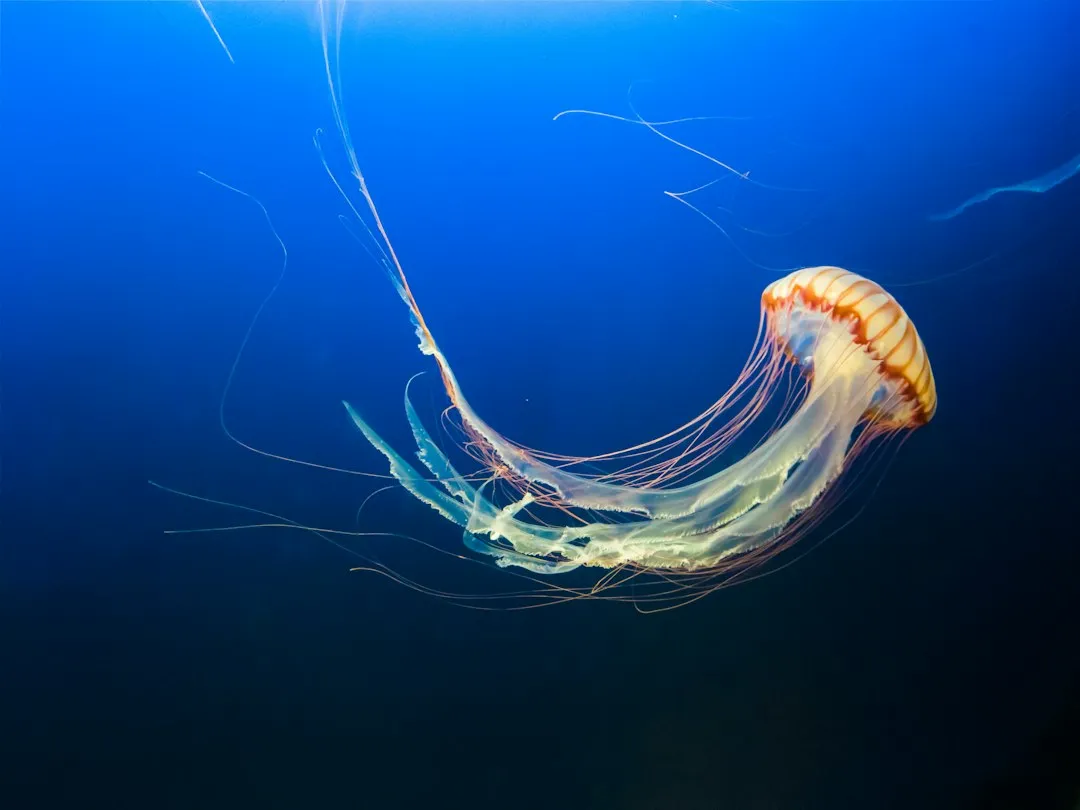
Any change to the balance of solutes, such as the concentration of salts inside and outside of the nematocyte, sets off stinging. Adding freshwater to the sting site dilutes the salts outside the cell, unbalancing the solutes. In reaction to this change, the nematocysts in the cells release more venom and cause more pain.
Fresh water should not be used because it can activate undischarged nematocysts. For box jellyfish stings specifically, vinegar inhibits nematocyst firing and is used as the initial rinse if available, followed by a seawater rinse. Fresh water should not be used in either scenario.
Discharge can still be triggered by osmotic shock, such as a freshwater rinse, and other physicochemical triggers like rubbing. Application of rinse solutions to undischarged, isolated nematocysts allows for direct evaluation of damaging venom ejection versus inactivation. The osmotic shock argument against freshwater is now well-established across multiple research settings.
Rubbing, Scraping, and Towels: Stop Immediately
Rubbing with sand or a towel creates friction that spreads venom and can embed tentacle fragments deeper into the skin. It’s an understandable instinct: something painful is on your skin, and you want it gone. The instinct, though, works against you completely.
The team from the University of Hawaii at Mānoa found that some of the most commonly recommended actions, including rinsing with seawater, scraping the tentacles, and applying ice, dramatically increased the severity of the stings.
Rubbing the sting with sand is contraindicated because it activates undischarged nematocysts. The same logic applies to any rough material. Gentleness is not just courteous here; it’s medically necessary.
Ice Packs: Surprisingly, They Can Make Things Worse
Applying ice not only didn’t help: for stings from the Hawaiian box jelly, it actually enhanced the venom’s activity to make stings cause more than twice the damage. This finding from the University of Hawaii came as a shock even to researchers familiar with jellyfish biology.
Many people think: “I’m burning, I should put some ice on it.” The problem with ice is that, at best, it’s useless. At worst, it seems to somehow enhance the venom activity. The research team, led by Dr. Angel Yanagihara, documented this across two dangerous box jellyfish species.
Heat, by contrast, works in the opposite direction. The most effective measure for treating a jellyfish sting is immersing the affected area in a hot bath with water temperature between 40 and 45 degrees Celsius for approximately 20 minutes. Heat alters the protein structure of the jellyfish venom, providing significant pain relief.
Alcohol, Meat Tenderizer, and Baking Soda
Alcohol can irritate the skin and promote nematocyst discharge. It’s a commonly reached-for item at beaches and campsites, and its disinfecting reputation makes it feel like a logical choice. That reputation, in this context, is misleading.
Alcohol, methylated spirits, and fresh water should be carefully avoided, since they could massively discharge nematocysts. Pressure immobilization bandaging should also be avoided, as laboratory studies show that it stimulates additional venom discharge from nematocysts.
Applying alcohol, meat tenderizer, or baking soda directly to an active sting without first removing tentacles and rinsing with seawater may trigger additional nematocyst discharge. Each of these approaches has an internal logic to it, but logic built on the wrong assumptions can cause real harm.
The Scale of the Problem: How Common Are Jellyfish Stings?
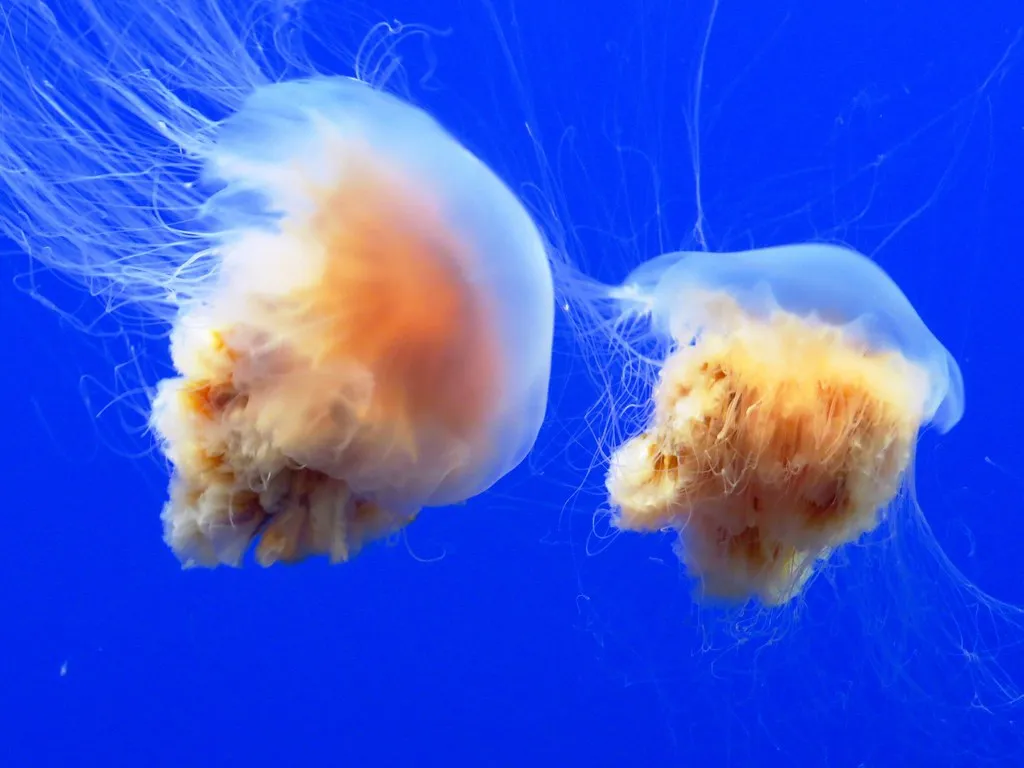
According to the Cleveland Clinic, roughly 150 million jellyfish stings occur around the globe annually. That is a staggering number, and it means that the difference between correct and incorrect first aid translates to a very large number of people either suffering more than necessary or recovering effectively.
Jellyfish stings represent a significant global marine hazard, causing injuries from localized skin damage to fatal systemic complications. While skin reactions are the most common symptom, cardiotoxicity is the primary cause of death.
Most jellyfish stings cause mild pain, redness, and irritation, but some may trigger serious reactions such as difficulty breathing, chest pain, or severe allergic responses that require immediate medical attention. Because symptoms can range from minor skin irritation to life-threatening emergencies, knowing when to self-treat versus seek urgent care is critical.
What the Research Actually Recommends
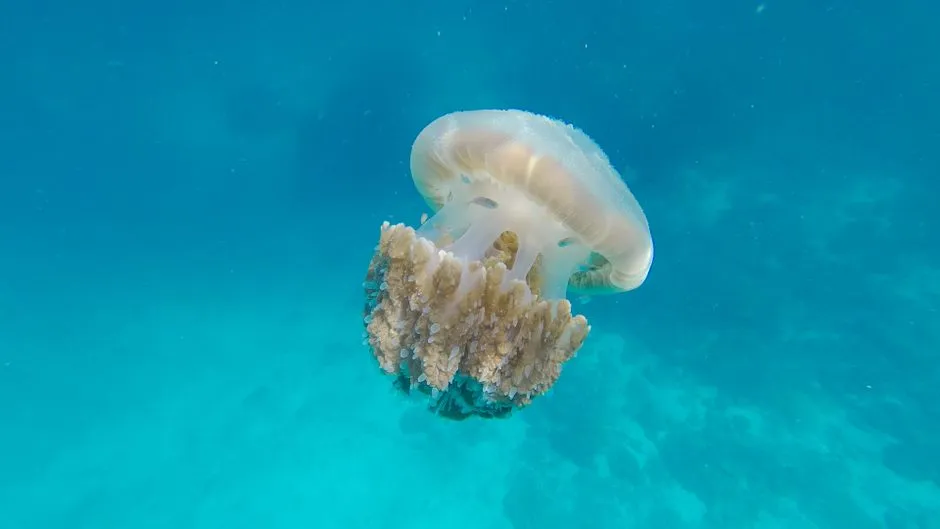
A 2025 systematic review published in PMC assessed the best available first aid treatments and found that heat application and proper rinsing offer the most consistent pain relief. This aligns with a growing body of evidence that has been building for several years now.
Rinsing with vinegar, which irreversibly prevents the stinging cells from firing, or even simply plucking tentacles off with tweezers, led to less venom injection. After the sting, applying heat actively decreased venom activity. These findings come from the published research of Dr. Angel Yanagihara’s team at the University of Hawaii at Mānoa, published in the journal Toxins.
Vinegar neutralizes venom from some jellyfish species, particularly box jellyfish, but can increase envenomation in others. It is best to use seawater if you don’t know the species. The species-specific variation is an important nuance that often gets lost in general advice.
The Danger of Delayed Treatment
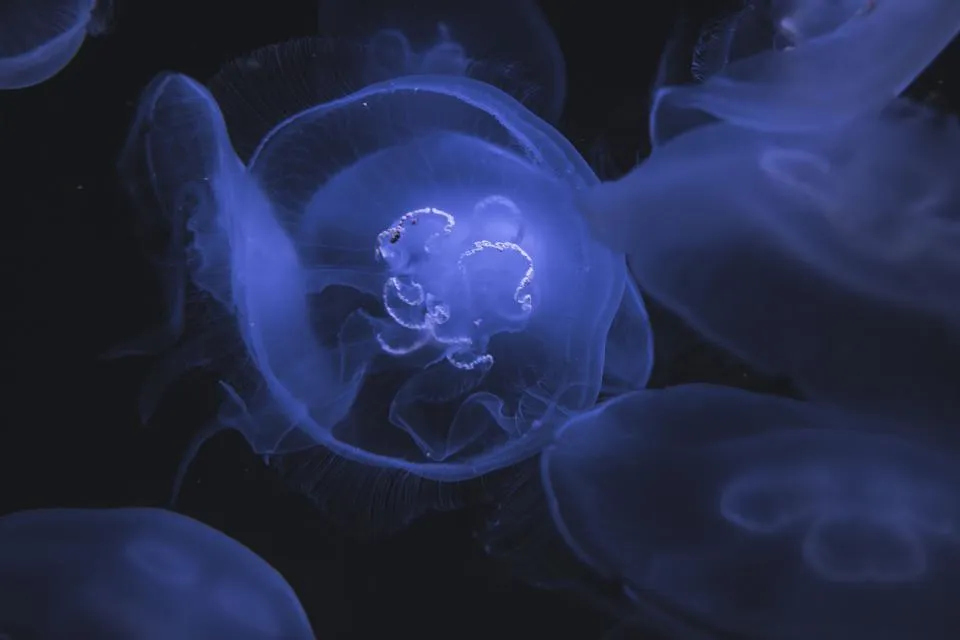
Jellyfish stings and envenomation can cause local and systemic symptoms with varying severity and duration. The goals of first aid include interventions to relieve symptoms, thus reducing morbidity and mortality. Getting the first steps right quickly matters far more than most people appreciate in the moment.
Wasting time on ineffective folk remedies is not just unhelpful; it delays the window for genuinely useful interventions. Patients who initially appear stable but experience severe symptoms in the following 30 minutes may be suffering Irukandji syndrome and need urgent medical care.
Seek emergency care if you develop difficulty breathing, swallowing, or speaking; chest pain; severe widespread hives; or any sign of anaphylaxis after a sting. These are not edge cases worth mentioning in passing. They are real outcomes of serious envenomations, particularly in tropical waters.
Final Thoughts
The urine remedy is the most famous bad jellyfish advice in popular culture, but it’s far from the only one. Freshwater rinses, rubbing with towels, applying ice, and reaching for alcohol all share the same flaw: they feel intuitive, but they work against the biology of how nematocysts behave.
The science here has become clearer and more consistent in recent years, with systematic reviews and laboratory studies pointing toward heat, careful tentacle removal, and the right kind of rinsing as the most defensible first aid steps. Species and geography still matter, which means staying informed about local jellyfish before a beach trip is genuinely useful, not just cautious.
The next time someone reaches for an unconventional remedy on a hot beach, the most helpful thing is to know the difference between what sounds right and what the research actually shows. That gap, small as it may seem, is where a lot of unnecessary pain lives.
AI Disclaimer: This article was created with the assistance of AI tools and reviewed by a human editor.