
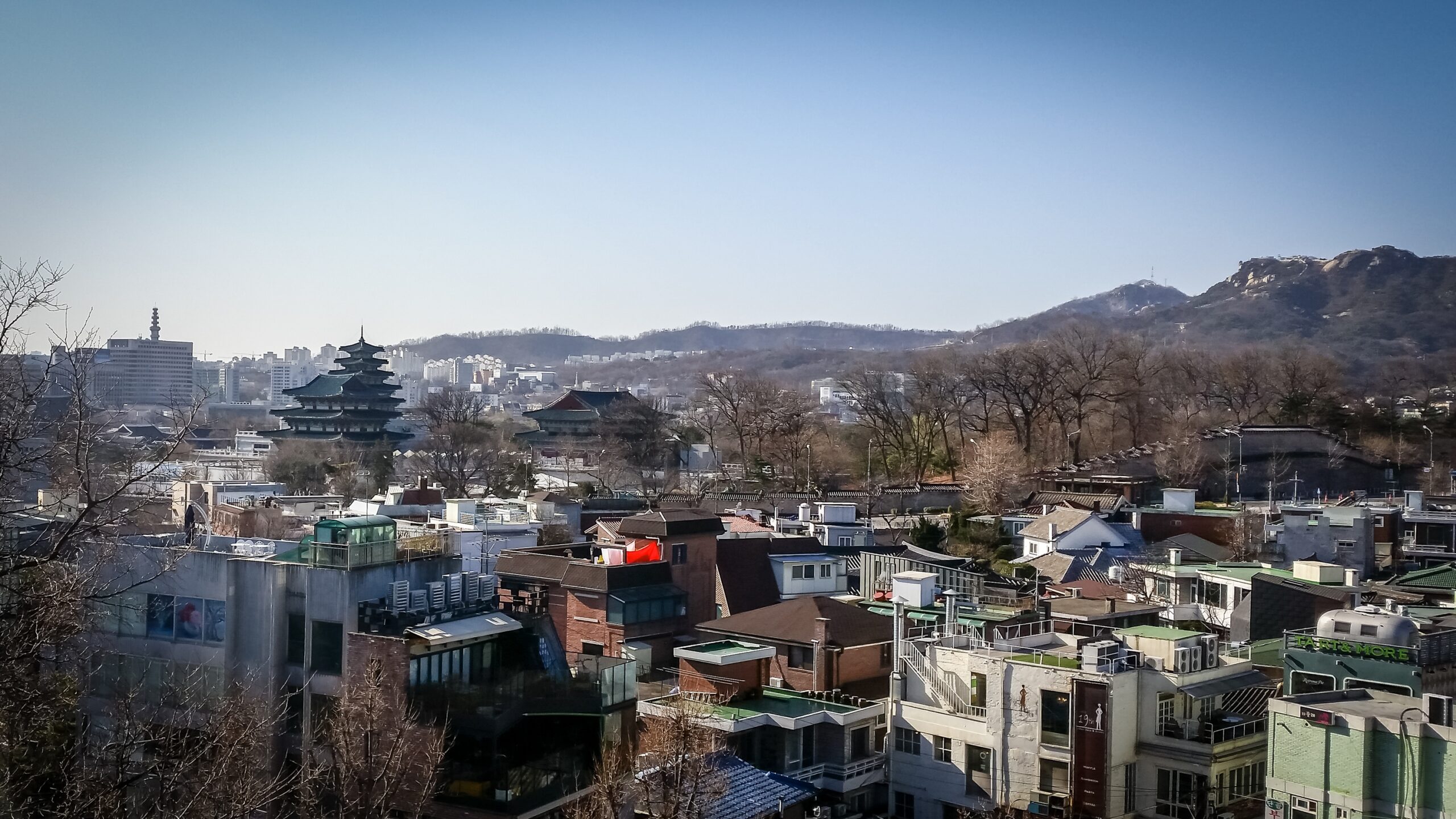
South Korea has quietly become one of the most compelling travel destinations on the planet. What was once a destination largely associated with electronics and K-pop has evolved into a multidimensional experience, pulling in curious travelers with its layered culture, breathtaking landscapes, world-class food, and a capital city that never quite lets you catch your breath.
The numbers reflect this shift clearly. South Korea welcomed 18.5 million international visitors in 2025, its highest total on record and above pre-pandemic levels. That momentum has carried into 2026, with foreign arrivals surpassing 10 million by the third week of June, a significantly faster pace than the previous year, led primarily by nearby Asian markets alongside a recovery in long-haul travel from the Americas and Europe. There is something happening here, and it is worth paying attention to.
A Food Culture That Genuinely Earns the Hype
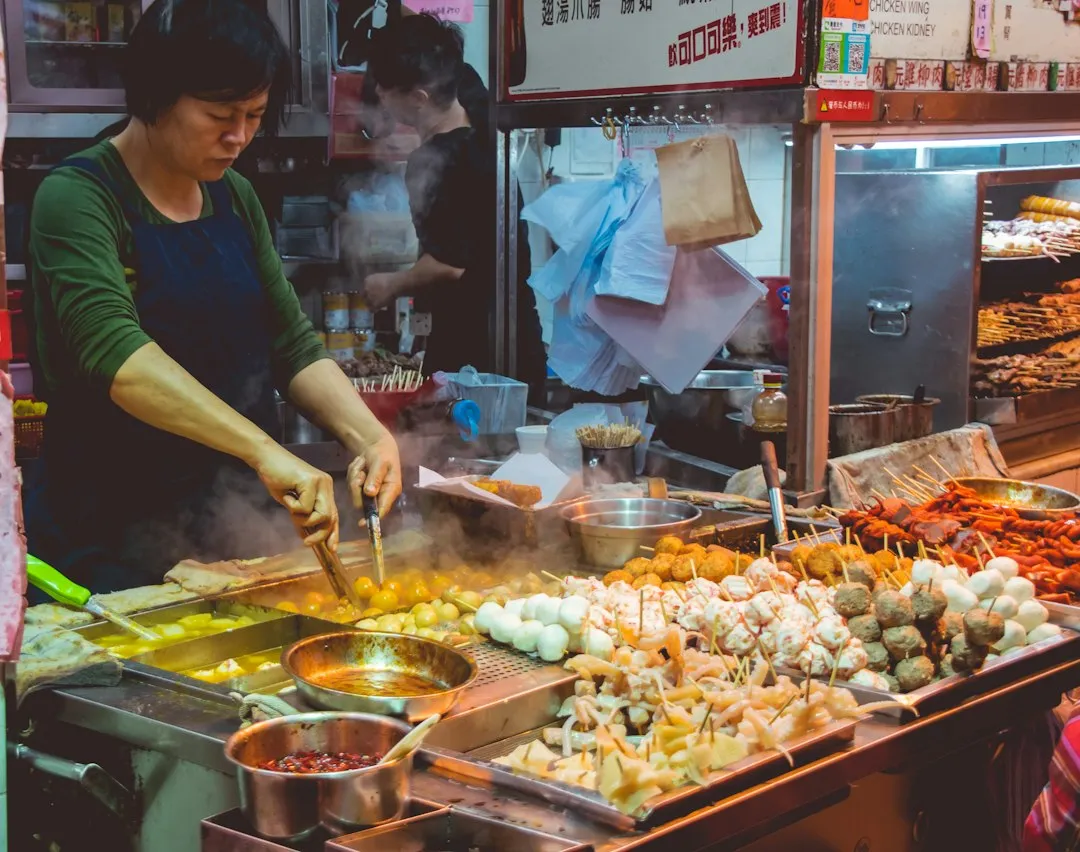
Korean food is not merely a trend. It is a living tradition. Korean cuisine has evolved beyond a niche and established itself as a global culinary force, with Michelin-selected Korean restaurants now spanning four continents, including Asia, North America, Europe, and South America.
South Korea’s Ministry of Agriculture, Food and Rural Affairs reported that food tourism was the number one activity considered by prospective visitors to Korea in the 2025 Foreign Visitor Survey, at nearly 62 percent, ahead of shopping at 57.3 percent. That says a lot about where Korean gastronomy stands today.
In Seoul, Gwangjang Market is a must-visit destination for food lovers, offering a lively atmosphere filled with vibrant stalls serving specialties such as mayak gimbap, crispy bindaetteok, and chewy tteokbokki. From street snacks to multi-course fine dining, the range is genuinely staggering.
Seoul: A City That Balances Old and New Effortlessly
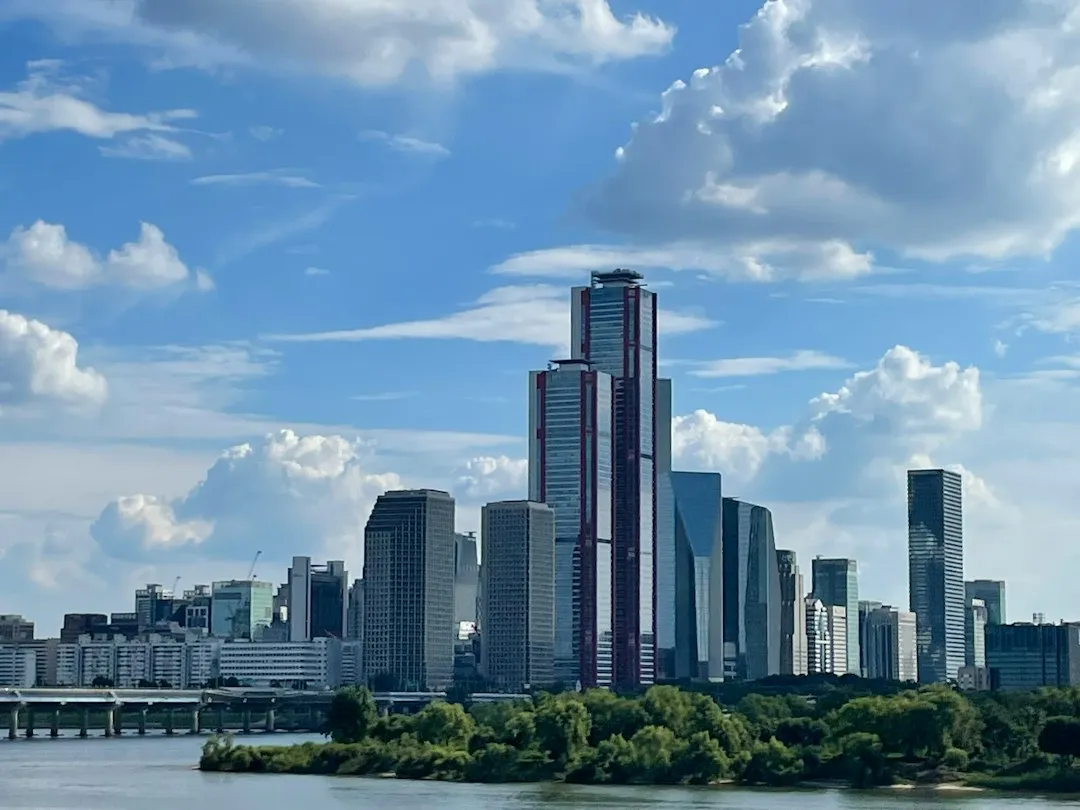
From Seoul, where history and innovation collide, to Busan, a vibrant coastal escape just under three hours away by train, South Korea offers seamless exploration across its diverse regions. Seoul alone could easily fill a two-week trip without ever feeling repetitive.
Seoul’s Myeong-dong district, hit hard by the pandemic, has been revived by visitors hunting for Korean beauty products, luxury fashion, and K-pop merchandise. Meanwhile, neighborhoods like Bukchon Hanok Village give you a quiet, stone-walled glimpse into a version of the city that feels centuries apart from the neon-lit streets nearby.
The city’s restaurant scene recently reached 42 Michelin-starred restaurants, while global luxury hotel groups that previously concentrated on other Asian capitals are now preparing their first Seoul properties. The city is evolving fast, and the infrastructure is keeping pace.
UNESCO Heritage Sites in Abundance
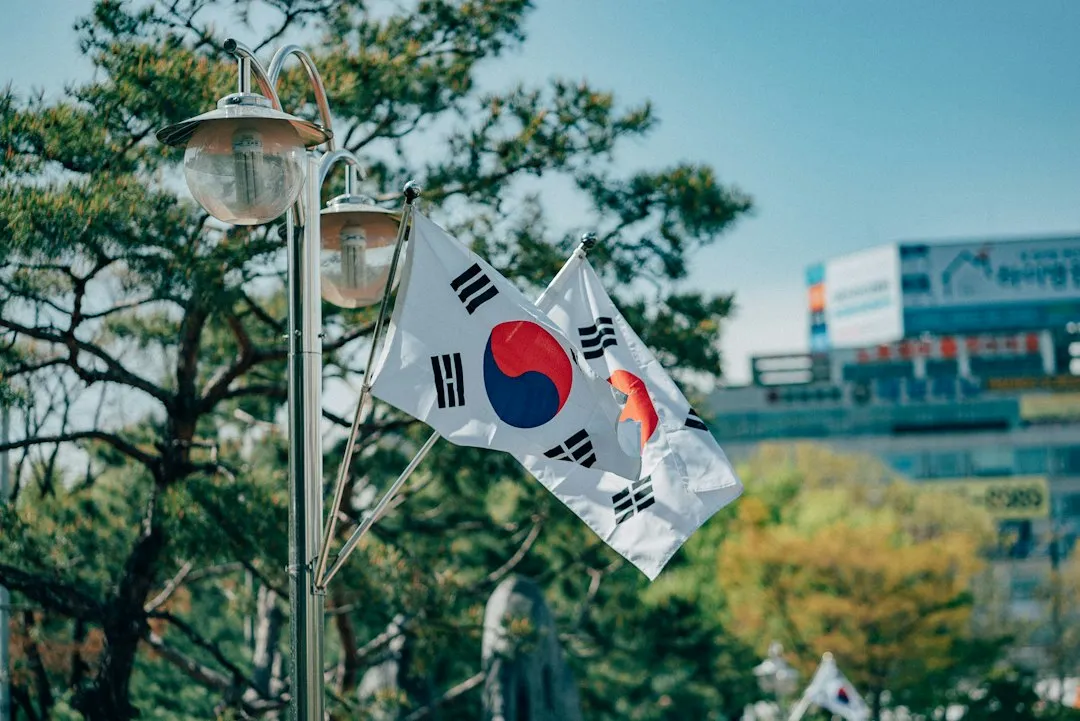
South Korea has 16 UNESCO World Heritage Sites as of 2026, consisting of 15 cultural sites and one natural site, the Jeju Volcanic Island and Lava Tubes. For a country of its size, that is a remarkable concentration of preserved history and landscape.
South Korea’s four major royal palaces, along with the shrine and tombs, were visited by an estimated 14.2 million people in 2024. These are not dusty relics. They are living architectural statements, each one offering a different chapter of the country’s long dynastic history.
A cultural site like Jongmyo Shrine offers a meditative walk through Confucian ritual architecture, while a natural site like Jeju’s volcanic landscape offers hiking trails, lava tube caves, and coastal cliffs. The variety across these designations is one of South Korea’s quiet travel superpowers.
Jeju Island: A World Apart
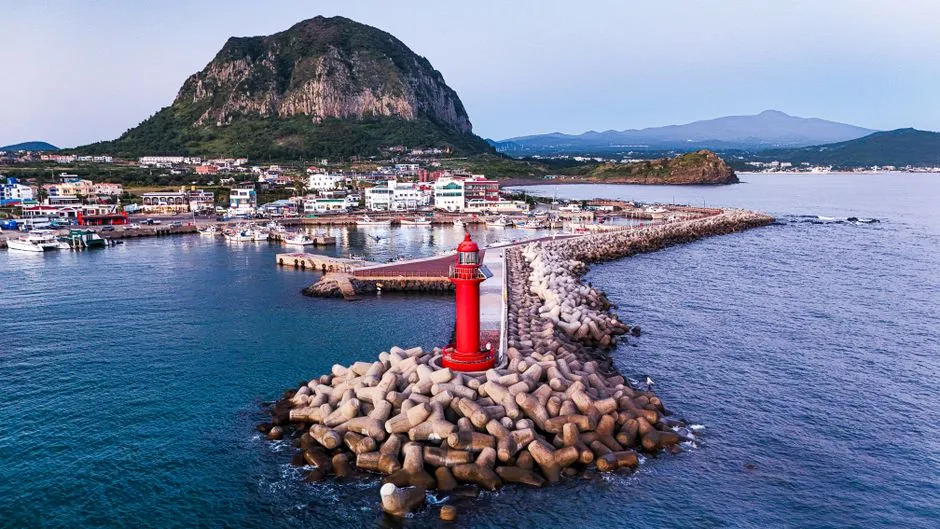
Jeju feels like a different country entirely, which is part of the appeal. Hallasan Mountain, the Seongsan Ilchulbong, and the Geomunoreum Lava Tube System were all inscribed on UNESCO’s World Natural Heritage list in 2007. These landscapes are not just scenic, they are geologically significant.
Nestled just below the summit crater of Hallasan, South Korea’s highest mountain and an iconic symbol of Jeju, lies Baengnoksaem, the country’s highest natural spring at 1,660 metres above sea level. Access to sites like this remains limited and carefully managed, which only adds to the sense of discovery when you get there.
One of the most spectacular sights is Noksan-ro, often called one of the most beautiful roads in Korea. In late March, vibrant yellow canola flowers bloom alongside pink cherry blossoms, creating a stunning layered floral effect that stretches for miles. Timing a Jeju visit around the seasons transforms an already beautiful island into something truly extraordinary.
K-Beauty and the Wellness Tourism Boom

South Korea’s beauty industry is not just an export phenomenon. It is a full travel experience in its own right. South Korean beauty product exports hit a record high of over ten billion US dollars recently, reflecting roughly a 21 percent increase compared to the year before. Visitors come specifically to explore what is happening at the source.
While shopping still accounts for the largest share of tourist spending at roughly 37 percent, medical and wellness spending saw a significant increase, rising from about 11.8 percent of tourist spending in 2024 to nearly 15 percent in 2025. Clinics, wellness retreats, and beauty districts now form a distinct travel category in Seoul.
Upscale malls in Gangnam and duty-free shops near Gwanghwamun draw shoppers from around the region taking advantage of tax-free deals. For those who want to explore K-beauty in depth, entire neighborhoods are organized around exactly that experience.
The Korean Wave: Cultural Pull That Goes Far Beyond Pop Music

Hallyu, the Korean Wave, has reshaped how the world perceives South Korean culture. It started with cinema, spread through music, and now extends to everything from cuisine to fashion design. Among younger visitors to South Korea, roughly a third travel primarily for Hallyu-related content.
The knowledge, beliefs, and practices surrounding jang, the fermented soybean-based sauces, were recently inscribed on UNESCO’s Intangible Cultural Heritage list, following Kimjang, the tradition of making and sharing kimchi. The global appetite for Korean culture has created real recognition of its depth and authenticity.
One of the strongest reasons to visit South Korea is that meals offer such a clear window into the country’s culture. Sharing dishes, grilling together, exploring seasonal ingredients, and visiting family-run eateries all help travelers experience Korea beyond the typical sightseeing checklist. Culture here is not something you observe, it is something you participate in.
A Travel Infrastructure That Makes Things Easy
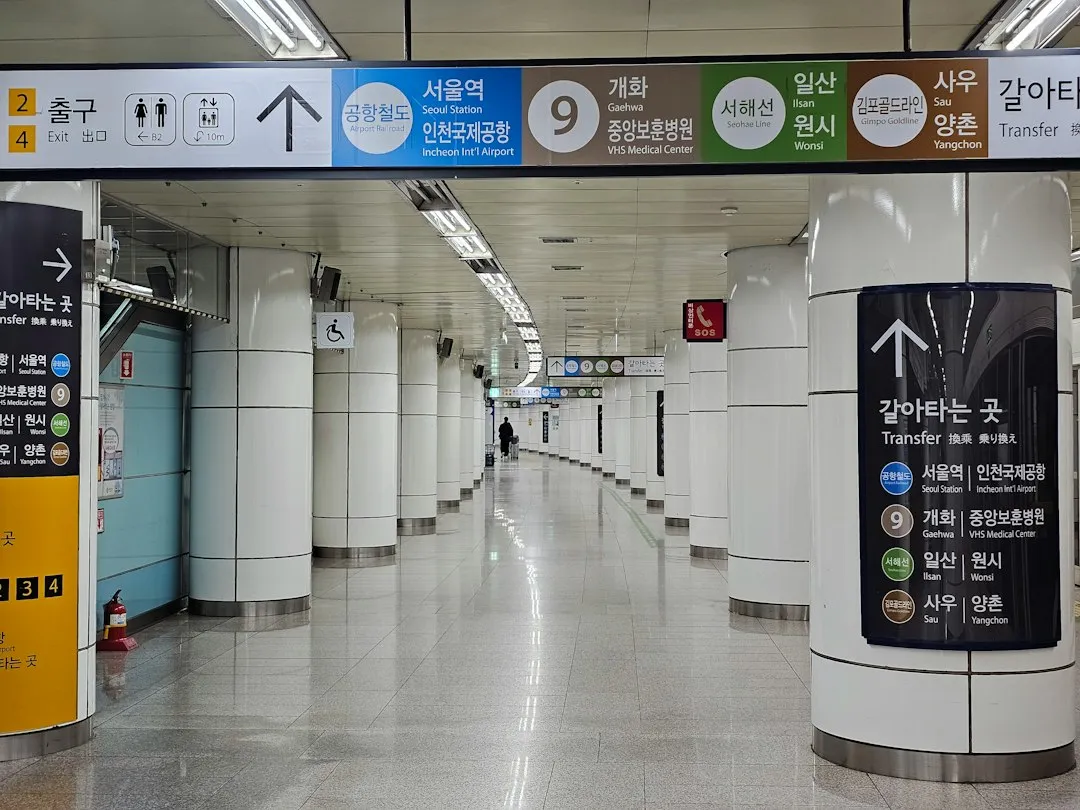
One often underestimated reason to visit South Korea is simply how well the country handles visitors. Public transportation in Seoul consistently ranks among the most efficient urban transit systems in the world. Getting between cities by high-speed rail is affordable and reliable, with the KTX connecting Seoul to Busan in roughly two and a half hours.
In 2023, the average length of stay for visitors to South Korea was nearly eight days, which speaks to how much travelers find to do once they arrive. It is the kind of destination that rewards slower, more curious travel rather than rushed itineraries.
South Korea attracts millions of visitors each year with its unique blend of ancient traditions and modern lifestyle, and compared to Japan, it often offers a more affordable travel experience. That combination of value and quality is harder to find than it sounds, and travelers who discover it tend to come back.
The Fine Dining Scene Has Reached a New Level
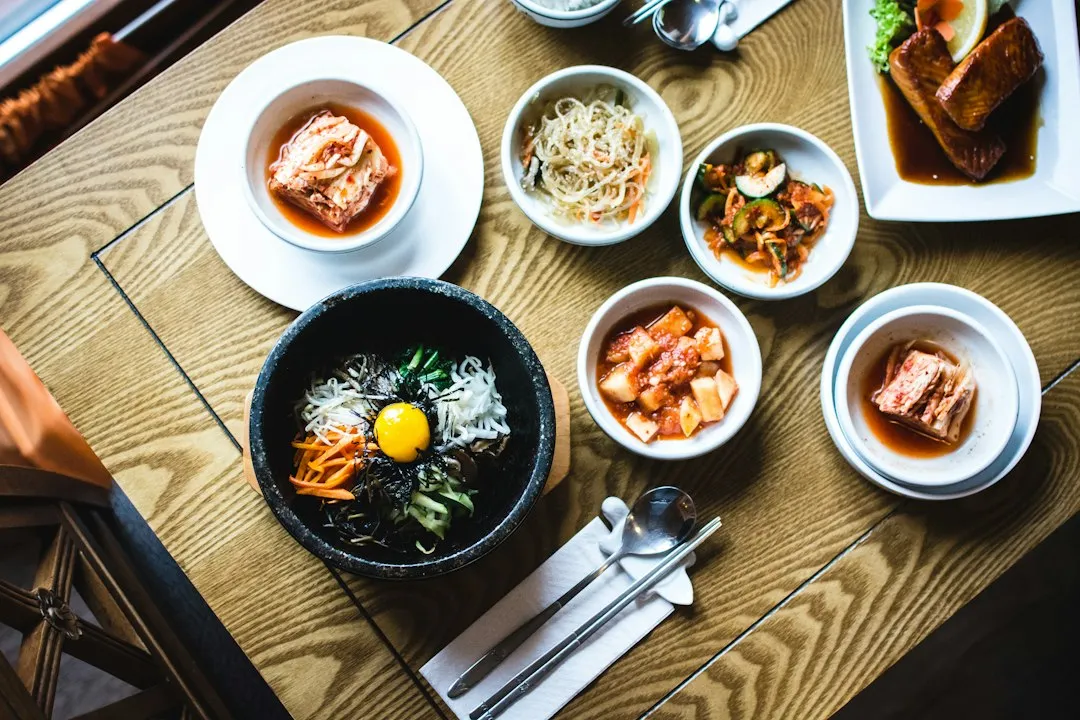
Seoul’s restaurant culture has quietly become one of Asia’s most dynamic. In 2025, Mingles, a Korean Contemporary restaurant in the heart of Seoul, secured its third Michelin star, further cementing Korea’s fine dining excellence. The city now holds dozens of starred establishments across a range of price points and styles.
Jeonju, the capital of North Jeolla Province in southwestern South Korea, is known as the heart of Korean traditional culture. It is famous for its well-preserved Hanok Village, rich culinary heritage, and deep historical roots. Beyond its cultural core, Jeonju is also a UNESCO-designated Creative City of Gastronomy. Travelers willing to venture outside Seoul are consistently rewarded.
The range here is genuine. Street stalls in Gwangjang Market, seafood at Busan’s Jagalchi, fermented cuisine in Jeonju, tasting menus in Gangnam. South Korea gives food lovers an almost unreasonable amount to work through.
Natural Landscapes Beyond the Cities
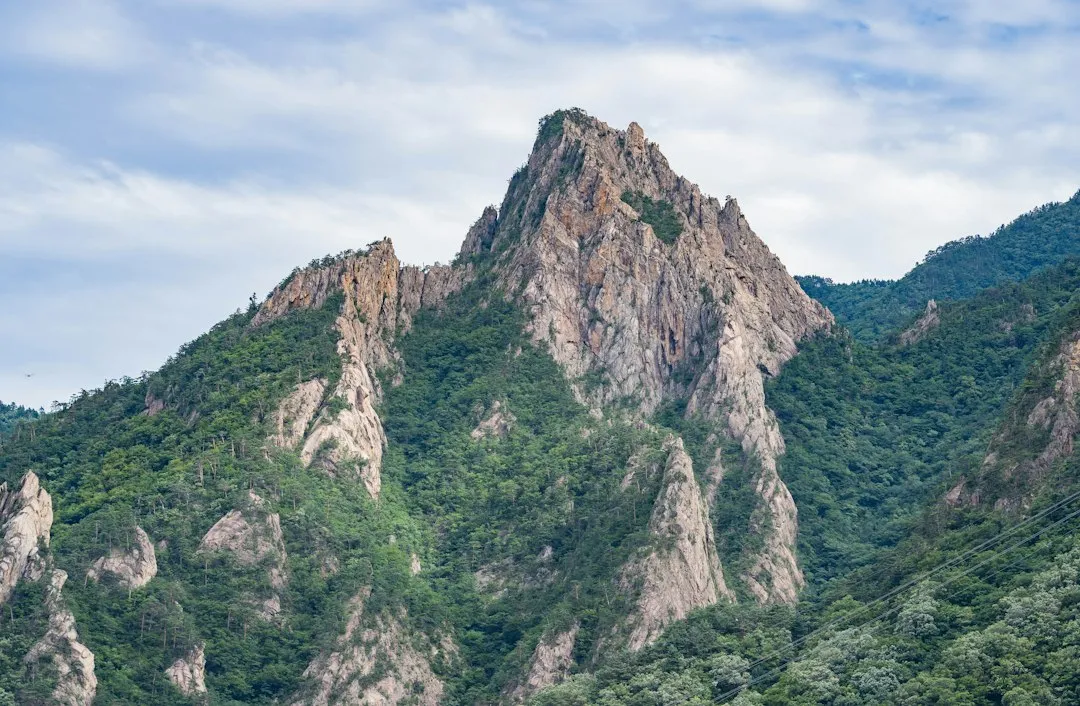
South Korea’s geography holds real surprises for those who look past the urban centers. The country’s national parks, coastlines, and mountain ranges offer a completely different side to what many visitors initially expect. Seoraksan National Park in the northeast draws hikers year-round, with its granite peaks and ancient temple complexes providing a backdrop that shifts dramatically between seasons.
The west and south coasts offer serene tidal flats, fishing villages, and the kind of slow pace that makes you genuinely exhale. These landscapes are not marketed loudly, which is exactly what makes them worth seeking out. From royal palaces and Hanbok experiences in Seoul to volcanic landscapes on Jeju Island, and from vibrant street food scenes to globally renowned pop culture, the country offers something for every type of traveler.
A Destination That Respects and Preserves Its Culture
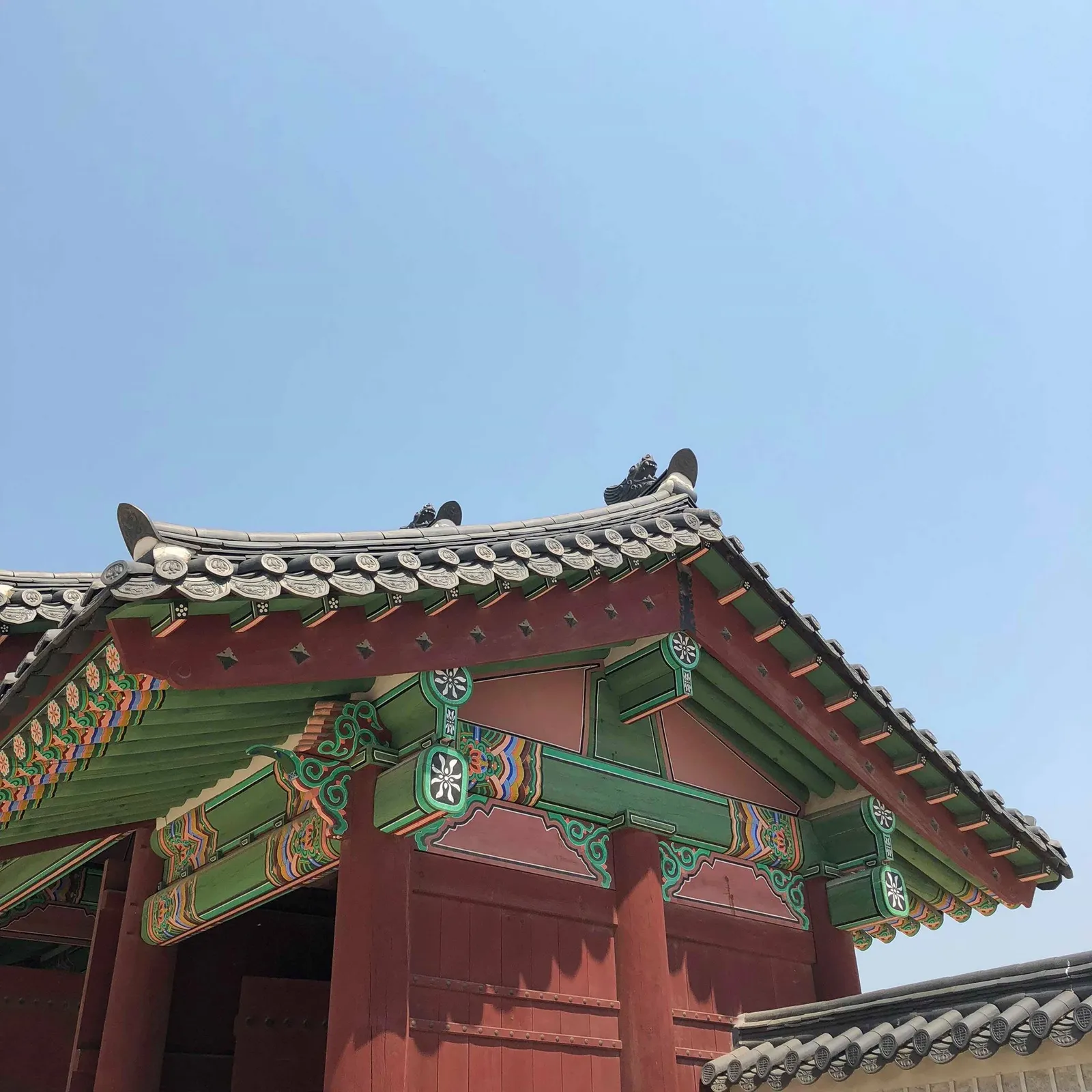
What stands out about traveling responsibly in South Korea is that cultural preservation is woven into the tourism experience itself. Ancient palaces are staffed with knowledgeable guides, traditional crafts are taught in community workshops, and seasonal festivals connect visitors to customs that local communities genuinely still practice.
For international travelers, regional food festivals offer a practical way to move beyond Seoul and discover regional Korea through its food identity. This approach to cultural tourism feels collaborative rather than performative. Communities are sharing something real, not staging it for cameras.
Travel and tourism in South Korea supported approximately 1.4 million jobs in 2024, meaning that the choices travelers make here have direct, tangible ripple effects on local livelihoods. Visiting with awareness of that is a small but meaningful way to travel more thoughtfully.
The Takeaway
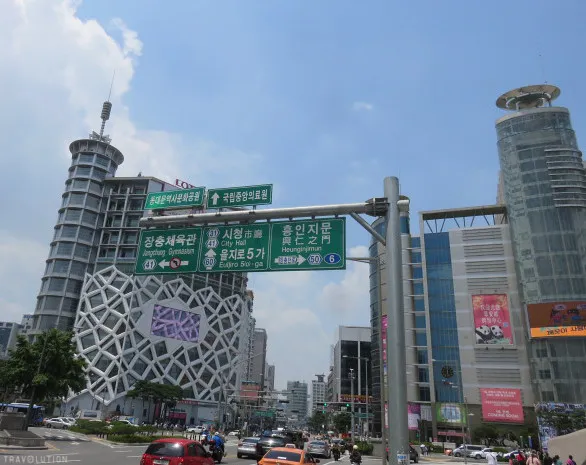
South Korea is the kind of destination that tends to exceed expectations. Travelers who come for one reason, whether food, culture, nature, or K-pop, usually leave with a longer list of reasons to return. The country is confident in what it offers without being loud about it, and that quiet assurance is part of the appeal.
The momentum is real. South Korea’s tourism growth accelerated further into 2026, with foreign arrivals surpassing 10 million by the third week of June, a significantly faster pace than the previous year. If South Korea has been somewhere on the edge of your travel list, it might be time to move it closer to the top.
AI Disclaimer: This article was created with the assistance of AI tools and reviewed by a human editor.