


There’s a specific moment most city travelers know well: you’re standing at a museum ticket counter, staring at a price that feels way too high for a single afternoon. Multiply that by four or five attractions over a long weekend, and the numbers start to sting. City attraction passes exist precisely to prevent that moment from derailing your budget.
These bundled access cards have evolved considerably over the past few years. They’re digital, flexible, globally available, and in the right hands, capable of cutting sightseeing costs dramatically. Whether they’re actually worth buying depends on a few honest variables.
What a City Attraction Pass Actually Does

Tourist attraction passes solve the problem of scattered admission costs by bundling access to dozens of sights into a single prepaid card, saving travelers roughly thirty to fifty percent compared to buying individual tickets, while also eliminating ticket lines at popular attractions. That’s the core pitch, and it’s a straightforward one. Pay once, show your phone, walk in.
Go City, which positions itself as the world’s leading sightseeing pass, operates on exactly this model: travelers pay a set price for one digital pass that allows entry to a range of sights, tours, museums, and experiences. Competing platforms like CityPASS work similarly, though the structure of included attractions differs.
The Two Main Pass Models You’ll Encounter

Most city passes fall into one of two categories: the all-inclusive day pass and the explorer-style attraction pass. The all-inclusive version gives you access to as many attractions as you can fit into a set number of consecutive days, while the Explorer Pass lets you pick a set number of sights to use over a longer stretch, typically thirty days from your first visit. Both have genuine merit depending on how you travel.
Fast-paced first-timers who want to cover ground quickly tend to get more from the day-based format. Non-consecutive use within the thirty-day window makes the explorer format particularly practical for visitors staying longer but sightseeing at a slower pace, or those combining a trip with business travel. Knowing your style before you buy matters more than people realize.
Real Savings Numbers from Real Trips

The savings figures cited by pass providers can feel abstract until you see them broken down by actual attractions. In New York, for example, visiting the Empire State Building, Top of the Rock, the 9/11 Museum, the Statue of Liberty Ferry, and the Natural History Museum costs around $223.50 at the door. The same access via CityPASS costs $154, a saving of roughly $69.50 or about thirty-one percent.
Stretch that across more attractions and the math improves further. A three-day pass covering twelve attractions in New York, including Edge NYC, the Bronx Zoo, Top of the Rock, One World Observatory, and others, came to $259 against a combined walk-up cost of $453, a saving of $194 or forty-three percent. That’s a meaningful difference for any traveler watching their budget.
How CityPASS Stacks Up Across U.S. Cities
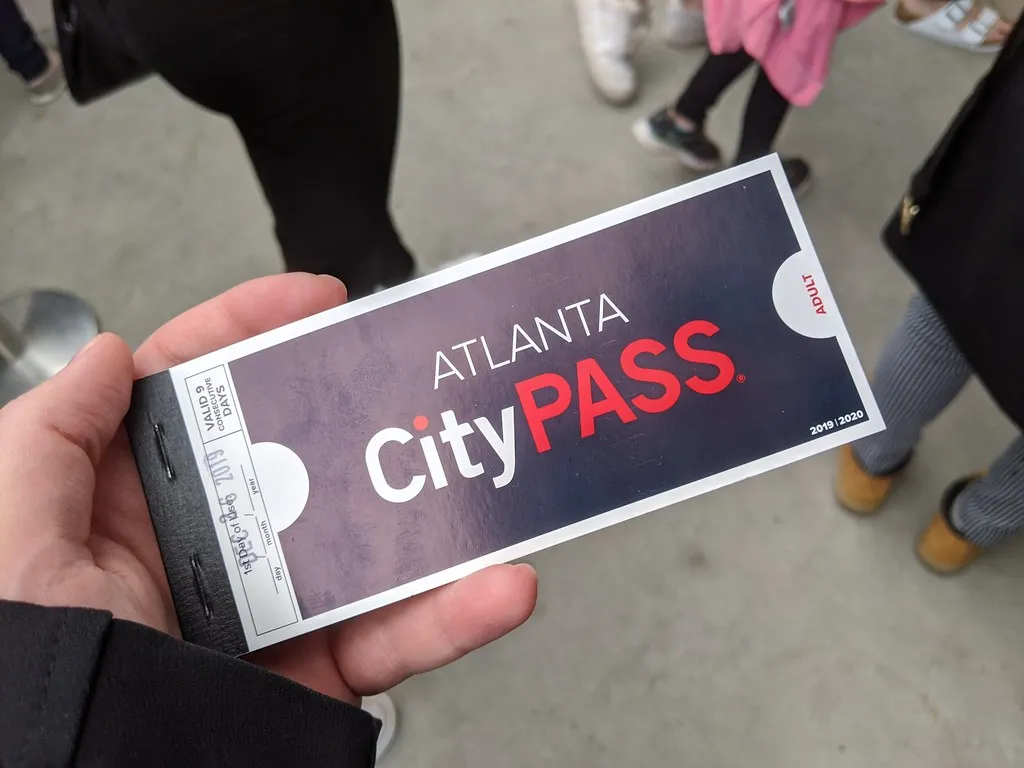
CityPASS is one of the longest-running pass programs and operates across multiple major American cities. The Chicago CityPASS, for instance, claims savings of up to forty-eight percent with its traditional pass and up to thirty-three percent with the abbreviated version, though the actual saving depends on which attraction choices you make.
San Antonio CityPASS covers four must-see attractions and saves visitors up to thirty-eight percent, with nine days available to use the tickets at a relaxed pace. In Tampa, a single CityPASS covering Busch Gardens, the Florida Aquarium, ZooTampa, and the Clearwater Marine Aquarium costs $109, representing roughly fifty percent savings against individual admission. Across most cities, the savings range tends to hover between forty and fifty percent when you visit all included venues.
Go City’s Global Reach in 2026

As of September 2026, Go City offers passes for twenty-eight cities spanning seventeen countries across four continents. That kind of reach makes it a practical option not just for domestic trips but for international travel too. The platform gives entry to over fifteen hundred attractions worldwide, with a global community of more than seventeen million users.
The Paris pass through Go City covers access to more than fifty-five attractions, including the Louvre, with some pass tiers unlocking over eighty Paris experiences. The average saving across the Paris range sits at around forty percent, with passes starting from about sixty euros per adult. That’s real money in a city where individual museum entry fees can climb steeply.
The London Pass: A Case Study in Value
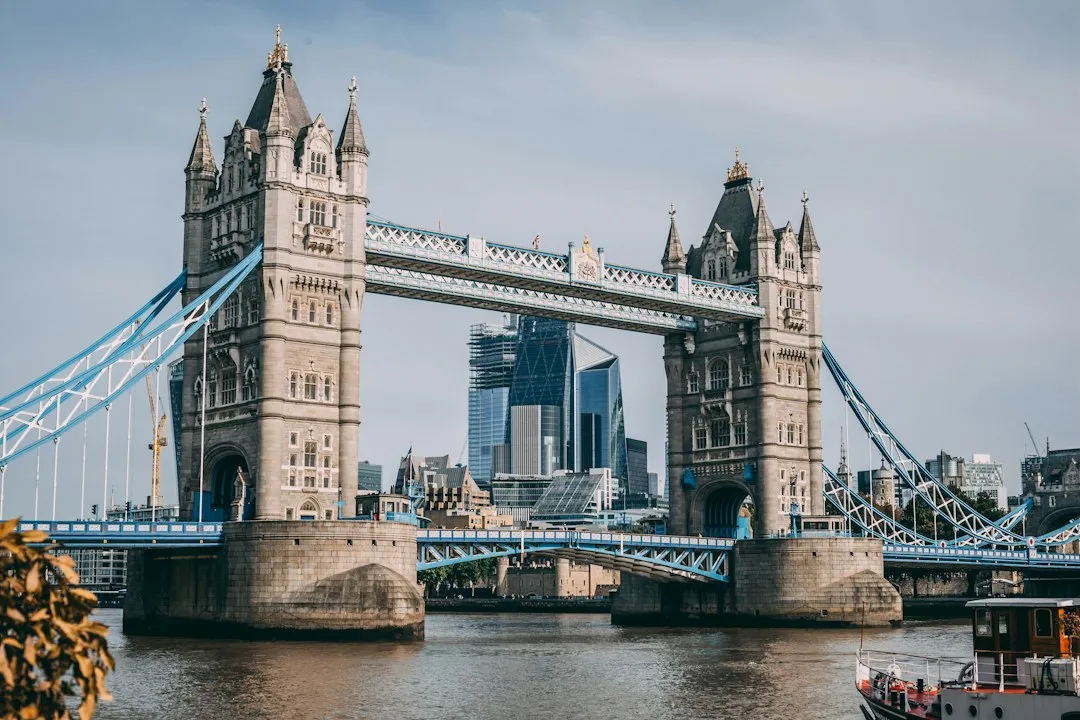
The Go City London Attraction Pass offers unlimited access to over eighty London attractions, tours, and experiences over one to fourteen consecutive days, with prices ranging from approximately £59 to £299 per adult depending on the duration chosen. The Tower of London, Westminster Abbey, Kew Gardens, Windsor Castle, and even day trips to Stonehenge are all folded into the pass.
With three to four attractions visited per day, travelers typically save between thirty and fifty percent compared to individual tickets. One traveler’s experience with a four-day family pass captures the practical upside well: visits to the Tower of London, Westminster Abbey, St. Paul’s Cathedral, Tower Bridge, and Kensington Palace resulted in savings of over £100 for two people. That’s a family dinner, a train journey, or a night in a better hotel.
When You Actually Break Even on a Pass

The break-even question is the one that matters most. Travelers generally report recouping the cost of their pass after just two or three attractions, with all remaining visits effectively becoming free. This is the core logic that makes passes worthwhile when used strategically.
A useful example: a traveler in San Diego found that zoo tickets alone were $72 per person, with a kayak tour in La Jolla priced at $87 per person. A three-attraction Go City pass at $109 meant the savings kicked in even before visiting the third venue. The math isn’t always that clean, but it illustrates how quickly individual ticket prices pile up.
The Honest Downsides Worth Knowing
Not every pass purchase pays off, and the industry is candid enough to acknowledge it. As one traveler noted online, a typical person can fail to get full value from a pass by not reading the fine print of every included attraction, not planning properly, and ultimately wasting time and money. The pass rewards preparation, not spontaneity.
There are also structural limitations to consider. Most passes allow each attraction to be visited only once, which is fine for most travelers but worth noting. The more attractions you visit per day, the more you save, which means a lighter sightseeing schedule can tip the math against you. If you’re planning two or three slow mornings at a single gallery, a pass probably isn’t your best tool.
The Digital Shift Making Passes Easier to Use

Mobile pass functionality has transformed the experience, with tourists now displaying passes on smartphones at attraction entrances, streamlining entry and particularly benefiting international travelers who no longer need to pick up a physical card at a collection point. The friction of managing a physical booklet has largely disappeared.
Choosing a pass type, reviewing a digital guide to plan your itinerary, making reservations where needed, and then simply showing a QR code for admission is now the standard experience across most major providers. Some platforms, like Go City, even allow travelers who spend less on individual tickets than the cost of their pass to claim a refund for the difference, which removes a significant amount of risk from the purchase decision.
How to Get the Most Out of Your Pass

The travelers who save the most share a common habit: they plan. Deciding in advance which attractions you want to visit during your stay is essential to getting real value from any city pass. Browsing the included attractions list before buying, not after, makes a genuine difference.
On a well-planned three-day itinerary in San Francisco, for example, travelers have documented savings exceeding $170 against a combined retail value of $350 or more. That kind of outcome requires some intentionality. For visitors with a lighter sightseeing schedule or a specific shortlist of just a couple of attractions, an explorer-style pass with more flexibility is likely to offer better value than an all-inclusive day pass. Matching the pass format to your actual travel rhythm is the most important decision you’ll make.
The Takeaway

City attraction passes aren’t a travel hack that works for everyone, but when they do work, they work well. The savings are real and documented, ranging from roughly thirty percent for more modest use to nearly half the total cost for active sightseers covering multiple attractions across several days.
The key is honest self-assessment. If you’re the kind of traveler who books every hour of every day and genuinely wants to see a city’s iconic sites, a well-chosen pass can absorb itself in cost before lunchtime on day one. If you prefer lingering and wandering, the economics are softer. Either way, it’s worth running the numbers before you arrive, not after you’ve already queued.
AI Disclaimer: This article was created with the assistance of AI tools and reviewed by a human editor.