
A Tourism Recovery That Speaks for Itself
In 2024, the Czech Republic welcomed approximately 22.8 million tourists, surpassing pre-pandemic levels for the first time. The number of tourists staying overnight increased by nearly four percent year-on-year, while overnight stays rose to 57.3 million nights. Those are not the numbers of a country people merely pass through.
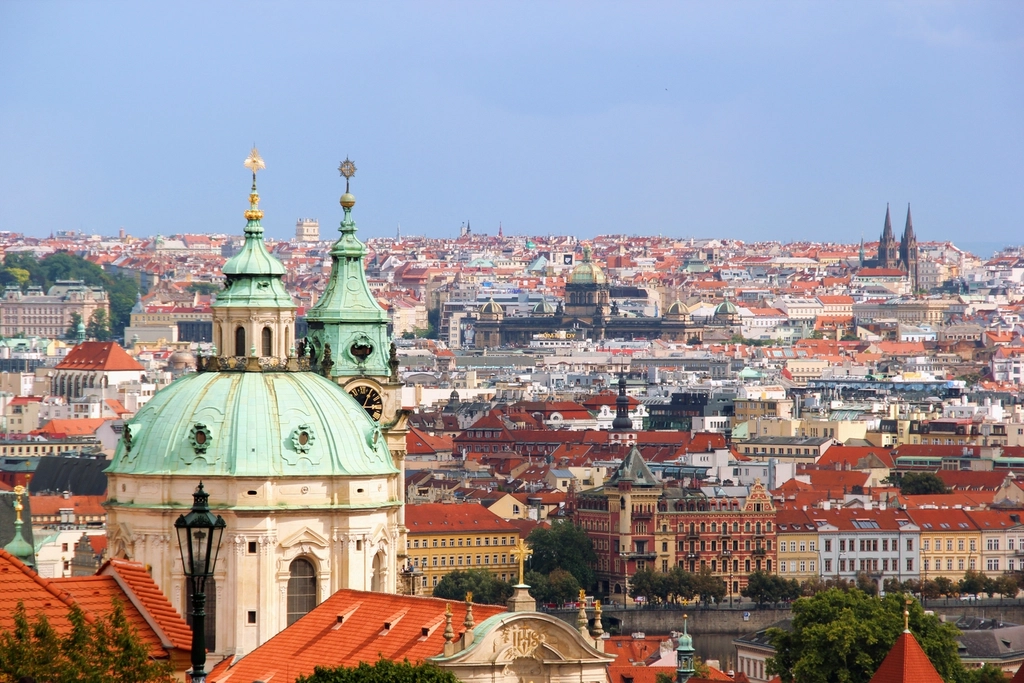
Prague alone attracted around 8.1 million tourists in 2024, marking a nine percent increase compared to the previous year. What is equally notable is that growth extended well beyond the capital. The highest increases in regional visitors were recorded in Hradec Králové, South Bohemia, and Liberec, suggesting that travelers are beginning to explore beyond the familiar.
Tourist numbers from the United States, South Korea, Taiwan, Israel, and Turkey all grew substantially in 2024, with Taiwan seeing an increase of nearly fifty percent year-on-year. The range of origins tells you something genuine about the breadth of the country’s appeal.
One of the World’s Densest Collections of UNESCO Heritage
The Czech Republic has 16 UNESCO World Heritage Sites inscribed on the World Heritage List. For a country the size of South Carolina, having that many inscribed cultural sites is genuinely remarkable. These are not trophy additions either. Each one represents a distinct chapter of European history.
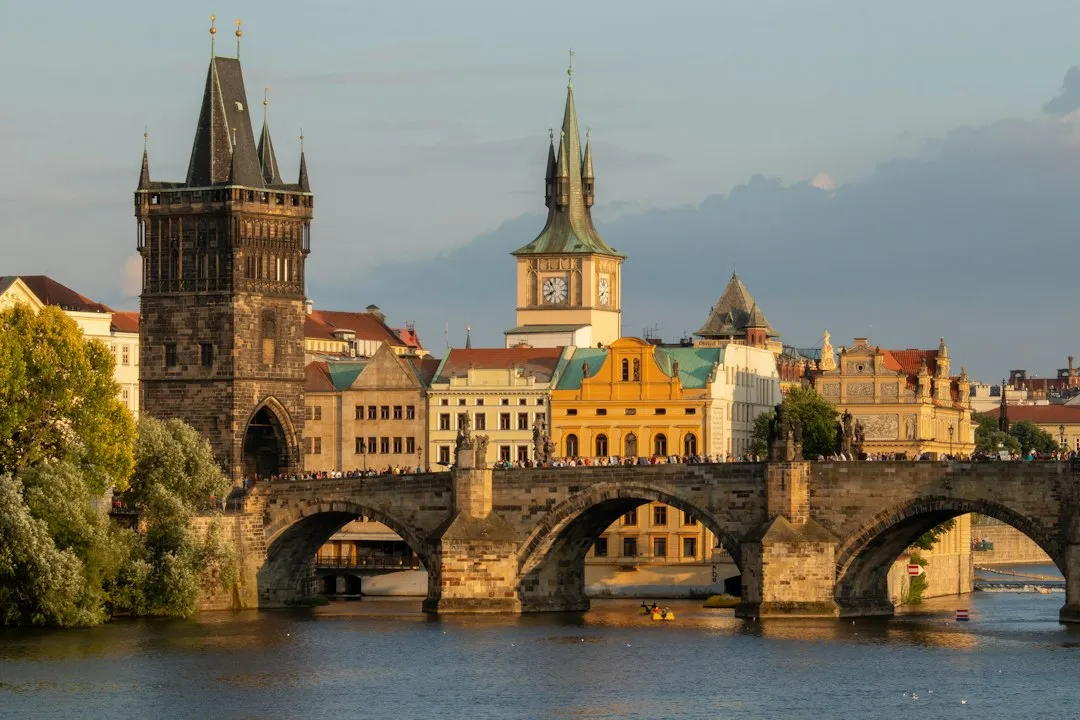
The list spans an extraordinary range: from the Historic Centre of Prague and Český Krumlov to the Lednice-Valtice Cultural Landscape, the Holy Trinity Column in Olomouc, and the Great Spa Towns of Europe including Karlovy Vary, Mariánské Lázně, and Františkovy Lázně.
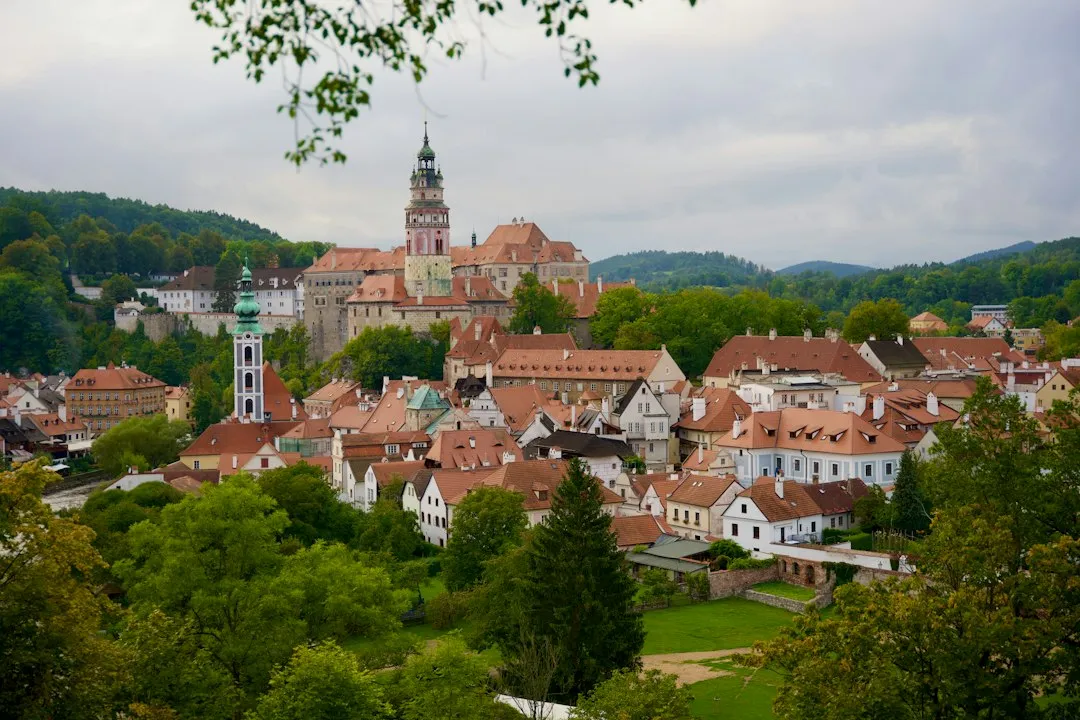
Český Krumlov was built around a thirteenth-century castle on a meander of the Vltava river. The castle was built in Gothic style, with later additions of Late Gothic, Renaissance, and Baroque elements. The town preserves its street layout from the Middle Ages, while house facades carry decorations in Renaissance and Baroque styles. It is the kind of place that makes architectural history feel real rather than academic.
A Beer Culture That Is Genuinely Its Own
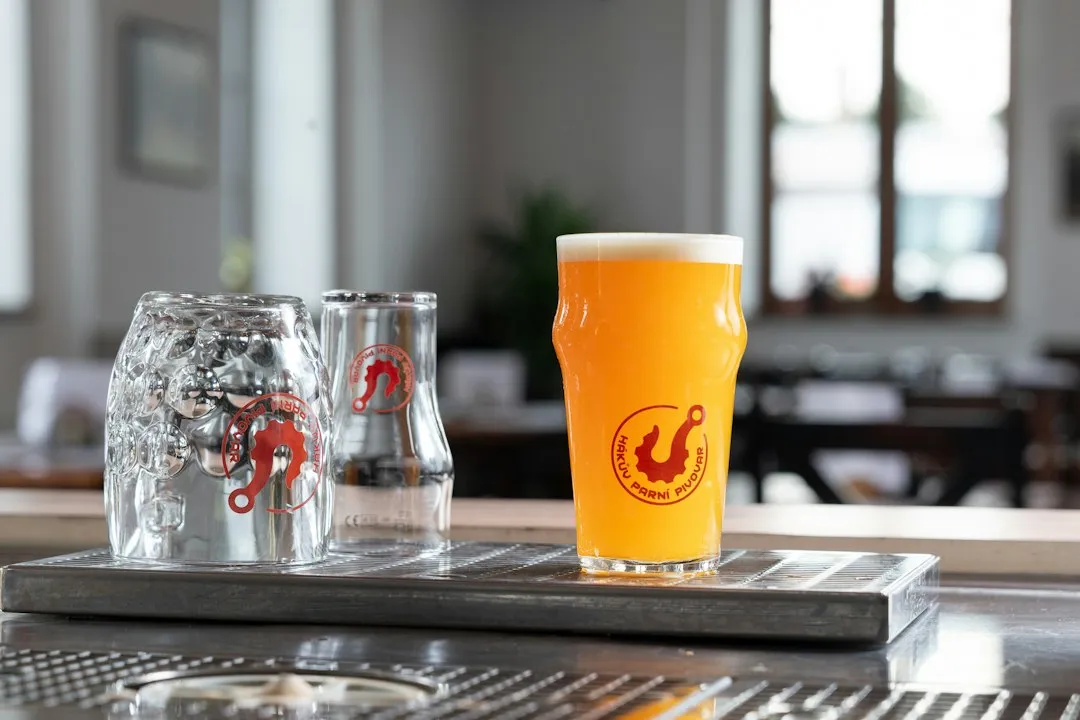
The Czech Republic consumed 148.8 liters of beer per capita in 2024, remaining the world’s top country in per capita beer consumption for the thirty-second consecutive year since 1993. That record says less about excess and more about how deeply embedded pub culture is in everyday Czech social life.
Beer has deep historical roots in Czechia stretching back to the tenth century, when brewing first began at the Břevnov Monastery. In the city of Pilsen, brewer Josef Groll unveiled the Pilsner beer in October 1842. That revolution not only put Pilsen on the map but made the beer style the most popular in the world.
Beer is ingrained in Czech culture, often cheaper than bottled water in restaurants. Czech beer gardens, pubs, and festivals are a testament to the nation’s deep-rooted beer tradition. Visiting a neighborhood hospoda, or local pub, is one of the most authentic cultural experiences the country offers. It is social, unhurried, and cheap.
Natural Landscapes Beyond What Most Visitors Expect
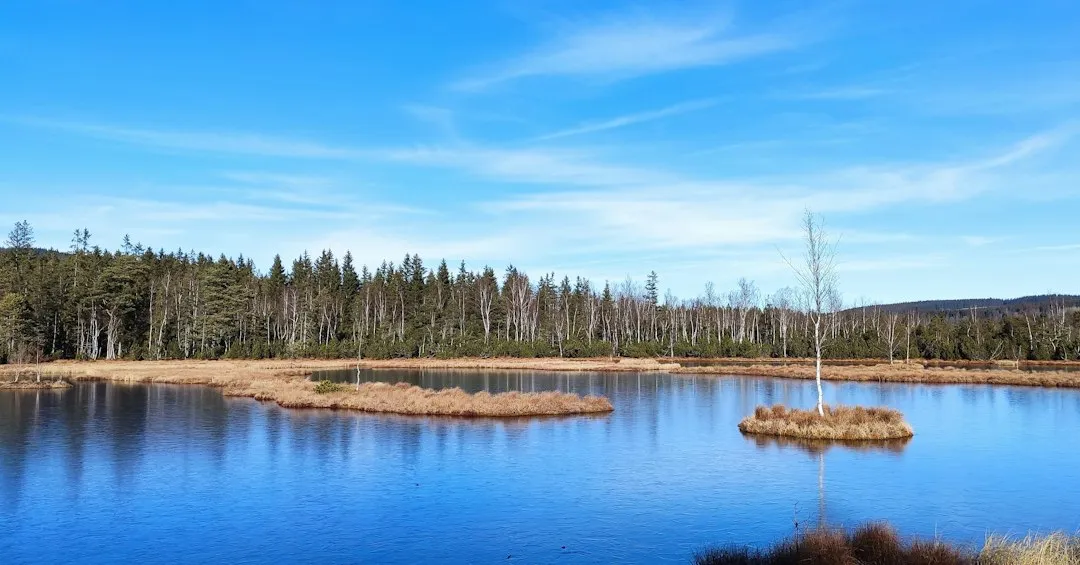
Šumava is the country’s largest national park, established in 1991. It is a region full of densely forested hills along the border with Austria, offering glacial lakes, dense forests, peat bogs, rolling mountains, trout streams, and important historic monuments. Wildlife here includes lynx, owls, and elk. Admission to the park is free.
Bohemian Switzerland National Park, located in the northwest of the country, is full of pine forests, deep valleys, majestic rock towers, and ravines. The park was established in 2000 and covers almost 80 square kilometers. The must-see is Pravčická brána, an enormous natural sandstone arch and probably the most recognizable natural landmark in Czechia.
As of 2025, there are 126 national nature monuments in the Czech Republic. The country’s protected landscape system runs well beyond its national parks, preserving limestone caves, river gorges, and ancient beech forests that most European visitors have never heard of. The Moravian Karst region alone, with its underground boat rides on the Punkva River, feels like something out of a story.
Value That Still Holds Up
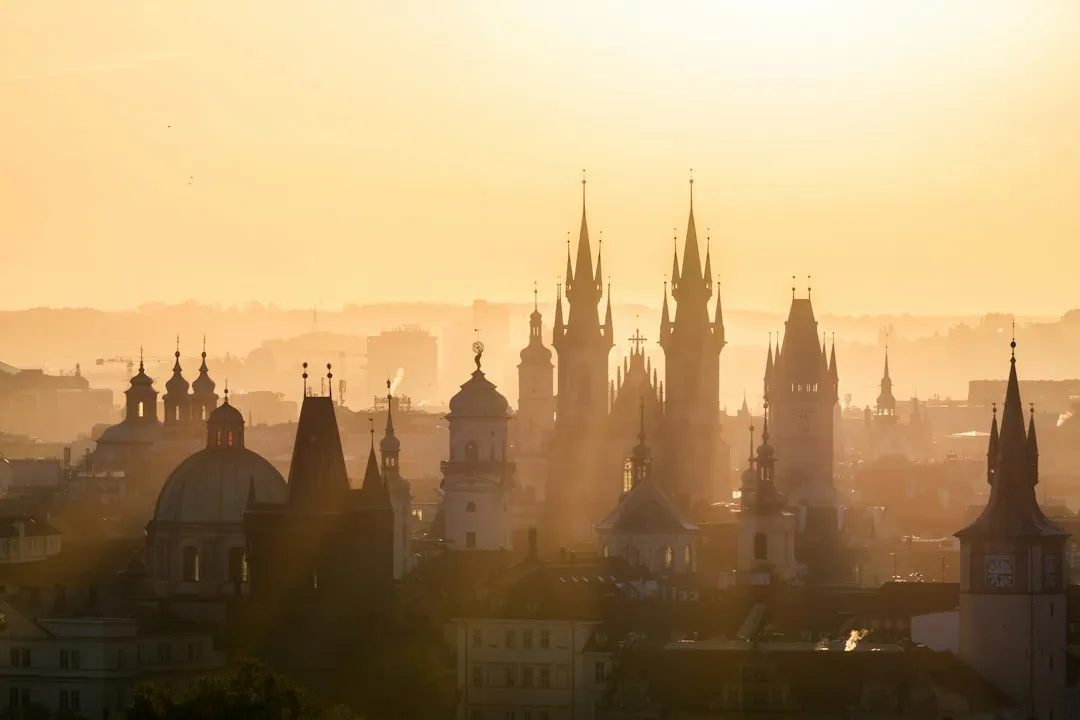
The cost of living in the Czech Republic is affordable for locals and genuinely exceptional for residents of Western countries. For travelers, this carries over in practical and tangible ways throughout a visit. The Czech Republic is definitely affordable and easy to do on around fifty dollars a day, especially if you travel outside of Prague, where you can get by on considerably less.
The cost of leisure in the country is significantly lower than in Western Europe, making it an additional advantage for those living or working there. For short-term visitors, that gap shows up in restaurant bills, museum entry fees, and the cost of a good glass of wine in South Moravia.
The Czech Republic offers a high quality of life at a relatively affordable cost compared to Western Europe. Known for its rich culture, medieval architecture, and strong economy, the country attracts expats, professionals, and students from around the world. Even as Prague has seen price increases in recent years, smaller cities like Brno, Olomouc, and Kutná Hora remain genuinely accessible.
Cities Beyond Prague That Reward the Detour
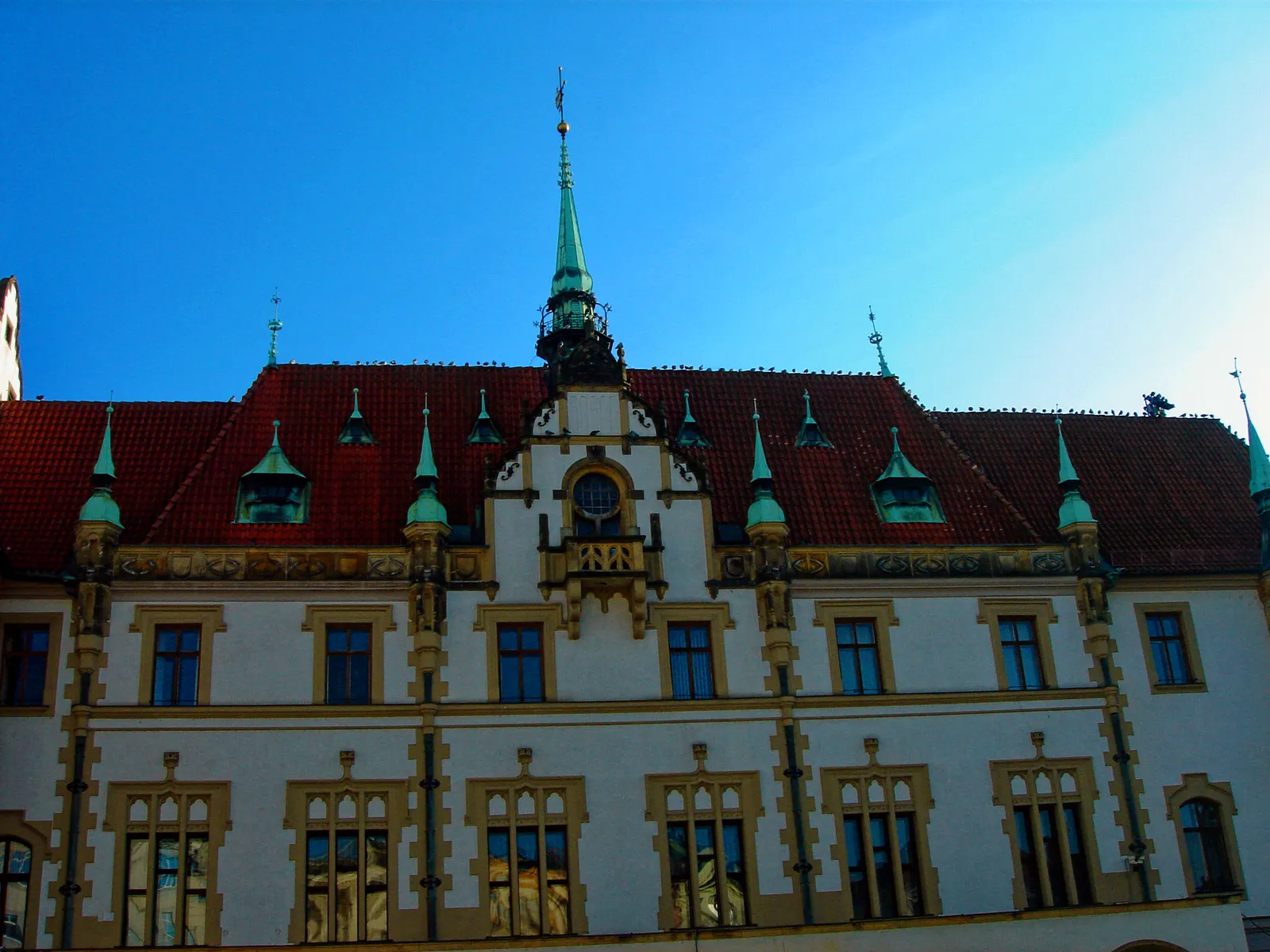
Olomouc is one of the most underrated cities in Central Europe, a compact Baroque town with six magnificent fountains, a spectacular cathedral, and streets full of Renaissance and Baroque architecture. It also happens to be a lively university city, which gives it an energy that purely historic towns sometimes lack.
Kutná Hora was originally a mining town. Rich veins of silver ore were discovered in the late thirteenth century, and the town became enormously prosperous. Hints of that lavish wealth can still be seen throughout the town today. Its Gothic Church of Saint Barbara is one of the most striking religious buildings in the whole of Central Europe.
Foreigners most often travel to Prague, South Moravia, and the Karlovy Vary regions, though the diversity of what each area offers is striking. South Moravia doubles as the country’s wine country, with a landscape of rolling vineyards and hilltop windmills that surprises most first-time visitors. The country, in other words, gives you several different trips inside a single one.
The Takeaway
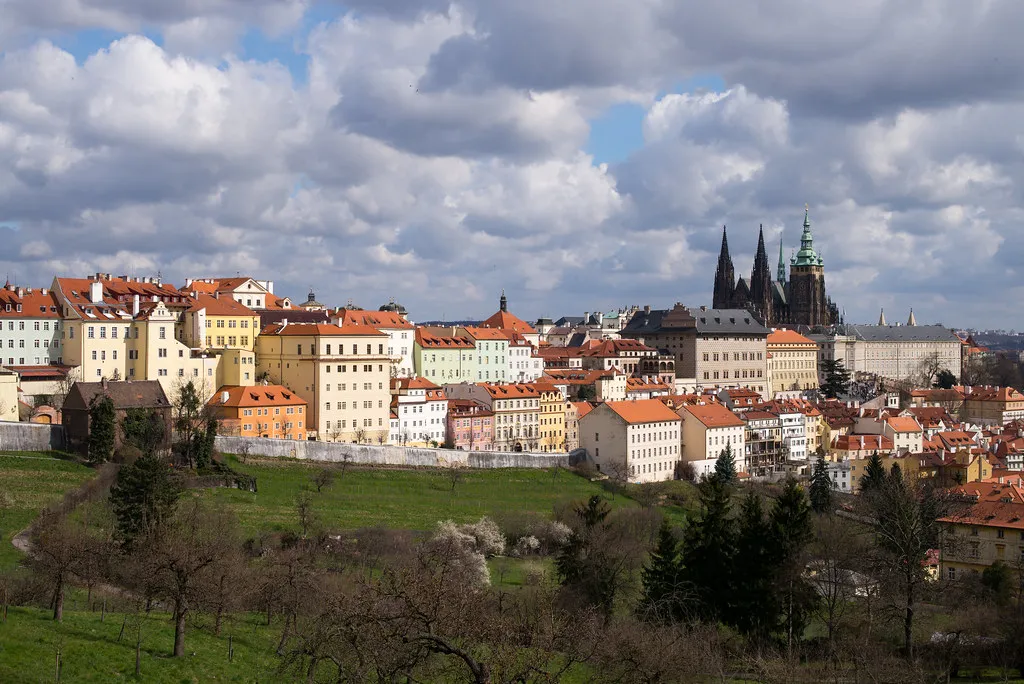
The Czech Republic is not waiting to be discovered. It has been quietly getting on with things for centuries, building one of the richest concentrations of heritage, nature, and livable culture anywhere in Europe. The 2024 tourism figures confirm that more people are arriving and staying longer. The reasons become obvious quickly once you leave the airport.
What makes it genuinely worth a closer look is not any single attraction but the layering: medieval towns next to working breweries, ancient forests next to Baroque spa retreats, world-class museums next to some of the most affordable dining on the continent. That combination is harder to find than it looks.
AI Disclaimer: This article was created with the assistance of AI tools and reviewed by a human editor.