

The Food That Surprises Everyone
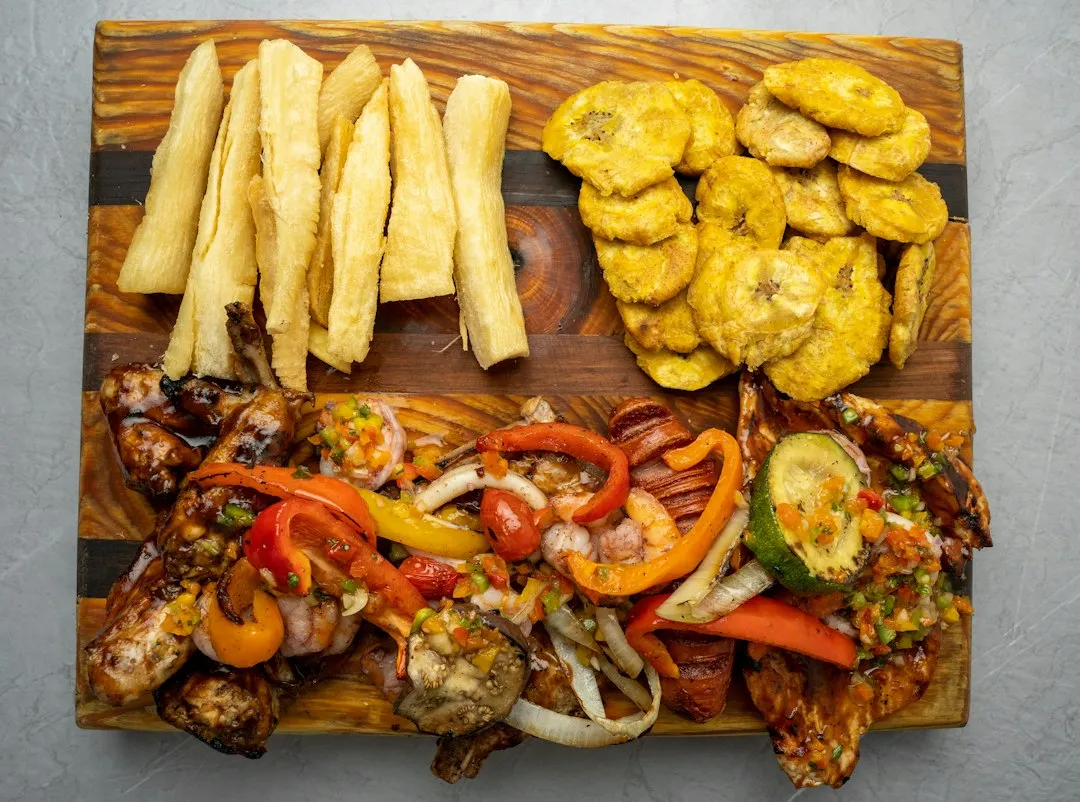
Most first-time visitors to Colombia arrive without much expectation for the cuisine, and that gap between expectation and reality seems to be part of what makes it so memorable. Colombian cuisine reflects the incredible cultural and geographic diversity of the country, with regional specialties found in both the mountainous interior and along the coastal plains, prepared with plenty of farm-fresh produce from the country’s fertile lands.
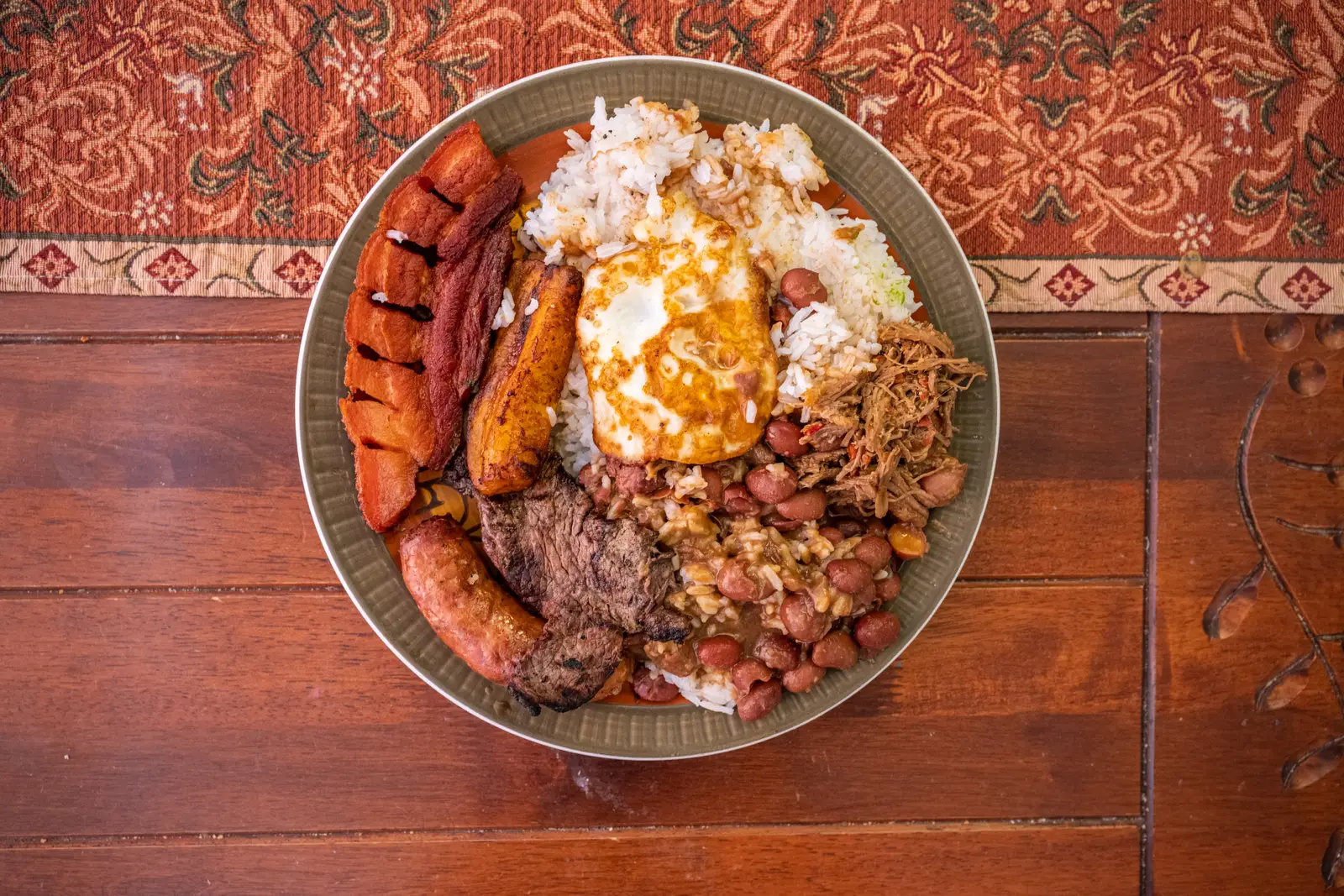
The Bandeja Paisa stands out as Colombia’s most iconic dish, originally crafted to fuel farmers in the Antioquia region, and over time it became a national symbol of abundance and hospitality. A traditional Bandeja Paisa features red beans cooked with spices, white rice, ground beef or steak, crispy chicharrón, a fried egg, sweet plantain, chorizo sausage, arepa, and avocado.
The empanada is Colombia’s favorite street food, and empanadas serve as the perfect dish for social gatherings – people enjoy them while standing at street stalls, share them during festivals, and serve them at family parties. Affordable, tasty, and fulfilling, they embody the pleasure of enjoying food in a relaxed and social setting.
Regional treasures also shine with coconut rice from the Caribbean, smoked fish stews from the Pacific, and exotic fruits from the Amazon. Travelers who venture beyond the well-known dishes consistently say that the depth of the country’s regional cooking is one of the most underrated discoveries of their trip.
The Coffee, and the Landscape That Produces It
Colombia is known for its coffee culture and offers some delicious varieties of beans. The Eje Cafetero region of the country produces some of the world’s best coffee. For many visitors, reading that fact is one thing. Actually walking through a coffee farm in the rolling green hills of Quindío is something else entirely.
The Colombian Coffee Triangle is a UNESCO heritage site. Colombia’s Coffee Cultural Landscape provides a tourism experience centered on coffee production, rural communities, and mountain scenery. The landscape includes parts of Caldas, Quindío, Risaralda, and Valle del Cauca. Visitors can stay at coffee farms, join tours explaining cultivation and processing, and explore towns surrounded by plantations.
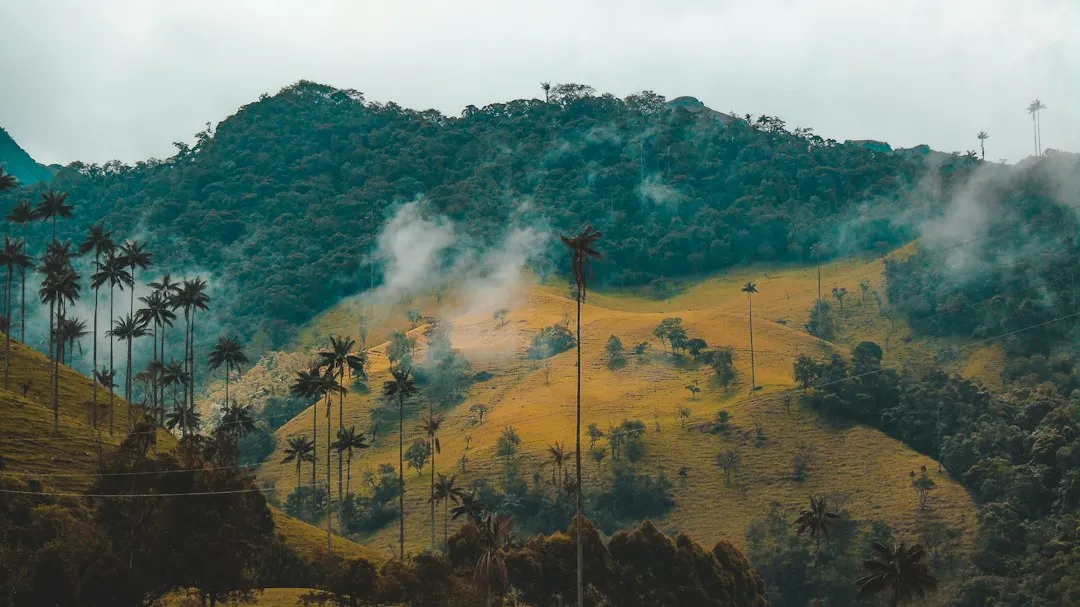
The Valle de Cocora, in Colombia’s Coffee Triangle, is renowned for its breathtaking landscapes, featuring the world’s tallest wax palms. A natural paradise, it offers scenic hiking trails, lush cloud forests, and spectacular views, embodying Colombia’s vibrant biodiversity. Travelers regularly describe it as one of the most visually striking places they have ever stood.
Cartagena’s Old City and Caribbean Coast
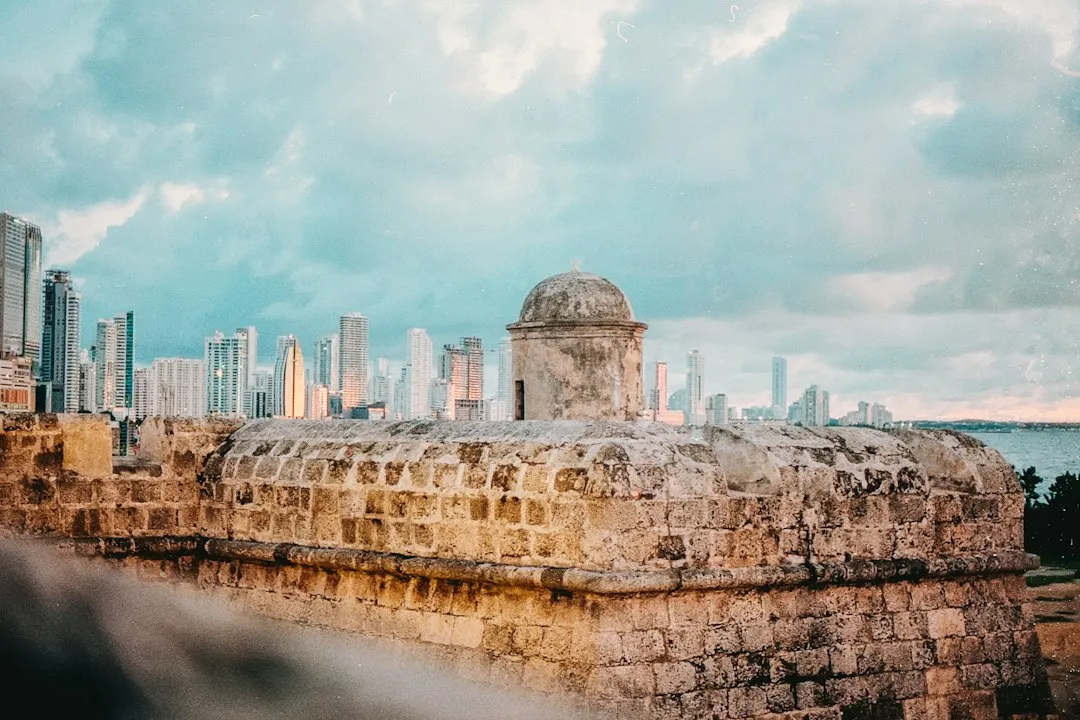
Cartagena tends to be the first stop for many international visitors, and it rarely disappoints. The ancient city of Cartagena boasts well-preserved colonial architecture and fortifications. The walled city, a UNESCO World Heritage Site, draws people into its narrow streets, flowering balconies, and plazas that feel as though they belong to another century.
The Caribbean coast features pristine white-sand beaches and crystal-clear waters, with popular destinations like Cartagena, Santa Marta, and the idyllic Rosario Islands. Colombia’s cities are drawing increasing numbers of tourists, with Cartagena hosting around one fifth of all international arrivals.
What travellers tend to rave about most is the combination: a morning spent wandering cobblestone streets, an afternoon on a catamaran heading to the Rosario Islands, and an evening at a rooftop restaurant as the sun drops behind the walls. Very few places in South America offer that kind of variety within a single day.
Medellín’s Transformation Story
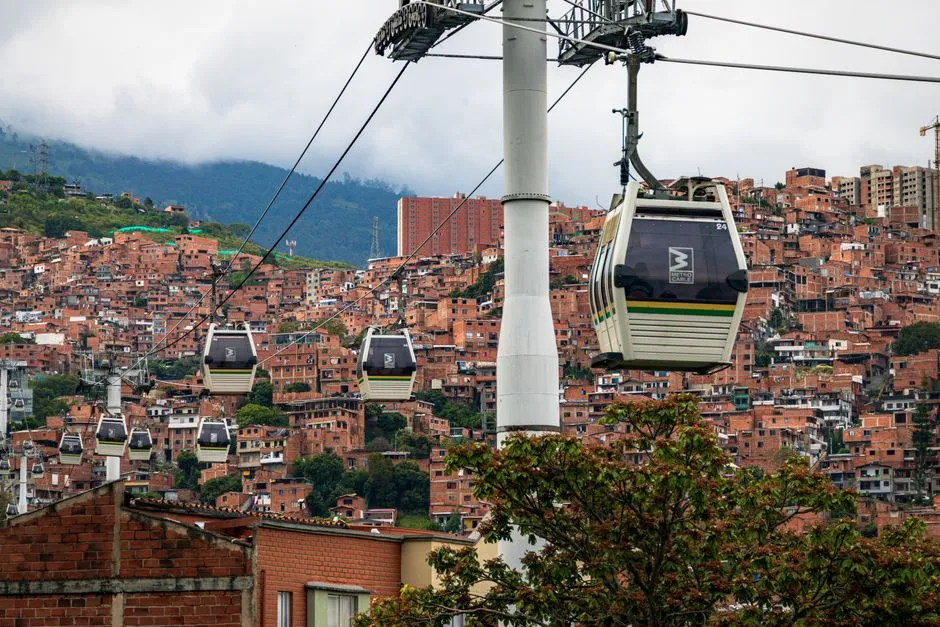
The city of Medellín, located in the Aburrá Valley and known as the “City of Eternal Spring,” is renowned for its perfect climate, innovative public transport system, and the cultural renaissance that has taken it from a turbulent past to a bright, artistic, and tourist-friendly present. That arc from difficult history to creative, functioning metropolis is something visitors feel when they arrive, not just read about.
Medellín has become a major stop on Colombia itineraries, combining museums, public spaces, restaurants, neighborhoods, and cultural attractions with surrounding mountain scenery. The Metrocable system connects hillside areas with the wider public transport network and provides visitors with another way to experience the city’s geography.
It is not a city that pretends everything is perfect. Part of what resonates with travelers is precisely that honesty, visible in public art installations that acknowledge history while celebrating community. Antioquia, the department where Medellín sits, accounts for roughly one quarter of all international visitor arrivals in Colombia. That sustained interest is a measure of how much the city delivers.
The Biodiversity: A World Leader in Wildlife
Colombia is not just one of the most biodiverse countries on the planet. It is, by formal scientific consensus, the most biodiverse per square kilometer in the world. Colombia ranks number one worldwide for birds and biodiversity. For wildlife travelers, that fact alone is enough to plan an entire itinerary around.
Tayrona National Park is a sanctuary of nature and archaeological remains, where mangrove swamps, corals, algae prairies, and cloud forests proliferate and are home to surprising biodiversity. The park is home to over 100 mammal species, among them howling monkeys, pumas, and deer. Over 300 bird species coexist alongside 31 species of reptiles, 15 amphibians, and more than 1,000 other marine species, including dolphins and marine turtles.
On the Pacific coast, places like Nuquí and Bahía Solano are known for their rugged, untouched beaches and incredible biodiversity, including whale watching and vibrant marine life. Deeper inland, species including the spectacled bear, tapir, ocelot, puma, and condor can be found. For many visitors, encountering wildlife of this density in a relatively accessible country is genuinely unexpected.
The Warmth of the People
Statistics about visitor numbers and UNESCO sites are easy to cite. Much harder to quantify is the thing travelers mention most consistently when asked what stayed with them: the people. Colombian hospitality is not a tourism slogan. It shows up in how a stranger in Salento will walk you to the trailhead rather than point directions, or how a market vendor in Bogotá’s La Perseverancia neighborhood treats a curious visitor like a welcome guest.
Bandeja Paisa, as a cultural symbol, represents Antioquian pride, and iconic Colombian dishes go beyond sustenance, serving as symbols that connect generations, celebrate hospitality, and preserve Colombian heritage. That spirit extends far beyond the kitchen. Hospitality in Colombia is embedded in the culture in a way that travelers consistently describe as one of the most lasting impressions of their visit.
Colombia’s tourism growth is, in part, a reflection of word-of-mouth. The country’s first-quarter 2025 figures placed Colombia above the projections of the World Tourism Organization, and the results reflect its consolidation as one of the most attractive destinations in Latin America. Much of that reputation has been built by travelers going home and telling their friends.
The Festivals That Pull You In
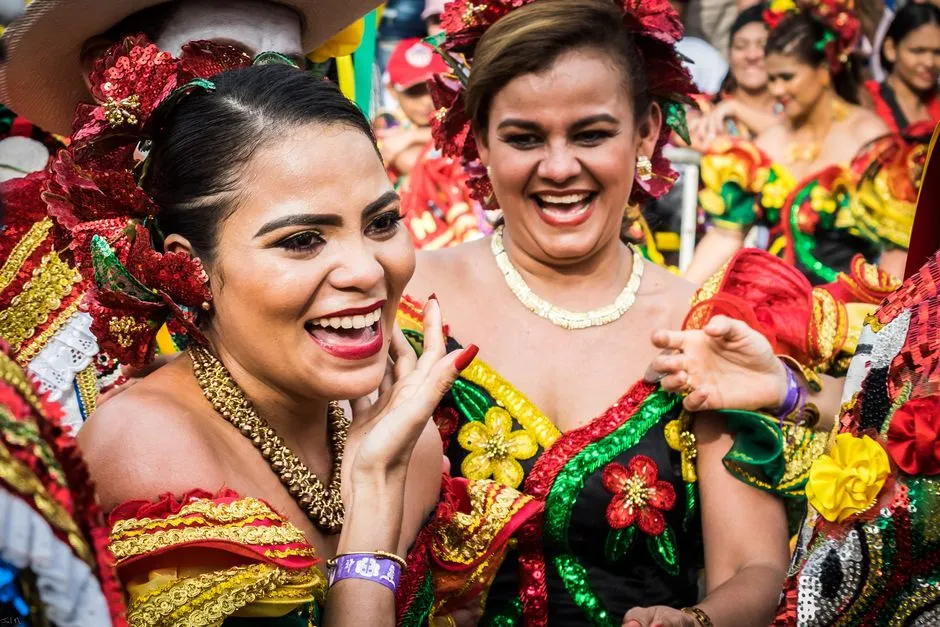
Colombia takes its festivals seriously. Standout spectacles like Cartagena’s International Music Festival, the Barranquilla Carnival, and the Medellín Flower Fair invite guests from every time zone to experience the country’s vibrant cultural identity. The Barranquilla Carnival, held every February, is one of the largest carnivals in the world and has been designated an Intangible Cultural Heritage of Humanity by UNESCO.
Throughout the year, Colombia hosts numerous festivals that blend indigenous, African, and Spanish traditions. Medellín’s Feria de las Flores showcases the region’s floral beauty with a stunning flower parade. Travelers who time their visit around one of these events often describe it as a completely different experience from what they expected, more participatory and intimate than the scale might suggest.
Bogotá’s Cultural Depth
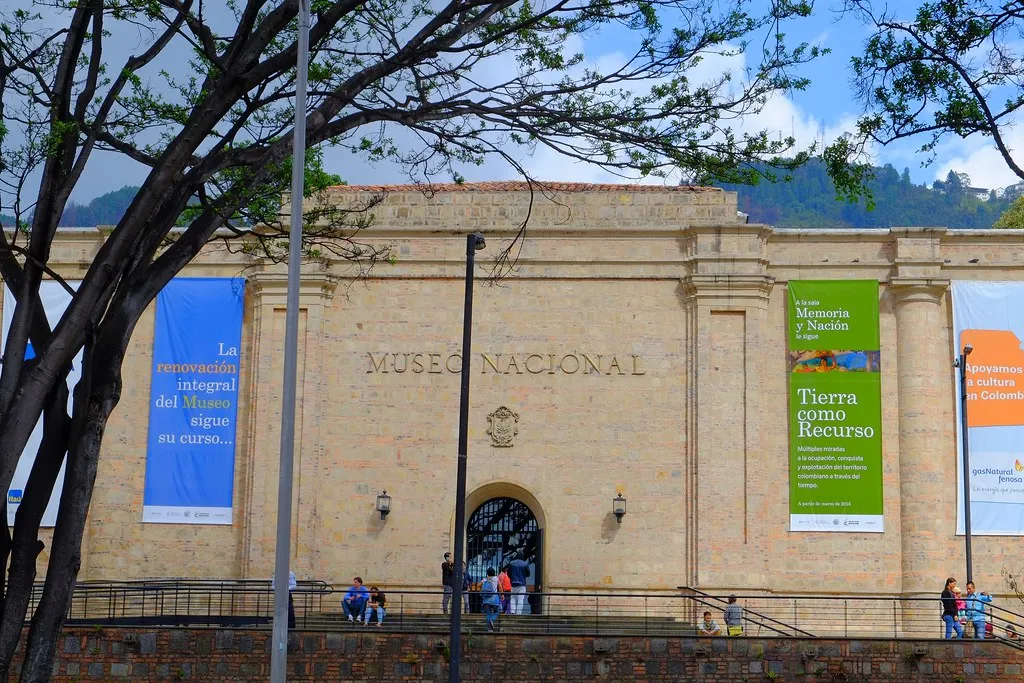
Bogotá is a city that rewards the curious. It sits at over 2,600 meters above sea level, spread across a high Andean plateau, and packs an extraordinary density of museums, galleries, markets, and neighborhoods into a space that many visitors initially find a little overwhelming. Give it two days, and it earns you completely.
Bogotá accounts for roughly one third of all international visitor arrivals in Colombia, making it the country’s most visited city. The Museo del Oro, which holds the world’s largest collection of pre-Columbian gold artifacts, is regularly cited by travelers as one of the most remarkable museum experiences in all of South America. La Candelaria, the historic center, layers colonial architecture against street murals and bookshops in a way that feels genuinely alive rather than preserved for tourism.
Among the best-loved Colombian dishes specific to the capital is ajiaco, a hearty soup made with chicken and three different kinds of potato that’s iconic in Bogotá and the surrounding Andes mountains. Sitting down to a bowl of that soup on a cool Bogotá afternoon is the kind of small, specific memory travelers end up talking about for years.
The Landscapes That Shift Constantly
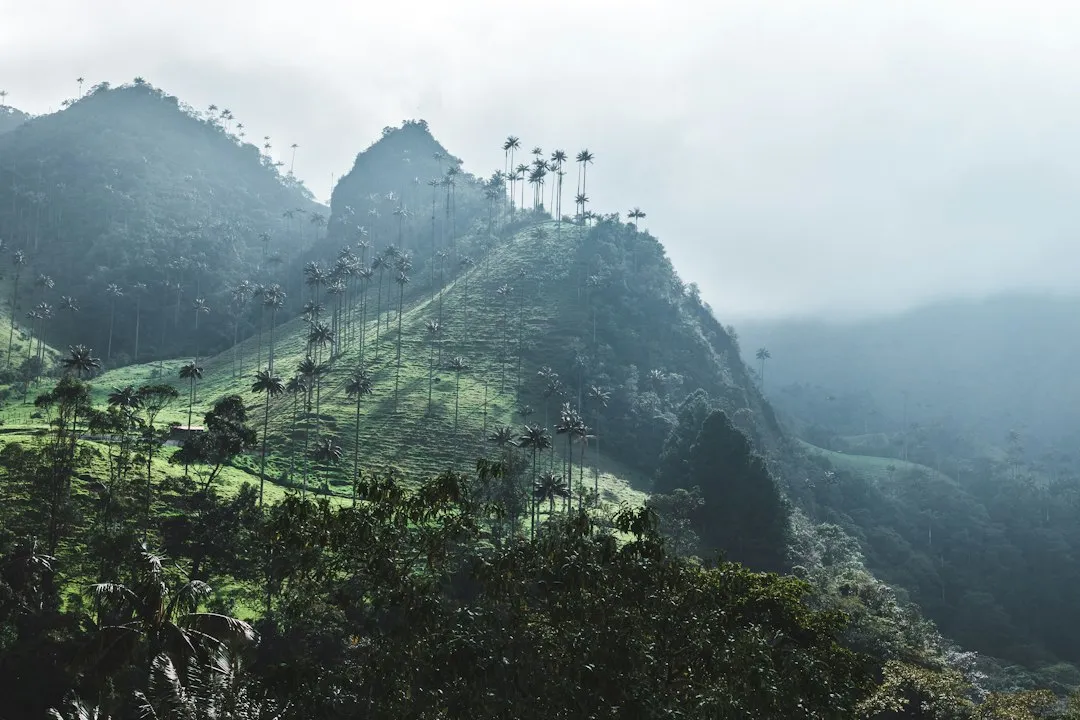
One of the genuinely surprising things about Colombia is how dramatically the scenery changes within a short distance. You can be in a coastal city, drive three hours inland, and find yourself in a cloud forest. Drive a few more hours and you are in the hot, flat Llanos. Visits to traditional destinations such as Bogotá, Cartagena, and the coffee-growing region have been complemented by an increase in arrivals to less well-known departments such as Guaviare, Caquetá, and Amazonas.
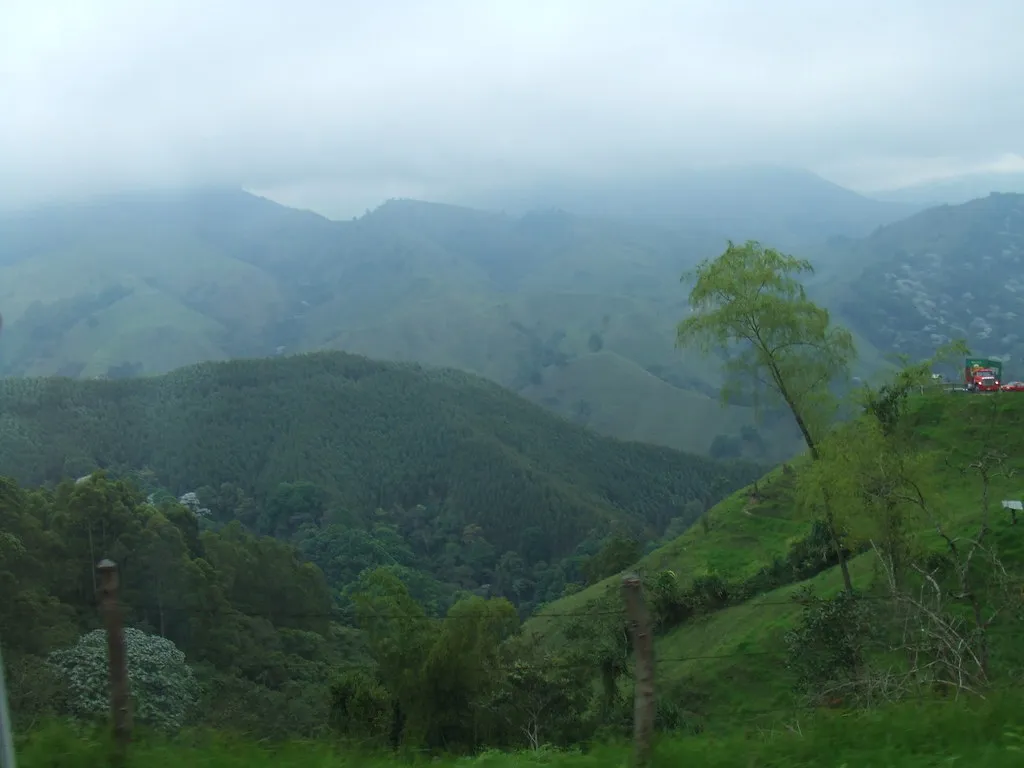
The coffee region alone covers 52,000 hectares, with altitudes ranging from 1,165 meters to 4,250 meters, allowing visitors to experience a variety of ecosystems including paramos, rainforest, and Andean forest. That range within a single region gives a sense of how varied the broader country is. Travelers who plan for one type of landscape often end up encountering five.
The Surprising Value and Practicality of the Country
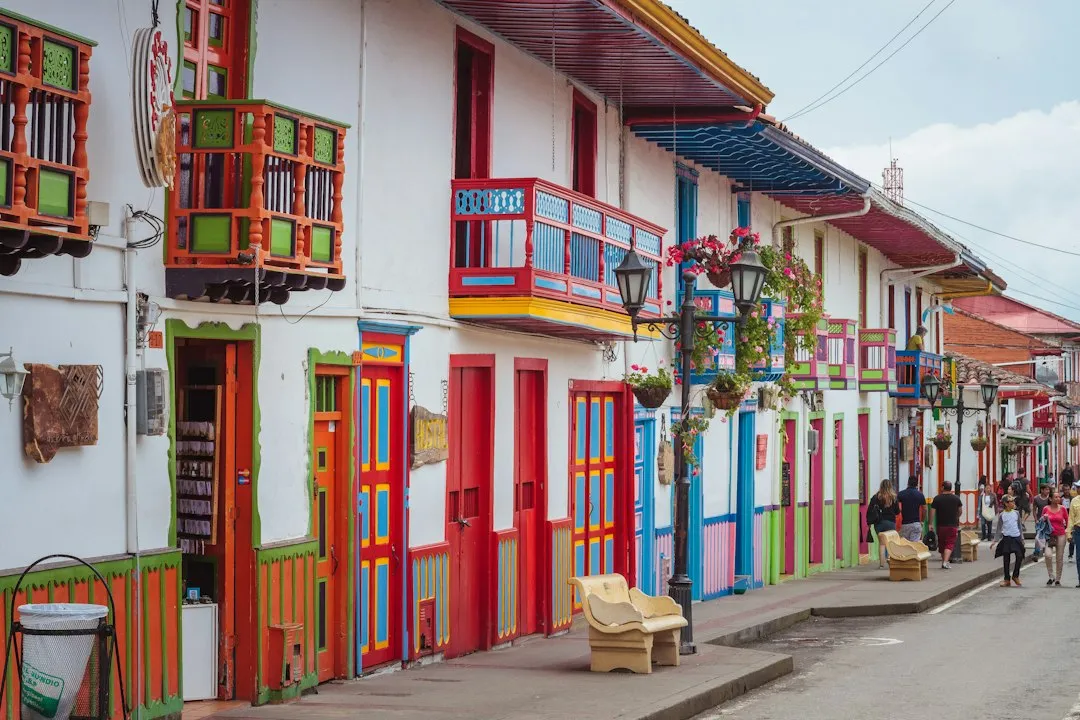
Colombia remains notably good value for international travelers, particularly those arriving from North America and Europe. Tourism receipts in 2023 totaled around USD 8.55 billion, with an average spend per international visitor of around USD 1,632. That figure suggests that travelers are spending meaningfully, but by the standards of comparable destinations in Europe or Southeast Asia, the overall cost of a trip to Colombia, from accommodation to meals to transport, is still genuinely accessible.
The United States accounts for 27% of all non-resident arrivals in Colombia, which reflects both geographic proximity and the growing number of direct flight options. New international routes, including connections from Madrid to Cali and Aeromexico services to Cartagena, are linking more parts of the globe to Colombia’s cities. The practical logistics of getting there and moving around have improved considerably.
The Takeaway
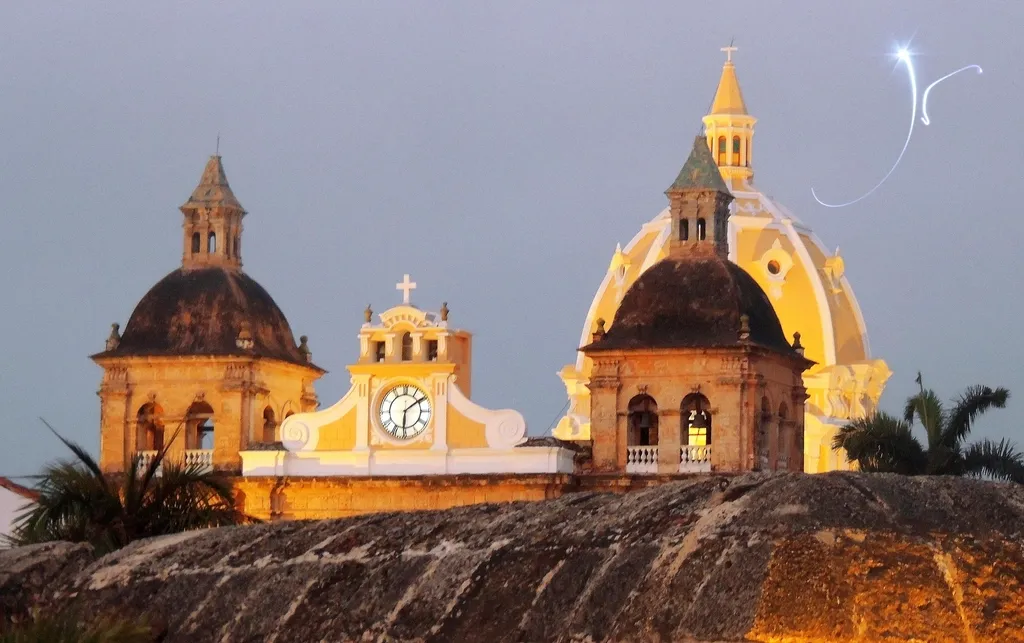
Colombia does not fit neatly into a single travel category. It is not purely a beach destination, a food destination, a wildlife destination, or a cultural destination. It is all of those things at once, in close proximity, and that breadth is what keeps it in people’s conversations long after the trip ends.
Colombia’s tourism industry is on track to contribute over USD 21.6 billion to the national GDP by the end of 2025, representing about 5.1% of the total economy. Those numbers matter, but what really drives them is simpler. People go, they are surprised, and they come back, or they tell everyone they know to go instead.
That kind of reputation takes a long time to build. Colombia has been building it quietly for years, and the world is finally paying attention.
AI Disclaimer: This article was created with the assistance of AI tools and reviewed by a human editor.