
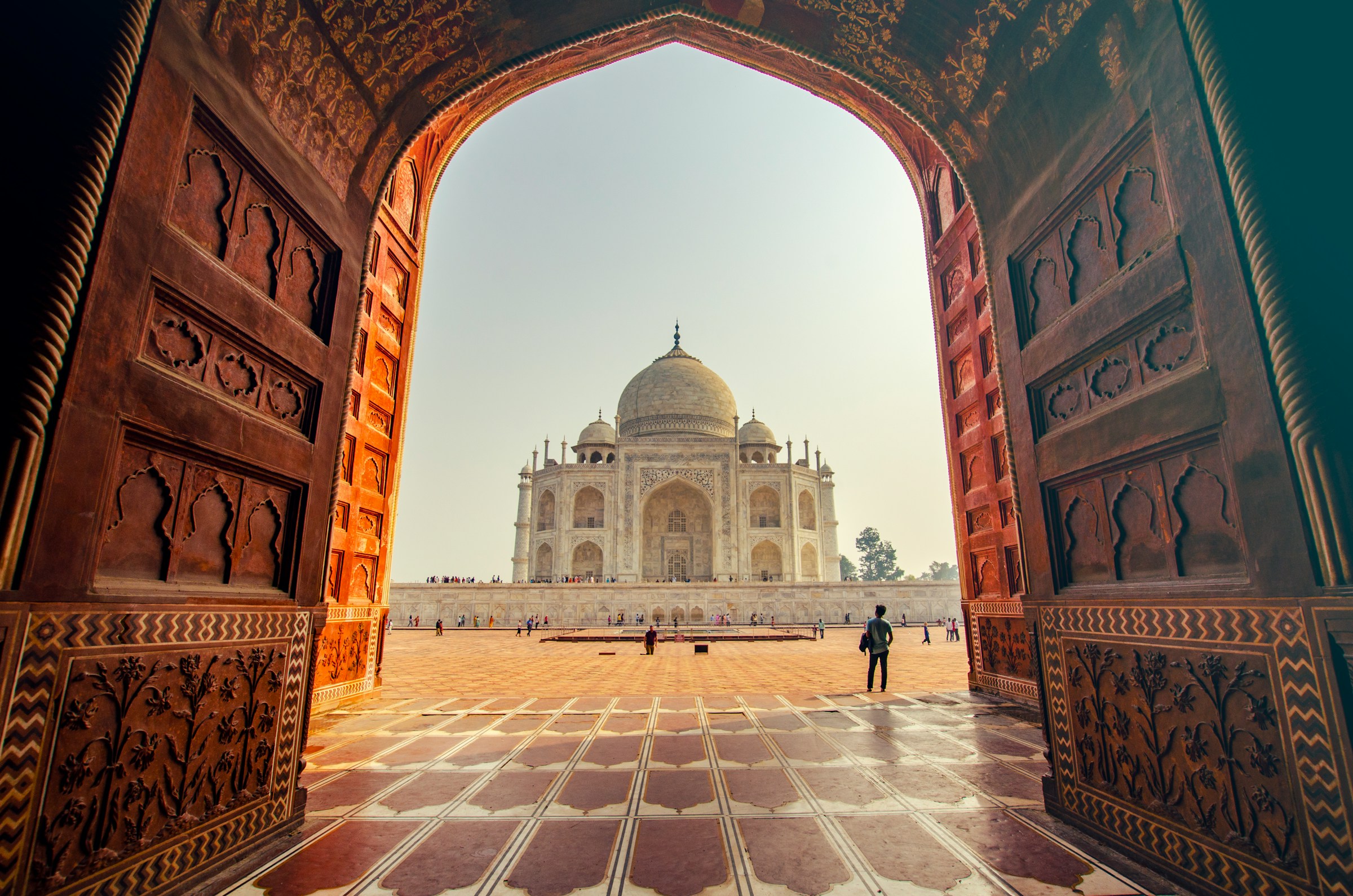

There’s a particular kind of trip that stays with you for years. Not because it was easy or perfectly comfortable, but because it changed something in how you see the world. India has a well-earned reputation for being exactly that kind of destination. It overwhelms, delights, puzzles, and moves you, sometimes all within the same afternoon.
The numbers tell one part of the story. India welcomed nearly 10 million foreign tourists in 2024, according to the latest data released by the Ministry of Tourism, marking annual growth of roughly four and a half percent compared to 2023. The lived experience tells the rest. Here are seven reasons the trip you’ve been putting off deserves to finally happen.
A Scale of Heritage That Is Simply Hard to Match
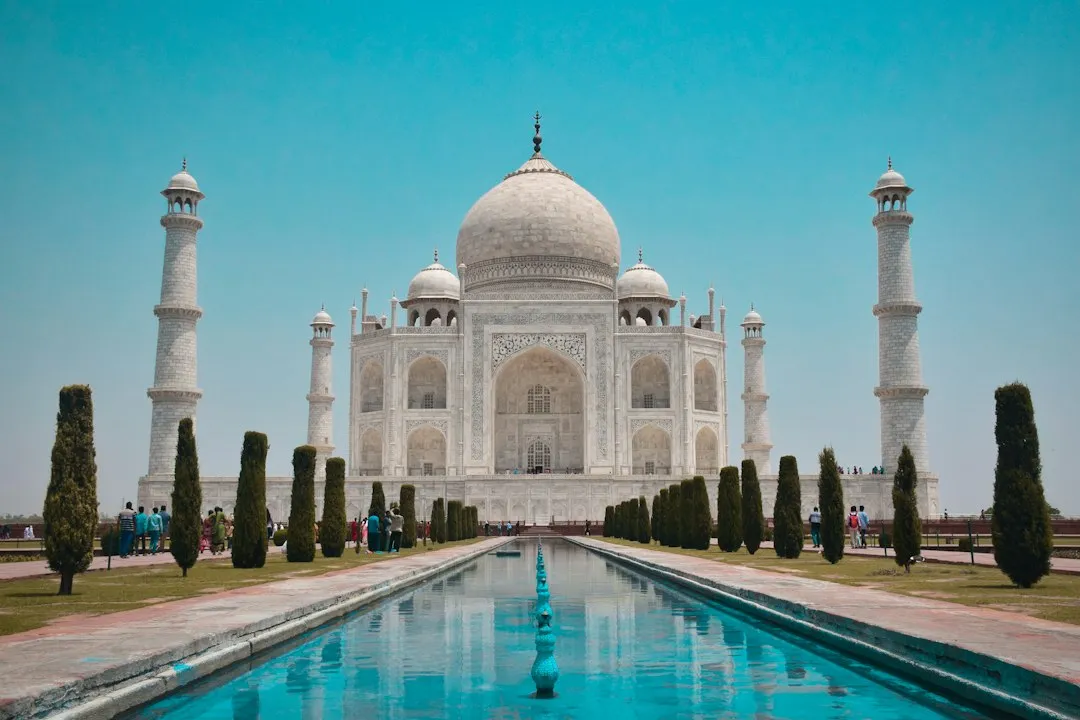
As of 2026, India holds 44 UNESCO World Heritage Sites, ranking sixth globally in total count, with its first inscriptions dating back to 1983 when Ajanta Caves, Ellora Caves, Agra Fort, and the Taj Mahal were all recognized together. That’s not just an impressive number on paper. It means that nearly everywhere you go, you’re walking through something that the world has formally recognized as irreplaceable.
These sites span ancient temples, forts, palaces, caves, national parks, and wildlife sanctuaries, with the most recent addition being Sarnath in Varanasi, inscribed in 2026. Notably, since 2014, India has added 12 new World Heritage Sites, demonstrating an ongoing commitment to preserving and promoting its cultural and natural treasures.
The Taj Mahal alone draws visitors from every continent. Among India’s centrally protected ticketed monuments, the Taj Mahal leads in visitor numbers for both domestic and foreign tourists, welcoming more than 6 million domestic visitors and over 640,000 foreign visitors in fiscal year 2024 to 2025. That kind of draw is rarely accidental.
Landscapes That Cover Almost Every Type of Natural Environment
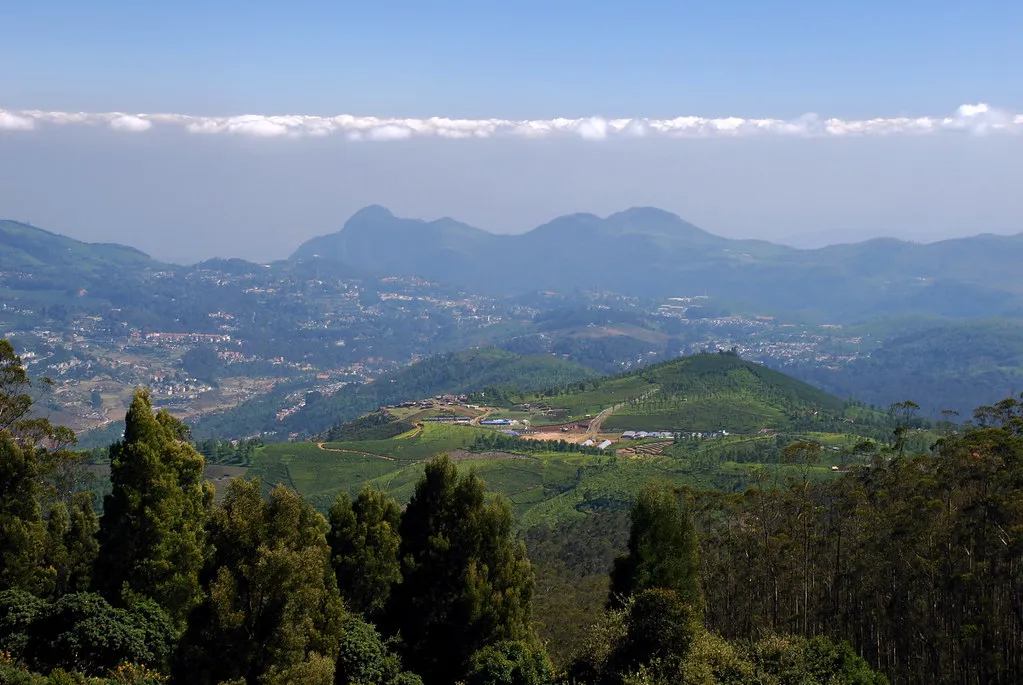
India is geographically one of the most varied countries on the planet. From the snow-capped Himalayas to the tropical beaches of Goa, the country’s diverse landscapes offer numerous opportunities for both adventure and relaxation. Very few destinations can genuinely offer all of this within a single itinerary.
Kerala’s backwaters, the tea gardens of Darjeeling, and the serene deserts of Rajasthan each represent something distinct, and they’re all accessible without leaving the country. Planning a visit between October and March gives you the most pleasant weather for exploring major regions like Goa, Rajasthan, Delhi, Agra, and Kerala.
Wildlife That Genuinely Rivals Africa’s Safari Circuits
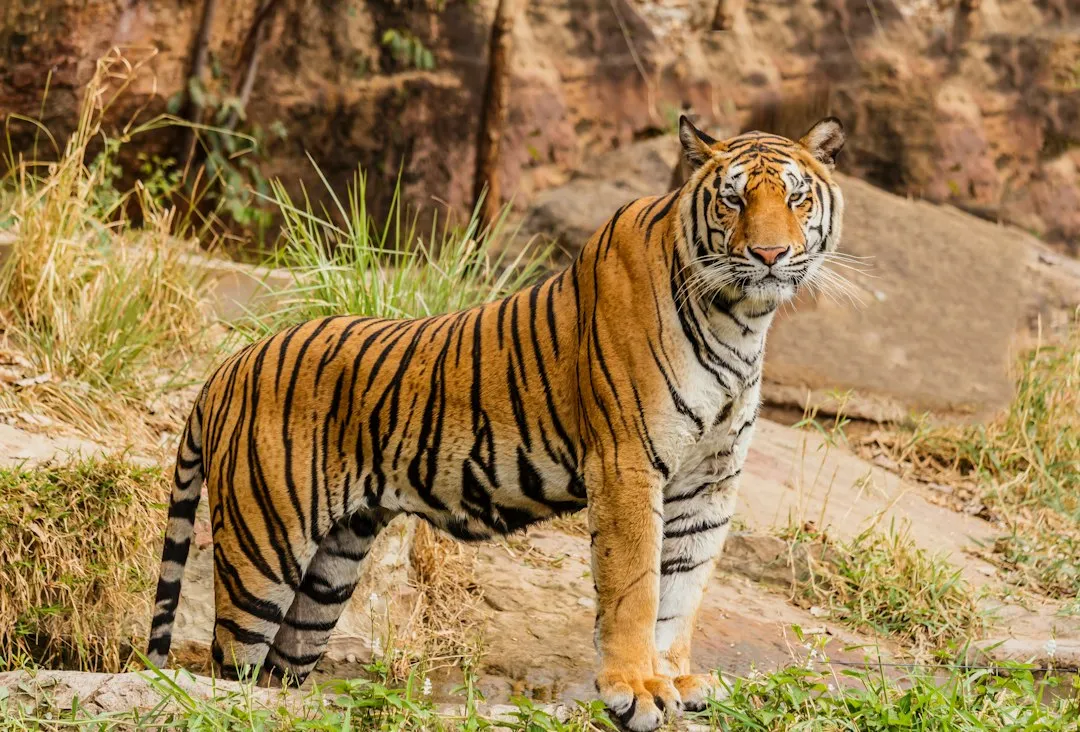
Wildlife enthusiasts can explore national parks like Jim Corbett, Ranthambore, and Kaziranga, which house rare species including tigers, elephants, and rhinoceroses. India’s conservation record has been uneven over the decades, but its tiger reserves have shown real recovery, and spotting a Bengal tiger in the wild remains one of the most quietly thrilling experiences available to any traveler anywhere.
Kaziranga National Park is famous for sheltering roughly two-thirds of the world’s population of great one-horned rhinoceroses and holds the record for the highest density of tigers worldwide, alongside wild water buffalo, elephants, and swamp deer. Sundarbans National Park in West Bengal, shared with Bangladesh, is home to the critically endangered Royal Bengal Tiger and is the world’s largest estuarine mangrove forest.
Food That Is Nothing Like What You’ve Had Before

Indian cuisine is one of the most regionally diverse food cultures in the world, and tasting it in its actual context is revelatory. The thali in Rajasthan shares almost nothing with a fish curry in Kerala or a fermented rice dish in Nagaland. Every state has its own culinary identity, its own spice logic, its own breakfast culture.
Visitors can enjoy world-renowned cuisine alongside iconic landmarks, wildlife encounters in their natural habitat, and deeply varied cultural experiences. Street food, in particular, is something India does at a level that few countries match. The humble samosa, the pani puri, the dosa eaten fresh off a cast-iron griddle at dawn: these moments are the ones people recall years later.
A Spiritual Depth That Doesn’t Require You to Be Religious
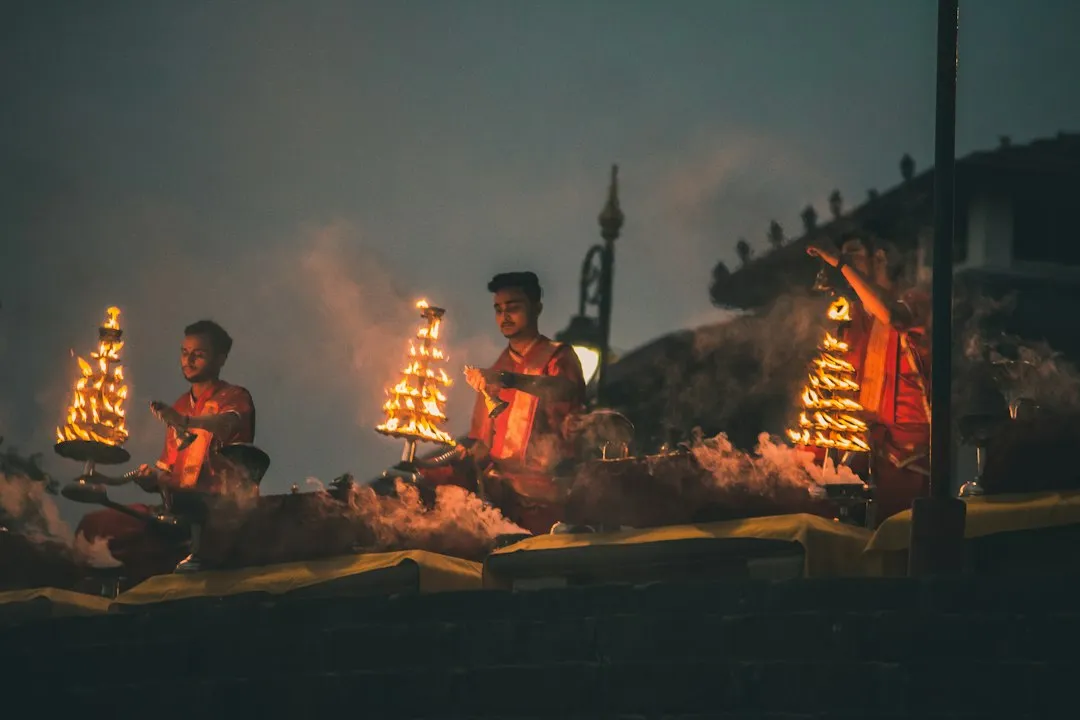
India is home to significant spiritual destinations including Varanasi, Rishikesh, and Bodh Gaya, each carrying centuries of practice and meaning. You don’t need to share a particular faith to be moved by the dawn aarti on the Ganges at Varanasi, or by the quiet discipline of a monastery in Ladakh.
There is a strong and growing focus on wellness, yoga, Ayurveda, and what many describe as inward journeys, with Kerala, Uttarakhand, Goa, and the Himalayas serving as the primary destinations for retreats and recovery breaks. In the first quarter of 2025, nearly forty-five percent of foreign tourists arriving in India listed leisure, holiday, and recreation as their primary purpose, with spiritual travel also representing a meaningful share of that figure.
Improved Connectivity and Infrastructure Make It More Accessible Than Ever
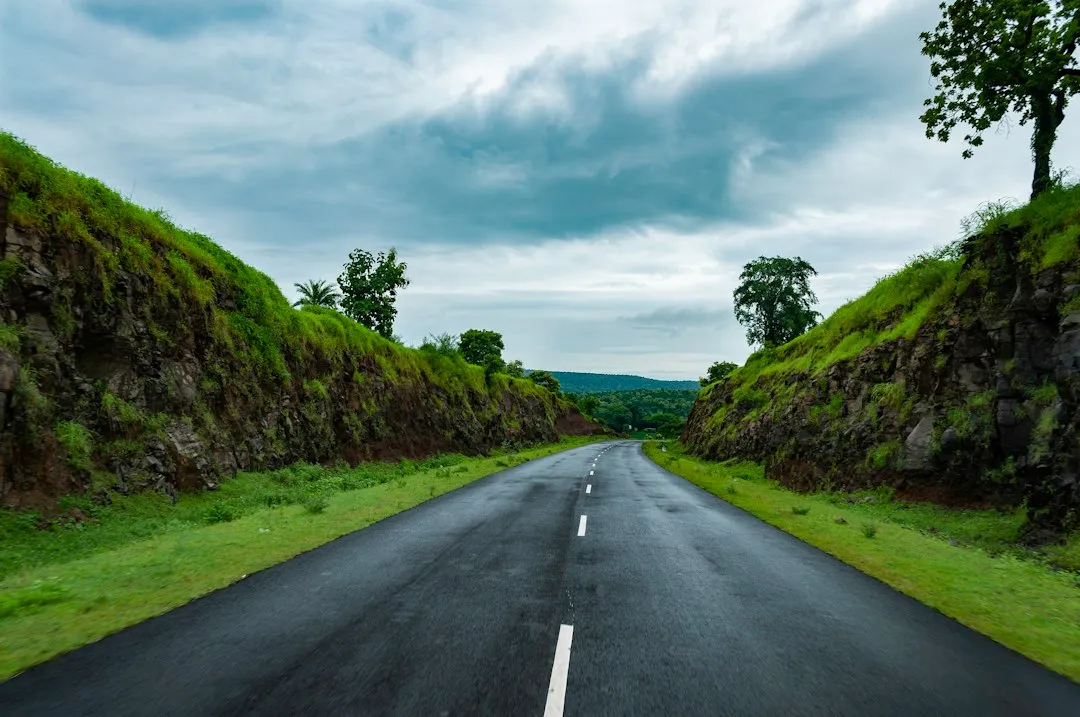
One of the most common reasons people delay the India trip is logistics. The country used to feel daunting to navigate, and in some corners it still requires patience. What’s changed, though, is significant. Journey times between cities have been dramatically reduced on new highway networks, regional airports are expanding, domestic flights are more affordable, and tourist circuits now connect the major hotspots more reliably than before.
Upgraded travel infrastructure includes rapid e-Visa processing, high-speed express trains, and contactless digital payment systems, all of which make day-to-day movement noticeably smoother than a decade ago. Government initiatives like Swadesh Darshan 2.0 have developed over 110 projects across themed travel circuits, including Ramayana, Buddhist, Coastal, and Tribal routes. These aren’t just infrastructure investments. They’re designed to make India’s lesser-known regions genuinely reachable.
Extraordinary Value for Your Travel Budget
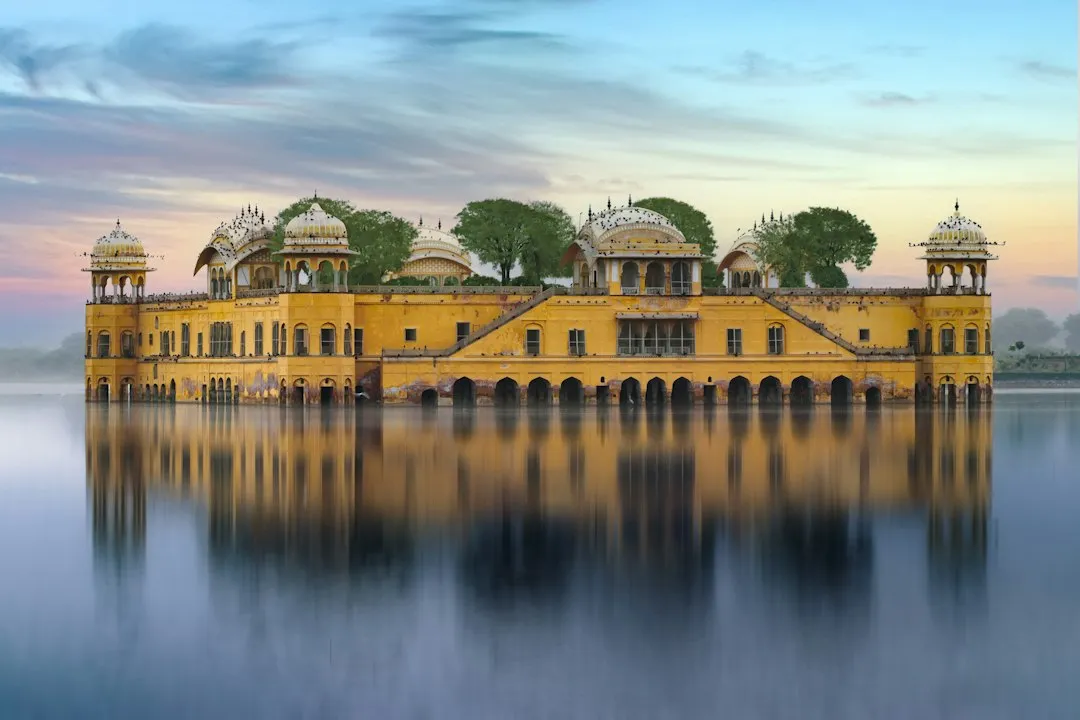
Your money goes a long way in India, allowing travelers to experience luxury at budget-friendly prices across accommodations, food, and shopping. This isn’t just a backpacker talking point. Palace hotels in Rajasthan that would cost thousands per night in equivalent European settings are often available at a fraction of the price, and the quality of hospitality is among the best in Asia.
A single journey through India can reasonably include palaces, luxury trains, tiger safaris, backwater cruises, spiritual cities, Himalayan escapes, fine cuisine, and deeply layered cultural experiences. The combination of range and relative affordability is genuinely difficult to replicate elsewhere. India contributed roughly two percent of worldwide tourism receipts in 2024, a figure that reflects just how much economic activity flows through a destination that remains remarkably accessible for most international budgets.
The Takeaway
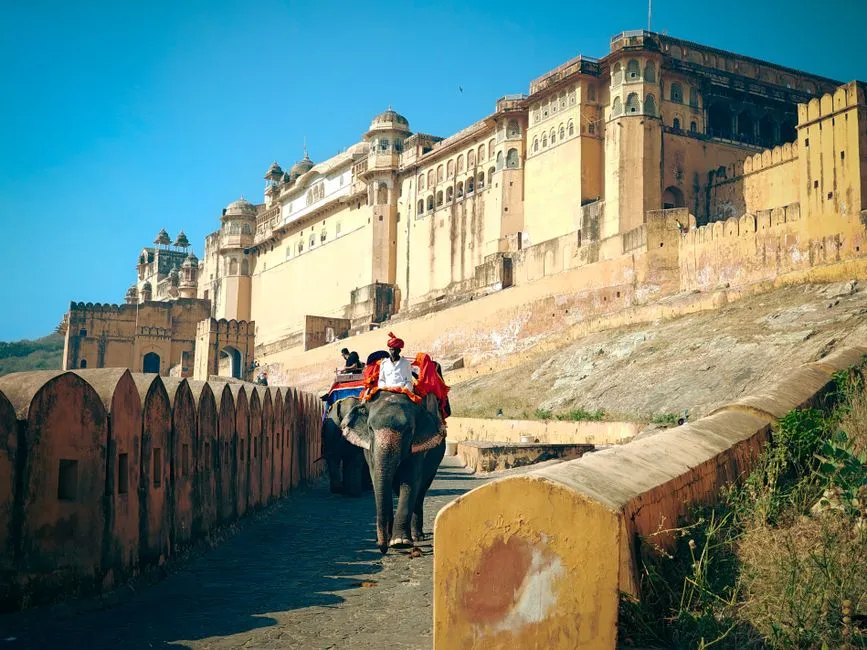
India asks something of you. It asks for openness, a degree of flexibility, and a willingness to be surprised rather than in control. Most travelers who go find that those are exactly the conditions under which the best travel memories get made.
India is the world’s seventh-largest country by area and home to a rich heritage shaped by centuries of different cultures and religions, and all of that layering is visible and tangible when you’re there. The trip doesn’t need to be perfect. It just needs to happen.
AI Disclaimer: This article was created with the assistance of AI tools and reviewed by a human editor.