
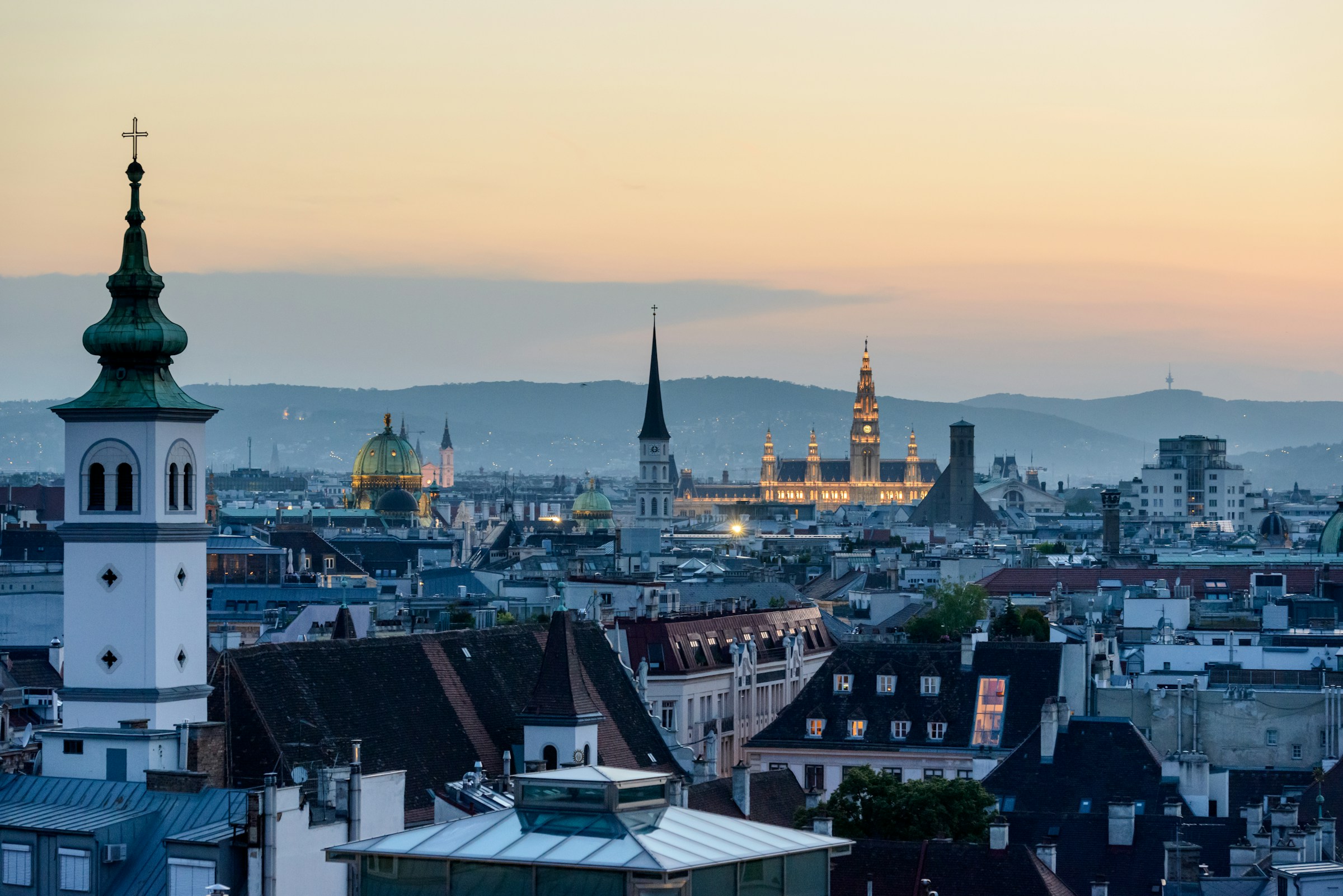
A Tradition That Dates Back to 1685
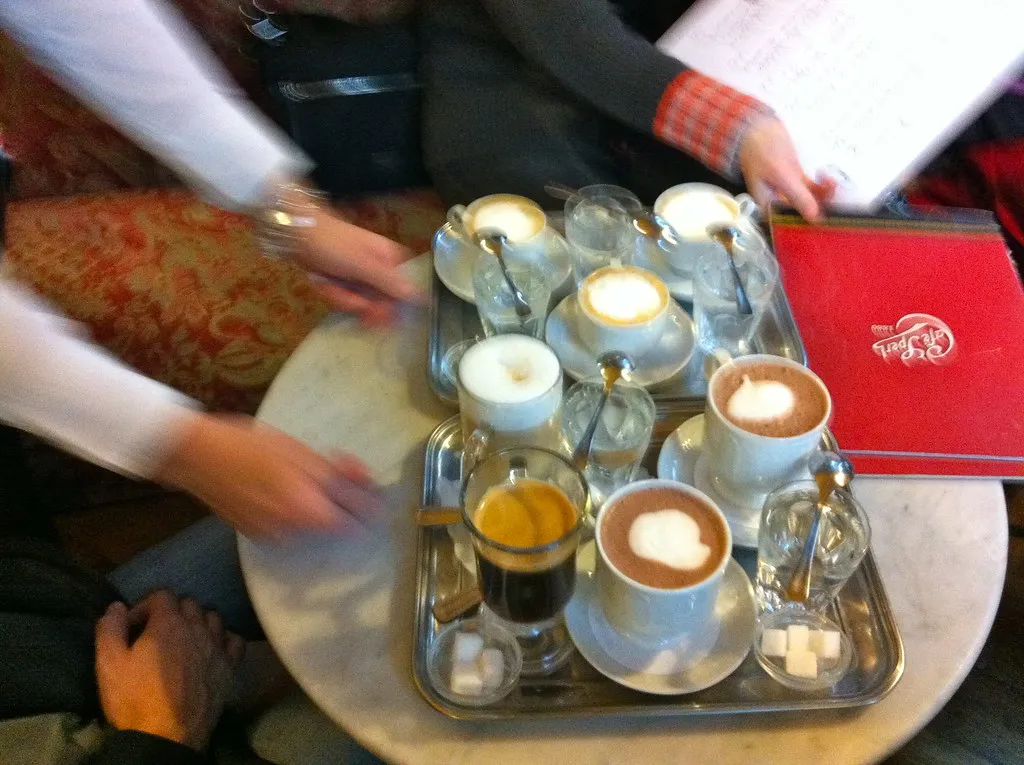
The start of Viennese coffeehouse culture dates from 1685, when Armenian businessman Johannes Deodato established the city’s first coffeehouse. From that single establishment, an entire culture grew across the city’s streets and neighborhoods. Along with its specialty coffees, the Vienna coffeehouse also boasts a long history, with the first opening its doors at the end of the 17th century.
It was so well-received that more coffeehouses quickly began opening across Vienna, giving birth to the now-famous coffeehouse culture. The pace of that expansion was remarkable. Within decades, the coffeehouse was not a novelty but a fixture of daily Viennese life.
UNESCO’s Official Recognition in 2011
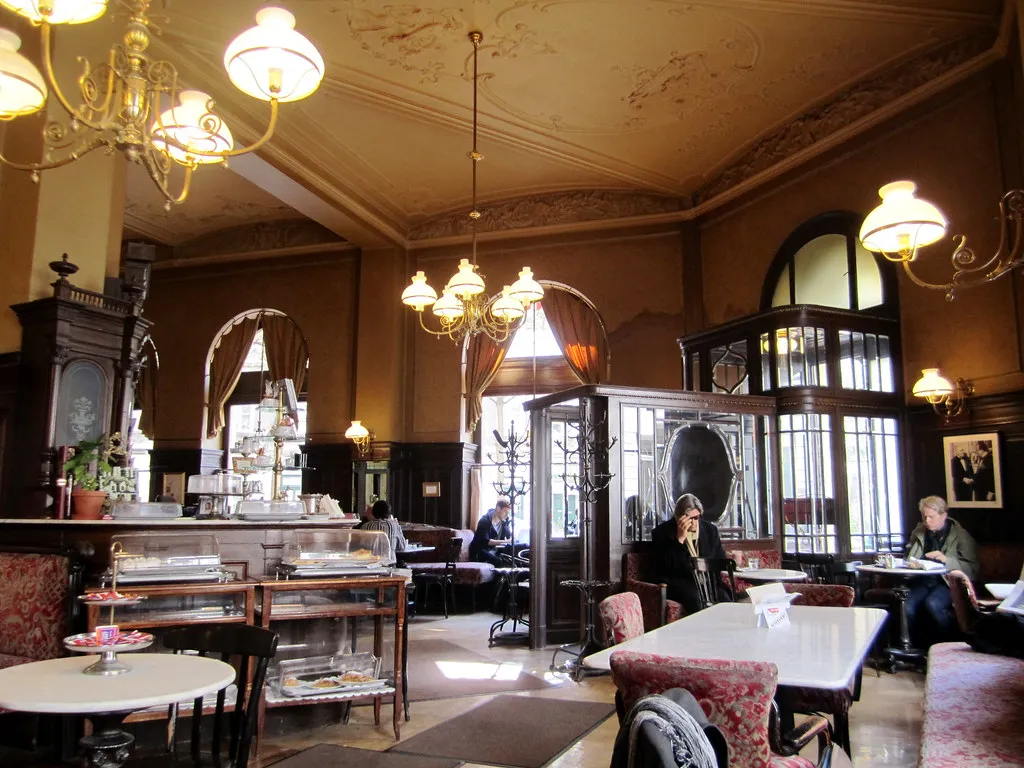
Since October 2011, the “Viennese Coffee House Culture” is listed as an “Intangible Cultural Heritage” in the Austrian inventory of the “National Agency for the Intangible Cultural Heritage,” a part of UNESCO. The designation was grounded in a very specific and telling description. The Viennese coffeehouse is described in this inventory as a place “where time and space are consumed, but only the coffee is found on the bill.”
UNESCO recognition acknowledged the coffeehouse’s unique role in shaping intellectual and artistic life across three centuries of Austrian cultural history. That is a remarkable span of documented influence for any single social institution to claim.
A City of Around 600 Coffeehouses

Vienna is well-known for its coffeehouse culture, with about 600 coffeehouses, all steeped in tradition and rich history. That number is worth sitting with for a moment. In a city of roughly two million people, the density of traditional coffeehouses remains extraordinary by any European standard.
In the 19th century, Vienna was known beyond borders as the city of coffeehouses. Today, this cultural heritage is still celebrated with coffee and cake on plush velvet seats, Thonet chairs, and marble tables. The interior design has remained strikingly consistent across generations, which itself signals something about the culture’s commitment to continuity.
Democratic Spaces Before Democracy Was Common
The UNESCO designation recognizes coffee houses as places where “time and space are consumed, but only the coffee is found on the bill,” acknowledging their role as democratic gathering spaces accessible across social classes. Unlike the exclusive salons of aristocratic Vienna, coffee houses welcomed anyone capable of ordering coffee, creating heterogeneous environments where university students sat beside government ministers, artists conversed with businessmen, and intellectual discourse crossed traditional social boundaries that otherwise rigidly divided Habsburg society.
While they began as men-only spaces, women were finally permitted entry to coffeehouses in 1856, making them a truly communal space. By the 20th century, coffeehouses had become the go-to meeting places for people of all trades to exchange ideas and discuss politics. That gradual opening of doors mirrors broader social shifts, and the coffeehouse absorbed them all.
The Intellectual Engine of Vienna Modernism
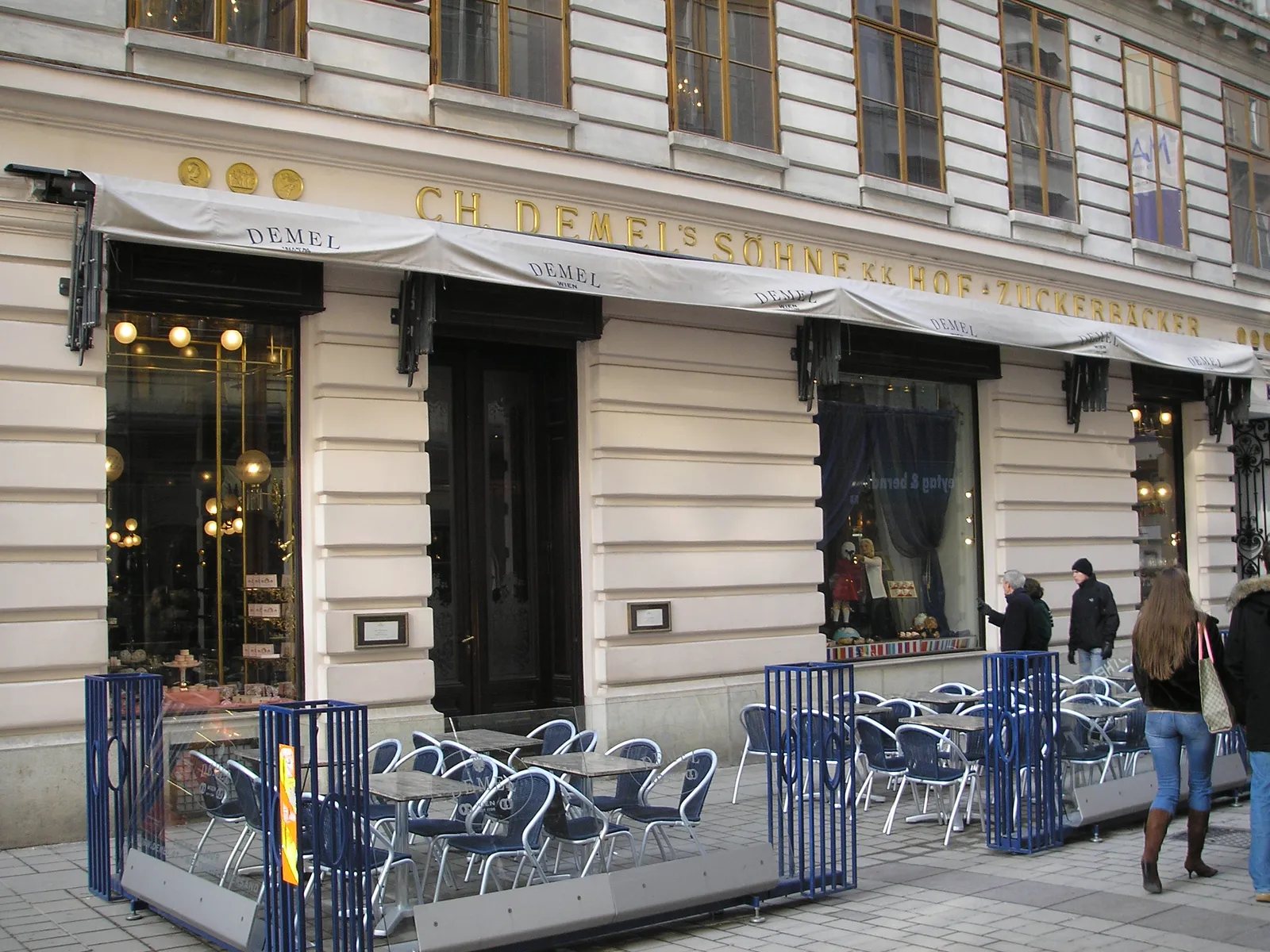
Historically, these coffeehouses were intellectual hubs frequented by figures like Sigmund Freud, Gustav Klimt, and Leo Trotsky. These were not casual visitors. Famous writers, artists, and thinkers such as Sigmund Freud, Gustav Klimt, and Leon Trotsky frequented these establishments. The coffeehouse was a place where ideas were born, manifestos were written, and artistic movements took shape.
The term “Kaffeehausliteratur” (coffeehouse literature) even describes the many works of literature written at those marbled tables or inspired by conversations around them. This melting pot of minds almost certainly played a part in the arrival and evolution of Vienna Modernism: the explosion of creativity and progress in the late 1800s and early 1900s.
The Role of Newspapers and Information

In 1720, Café Kramer began offering newspapers for their customers to read, which really led to what Viennese coffee culture evolved into: finding out what was going on in the city and reading world news. This detail is easy to overlook, but it was foundational. The coffeehouse became the city’s informal news network long before mass media existed.
Guests can still browse international newspapers, play a game of chess, or enjoy classic Viennese pastries such as Sachertorte or Apfelstrudel alongside a traditional Melange. The newspaper tradition persists in many traditional coffeehouses to this day, with papers still mounted on wooden holders and laid out for patrons without any expectation of a purchase.
The Architecture and Atmosphere as Cultural Markers

Vienna coffeehouses radiate a distinctive vibe, characterized by their marble tables, refined wood paneling, Thonet bentwood chairs, and a sumptuous quiet that fosters conversation at a gentle simmer, rather than a boil. These design choices were never accidental. They reflect a philosophy of hospitality rooted in unhurried presence.
The architectural and atmospheric elements of traditional coffee houses create environments distinct from modern cafés, deliberately maintaining historical continuity through preservation of original furnishings, lighting fixtures, and spatial arrangements. The commitment to authenticity extends beyond nostalgic preservation, representing instead conscious cultural stewardship ensuring that contemporary Viennese experience the same essential atmosphere their predecessors enjoyed during the coffeehouse’s 18th, 19th, and early 20th-century golden ages.
Surviving Wars, Espresso Bars, and Chain Cafés
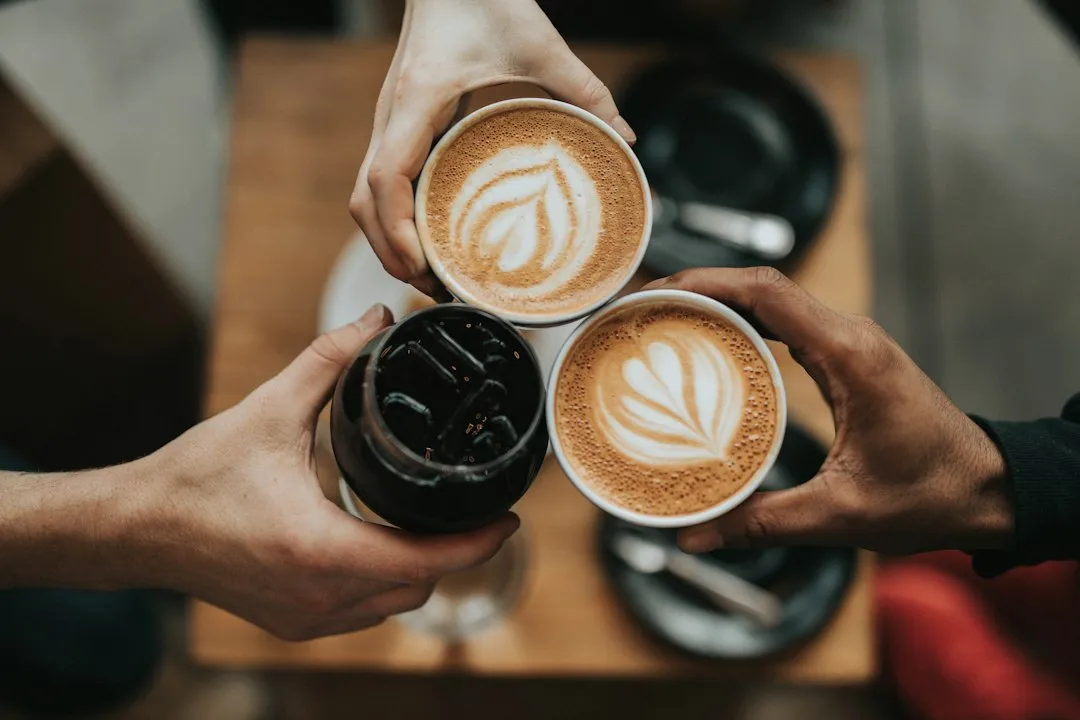
After the Second World War the local café scene nearly collapsed. Not least because their main regular customers, Jewish intellectuals and artists, had gone. In the 1950s, long before Starbucks, the arrival of trendy espresso bars seriously threatened the traditional coffeehouses. That the institution endured through these pressures is itself part of what UNESCO recognized.
Despite wars, political upheaval, modernization, chain café competition, and tourism pressure, the institution survived as a lived practice rather than becoming pure aesthetic nostalgia. The sixties and seventies saw a revival of local coffeehouses. Once again, Austrian writers and artists spearheaded the movement. The culture has always found its champions when it needed them most.
What Makes It Intangible Heritage Rather Than Just Old Buildings
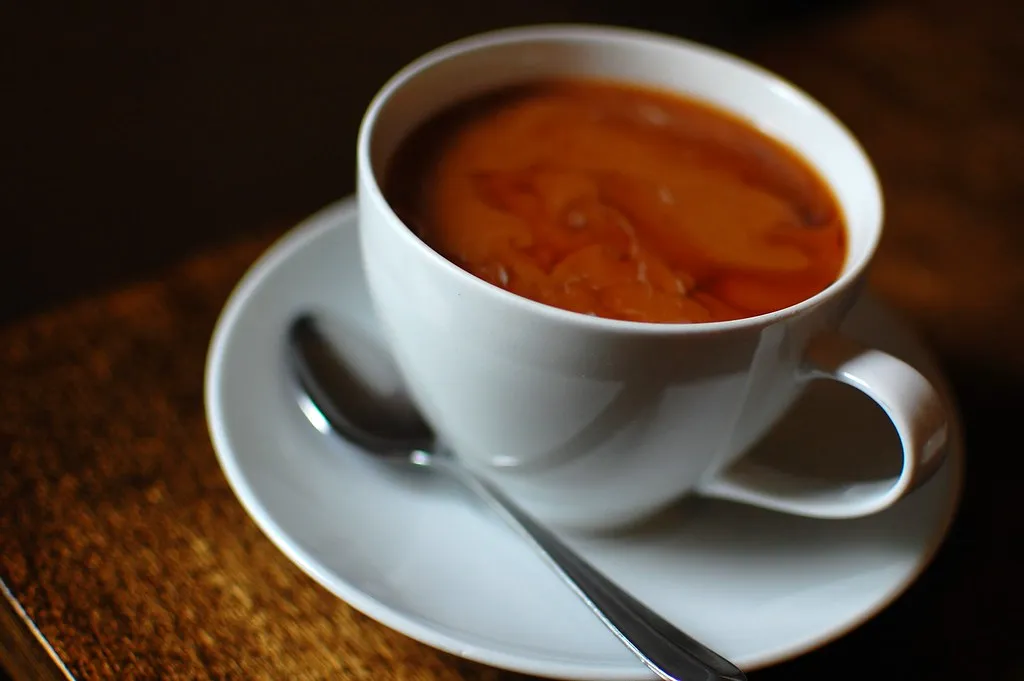
Vienna’s coffee house culture could be framed as both everyday practice and national cultural memory. UNESCO intangible heritage often favors traditions that are alive in ordinary life while also carrying symbolic weight for a community or nation. The coffeehouse meets both criteria with room to spare.
For centuries, these cafés have served as welcoming spaces where people gather to enjoy coffee, read newspapers, exchange ideas, and spend time without feeling rushed. Their role in preserving Vienna’s social, literary, and artistic culture makes them an important part of the city’s identity that continues to thrive today. That continuity of function, not just form, is precisely what intangible heritage protection is designed to preserve.
The Coffeehouse as Vienna’s Living Room
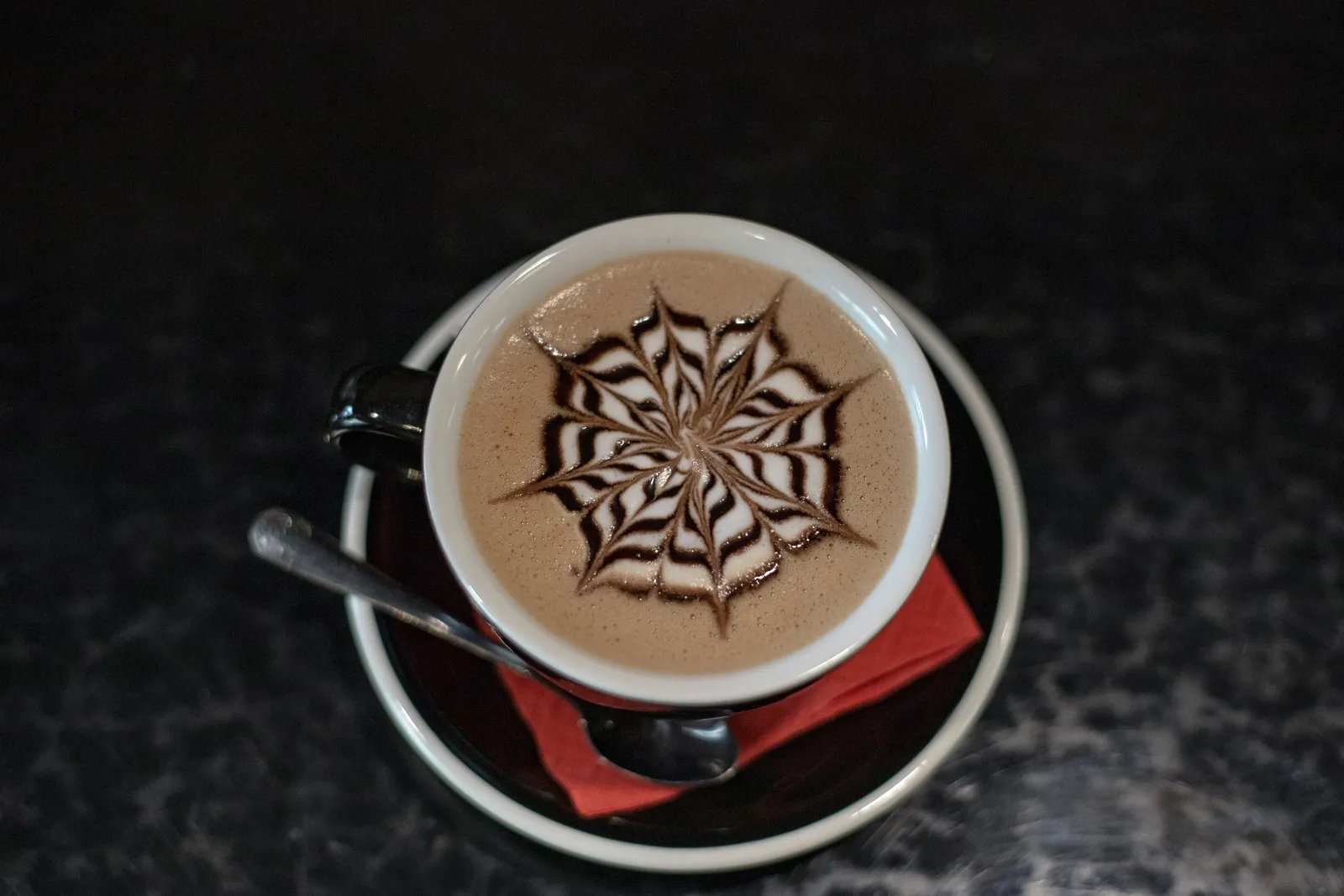
Sigmund Freud did it, as did Andy Warhol, Gustav Klimt, and Oskar Kokoschka: they all spent countless hours in Viennese coffeehouses. These days, you might encounter politicians at Zum Schwarzen Kameel, artists and art students at Café Prückel, or actors at Café Landtmann next to the Burgtheater.
The coffeehouse is still regarded as an extension of one’s living room, a place for a small or larger break, available on every corner of Vienna. That phrase, “extension of the living room,” captures something that no design brief or marketing campaign could manufacture. It developed organically over centuries, one unhurried cup at a time. The Austrian term that describes the overall ambiance of Viennese coffeehouses is “Gemütlichkeit,” which is a combination of coziness and a feeling of good cheer.
The Takeaway
What Vienna’s coffeehouses represent is rarer than most cities realize. They are not historical reconstructions or theme parks of a vanished era. They are functioning, daily-use institutions that have absorbed the full spectrum of Viennese life, from political upheaval and artistic revolution to quiet afternoons with a Melange and the morning paper. The UNESCO recognition did not create their cultural significance. It simply confirmed what Viennese residents had always known: some places are not just buildings. They are the memory and conscience of an entire city.
AI Disclaimer: This article was created with the assistance of AI tools and reviewed by a human editor.