
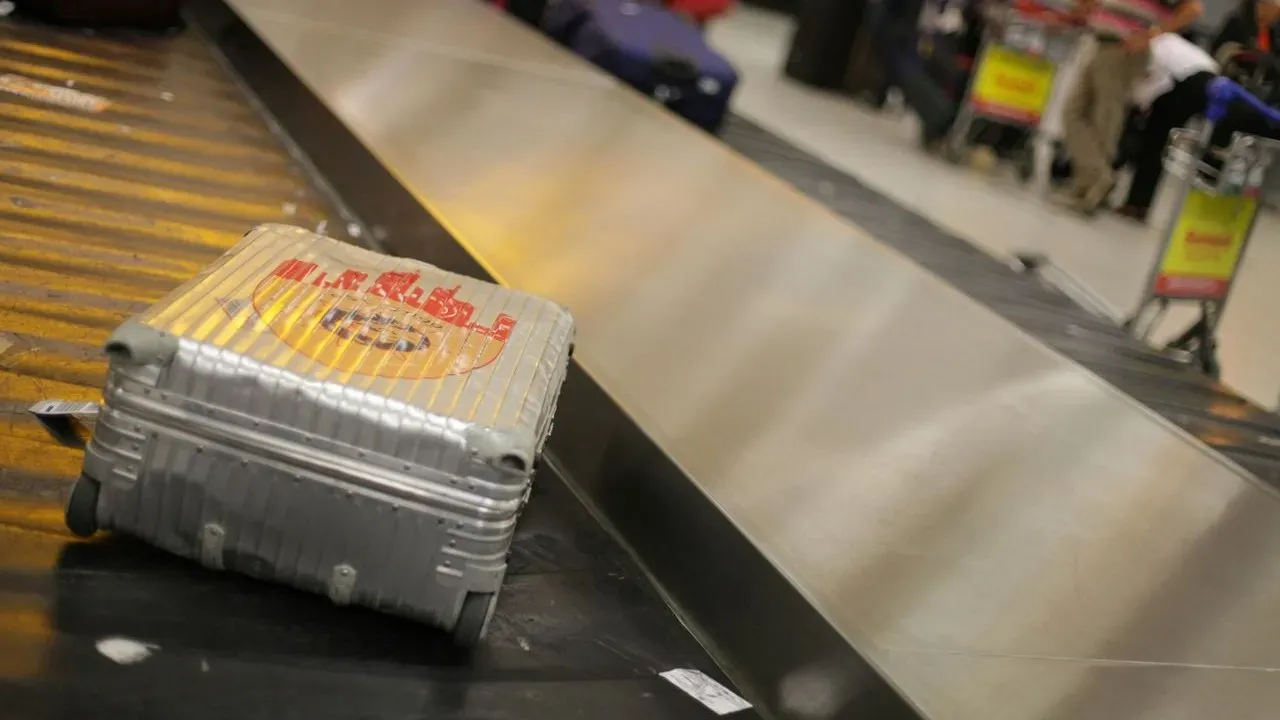

For many Filipino families living abroad, the act of preparing and sending a balikbayan box represents far more than logistics. It is a quiet expression of care that bridges distance and time, carrying familiar comforts to loved ones ahead of the holidays. As Christmas 2026 approaches, travelers and senders from places like California weigh practical options for getting gifts and essentials across the Pacific. The choices range from traditional sea shipments to air cargo and airline baggage, each with distinct timelines and costs that shape how families connect this season. ([1])
Why the Tradition Matters
The balikbayan box has long served as a vessel for connection in the Filipino diaspora. Senders carefully select items that evoke home, from pantry staples to household goods, knowing these packages will spark joy and shared memories upon arrival. This practice reflects a deep sense of responsibility and affection, allowing those abroad to participate in family life even when physical presence is limited. For communities rooted in the Philippines, receiving such a box often signals that distant relatives remain present in spirit during important celebrations.
Its value lies not only in the contents but in the intention behind the packing. Families abroad plan these shipments with attention to what will be most appreciated, turning the process into an act of cultural continuity. In this way, the tradition supports emotional ties across generations and oceans, fostering a sense of belonging that transcends geography.
Understanding the Cost Landscape
Practical decisions about shipping often hinge on per-kilogram pricing and delivery speed. Sea cargo through a balikbayan box service from California to Metro Manila typically runs around PHP 110 per kilo when a large box is filled to 50 kilograms, making it one of the more economical routes for substantial loads. In contrast, paying for excess baggage at the airport counter can reach PHP 1,500 or higher per kilo on certain carriers, depending on the route and airline policies. Air cargo sits in between, offering faster transit at a premium that reflects the speed advantage.
These differences become especially relevant when senders consider the full picture of value, including how much weight they need to move and when the items must arrive. Prepaid extra baggage purchased in advance through an airline can narrow the gap for those already traveling, sometimes landing closer to sea rates on a per-kilo basis. The key is matching the method to individual circumstances rather than defaulting to the most visible option.
| Option | Example Route | Approx. Cost (50 kg) | Transit Time |
|---|---|---|---|
| Sea balikbayan box | California to Manila | PHP 5,500 (PHP 110/kg) | 4–14 weeks |
| Air cargo | US East Coast to Manila | PHP 55,000 (PHP 1,100/kg) | About 1 week |
| Airport excess baggage | Middle East to Far East | PHP 78,000+ (PHP 1,500+/kg) | With traveler |
Timing Considerations for 2026
Sea shipments require advance planning because containers must be booked and loaded well before the holidays. Many forwarders set cutoffs between late July and late September for guaranteed Christmas delivery, meaning October decisions often shift arrival into the new year. This timeline encourages early preparation for those who prefer the lower per-kilo rates of sea transport.
Air cargo and baggage options provide flexibility for last-minute needs, though at higher cost. Senders who missed earlier deadlines can still ensure gifts reach family by choosing faster methods, preserving the spirit of the season even when schedules tighten. The choice ultimately balances budget with the desire to have items in hand for December gatherings.
Navigating Bureau of Customs Guidelines
Qualified Filipinos abroad may send balikbayan boxes duty-free up to three times per calendar year, with a combined annual value limit of PHP 150,000 per sender. This framework, outlined in Customs Administrative Order No. 01-2018, applies to personal effects rather than commercial quantities, and shipments exceeding the de minimis threshold count toward the yearly allowance. Proper documentation, including an itemized list and passport details, helps ensure smooth processing upon arrival.
Understanding these parameters supports responsible sending that aligns with regulations. Forwarders often provide guidance on prohibited or restricted items, helping families prepare boxes that comply while still conveying meaningful contents. Clear adherence to the rules protects both the sender and the smooth flow of these cherished packages.
Ultimately, the balikbayan box remains a meaningful bridge for families separated by distance. By weighing costs, timelines, and regulations thoughtfully, senders can choose the path that best honors their intentions and keeps the tradition alive for another holiday season.
AI Disclaimer: This article was created with the assistance of AI tools and reviewed by a human editor.