
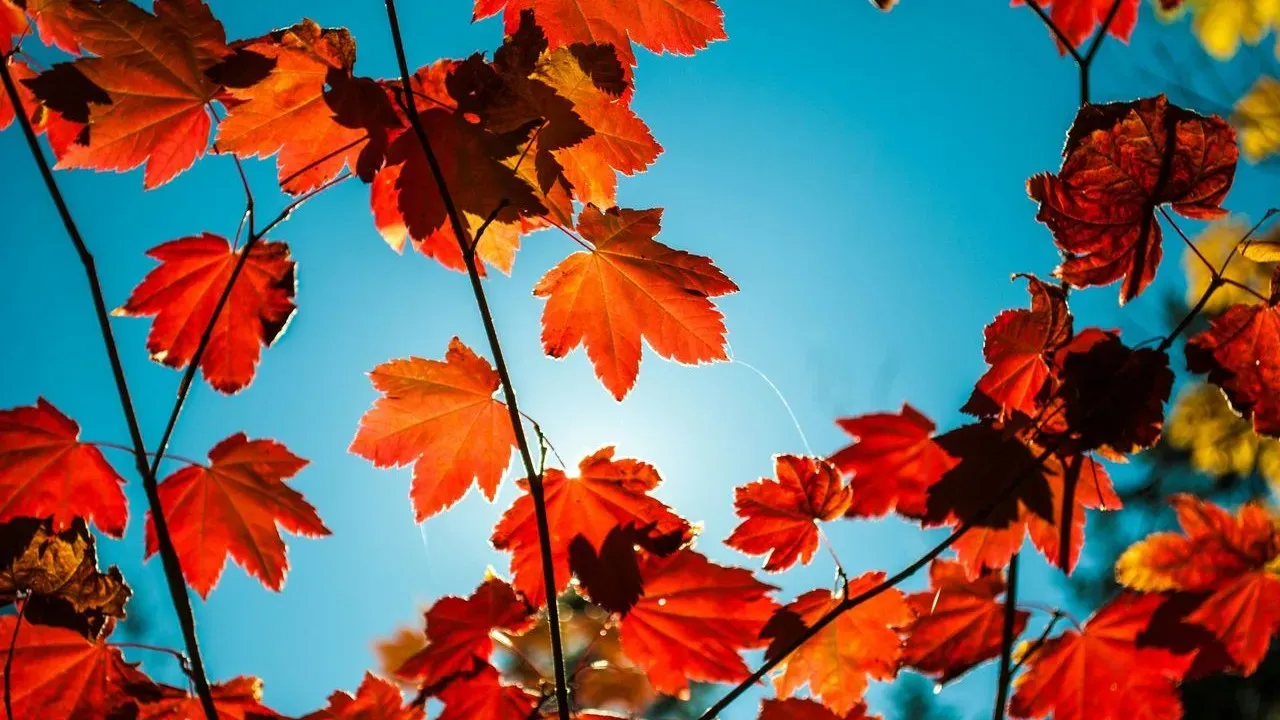

Across much of the United States, the annual shift from green to gold, crimson, and amber is expected to unfold on a compressed timeline this year. Experts point to the lingering effects of extreme summer heat combined with El Niño conditions as the main drivers behind a delayed start and a shorter, more concentrated display. The result, according to a report in the Daily Herald, is a season that may feel both vivid and fleeting for those who plan leaf-peeping journeys around peak color. ([1])
Weather Patterns Shaping the Season
Prolonged summer warmth and the influence of El Niño have altered the usual cues that trigger autumn foliage. Trees often respond to these conditions by holding their green longer before the change begins. Once the shift starts, the same factors can accelerate the process, compressing weeks of gradual color into a narrower window of intense hues.
Travelers who follow foliage reports each year know that timing is rarely exact. This season simply adds another layer of variability. The same weather dynamics that delay the first hints of color can also produce richer tones when the transition finally arrives, creating a brief but memorable spectacle across forests and hillsides.
What the Experts Are Watching
Forecasters and arborists tracking the season emphasize that the display is likely to be both later than average and more condensed. Rather than a slow progression from north to south, many regions may see color arrive in a sudden burst followed by a quicker drop. The Daily Herald report highlights how these conditions favor a short, vibrant blaze rather than an extended palette of changing leaves.
Observers note that the intensity of the colors themselves could be striking. The combination of summer stress and the particular moisture patterns associated with El Niño sometimes deepens the reds and oranges before the leaves fall. This offers a different kind of beauty, one that rewards those who can adjust their schedules on relatively short notice.
Planning a Thoughtful Leaf-Peeping Trip
Flexibility becomes the most useful tool for anyone hoping to witness the season at its height. Monitoring regional reports in the weeks leading up to travel allows visitors to shift dates or destinations as the color window clarifies. Many popular routes remain accessible even when the peak is brief, provided travelers remain open to last-minute adjustments.
Staying in one area for several days rather than rushing between distant viewpoints can also help capture the moment when color reaches its fullest expression. Local visitor centers and state park offices often provide updated guidance that reflects conditions on the ground. Building a small buffer into an itinerary respects both the unpredictability of weather and the natural pace of the landscape.
Traveling With the Season, Not Against It
Approaching fall foliage as a living process rather than a fixed event encourages a more grounded experience. The same conditions that shorten the display also remind travelers of the larger climate patterns at work. Choosing quieter trails, supporting small lodging operators, and traveling during shoulder periods when possible all contribute to lighter impacts on the places people come to admire.
In the end, a compressed season simply invites closer attention. Those who watch the forecasts and remain ready to move when the colors ignite often find the reward is worth the extra care in planning. The forest will turn on its own schedule; the pleasure lies in meeting it there.
AI Disclaimer: This article was created with the assistance of AI tools and reviewed by a human editor.