
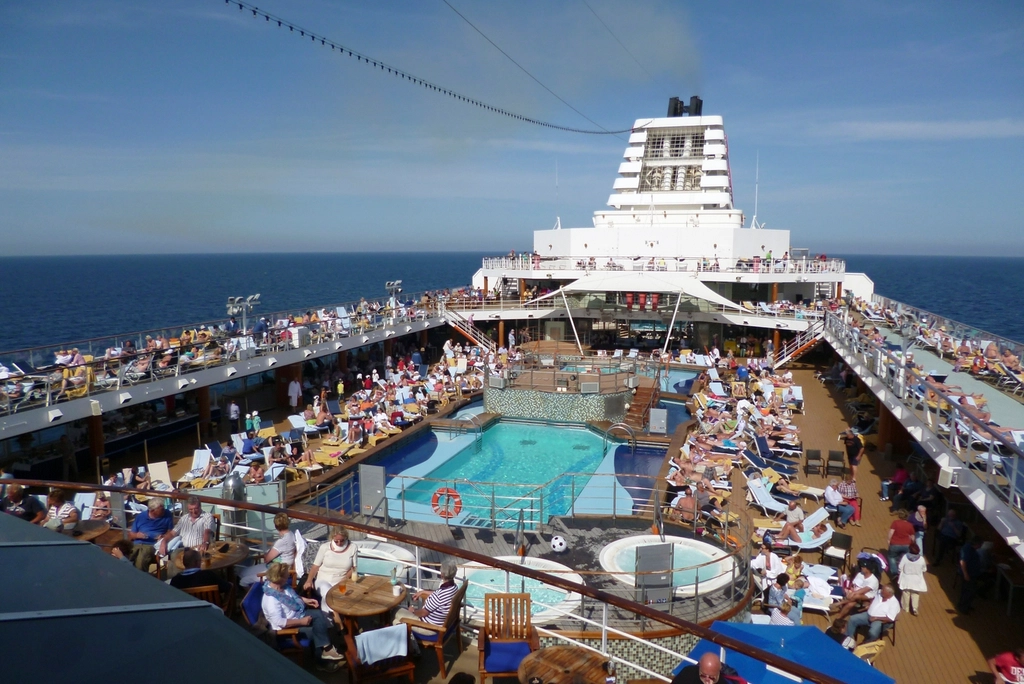

The Cabin That Went Viral
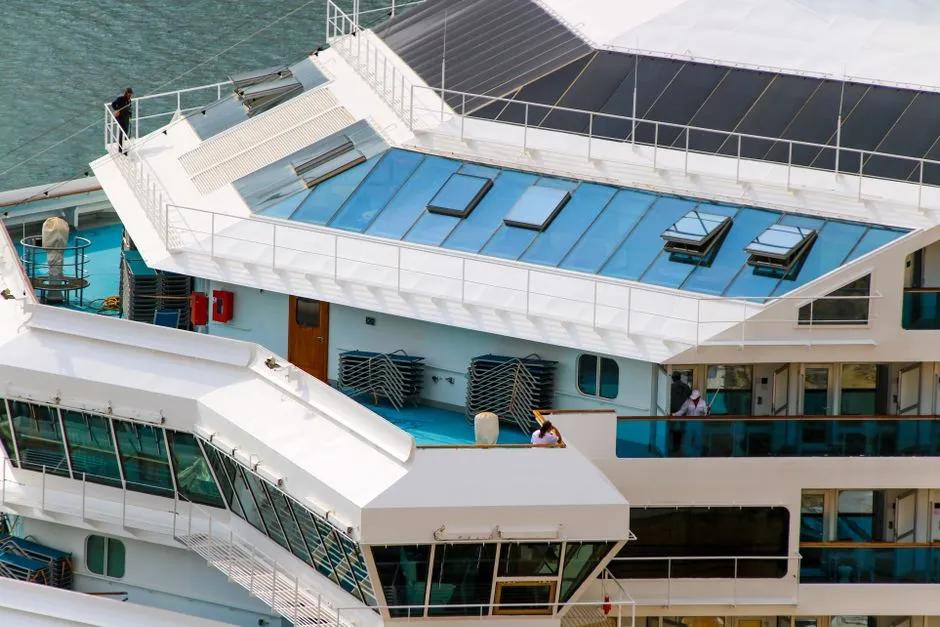
In late 2024, a dancer named Ella, performing in the production of Mamma Mia aboard Royal Caribbean’s Allure of the Seas, posted a tour of her crew cabin on TikTok. The video went viral, gathering over 1.4 million views and more than 44,000 likes. It was a simple, unpolished clip, and that honesty was precisely what resonated.
Because the cabin is windowless, Ella described the importance of a sunrise alarm clock: “This is our sunrise alarm clock, which is an absolute lifesaver because we don’t have a porthole, so we never see natural light.” It’s the kind of detail that stops you. No sunlight, for months at a time.
The video also shows how Ella and her roommate used the cabin’s magnetic walls by hanging small magnetic hooks for jewelry and shelves to create extra storage. Resourcefulness becomes a daily practice in a space that offers very little.
Windowless Rooms and Shared Everything

Crew members have separate dining facilities, fitness centers, laundry rooms, and smaller cabins from those enjoyed by passengers. That separation isn’t just physical. It shapes the entire psychology of life on board.
Most crew members have roommates, and all of the rooms are very snug. Some have bunk beds, and while there are some tiny cabins with single beds, they still share a bathroom. For dancers used to the physical demands of performance, personal space to stretch, wind down, or simply breathe becomes precious.
The hallways below deck are identical, which can be rather inconvenient when trying to find someone’s door. Instead of complicated directions involving corridor numbers and ship sections, crew members simply decorate their doors with stickers, so all you need is a general section and a description of what’s on the door. It’s a small touch of personality in an otherwise uniform environment.
What Dancers Actually Earn
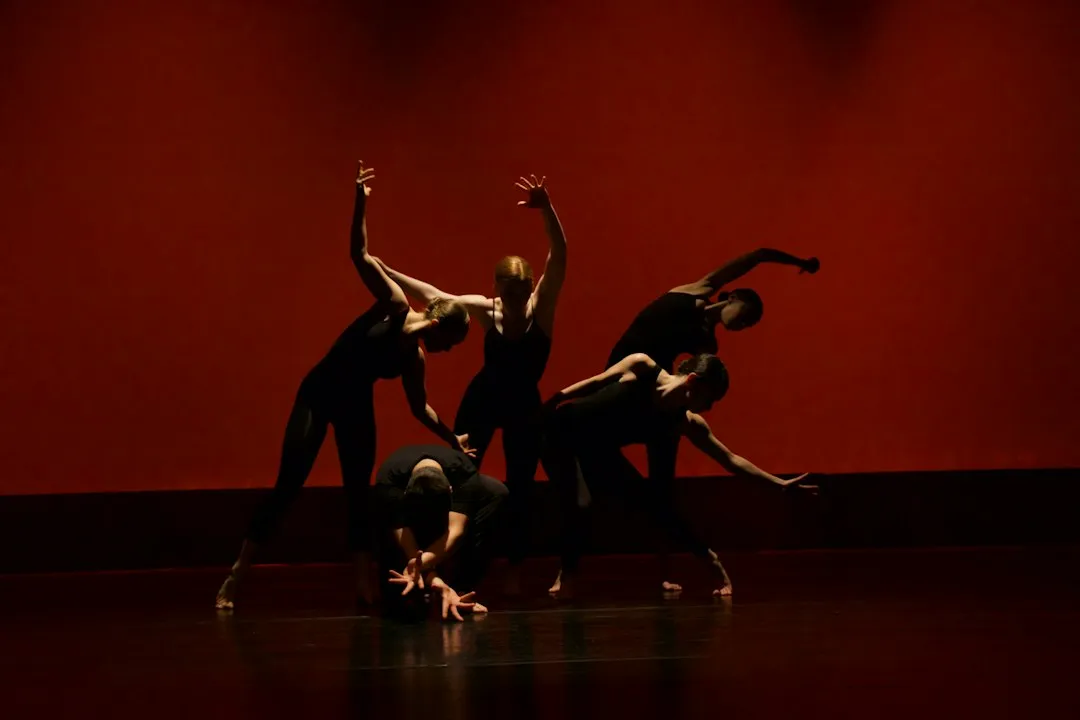
Pay is one of the more misunderstood aspects of cruise ship performance work, and the numbers are more specific than people assume. As of 2026 benchmarks, ensemble and line dancers typically earn between $2,000 and $2,800 per month, featured soloists between $2,800 and $3,600, and dance captains can earn $3,500 to $4,500 or more, all with zero living expenses since food and cabin are provided.
Dancers in production shows usually earn $2,400 to $3,800 per month depending on experience and the cruise line, with the work being physically demanding across nightly shows, rehearsals, and themed events. Across a full contract, that adds up meaningfully, especially with no rent or grocery bills to worry about.
Annual salary ranges for dancers and performers in the cruise industry broadly fall between $35,000 and $65,000 per year. That figure varies considerably depending on role, seniority, and the cruise line itself.
The Hierarchy Below Deck
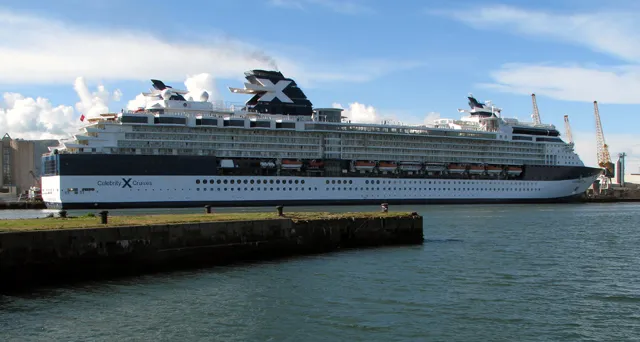
Life below deck is not a flat social landscape. There is a clear hierarchy, and where you sit within it shapes almost everything about your daily experience. The type of job determines status in the crew hierarchy, which in turn governs crew privileges. As a dancer, crew members are typically considered “non-striped” officers, meaning they are permitted in guest areas of the ship, allowed to have a drink in a lounge, access the top deck, and watch other entertainers on evenings they aren’t working.
The majority of crew members do not have these special privileges. They include cabin stewards and waiters, who predominantly come from Indonesia or the Philippines, and who work 12 to 15 hours a day for little money. Dancers occupy a middle tier in this structure, above many service roles but well below senior officers.
That positioning comes with real social texture. The general crew bar, usually located on deck 3 or along the main crew corridor known as the “I-95,” is open to all crew members, meaning the highest-ranked officers can share space with the lowest-ranked workers. The bar is one of the few genuinely democratic spaces on the ship.
The Physical Demands of Performing Nightly
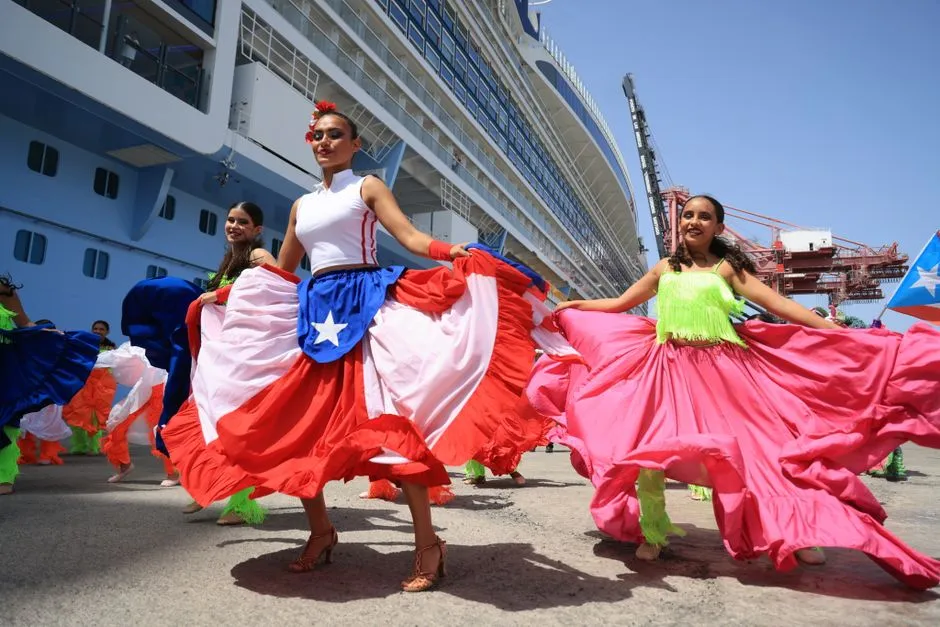
Performing in a full theatrical production aboard a moving vessel is a specific kind of athletic challenge. Shows must go on regardless of weather, sea conditions, or how a dancer’s body is feeling after weeks of back-to-back performances. Whether it’s live music in the atrium or a Broadway-style production in the theatre, cruise ship entertainment is a big deal.
Some cruise ship workers work up to sixteen hours per day, seven days per week, though entertainers may work for only a few hours each day depending on their show schedule and rehearsal commitments. Still, the cumulative toll of nightly performances compounds over a contract lasting many months.
Contracts in this field are substantial commitments. Contracts for cruise ship dancers typically span six to nine months, traveling through regions including Europe, the Caribbean, Asia, and Alaska. That’s a long stretch away from home, friends, and the physical therapists or training environments performers might rely on on land.
The Social World That Passengers Never See

Below deck has its own social life, and it can be surprisingly vibrant. For those who work at sea, ship life becomes its world: crew quarters, safety drills, long working days, oceans apart from home, new friendships in small spaces, international partying, and even a shipboard romance or two. That compressed intensity forges bonds quickly.
Crew parties can grow large enough that there’s no space to hold them below deck, so the ship will lock the doors to a large passenger space like an ice rink or solarium, tell guests it’s a private event, and hold parties that draw roughly a thousand people about once a month. It’s a side of the ship that most passengers would never imagine.
The community below deck is genuinely international. A high percentage of cruise staff are recruited from Southeast Asian countries, as well as from Latin America, the Caribbean, and Eastern Europe. That diversity makes for a rich cross-cultural environment that many crew members, dancers included, describe as one of the most lasting gifts of the job.
Food, Facilities, and the Crew Mess
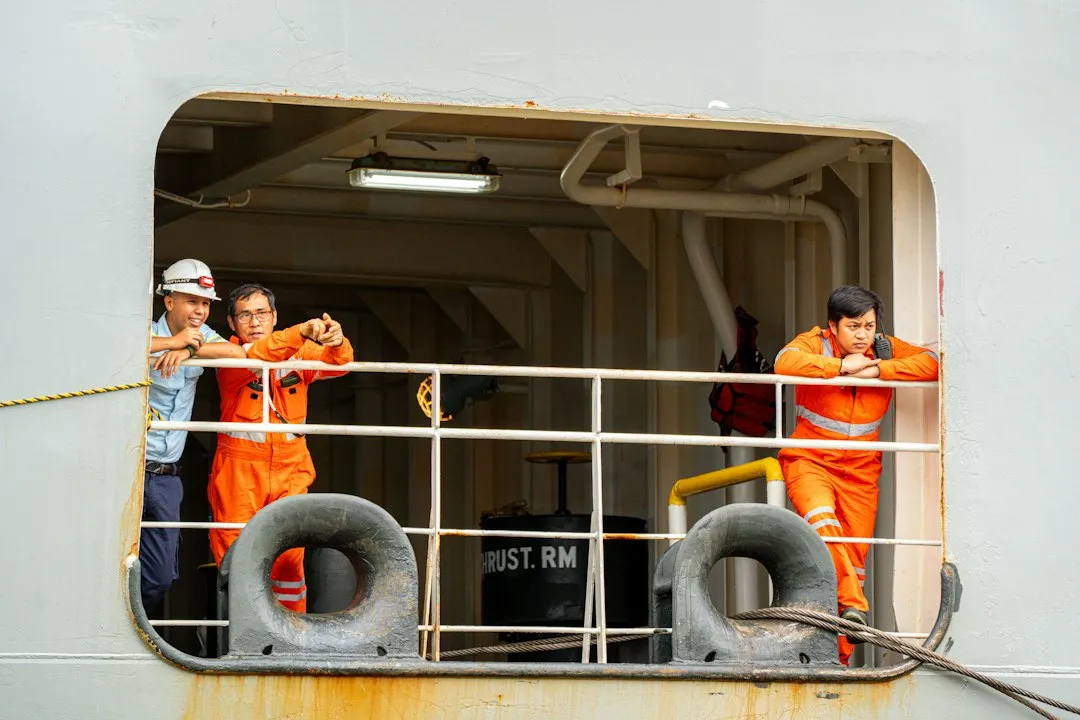
One perk that crew members consistently note is that food is included. The crew mess becomes familiar territory quickly. The food is good and plentiful, usually served buffet-style. For performers burning significant energy through shows and rehearsals, reliable meals matter more than they might for desk workers.
Beyond performing in world-class, multi-million-dollar theater productions, working at sea offers stable financial terms, global travel, and zero living expenses regarding food and accommodation. When you strip away rent, groceries, and commuting costs, the financial picture shifts considerably from what raw salary figures alone suggest.
The crew areas are also constantly maintained. Everything below deck is constantly being repainted. In addition to keeping a fresh appearance, it also helps prevent rust. Living in a floating steel structure demands that level of ongoing attention, and it speaks to the fact that the below-deck world is genuinely maintained, not just tolerated.
The Challenge of Long Working Hours
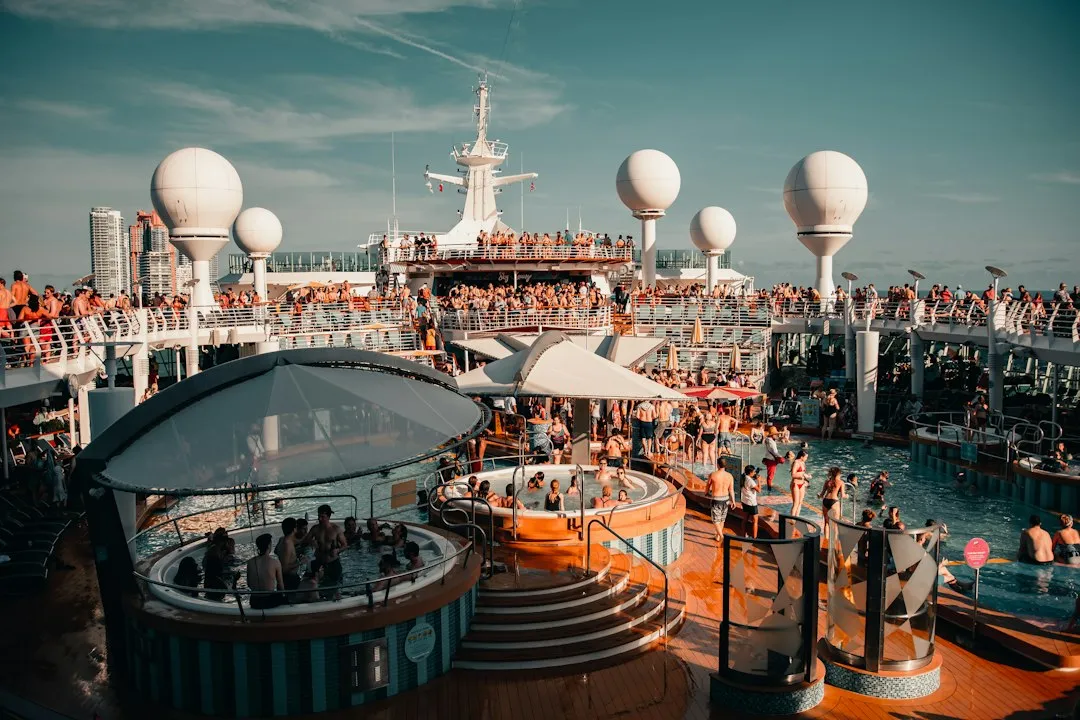
Even for performers with lighter daily schedules than housekeeping or kitchen staff, the cumulative weight of ship life is real. One of the biggest shocks for new crew is just how much they’re expected to work. Unlike land-based jobs with weekends off, cruise ship contracts usually mean seven days a week for months at a time.
Working on a cruise ship often entails shifts of more than 12 hours a day, working seven days a week for several months without a break, and inadequate resting periods. Overtime is often not compensated, and most staff work on temporary contracts that do not include holidays. Those conditions apply most acutely to service staff, though performers feel their own version of this pressure through rehearsals and mandatory shipboard events.
Even during quieter times, days off are rare. Instead, crew get “rest hours” split into small chunks, which in practice often means trying to nap for a couple of hours before being called back on duty. Fatigue builds up quickly, and many crew members say they spend their contracts permanently tired. Dancers, with their physically intensive schedules, are not immune to that accumulation.
The Reality of Contract Life and Time Away from Home
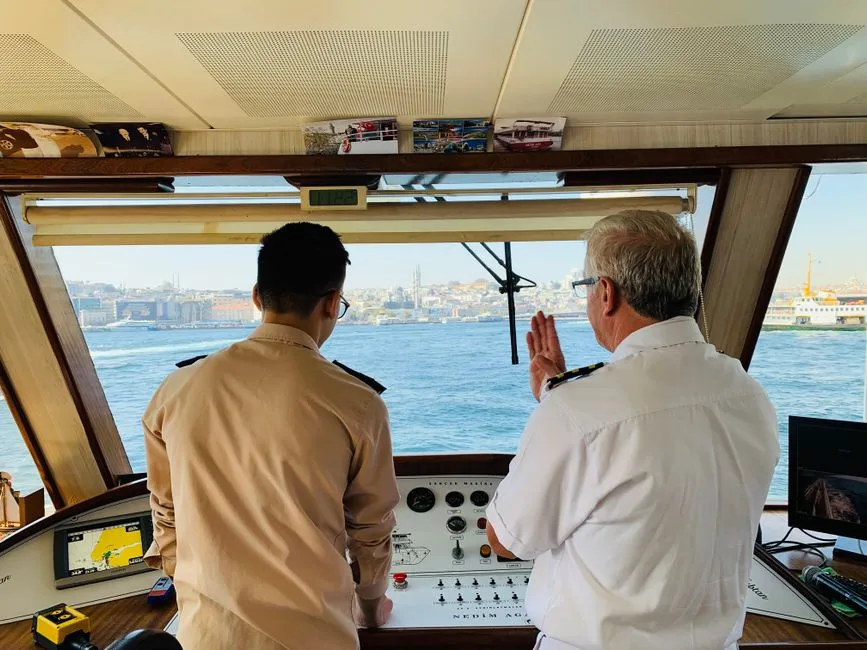
Committing to a cruise ship contract means committing to a prolonged absence from everything familiar. Cruise ship contracts can last between two and eleven months, with most lasting four to eight months. For dancers, the six-to-nine-month range is common, according to current 2026 industry listings.
Most cruise ship staff are only working six to eight months out of the year, so whatever salary they earn is accumulated over fewer calendar months. That rhythm of intense contract work followed by time off is something performers either embrace or find difficult to sustain over a long career.
When you work on a ship, you don’t necessarily realize you’re watching people’s careers unfold; you simply know them as the people you work and live alongside. Some crew members speak with real pride about the training and opportunities for career progression within larger cruise lines. For dancers especially, a ship contract can be both a launching pad and a genuine long-term career path.
The Audition Process and What Lines Are Looking For in 2026
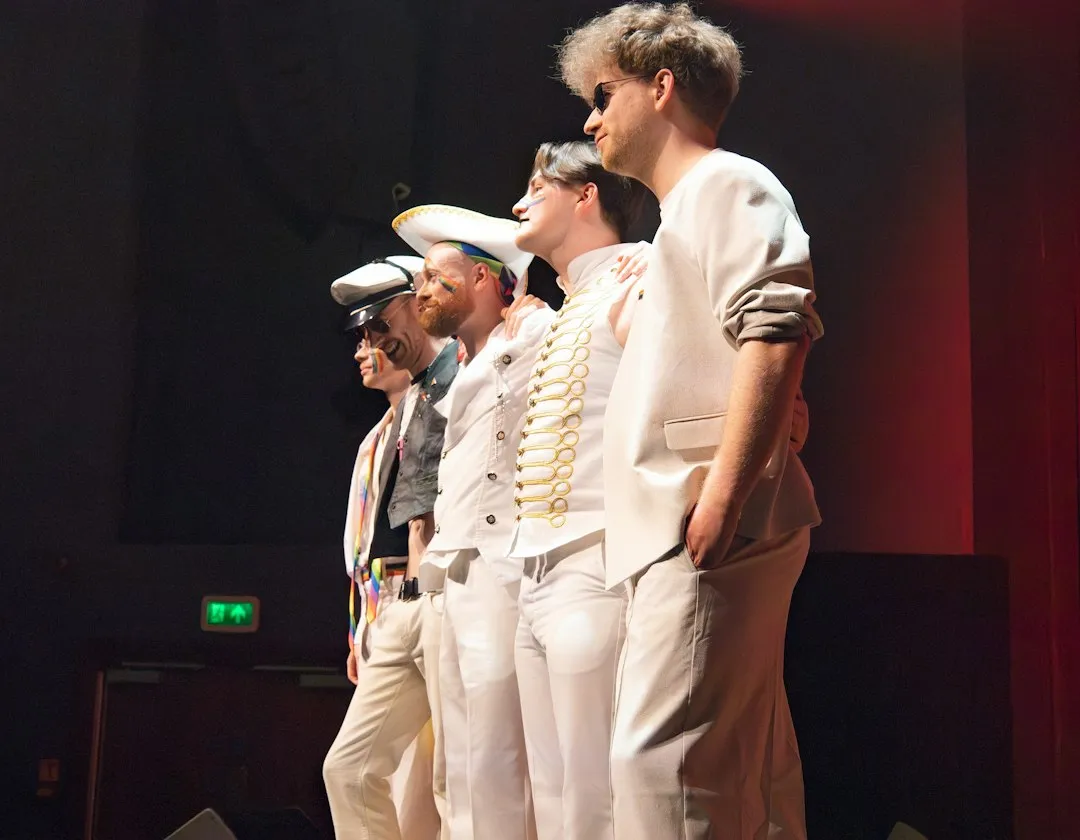
Getting a dance contract on a major cruise line is competitive work. Current listings in 2026 seek production singers, singer-dancers, and dancers for contracts of six to nine months, requiring strong vocal and dance ability, versatility, professionalism, and stage presence. The ability to cross disciplines has become more valued than pure technical dance skill alone.
Prospective crew members must obtain an ENG1 Medical Certificate through a rigorous physical and medical exam conducted by an approved maritime doctor, as well as STCW Safety Certification covering basic safety training such as firefighting, first aid, and personal survival techniques. This is required for all seafaring crew, performers included. The sea imposes its own standards that no amount of dance training substitutes for.
Some current listings seek experienced male dancers to join entertainment teams for contracts ranging from six to eleven months, requiring strong technical ability across jazz, ballroom, Latin, and contemporary styles, as well as versatility and professionalism. The breadth of styles required reflects how much a cruise ship production show differs from a single-genre stage performance.
The Quiet Rewards That Keep Performers Coming Back

Despite the cramped cabins, the windowless nights, and the months away from home, many cruise ship dancers sign contract after contract. Life at sea can be genuinely rewarding: there’s a job you love, and often time ashore to explore fabulously exotic destinations. That combination is difficult to replicate in any conventional performing arts career.
Though life at sea for crew members isn’t as glamorous as it is for passengers, plenty of rewards come with the job. The chance to perform in a full theatrical production, travel to new ports every few days, build deep friendships across cultures, and save money without paying rent is a combination that holds genuine appeal.
Whether it’s live music in the atrium or a Broadway-style production in the theatre, cruise ship entertainment is a big deal, and for performers it can be a pretty rewarding gig. The scale of those productions, staged aboard vessels carrying thousands of guests through some of the world’s most beautiful waterways, gives the work a scope that is genuinely hard to find elsewhere.
What It All Adds Up To
AI Disclaimer: This article was created with the assistance of AI tools and reviewed by a human editor.