
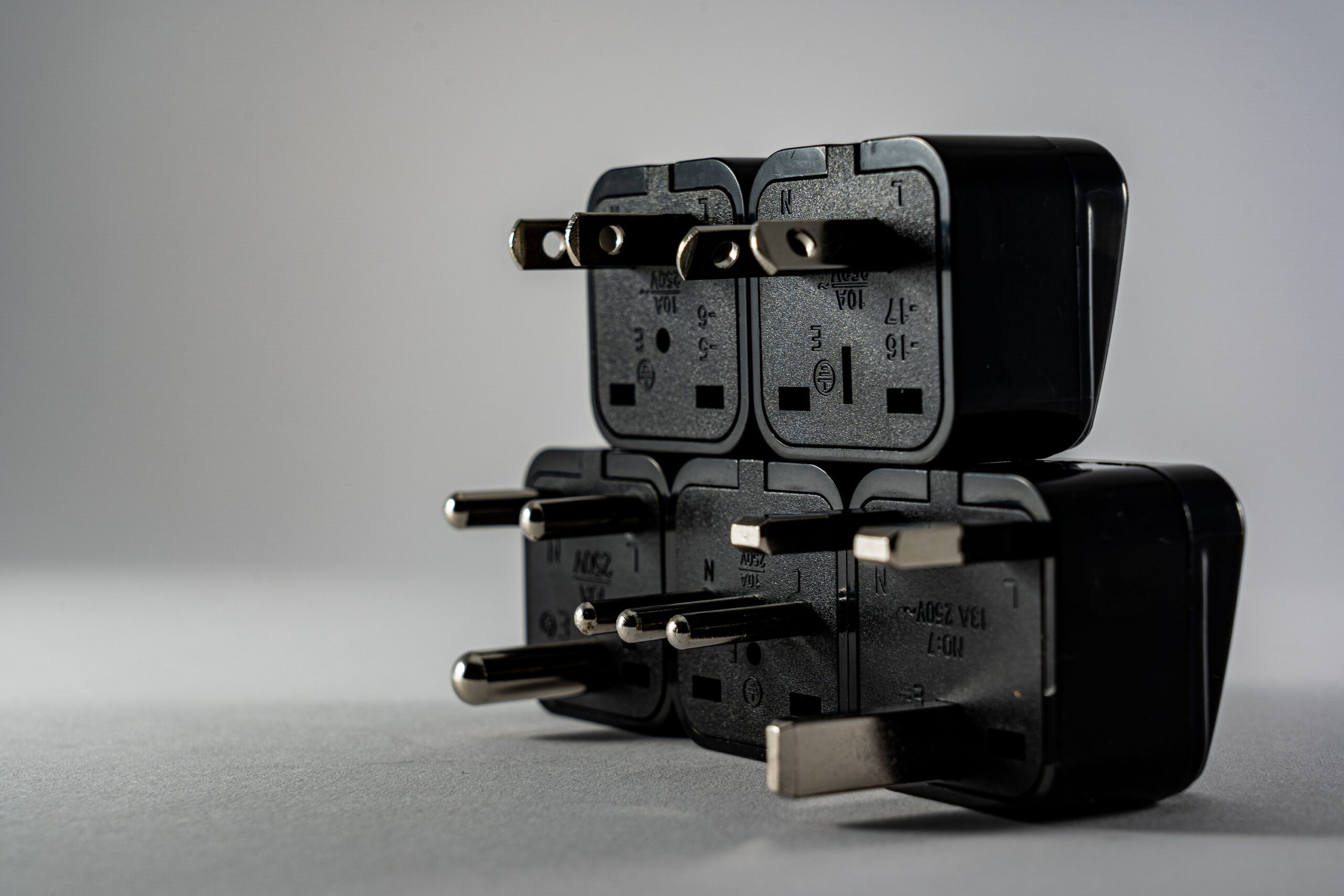
The Core Mistake: Thinking an Adapter Changes the Voltage
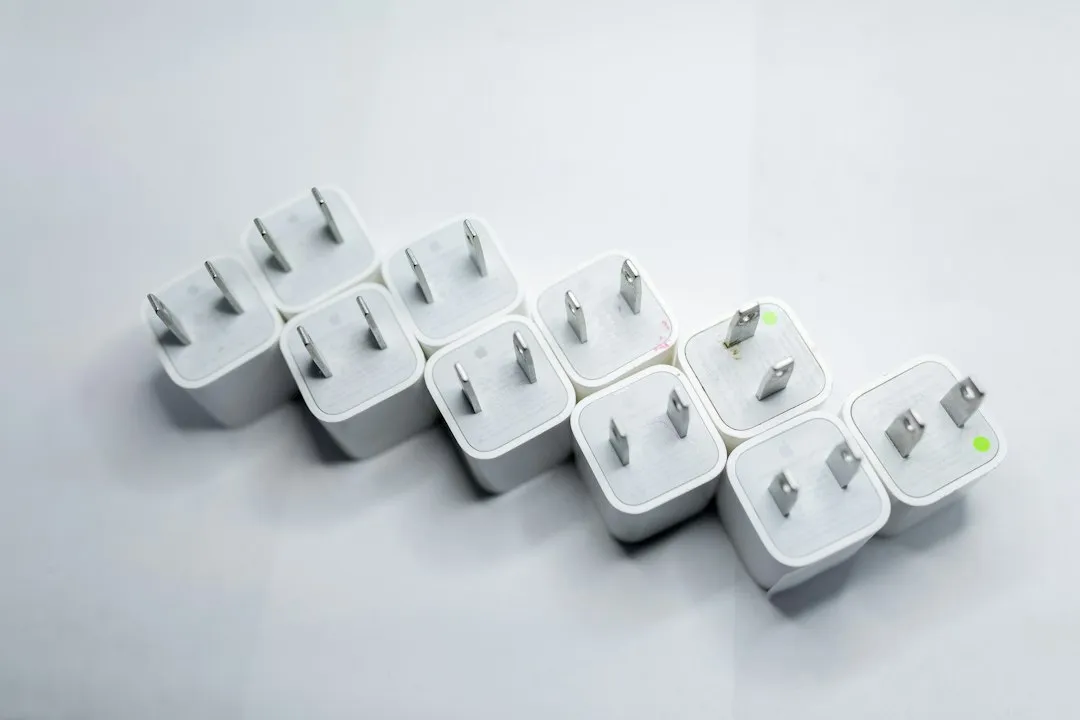
A plug adapter and a voltage converter solve two completely different problems. An adapter changes the shape of your plug so it fits a foreign outlet. A converter changes the electrical voltage so your device receives the right amount of power. These are not the same thing, and the packaging on cheap adapters rarely makes that clear enough.
Travel adapters do not convert the voltage. They simply allow a device from one country to be plugged into the wall outlet of another country. However, they do not convert electricity. So if the voltage at your destination doesn’t match your device, slotting in an adapter changes nothing about the actual danger.
Mixing up these two pieces of travel gear is the number-one cause of damaged electronics abroad. It’s a simple misunderstanding with consequences that can range from a ruined hair dryer to a shorted laptop.
Why Voltage Differences Matter So Much
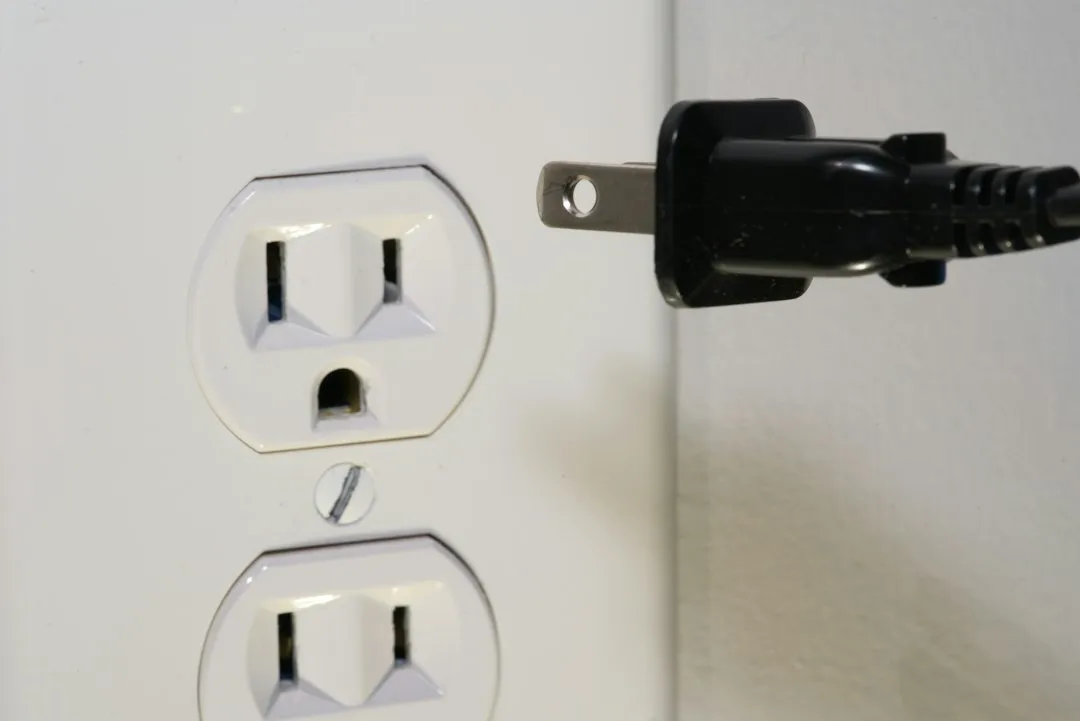
North America and parts of Central and South America typically supply 110–120V. Europe, the United Kingdom, Asia, Africa, and Australia use 220–240V – approximately double the voltage. That gap is not trivial. It’s not like running a car engine slightly too hot; it’s closer to flooding it.
Plugging a 110V device into a 220V outlet can destroy it in seconds. Plugging a 110–120 volt device directly into a European outlet without proper protection can permanently damage it – sometimes instantly. The physics here are unforgiving.
There are roughly 15 plug types used worldwide, labeled Type A through Type O, while wall voltage swings from 120V in the United States to 230V across most of Europe and Asia. That combination of physical incompatibility and electrical mismatch is what makes international travel so confusing for electronics.
How to Read Your Device Label Before You Pack
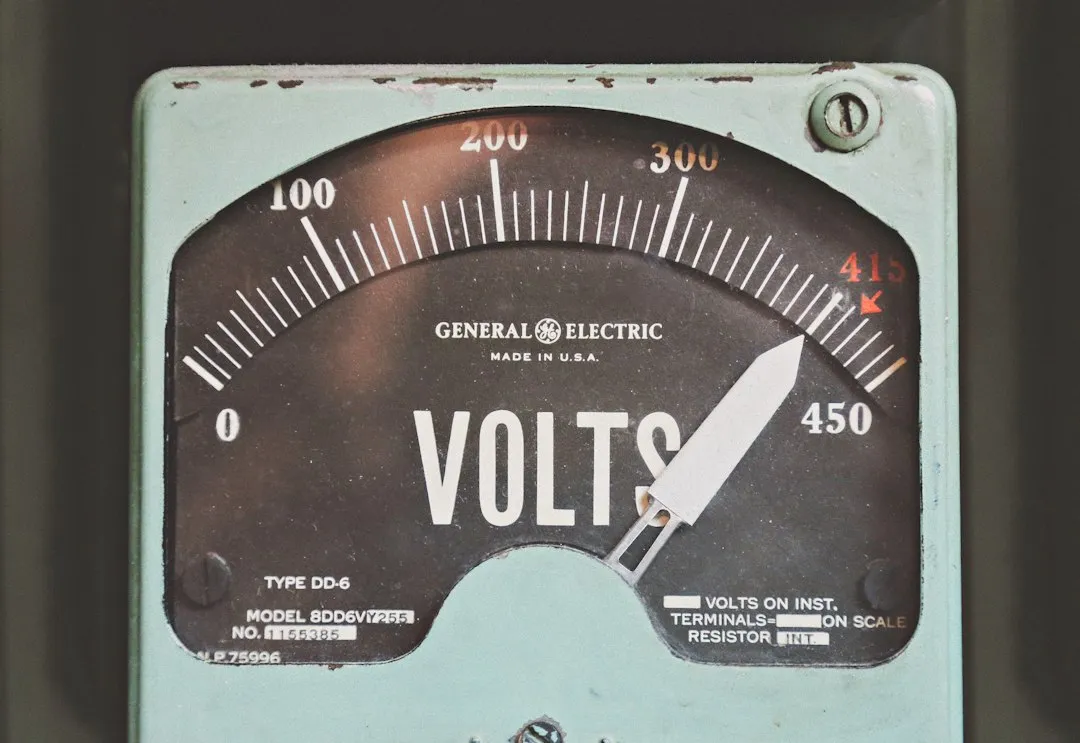
If your device label reads “Input: 100–240V,” it’s designed for international use and usually only requires the correct travel adapter. If it only supports a single voltage, using it overseas without a converter could damage the device. This label check takes about five seconds and can save you hundreds of dollars.
If the label reads “Input: 110V,” “120V,” or “220V” only, the device is designed for one voltage system. Taking a 120V-only device to a 230V country without a voltage converter will permanently damage it.
Most phones, tablets, laptops, cameras, and USB chargers are dual voltage. Always check the fine print on the charger or device to confirm it lists 100–240V before traveling. When in doubt, check rather than assume.
The Devices Most Likely to Get Destroyed

Hair dryers, straighteners, and curling irons are the most commonly destroyed travel electronics – and they can also be a fire hazard. These are high-wattage, heat-generating tools that are almost always single-voltage in older or budget models.
High-wattage single-voltage devices such as hair dryers and straighteners usually require a converter or, more practically, a dual-voltage replacement. Many experienced travelers simply buy a purpose-built dual-voltage version of these tools before a trip rather than wrestling with bulky converters.
Modern electronics like laptops and smartphones are designed to accommodate differing voltages and therefore require only a physical plug adaptor. Meanwhile, some appliances like hairdryers and other styling tools feature a legacy design that can sustain damage unless fitted with a voltage conductor before plugging in.
The Real Risk of Cheap, Uncertified Adapters
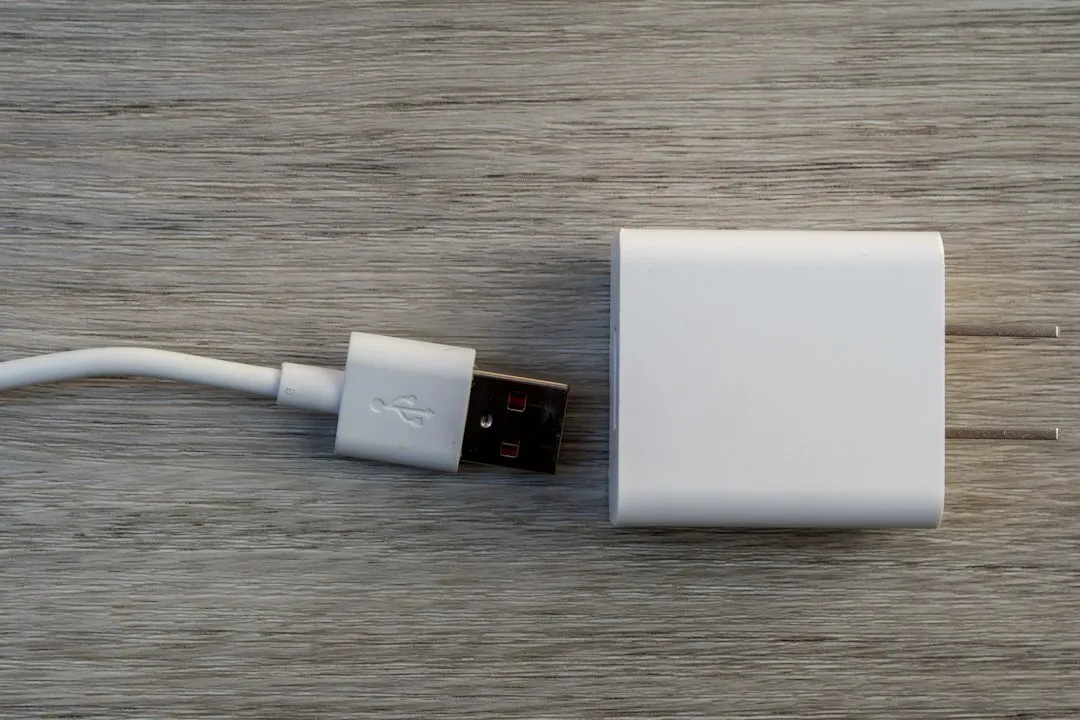
An extensive safety audit conducted by UK consumer charity Electrical Safety First found that every single one of the 14 travel adaptors tested from major digital marketplaces failed basic safety standards, posing lethal risks of electric shock and fire. That’s a striking result, and the products were all sourced from well-known platforms.
Cheap travel adapters often lack critical safety features like internal fuses, proper insulation, and fire-retardant materials, making them significant fire hazards. These low-cost devices frequently bypass rigorous testing to lower production costs.
Unbranded adapters with no safety certifications – look for CE, ETL, or FCC markings – can overheat, short-circuit, and damage expensive electronics. The markings are worth checking before you buy, even if the packaging looks polished.
The Internal Fuse Problem Nobody Talks About
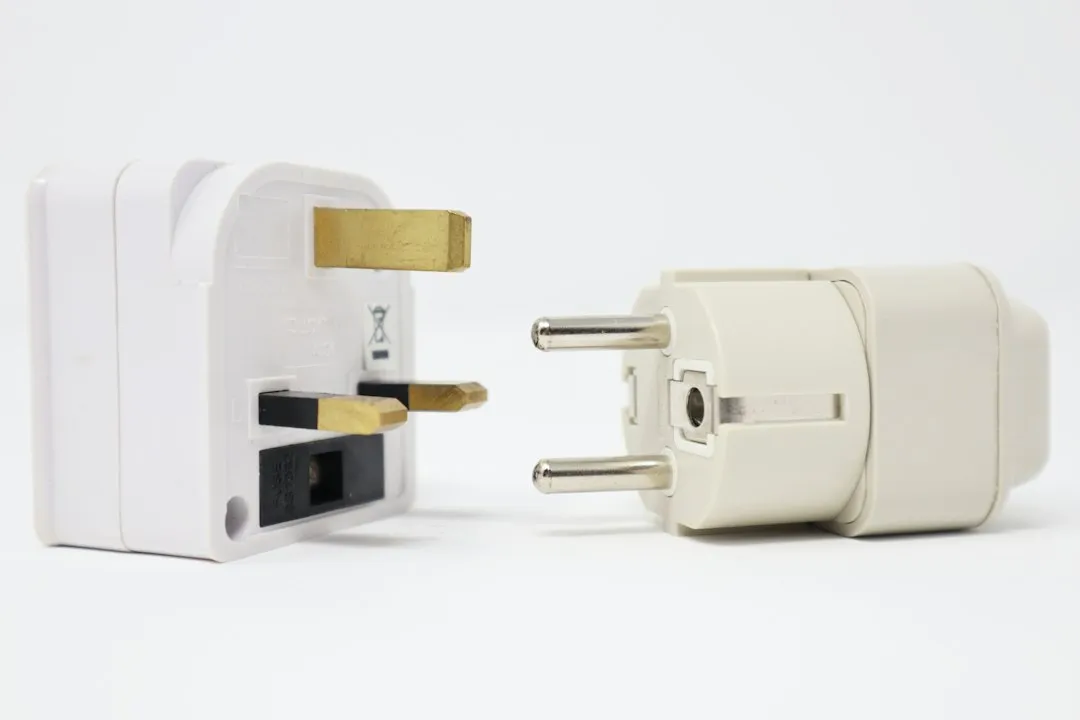
A fuse is the last line of defense. If you overload a circuit, the fuse blows before the wiring melts. Many cheap universal adapters have no fuse at all. Without one, there’s nothing to interrupt a dangerous surge before it reaches your device or starts a fire.
Non-fused adapters pose a severe risk because they lack a final line of defense against electrical faults. If your device malfunctions or the grid experiences a surge, a fuseless adapter cannot break the circuit. This failure forces the current to continue flowing through the failing component, leading to extreme heat, short circuits, and potentially devastating electrical fires.
In a Q3 2024 quality audit of 1,000 adapters, something alarming was found: 62% couldn’t sustain their stated current rating for more than 30 minutes without overheating. That’s not a fringe issue. That’s the norm with cheap products.
Government Recalls Are More Common Than You’d Think
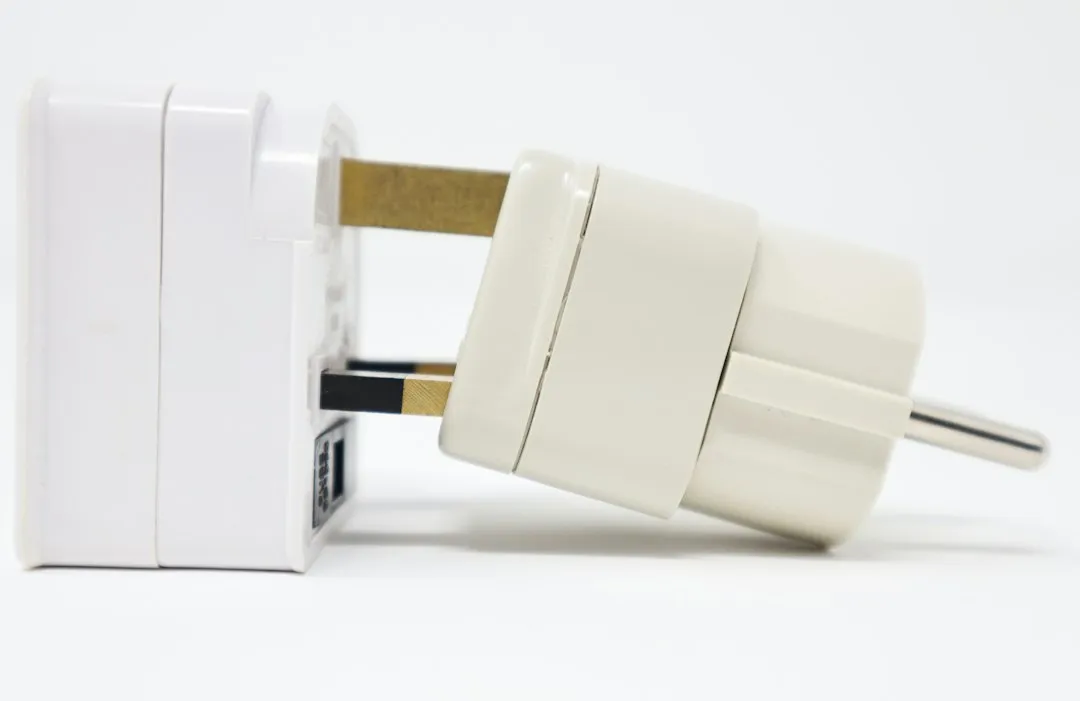
Recent product safety reports in the United Kingdom have identified a string of problematic travel adaptors, many sold through third-party sellers on large online marketplaces. Government notices on recalled all-in-one international adaptors describe defects such as inadequate insulation, incorrect pin dimensions, and missing safety information, all of which can create a serious risk of electric shock when plugged into a 230-volt supply.
The UK government issued a product recall for a Travel Adapter TG-TA1 model, noting that the product presents a risk of electric shock as it fails to meet applicable safety standards. The product also posed a risk of fire due to issues with earth bonding. This recall was published in December 2024.
While all products which meet UK safety standards bear CE and UKCA markings, not all products with the markings are safe. Online shopping platforms and social media are littered with counterfeit products using low-quality components which pose fire hazards and carry a risk of electric shock.
When You Actually Need Both an Adapter and a Converter
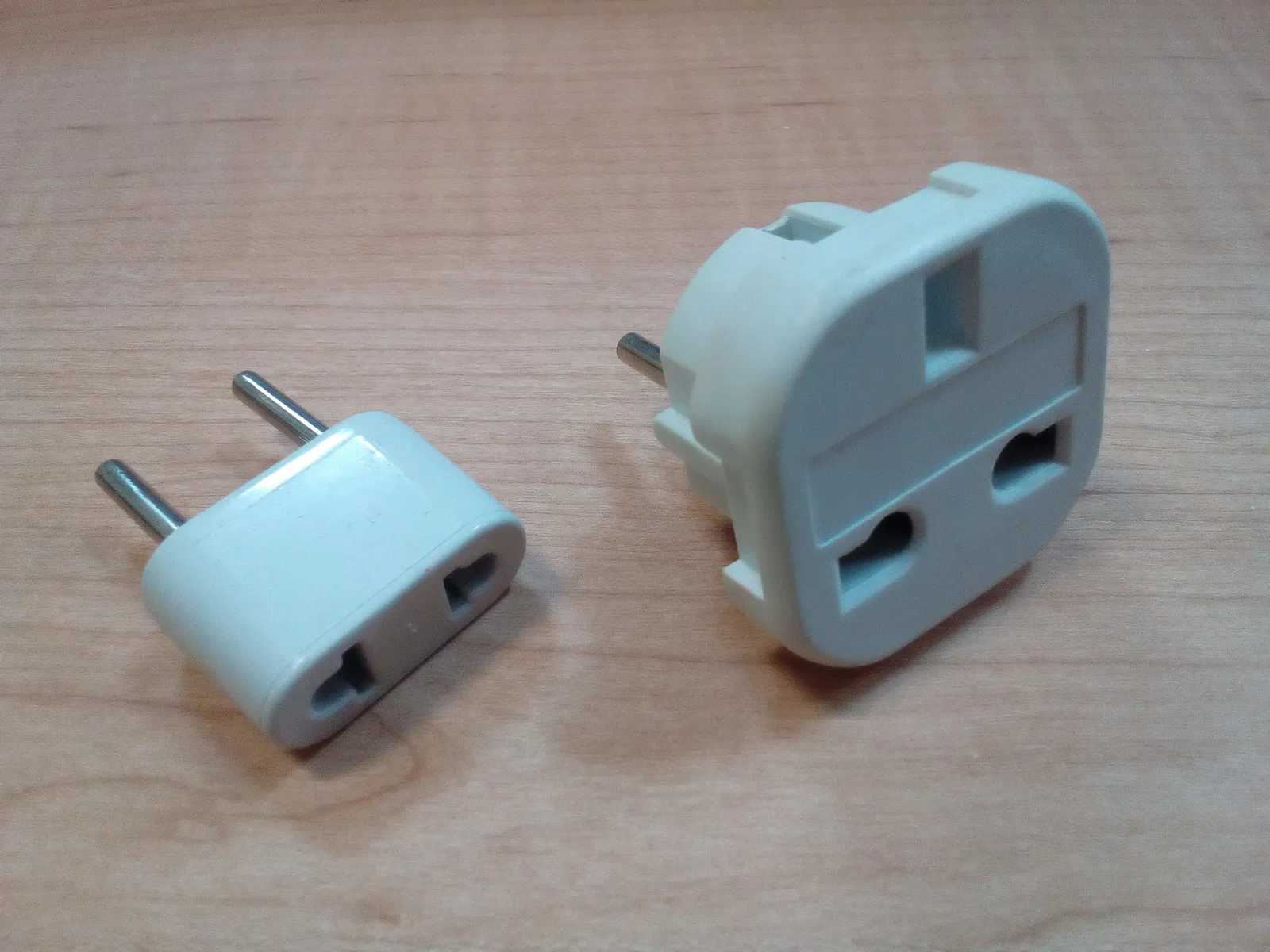
A voltage converter changes the electricity but does not change the physical plug shape. Many converters are sold without a plug adapter included. So even if you buy a converter, you may still need an adapter to physically connect it to the wall.
If your device isn’t designed to handle the voltage in the country you’re visiting, you’ll need a voltage converter. Voltage converters actively change the voltage from the local standard to match your device’s requirements, preventing damage caused by voltage mismatch.
The practical takeaway is to think of them as two separate tools doing two separate jobs. One shapes the plug. The other shapes the power. You may need one, the other, or both – but you rarely need neither.
The Frequency Factor That Most Guides Skip
Beyond voltage, there’s another electrical variable most travelers never hear about: frequency. The United States operates on 60Hz, while most of Europe and Asia run on 50Hz. For many modern electronics, this gap is irrelevant. Laptops, phone chargers, and most small gadgets handle both without complaint.
Even some tools labeled “dual voltage” don’t perform well overseas due to differences in electrical frequency. Electric clocks and some older motors can be affected by frequency mismatches, running either faster or slower than intended.
This is a less urgent issue than voltage for most travelers, but it’s worth knowing, especially if you’re bringing any kind of timing device, precision motor tool, or older appliance with you on a long stay abroad.
Smart Habits That Keep Your Devices Safe
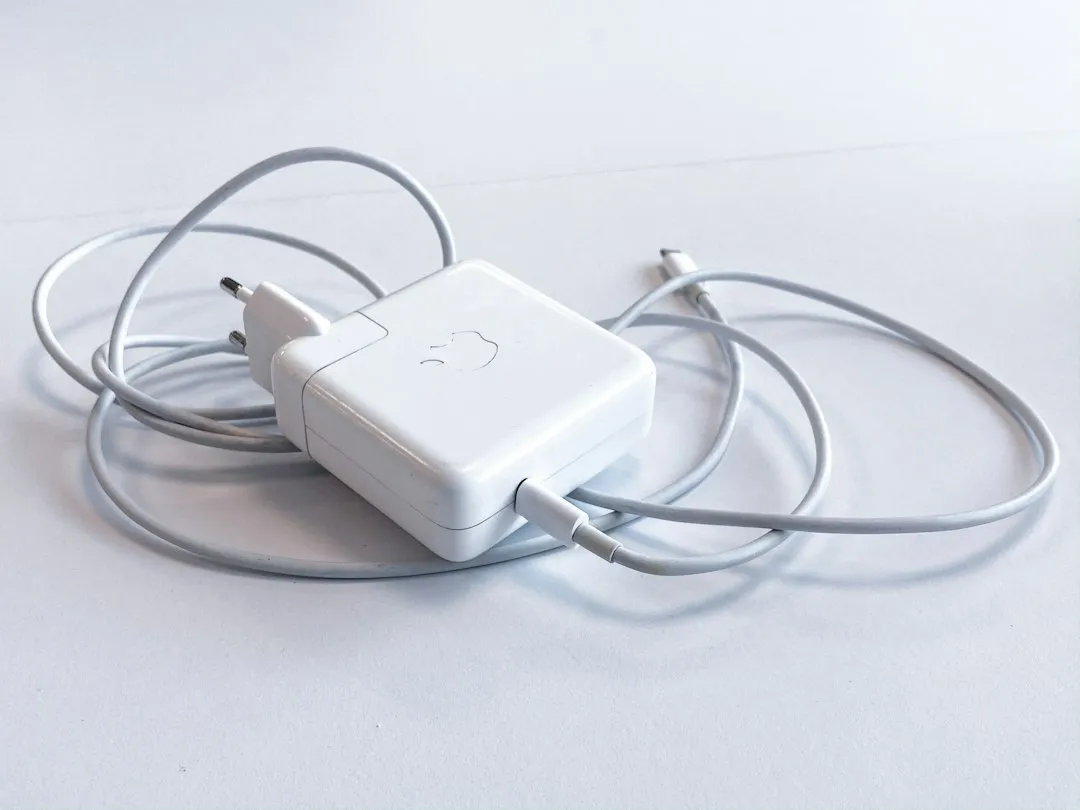
Before packing any appliance, spend a moment checking the label on the power brick or the base of the device. Look for the voltage range. If it says “100–240V,” you’re free to travel with a simple plug adapter. If it lists a single voltage, decide whether to buy a converter or simply leave the item at home.
Buying cheap, uncertified adapters is a serious risk. Unbranded adapters with no safety certifications can overheat, short-circuit, and damage expensive electronics. The few dollars saved are never worth the risk to a high-value laptop.
Purchase adapters from established brands, look for recognized safety marks like CE or ETL, and buy from reputable retailers rather than online marketplace third-party sellers with minimal reviews. An adapter that costs a little more is still far cheaper than replacing the device it’s supposed to protect.
The Takeaway
The travel adapter mistake isn’t a rare one. It’s made by first-time travelers and experienced ones alike, precisely because the language around it – adapter, converter, transformer, dual-voltage – sounds technical enough to gloss over. The core idea, though, is simple: an adapter fits the plug to the socket. A converter fits the power to the device. Only one of those actually protects your electronics.
Checking a voltage label takes ten seconds. Replacing a fried laptop does not. The preparation is almost embarrassingly easy once you understand what you’re looking for – and understanding it fully is the one thing a good pre-trip checklist should never leave out.
AI Disclaimer: This article was created with the assistance of AI tools and reviewed by a human editor.