
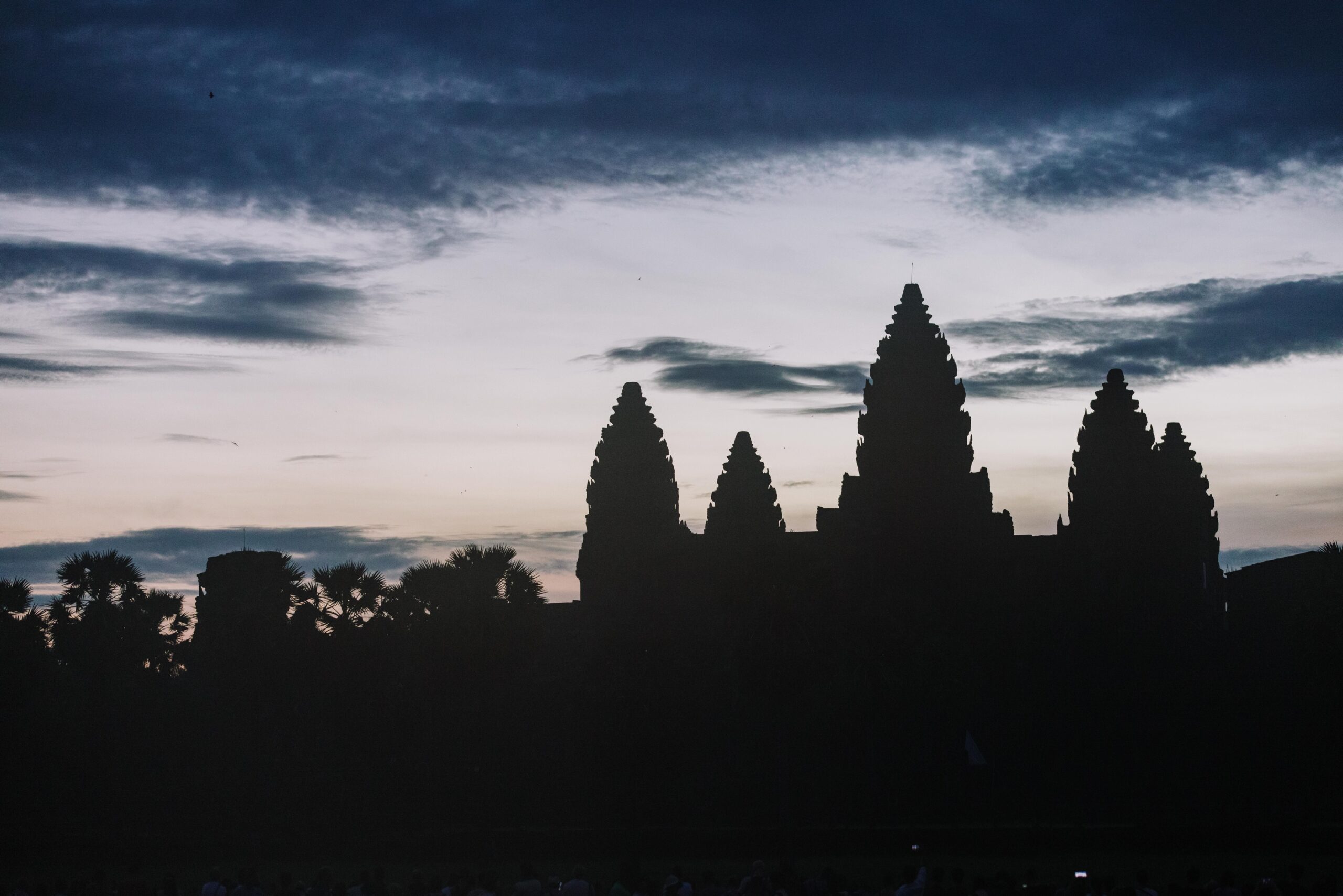

The Angkor Archaeological Park Is a World of Its Own
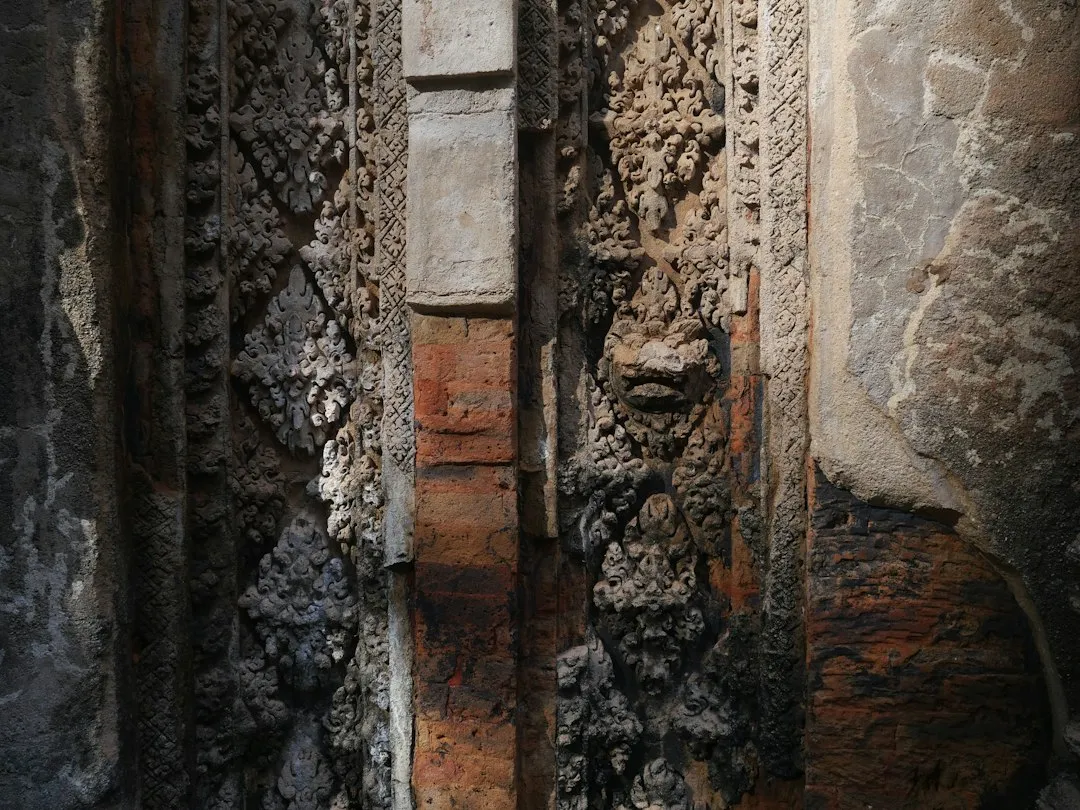
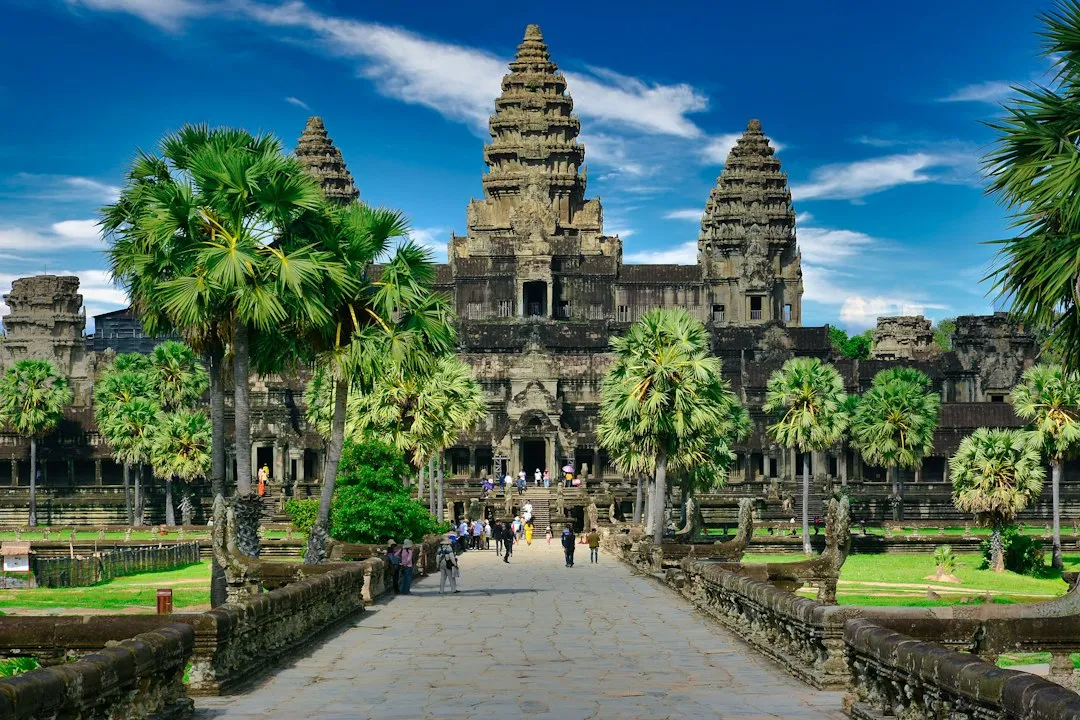
No single site in Southeast Asia prepares you for the scale of what the Khmer Empire left behind. Located in northwest Siem Reap province, the UNESCO-listed Angkor Archaeological Park is Cambodia’s most popular destination, and its 401-square-kilometer footprint is home to 91 ancient temples built between the ninth and thirteenth centuries.
In 2024, the park attracted 1.02 million international visitors, up 28 percent from the year before. That growth is a signal of how Angkor’s global reputation keeps rising. Cambodian Prime Minister Hun Manet announced in August 2025 that Angkor Wat had been ranked as Asia’s most attractive tourist destination by TripAdvisor.
Sunrise over the main temple’s reflection pools remains one of those rare experiences that lives up to its reputation. Going on a weekday or during the wet-season months tends to mean fewer visitors sharing that silence with you.
The Living History of Phnom Penh
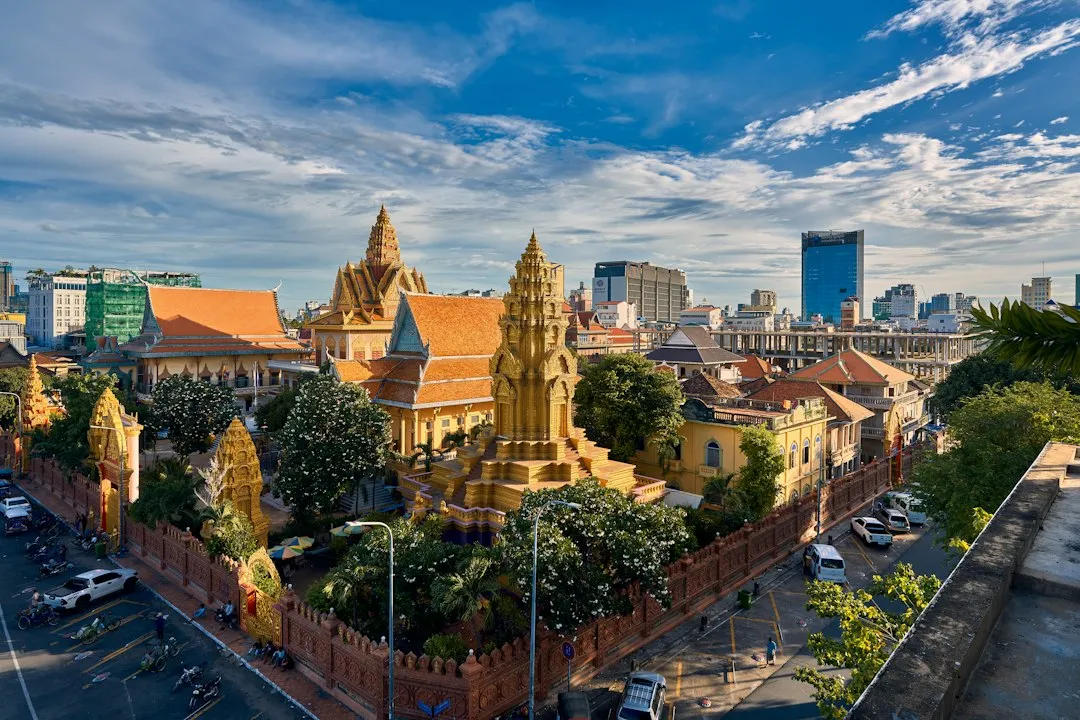
Cambodia’s capital rewards visitors who approach it with patience and genuine curiosity. Phnom Penh is a city of contrasts: French colonial architecture beside street-food vendors, riverside promenades humming with life next to sobering historical monuments. In January 2024, Tripadvisor ranked Phnom Penh ninth among the top ten most trending tourist destinations in the world.
The Tuol Sleng Genocide Museum and the Killing Fields of Choeung Ek are essential visits, not because they are easy, but because they are honest. Engaging with Cambodia’s twentieth-century history is part of understanding the extraordinary resilience you witness every day in this city. The Royal Palace and the Silver Pagoda offer a different kind of depth, rooted in the continuity of Khmer culture across centuries.
A Food Culture That Deserves Far More Attention
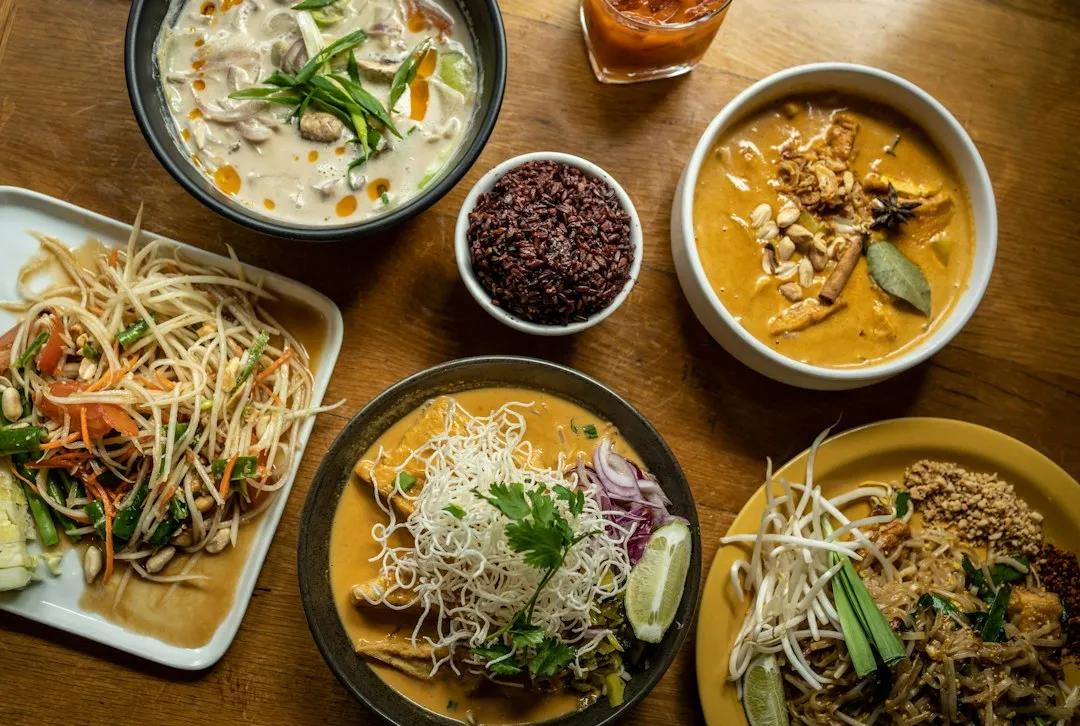
Khmer cuisine is one of Southeast Asia’s best-kept culinary secrets, and that is genuinely starting to change. The food culture in Cambodia is highly approachable, steeped in tradition and shaped by prized regional ingredients like the famous Kampot pepper. The flavors are bold, herb-forward, and built around techniques passed through generations.
From richly spiced curries to grilled street snacks, Khmer cuisine offers a blend of bold flavors, fresh herbs, and time-honored cooking traditions. Dishes like fish amok, a delicate steamed fish curry served in banana leaves, and nom banh chok, fresh rice noodles eaten at breakfast across the country, are staples that speak quietly but clearly of a sophisticated culinary heritage.
Near Angkor Wat, Siem Reap boasts a vibrant food scene, with the Old Market offering authentic bites and Pub Street lining up street food stalls alongside cozy local restaurants. In Phnom Penh, markets like the Central Market and Russian Market serve everything from skewers to noodle bowls.
Coastal Cambodia: Islands Beyond the Postcard
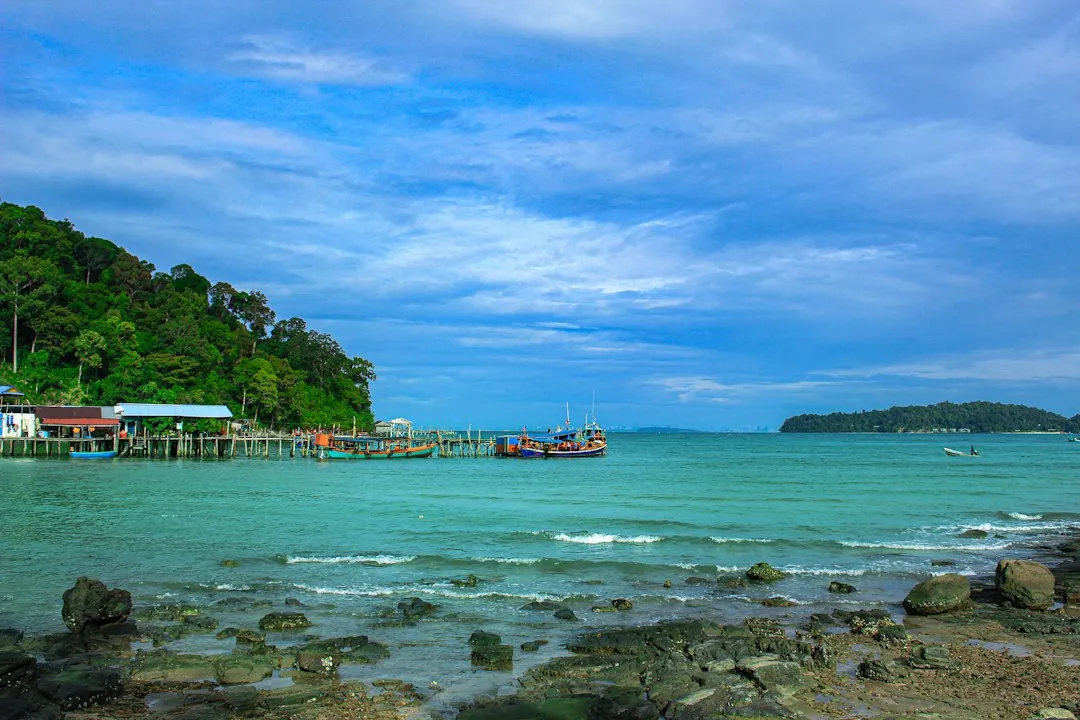
Cambodia’s coastline remains underexplored relative to its neighbors, and for travelers willing to make the journey south, that is a gift. Koh Rong and its quieter sister island, Koh Rong Sanloem, offer white-sand beaches and clear water without the infrastructure overload found elsewhere in the region. Bungalows on Saracen Bay run around $35 to $70 per night, and bioluminescent plankton swims on moonless nights are considered genuinely unforgettable by many who make the trip.
Koh Rong is easily reached by ferry from the mainland, with all boats departing from Sihanoukville and the journey taking 45 to 90 minutes depending on sea conditions and ferry type. Meanwhile, the riverside town of Kampot further south offers its own slow-travel appeal: cycling through pepper plantations, kayaking on the Kampot River at dusk, and eating pepper crab that tastes the way pepper crab is supposed to taste.
Remarkable Accessibility for All Budgets
Cambodia remains one of the most genuinely accessible destinations in Asia for travelers at every budget level, without sacrificing meaningful experiences. Whether you’re a shoestring backpacker trying to stretch $15 a day or a comfort-conscious traveler, Cambodia has a thoughtful range of options.
A mid-range traveler should plan for roughly $45 to $65 USD daily, which covers a private air-conditioned room, sit-down restaurant meals, and a private tuk-tuk for sightseeing. Three meals of excellent local food rarely cost more than $7 for travelers eating at street stalls and local restaurants. Cambodia’s food inflation stayed under 3 percent in 2025, making it notably cheaper than neighboring Thailand by 10 to 20 percent.
The Angkor pass system is transparent and structured: a one-day ticket is priced at $37, a three-day pass at $62, and a one-week pass at $72. For a site of this scale and significance, that remains one of travel’s better bargains.
A Tourism Sector Built Around Community and Connection
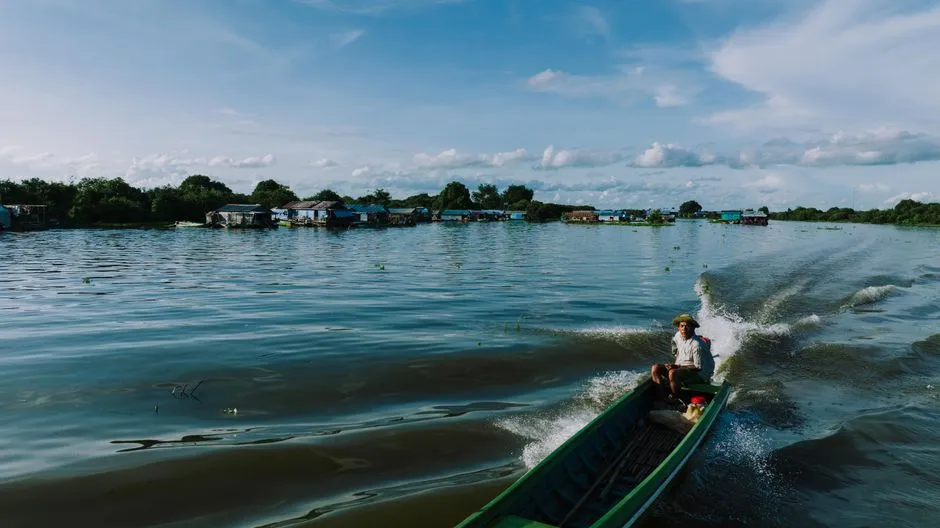
Cambodia’s tourism growth has increasingly emphasized community-led and culturally rooted experiences. In 2024, Cambodia’s tourist arrivals reached 6.7 million, generating $3.637 billion and creating about 510,000 jobs, accounting for roughly 9.4 percent of the country’s gross domestic product. The human dimension behind those numbers matters: local guides, family-run guesthouses, tuk-tuk drivers, and artisan markets all form the living ecosystem that makes a trip here feel like more than a transaction.
From cooking classes with Phnom Penh chefs to cycling tours through Battambang’s rice-farming countryside, Cambodia has invested in experiences that keep tourism revenue closer to local communities. Travelers can cycle through Battambang, meeting locals at stops to witness the production of fish paste, rice paper, and rice wine, finishing with a sticky rice tasting. These are not staged performances, they are glimpses of how life actually unfolds here.
The Tonle Sap Lake and Cambodia’s Natural Interior
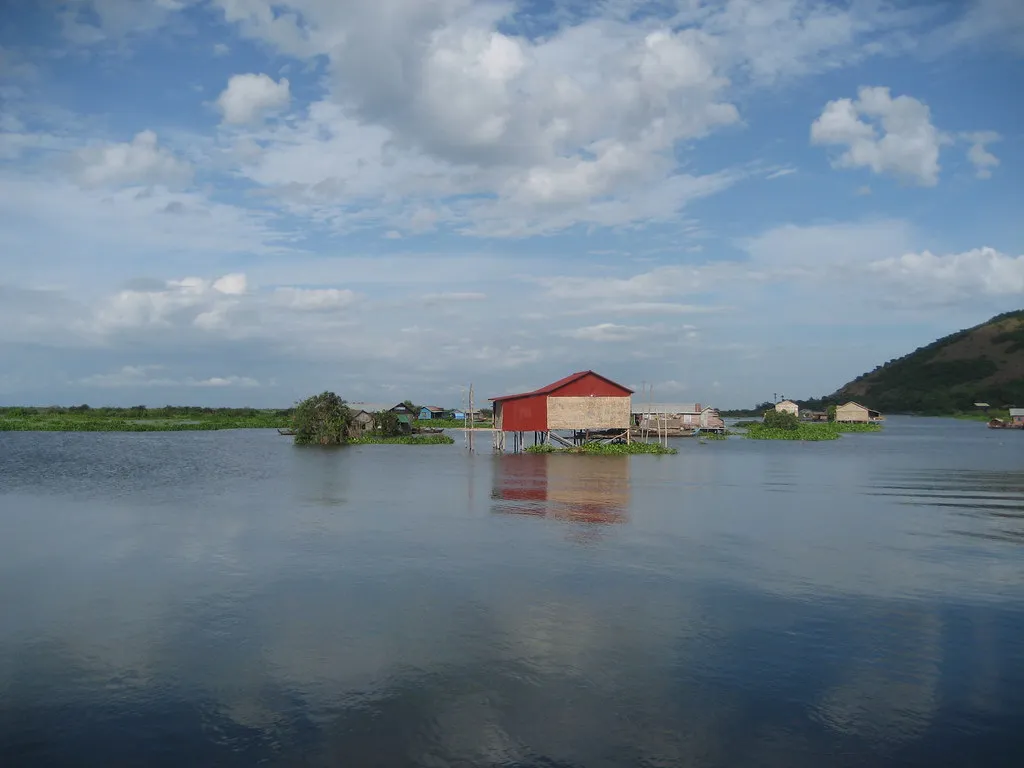
Beyond the temples and the coast, Cambodia’s interior holds its own quiet wonders. The Tonle Sap is the largest freshwater lake in Southeast Asia, and it operates on a rhythm unlike anywhere else: it dramatically expands during the monsoon season and contracts again in the dry months, creating a flood pulse that sustains one of the most productive inland fisheries on earth. The floating villages that exist on and around its shores represent a way of life built entirely around that rhythm.
Visiting by boat in the late afternoon, when the light on the water turns amber, is one of those travel experiences that stays with you without requiring any particular effort to manufacture a mood. It simply arrives. Boat tours from Siem Reap are widely available and remain among Cambodia’s most rewarding half-day excursions.
The Takeaway
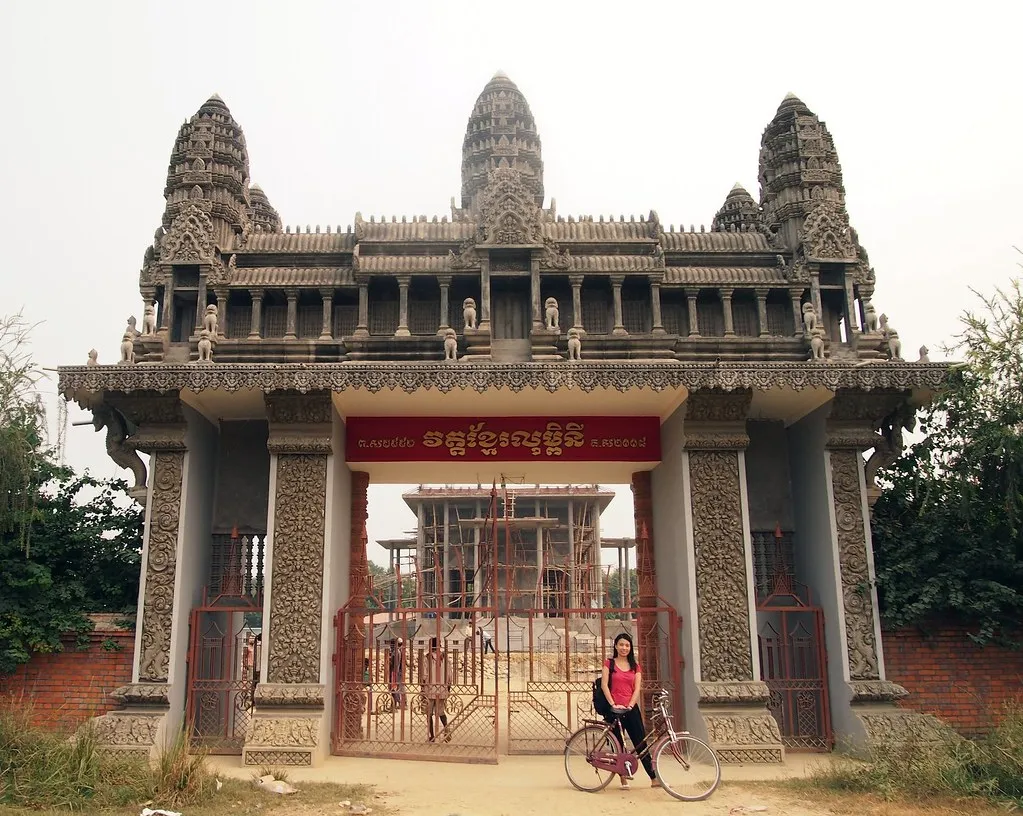
Cambodia is not a destination you consume at speed. Its rewards are proportionate to the attention you bring. The temples are extraordinary, yes, but so is the pepper crab in Kampot, the silence of a river at dusk, and the quiet pride of a country that has rebuilt itself from extraordinary difficulty into a genuinely welcoming place.
Despite shifts in visitor volumes, Cambodia’s international tourism revenue for 2025 reached $3.87 billion, an increase of 6.6 percent from the prior year, suggesting a shift toward higher-value, more engaged travel. That is a healthy sign for a destination finding its footing with purpose-driven travelers. If you have been curious about Cambodia, the question is less whether to go and more how soon you can make it happen.
AI Disclaimer: This article was created with the assistance of AI tools and reviewed by a human editor.