
The Morning Advantage Is Real and Measurable

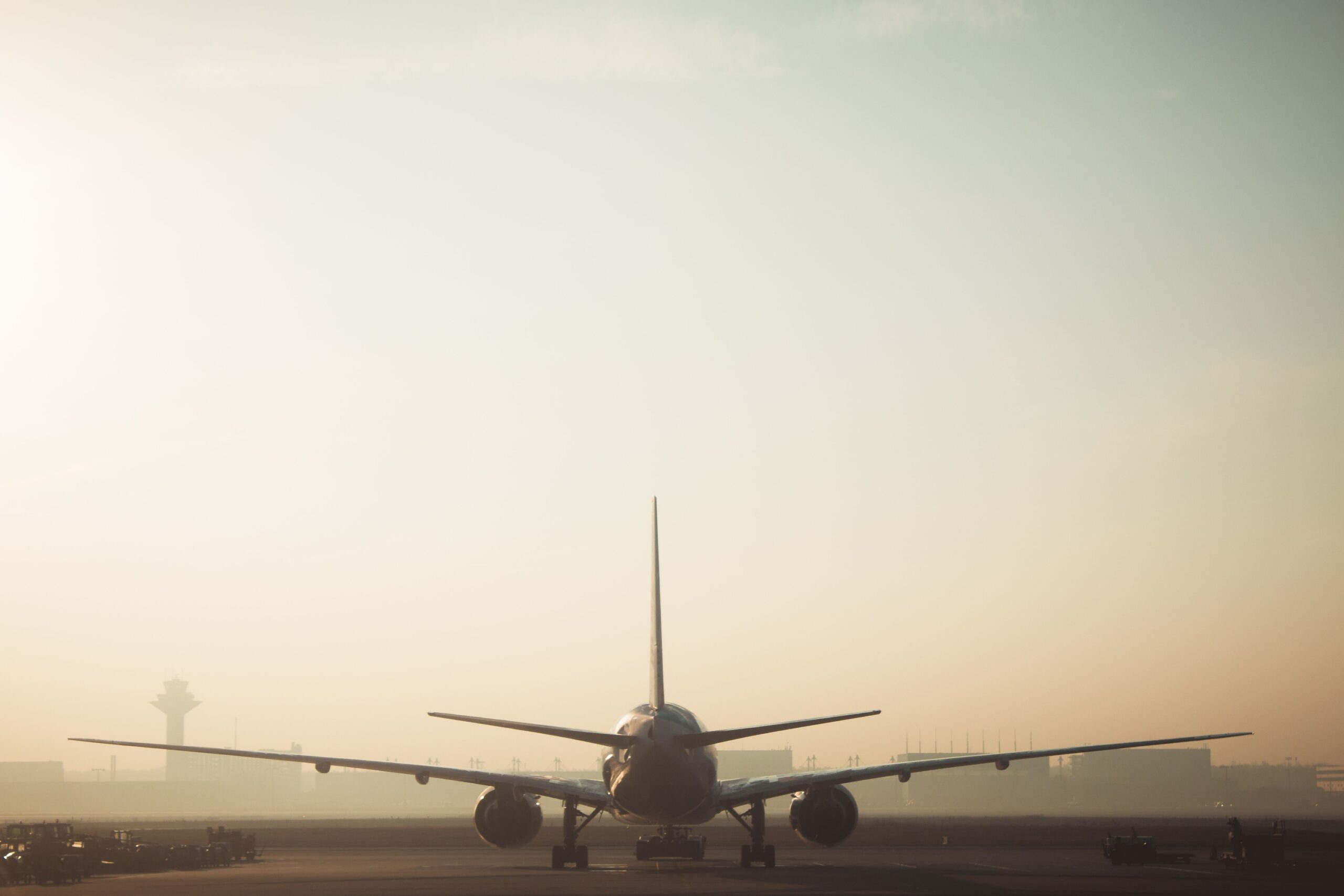
If you’ve ever heard a seasoned traveler insist on the earliest possible flight, they’re not being precious – they’re reading the data correctly. In 2025, flights scheduled to leave between 6:00 a.m. and 6:59 a.m. departed on time roughly nine times out of ten, with a 92.3% on-time rate according to Bureau of Transportation Statistics data. That’s a remarkably high bar for any complex system to hit consistently.
According to an AAA study of federal data, the later your flight, the more likely it is to be delayed. During summer 2024, flights scheduled to leave between 6 a.m. and 7 a.m. had only a one in nine chance of being delayed or canceled. By late morning, those odds had already started shifting noticeably against travelers.
The Mid-Morning Creep Begins Around 10 a.m.
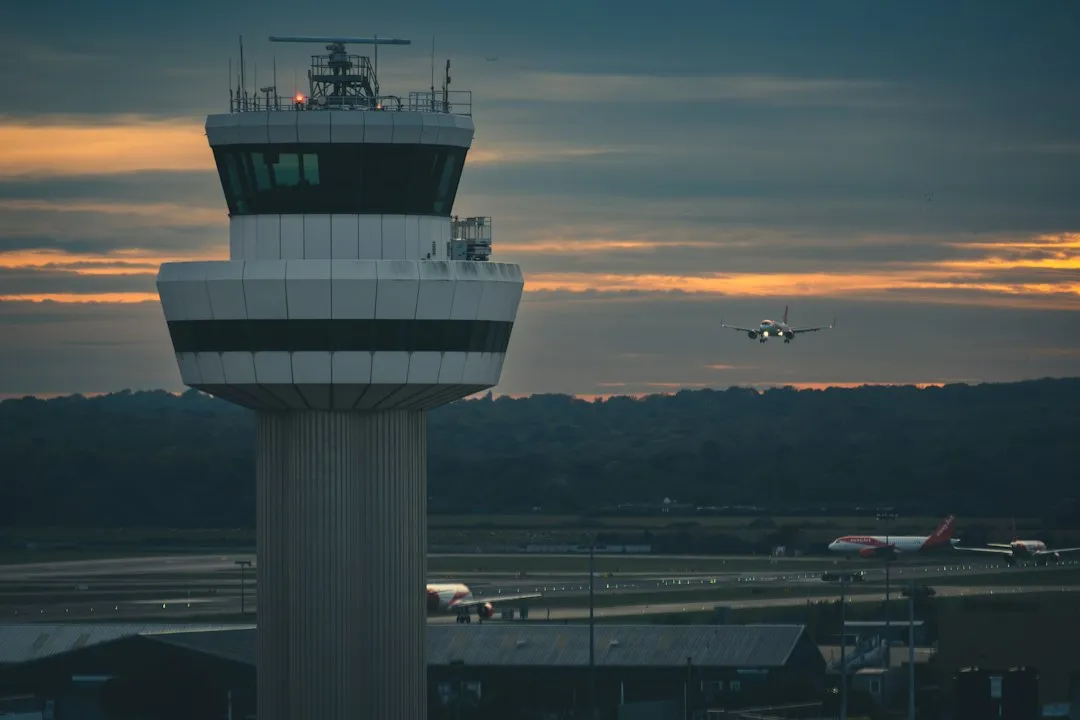
From 10 a.m. to 11 a.m., the chance of a delay or cancellation rose to roughly one in five. This is the window where air traffic controllers begin seeing the first signs of strain – late-arriving aircraft from earlier flights, weather systems that have had time to develop, and the cumulative weight of a system that’s been running hard since before sunrise.
The mid-morning hours matter because they set the conditions for everything that follows. A plane that arrives 20 minutes late at 10 a.m. doesn’t just affect its next departure. It ripples forward through that aircraft’s entire day of scheduled flights, compressing turnaround times and nudging dozens of downstream connections toward the edge.
Afternoon Is When the System Starts Losing Ground
A 6 a.m. U.S. departure had a one in nine chance of delay or cancellation in summer 2025, rising to one in three by the 3 p.m. hour. That’s a dramatic shift across a single day – not because the planes or pilots change, but because the accumulated weight of earlier disruptions has nowhere left to go.
Peak operational times in the National Airspace System range between 1500 GMT and 2200 GMT, and during those peak hours there were over 5,400 IFR flights en route in the system every single minute. Managing that kind of volume without any slack in the schedule is genuinely demanding work, and it’s precisely why the afternoon window is where controllers earn their keep.
The Evening Hours Are the Worst in the Data
By the 8 p.m. hour, only 66.4% of U.S. flights scheduled during that window departed on time in 2025 – the lowest point of the entire day. That’s a drop of nearly 26 percentage points compared to the early morning. For passengers boarding an evening flight, the odds have quietly, steadily turned against them since dawn.
The cause isn’t just bad luck at the end of the day – late-arriving aircraft caused 13.4% of delay minutes on early morning departures, but that figure ballooned to 49.9% on flights scheduled during the 8 p.m. hour. Almost half of all evening delay minutes can be traced directly back to a plane that simply hadn’t arrived yet, carrying the damage of a full day’s disruptions into the night.
The Knock-On Effect: How One Delay Multiplies
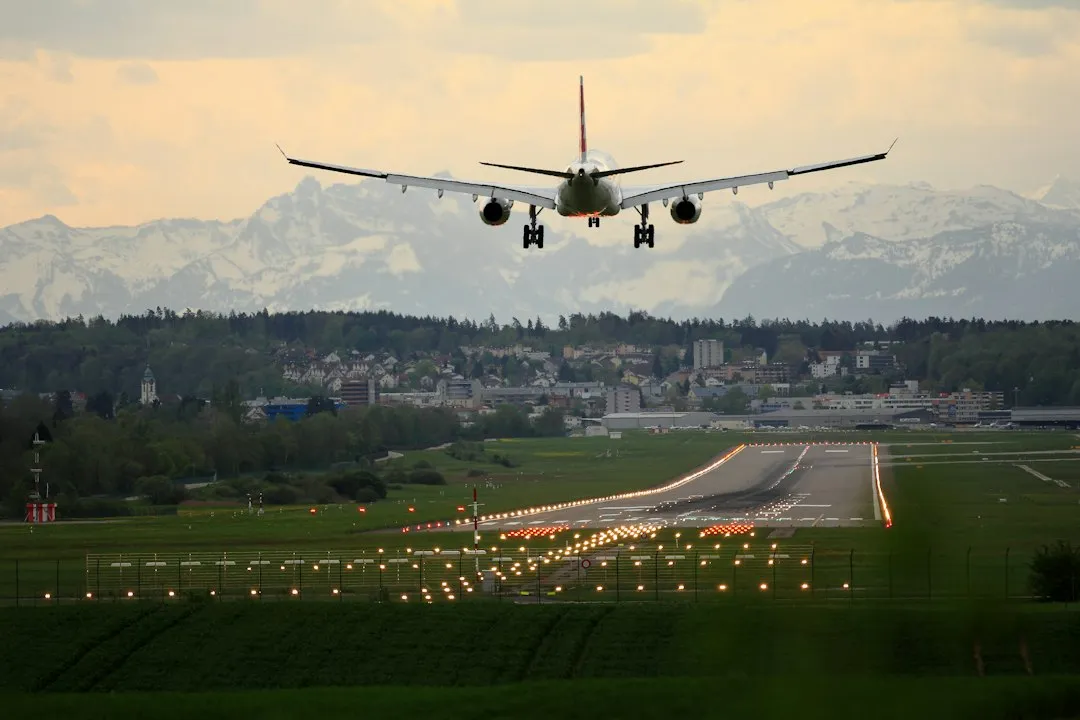
This cascading dynamic has a formal name in aviation: reactionary delay. It’s the delay that didn’t start with your flight at all – it started with someone else’s flight hours earlier. According to EUROCONTROL’s Performance Review Commission, in 2025 every minute of primary delay generated 0.79 minutes of reactionary delay downstream – meaning every 10 minutes of an original disruption adds close to 8 more minutes later in the day.
That multiplier effect is what transforms a small weather event at noon into a scheduling crisis by 7 p.m. Controllers can’t always stop the initial disruption, but understanding its downstream weight is central to how they manage traffic flow throughout the afternoon and evening hours.
Staffing Levels Shape the Afternoon Window More Than Most Passengers Realize
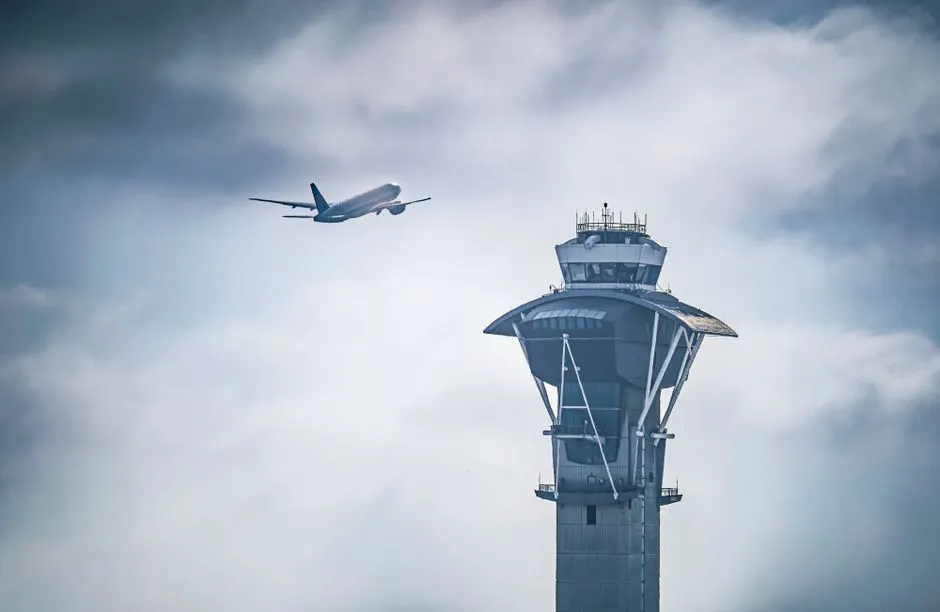
Between October and mid-November 2025, fully 27% of all non-weather ATC delays and 34% of non-weather ATC delay minutes were attributed to staffing shortfalls. That figure underscores how deeply the human element – the number of trained controllers on a given shift – determines what the afternoon delay picture looks like.
The FAA Air Traffic Organization found that services were provided to an average of 44,000 flights every day in 2024. During peak operational hours, as many as 5,500 planes are in the air simultaneously. When fewer controllers are available to manage that volume, the system’s ability to recover from disruptions narrows sharply, and delays tend to accumulate faster than normal.
The Government Shutdown of 2025 Made the Pattern Dramatically Worse
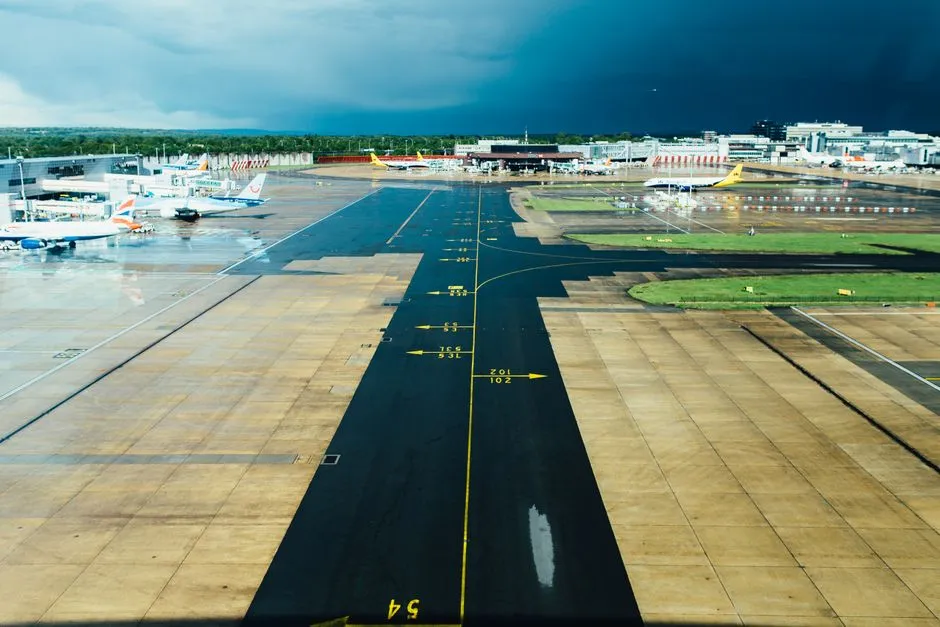
During the 2025 government shutdown, the share of air travel delays caused by staffing shortages surged dramatically – reaching 53% on some days, compared to roughly 5% over the preceding nine months. Evening hours bore the heaviest burden. The control tower at Ronald Reagan Washington National Airport, for example, lost its normal complement of controllers between 5 p.m. and 10 p.m. on multiple evenings, with delays for arriving flights averaging around 31 minutes.
Most controllers were working mandatory overtime six days a week during the shutdown, according to the National Air Traffic Controllers Association. Running a system that manages thousands of flights daily on an exhausted, short-staffed workforce has real consequences – and those consequences show up most visibly in the data for afternoon and evening departures.
Summer Compounds the Daily Pattern Into Something Larger
In the United States, only 69.2% of flights arrived on time in July 2025 according to the Bureau of Transportation Statistics. That’s the monthly average – meaning the daily peak-hour figures inside July were almost certainly worse than that number suggests. In Europe, 35.9% of all air traffic flow management delays in 2025 were incurred in just July and August.
Summer’s pain is sharpest in the evening hours: in July 2025, the average departure delay peaked at 21 minutes per flight, while quieter November saw arrival delays of just 10.3 minutes. Summer combines the daily accumulation of delays with the additional pressure of record passenger volumes – a combination that pushes the afternoon and evening windows to their breaking point on the worst days.
The Structural Problem Goes Beyond Weather
In spite of a modest 4.9% increase in scheduled passenger flights between 2015 and 2025, the total delay recorded by the FAA in the National Airspace System rose from 14.4 million minutes in 2015 to 22.9 million minutes in 2025 – a 59% gain. Traffic grew slowly. Delays grew much faster. That gap points to something structural, not just seasonal.
A total of 7.3 million flights were delayed due to air navigation service provider-caused delays, impacting approximately 1.1 billion passengers between 2014 and 2025. While traffic increased by only 11.5% over that decade, ATFM delays rose by 82.7%, indicating that the issue stems primarily from structural constraints rather than demand alone. The system’s capacity hasn’t kept pace with what’s being asked of it.
What 2025 Meant for the Overall Picture
In 2025, 23.3% of U.S. flights – over 1.8 million total – were delayed more than 15 minutes or canceled altogether according to the Bureau of Transportation Statistics. That was the largest such percentage in eight years. It marked a clear deterioration, and travelers felt it acutely in the afternoon and evening windows where delays tend to compound most aggressively.
Domestic tarmac delays of three hours or more jumped 63% compared to 2024, the highest total since the tarmac delay rule took effect in 2010. Those kinds of figures don’t appear at 6 a.m. They build through a long day of accumulated pressure and arrive fully formed by nightfall.
The Takeaway for Anyone Who Actually Has to Fly

The pattern the data reveals is consistent and unambiguous: the earlier the departure, the better the odds. This isn’t luck – it’s the direct result of how a complex interconnected system accumulates stress over time. Controllers know it, airlines know it, and now the numbers make it plain for everyone else.
The real lesson isn’t just about booking the 6 a.m. flight. It’s about understanding that by the time your evening departure is delayed, that delay has often been building somewhere in the system since mid-morning – long before your boarding pass was ever scanned. The sky runs on momentum, and when that momentum breaks down, it rarely recovers before the day is done.
AI Disclaimer: This article was created with the assistance of AI tools and reviewed by a human editor.