
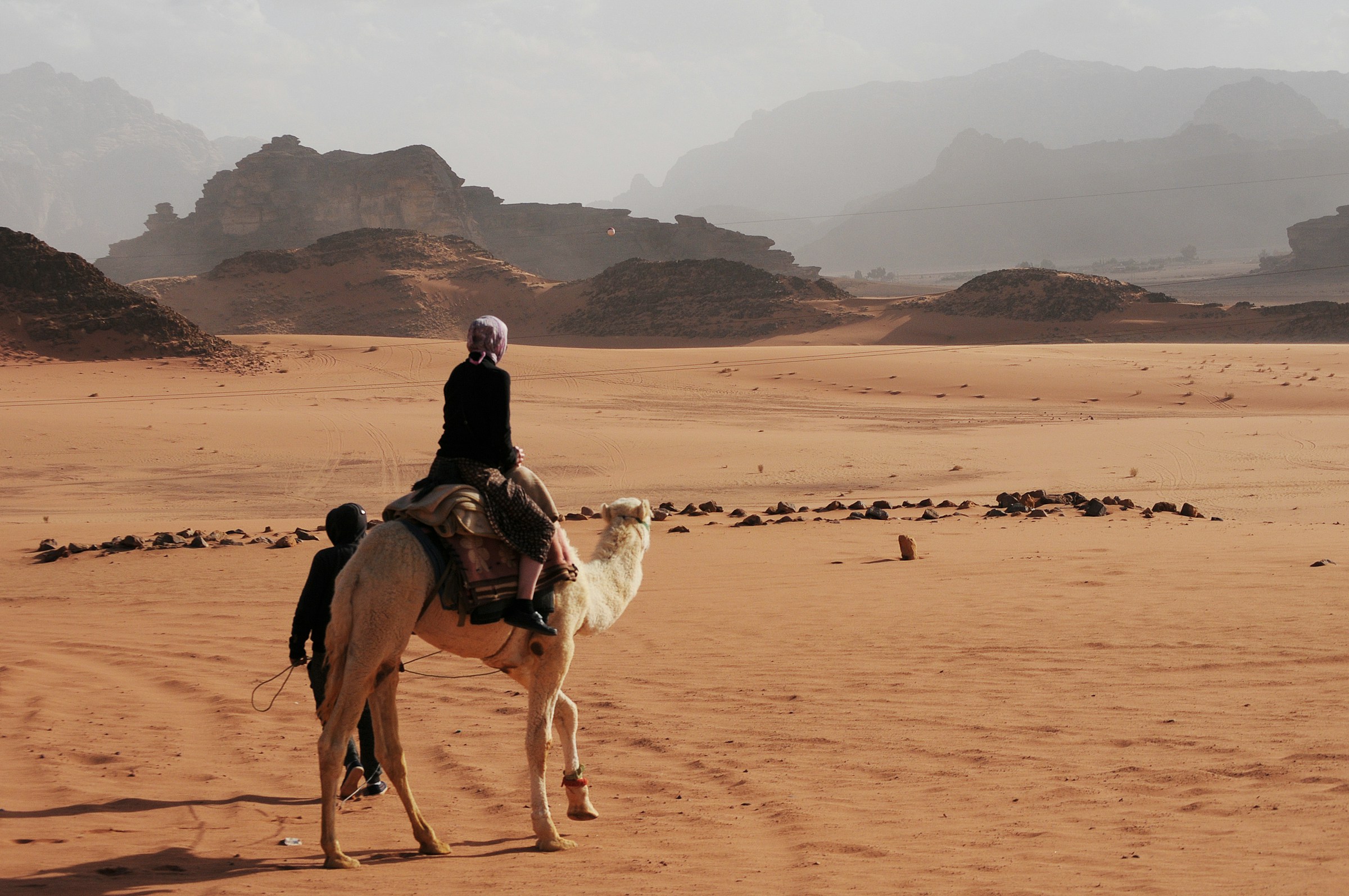

Jordan has a way of quietly exceeding expectations. It sits at the crossroads of three continents, and that geographic reality shows up everywhere, from sandstone canyons carved by an ancient civilization to Roman columns still standing after two millennia. An archaeological paradise where ancient Roman ruins intertwine with Nabataean temples and tombs, all against a backdrop of sandstone swirls.
The numbers are catching up to the reputation. The number of visitors to Jordan rose by eighteen percent in the first half of 2025, reaching nearly 3.3 million compared to 2.786 million during the same period in 2024, according to data released by the Ministry of Tourism and Antiquities. That momentum reflects something real. Below are five sights that explain why so many people keep coming back.
Petra: The Rose City That Earned Its Wonder Status
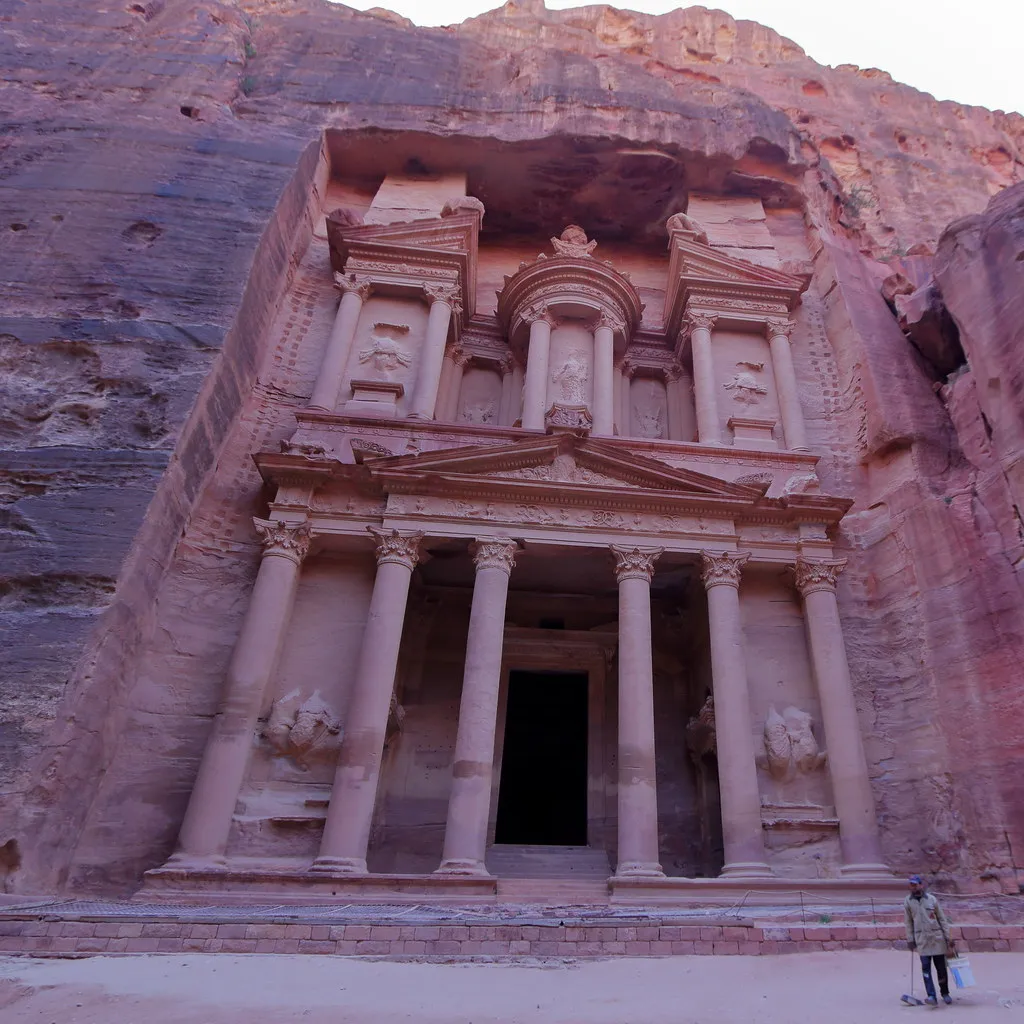
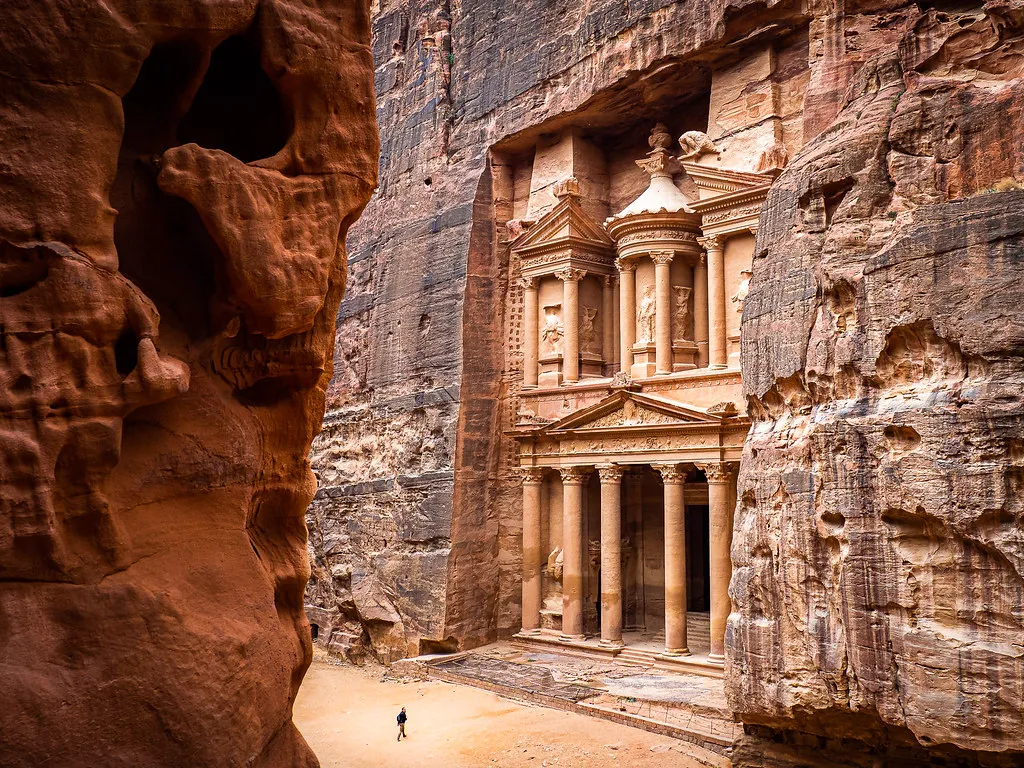
The ancient city of Petra was carved into Jordan’s red sandstone cliffs more than 2,000 years ago, and is today one of the New Seven Wonders of the World, a UNESCO World Heritage Site, and among the most iconic archaeological destinations globally. Its scale is genuinely hard to prepare for. You walk through the narrow Siq canyon, walls closing in on either side, and then the Treasury appears suddenly at the far end, impossibly detailed and rose-colored in the morning light.
Despite being Jordan’s crown jewel, only around fifteen percent of Petra has been explored by archaeologists. That figure alone reframes the experience. What visitors see on a full day’s walk, covering the Treasury, the Royal Tombs, the Nabataean Theatre, and the Monastery, is only a fraction of what remains buried in the surrounding hills.
Intricate temples and tombs emerge from rocks and cliffs together with later additions from the Roman era and even a Byzantine church resplendent with mosaics. It is Petra’s most impressive and well-preserved monument, the Treasury, which is the first site to greet most visitors. The Treasury is thought to date back to the first century BC. Arriving early in the day makes a meaningful difference. The light, the quiet, and the scale all feel more proportionate before the crowds arrive.
Wadi Rum: Where the Desert Looks Like Another Planet
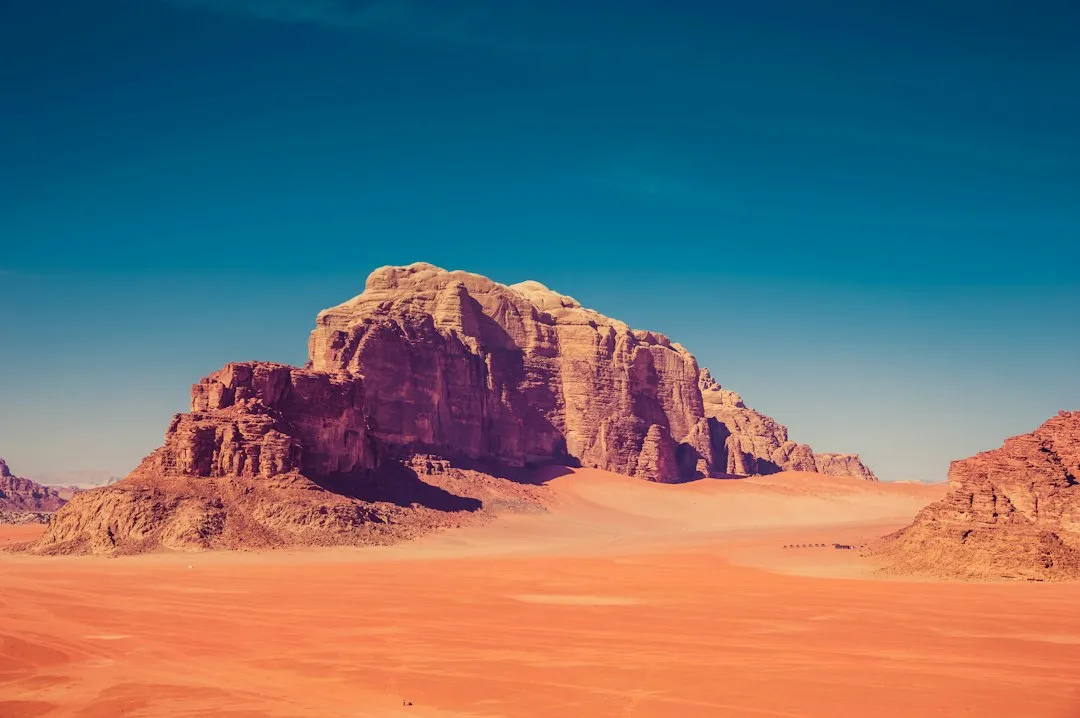
The brilliantly colored sands and stark rock formations of Wadi Rum make this UNESCO-listed desert wilderness a must-visit for most travelers to Jordan. The landscape has a disorienting quality, all red dunes and vertical sandstone cliffs, that explains why it has served as a film stand-in for Mars. Wadi Rum attracts film crews from far and wide. Movies like The Martian, Red Planet, and Dune were filmed in the stunning desert.
Signature sights include the Burdah Rock Bridge, a natural arch; Khazali Siq, a narrow canyon; Jabal Umm ad Dami, the highest mountain in Jordan; and the scarlet Al Hasany Dunes. Spending a night in a Bedouin camp here rather than just a day visit is something most travelers say they would not trade. The sky after dark, far from any city light, is a legitimate spectacle.
Hiking enthusiasts can follow the Wadi Rum Trail, which stretches 120 kilometers in total and spreads across five mountains, including the highest summit in Jordan. For those who prefer less walking, Wadi Rum offers visitors several options for exploring its terrain. You can hire a 4×4 car with a guide and drive through the desert to explore its sites. Either way, the desert rewards the visit.
The Dead Sea: Earth’s Most Unusual Swimming Spot
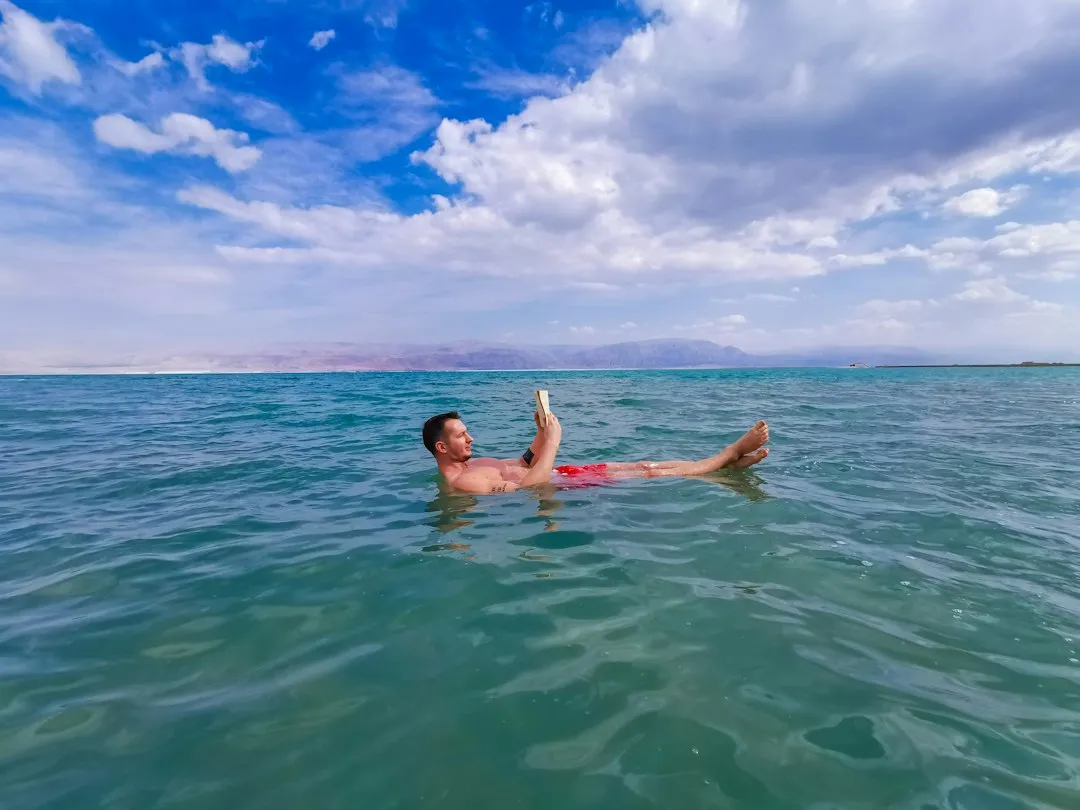
The Dead Sea, home to the lowest point in the world at 1,269 feet (383 meters) below sea level, also ranks as one of the world’s saltiest bodies of water. Floating on it is an experience that genuinely does not feel like anything else. You lean back, lift your feet, and the water holds you up entirely without effort.
The salinity at the Dead Sea is 9.6 times as salty as the ocean, so dense that you literally float and no plants or animals can survive there. That extreme salinity also means the water stings any small cut considerably, and keeping it away from your eyes is a very real priority. Bring a bottle of fresh water to rinse with. The practical warnings, though, do nothing to diminish how strange and memorable the whole thing is.
The Dead Sea is also known for its therapeutic mud, rich in minerals, which is used in spa treatments for skin rejuvenation and health benefits. Hotel occupancy rates reached over seventy percent in Petra and the Dead Sea during peak season, which signals how seriously the area has developed its tourism infrastructure in recent years. Several spa resorts along the Jordanian shore now make this a destination in its own right, not just a checkbox on a wider itinerary.
Jerash: Rome Preserved in the Jordanian Hills
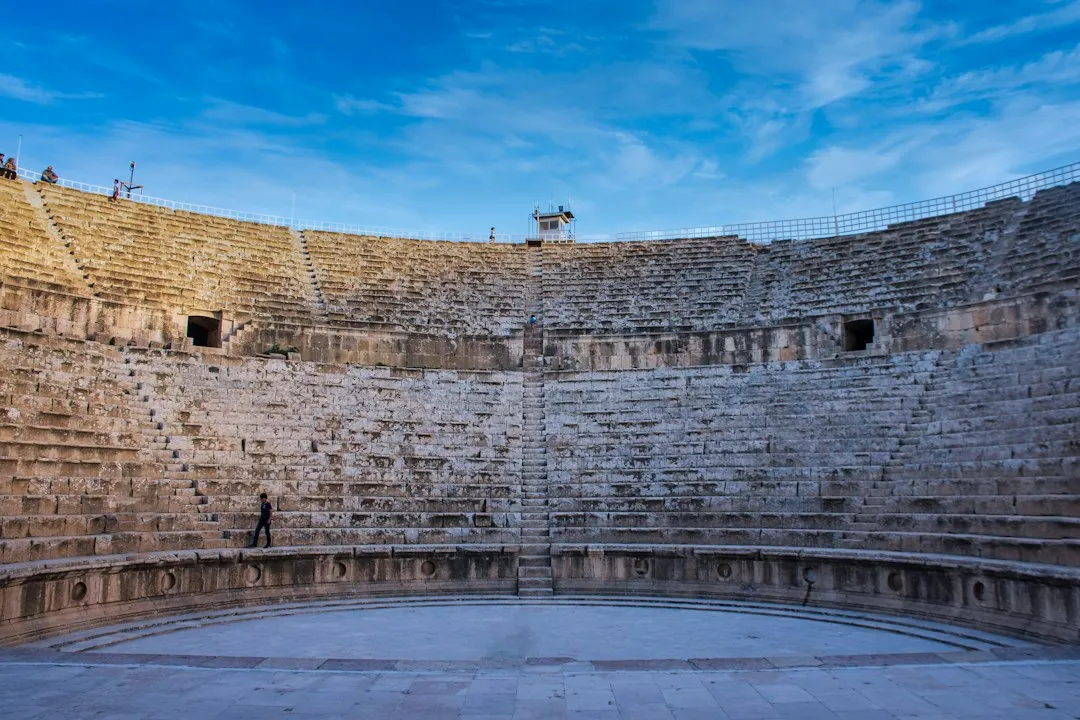
Second only to Petra in terms of archaeological importance, Jerash is one of Jordan’s most significant Roman sites. The area has been inhabited for over 6,500 years, but its high point was under Roman rule, beginning in 63 BC. Today it’s known for beautifully preserved ancient architecture, including temples and an amphitheater.
Visitors to Jerash can explore a well-preserved Roman city featuring an almost-intact colonnaded street, a striking oval plaza, a majestic theater, and numerous temples and arches. What makes Jerash genuinely different from other Roman ruins across the Mediterranean is the degree of completeness. Jerash is considered one of the best-preserved Roman ruins outside Italy.
Other must-see aspects of Jerash include its still-functioning 3,000-seat South Theatre and its Nymphaeum fountain. The South Theatre still hosts performances during the annual Jerash Festival of Culture and Arts. Standing in that theater, with its original stonework intact around you, collapses the distance between now and the Roman provincial world in a way that photographs simply cannot replicate.
Madaba and Mount Nebo: Where Mosaics Meet Biblical Memory
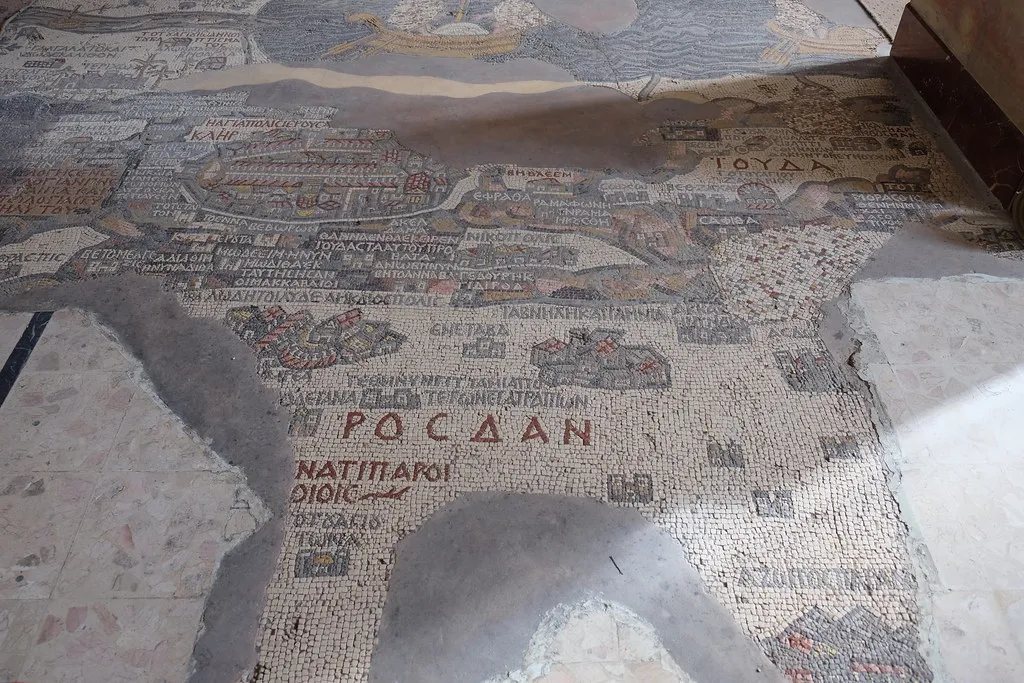
Situated in the Greek Orthodox Church of St. George in Madaba, the Madaba Map dates from 542 to 570 AD and is the world’s oldest cartographic depiction of the Holy Land. It covers an enormous floor area with thousands of tesserae and still shows recognizable geography, including a depiction of Jerusalem at its center. For anyone interested in early Christian history or ancient cartography, this is a deeply affecting thing to stand in front of.
Jordan is home to Mount Nebo, where Moses is said to have gazed upon the Promised Land, and Bethany Beyond the Jordan, where Jesus was baptized by John at the east of the Jordan River. Mount Nebo sits just a short drive from Madaba and offers sweeping views across the Jordan Valley. On a clear day you can see as far as the hills surrounding Jerusalem.
Religious tourism plays a central role in Jordan’s appeal. Sites such as Mount Nebo, Bethany Beyond the Jordan, and the ancient mosaics of Madaba attract spiritual travelers and religious groups from around the world. Madaba itself is a quietly charming town where Byzantine-era mosaics continue to surface beneath buildings and streets as the city expands. It often gets compressed into a morning stop on the way to Petra, but it deserves a slower pace and more time.
The Broader Picture: Jordan’s Tourism Momentum
Jordan’s tourism sector achieved a noteworthy upswing in 2025, with revenue rising 7.5 percent to $5.33 billion over the year’s first eight months. The volume of arrivals expanded by almost fifteen percent over the prior year, evidencing enduring magnetism at flagship sites such as Petra, the Wadi Rum desert, the Dead Sea, and the historic mosaic capital of Madaba.
International visitor arrivals rose by nineteen percent during the first third of 2025 compared with the same period the previous year, according to data from the Ministry of Tourism and Antiquities. The Kingdom welcomed around 2.125 million international visitors between January and April, up from 1.785 million during the same period in 2024.
The highest growth rate in overnight tourist arrivals during the first half of 2025 was recorded from European markets, which rose by eighty-two percent. That surge from Europe, in particular, suggests that Jordan is crossing over from a niche bucket-list destination to something more mainstream. The infrastructure has grown to match, with hotel occupancy strong and new tourism services expanding across the country.
Planning Practically: What to Know Before You Go
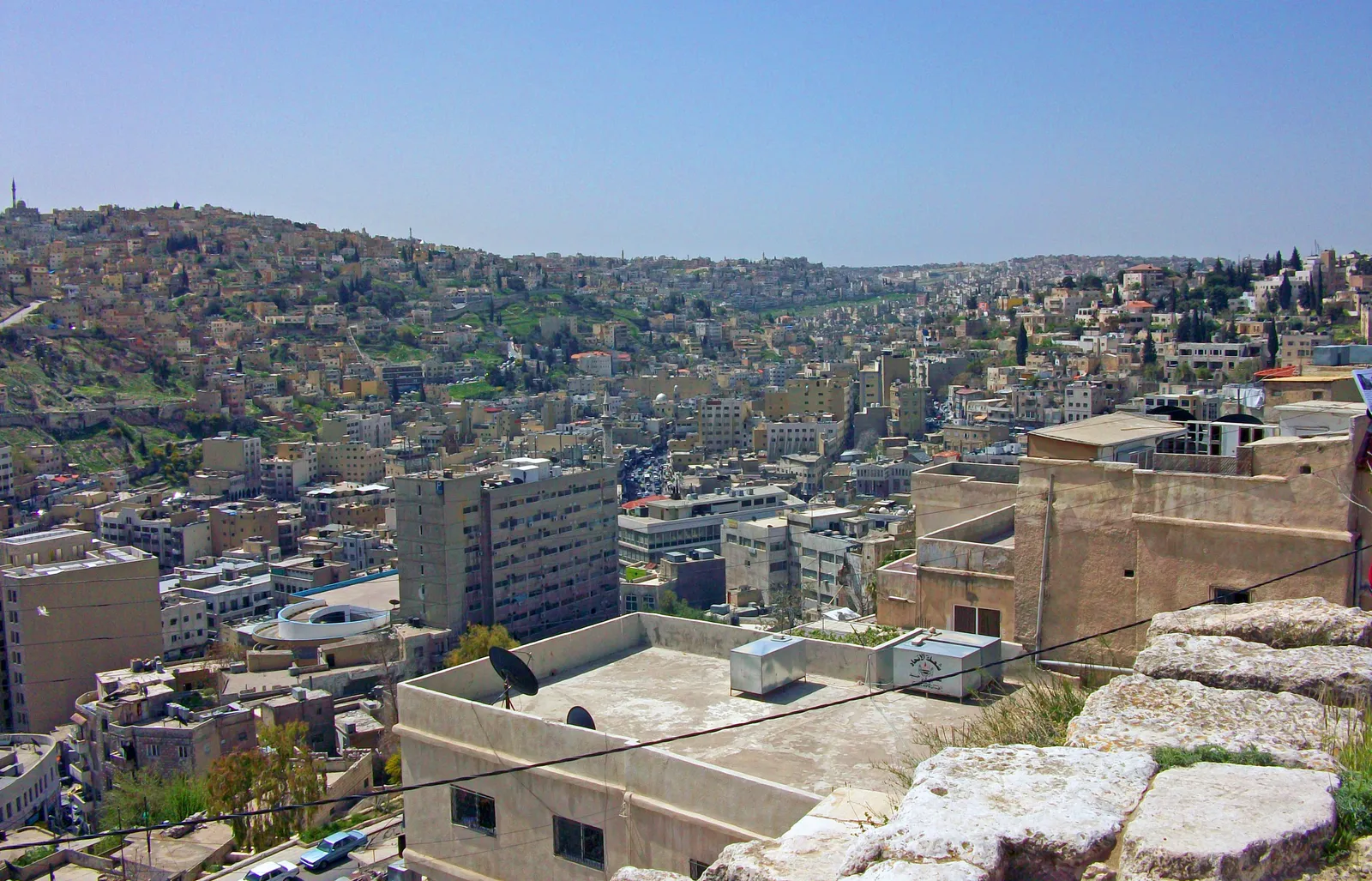
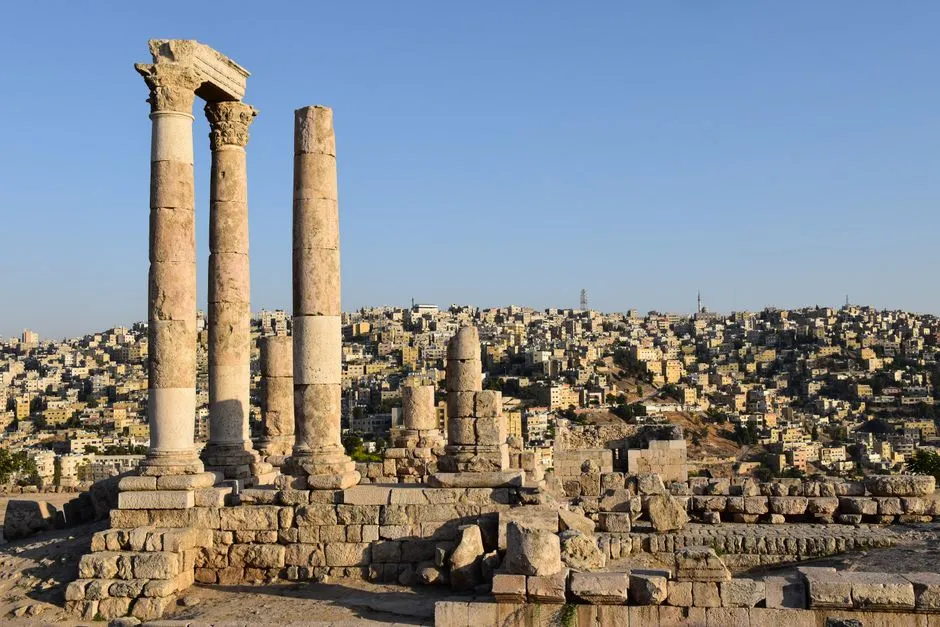
Most travelers base themselves in Amman and work outward. The city itself is worth at least a day for its Roman Theatre, its vibrant downtown food scene, and the hilltop Citadel with views over the whole of the old city. Amman, like Rome, was built across seven hills, known as jabals. The city has grown considerably and now covers nineteen of these jabals.
The Jordan Pass, available to purchase before arrival, covers the entry visa fee and admission to more than forty tourist sites including Petra, making it a practical financial decision for most visitors. Timing matters too. Spring (March through May) and autumn (September through November) offer the most comfortable temperatures across all five sights listed here. Wadi Rum and the Dead Sea are manageable year-round, though summer in the desert requires careful planning around midday heat.
Jordan currently has eight sites inscribed on the UNESCO World Heritage List, including six cultural sites, the mixed natural and cultural site of Wadi Rum, and, most recently, the Aqaba Marine Reserve, inscribed in 2026. That expanding list of UNESCO recognition reflects an archaeological and natural richness that goes well beyond any single itinerary. Even a ten-day trip will leave you with a list of things you ran out of time to see.
Cultural Etiquette: Traveling With Respect
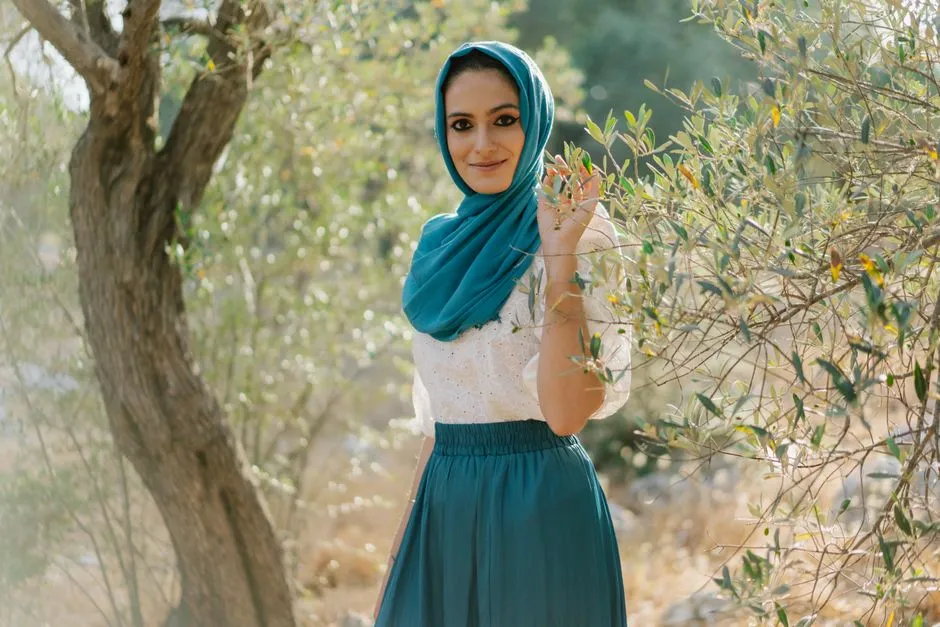
Jordan is a predominantly Muslim country, and a few simple habits go a long way. Dressing modestly outside of resort areas, particularly in Madaba, Jerash, and the older neighborhoods of Amman, is both respectful and practical. In most parts of the country, shoulders and knees covered is the right baseline. At Petra and Wadi Rum, where temperatures can swing sharply, layers serve both modesty and comfort.
Jordanian hospitality is genuine and not performative. Accepting a glass of tea in a shop or from a Bedouin host is not a sales tactic but a cultural expression of welcome that carries real meaning. Engaging with it, rather than deflecting it, tends to be where the most memorable moments of a Jordan trip actually happen. The country rewards travelers who slow down and allow those small exchanges to unfold.
Sustainability and the Sites You Love
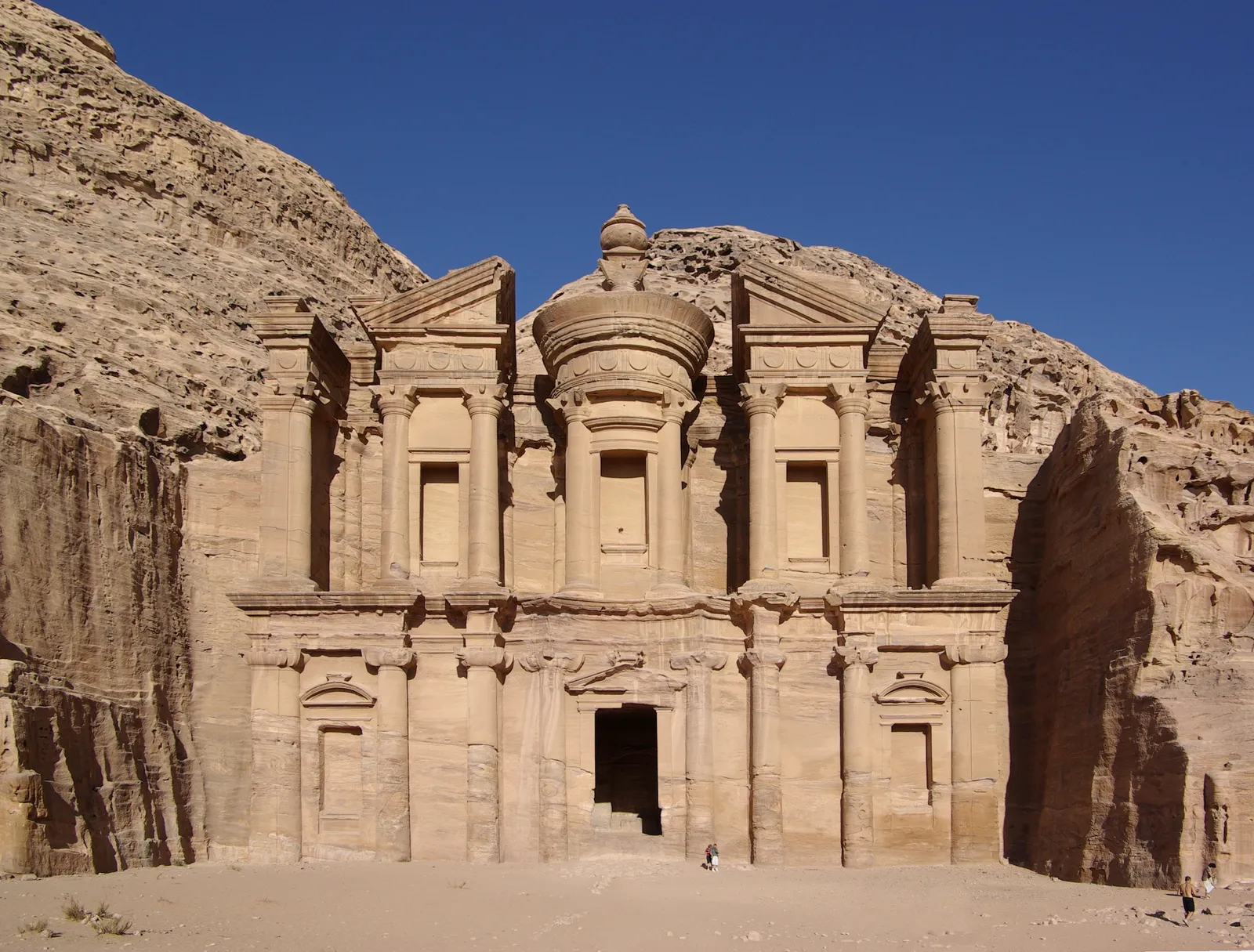
Petra is Jordan’s most-loved attraction, and visiting the ancient city sustainably is increasingly important. The most immediate way to do that is to hire local guides rather than relying on generic group tours. Guides from the Petra and Wadi Rum communities carry knowledge that no guidebook captures, and their income connects directly to the households and families of the areas you are visiting.
At the Dead Sea, the shoreline has visibly receded over decades due to water diversion from the Jordan River, and several conservation initiatives are ongoing to address the lake’s long-term future. Choosing operators and resorts that participate in conservation programs, and avoiding single-use plastics at all of Jordan’s natural sites, adds up in a country where ecosystems are under pressure. Responsible travel here is not an abstract concept. It shows on the landscape.
The Takeaway
Jordan is one of those countries where the headline sights, Petra, Wadi Rum, the Dead Sea, Jerash, and Madaba, are genuinely as good as their reputation. That is a rarer thing than it sounds. The country’s rising visitor numbers and tourism revenues through 2025 and into 2026 tell a consistent story of a destination that is delivering something real and worth the journey.
What stays with most travelers after leaving Jordan is not just the visual weight of the Treasury or the stillness of floating in the Dead Sea. It is the layered quality of the place, how biblical memory, Roman engineering, Nabataean craftsmanship, and Bedouin culture exist not in separate museums but woven together across a relatively compact landscape you can actually walk through. That combination is genuinely difficult to find anywhere else on earth.
AI Disclaimer: This article was created with the assistance of AI tools and reviewed by a human editor.