

Calling for the Shuttle the Second You Land Is Too Early
This is perhaps the single most common timing error. Landing time is not pickup time. You still have to account for deplaning, potentially customs, and baggage claim before you’re actually ready to be collected. Calling the shuttle from your seat the moment wheels hit the tarmac sounds efficient, but it’s not. By the time the shuttle arrives, you may not even be off the plane yet.
Domestic arrivals typically need 20 to 30 minutes post-landing, while international arrivals may need up to 90 minutes before they’re genuinely ready at the curb. Hotel drivers who run on-demand routes can’t hold a position at the curb indefinitely. Due to delays at baggage claim, TSA regulations often prohibit shuttle vehicles from waiting more than five minutes at the designated pickup space. Call when you have your bags in hand, not a moment sooner.
International Arrivals Need a Much Longer Buffer Than Most Expect
International travelers consistently underestimate how long processing takes after landing. JFK, for example, had the longest airport wait times in 2024, with travelers spending an average of nearly 40 minutes just clearing security and passport control. That window doesn’t include walking to baggage claim, collecting luggage, or clearing customs declarations.
At O’Hare, combined average wait times sit at nearly 38 minutes, and at Los Angeles International they approach 35 and a half minutes. Add deplaning time, a baggage carousel wait, and a walk to the designated shuttle zone, and an international arrival can easily take 90 minutes from wheels-down to curb-ready. Building that buffer into your timing call is not overcautious. It’s simply accurate.
Not Booking the Shuttle in Advance Is a Gamble That Often Loses
One of the biggest mistakes travelers make is failing to book their airport shuttle service ahead of time. Many hotel guests assume an on-demand shuttle will materialize within minutes at any hour. That assumption works sometimes, but not reliably. For most situations, booking the service at least 24 to 48 hours before your arrival ensures availability and proper preparation by hotel staff.
During peak travel periods like holidays, major events, and summer season, earlier booking is advisable, ideally three to five days in advance. Hotels in busy airport areas may have limited shuttle capacity, necessitating advance planning, particularly for early morning or late-night arrivals. Last-minute bookings often shrink your options and raise your costs, since vehicles fill fast during early mornings, holidays, and large-scale local events.
Assuming the Shuttle Runs 24 Hours Is a Surprisingly Common Error
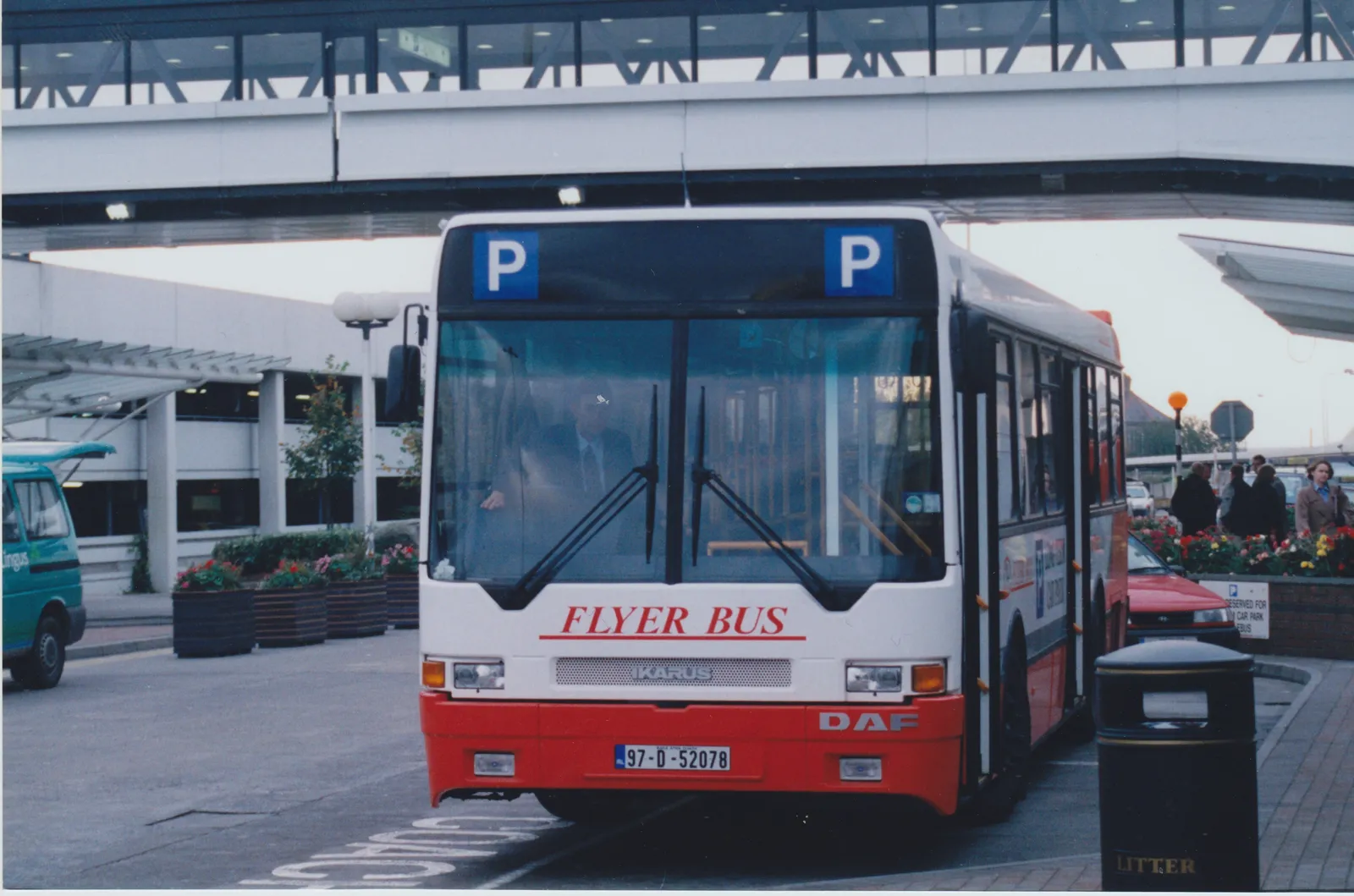
Many travelers forget to check the shuttle service’s schedule when booking. Not every airport shuttle service operates around the clock, and some have limited operating hours that may not align neatly with a late-night flight or a very early departure. This gap catches travelers off guard more often than it should.
A hotel like Ramada Suites Orlando Airport, for example, offers complimentary round-trip airport transportation operating daily from 4:30 a.m. to 1:00 a.m. That’s a wide window, but it still closes. Ignoring this detail can leave you stranded or running late, so when booking, make sure the shuttle schedule actually aligns with your flight times, keeping in mind the general rule of arriving at the airport at least two to three hours before departure.
Waiting at the Wrong Pickup Zone Wastes Everyone’s Time
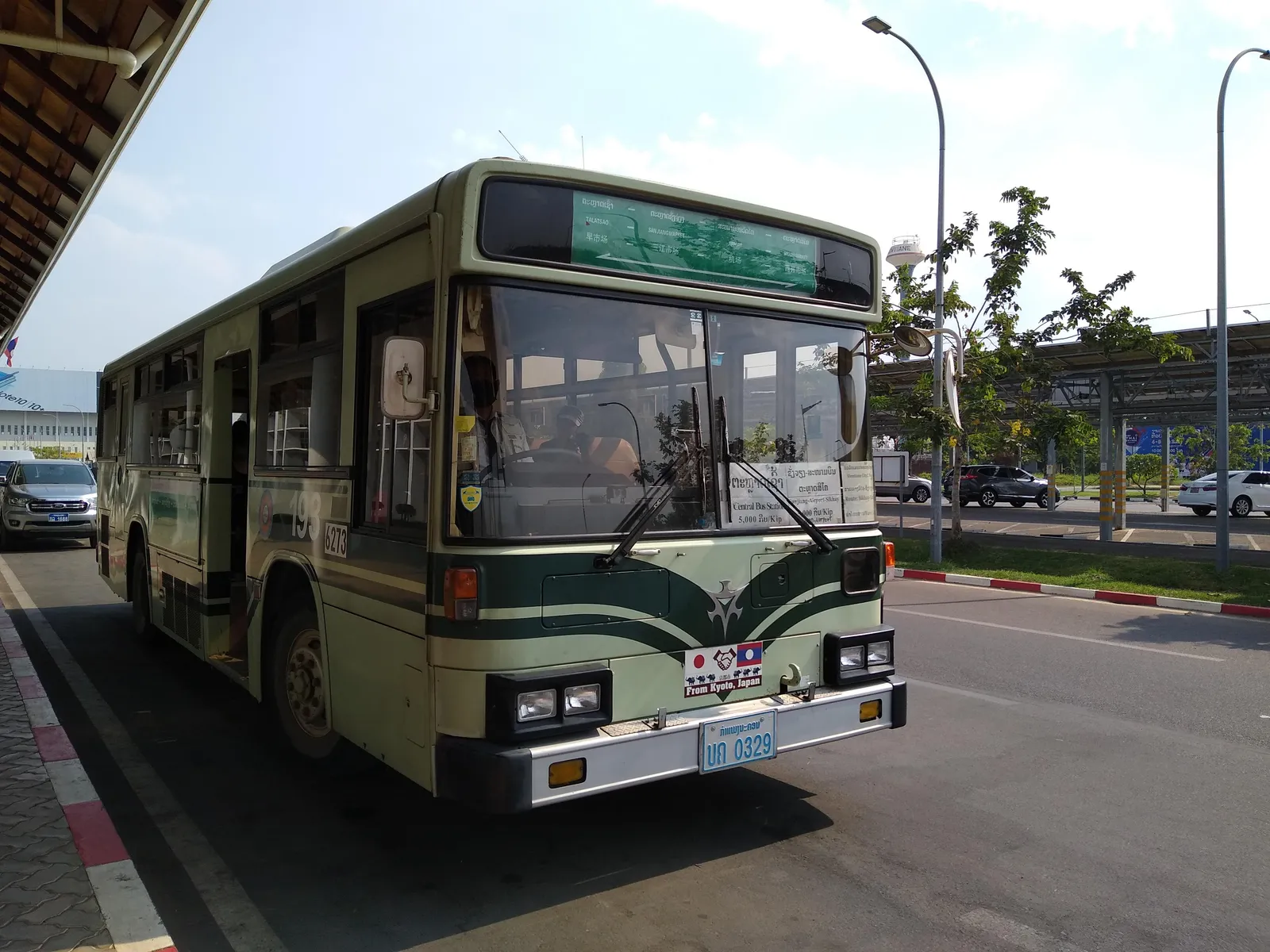
One of the most frustrating mistakes is assuming the shuttle will pick you up right at your door. While some services offer door-to-door pickups, others have designated pickup points, and many travelers forget to check this and end up waiting in the wrong location. Drivers circle back as best they can, but a missed window at a busy curb means delays for every passenger on the route.
Hotels that operate on-demand systems often require you to call first so they can direct you precisely. Once you’ve touched down and retrieved your luggage, the hotel determines your terminal location and directs you to the nearest shuttle pickup station before dispatching. Showing up at a random curb and expecting the van to find you is not a strategy that works consistently at larger airports with multiple terminals.
Ignoring Traffic Windows When Scheduling Departure Pickups

The return trip to the airport carries its own timing traps, and the biggest one is not accounting for traffic. One of the biggest mistakes travelers make is not factoring in local traffic, especially when traveling during rush hour or holidays in busy areas. A shuttle that runs like clockwork at 6 a.m. on a Tuesday may run 20 minutes late on a Friday afternoon.
Miami International, for instance, has the longest average departure delay of any major airport studied, and also has one of the longest average taxi-out times, meaning delays compound at both ends of the journey. The practical implication: when scheduling your hotel departure shuttle, factor in not just drive time but realistic traffic conditions for that specific time of day. Scheduling your shuttle to arrive earlier than you think you need can absorb those delays before they become a crisis.
Not Signing Up in Advance for Scheduled Departure Runs
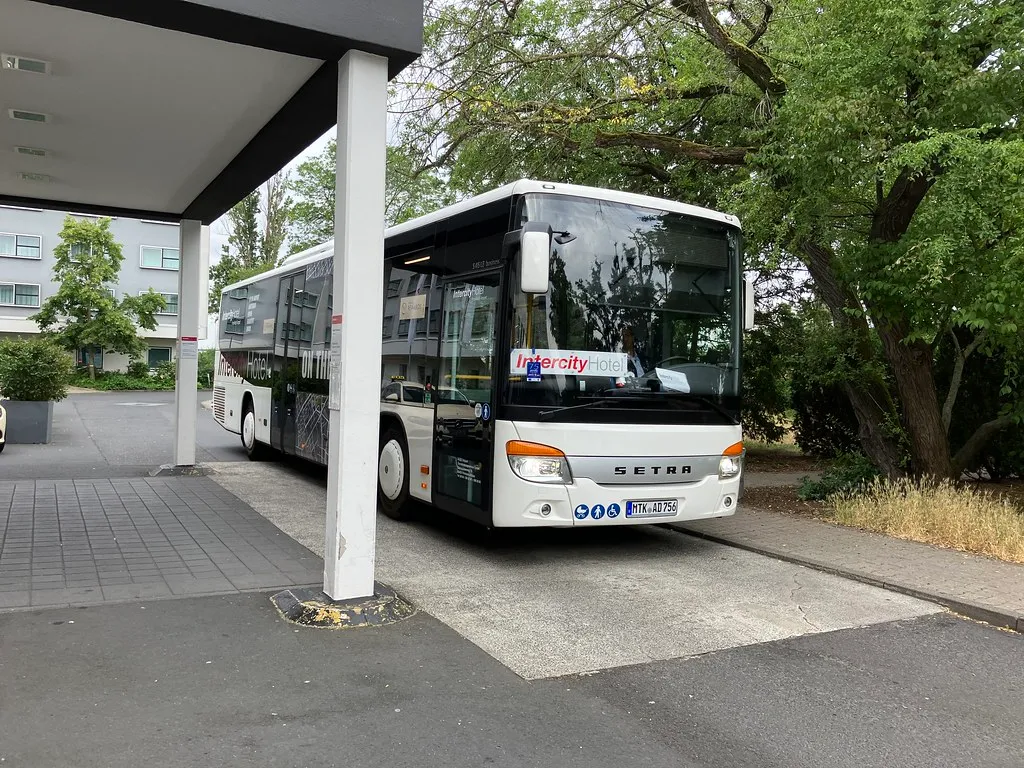
Many hotel shuttles that run on fixed schedules to the airport require guests to register their seat in advance, sometimes well before departure. Guests are typically asked to sign up at the front desk at least two hours before their required hotel departure time to guarantee a seat on the shuttle. Showing up without signing up often means waiting for the next run, which could make a tight connection even tighter.
Fixed departure schedules are common. Complimentary hotel airport shuttles often depart every 30 minutes between 4:30 a.m. and 10:00 a.m., with additional scheduled runs at midmorning and then on-demand service through the early afternoon hours. Missing your assigned window by even a few minutes may bump you to the next cycle, so early communication with the front desk is genuinely important, not just courteous.
Confusing “On-Demand” With “Instant”
On-demand hotel shuttle service doesn’t mean a vehicle appears at the curb the moment you call. It means the hotel dispatches one in response to your request. Pickup from the airport is typically an on-demand service, and the normal wait time runs 15 to 20 minutes, with potential delays during peak traffic periods. That’s a reasonable window, but it needs to be factored into your post-arrival schedule.
Travelers who race through baggage claim expecting a shuttle to be idling at the curb are almost always disappointed. The smarter move is to call the hotel the moment you collect your bags, then proceed calmly to the designated pickup area. That 15-to-20-minute window often fills itself naturally with the walk through the terminal and a short wait in fresh air rather than a frustrating standoff at an empty curb.
Switching Terminals Without Telling the Driver

Switching terminals without notifying the driver is one of the more disruptive errors experienced travelers still make. Gate changes, airline mergers, and reconfigurations mean that the terminal you arrived at may not be the one you expected. A shuttle driver dispatched to Terminal B who can’t find you is a driver who may have to circle the entire airport before locating you.
The fix is simple but requires attention. When a pickup location is unclear, call the shuttle service to clarify. Taking an extra minute to confirm is far better than missing the shuttle altogether. If you’ve moved terminals after your initial call, send an update immediately. Drivers navigating busy airport loops work with very tight curb-stop windows, and a quick message can save considerable time for everyone on board.
Underestimating How Much the Time of Day Shapes the Whole Experience
The hour you fly has a direct effect on your shuttle experience in ways most travelers never consciously consider. Very early morning and late-night pickups involve reduced shuttle frequency, smaller driver pools, and less hotel staff available to coordinate logistics. Early morning or late-night pickups are genuinely more demanding on drivers, operating outside standard hours and requiring an extra level of preparation and reliability.
Midday and early afternoon arrivals, by contrast, often benefit from more frequent shuttle rotations and better-staffed hotel front desks ready to handle coordination. For early morning or late-night arrivals specifically, booking well ahead ensures that service availability aligns with the hotel’s specific operating schedules. If you’re flying in at 11 p.m. or catching a 5 a.m. departure shuttle, a confirmed reservation and a direct conversation with the hotel front desk before you travel is worth more than any app or assumption.
The Takeaway

Hotel shuttle timing is one of those travel details that feels minor until it isn’t. The patterns that drivers observe every day, from premature calls to wrong curb positions to missed departure signups, are all rooted in the same optimistic belief that everything will just work out. Sometimes it does. Often, a small piece of preparation would have made it work out better.
The core principle is straightforward: call when you’re genuinely ready, book in advance, know where you’re supposed to be, and give the whole process more time than you think it needs. Airport shuttle drivers aren’t waiting to catch travelers out. They’re simply working within real constraints of curb regulations, traffic, and fixed schedules. Working with those constraints, rather than assuming around them, is what smooth arrivals are actually made of.
AI Disclaimer: This article was created with the assistance of AI tools and reviewed by a human editor.