
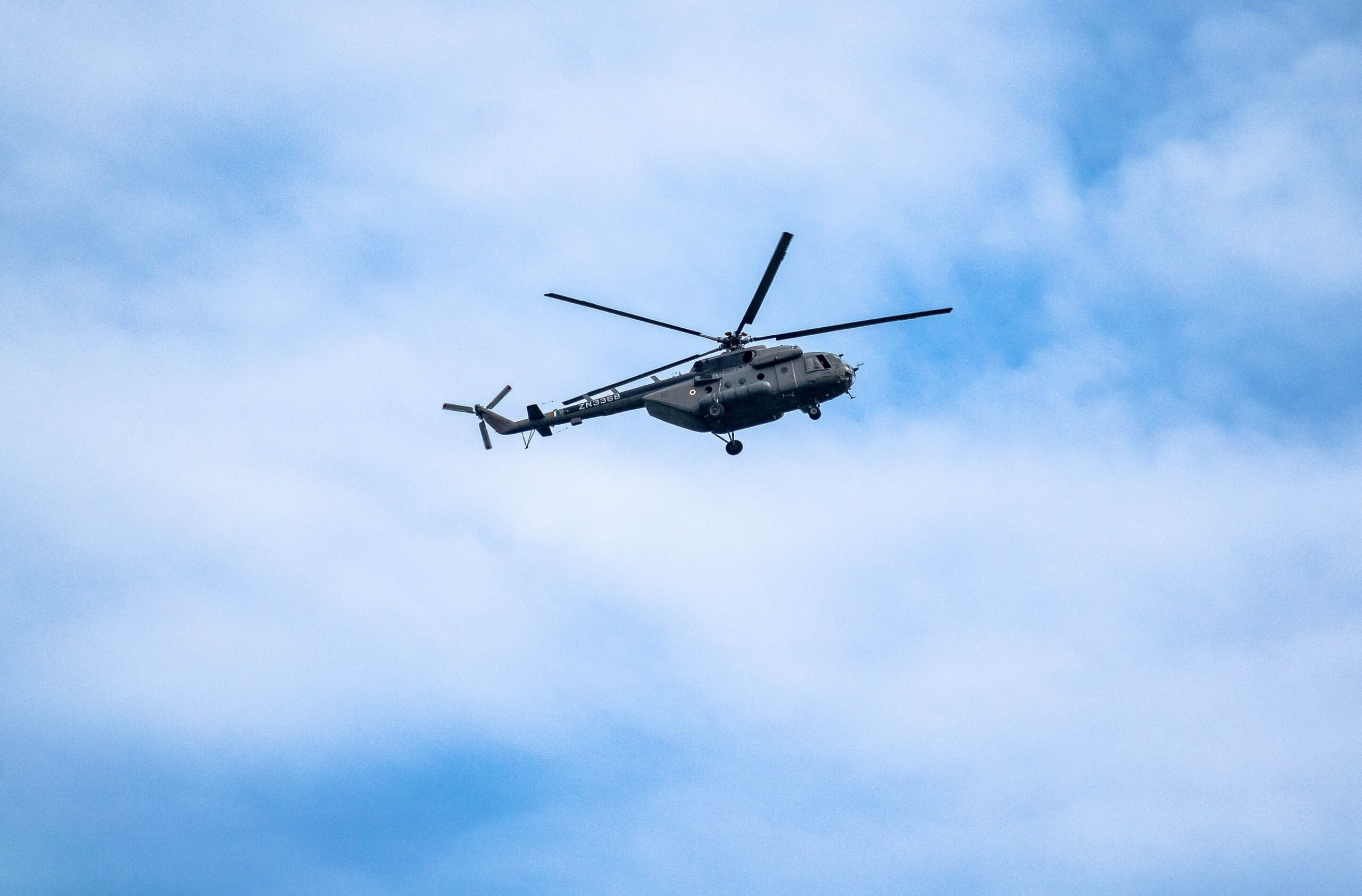

The Front Seat Next to the Pilot is the Gold Standard
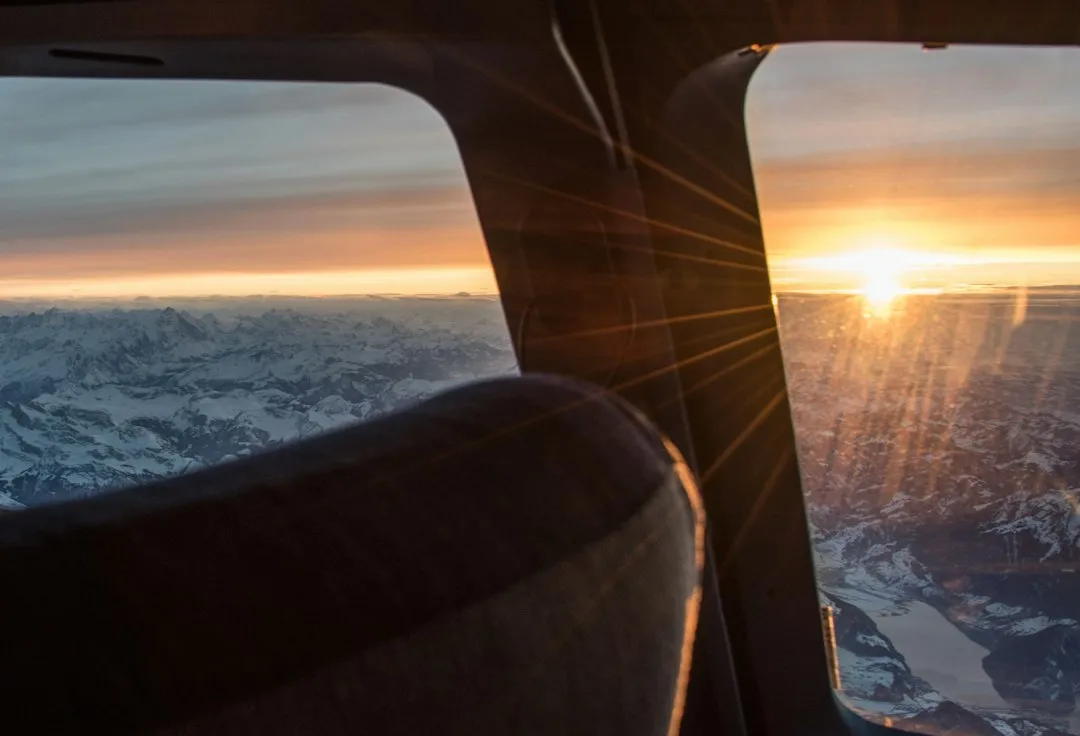
Most pilots agree that if you want the absolute best view, the front passenger seat is where you want to be. It delivers what many call a “pilot’s eye” view of everything ahead, including waterfalls and rainbows. The front row seats are typically the most desirable because passengers can see out without having to peer over a fellow passenger.
Window seats offer direct access to the landscape without another passenger between you and the glass, and the front seat beside the pilot provides the widest forward panorama, particularly effective for routes that follow a clear direction such as a canyon, coastline, or mountain range.
Tour veterans and frequent flyers consistently identify the front seat next to the pilot as the premium seat. The front seats also offer more legroom than the back seats, which adds a layer of physical comfort that quietly matters on longer flights.
The Right Side of the Aircraft Has a Consistent Edge
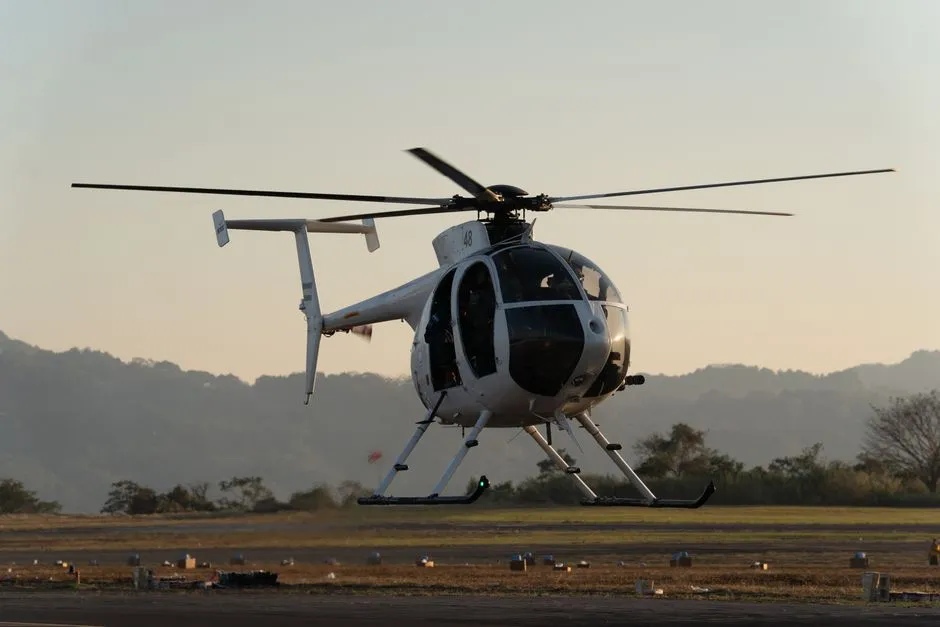
Most helicopter tour companies fly clockwise around the islands or terrain in question, which means requesting a seat on the right side of the aircraft, if at all possible, is genuinely worthwhile. Most of the best views tend to fall on the right-hand side.
Experienced flyers note that the front right and back right seats are the best because most of the scenery takes place on that side. The left back seat misses out on a direct view of much of the spectacular scenery, and while the pilot does turn the aircraft at times, they cannot constantly do so.
This right-side advantage is not universal across every route, but it holds true for Hawaii tours in particular, where the clockwise pattern around each island is a consistent operational standard. Asking your operator which side faces the key landmarks is always a fair question at check-in.
Why Weight Determines Your Seat, Not Your Preference
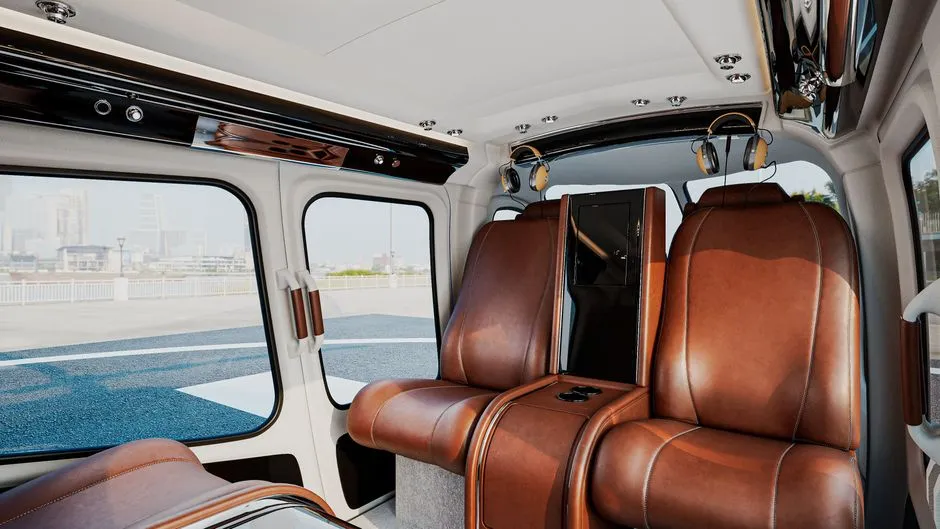
During a helicopter tour, the seating arrangement is determined by the weights of individual passengers. This optimum weight distribution helps the pilot keep the helicopter balanced during the flight, which is why passengers are requested to provide their weights when booking helicopter tour tickets.
Having control over your seats on any aircraft is really in the helicopter company’s hands. They base seating on weight, and rarely will they split up a couple, but weight is the deciding factor over being in the front or the back.
Per FAA regulations and in the interest of passenger safety, all passengers must be weighed upon arrival. Weights for all guests are requested at the time of booking, and their accuracy is essential. To ensure safety, operators weigh all guests at check-in, and if a guest cannot fly due to an inaccurate weight provided at booking, no refund will typically be made. It’s not a judgment call. It’s physics and federal compliance.
The Rear Window Seat is Genuinely Excellent for Photography
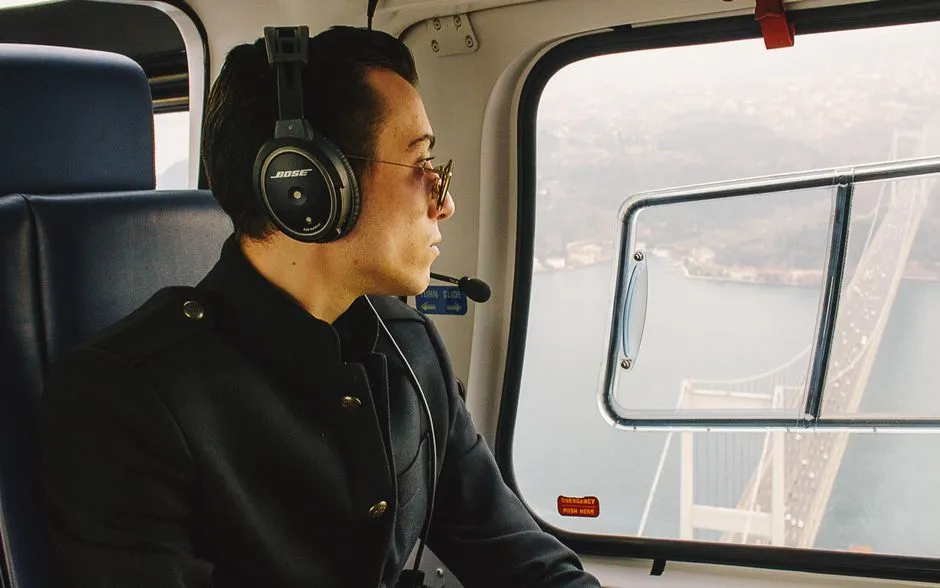
Passengers seated in the window seat at the rear of a six-person helicopter report an excellent view for photography. The view from the middle is “okay,” but for taking photos you really need a window seat.
Some experienced flyers have noted that taking pictures from the rear seat actually produced more clarity than from the front seat. The reason makes sense when you think about it: rear window passengers can brace against the seat in front and avoid some of the vibration that affects forward-facing shots.
The window seat on the correct side of the aircraft for the key scenery in your route is typically the most useful photography position overall. In other words, right side rear window can compete with the front seat on specific routes where forward visibility matters less than lateral views.
The Middle Seat Is the One to Avoid If You Can
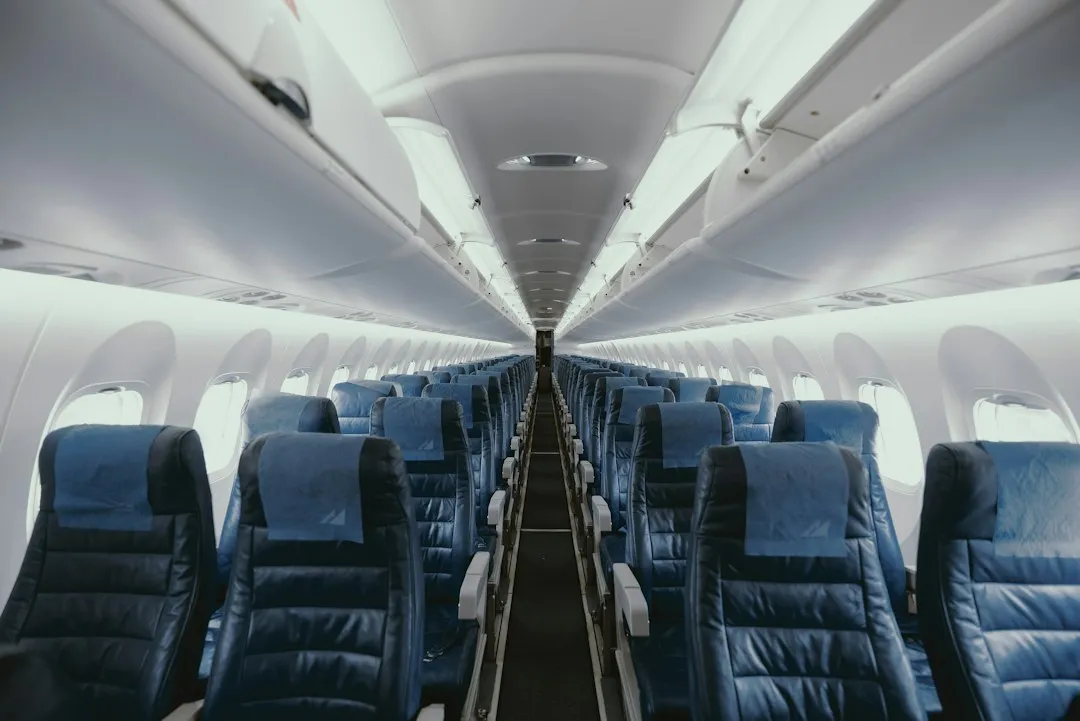
Two people seated in the back middle are not going to have the greatest view. They will most likely be the two passengers who least enjoy the flight, as they will have a limited view. A middle seat in the rear is really a poor place to take photographs from, and some passengers in that position have found the experience so disappointing they refused future helicopter rides.
Middle seat passengers do not have the unobstructed views that other passengers enjoy, the experience is not nearly as thrilling, and the seating is often physically cramped. That said, the view is not zero. A seat in the middle is better than no seat at all, and passengers seated there do still get to see the sights.
Some operators will try to accommodate middle-seat passengers by adjusting the flight path slightly or tilting the aircraft. A considerate pilot will sometimes lean back or make small adjustments to aid in viewing for those less favorably seated.
Some Operators Now Let You Buy the Front Seat Outright
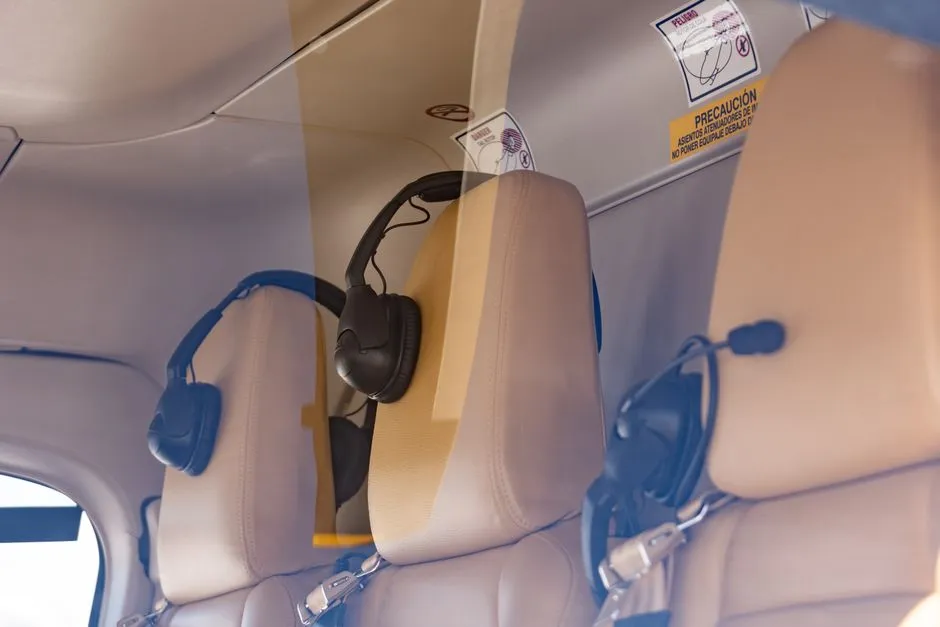
Certain operators now offer the two front seats as an additional purchase. At Air Maui, for example, the front seats can be purchased for an additional fee per couple, though they come with a combined weight restriction and can only be bought as a pair.
This is a meaningful shift in how tours are structured. Rather than leaving seat assignment entirely to weight-based chance, passengers who genuinely care about the front row can pay a premium and plan accordingly. It removes a layer of uncertainty that has frustrated travelers for years.
Seating is generally assigned by operators based on weight balance, but if photography or a specific view is important to you, mentioning it at check-in or when booking is a practical step that can sometimes make a difference. Operators who hear the request early have more flexibility to work with it.
Doors-Off Tours Change the Entire Equation
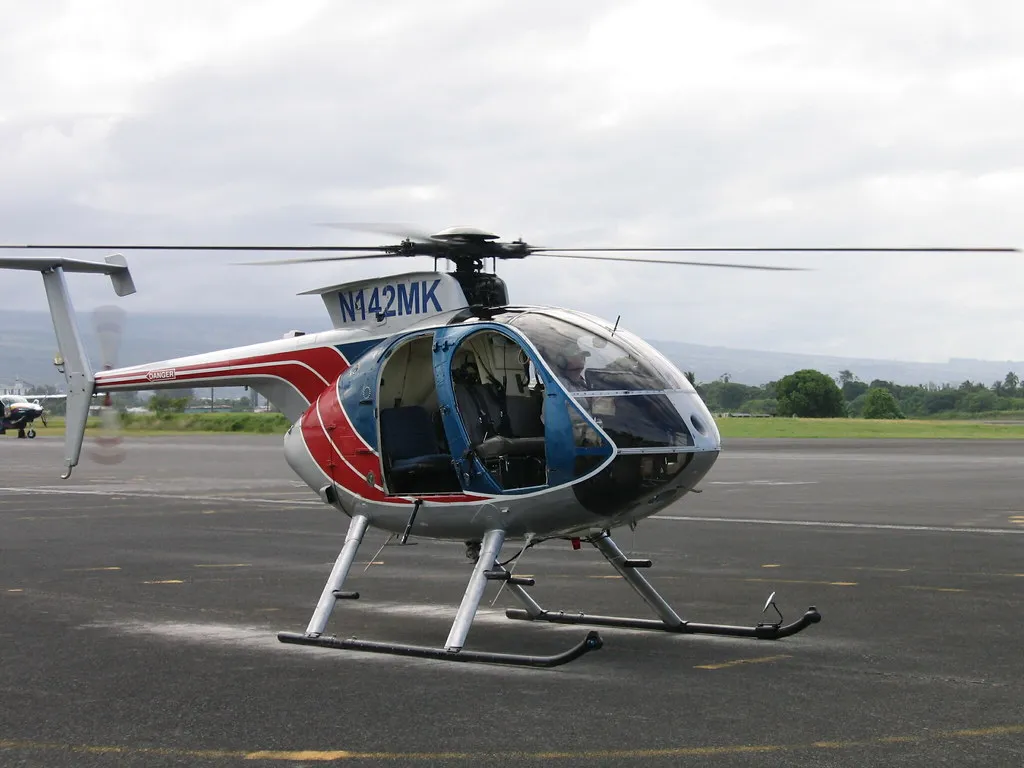
Having done both doors-on and doors-off tours, many passengers conclude that the doors-off experience is the clear winner. Without the door in place, you can look down below the helicopter, giving you significantly more visibility in all directions.
On the Hughes 500 and similar smaller aircraft, some companies offer flights with the doors off, which eliminates the window concern entirely. Glare, reflections, and the frustrating angle limitations of shooting through glass all disappear. Requesting a doors-off tour is one of the most effective ways to get completely reflection-free shooting.
Many experienced passengers identify the front right seat on a doors-off tour as their personal ideal, because you can look out both the front and the side of the helicopter simultaneously. That combination of forward and lateral visibility is genuinely hard to beat.
The Pilot’s Position Affects What You See From Every Seat
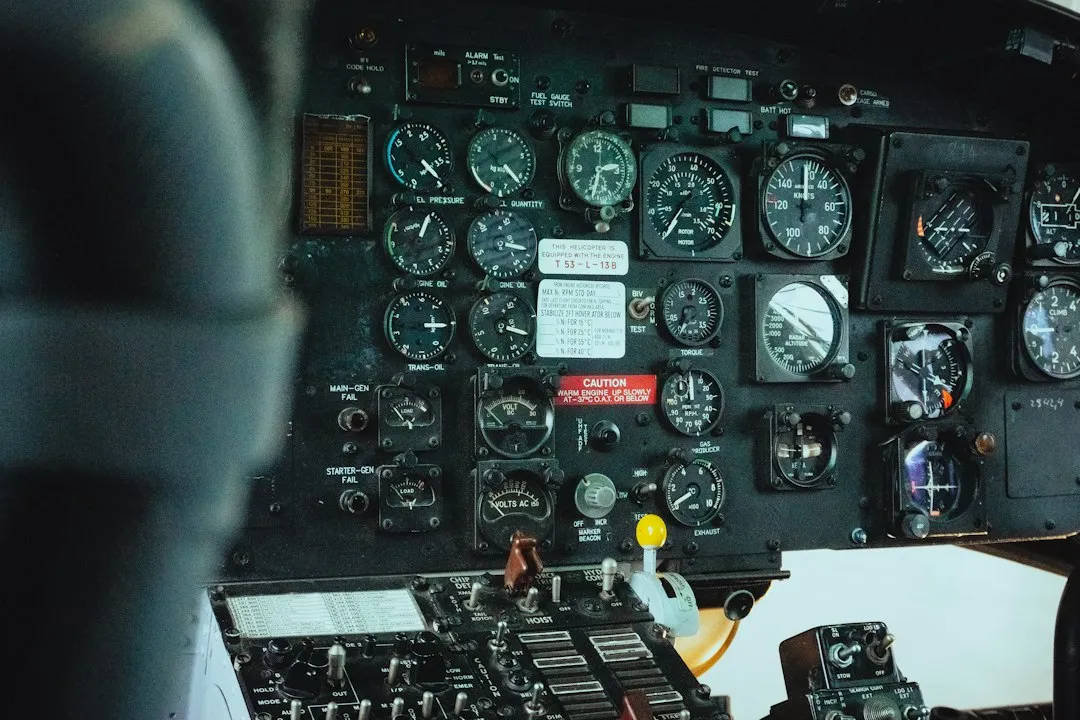
Most helicopters are flown from the right seat for reasons of cockpit layout, pilot duties, and historical convention. This matters for passengers because it means the pilot sits to the right in the cockpit, which can sometimes partially affect the view from the adjacent front-left passenger position on certain aircraft types.
The pilot may adjust the aircraft position, slow slightly, or turn to give passengers better views of specific landmarks during the tour. A skilled and attentive pilot can meaningfully compensate for the structural disadvantages of less favorable seats, tilting the aircraft gently to open up a view that would otherwise be blocked.
This is one reason why the pilot’s attentiveness is consistently mentioned in passenger reviews alongside seat position. The two factors work together. A great pilot in a well-configured aircraft can elevate the experience from almost any seat on board.
The Aircraft Model Matters as Much as the Seat Number
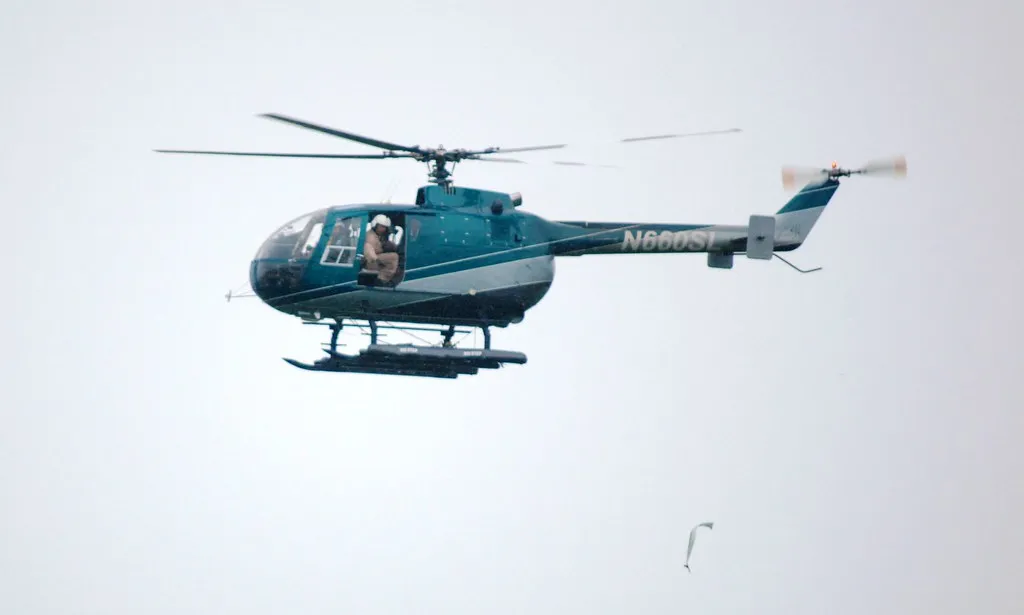
If you have to choose between the Airbus A-Star and the Eco-Star, selecting the Eco-Star is generally the better call. It has more room, larger windows, and is quieter. The window size alone changes how much of the landscape is actually visible from any given seat.
Most tour helicopters carry up to six passengers, typically in an A-Star or Eco-Star configuration, unless the tour uses a Hughes 500, in which case the capacity drops to four passengers. Smaller aircraft tend to offer a more intimate experience, with fewer passengers competing for the best angles.
On the Hughes 500 specifically, the back seats offer more space and better views than the front position, which is an inversion of the usual rule. Knowing your aircraft model before you fly gives you a real advantage when it comes to understanding which seat to request.
What Experienced Passengers Actually Do Differently
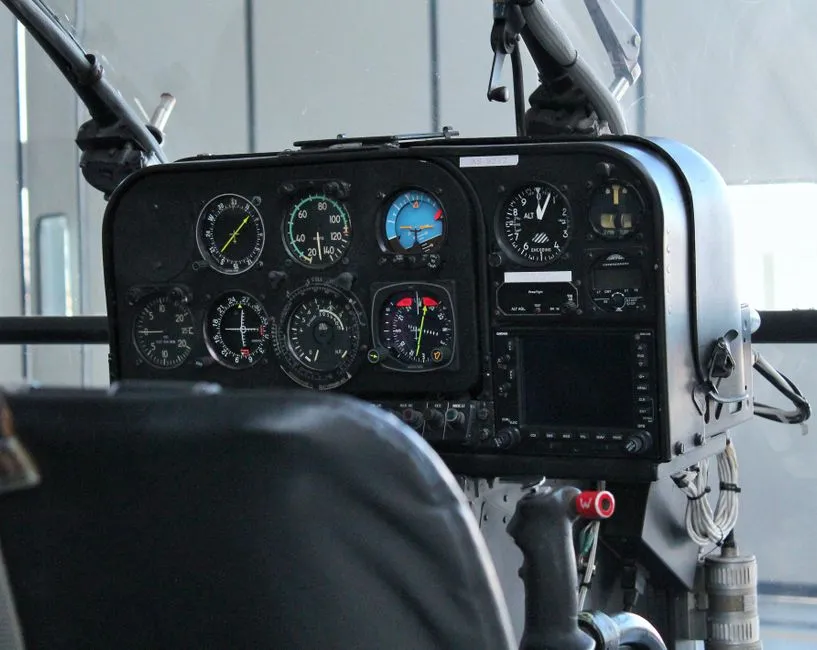
One of the most practical pieces of advice from seasoned helicopter tour travelers is straightforward: know where you’re sitting before you take the flight. Calling ahead, stating a preference at booking, and arriving early enough to have a conversation at check-in all improve your odds of landing the seat you want.
The seating in a helicopter is determined by the weights of all passengers traveling together. You can request a specific seat, but if it doesn’t fit the pilot’s calculations of weight balance, you may not get it. Accepting that reality calmly, and making your request anyway, is the right approach.
Experienced flyers also make a point of looking down as well as out. The ground directly below changes constantly and is often as visually interesting as the horizon. That habit alone can transform a middle or rear seat from a disappointment into a genuinely memorable perspective on the landscape below.
The Takeaway
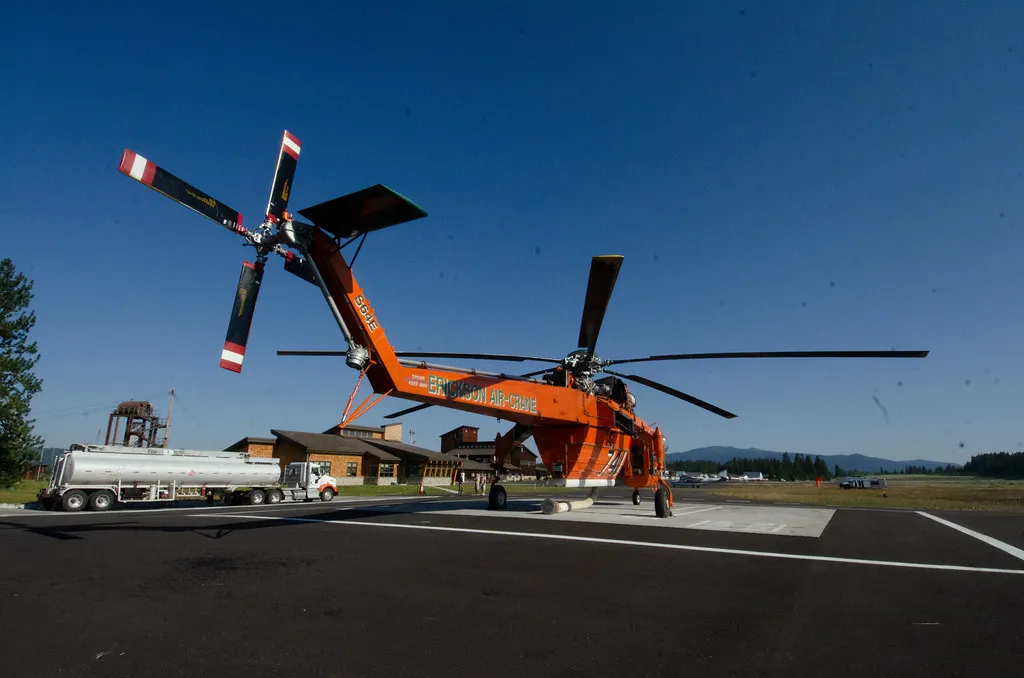
The front right seat on a clockwise-routing helicopter, ideally on a doors-off tour, is the clear consensus choice among pilots and experienced passengers alike. That said, the rear window seat on the right side is a surprisingly competitive alternative, especially for photographers who value stability and clarity over the widest possible field of view.
Weight will always have the final say on where you sit, so the smartest move is to communicate your preference early, understand the aircraft you’re flying, and arrive knowing which side faces the main attraction. The difference between the best seat and an average one is often just a phone call made a few days before departure.
Every seat in the air beats any seat on the ground. But if the pilots and the frequent flyers are telling you the same thing, it’s worth listening.
AI Disclaimer: This article was created with the assistance of AI tools and reviewed by a human editor.