
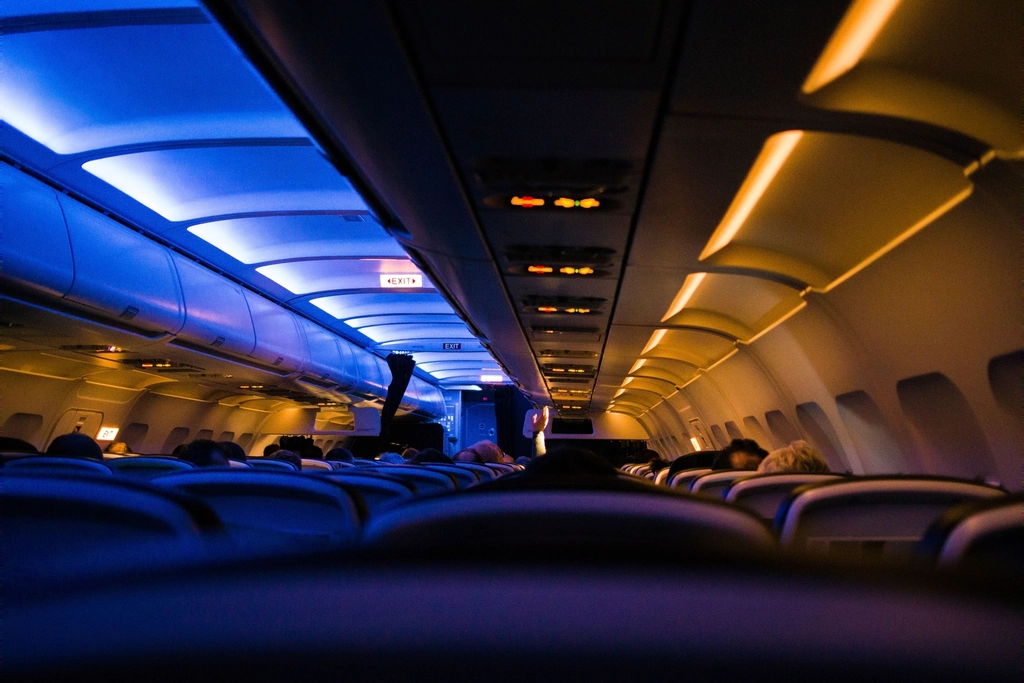
The Low Hum You Hear While Boarding
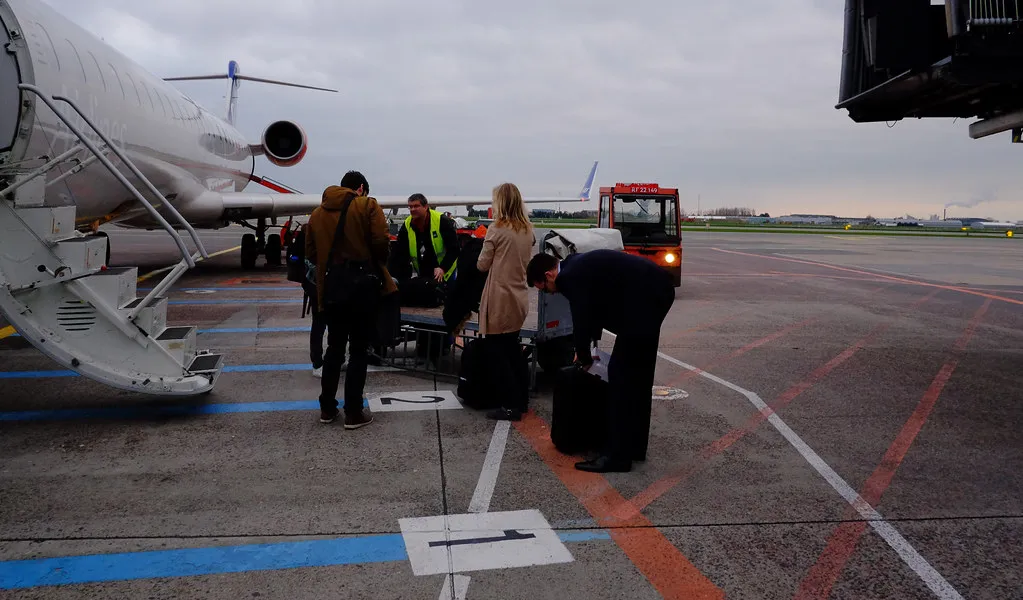
Step onto a plane before the main engines have started and you’ll notice a faint, steady hum filling the cabin. That high, steady whir during boarding is usually the Auxiliary Power Unit, or APU, a small engine in the tail that supplies electricity and air conditioning while the main engines are off. It’s essentially keeping the lights on and the cabin comfortable while passengers settle in.
The quiet of the jet bridge helps amplify this sound once passengers step inside the aircraft. It isn’t something alarming – it results from an engine function that keeps the lights, electrical systems, and panels running before the plane’s main engines are engaged. Think of it as the aircraft simply waking up, the same way a computer runs background processes before you open a single window.
The Whirring Grind of Flaps Before Takeoff
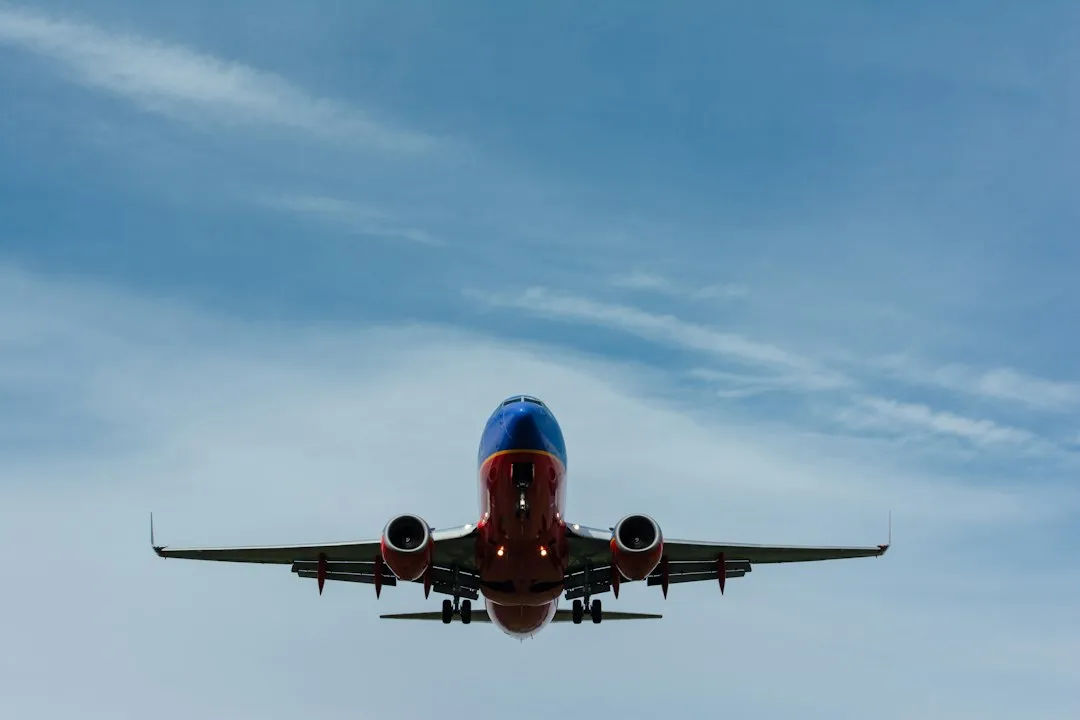
Before takeoff, pilots extend the wing flaps and leading-edge slats to increase lift for departure. You will hear a distinct whirring or grinding sound from the wings – this is the hydraulic motors driving the flap and slat mechanisms. If you have a window seat over the wing, you can actually watch the flaps extend.
As the plane prepares to take off, flaps on the wings are extended as part of the process, and this explains the whirring sound, similar to a giant blender, that you’ll hear as they move into position. It’s not a malfunction. It’s a deliberate, calculated step that makes the wing larger and generates the extra lift needed for a safe, controlled departure.
The Thumping Roll Down the Runway
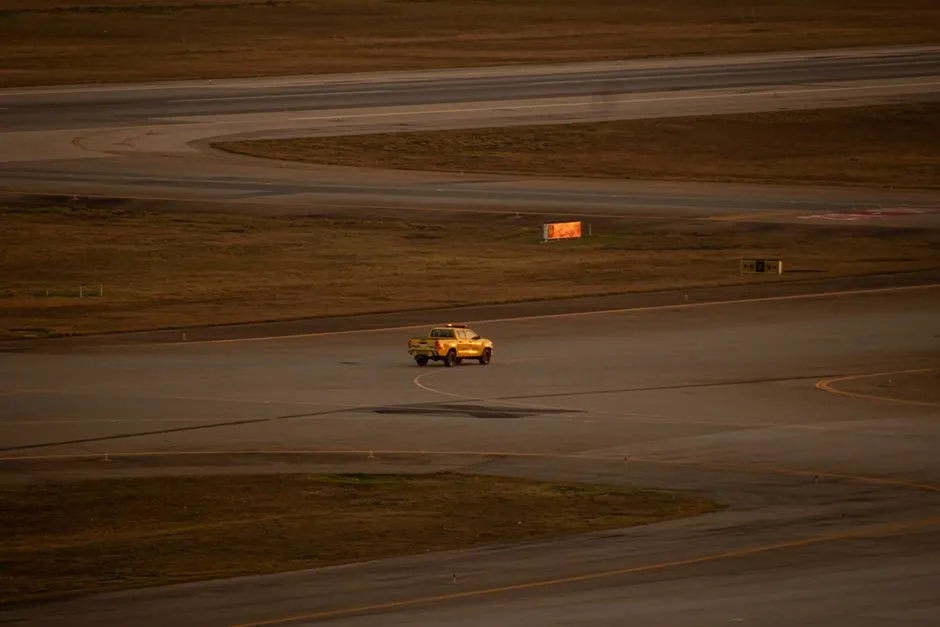
The thumping sounds passengers hear during the takeoff roll are caused by runway centerline lights, which are critical for navigation and safety. The thumping indicates that the aircraft is in the center of the runway, in a very safe zone. These lights are embedded into the pavement to guide pilots, and the nose gear rolls directly over them.
The banging stops once the nose gear lifts off the ground and the aircraft becomes airborne, at which point things become noticeably quieter. It’s one of those sounds that feels alarming precisely because passengers don’t know what’s causing it. The reality is entirely reassuring.
The Heavy Thump Right After Liftoff
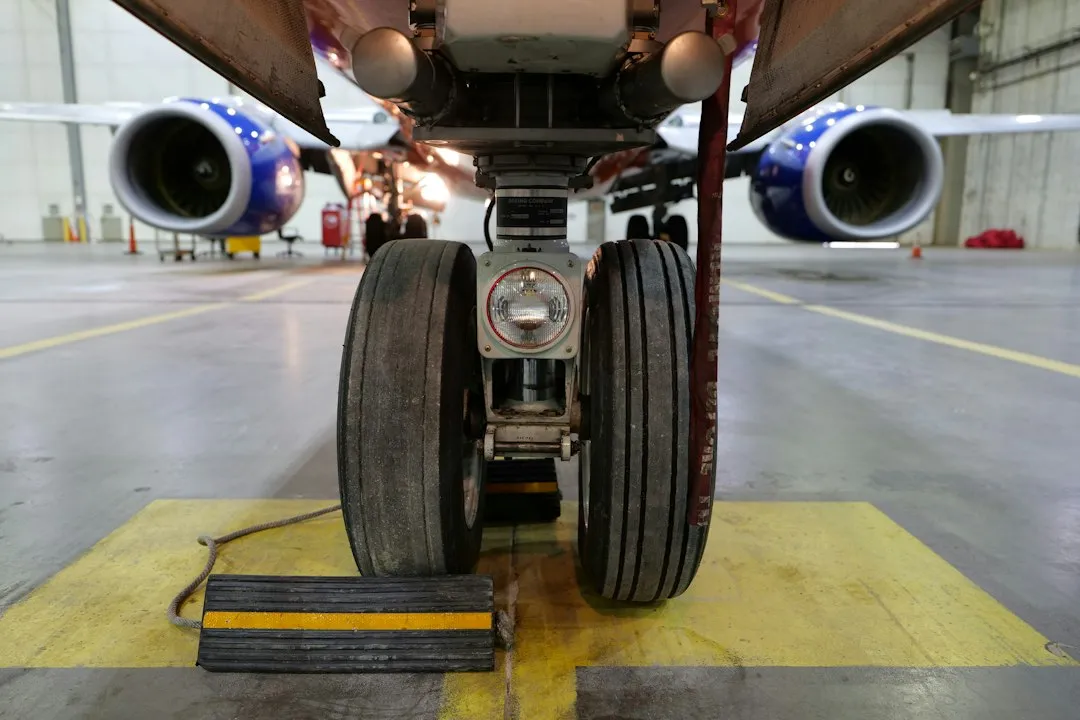
This one surprises almost everyone the first time. Seconds after the wheels leave the ground, you will often hear two heavy thumps followed by a reduction in wind noise. That is the landing gear retracting and the gear doors closing. People sometimes read this as something falling off. It is the opposite: the aircraft tidying itself up to fly cleanly.
Unlike a car, the wheels aren’t always needed and are tucked into the plane’s body during flight, since they serve no purpose in the air and would create extra drag by being left in the down position. When they fold back into place, pivoting like a section of origami paper, the compartment doors close over them, causing the thump. It takes roughly ten to fifteen seconds from start to finish and happens on every single commercial flight.
The Engine Going Quiet Shortly After Takeoff
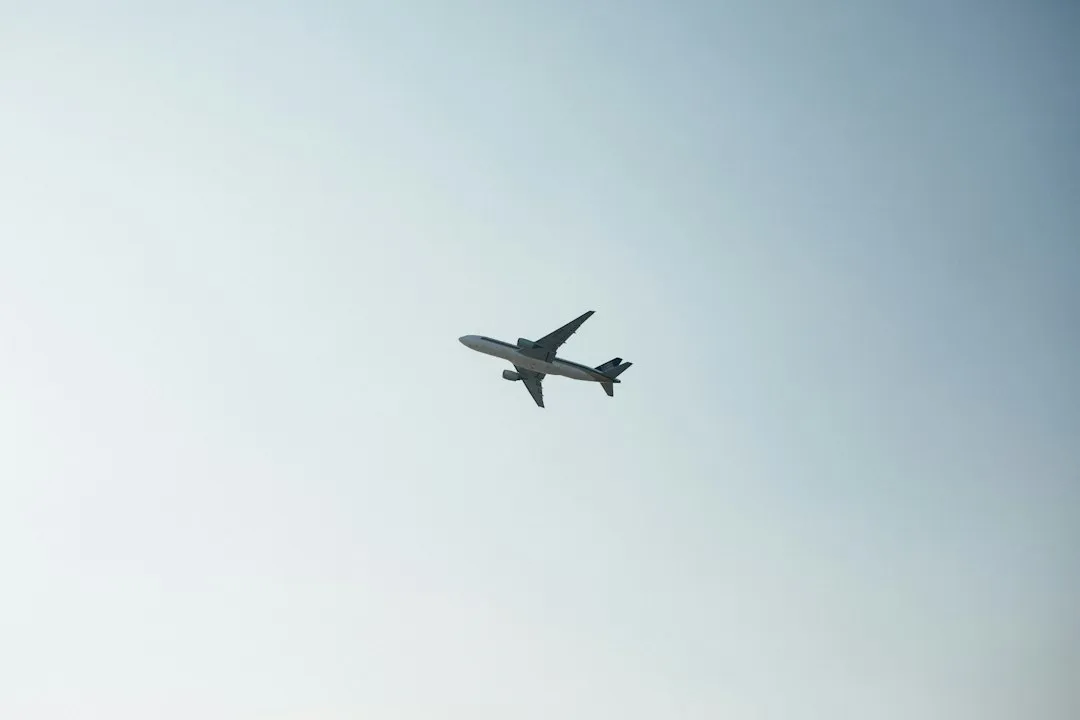
Many passengers feel a quiet wave of panic when the engine noise drops noticeably just a minute or two after takeoff. The engines go quieter about a minute after takeoff, but that change simply marks the crew reducing power once the aircraft has climbed away safely. It’s a deliberate, procedural move, not a sign of trouble.
The engine note may drop noticeably during this phase. This is a routine thrust reduction once the plane is safely climbing, often done partly to reduce noise over neighborhoods below. Pilots often refer to this as the “noise abatement procedure,” and it’s scheduled in advance as part of every standard departure profile.
The Cabin Chimes at Various Points During the Flight
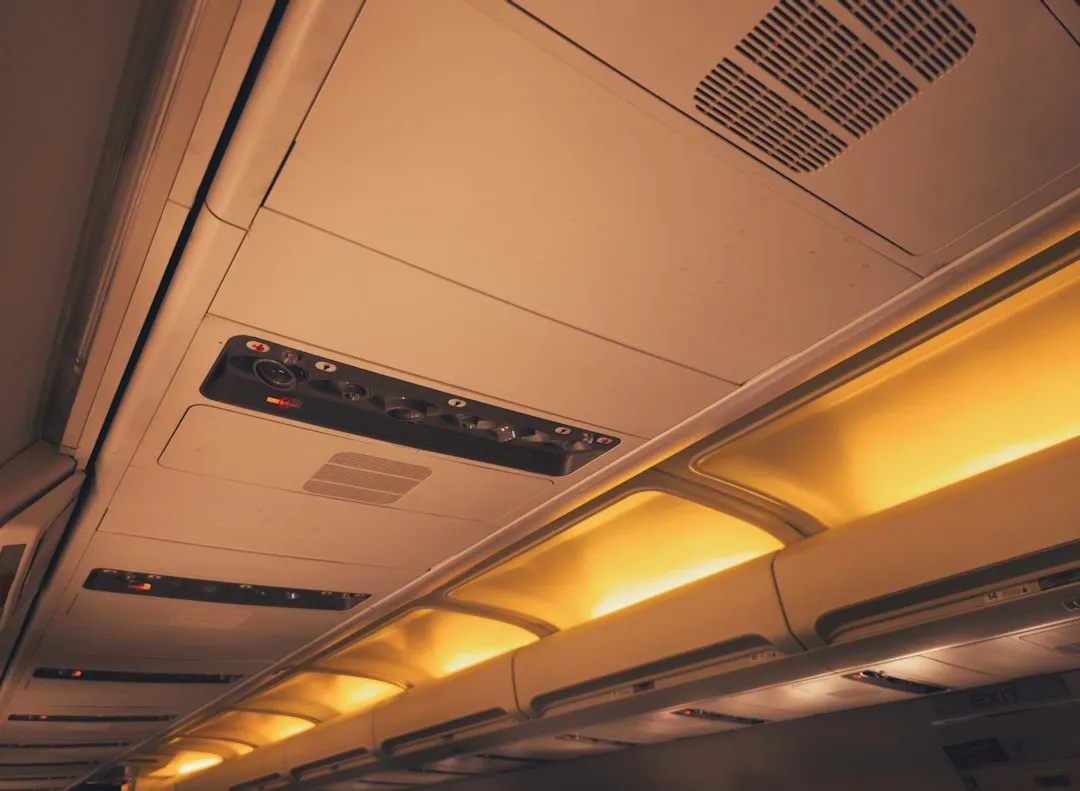
Cabin chimes are crew communication, not alarms. A single ding, a double chime, a high-low tone – these are the crew’s internal phone system, not emergency signals. They carry specific meanings that vary slightly between airlines, but none of them are cause for alarm when heard in normal flight.
One chime in particular is worth knowing. Many aircraft sound a tone as they climb through 10,000 feet. It marks the end of the sterile cockpit phase, the critical low-altitude window when pilots avoid all non-essential tasks. The same tone often sounds again on the way down. Far from a danger signal, it tells you the most demanding parts of the flight are behind you, or that the crew is now fully focused for the approach.
The Barking Dog Sound on Airbus Aircraft
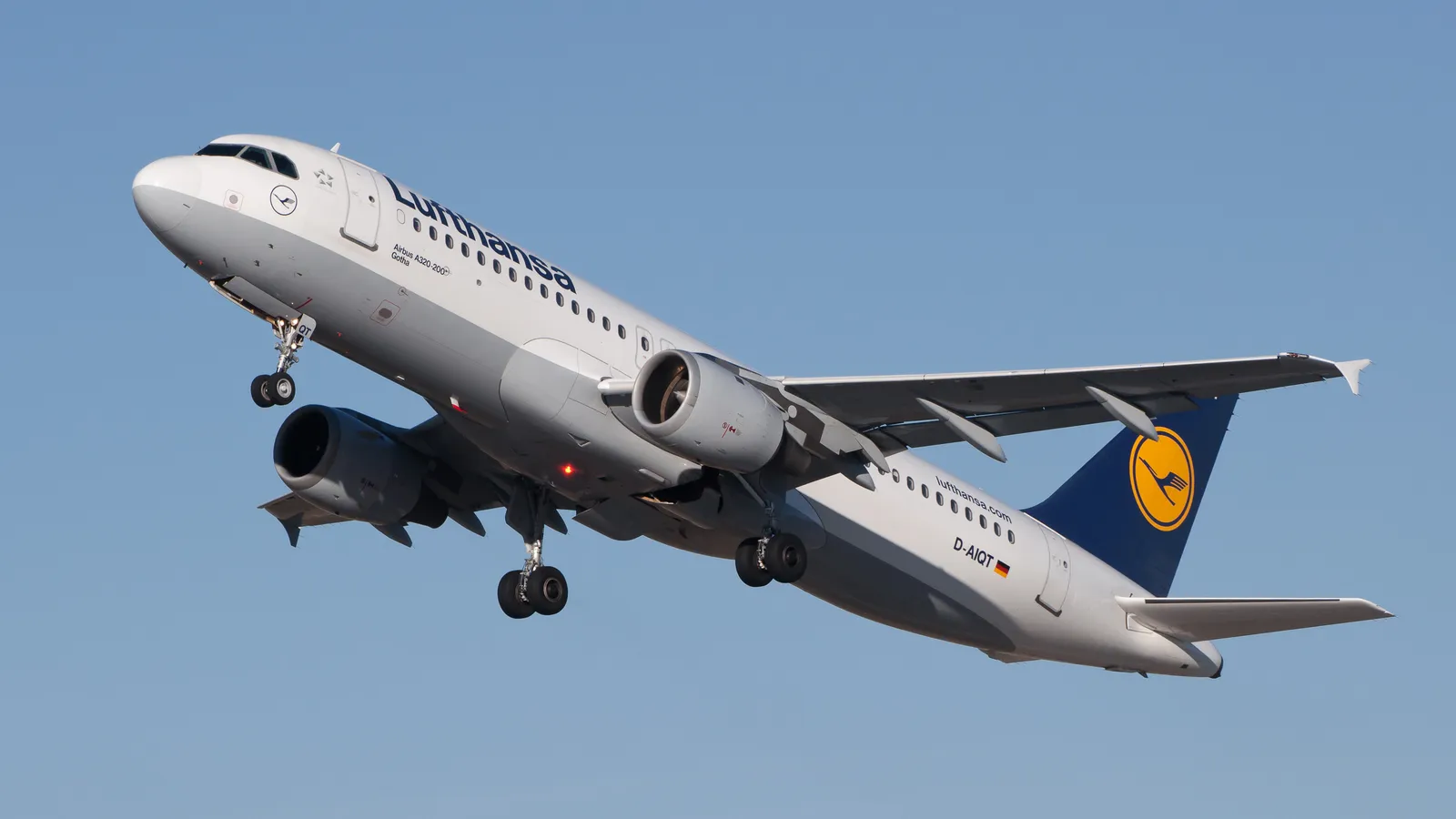
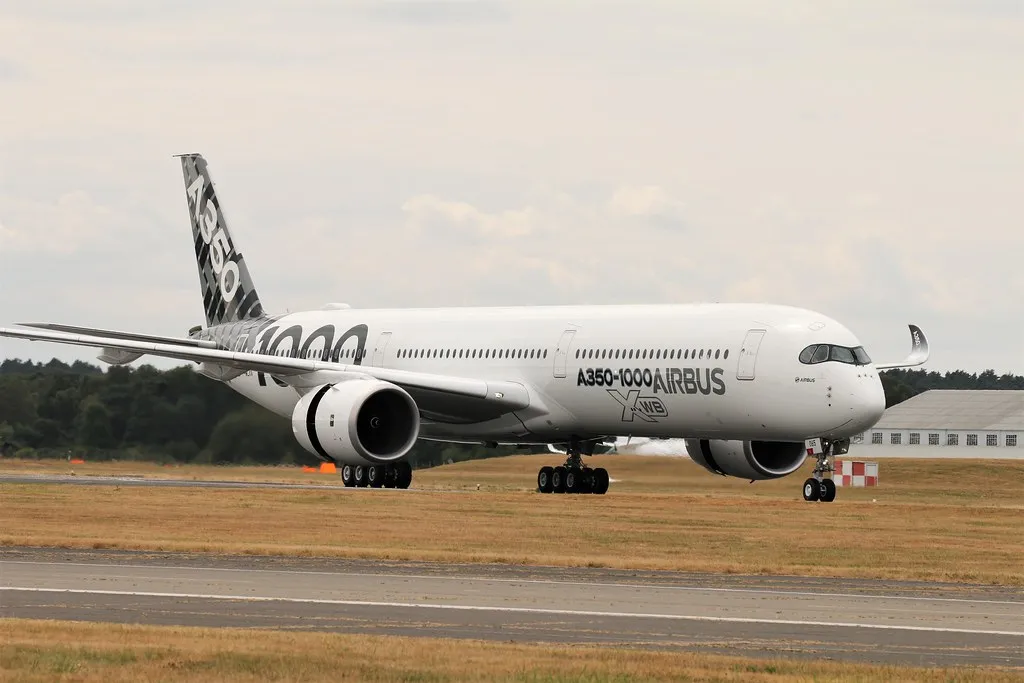
If you’ve ever flown on an Airbus A320 or similar aircraft and heard what sounds unmistakably like a dog barking from somewhere beneath the cabin floor, you’re not imagining things. The barking noise heard on Airbus A320 and A330 aircraft is caused by a hydraulic pump called the Power Transfer Unit, or PTU. It operates automatically when the hydraulic pressure drops below a certain level. The barking noise is not a sign of any engine problems and is not dangerous. It can be slightly irritating for passengers, but it is a normal part of the aircraft’s operation.
The PTU is an auxiliary source that activates when there’s a pressure difference of 500 pounds per square inch or more between those hydraulic circuits. Since the PTU tests itself when the engines are started and again upon landing, those are the two most likely times you’ll hear the barking noise. Once both engines are running at full capacity, the barking is more prevalent on the ground during engine start or shutdown when the main hydraulic pumps aren’t yet at full capacity. Once you reach cruising altitude and the engines are at full power, the PTU rarely needs to intervene, and the sound is usually masked by the hum of the engines.
Creaks and Groans During Cruise
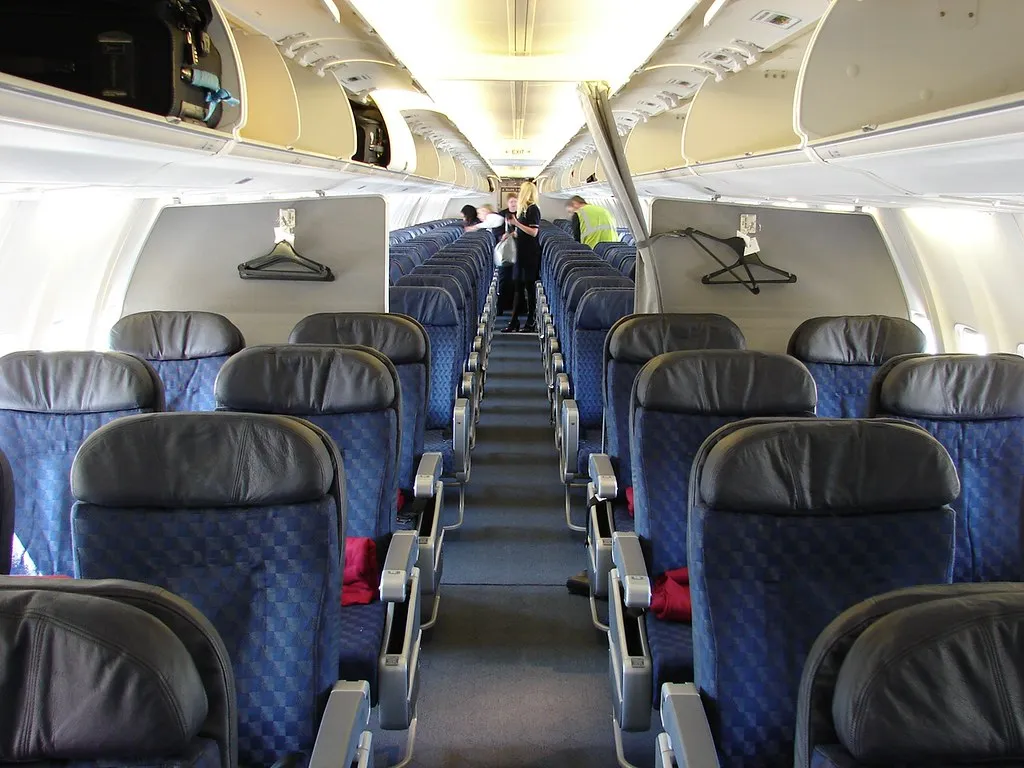
At cruising altitude, the cabin settles into a steady ambient hum punctuated by occasional pops, creaks, or groaning sounds from the fuselage. At cruise altitude, the engine sound is a steady, moderate hum. Occasional creaks and groans are structural sounds – the aircraft skin responding to temperature differentials, similar to a house settling. Commercial jets operate in extremely cold air at altitude, and the metal expands and contracts in response.
As you climb, your ears might pop, and you might hear occasional creaking or popping sounds from the cabin structure. These are entirely normal acoustic byproducts of the pressurization cycle working as designed. The aircraft is built to flex and respond to these forces on every single flight.
The Groaning and Thumping During Descent
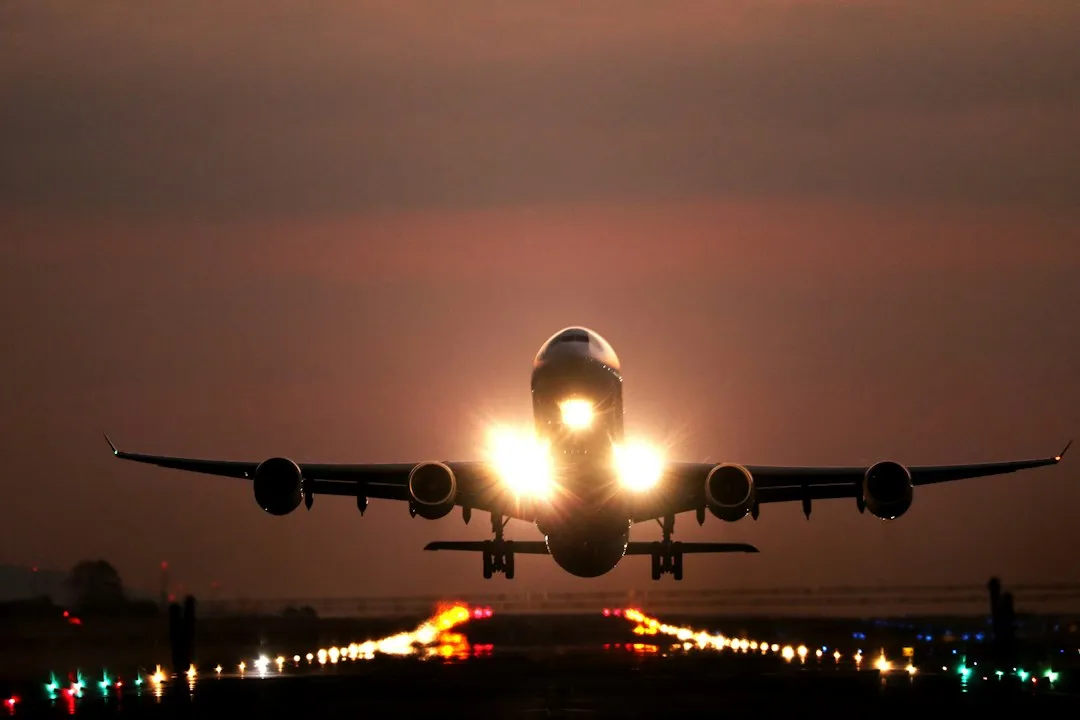
Descent brings its own acoustic sequence, and it can feel busy and unsettling if you don’t know what’s happening. This phase is followed by groaning and some banging, hinting that the compartment doors for the wheels are opening and the wheels are coming down to lock into place. Just before landing, there will be more whirring and vibrating when the spoilers and flaps in the middle of the wing are raised.
You might hear an air buffeting noise or feel a subtle deceleration and light bumps during descent. That’s the speedbrakes or spoilers deploying on top of the wing to reduce speed and increase drag. It might feel like a drop in power or a loud whoosh, but it’s completely normal and visible if you have a window seat. The crew is actively managing the aircraft’s energy, slowing it down methodically well before it touches the runway.
The Roar of Thrust Reversers on Landing
Nothing on a commercial flight sounds quite as dramatic as the sudden, thunderous roar that erupts the moment the wheels touch down. On landing, the roaring sound is thrust reversers deploying – engines redirecting thrust forward to help slow the airplane. It’s one of the most powerful sounds in the entire flight sequence, and one of the most purposeful.
Combined with the brakes and the wing spoilers that pop up simultaneously, thrust reversers are part of a coordinated, systematic effort to shed speed quickly and safely. The whole sequence, loud as it is, represents the aircraft’s systems performing exactly as designed. Planes operate using multiple mechanical systems, and as the components of these systems move, various noises will occur. Depending on where you’re sitting on the plane, some of the sounds might be louder than others. These noises are expected during regular operations and are not cause for concern.
What It All Adds Up To
Commercial aviation is extraordinarily safe, and the sounds that fill a cabin from gate to gate are almost entirely the sound of precision engineering doing its job. Every thump, whir, bark, and creak maps to a specific system, a scheduled action, or a routine mechanical response. The aircraft’s designers anticipated all of them.
Fear of flying is real and valid, and understanding the mechanics behind these sounds doesn’t erase anxiety overnight. Still, knowing that the thumps after liftoff are the landing gear retracting, or that the barking under an Airbus is a hydraulic balancing act, or that the quieting engine is simply a planned power reduction – all of that knowledge quietly rewires how you experience the flight.
The next time a sound catches your attention in the air, the most grounded question you can ask yourself is a simple one: has this been happening on every flight you’ve ever taken? For nearly all of these noises, the answer is yes. You just didn’t have a name for them before.
AI Disclaimer: This article was created with the assistance of AI tools and reviewed by a human editor.