

The first time I crossed the Drake Passage was in 2022 aboard a short expedition voyage that carried me down the Antarctic Peninsula. Landings came in quick succession, each one a brief window into a vast, ice-bound world. A later season spent living and working at Port Lockroy offered a slower, more intimate view of the same coastline and the wildlife that depends on it. ([1])
Crossing the Drake and First Impressions
The Drake Passage sets the tone for any journey to the Peninsula. Rough seas give way to calmer waters near the South Shetland Islands, and the first sight of icebergs signals arrival in a different realm. On that initial voyage the schedule moved steadily from one landing site to the next, each stop revealing new stretches of coastline and colonies of penguins and seals.
Those early visits left strong visual memories: steep snow-covered slopes, clear blue bays, and the constant motion of seabirds overhead. The pace was brisk by necessity, shaped by weather windows and the logistics of a ship-based itinerary.
Settling into Port Lockroy
Returning for an entire season changed the rhythm entirely. Port Lockroy sits on Goudier Island in a sheltered harbor on the western side of the Peninsula. Living there meant waking to the same landscape day after day rather than moving on after a few hours. Daily routines revolved around monitoring wildlife, maintaining historic structures, and observing how the environment shifted with the advancing season.
The extended stay allowed patterns to emerge that a shorter visit could not capture. Penguin chicks grew and fledged, seals hauled out on the same rocks repeatedly, and the light changed in subtle ways as summer progressed. These observations came from simply being present rather than from scheduled excursions.
Wildlife in Close View
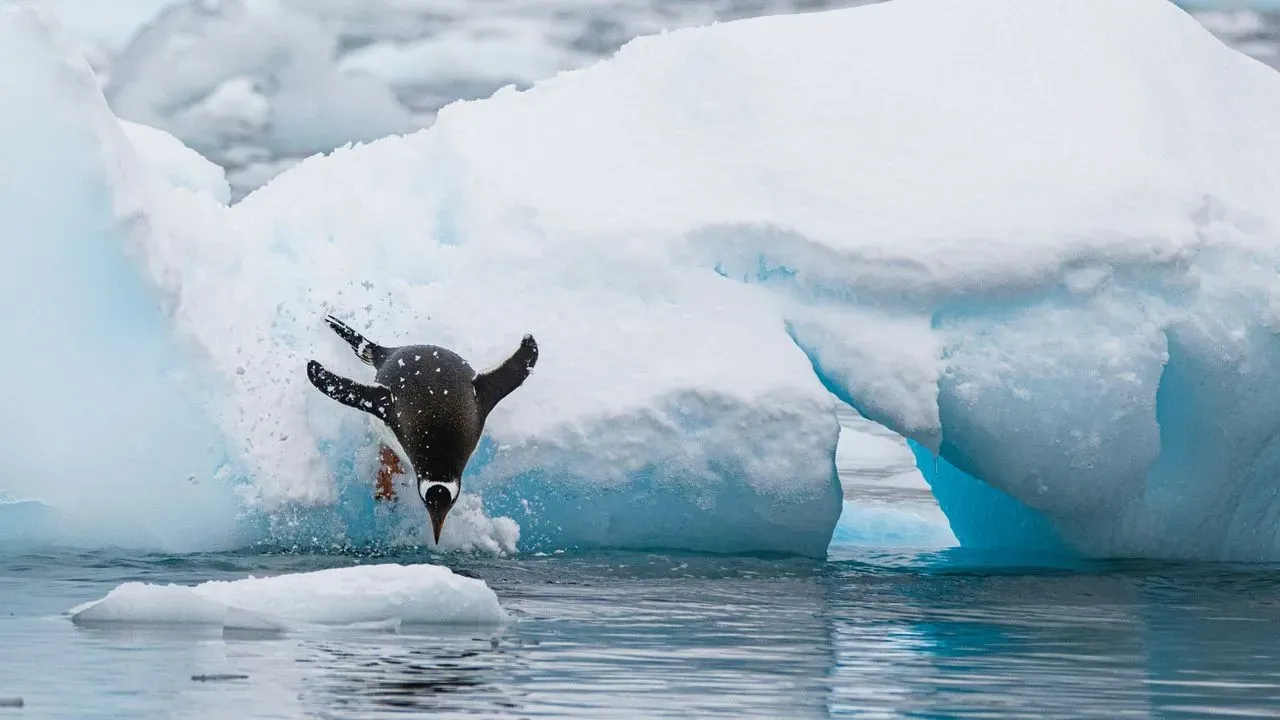
Gentoo penguins nested in large numbers around the station, their comings and goings visible from the windows of the living quarters. Skua pairs patrolled the colony edges, and occasional leopard seals appeared in the bay. The proximity made it possible to note small behavioral details, such as how adults arranged pebbles for nest building or how chicks responded to changing wind conditions.
Seals and whales also moved through the area on their own schedules. Humpback whales sometimes fed close to shore, their blows visible against the dark water. These encounters felt less like events and more like part of the daily backdrop once the season lengthened.
Learning Low-Impact Practices
Working with the UK Antarctic Heritage Trust reinforced the importance of minimizing disturbance. Strict protocols governed movement around nesting sites, waste handling, and interaction with wildlife. These measures protected both the animals and the historic buildings that remain from earlier human activity in the area.
Visitors who arrive by ship follow similar guidelines. Brief, guided landings keep groups small and routes predictable, allowing the same sites to support repeated visits across the season without visible wear. The approach treats the Peninsula as a shared, fragile place rather than a series of photo opportunities.
Carrying the Experience Forward
The contrast between the two visits highlighted how time on the ground shapes understanding. A cruise provides an essential introduction, while a longer stay reveals the quiet continuity of life on the Peninsula. Both forms of travel benefit from the same underlying commitment to careful, low-impact presence.
That season at Port Lockroy remains a reference point for thinking about how people can experience Antarctica responsibly. The lessons center on patience, observation, and respect for the limits the environment itself sets.
AI Disclaimer: This article was created with the assistance of AI tools and reviewed by a human editor.