
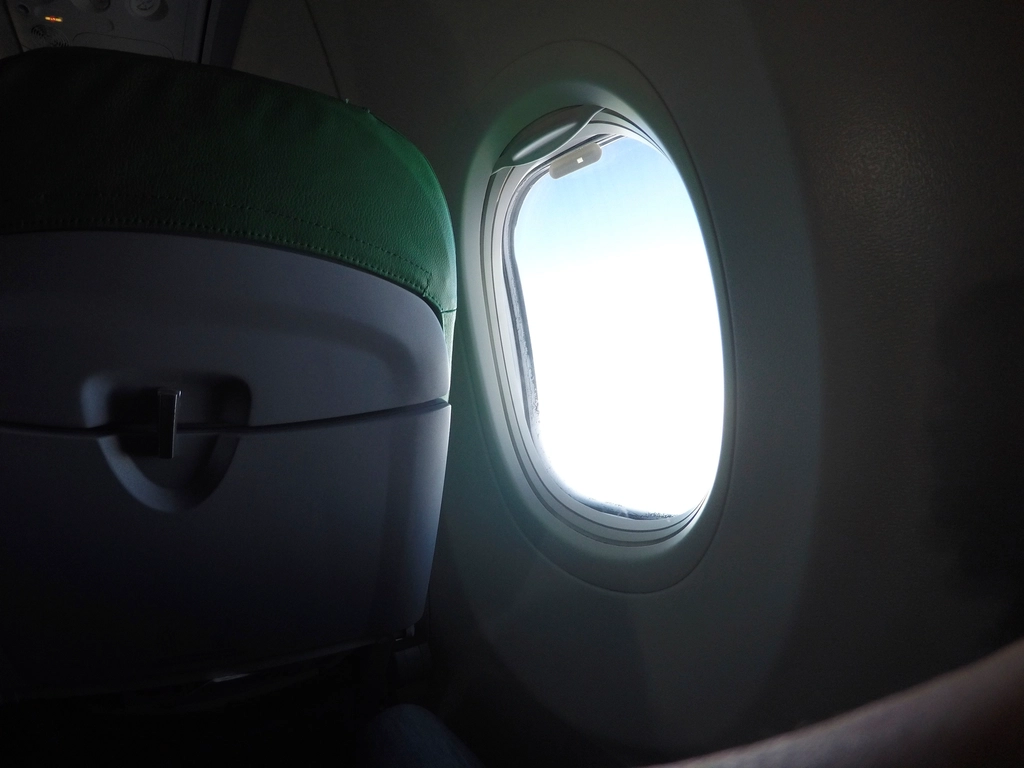

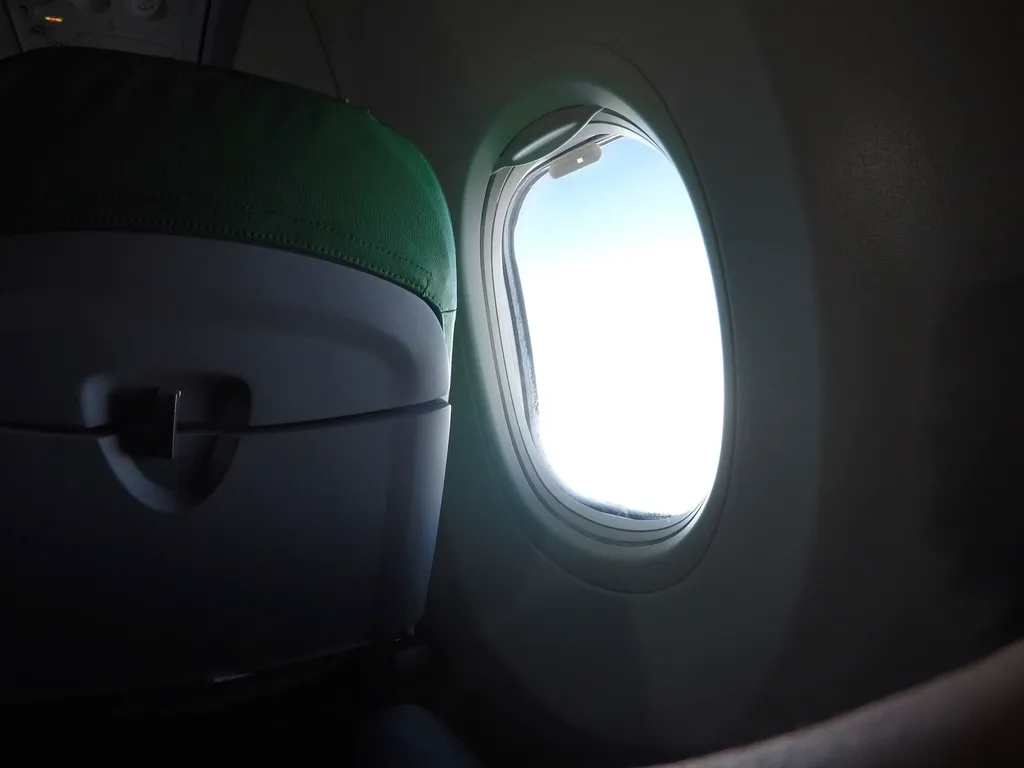
Most passengers settle into a window seat expecting one thing: a window. The view is usually the whole point. So when someone boards, clicks on their seatbelt, and turns to find a blank white wall instead of a porthole, the frustration is entirely reasonable. This oddity is more common than most travelers realize, and it happens on some of the world’s busiest routes, aboard the most familiar aircraft types.
The explanation isn’t carelessness. It’s a story about two competing systems, one structural and permanent, the other commercial and flexible, that were never quite designed to work together.
Windows Are Built Into the Plane First. Seats Come Later.
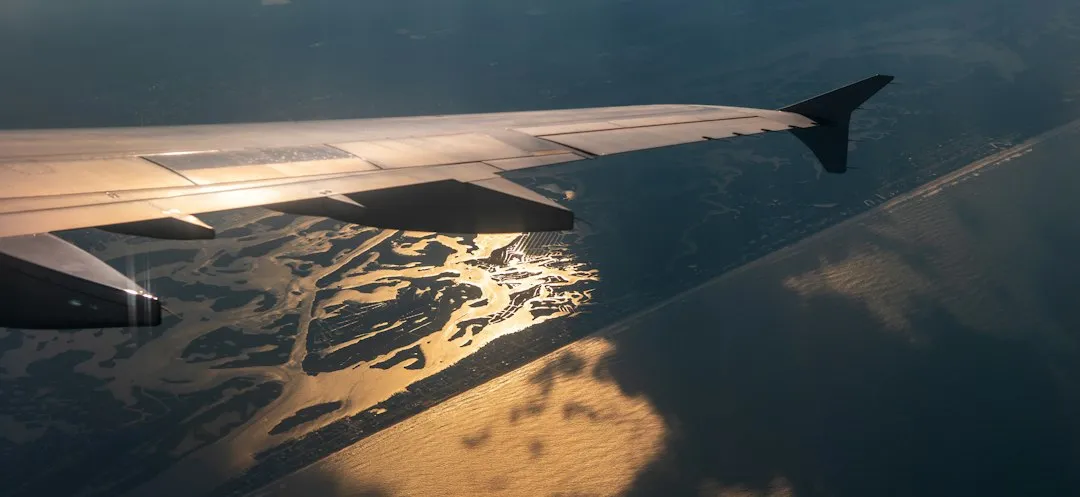
The sequence of aircraft assembly is key to understanding this problem. When manufacturers build the airplane, they install all the windows first. The seat configurations are designed later, and can change. The windows, however, can never be changed again.
Fundamentally, the issue arises because windows are permanent structural elements, whereas seat layouts can change based on airline preferences. This is not a coincidence or oversight. It reflects how aircraft certification, engineering, and commercial customization actually work in practice.
The 20-Inch Rule: Why Window Spacing Is Fixed
Aircraft manufacturers like Boeing and Airbus typically install windows around every 20 inches. This spacing isn’t arbitrary. Window spacing is determined by frame location, because windows are positioned between adjacent structural frames. Typical frame pitch is about 24 inches, so window pitch is also roughly 24 inches. Seat pitch, on the other hand, may be 32 inches.
As a result, when seats are arranged independently of frame spacing limitations, some passengers with “window seats” may not have a window located in an ergonomically appropriate location for viewing. The math is simply not compatible, and no one has found a clean universal solution.
Seat Pitch: The Airline’s Variable
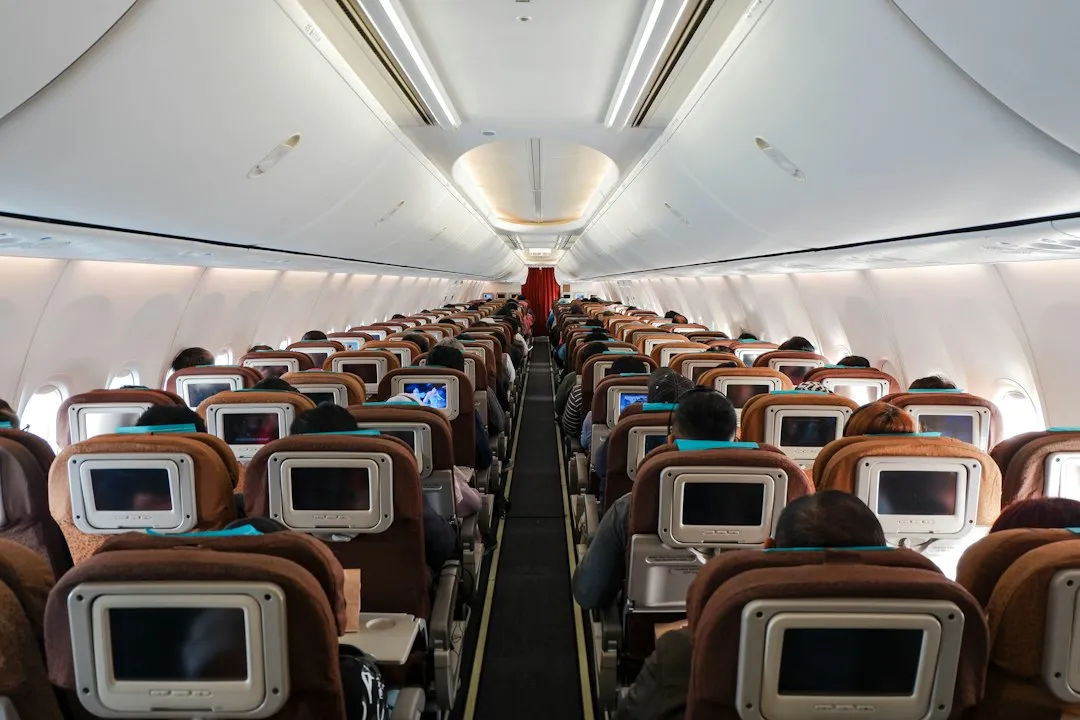
Airplane seats and windows do not always align because the cabins in modern jetliners are designed to allow for changes in seating density, according to airline needs. When more or less rows of seats are installed, it sometimes leads to different alignments relative to the windows.
When commercial airlines optimize seat-mile costs, the physical geometry of the aircraft cabin rarely matches the expectations of the consumer. Fuselage frames are manufactured with structural windows placed at fixed intervals, while carriers install seating tracks in the cabin floor, often narrowing the distance between rows to maximize passenger volume. Shaving a few inches from each row adds up quickly, and eventually creates enough cumulative drift to push a row away from its nearest window entirely.
Two Systems That Were Never Meant to Match Perfectly
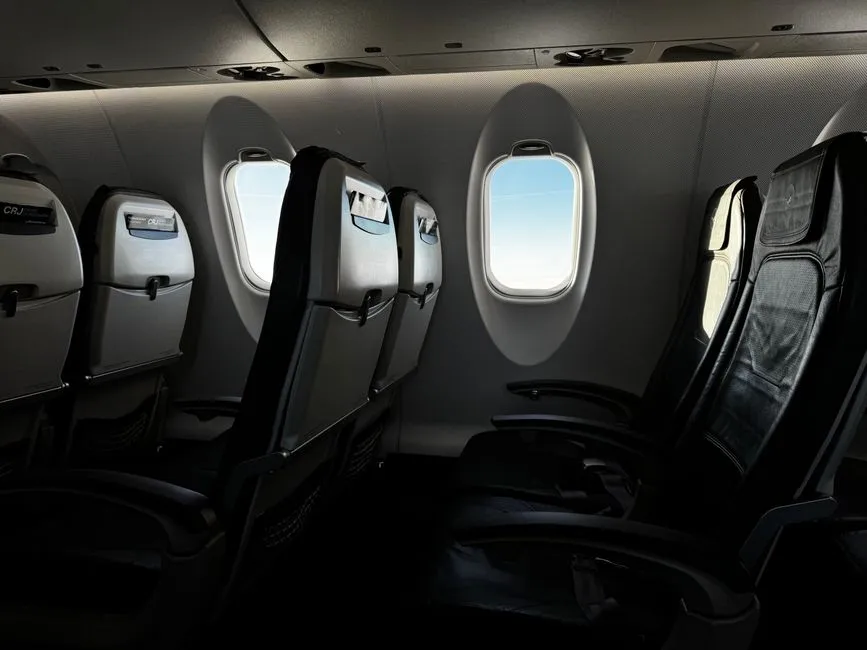
According to Anthony Harcup, senior director at design house Teague, seat spacing and positioning is dictated by airlines’ commercial requirements, while window spacing is driven by the aircraft manufacturer’s engineering requirements. These two priorities operate on entirely different logic, one driven by aeronautical engineering, the other by revenue optimization.
While aircraft manufacturers like Airbus and Boeing design the planes, airlines have the freedom to configure their interiors to their own specifications. In many cases, they add extra seats to expand passenger capacity. In other instances, they might decide to add more business-class seats, which changes the alignment in the economy cabin. No single adjustment causes the problem in isolation. It’s the accumulation of all of them.
Air Conditioning Ducts: The Hidden Culprit
Beyond seat pitch, there’s another structural reason windows disappear from certain rows. Catharina Solli, press chief at Norwegian, explained the engineering constraints regarding the structural reality of narrowbody fleets. “The reason is simply that the aircraft’s air conditioning pipes go from under the floor and up to the ceiling right there,” Solli noted.
Boeing 737 aircraft have some windows missing specifically because of air conditioning ducts. The same applies to widebody jets. These ducts are usually arranged in a way intended to produce minimum interference with seating layouts. When the duct positioning and the seat row happen to converge at the same spot, a passenger ends up beside a wall panel where a window would otherwise be.
Narrowbody Jets Feel the Effect Most
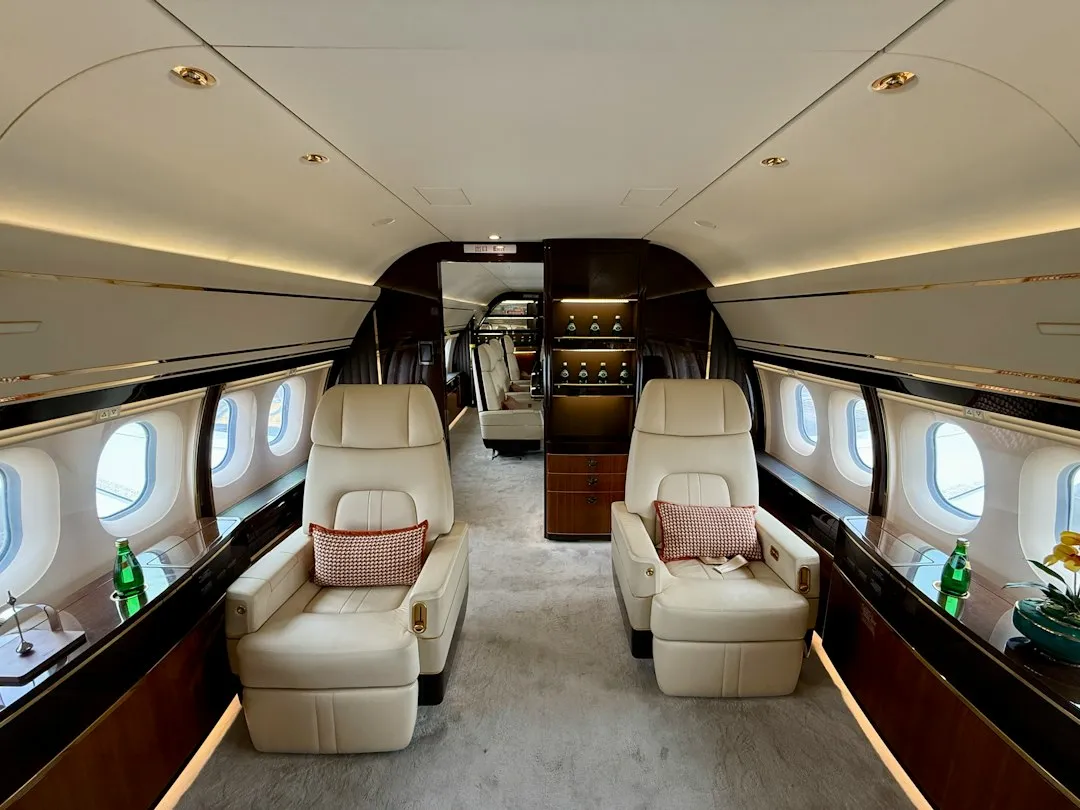
Single-aisle workhorses like the Airbus A320 family and Boeing 737 are the most common examples, because their fuselage ducting and seat spacing often leave one or two rows short of a window. Widebody jets can have them too, but the narrowbody fleets are where most travelers notice it.
Beyond air conditioning risers, this misalignment has turned specific rows into online infamy. On Ryanair’s Boeing 737-800 configurations, seat 11A is widely cited as a primary example of a windowless view, accompanied by seats 11F, 12F, and 12A depending on the specific fleet variant and dense cabin layout. These are not rare edge cases. They are predictable outcomes of known configurations.
Cabin Class Changes Shift the Whole Equation
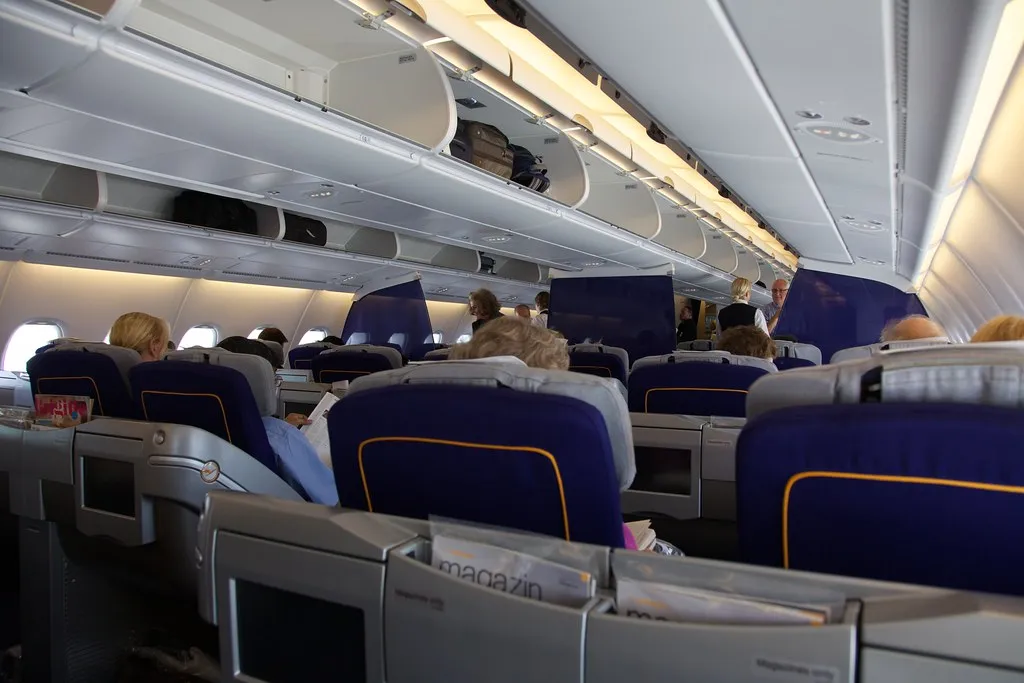
When an airline expands its business class section or installs lie-flat seats in premium cabins, the ripple effect travels all the way back through the aircraft. Prop-driven aircraft types were designed when most flights were all-first-class configurations, where a typical seat pitch of around 40 inches usually matched the window spacing. When economy class became widespread and carriers started reducing seat pitch, the windows no longer lined up with the seats.
If manufacturers tried to align windows with seat rows, the front of the plane would need different spacing to accommodate the longer pitch of business and first class. That isn’t feasible because windows are installed between the structural ribs, and those ribs are engineered to be a specific distance apart. Changing the cabin class layout without rethinking window placement simply cascades the misalignment further down the cabin.
The Legal Fallout: Airlines Sued for Selling Windowless “Window Seats”
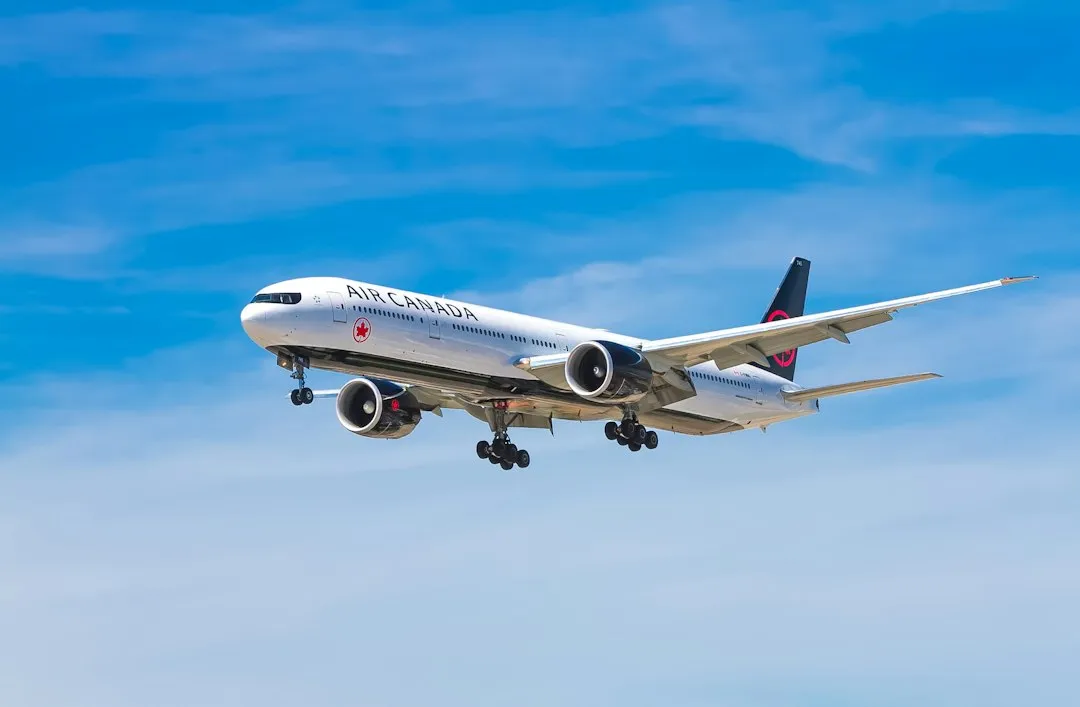
This design quirk moved from the realm of passenger annoyance into federal court in 2025. Delta Air Lines and United Airlines were sued by passengers who claimed they paid extra money to sit in “window” seats, only to find themselves placed next to a blank wall. Proposed class actions were filed against United in San Francisco federal court and against Delta in Brooklyn, New York federal court, seeking millions of dollars in damages for more than one million passengers at each carrier.
Passengers frequently pay up to $170 or over 1,000 Norwegian Krone for seat selection add-ons. Unlike Alaska and American, which flag these seat quirks during booking, Delta and United allegedly failed to disclose them, even when charging significantly more. The lawsuits allege a straightforward breach of transparency: passengers paid for something that was never actually there.
Why Seat Maps Don’t Always Tell the Truth
Airlines don’t typically notate which seats have misaligned windows on their seating charts, so travelers have to turn to third-party sources. This is arguably where the transparency gap is most visible. A passenger booking directly through an airline’s website will typically see a standard seat map with no indication of which window positions are missing or partially blocked.
One popular third-party website is Aerolopa, which shows detailed seating charts that include window placement, as well as the relative size of the exit rows and the exact spot of the lavatories. Whichever method a traveler uses to check, it’s worth keeping in mind that layouts vary per airline, not just per aircraft model. Two airlines operating the same aircraft type can have very different seat-to-window alignments simply because their cabin configurations differ.
Some Airlines Are Responding. Others Are Not.
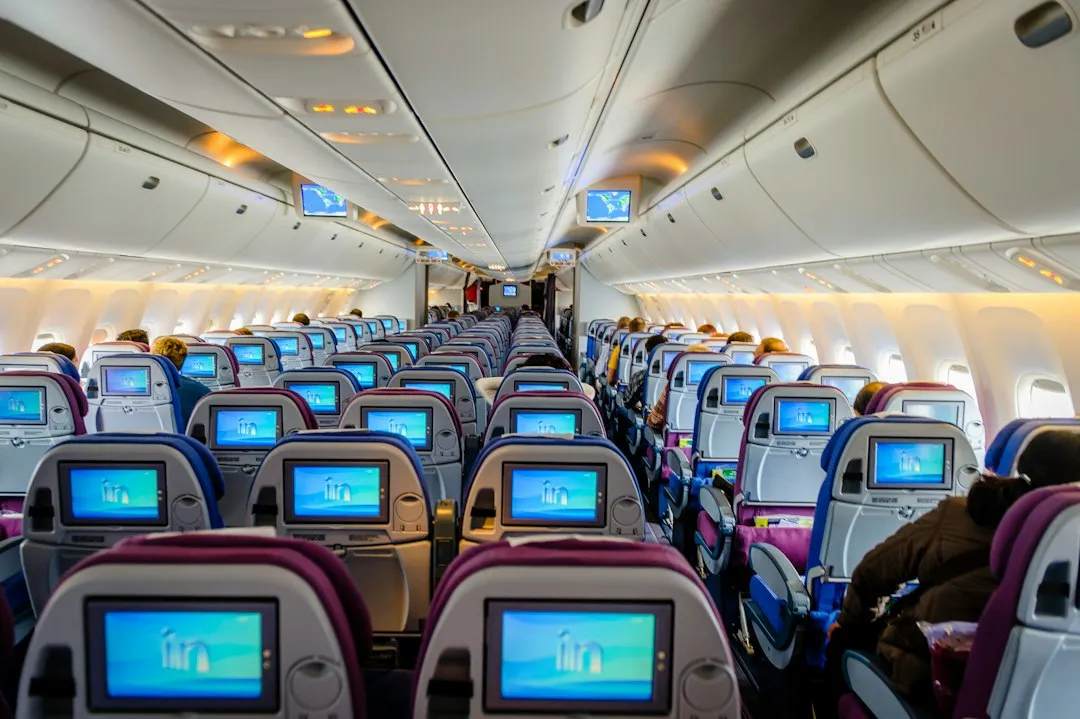
While some airlines now label these problematic seats clearly during booking, it’s still possible to end up without a view unless you check seat maps in advance. The difference between carriers in this area is significant. A few have taken steps to mark affected seats during selection, while others have not updated their booking interfaces at all.
Lawyer Carter Greenbaum, who filed the class-action cases, argued that relying on third-party tools like SeatGuru does not excuse an airline from misrepresenting its product. For travelers, the practical takeaway is clear: always verify the seat map for your specific airline and aircraft combination before paying any seat selection fee.
The Bigger Picture: A Feature Hiding Inside a Flaw
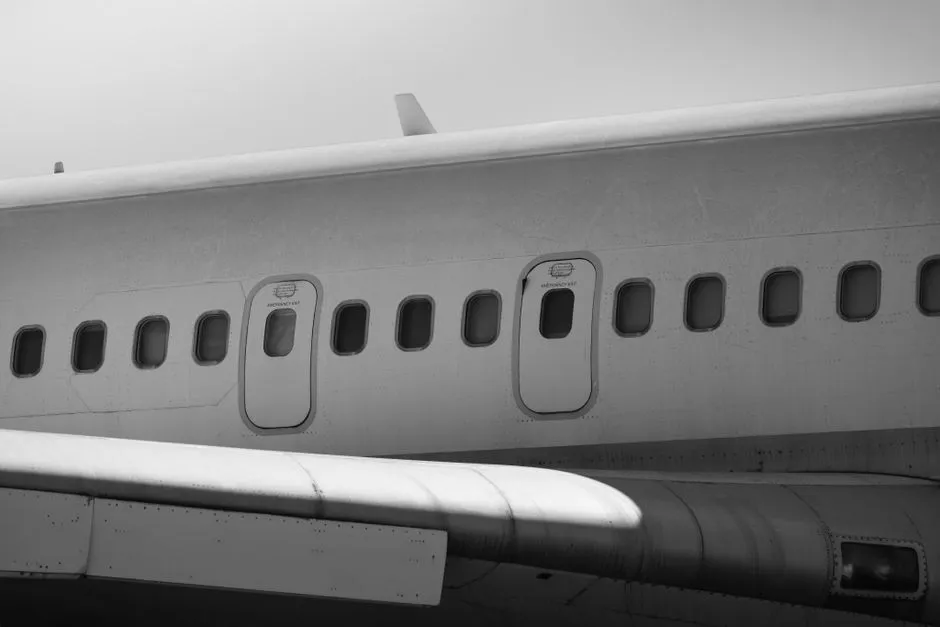
It’s worth sitting with the fact that none of this is the result of malice or laziness in the original design. Engineers face a delicate balance between structural integrity, weight distribution, and passenger comfort. The seemingly misaligned windows are a deliberate outcome of these intricate considerations. The flaw only becomes a problem when seat placement drifts far enough from factory window positions that the gap becomes a blank wall.
It has long been considered desirable to develop an aircraft fuselage that is more congruent with a selected interior design to provide a better passenger environment, and to integrate the aircraft fuselage frame structure design with the interior design and window placement. That integration has proven difficult to achieve at scale, and the commercial pressure to fit more passengers into each aircraft has only made the geometry harder to manage.
The Takeaway for Every Traveler
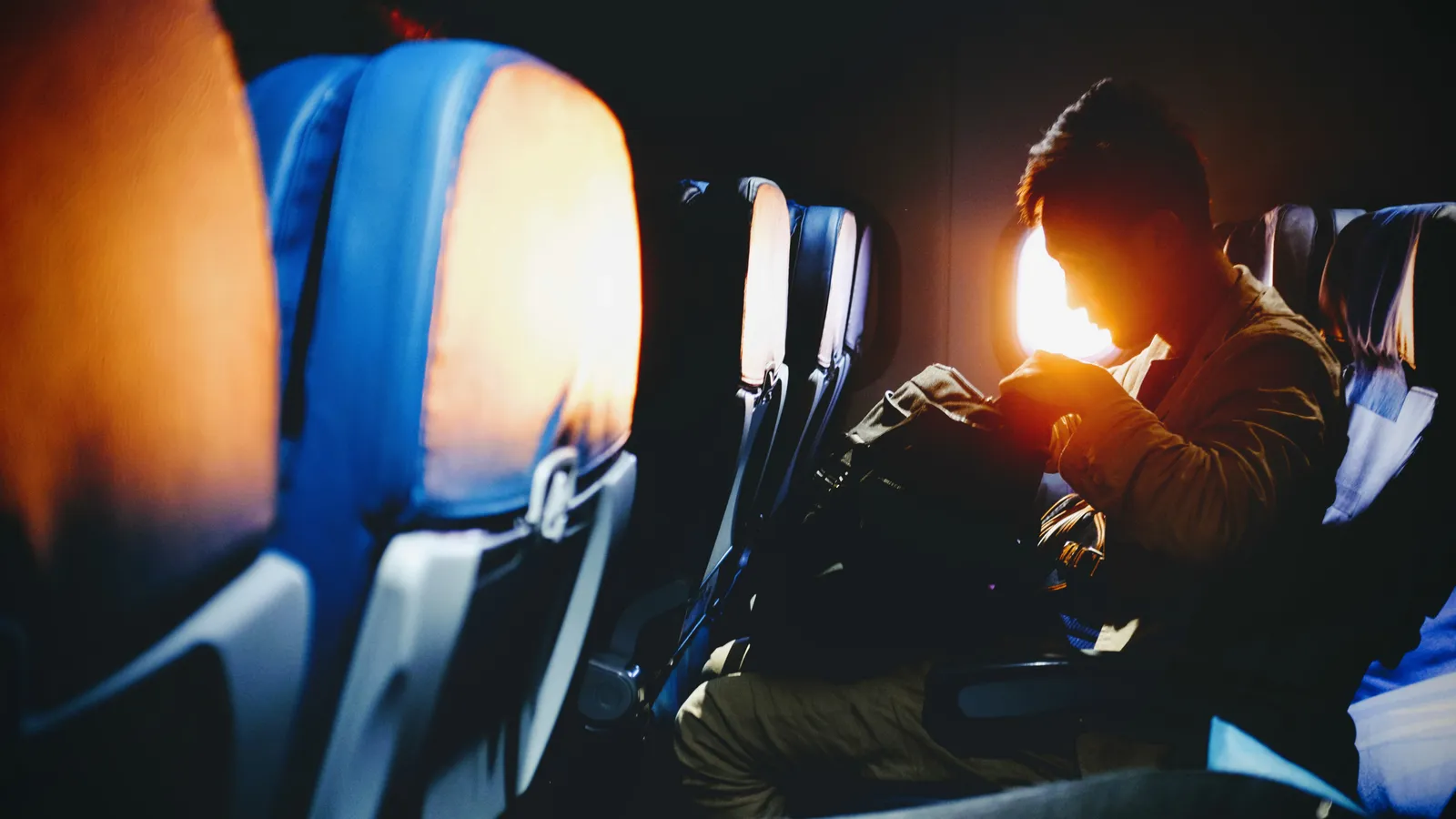
The mismatch between window seats and actual windows isn’t going away soon. It’s baked into the way aircraft are built and the way airlines customize them. Understanding why it happens is genuinely useful, because it shifts the problem from frustration to preparation.
Before paying extra for a window seat, cross-reference your airline’s seat map against a detailed third-party chart that shows window positions. Check the specific airline configuration, not just the aircraft model. That one step, taken before booking, is the most reliable way to make sure the view you’re paying for is actually there.
AI Disclaimer: This article was created with the assistance of AI tools and reviewed by a human editor.