

You’re at the gate. The sky outside is completely clear. The aircraft is sitting right there. The crew is visible at the counter. Then the cancellation notice drops, and nobody can explain why. It’s one of the most frustrating moments in modern air travel, and the real reasons have almost nothing to do with the clouds.
The truth is that airline scheduling is an intricate system built on legal limits, interconnected rotations, and thousands of moving parts. When something disturbs that system even mildly, the effects can ripple forward for days. Here’s what crew schedulers actually know that passengers typically don’t.
The Duty Clock Is Ticking the Moment Crew Show Up
Under 14 CFR Part 117, a U.S. airline pilot’s day is capped twice over. Actual flight time is limited to eight or nine hours depending on what time the crew reported for work. That timer starts not at takeoff, but at check-in, which most passengers never think about.
Under Part 121 of the Federal Aviation Regulations, nine hours of rest are required if a crew member is scheduled for under eight hours of flying time, with that requirement increasing to ten hours for eight to nine hours and eleven hours for nine or more hours of flying. When delays earlier in the day eat into that window, the crew simply cannot legally begin another flight.
This is the cancellation passengers find most maddening, because the aircraft is sitting right there at the gate and the crew is standing next to it. The plane is ready. The people are ready. The law says no.
A Delay Two States Away Can Cancel Your Flight
Airlines don’t operate isolated flights. Each aircraft follows a tightly choreographed rotation across multiple cities in a single day, and the crew travels with it. A ground stop in Dallas at 8 a.m. can mean a cancellation in Boston at 4 p.m., even under perfect skies.
Air traffic control creates the same effect without any curfew involved. When a ground stop or a flow control program holds departures for hours, it burns the duty clock and the aircraft rotation at the same time. By the time the aircraft finally departs the first city, there’s often not enough legal time left to complete the next leg.
Airlines rarely cancel a single flight in isolation, because that strands the jet. They cancel the out-and-back pair, so the aircraft and crew finish the day where the next day expects them. What looks like one cancellation is often a calculated sacrifice to prevent five more.
Crew in the Wrong City Is a Bigger Problem Than It Sounds
A storm that happened a week prior can still cause cancellations days later. So many crews can end up in the wrong places at the wrong times with duty hours maxed out that the system cannot keep up with rescheduling. Crews that needed to fly a plane in one city ended up being several states away.
Deadheading exists to solve real-world scheduling problems: irregular operations, one-way route structures, crew base locations, maintenance routing, and maintaining operational coverage when airlines reschedule crew after disruptions. A deadhead pilot is an airline pilot who flies as a passenger, in uniform and on duty, to reposition for a current or upcoming work assignment. This repositioning takes time, and time is the one thing scheduling departments are always short of.
A pilot who begins the day expecting to operate one sequence may find that weather, aircraft changes, or cancellations require the airline to alter the assignment. Whether that can happen depends on the authority granted by the pilot agreement, the pilot’s qualifications, and the resulting duty and rest implications. Contracts add yet another layer to an already complex puzzle.
The Delta CrowdStrike Meltdown Showed Exactly How Cascading Failures Work
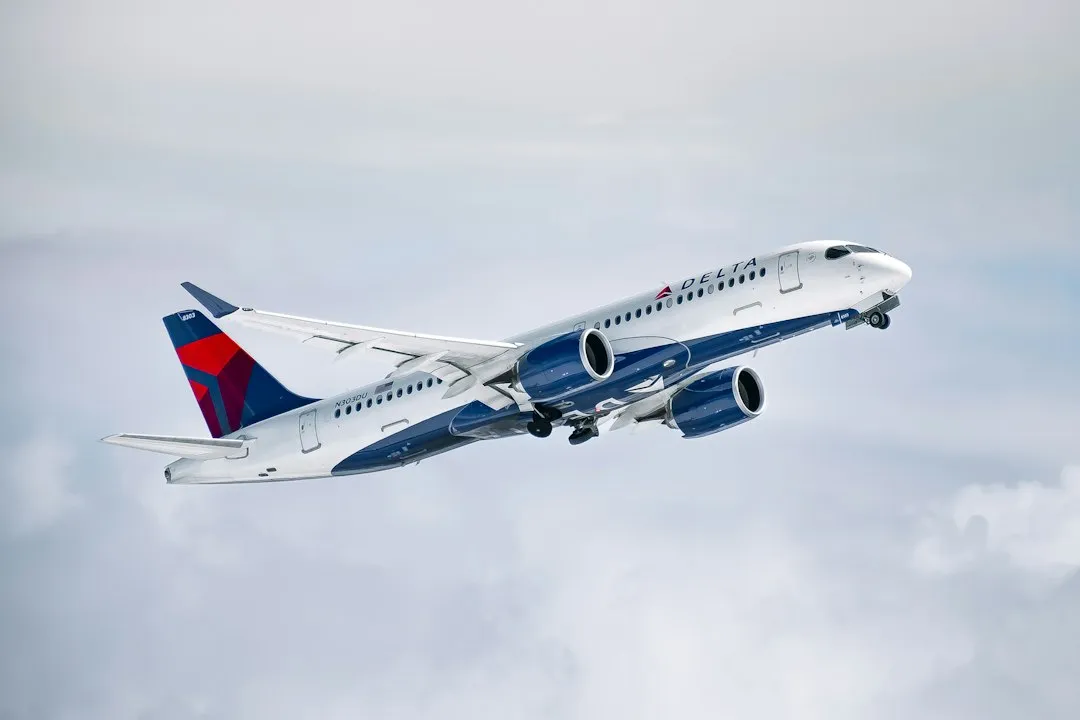
In July 2024, Delta Air Lines experienced an operational disruption following the CrowdStrike outages, including the cancellation of over 1,200 flights initially. The technical outage itself was relatively brief. What followed was not.
After the ground stop left too many crew members in the wrong places, Delta struggled to assemble enough pilots and flight attendants at airport gates to operate scheduled flights. Many flights were repeatedly delayed and finally canceled because the one or two crew members who made it to the gate kept hitting their legal flight time limit before the airline could finish fully staffing the flight, and this caused the crisis to snowball as those crew and their aircraft were now in the wrong place for the following day’s flights.
In total, over 7,000 Delta flights were canceled, affecting the plans of 1.3 million passengers. Clear skies didn’t help a single one of them.
IndiGo’s 2025 Crisis Proved New Rest Rules Can Trigger Mass Cancellations
In December 2025, IndiGo, India’s largest airline, experienced a scheduling crisis that led to the cancellation of thousands of flights. The issue arose after its failure to adjust to the new flight crew time limitations mandated by the Directorate General of Civil Aviation of the Government of India.
The crisis started on December 2nd, and the airline, which had a domestic market share of more than sixty percent, canceled nearly 4,500 flights over the following ten days and affected over a million passengers in total. The new rules limited night landings for crew from six to two per week, which led to severe operational issues.
In response, the DGCA relaxed some of the rules and gave IndiGo a temporary exemption until February 2026. It also placed caps on airfares and ordered IndiGo to complete all pending refunds. The Ministry of Civil Aviation ordered an inquiry into the incident and sent a show cause notice to the airline. A regulatory change, not a storm, grounded thousands of flights.
Southwest’s Holiday Meltdown Taught the Industry Hard Lessons About Manual Scheduling
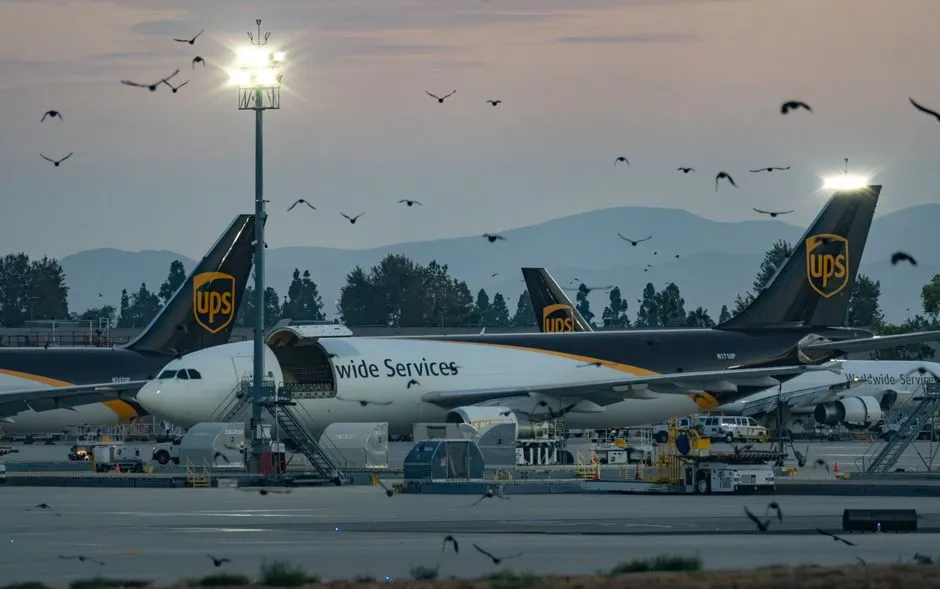
By December 27, 2022, it became more clear that weather was not the sole cause of the mass cancellations; rather, the airline’s operational systems were struggling to recover from the disruptions. The storm had passed. The cancellations had not.
Since most crew scheduling was done manually, crew members who could have been working were waiting for hotel arrangements from the airline to adhere to federal guidelines. The phone system was outworked, and Southwest did not have enough staff to relay scheduling changes to pilots and flight attendants.
Crews of canceled flights often found themselves stranded without lodging and the airline would lose track of them. When an airline can’t locate its own crew, it can’t schedule them. And when it can’t schedule them, it cancels flights, regardless of the weather overhead.
ATC Staffing Shortages Can Force Cancellations Across an Entire Network
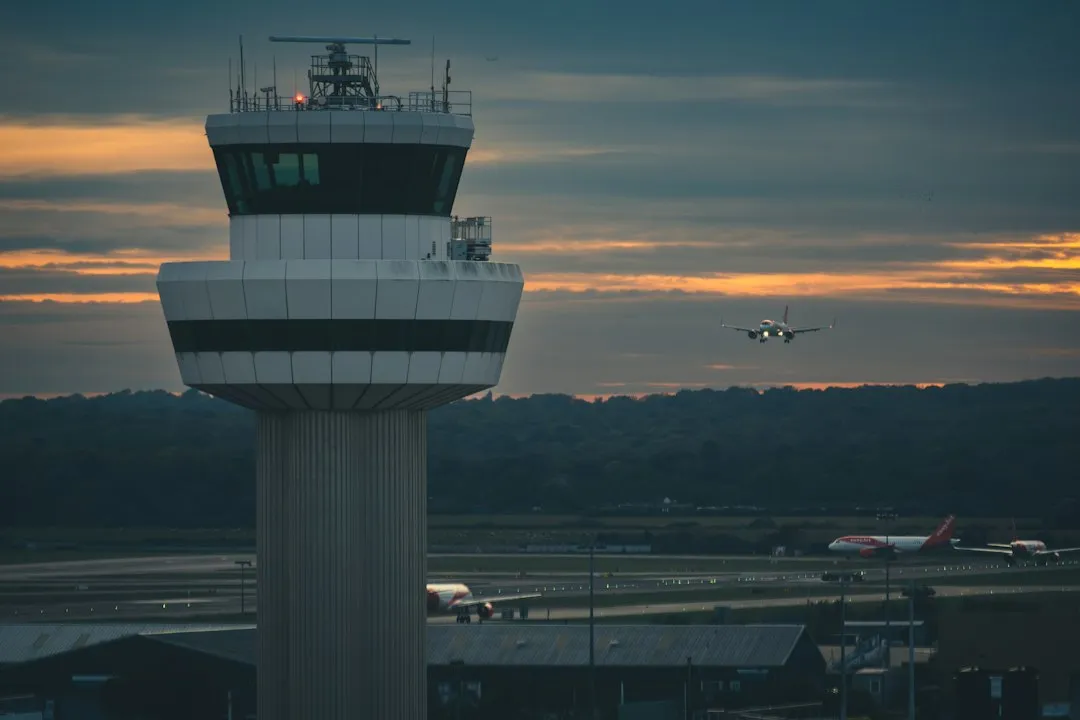
In November 2025, with air traffic controllers working unpaid through a government shutdown, the FAA ordered airlines to cut flights at 40 major airports. In the shutdown’s first 29 days, airlines had canceled 11 flights for controller staffing. Over the following nine days they canceled 1,271, including 865 on a single day.
If ATC programs are prolonged because the weather proves to be worse than forecast or the FAA is insufficiently staffed to handle the volume or complexity of a particular day, an airline’s extra resources begin to run out and you start to see cancellations and cascading delays. The root cause is institutional, not meteorological.
Passengers checking weather apps before heading to the airport are looking at the wrong data entirely. The real risk on any given travel day is often the staffing chart at an ATC facility hundreds of miles away.
Technical Faults Are the Single Biggest Driver of Disruptions
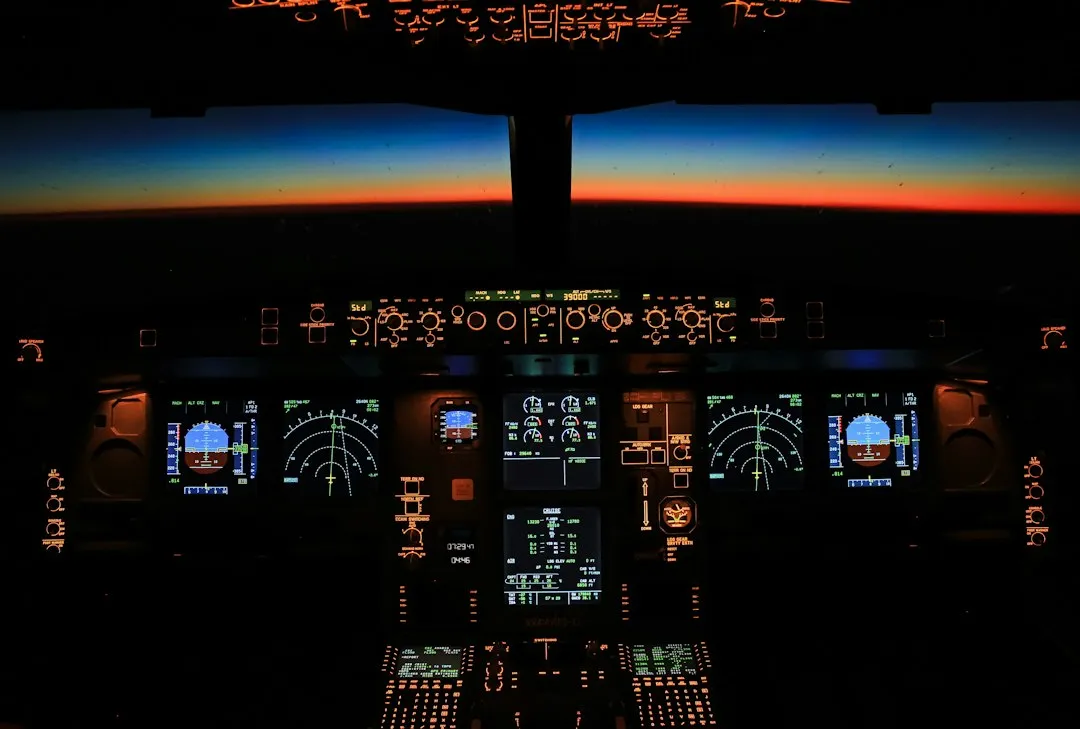
Technical issues accounted for roughly a quarter of all flight disruption claims in 2025, making them the single biggest cause of flight disruptions. This was also the top reason in 2024, with an increase of two percentage points year over year. That’s a larger share than bad weather, crew issues, and strikes combined.
While mechanical issues with an aircraft can affect cancellations, technical or computer problems can create even more trouble. In January 2023, the FAA computer system failed and resulted in the grounding of planes all over the U.S. Scheduling software or communication technology failures can also lead to flight cancellations.
When a software system fails, schedulers lose visibility into crew positions, rest compliance, and aircraft locations simultaneously. A human team trying to reconstruct that picture manually in real time is simply not fast enough for the scale of modern aviation.
Rest Rule Violations Carry Real Consequences for Airlines
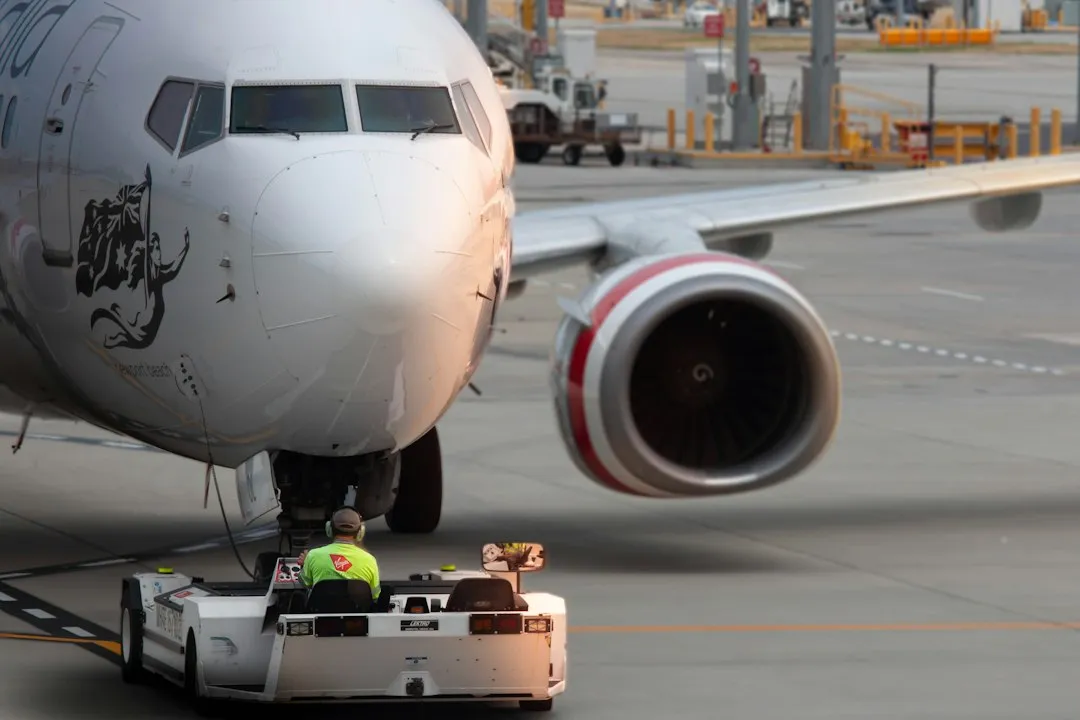
Companies may not schedule crews to operate flights unless they have met at least the minimum rest requirement. There are some exceptions to this rule if the crews are offered extended rest at the end of a certain duty period. Those exceptions are narrow and tightly governed.
By limiting both the amount of time crews can fly in a day and the amount they can work over a longer period, the FAA strives to ensure that crews cannot burn out even if they get enough rest day to day. This prevents fatigue symptoms that are more difficult to notice long-term but can still be hazardous.
Airlines around the world have been fined for violating crew rest requirements; Air India was fined for violating crew rest rules, and a Virgin Atlantic pilot was terminated when it was discovered she held a second pilot job to circumvent rest rules. The FAA has taken action against airlines violating crew rest regulations for years. The threat of enforcement is real, which means airlines will cancel rather than risk the alternative.
Flight Cancellation Rates Are Low, but the System Has Very Little Slack
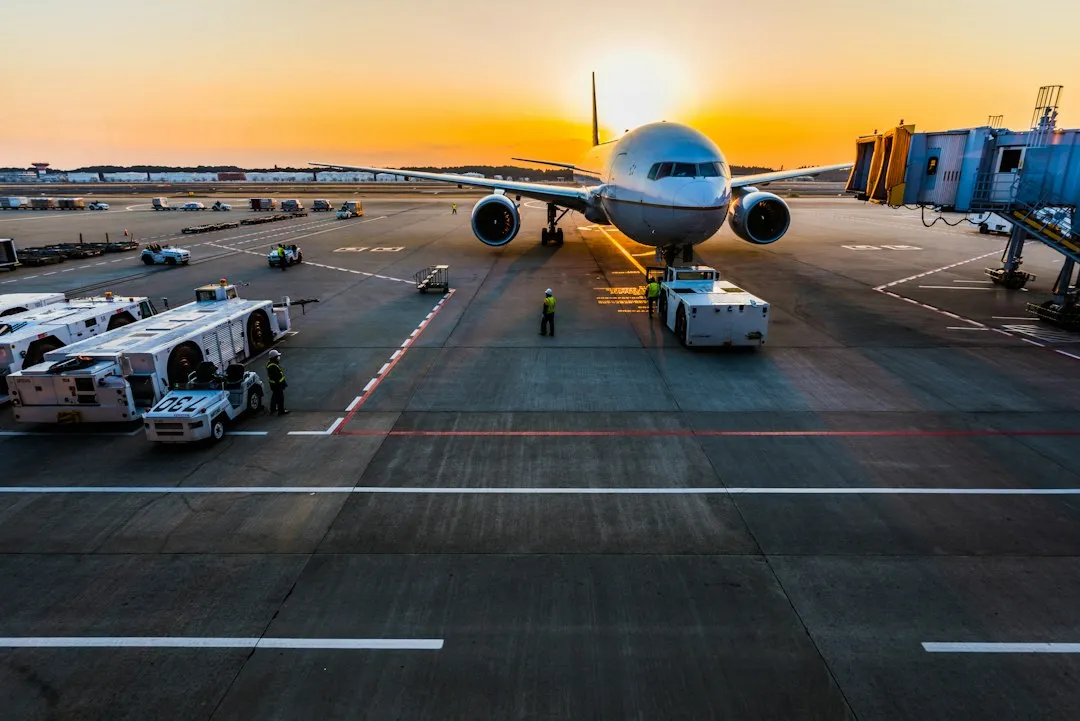
U.S. airlines canceled roughly one and a half percent of scheduled flights across all of 2025, up only marginally from 1.4 percent in 2024, according to the Department of Transportation’s monthly Air Travel Consumer Report. Roughly 98.5 flights in 100 operated. That sounds reassuring until you consider how tightly the other 98.5 percent are packed together.
Modern airline schedules are optimized for efficiency, not resilience. Aircraft rarely sit idle between flights, and crews are scheduled with minimum buffer time. When anything disrupts that precision, the system doesn’t absorb the shock quietly. It passes it forward.
Logistical and operational issues that don’t fall into specific categories account for a meaningful share of disruptions, including air traffic control delays, runway closures, tarmac delays, gate unavailability, refueling delays, and documentation delays. Any one of these, on the wrong day with the wrong crew, can tip a flight that was never going to be weather-related into the cancellation column.
The Takeaway
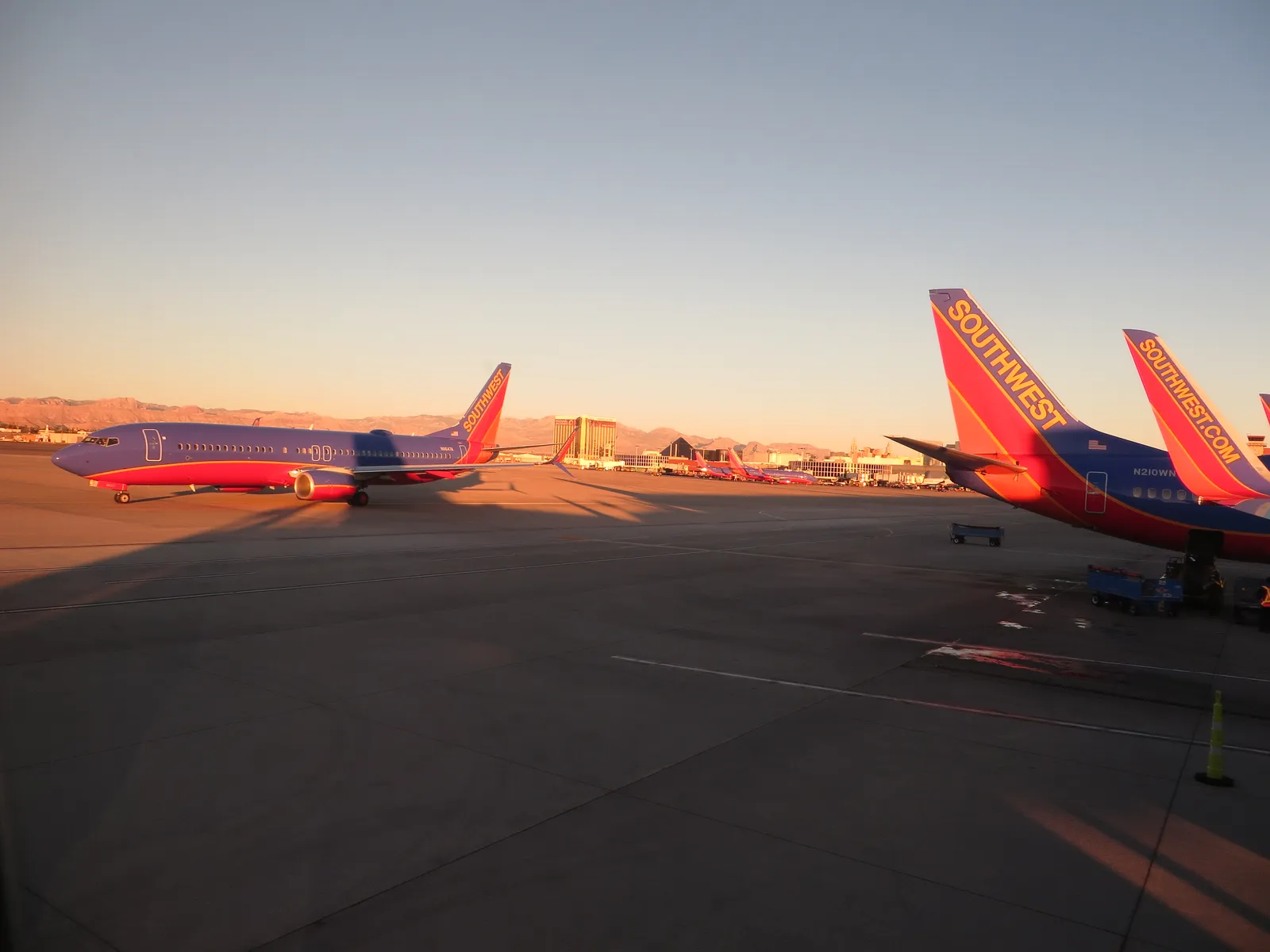
The next time you see a cancellation with blue sky stretching to the horizon, resist the urge to assume something is being hidden from you. Crew schedulers are working against a clock defined by federal law, a network shaped by interconnected rotations, and a system that offers very little room for error.
The skies being clear is simply not enough. What matters is whether the right crew, with enough legal hours remaining, is in the right city, on the right aircraft, at precisely the right time. When even one of those variables slips, the cancellation you’re looking at is often the most rational decision available.
Understanding this doesn’t make the disruption any less frustrating. Still, it does change who you’re frustrated with, and why.
AI Disclaimer: This article was created with the assistance of AI tools and reviewed by a human editor.