

Most people board an expedition ship expecting the wildlife to simply show up. And sometimes it does. But the passengers who routinely spot twice as much aren’t the luckiest ones on deck. They’re the ones who’ve quietly picked up a habit from their naturalist guides that most travelers overlook entirely.
It comes down to how, when, and where you raise your binoculars. The difference between a passenger who spots a handful of animals and one who fills a notebook with sightings can often be traced to a few deliberate, learned behaviors. Here’s what experienced expedition naturalists actually do.
Keep Your Binoculars Around Your Neck, Not in Your Bag
The single most repeated piece of advice from expedition naturalists is deceptively simple: keep your binoculars accessible at all times. The Alaska Department of Fish and Game advises wildlife viewers to have binoculars at the ready at all times, noting that when wildlife makes its appearance, you can be watching instead of fumbling or waiting your turn. That window of opportunity is often only seconds long.
Naturalists recommend always using your binocular neck strap so the binoculars rest safely against your chest, within easy reach of your hands. On a moving deck, with cold fingers or gloves on, rooting through a bag is a guaranteed way to miss the moment. A whale surfaces, a polar bear shifts position, and it’s over before the zip is undone.
In polar regions specifically, where thick gloves are standard, it pays to practice adjusting your focus wheel while wearing them, and to confirm you can comfortably use the binoculars while wearing glasses. Small adjustments like these separate those who see everything from those who always seem to arrive a second too late.
Find the Animal with Your Naked Eye First, Then Raise the Glass
One of the most counterintuitive habits expedition naturalists teach is to resist raising the binoculars immediately. A key technique for using binoculars effectively is to find the animal with your naked eye first, then bring the binoculars to your eyes without shifting your gaze and focus. It sounds obvious, but most beginners do the opposite, lifting binoculars and then hunting.
It also helps to lock your eyes on a bird or animal and note some other nearby feature in the landscape at the same time, giving you another reference point when you raise your binoculars. A distinctive rock, a patch of ice, a horizon line – these anchors stop you losing the subject the moment the glass goes up.
This technique applies everywhere from Antarctic Zodiac cruises to Amazon river skiffs. The habit of scanning first with your eyes and confirming with your binoculars is what naturalists do instinctively, and it’s a learnable skill that rewards practice within a day or two at sea.
Scan in Systematic Sections, Not in Sweeping Arcs
Sweeping binoculars across the horizon in a wide arc feels productive, but it isn’t. Most times, animals are well concealed, so the approach naturalists use is not to look for the whole animal, but to look for movement. Systematic scanning in contained sections of the water or shoreline means nothing slips past in the blur of a sweep.
The technique involves looking for a flick of an ear or flutter of a wing, for something that just doesn’t look quite right – that unusual dark spot could be an animal’s nose, and a gray shadow could be a larger mammal. Working in slow, deliberate sections of the visible water or terrain makes it far easier to catch subtle cues.
Binoculars are particularly useful for visually tracing the edges of a tree-line or shoreline while looking for an out-of-place pattern or shape hidden amid the landscape. Naturalists apply exactly this approach to the waterline, ice edges, and cliff faces that most passengers simply scan past without pausing.
Use the Right Magnification for the Environment
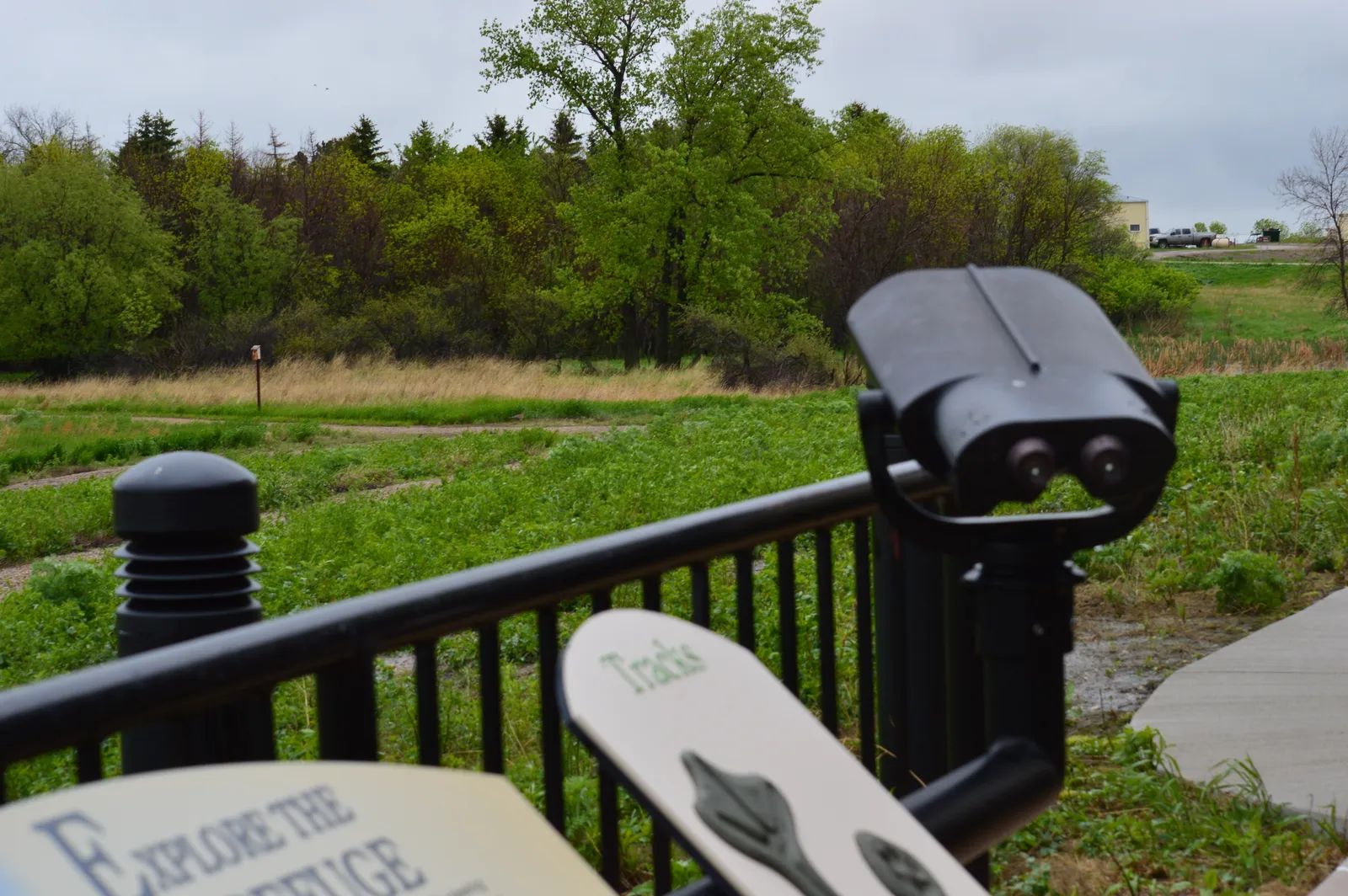
Not all binocular settings are equal, and expedition naturalists are particular about matching the tool to the terrain. Generally, the higher the magnification, the narrower the field of view, while binoculars with a lower magnification provide a wider field of view and make it easier to locate objects – which matters when tracking fast-moving birds. On open water, a wider field helps you react before a surfacing whale disappears again.
For viewing wildlife in forested areas or sheltered waterways, 8x to 10x magnification works well, while 8x to 12x is considered ideal for open lakes and tidelands. In Antarctic or Arctic environments, where sightings can happen at considerable distance across flat ice or open ocean, a 10×42 setup is a reasonable baseline for most guests.
The wider field of view of an 8x binocular makes it easier to locate animals quickly, particularly those moving through vegetation, and 8-power binoculars are also generally easier to hold steady, which matters when you’re trying to follow an animal in motion. Steadiness on a rocking deck is a real consideration that many travelers underestimate until they’re out there.
Prioritize Low-Light Hours When Wildlife Is Most Active
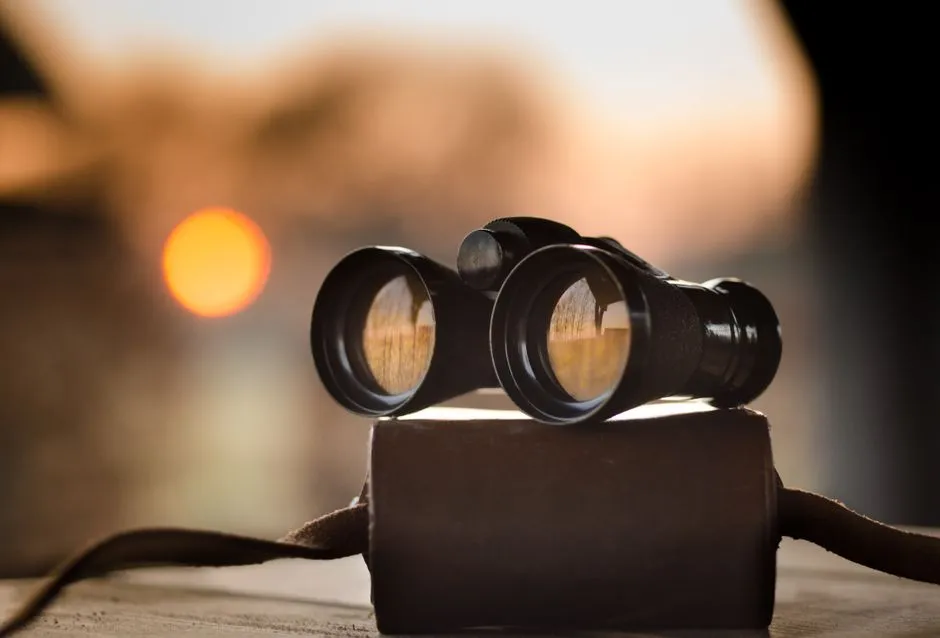
Expedition naturalists know that the hour after dawn and the hour before sunset are not just prettier light – they’re when wildlife is doing the most interesting things. For mammal watching at dawn and dusk, optical quality matters more than magnification, and an 8×42 binocular typically provides a larger exit pupil than a 10×42, which makes viewing more comfortable in low light, with performance depending on the quality of the entire optical system including coatings and glass.
Some naturalists advocate for extending excursion hours specifically to capture early morning and late evening time, which adds valuable hours particularly important for photographic and birdwatching expeditions. The standard mid-morning landing is convenient for logistics, but it doesn’t always coincide with peak animal activity.
In polar regions, where summer brings extended daylight, the behavioral rhythms of species don’t align neatly with a clock. Naturalists who track feeding patterns and tidal cycles know when to position guests on deck with binoculars ready, and that knowledge alone can make the difference between an ordinary morning and an extraordinary one.
Use the Ship’s Deck Strategically
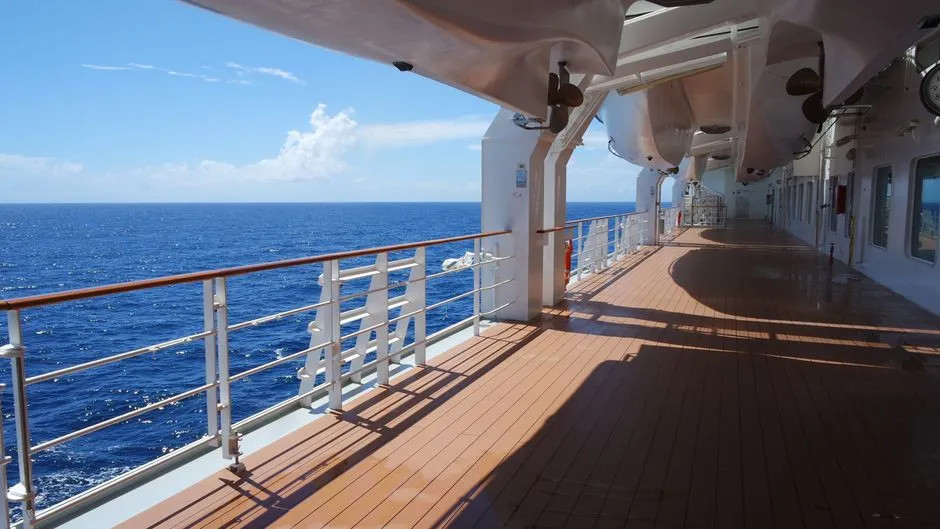
Where you stand on a ship matters more than most guests realize. The key is to have unobstructed views in any direction and ease in accessing viewing locations, and the promenade deck of some ships is especially useful for observing seabirds, marine mammals, and other sea creatures. Expedition naturalists often stake out specific spots before a transit begins, and that positioning isn’t random.
Experienced wildlife naturalists on mid-sized ships spend significant time walking the promenade deck with binoculars, combining movement with opportunities for observing the open ocean. It’s a habit that keeps both the body and the eyes active, which in turn reduces the mental fatigue of a long ocean crossing.
The sheltered areas at the stern tend to be less windy than the bow, and can be a reliable position to watch for birds following the ship, attracted by items churned up by the propellers. Knowing which end of the ship to stand on for which conditions is a quiet but meaningful advantage that comes from watching naturalists work.
Look Beyond the Obvious Sighting
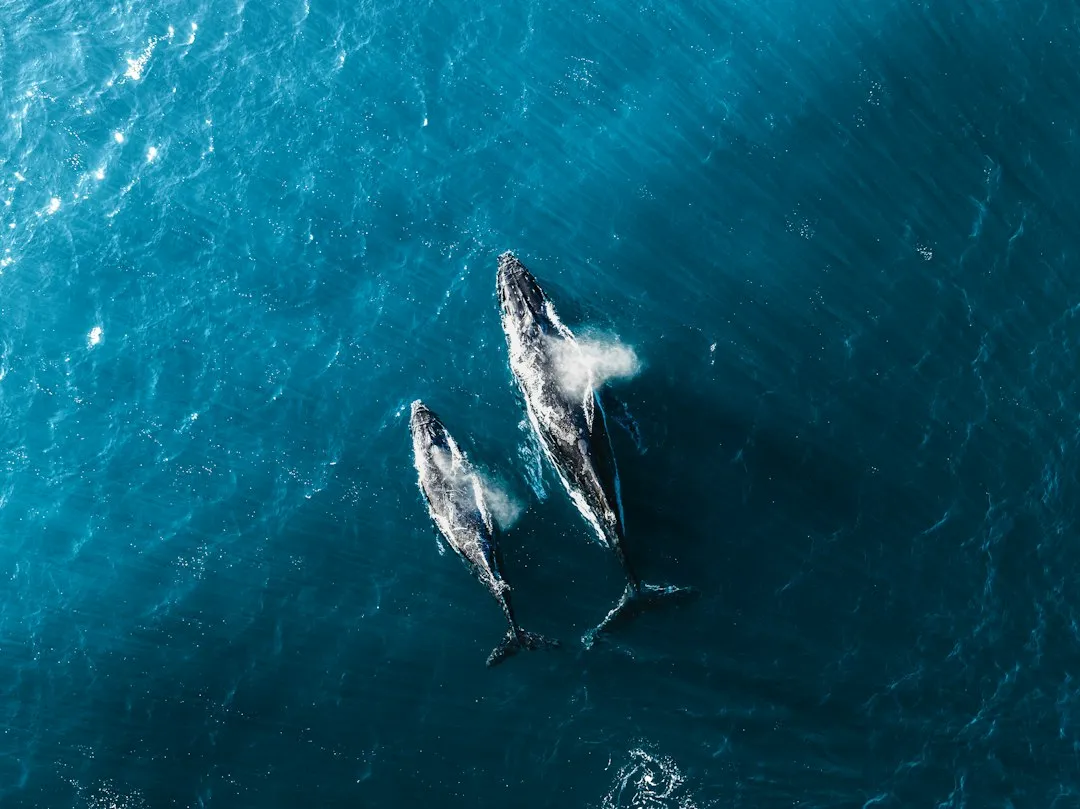
When something surfaces or appears, the instinct is to fix entirely on that one animal. Expedition naturalists do the opposite. When one visible animal is spotted, scanning all around the vessel is essential, because that one animal may be part of a larger group nearby, and this is especially important with dolphins and other marine mammals that can surface unpredictably.
The concentration and diversity of species in relatively compact areas makes expedition destinations exceptional for wildlife observation, and a single Zodiac excursion might yield sightings of multiple penguin species, various seal types, and several whale individuals feeding in the same bay. The guest scanning broadly with binoculars captures all of this; the guest fixed on one point misses most of it.
This is a habit that naturalists develop through years in the field, and it transfers directly to passengers willing to practice it. One whale spout on the port side is also a prompt to immediately scan starboard, ahead, and astern. Wildlife rarely travels alone, and the sea is rarely doing only one thing at once.
Learn to Read the Water Before You Raise Your Glass
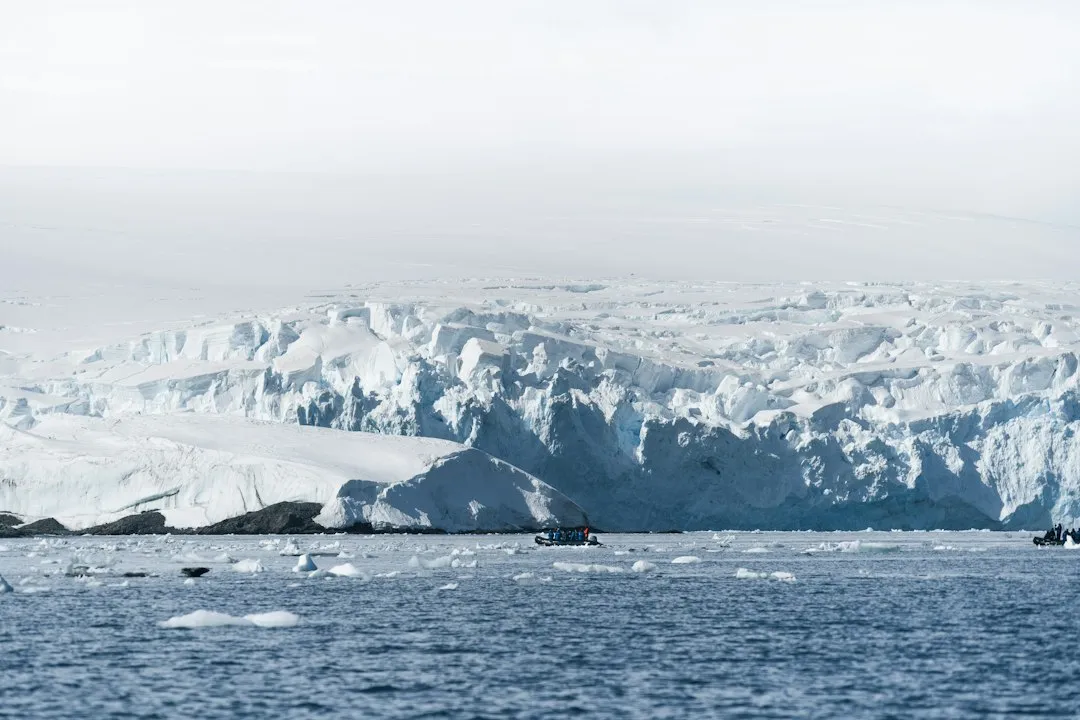
Experienced naturalists spend as much time reading the surface of the water as they do looking through optics. Slicks, ripples, disturbances in the swell, or unusual concentrations of seabirds are all pre-signals that something is happening below the surface. The binoculars come up after the read, not before it.
On Zodiac cruises in Antarctica, guides are constantly scanning the horizon for wildlife, turning each excursion into an active outdoor classroom. They’re not just reacting to what surfaces; they’re reading the conditions that predict what’s about to. Guests who watch their naturalist guide’s eyes and posture as closely as they watch the water pick up this skill faster than any briefing can teach it.
The best expedition cruise for wildlife puts guests inside the ecosystem rather than at the edge of it, with three things determining whether a voyage delivers: the species present, the access the ship provides, and the expertise of the naturalist standing alongside when the animals appear. That naturalist’s ability to read the environment before raising their own glass is, ultimately, the skill worth learning.
Let Naturalists Shape How You Listen, Not Just Look
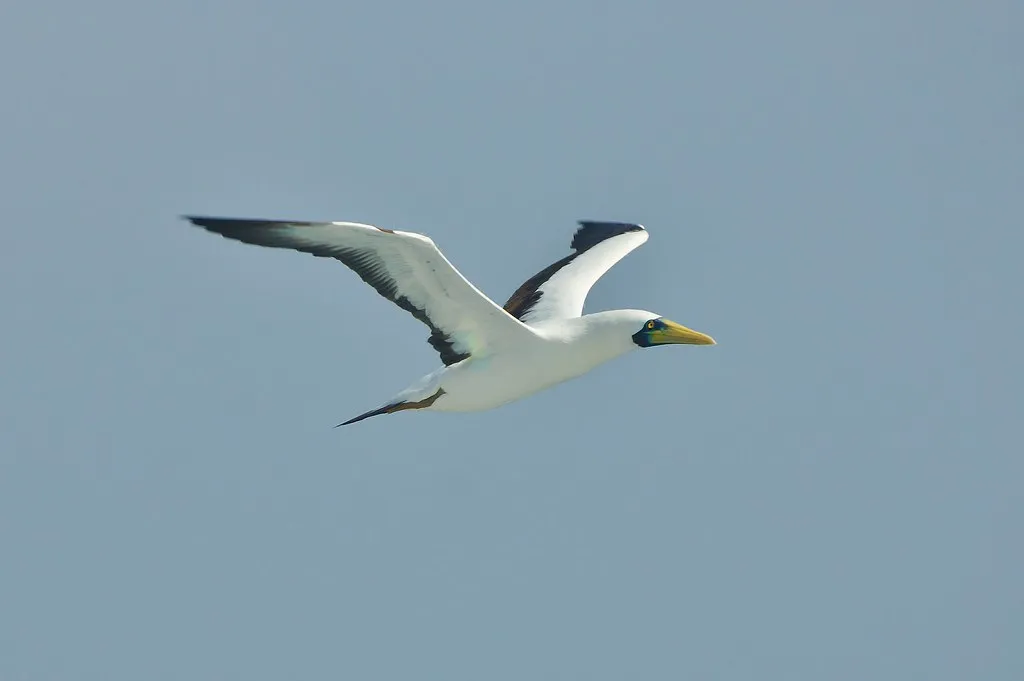
A naturalist guides and interprets the wildlife and landscape on an expedition cruise, running the morning briefing, leading small groups on each landing, reading animal behaviour in the field, and reviewing the day at an evening recap – and the best ones turn a wildlife sighting into real understanding. That interpretive layer is what separates expedition cruising from every other format of wildlife travel.
Real expertise shows in the field: a guide who has worked one bay for years knows which rock the local seal favours and which light catches the glacier best, turning a walk into something close to a private tutorial. Guests who listen carefully in morning briefings and stay close to their naturalist on landings absorb a working knowledge of where to look before they’ve even raised their binoculars.
The expedition model emphasizes educational enrichment alongside adventure, with naturalists, marine biologists, glaciologists, and historians providing context for each day’s discoveries. Treating every briefing and evening recap as part of your optics training – not just entertainment – accumulates into a genuinely sharper eye over the course of a voyage.
Slow Down, Stay Longer, and Let the Scene Develop
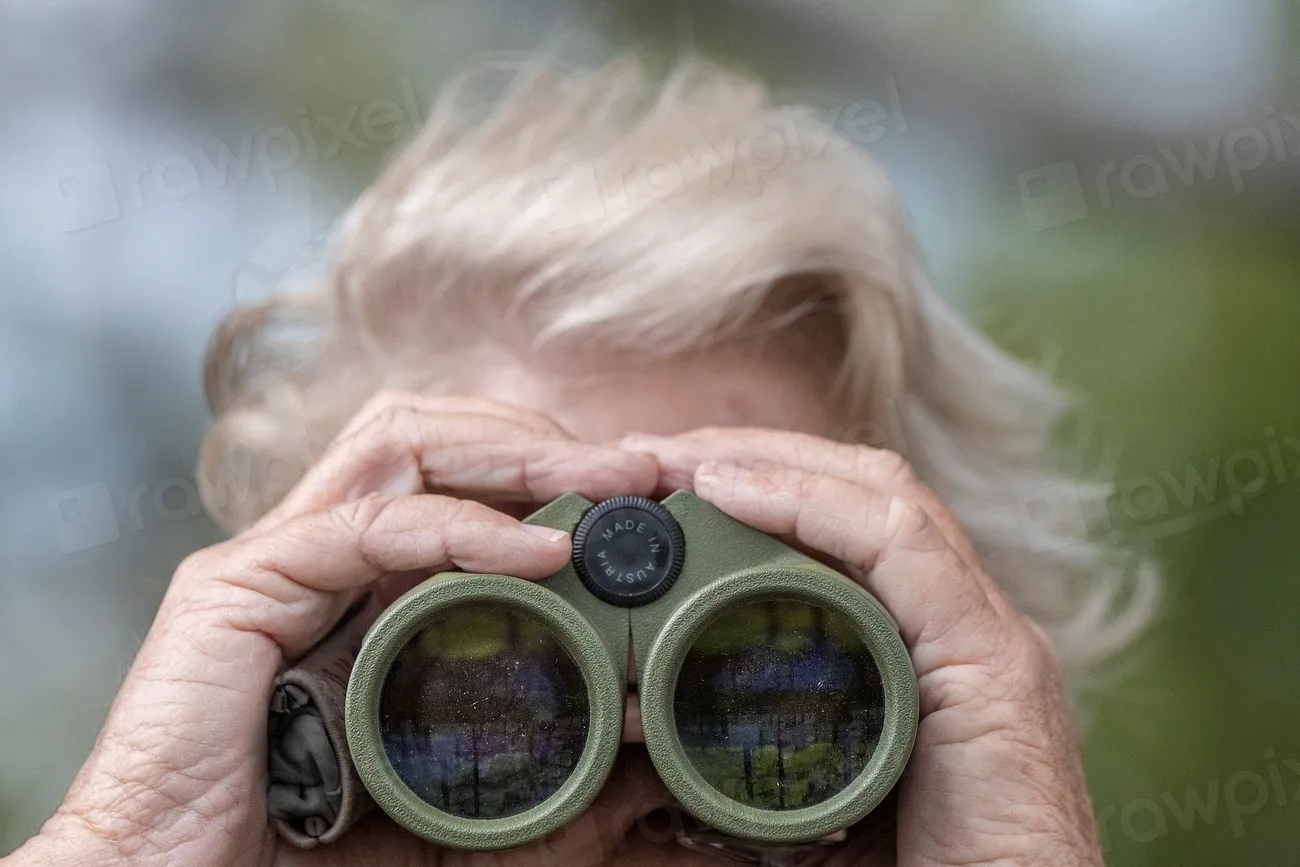
Perhaps the most important binocular habit is also the least technical: patience. The best naturalists do not march guests past wildlife; they stop, wait, and let the animals come, then explain the behaviour as it happens. The same discipline applies to how you use your binoculars. Holding on one area of water or shoreline for several minutes almost always reveals more than a brief scan does.
The wildlife witnessed on an expedition cruise deserves more than a hurried snapshot: dolphins running parallel to the bow, seabirds overhead, a whale surfacing in the mid-distance, and truly observing them will give you far more than a photograph ever could. Staying with a scene, unhurried, through good glass, is when behavior reveals itself.
There is something remarkable about viewing wildlife in its natural habitat with total clarity, as observing close-up and unhurried allows you to understand nature’s fragility and its place in the world – and the longer you look, the more connected you feel. That connection is, in the end, the real return on a well-used pair of binoculars.
The Takeaway
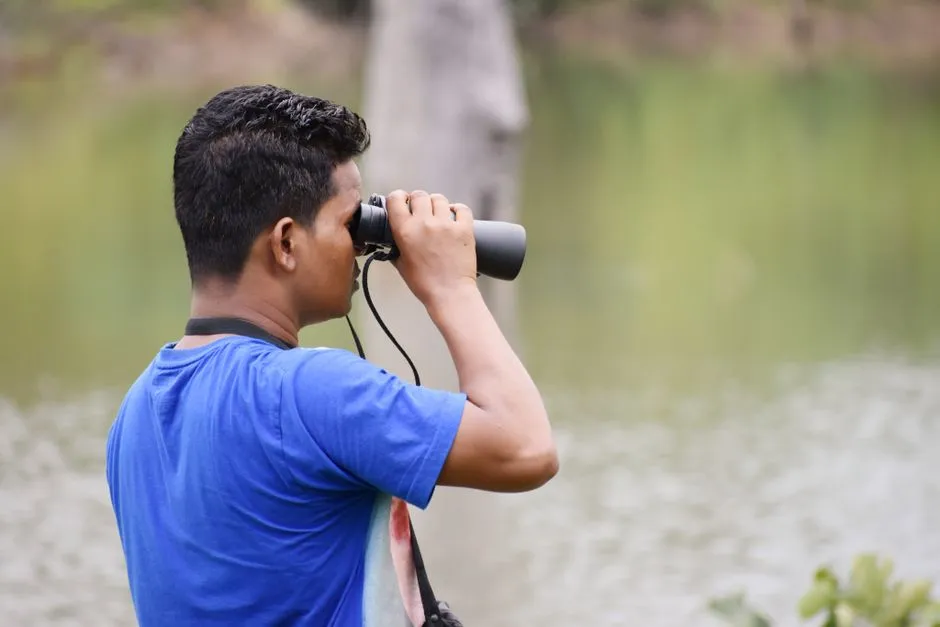
The binocular habit that expedition naturalists share isn’t a single trick. It’s a collection of small, deliberate choices: strap on, eyes first, scan in sections, read the water before you raise the glass, and then stay with what you find. None of it requires special equipment or prior experience.
For birdwatchers and wildlife enthusiasts alike, binoculars are absolutely essential for noticing subtle differences between species not visible to the naked eye, and they help deliver great sightings with far more detail while keeping animals undisturbed in their natural environment. Used correctly, they’re less a piece of gear and more a practice.
The guests who come home from an expedition cruise with the richest accounts of what they saw aren’t the ones who spent the most time photographing. They’re the ones who kept their binoculars around their necks, watched their naturalist closely, and gave the sea enough time to show what it was doing.
AI Disclaimer: This article was created with the assistance of AI tools and reviewed by a human editor.