
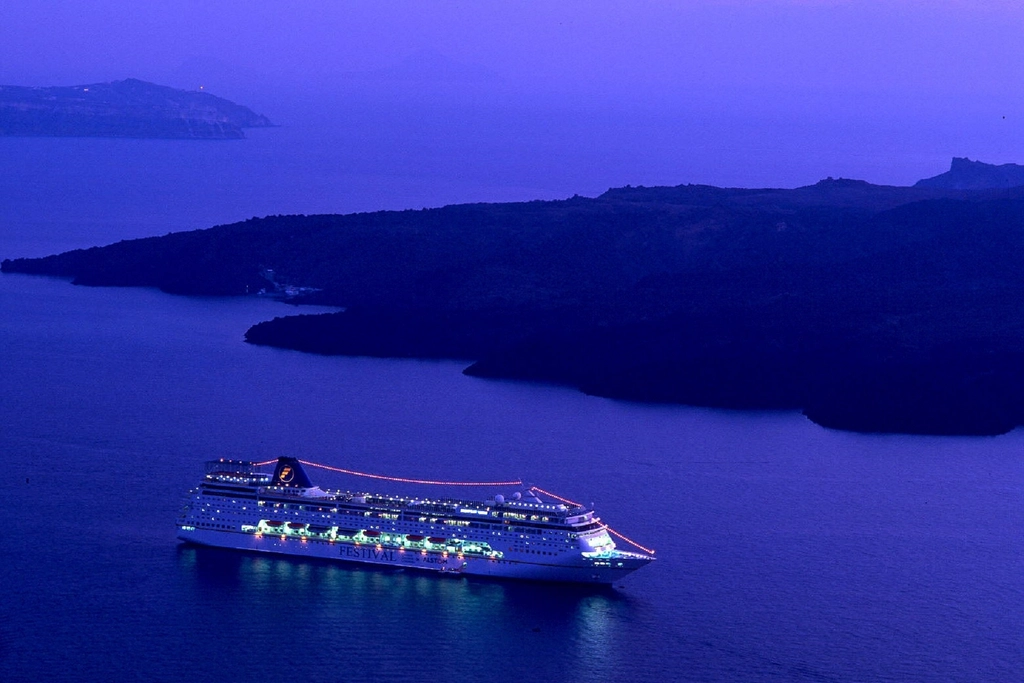
The Engine Room: A City Within a City
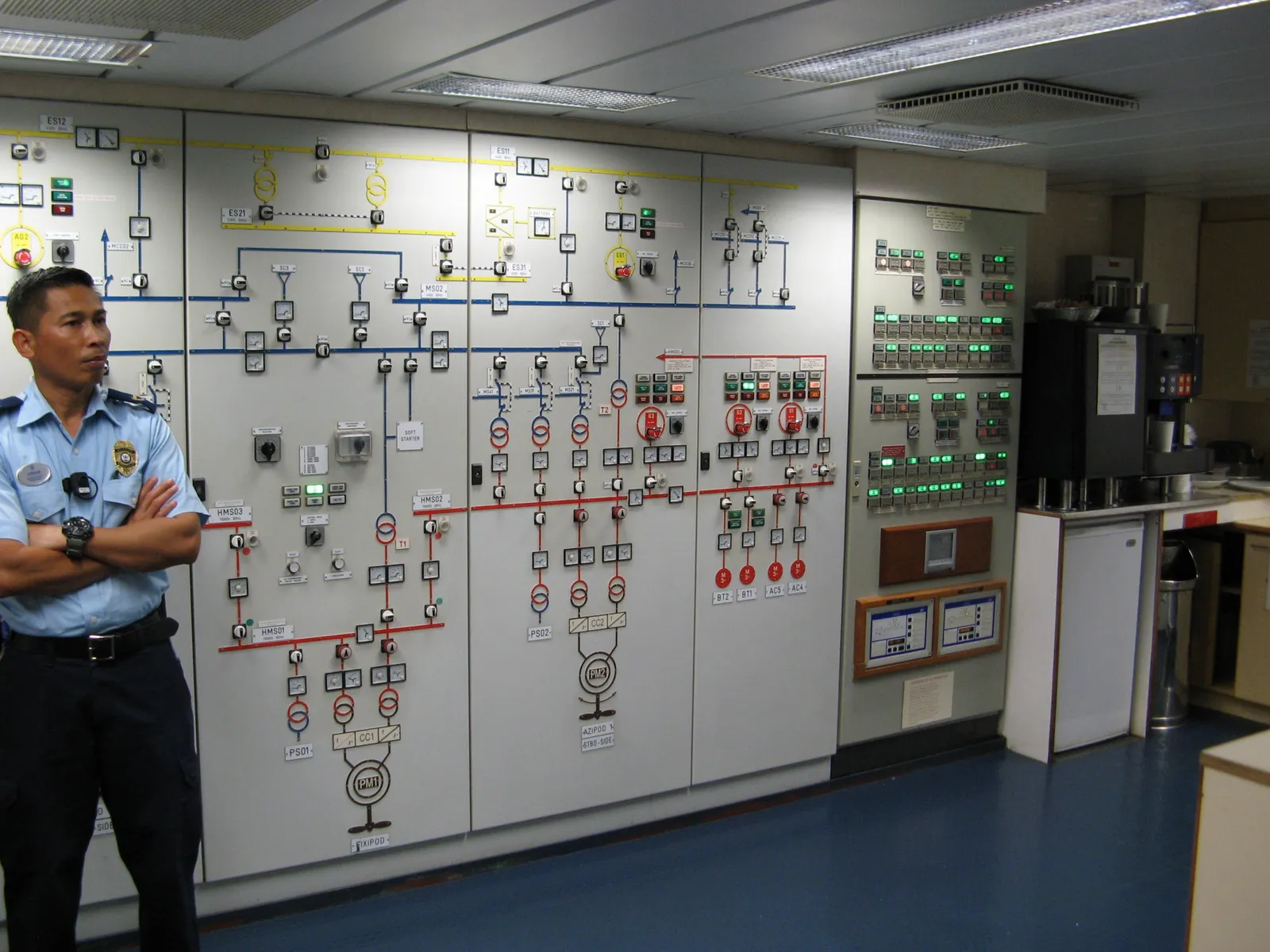
The engine room is, without question, the most impressive space that passengers will never visit. Engine rooms on large cruise ships often occupy at least three decks, making them some of the largest mechanical spaces found on any vessel on earth. Space is needed not only for the massive engines themselves, but for fuel tanks, generators, the engine workshop, and the control room.
Moving through water takes up the vast majority of the ship’s power needs, with about 85 percent of all diesel-electric powerplant production consumed by the propulsion system. The scale of that demand is hard to grasp from a deck chair. The biggest ships, like Royal Caribbean’s Icon-class vessels, run on six engines, while most other cruise ships operate with four.
The Engine Control Room: The Nerve Center Below Deck
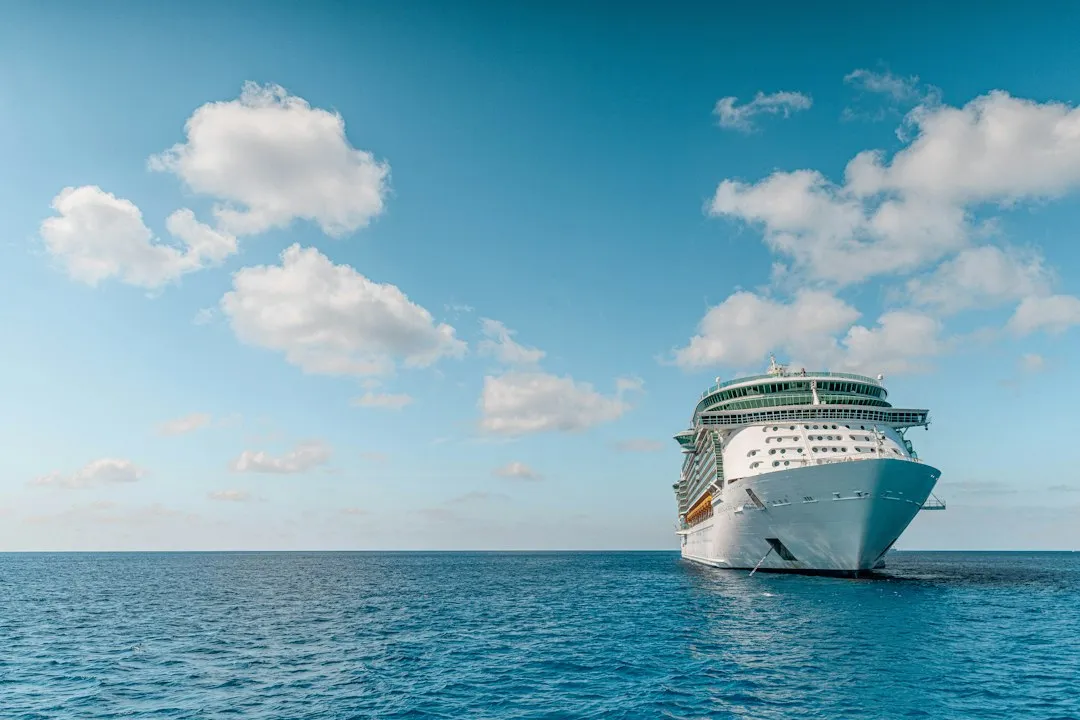
The engine control room is the operational heart of the ship, filled with panels, screens, and controls that monitor the ship’s engines and mechanical systems, with engineers working around the clock to ensure everything runs smoothly. Unlike the bridge, which passengers sometimes get to visit on open-door days, the engine control room stays strictly off-limits. It acts not only as a control center for engine-room machinery, but also as a communications hub where all complaints or malfunctions related to technical equipment are reported by other departments as they occur.
Unlike cargo ships, the engine control room cannot at any moment be left unmanned in UMS mode. Watchkeeping teams ensure that both the engine room and the engine control room are staffed twenty-four hours a day. That level of vigilance rarely gets the credit it deserves.
The Exhaust and Heat Exchange System: Managing Extreme Temperatures
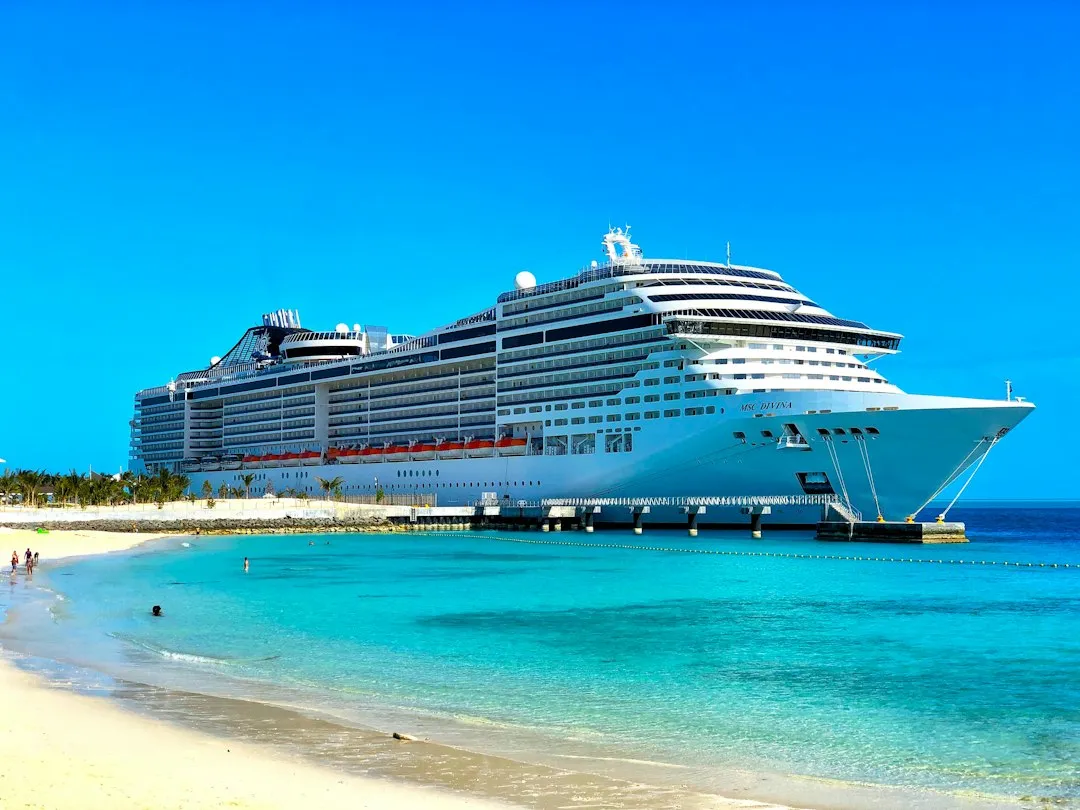
Most passengers have no idea what happens to all that heat generated by massive diesel engines running continuously at sea. The heat from the engines is removed by a series of heat exchangers, found on the exhaust path following the turbocharger on the way to the scrubber. Exhaust gas reaches temperatures of 663 degrees Fahrenheit yet is continuously cooled through heat extraction until it reaches 86 degrees Fahrenheit when it exits the funnel.
That temperature drop is not accidental. It’s a carefully engineered process that takes up dedicated sections of the lower ship that guests simply never pass through. Engines are extremely loud regardless of the ship’s size, and engineers compensate by incorporating sound reduction features and technology to keep the room well insulated so it remains less noisy for guests.
Fuel Storage Tanks: The Hidden Reservoirs That Keep Everything Moving
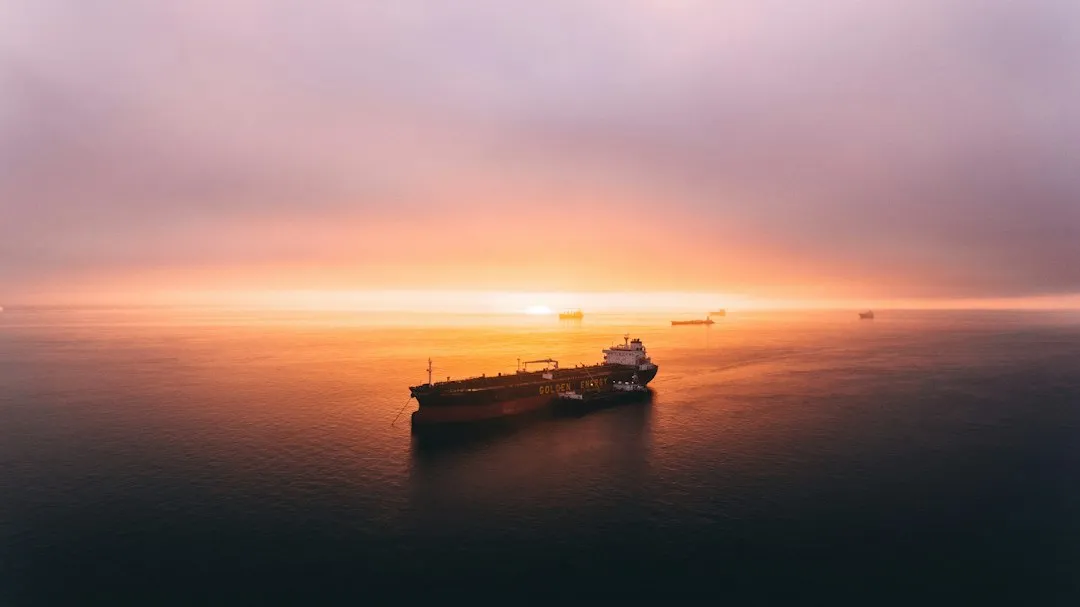
Fuel on cruise ships is typically stored in double-bottom tanks, distributed across the length of the ship alongside ballast tanks, with the only fuel tanks located in the engine room being the service and settling tanks. This design is intentional, both for safety and for stability purposes. For stability, the ship’s heaviest weights are kept at the lowest possible deck, with engines mounted above the keel.
The sheer volume of fuel required for a week-long voyage is enormous, and managing those reserves is a constant engineering calculation. Engineers monitor fuel distribution carefully to keep the ship balanced – something that matters far more than most passengers ever consider.
The Crew Quarters: A Separate World Below the Waterline
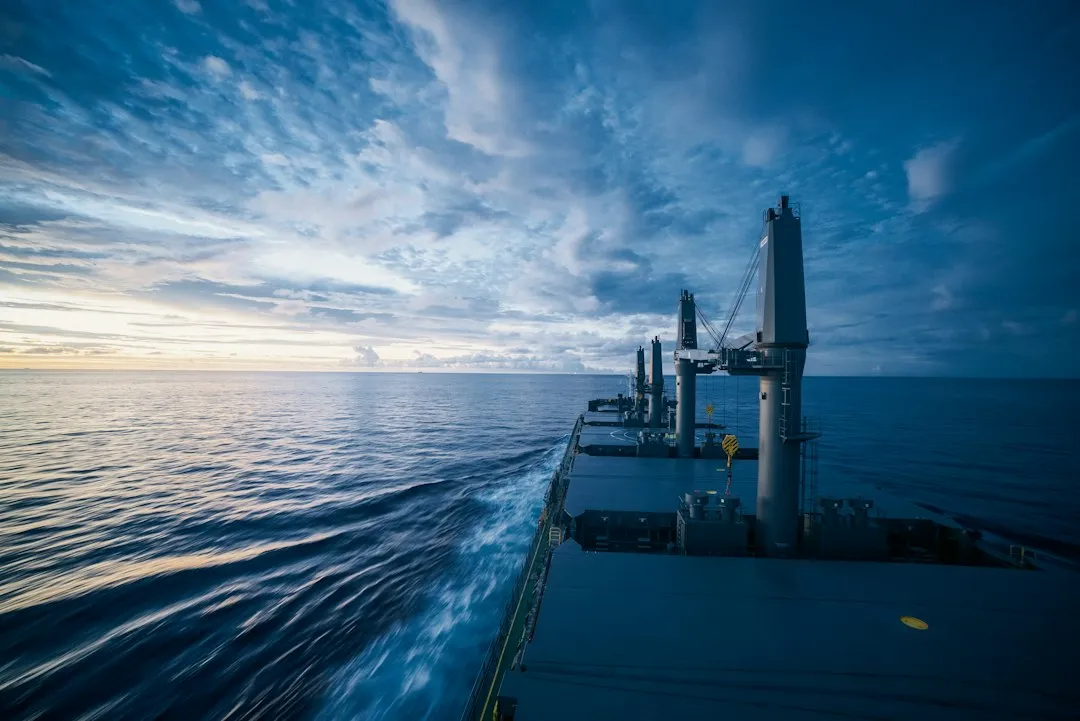
Crew cabins are typically found on the lower decks of the ship, well below the passenger areas. These decks are accessed through restricted hallways that require keycard entry, and most passengers never see these areas during their cruise. Life down there looks nothing like what’s advertised on deck. Crew members often share rooms with bunk beds, and the quarters are designed for practicality, including shared bathrooms, storage lockers, and personal sleeping areas, with crew spending much of their downtime here resting between demanding shifts.
Crew members live onboard for months at a time, so cruise ships contain entire residential sections just for them, usually including cabins, dining halls, recreation rooms, laundry facilities, and offices. It is a full community hidden below the one that passengers experience every day.
The Crew Mess: A Hidden Dining Hall Running Around the Clock
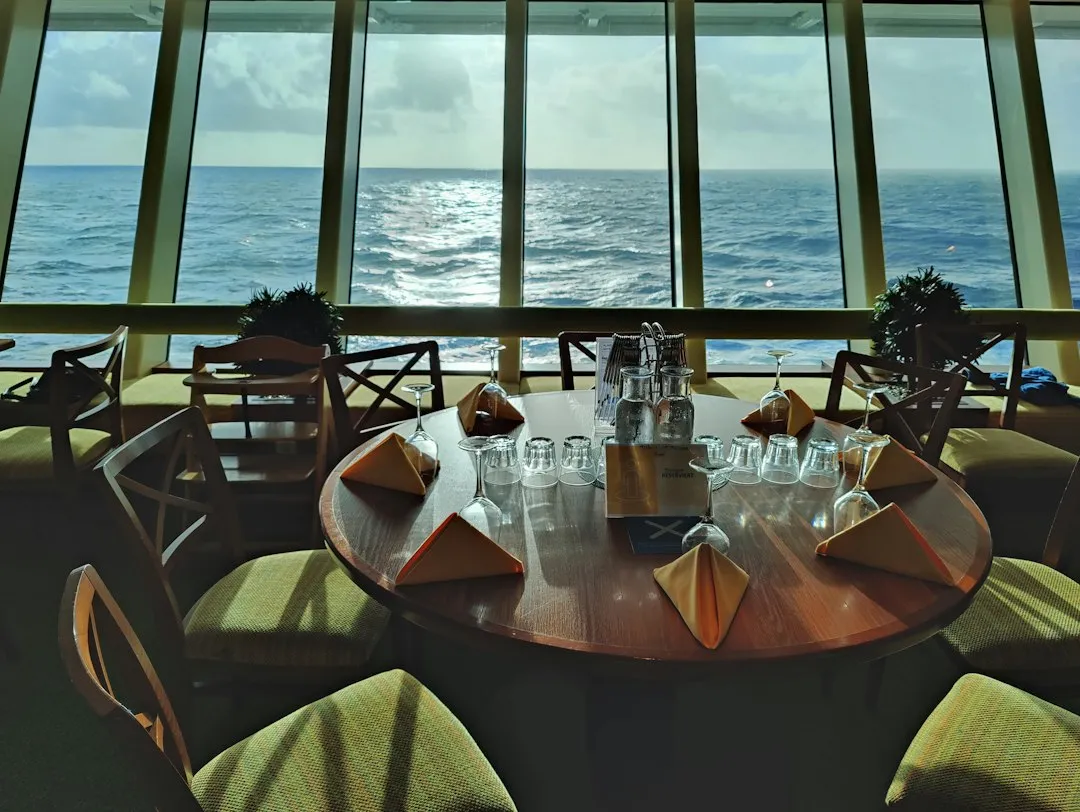
Cruise ship crew members eat in crew-only dining rooms, commonly called the crew mess, which are set up like a cafeteria with a variety of meals and options available throughout the day for breakfast, lunch, and dinner. Passengers rarely consider where the roughly 1,500 crew members on a large ship actually sit down to eat. There is a whole hidden world on the lower decks that passengers never see, where crew members have their own dedicated dining hall, with all meals provided free of charge throughout their contract.
The crew mess is more than just a dining hall. It is also a space where crew members relax and socialize during time off. The crew mess is designed to accommodate long working hours and irregular schedules, whereas passenger dining areas may close as early as 9:00 p.m.
Crew-Only Recreation Spaces: Pools, Bars, and a Rare Moment to Breathe
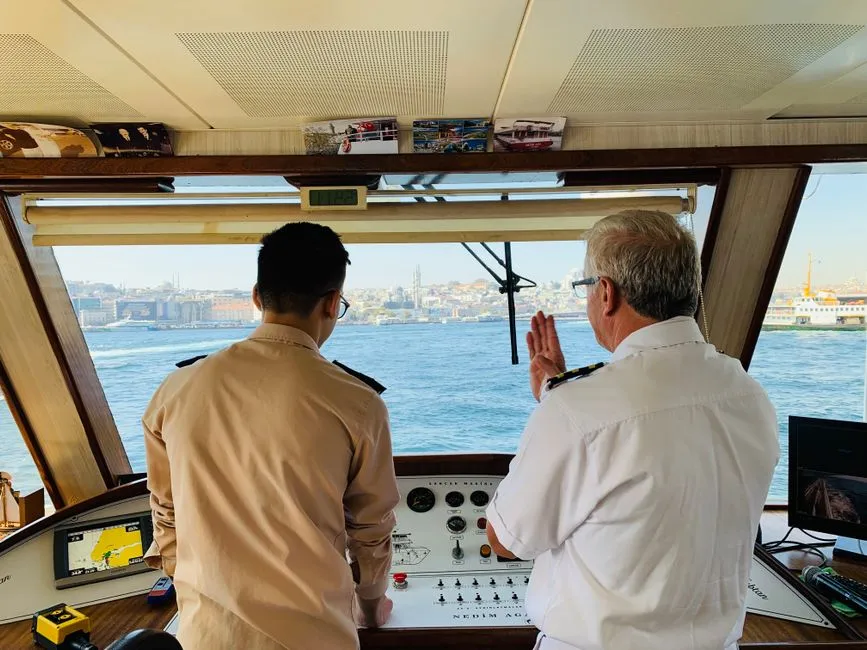
Behind restricted doors are entire areas dedicated exclusively to crew members. Many large cruise ships include hidden pools, bars, and recreational spaces where employees can relax during their time off, and crew members are generally not allowed to socialize with guests while off duty, so ships provide separate facilities designed specifically for them. It is a practical arrangement that most passengers never suspect exists.
Passengers will sometimes look over the front decks and notice a pool hidden away near the bow of the ship – these are crew pools, off-limits to guests. They are not large by any measure, but those small roughly eight-by-eight-foot pools genuinely help crew cool off after long shifts in hot port destinations.
The Wastewater Treatment Plant: Where What Goes Down Must Be Dealt With
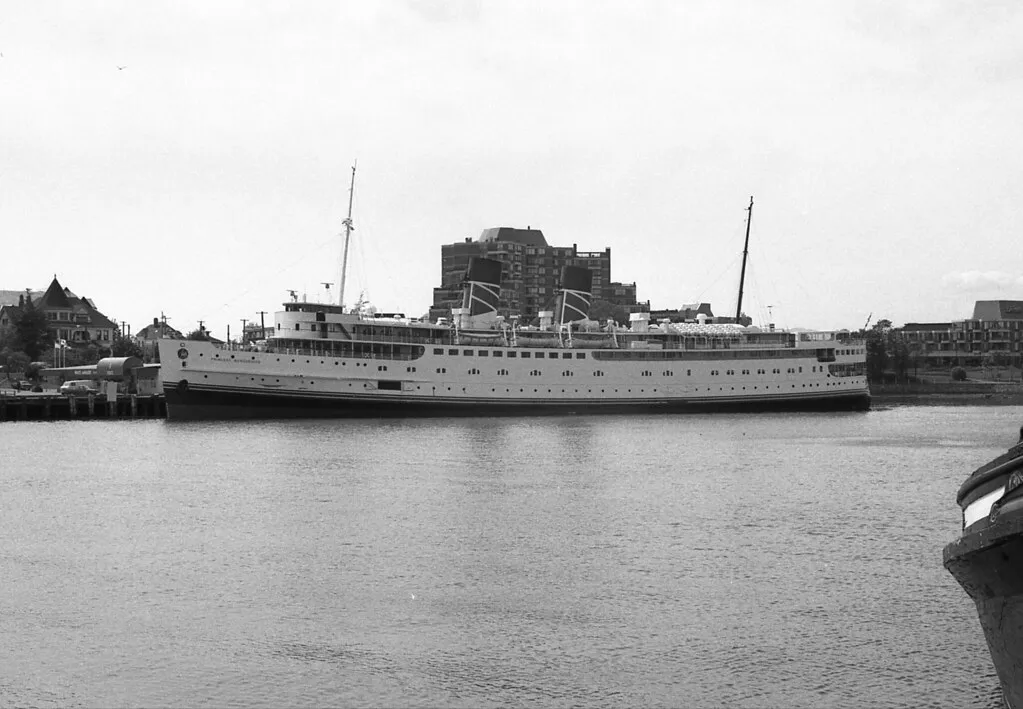
A ship carrying several thousand people produces a staggering amount of waste every single day, and somewhere in the ship’s restricted zones, all of it has to be processed. Modern cruise ships carry their own water treatment systems, which rely on a combination of physical filters, chemical treatments, and biological processes to break down and treat human waste, separating solid waste from liquid waste before disinfecting and treating the water.
Cruise ships are only permitted to release human wastewater that has been heavily treated, while solid waste is processed and dehydrated but not released into open water, instead being disposed of through standard onshore waste methods once the ship is in port. Friends of the Earth released a 2024 Cruise Ship Report Card which scored 21 major cruise lines on their sewage treatment across 243 ships, highlighting that wastewater management remains an active conversation in the industry.
The Morgue: The Room Nobody Talks About
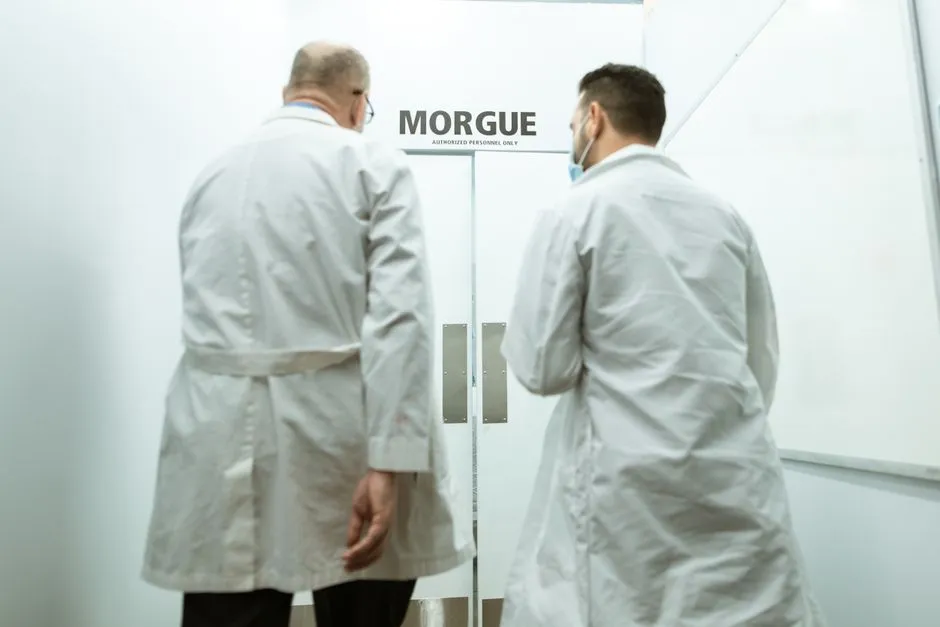
It is one of the best-kept open secrets in cruising. All cruise ships have morgues, though very few passengers realize it. These morgues are smaller than those in hospitals and are discreet, typically nothing more than stainless-steel refrigeration rooms with individual compartments. Maritime experts note that large cruise ships have morgues hidden on the lower decks – cold rooms lined with shelving, kept far from passenger spaces, and designed to hold bodies until the vessel reaches a port equipped to manage them.
All oceangoing cruise ships are legally required to have a morgue and to carry body bags on board, with most morgues being small rooms designed to hold three to six bodies, depending on the overall size of the vessel. Cruise ships do not have dedicated staff for the morgue. Instead, deaths are verified by the ship’s physicians, then by local officials once the vessel reaches port.
The Brig: Yes, There Is a Jail on Board
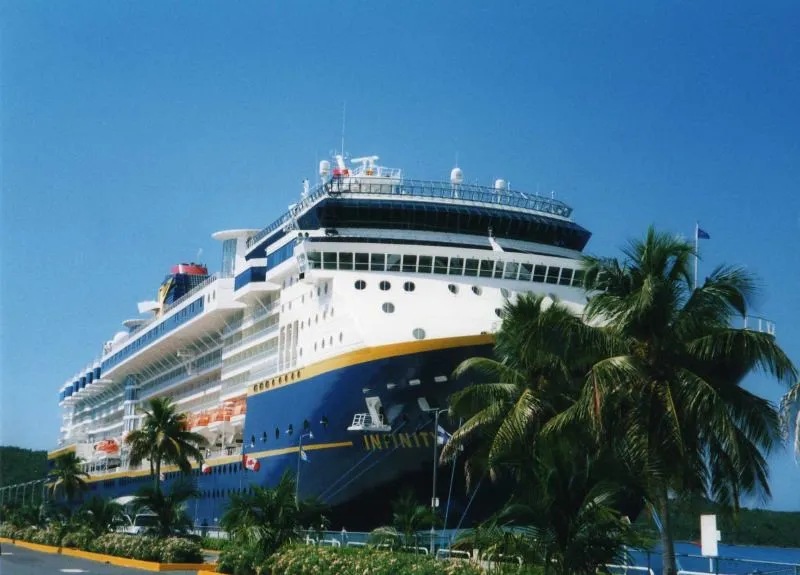
Most people board a cruise ship without giving the slightest thought to what happens when someone breaks the law at sea. Cruise ship jail cells, referred to in nautical terms as “the brig,” are located on one of the lowest decks of the vessel, near the security office. They are functional, stripped-down spaces with no resemblance to the rest of the ship. The brig is spartan, with a bed, padded walls, a toilet, sink, overhead light, and ventilation. Detained individuals are not permitted to bring their own belongings and are issued a detainee uniform so they can be quickly identified. The brig is windowless and quite small.
There is a clear safety dimension to all restricted areas. These are working spaces with machinery, tight corridors, and strict rules where passengers are simply not expected to be. The brig exists for rare but real circumstances, and ships are staffed and equipped to handle them quietly and efficiently.
The Takeaway
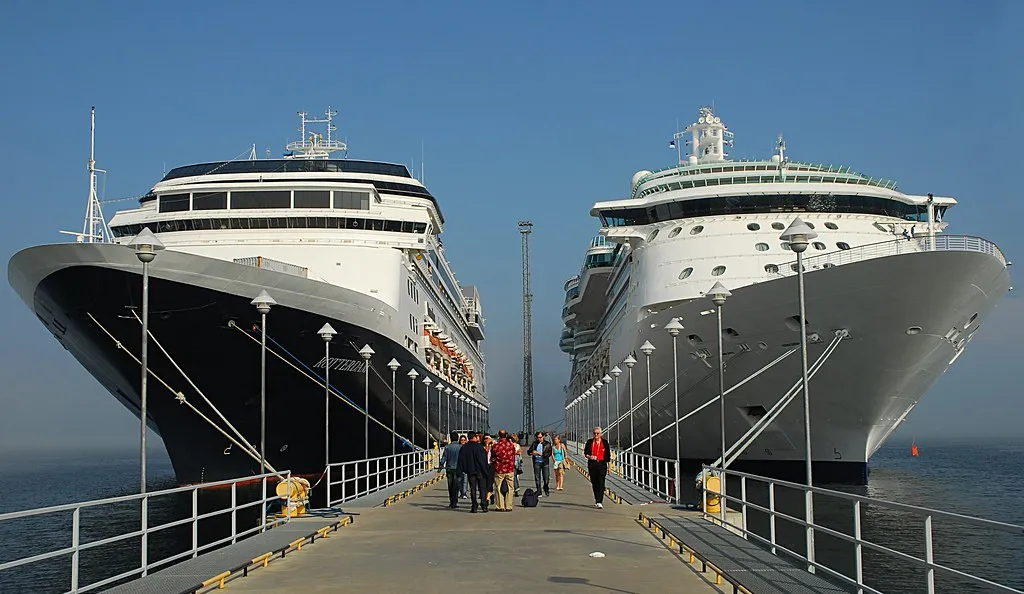
A cruise ship is genuinely two ships in one. There is the world passengers know – the dining rooms, the theaters, the sun decks – and then there is the operational city humming constantly beneath it. The hidden areas of a cruise ship are what keep everything running smoothly, even if passengers never get to see them.
What’s worth carrying away from all this is a quiet appreciation for the scale of invisible work involved. Engineers, maintenance crews, and support staff maintain systems of remarkable complexity so that everything above deck feels effortless. The ship doesn’t just float – it thinks, breathes, and functions like a living system. Next time you’re standing on a sun-drenched deck watching the horizon, some part of what makes that possible is happening several floors below your feet, in a world you’ll almost certainly never see.
AI Disclaimer: This article was created with the assistance of AI tools and reviewed by a human editor.